20 Shade Garden Ideas for a Lush, Low-Light Backyard
Shade doesn’t equal boring, it just means you get to play a different game. Think moody greens, velvety textures, and pops of color that glow rather than glare. You can turn that low-light corner into the most inviting part of your backyard, no sunburn required. Let’s build a lush, shade-soaked retreat that looks intentional, not “oops, the grass gave up here.”
Read the Shade Like a Pro
You don’t need a botany degree, but you do need to know what kind of shade you have. Morning shade with afternoon sun behaves differently than a space that gets only dappled light under a maple. You’ll pick better plants and save money if you match them to real conditions.
- Full shade: Under dense canopies or on the north side of structures, with little direct sun.
- Partial shade: A few hours of morning sun or bright, indirect light most of the day.
- Dappled shade: Light filters through leaves, shifting all day long. Plants usually love this.
- Dry shade vs. moist shade: Under mature trees often means dry; near downspouts or low spots often means moist.
Quick Shade Audit
Grab your phone and snap photos at 9am, noon, and 3pm. Notice where sunlight hits and for how long. Check soil moisture with your finger before you water. You’ll see patterns fast.
Microclimate Clues
Wind tunnels near fences, heat radiating off stone, and gutters that overflow during storms all create micro-zones. Plants notice tiny differences, so lean into them. Put moisture lovers where water lingers and drought-tolerant beauties where roots compete.
20 Shade Garden Ideas You Can Steal Today
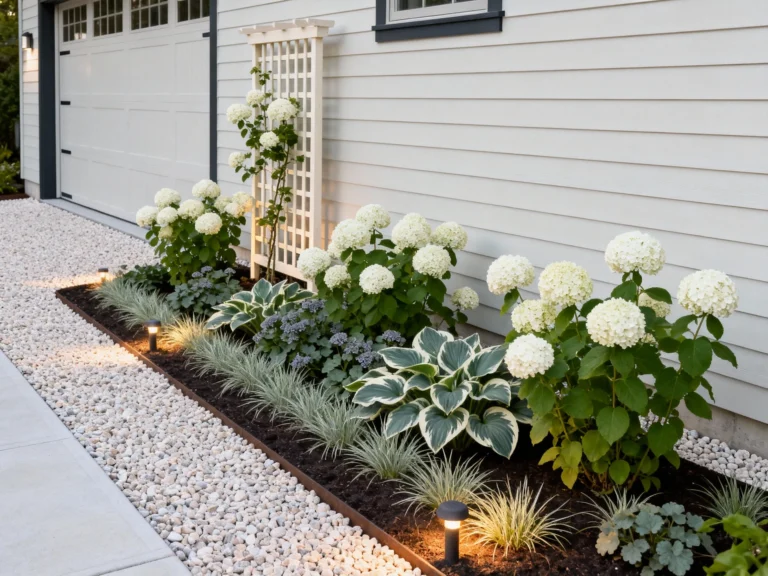
- Layer your canopy. Combine a small ornamental tree (Japanese maple), understory shrubs (hydrangea, yew), and perennials (hosta, hellebore). This creates shade, privacy, and a rich, woodland vibe in a compact footprint.
- Go big on bold leaves. Use hosta, ligularia, and rodgersia as anchors. Big foliage reads from a distance and makes shade feel intentional, not skimpy.
- Make a fern valley. Mass plant lady fern, ostrich fern, or autumn fern. Repetition calms the eye and shouts “lush” without trying too hard.
- Carve a groundcover river. Sweep one variety—sweet woodruff, lamium, or pachysandra—through the bed like a stream. Curves look natural and guide the eye.
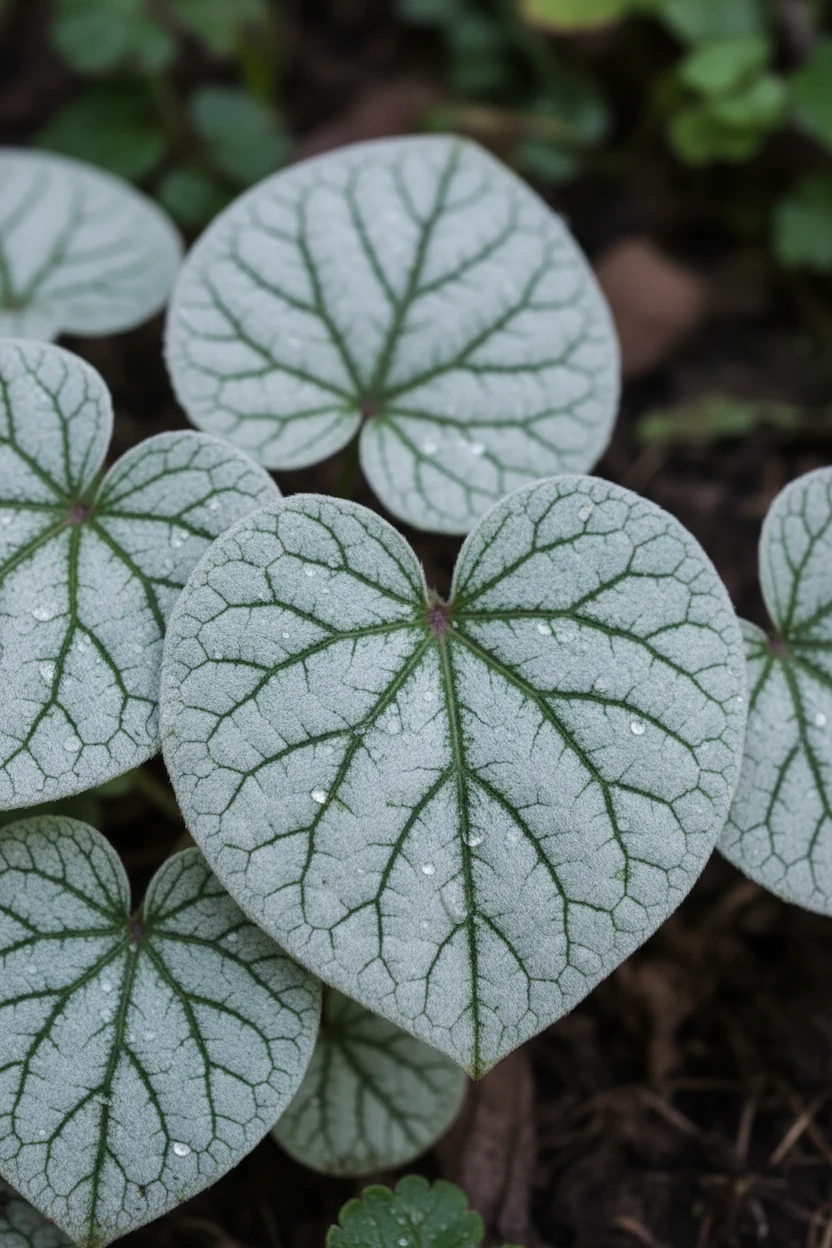
- Brighten with variegated foliage. Brunnera ‘Jack Frost,’ pulmonaria, and variegated solomon’s seal bounce light around. FYI: Variegation acts like built-in highlights in low light.
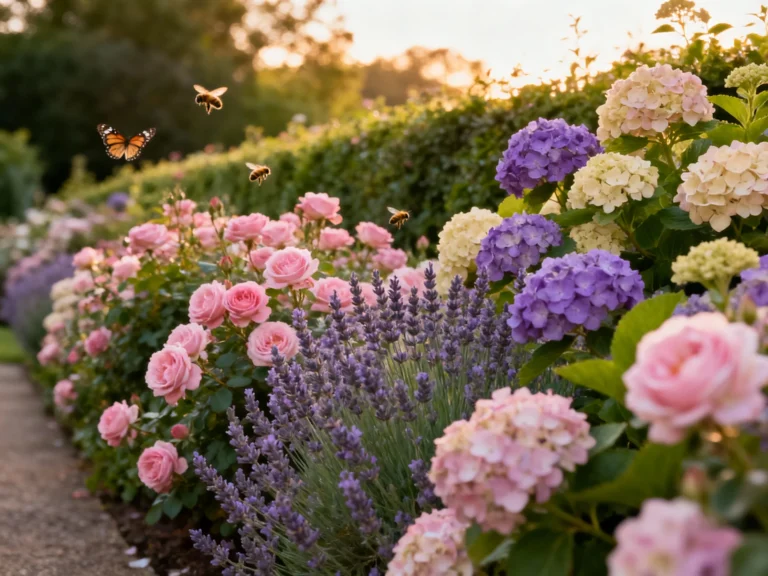
- Pick bloomers that don’t pout. Hellebores, astilbe, foxglove (partial shade), and Japanese anemone bring color and pollinators. Plant in clusters for a meaningful show.
- Add an evergreen backbone. Boxwood, yew, and rhododendron hold the scene in winter. You’ll thank yourself when everything else dies back.
- Edge with texture. Use glossy-hearted epimedium or soft mondo grass along paths. Your walkway will look finished year-round.
- Invite moss where it wants to live. Moss thrives on compacted, damp spots that frustrate grass. Encourage it instead of fighting it, and you’ll get instant zen.
- Include scented shade shrubs. Sarcococca (sweet box) and daphne perfume late winter and early spring. Put them near your door or seating area for max sniff factor.
- Echo colors with heuchera. Heuchera comes in plum, lime, amber, and near-black. Repeat one hue in three places to tie the space together.
- Channel a Japanese woodland moment. Combine hakone grass, Japanese maple, and stones with moss. Keep the palette tight and calm for an elegant vibe.
- Turn a soggy corner into a feature. If you have moist shade, plant ligularia, marsh marigold, and moisture-loving sedges. Add a shallow basin to catch drips and create sparkle.
- Conquer dry shade under trees. Epimedium, hellebores, lungwort, and hardy geranium thrive with root competition. Top-dress with compost to keep them happy.
- Go vertical. Train climbing hydrangea or akebia on a trellis or fence. Vertical greenery adds drama without stealing square footage.
- Use mirrors or reflective accents. A discreet, weather-proof mirror or a light-toned ceramic pot bounces brightness into dim corners. Subtle reflection beats shiny glare in gardens, IMO.
- Add a bubbling water feature. A small urn fountain or birdbath creates sound and movement. Shade gardens love the sparkle—and birds will move in.
- Create a tucked-away seating nook. Gravel pad, two chairs, and a small table—done. Surround with ferns and hostas, and you’ll have a secret reading spot.
- Stage a container cluster for shade. Mix caladium, begonia, and coleus in pots for punchy color. Move them around until the composition sings.
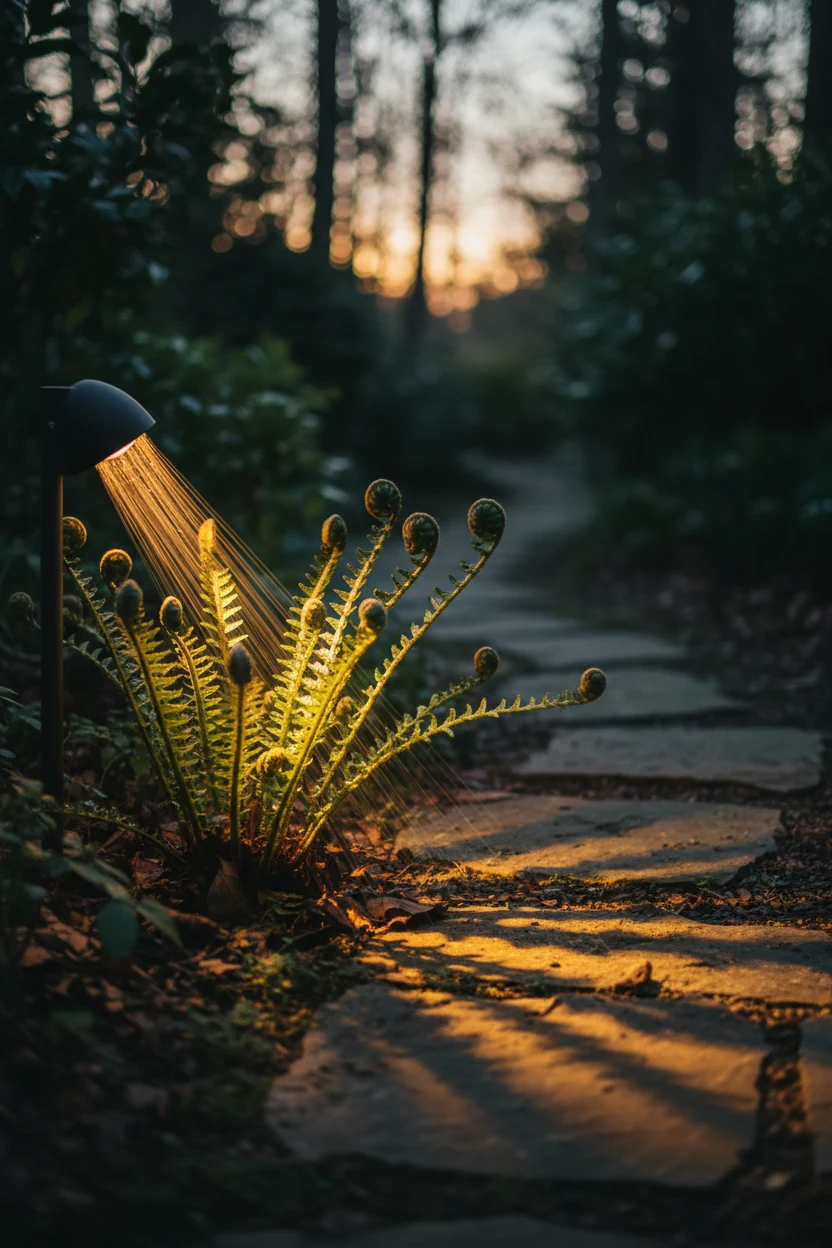
- Warm up the night with low-voltage lighting. Use soft, 2700K path lights and a gentle uplight on a textured trunk. Warm light flatters greens and makes foliage glow instead of glare.
Design Moves for Depth and Drama
Shade gardens thrive on texture, contrast, and repetition. Mix large, matte leaves with smaller, glossy ones, and throw in fern fronds for a feathery counterpoint. Repeat standout plants in odd numbers for rhythm that feels effortless.
Use curves to guide the eye. Let a path bend behind a shrub and reveal a seat or sculpture. These small reveals make a small yard feel bigger and more interesting.
Limit your plant palette to avoid visual chaos. Pick a base trio—say, hosta, fern, and heuchera—then add one or two specialty plants. That restraint looks chic and purposeful.

Color Without Flowers
Foliage does the heavy lifting in shade. Go for variegated leaves, silver or blue tones like brunnera and blue hosta, and lime accents from heuchera or hakone grass. Silver and lime read like sunlight in dark corners.
Play With Scale
Large leaves near paths feel immersive. Plant your most dramatic textures where you can touch them. Save finer textures for the background to create depth.
Hardscape, Water, and Light
Hardscape sets the mood and keeps things practical. In shade, materials look richer and age beautifully. Go with natural stone, weathered wood, or gravel for a timeless feel.
Place a small water feature where you’ll hear it—near seating or a walkway. A quiet trickle masks street noise and cools off a hot day mentally, if not physically. Motion matters, even in a still garden.
Lighting completes the room. Warm path lights, a moonlight effect from a downlight in a tree, and one gentle accent on a statue or trunk make the space magical. Skip floodlights; they flatten everything.
Lighting That Flatters Shade
Use 2700K to 3000K fixtures for cozy tones. Aim lights across foliage to rake texture, not straight at it. Shield bulbs to avoid glare—your future self will thank you.
Sound and Movement
Combine water, rustling grasses like carex, and hanging ornaments that barely move. These tiny cues bring life to quiet corners. FYI: Shade gardens excel at calm, so lean into it.
Care That Keeps It Lush (Without Babying)
Shade doesn’t mean zero maintenance, but it does mean smarter maintenance. Focus on soil, water, and seasonal tidying. You’ll keep plants happier with less effort.
Top-dress beds with compost every spring. You feed the soil; the soil feeds the plants. Mulch 2 inches deep to hold moisture and block weeds, but keep it off stems.
Soil Secrets
Most shade lovers prefer rich, well-drained soil. Mix in compost and leaf mold to mimic forest floors. Skip constant fertilizer; overfeeding pushes floppy growth.
Watering Smarter
Install soaker hoses or drip lines under mulch. Water deeply, then give roots time to breathe. Morning watering helps foliage dry and keeps fungus at bay.
Pest and Critter Control
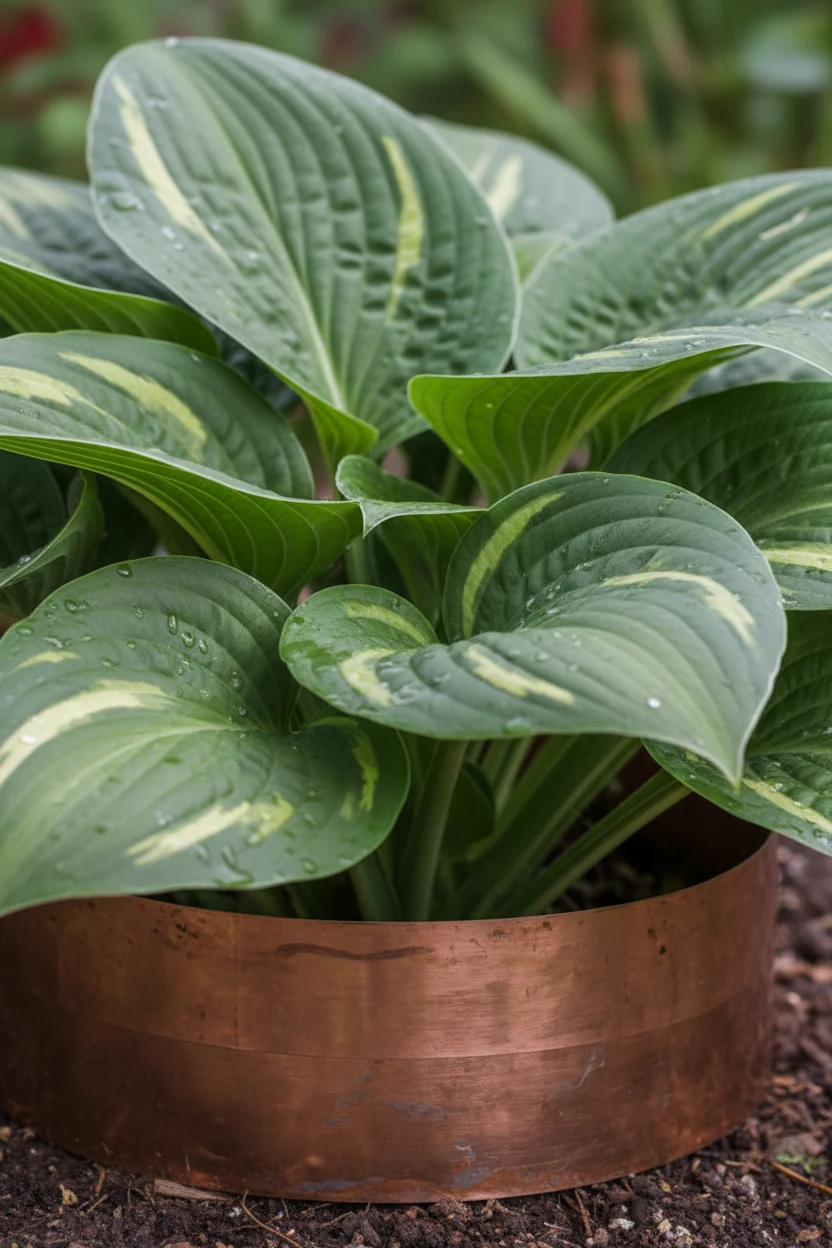
Slugs love hostas, so sprinkle iron phosphate bait or use copper tape around prized clumps. If deer crash your party, pick resistant plants like ferns, hellebores, and boxwood. Keep edges tidy to reduce slug hideouts and fungal issues.
Seasonal Touch-Ups
Divide hostas and ferns every few years to keep clumps vigorous. Deadhead astilbe after the show, or leave seed heads for texture. Refresh mulch lightly each spring for the tidy, finished look.
FAQs
Can I grow vegetables in shade?
You can grow some, but manage expectations. Leafy greens like lettuce, spinach, and arugula tolerate partial shade and actually taste sweeter in cooler spots. Root crops and fruiting veggies want more sun, so keep them in brighter areas, IMO.
What’s the best groundcover for really tough, dry shade?
Epimedium wins that contest often, with evergreen leaves in many climates and delicate spring flowers. Sweet woodruff and pachysandra also handle dry shade once established. Add compost first to help anything settle in.
How do I brighten a dark corner without flowers?
Lean on variegated foliage, silver tones, and lime greens. Use reflective accents like a glazed pot or a small garden mirror placed discreetly. Contrast big leaves with fine textures to create a lively surface that catches light.
Will hostas survive slug attacks?
Yes, with a little help. Choose thicker-leaved varieties, bait with iron phosphate, and water in the morning so leaves dry quickly. You can also plant sacrificial “slug salad” varieties at the edges to distract them from your favorites.
How do I plant under a big tree without hurting roots?
Work shallowly and gently. Add a thin layer of compost, tuck in small plugs like epimedium, and mulch lightly. Avoid heavy digging or piling soil against the trunk; your tree breathes right at the surface.
Do I need special fertilizer for shade plants?
You rarely need anything fancy. Compost and leaf mold offer slow-release nutrition that shade lovers adore. If growth looks weak, use a balanced, gentle fertilizer in spring and stop there.
Conclusion
Shade gardens reward patience and good choices. You lean on texture, foliage color, and smart structure, and the whole scene pays you back with calm, cool beauty. Steal a few of the ideas above, try them in your actual conditions, and tweak until it feels right—gardens evolve, and that’s half the fun. Now go make that dim corner the best seat in the backyard.