Desert Rock Yard Ideas with Succulents (Xeriscape Tips for Beginners)
Succulents + rocks = a yard that drinks less water, shrugs off heat, and still looks like a million bucks. If you want a desert vibe without the “I live on the sun” maintenance schedule, xeriscaping keeps things cool, clean, and low-key. Forget mowing. Forget mud. You’ll build a rock garden that thrives when the sprinklers stay off and the forecast screams “dry.”
Why a Desert Rock Yard Changes Everything
You save time and water, and you win major style points. Succulents handle neglect like champs, and rocks never complain. You can keep things minimalist or go full desert drama with boulders, driftwood, and colorful stone.
It’s not just “no lawn.” It’s a whole vibe. Less maintenance, more texture, and zero guilt about water use—especially if you live in a hot, dry climate.
So what’s the catch? Mostly just planning. You sort out drainage, pick plants that match your climate, and place your rocks with intention. That’s it.
Map Your Space and Pick a Vibe
Start simple. Walk your yard and note sun patterns, wind, and foot traffic. Where does water pool after rain? Where do you actually walk? These answers drive your layout.
- Sun map: Full sun zones suit agaves, cacti, and most aloes. Partial shade suits haworthias and some echeverias.
- Wind and heat: Hot, windy spots bake plants. Use larger rocks to create windbreaks and shade pockets.
- Paths and pause points: Plan a main path and one spot to sit, even if it’s just a bench under your favorite palm.
Choose a Style That Won’t Fight Your House
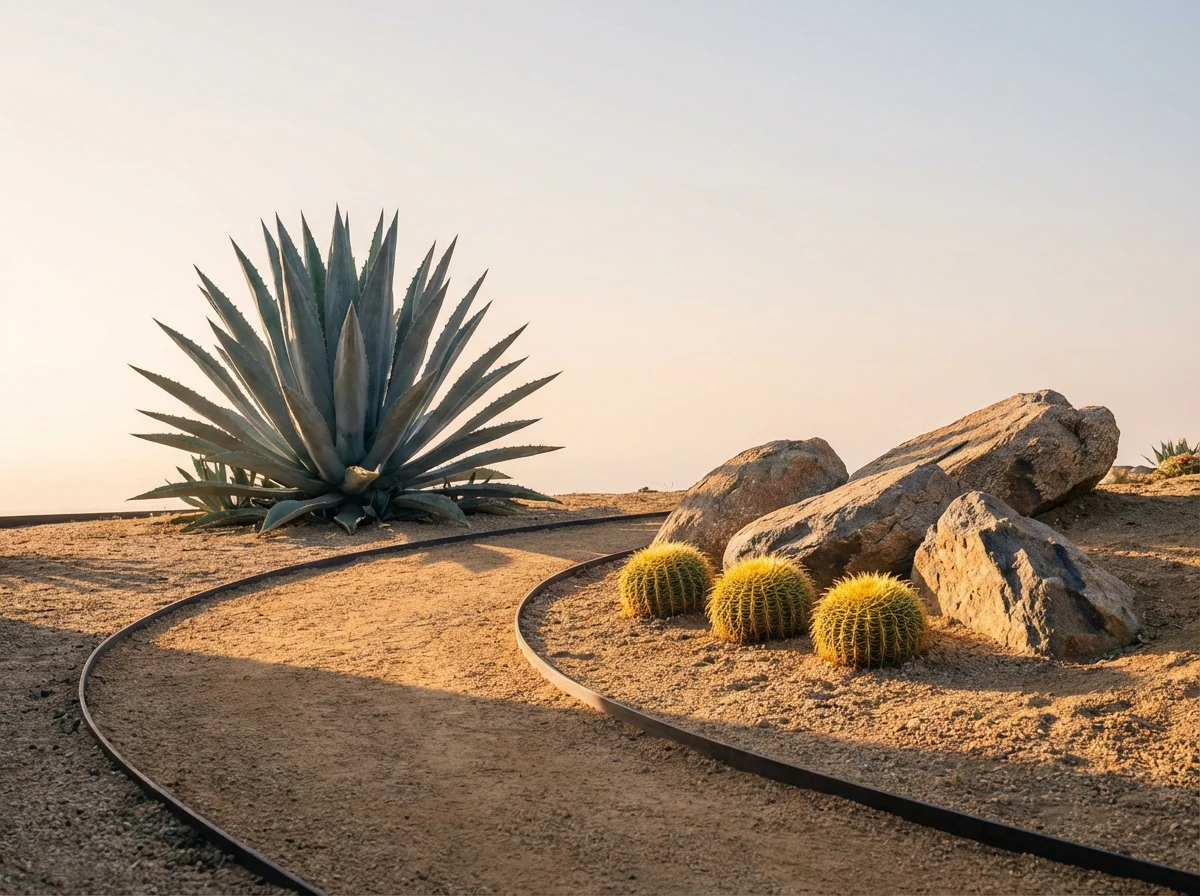
- Modern Minimalist: Clean lines, monochrome gravel, sculptural agaves, statement boulders.
- Natural Desert: Mixed gravel, weathered stone, prickly pears, desert grass, and driftwood accents.
- Boho Desert: Warm-toned rocks, colorful aloes, funky planters, and a few quirky yard art pieces.
Match rock color to your home trim, IMO. Warm stone with warm paint, cool stone with cool paint. Your yard will feel cohesive without trying too hard.
Rock, Gravel, and Hardscape: Your Texture Toolkit
Rocks carry most of the visual weight, so choose them like you choose shoes—right style, right size, right color. You’ll layer sizes for depth and flow.
- Big stuff (boulders): Use 2–5 anchor pieces. Place them asymmetrically, not in a line. Angle them like they grew there.
- Medium rock: Fill around boulders to soften edges and create natural transitions.
- Gravel: Topdress beds, define paths, and reflect light for a bright, clean look.
Gravel Quick Guide
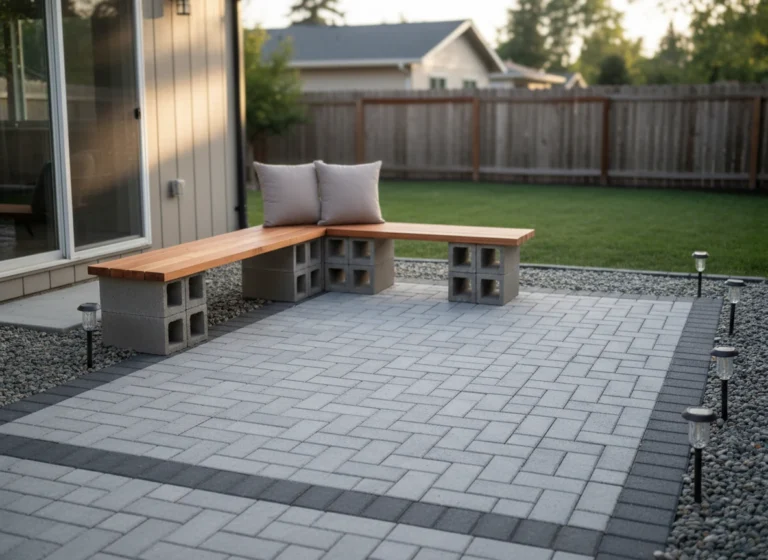
- Decomposed granite (DG): Compact it for paths or patios. It looks clean, drains fast, and stays put.
- Pea gravel: Soft underfoot, great for casual paths. Add edging so it doesn’t wander into your beds.
- Crushed stone: High contrast and sharp lines. Perfect for modern designs.
How to Place Boulders Without Regrets
- Sink each boulder 1/3 into the soil for a “born here” look.
- Group boulders in odd numbers for a natural rhythm.
- Turn one “face” toward your main view and one toward the path. You guide the eye on purpose.
Path Edging and Borders
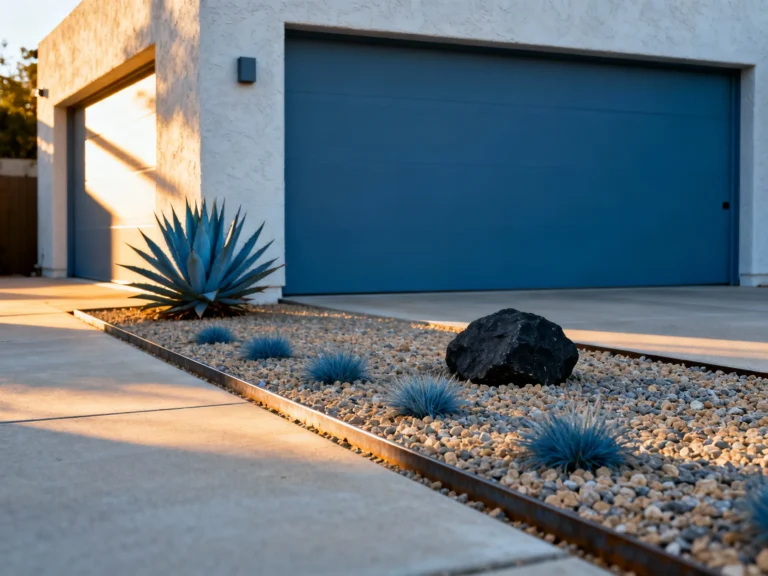
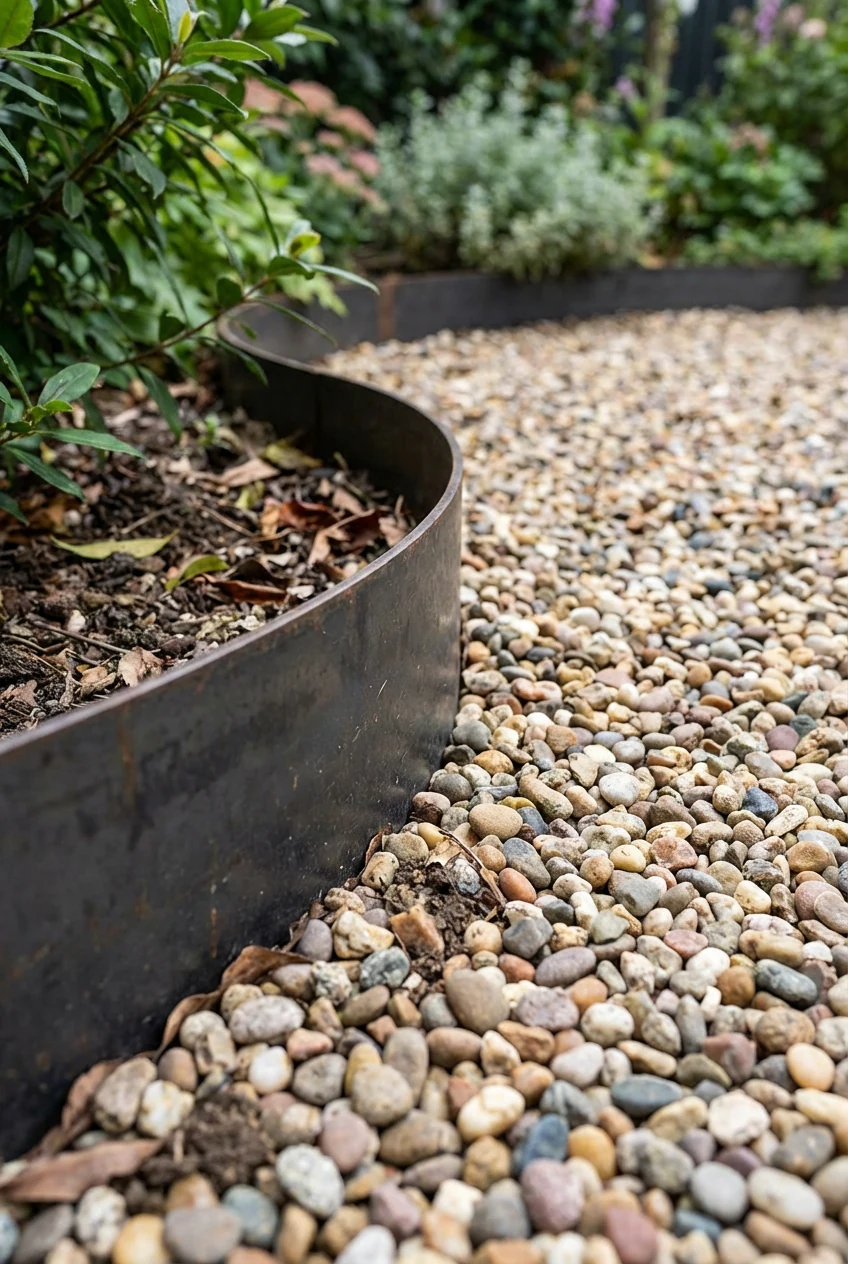
- Use steel edging for clean lines. It keeps gravel in place and makes curves look intentional.
- Use larger river rock against beds for a soft, organic transition.
- Pro tip: Path width = 36–42 inches for comfy walking. Narrower paths feel cramped fast.
Succulents That Thrive (and Look Awesome)
Pick plants that match your climate and sunlight. Know your USDA zone and your average winter lows. Cold snaps can wipe out tender succulents, FYI.
Beginner-Proof Succulents
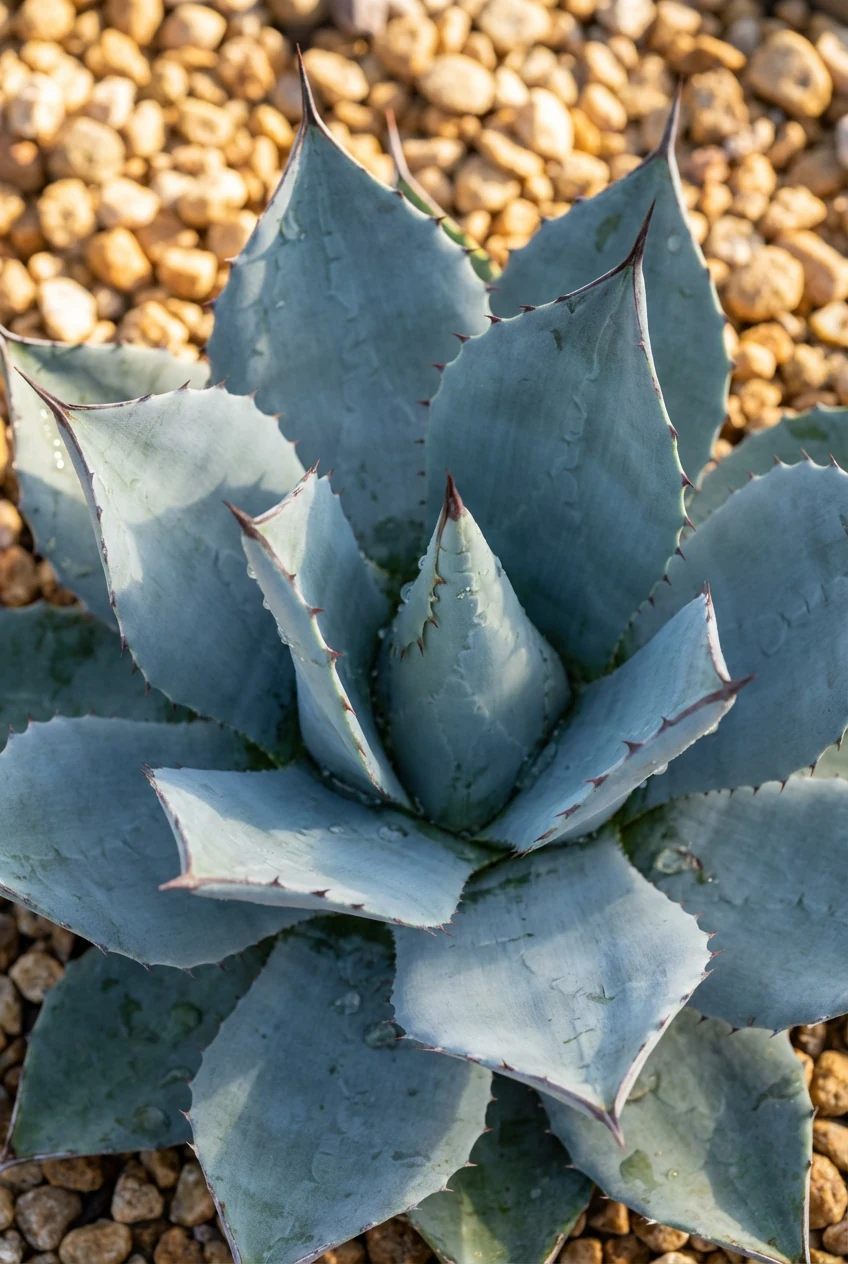
- Agave parryi, Agave ovatifolia: Blue-toned, sculptural, and extremely tough.
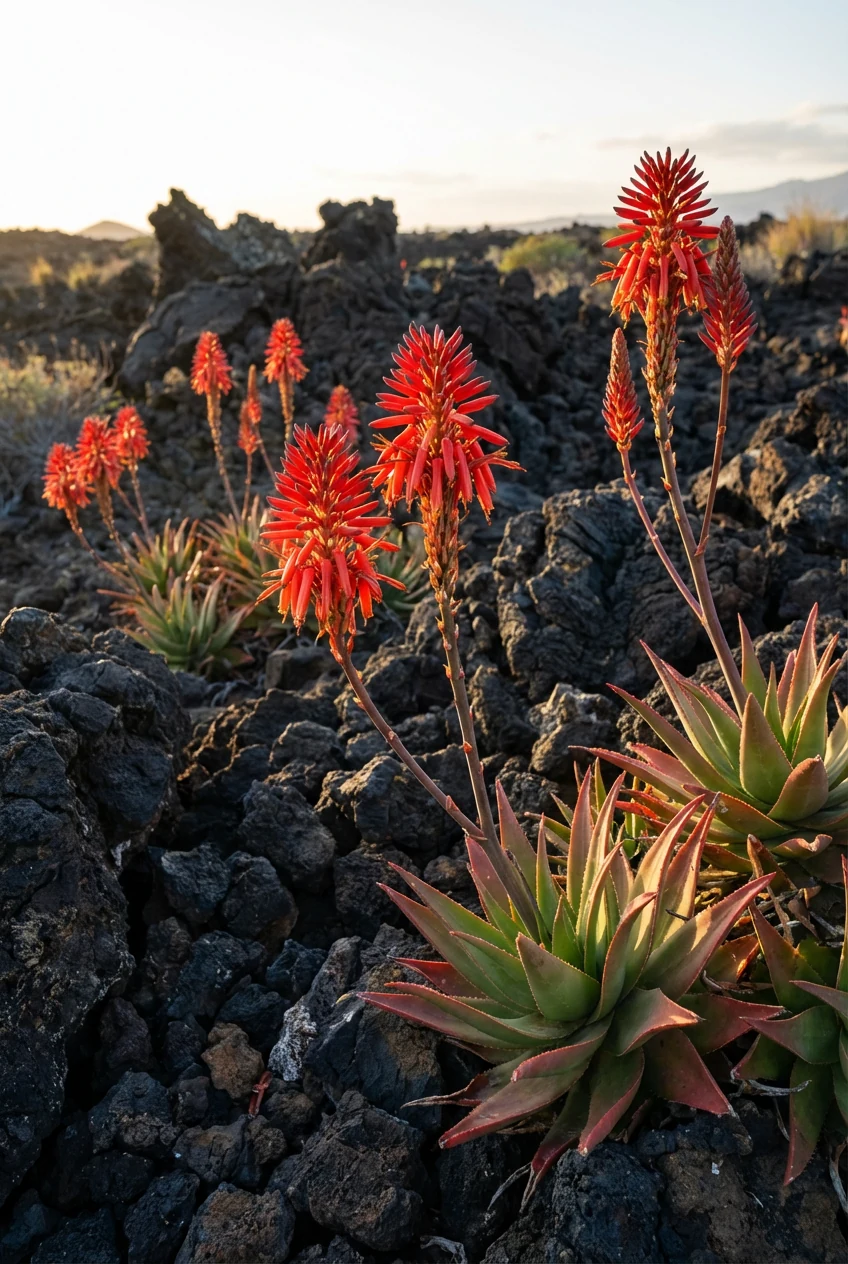
- Aloe striata, Aloe arborescens: Winter color, spring blooms, and great texture.
- Opuntia (prickly pear): Pads, fruit, and a legit desert look. Watch the glochids—tiny and rude.
- Hesperaloe parviflora: Arching leaves and coral-red flowers that hummingbirds love.
- Senecio (Curio) serpens: Blue groundcover that fills gaps like magic.
- Dudleya and Echeveria: Rosettes for that Instagram vibe. Protect from harsh summer afternoon sun in hot zones.
Color and Texture Combos That Pop
- Blue-gray agaves + warm tan gravel = instant contrast.
- Red aloes + black lava rock = dramatic and moody.
- Golden barrel cactus + cream stone = sunlight in plant form.
- Soft grasses (Muhlenbergia, Pennisetum) + spiky yucca = balanced movement.
Spacing and Grouping
- Group by water needs: Keep thirsty aloes together and super-dry agaves together.
- Stagger heights: tall in back, sculptural in the middle, groundcovers up front.
- Allow room: Mature agaves spread wide. Give them 3–5 feet, minimum.
Plant fewer types, in bigger drifts. You create calm instead of chaos. Your yard looks high-end without shopping like a maniac.
Soil, Drainage, and Water: The Unsexy Essentials
Your succulents only ask for two things: fast drainage and occasional drinks. You can nail both with smart prep and simple drip irrigation.
DIY Fast-Draining Soil Mix
- Blend 50–70% native soil with 30–50% mineral amendments: pumice, crushed lava, or coarse sand.
- Build mounded berms 6–12 inches high in flat yards to improve drainage and add dimension.
- Never plant in straight clay. Amend or raise the bed. Clay traps water and suffocates roots.
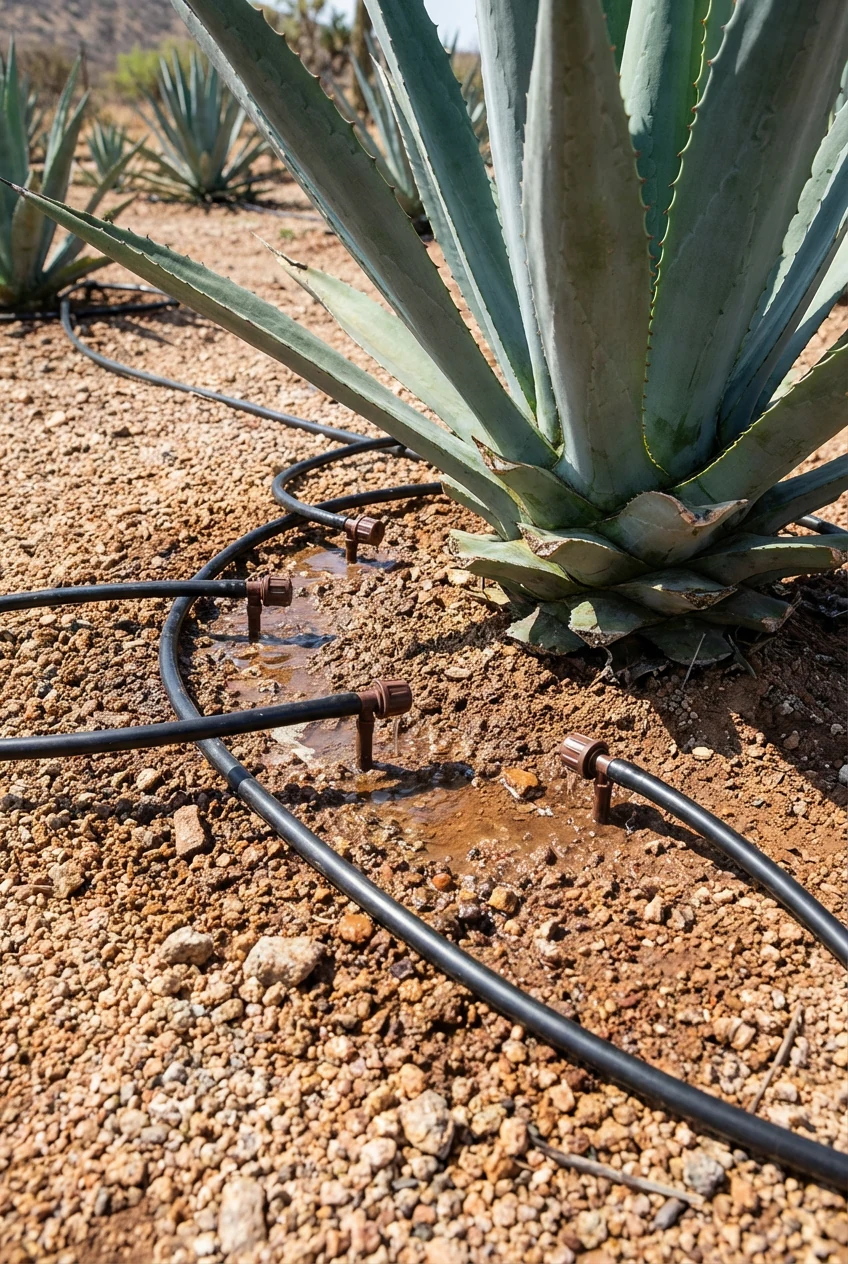
Drip Layout Cheat Sheet
- Mainline tubing (1/2 inch) runs along your beds.
- Branch with 1/4 inch tubing to each plant and use .5–2 GPH emitters based on plant size and heat.
- Place emitters 6–12 inches from the crown. You water roots, not the base.
Watering Schedule (Simple and Sanity-Saving)
- New plants: 2–3 times weekly for 4–6 weeks, then taper.
- Established plants: Deep water every 2–4 weeks in summer. Monthly or less in winter.
- Adjust for heat waves. If temps spike, add one extra deep soak. Skip frequent shallow sips.
Deep, infrequent water builds strong roots. Shallow, frequent water builds mushy drama. You don’t want mushy drama.
Your Weekend Install Plan
Ready to build? Follow this quick roadmap. You end with a clean, layered yard that looks finished on Sunday night.
- Kill the lawn: Sheet mulch with cardboard + 3–4 inches of composted mulch, or remove sod. Give it 2–3 weeks if you can.
- Rough grade: Create gentle slopes and mounds. Aim for 1–2% drainage away from structures.
- Set the big rocks: Place boulders first. Sink them partially and test sightlines from your patio and street.
- Install edging: Steel, aluminum, or stone. Lock in your bed shapes and path curves.
- Lay irrigation: Mainline, emitters, and a timer. Label zones so future-you doesn’t swear at you.
- Soil prep: Mix amendments in planting areas. Build berms where needed.
- Plant large feature succulents: Agaves, yuccas, and aloes go in first. Space generously.
- Add fillers and groundcovers: Senecio, creeping sedum (for cooler zones), and small aloes. Tuck near rocks.
- Topdress: Spread gravel 2–3 inches deep. Rake smooth. Pull it back from plant crowns.
- Finish paths and accents: Compact DG, add stepping stones, and place one or two pieces of driftwood or pottery for character.
Step back and tweak. Shift a boulder, angle a plant, or widen a path. Small adjustments make the whole yard feel intentional.
Maintenance Without the Hassle
Good news: you don’t baby this yard. You just keep it crisp. Think monthly tune-ups, not daily chores.
Seasonal To-Dos
- Spring: Trim spent aloe stalks and refresh thin gravel spots.
- Summer: Check emitters and bump deep watering during heat spikes.
- Fall: Remove fallen leaves around crowns. Wet leaves + crowns = rot risk.
- Winter: Protect tender succulents from hard freezes with frost cloth or a quick move to pots near shelter.
Pests and Problems
- Mealybugs: Dab with isopropyl alcohol or use insecticidal soap.
- Snails: Barriers and bait. They love juicy aloes like we love carbs.
- Rot: Pull back gravel from crowns and reduce watering. Improve drainage with more mineral amendments.
Quick Fixes for Common Mistakes
- Too busy? Remove one-third of small plants and repeat your best performers in drifts.
- Too flat? Add one more berm and one mid-size boulder for depth.
- Too dark? Swap in lighter gravel. Contrast instantly lifts the entire layout.
Small Spaces and Budget Hacks
You don’t need a giant yard or a giant budget. You need smart moves and a few statement pieces. Focus on one wow zone.
Rental-Friendly Ideas
- Use large planters with fast-draining mix. Cluster 3–5 pots with varied heights.
- Lay a temporary DG path over landscape fabric. Pull it up later with minimal drama.
- Add portable accents: solar lights, freestanding trellises, and flexible metal edging.
Upcycle, Don’t Overspend
- Source boulders locally. Transport costs crush budgets.
- Use salvaged brick or pavers for borders. Mix with gravel for a custom look.
- Propagate succulents from friends. Free plants are the best plants, FYI.
Invest in one hero plant or boulder. Everything else can stay simple and affordable. Your eye goes to the feature every time.
FAQ
Do succulents actually need irrigation in a xeriscape?
Yes, but not much. Water new plants more often for a few weeks, then switch to deep, infrequent watering. Succulents live happily with a light touch, especially once their roots settle in. You keep them thriving with a simple drip setup and a timer, not daily fussing.
How do I prevent weeds in gravel?
Use compacted base under paths and landscape fabric under decorative gravel in planting beds. Keep fabric 6 inches away from plant crowns so roots can breathe. Topdress with 2–3 inches of gravel and spot-pull early weeds before they set seed.
Which succulents handle cold better?
Blue agaves (ovatifolia, parryi), certain yuccas, and hardy sedums handle cooler climates best. Hesperaloe also tolerates cold snaps. Research your USDA zone and pick plants labeled hardy to your winter lows. When in doubt, protect tender rosettes with frost cloth during severe cold.
What’s the best gravel color?
Match your home’s palette and your sunlight. Light gravel brightens shady corners and modern designs. Warm tan or gold tones flatter desert themes and terra-cotta accents. Consistency across the yard looks premium, so pick one main gravel and a single accent stone.
How close should I plant succulents?
Space by mature size, not nursery size. Give large agaves 3–5 feet, medium aloes 2–3 feet, and groundcovers 12–18 inches. Tight spacing looks lush at first but invites rot and crowding later. Patience wins—your plants will fill in and look better year two and three.
Can I mix cacti with non-spiky plants?
Absolutely. Balance prickly pear or barrel cactus with soft grasses and rosette succulents. Contrast looks intentional and friendly. Just keep cacti away from paths and seating areas because your shins deserve respect.
Final Thoughts
A desert rock yard with succulents gives you a layout that stays beautiful and low-maintenance all year. You plan smart, you layer rocks and textures, and you water just enough. Drainage, spacing, and consistent gravel do most of the heavy lifting.
Start small. Build one zone, learn your plants, and expand from there. Your future self will high-five you when you skip mowing and your yard still looks sharp—IMO, that’s the kind of landscaping flex we all deserve.