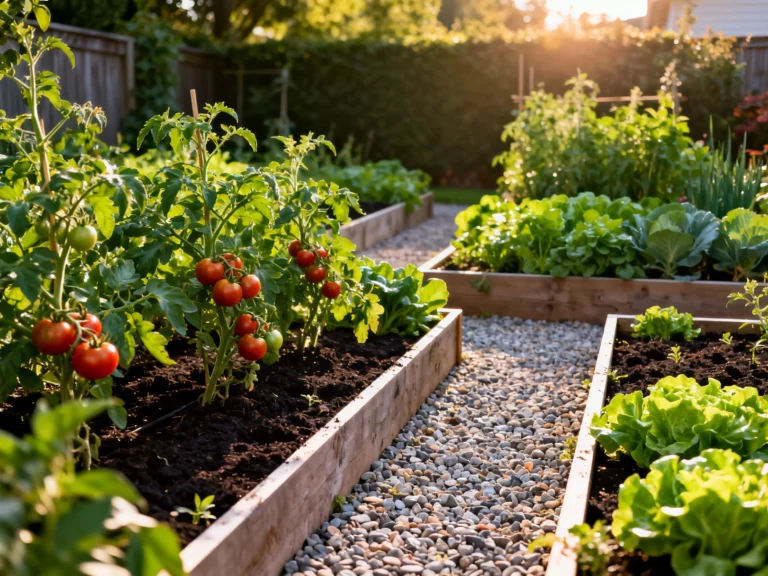
raised vegetable garden design
Raised vegetable garden design can make the difference between a backyard jungle and a tidy little food factory. A good setup saves your back, boosts your harvest, and makes gardening feel a lot less like a chaotic science experiment. If you want beds that actually work and still look good, you need more than a stack of boards and a dream. Let’s talk about how to design a raised vegetable garden that pulls its weight.
Start with the spot, not the shopping list
It’s tempting to buy lumber first and ask questions later. I get it. Garden centers know how to make cedar boards look weirdly exciting. But the smartest raised vegetable garden design starts with your yard.
Watch the sun for a few days before you build anything. Most vegetables want at least 6 to 8 hours of direct sunlight, and fruiting crops like tomatoes, peppers, and cucumbers get especially grumpy without it. Leafy greens tolerate a little less, but they still like more sun than shade.
You also want easy access to water. If your beds sit on the far edge of the yard and your hose barely reaches, guess who loses motivation in July? You do. Keep your garden close enough that watering feels simple, not like a cardio workout.
Drainage matters too. Raised beds help with soggy soil, sure, but you still don’t want to place them in the lowest, swampiest part of your yard. If water pools there after rain, move on. Mosquitoes do not need a veggie buffet.
Think about convenience
A beautiful garden that feels annoying to reach will get ignored fast. Place beds where you can see them from the house or pass by often. When you notice weeds early, harvest on time, and remember to water, everything runs better.
IMO, the best raised vegetable garden design sits somewhere practical, not hidden like a secret woodland shrine. You want your garden in your life, not in exile. Convenience wins more tomatoes than good intentions.
Choose bed size like a sane person
One of the biggest mistakes people make? Building beds too wide. It sounds harmless until you try to reach the center without stepping in the soil like a giant. Soil compaction ruins the fluffy structure your plants love, so design for reach.
The sweet spot for most raised beds is about 3 to 4 feet wide. That lets you reach the middle from either side without acrobatics. Length matters less, so go with whatever fits your space and budget.
Height depends on your goals. A depth of 10 to 12 inches works for many vegetables, especially if you have decent soil below. If you want easier bending, better root room, or you garden on rough ground, go taller.
Common raised bed dimensions that actually work
- 4 x 8 feet: Classic, efficient, and easy to plan
- 3 x 6 feet: Great for smaller yards and tighter budgets
- 4 x 4 feet: Perfect for square foot gardening
- 2 to 3 feet tall: Useful for accessibility and less bending
Leave enough room between beds too. Paths should feel comfortable, not like squeezing between airplane seats. Aim for at least 18 to 24 inches for regular walking paths, and wider if you use a wheelbarrow or need accessibility space.
Pick materials that match your style and your patience
You can build raised beds from wood, metal, stone, bricks, or prefab kits. Each option changes the look, cost, and lifespan of your garden. So ask yourself: do you want rustic charm, modern neatness, or “I built this with whatever sat in my garage” energy?
Wood remains the most popular choice for a reason. Cedar and redwood resist rot better than cheap pine, and they look good for years. They cost more up front, but they usually save you replacement headaches later.
Metal beds have become wildly popular, and honestly, they look sharp. They last a long time, create a clean modern vibe, and come in easy kits. On the flip side, they can heat up in hot climates, so placement and mulch matter.
Stone and brick look gorgeous, but they cost more and take more work. If you want a permanent, polished garden design, they can absolutely pay off. If you just want basil and tomatoes by next weekend, maybe don’t start a masonry phase.
Materials to avoid or use carefully
Skip anything treated with questionable chemicals, especially older reclaimed wood with an unclear history. You grow food here, not mystery vegetables. If you use reclaimed materials, make sure you know exactly what they are and where they came from.
Also avoid flimsy materials that bow outward after one season. Soil weighs a lot. Raised vegetable garden design needs structure, not optimism.
Plan the layout before you plant a single tomato
This part sounds boring, but it saves chaos later. A smart layout helps with airflow, harvesting, crop rotation, and simple day to day movement. Random bed placement might look cute on paper, but it often turns into a zigzag mess.
Start by deciding how many beds you can realistically maintain. More beds mean more soil, more watering, more planting, more weeding, and more moments where you whisper, “Why did I do this to myself?” Begin with enough space to learn, not enough to overwhelm you.
Group crops by height and sunlight needs. Put taller crops like tomatoes, pole beans, or trellised cucumbers where they won’t shade shorter plants. In many gardens, that means placing tall crops on the north side so they don’t hog all the sun.
Add vertical elements on purpose
Trellises, arches, and cages make a huge difference in raised bed design. They save ground space and improve air circulation for climbing or sprawling crops. Cucumbers, peas, beans, and even some squash varieties love to go up instead of out.
Vertical gardening gives you more production in less space. It also makes harvesting easier and keeps fruit cleaner. FYI, a cucumber hanging neatly on a trellis looks way more civilized than one hiding under a leaf like a tiny green criminal.
Make paths work for you
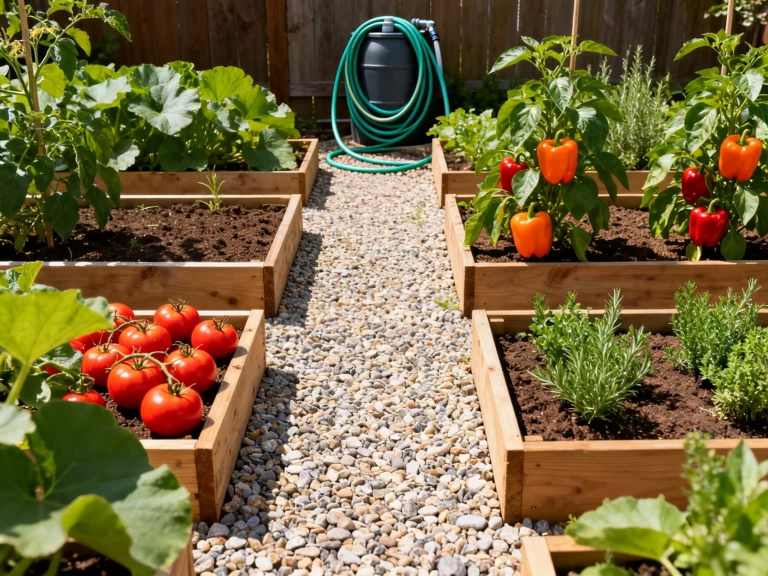
Don’t ignore your paths. Gravel, mulch, pavers, or even plain cardboard with wood chips can keep weeds down and mud under control. Good paths make the whole garden feel intentional instead of slapped together.
If you want a polished look, repeat shapes and spacing across the garden. Symmetry adds visual calm, even in a productive veggie patch. If you prefer a looser cottage style, keep it relaxed but still readable.
Fill your beds with soil that plants actually love
You can build the prettiest raised beds on the block and still grow sad vegetables if your soil stinks. Raised bed soil should feel loose, rich, and well draining. Think crumbly and alive, not dense and clumpy like old construction fill.
A strong raised bed mix usually includes topsoil, compost, and an aeration material like coarse sand, perlite, or aged bark fines. Plenty of gardeners use a simple blend of about 50 percent topsoil and 50 percent compost. The exact recipe matters less than the result: fertile soil that drains well and holds moisture.
Don’t fill deep beds entirely with pricey premium mix if your budget starts crying. You can use logs, branches, leaves, or rough organic matter in the bottom of very tall beds, then add quality soil on top. That trick saves money and reduces the amount of soil you need.
Refresh your beds every season with compost. Vegetables are hungry little divas, and they use up nutrients fast. A yearly top up keeps your soil productive and your plants a lot happier.
Design for the crops you actually want to eat
This sounds obvious, yet people still plant like they’re stocking a medieval village. Be honest about what you cook and what your household enjoys. If nobody eats eggplant, don’t give it prime real estate just because the seedlings looked charming.
Raised vegetable garden design works best when you match each bed to crop needs. Deep rooted crops like carrots and tomatoes appreciate deeper soil. Quick growers like lettuce, radishes, and spinach fit beautifully in smaller sections and succession planting plans.
Easy crop groupings for raised beds
- Salad bed: Lettuce, spinach, arugula, radishes, green onions
- Summer bed: Tomatoes, basil, peppers, marigolds
- Trellis bed: Cucumbers, peas, pole beans
- Root bed: Carrots, beets, onions, garlic
- Herb bed: Parsley, dill, cilantro, thyme, chives
Companion planting can help, but don’t overcomplicate it. You do not need a secret ancient chart etched into stone. Just remember the basics: give plants enough space, keep airflow decent, and don’t let aggressive spreaders bully everyone else.
Planting densely can work well in raised beds, but only up to a point. Crowded plants compete for light, water, and nutrients. A lush bed looks amazing until powdery mildew strolls in like it owns the place.
Build in beauty as well as function
A productive garden should still look good. You’ll spend more time out there if the space feels inviting, and that matters. Raised vegetable garden design sits right at the sweet spot between edible and attractive.
Use repeating materials and colors to tie the space together. Matching beds, coordinated trellises, and consistent path surfaces create a clean visual rhythm. Even a small backyard starts to feel designed instead of improvised.
Mix in flowers if you want the garden to work harder and look prettier. Nasturtiums, calendula, zinnias, marigolds, and alyssum attract pollinators and beneficial insects. They also make the whole setup look less like a rectangle convention.
Small details that make a big difference
- Install a bench so you actually linger and enjoy the space
- Add labels because memory gets suspiciously weak by midsummer
- Use hoops or covers for frost, pests, or shade cloth
- Include a focal point like an arch, obelisk, or decorative pot
Lighting can help too if your garden sits near a patio or path. A few solar lights make evening harvesting easier and give the space a cozy look. Fancy? Maybe. Useful? Also yes.
FAQ
What is the best layout for a raised vegetable garden?
The best layout gives every bed good sun, easy access, and enough path space. Keep beds narrow enough to reach from both sides, place tall crops where they won’t shade shorter ones, and keep water nearby. Simple layouts usually beat complicated ones, IMO.
How deep should a raised bed be for vegetables?
Most vegetables grow well in beds that measure 10 to 12 inches deep. Root crops and larger plants often benefit from deeper soil, especially if the ground below doesn’t help much. If you want easier access and less bending, taller beds make life easier too.
What should I put on the bottom of a raised garden bed?
In many cases, you can place raised beds right on the ground. Cardboard can help smother grass and weeds underneath, and it breaks down over time. In very deep beds, you can add sticks, leaves, or coarse organic matter at the bottom to save on soil.
How far apart should raised beds be?
Leave 18 to 24 inches between beds for comfortable walking. Go wider if you want to use a wheelbarrow, kneel easily, or create accessible paths. Tight spacing sounds efficient until you try to harvest zucchini without body checking your tomatoes.
What vegetables grow best in raised beds?
Raised beds work well for almost all vegetables, but they especially shine with tomatoes, peppers, lettuce, spinach, carrots, cucumbers, beans, onions, and herbs. The loose soil and improved drainage help roots grow better and make maintenance easier. If you want quick wins, start with salad greens, herbs, and bush beans.
Do raised beds need a special soil mix?
Yes, they do better with a loose, fertile mix than with plain yard soil alone. Use a blend that holds moisture but still drains well, usually with topsoil and compost as the base. Healthy soil drives the whole system, so don’t cheap out here if you can help it.
Conclusion
A good raised vegetable garden design balances sunlight, access, soil, crop planning, and looks without turning the whole project into a backyard thesis. Keep the beds reachable, the layout practical, and the materials durable. Build for the way you actually garden, not for some fantasy version of yourself with endless free time. Do that, and your raised beds will reward you with fewer headaches and a lot more vegetables.