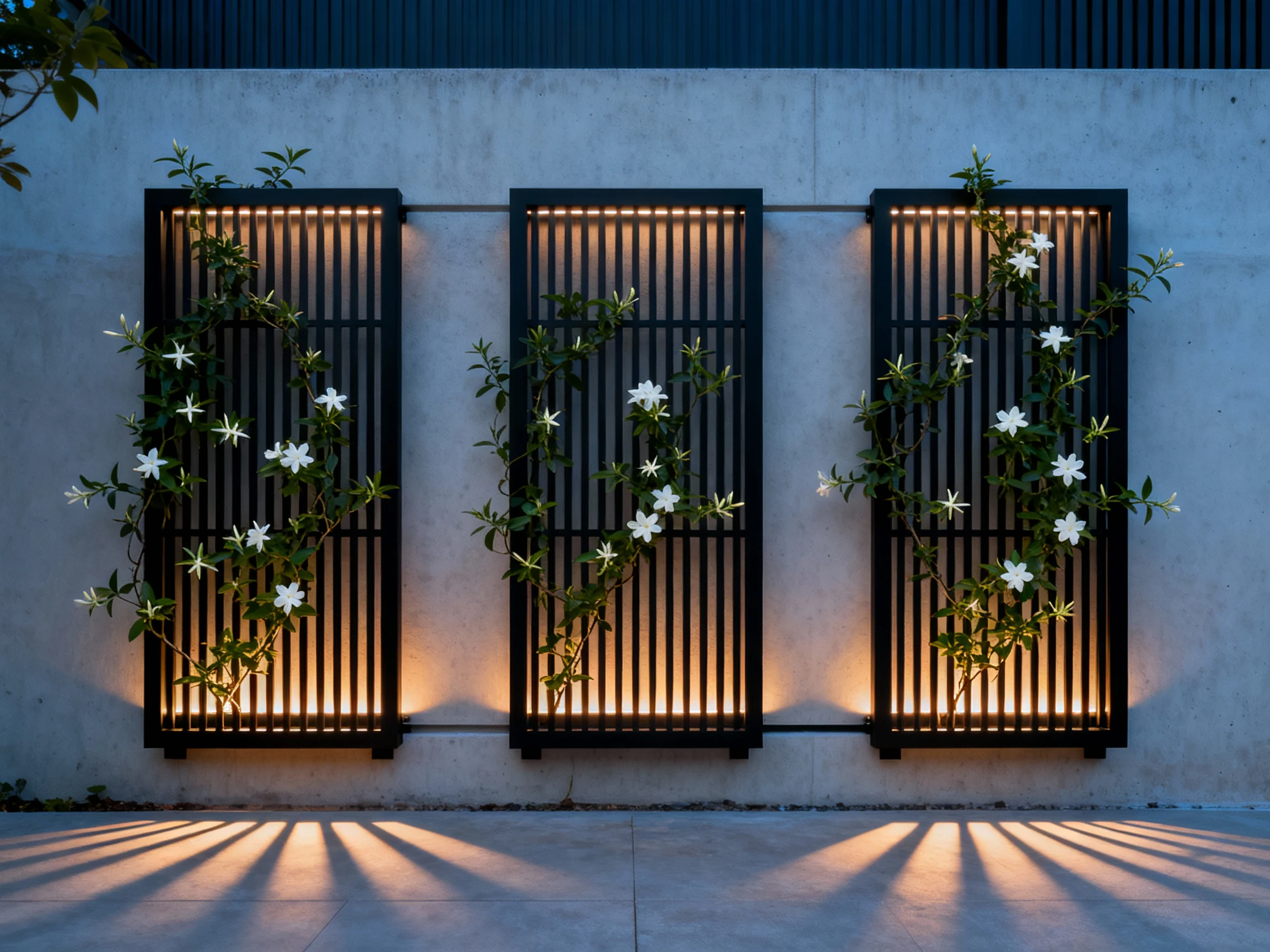
Modern Outdoor Trellis Ideas for a Clean, Minimal Backyard Look
You want a backyard that looks clean, calm, and a little bit smug? Trellises deliver that feeling fast. They pull vertical lines into your space, frame views, and turn blank fences into design moments. No massive remodel, no drama—just simple geometry, light, and a few well-behaved plants doing their thing.
Why Trellises Are Minimalism’s Secret Weapon
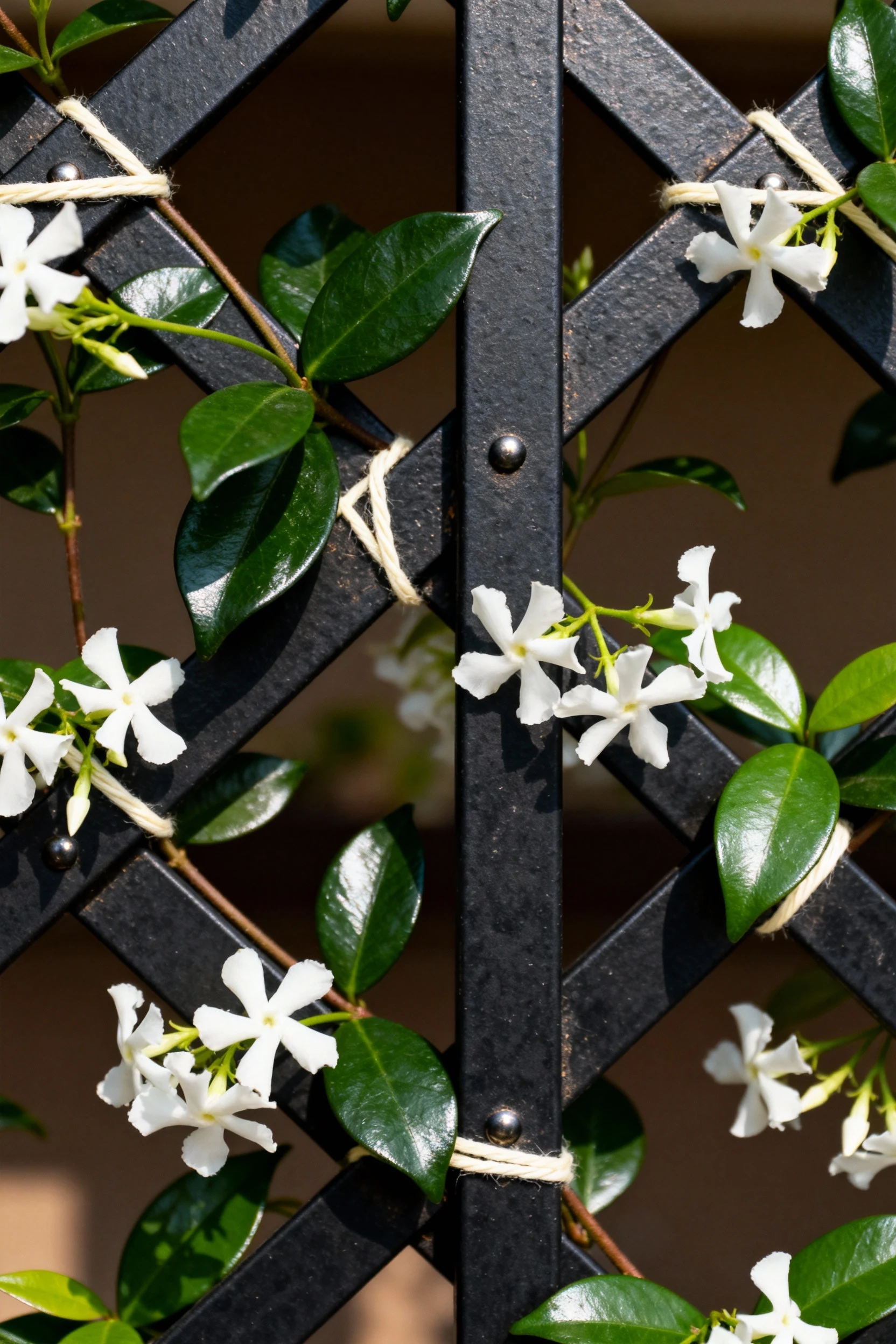
Trellises add structure without clutter. They guide the eye, create privacy, and shape space with quiet confidence. You control the vibe by choosing the lines, materials, and plants, so the look stays intentional and calm.
They also offer flexibility. You can mount a slim panel on a fence, float a standalone screen, or stitch multiple trellises into a corridor that feels architectural. Minimalism thrives on repetition, restraint, and negative space, and trellises tick all three boxes.
Think beyond plants, too. A trellis gives evening light a stage, blocks the neighbor’s inflatable flamingo (no shade, Sandra), and frames your dining area without walls. You get function and form in one simple piece.
Materials That Nail the Clean Look
You control aesthetics with materials, so pick ones that stay lean, crisp, and long-lasting. Let’s break down the usual suspects.
Metal Done Right
Metal trellises look sleek, and they stay that way with the right finish.
- Powder-coated steel: Strong, clean edges, lots of colors. Go matte black or charcoal for a gallery vibe.
- Aluminum: Lightweight, corrosion-resistant, great for coastal or humid climates. It won’t fight you during install.
- Corten steel: Weathered, warm tone, modern-industrial feel. Pair it with grasses and concrete for drama.
FYI, metal gives tighter tolerances and thinner profiles, which helps you hit that minimal line-work look.
Wood Without Bulk
Wood brings warmth while staying simple if you choose the right species and finishes.
- Cedar or redwood: Naturally rot-resistant, soft color, easy to work with. Seal lightly to maintain the tone.
- Thermally modified ash: Durable, clean grain, stable against warping. It reads sophisticated without trying too hard.
- Painted hardwood: Crisp white or black looks chic, but use exterior-grade paint and keep a maintenance plan.
Go thin on slats and keep spacing consistent. Uniformity sells minimalism.
Cable and Mesh Minimalism
Want ultra-sleek? Try tension systems.
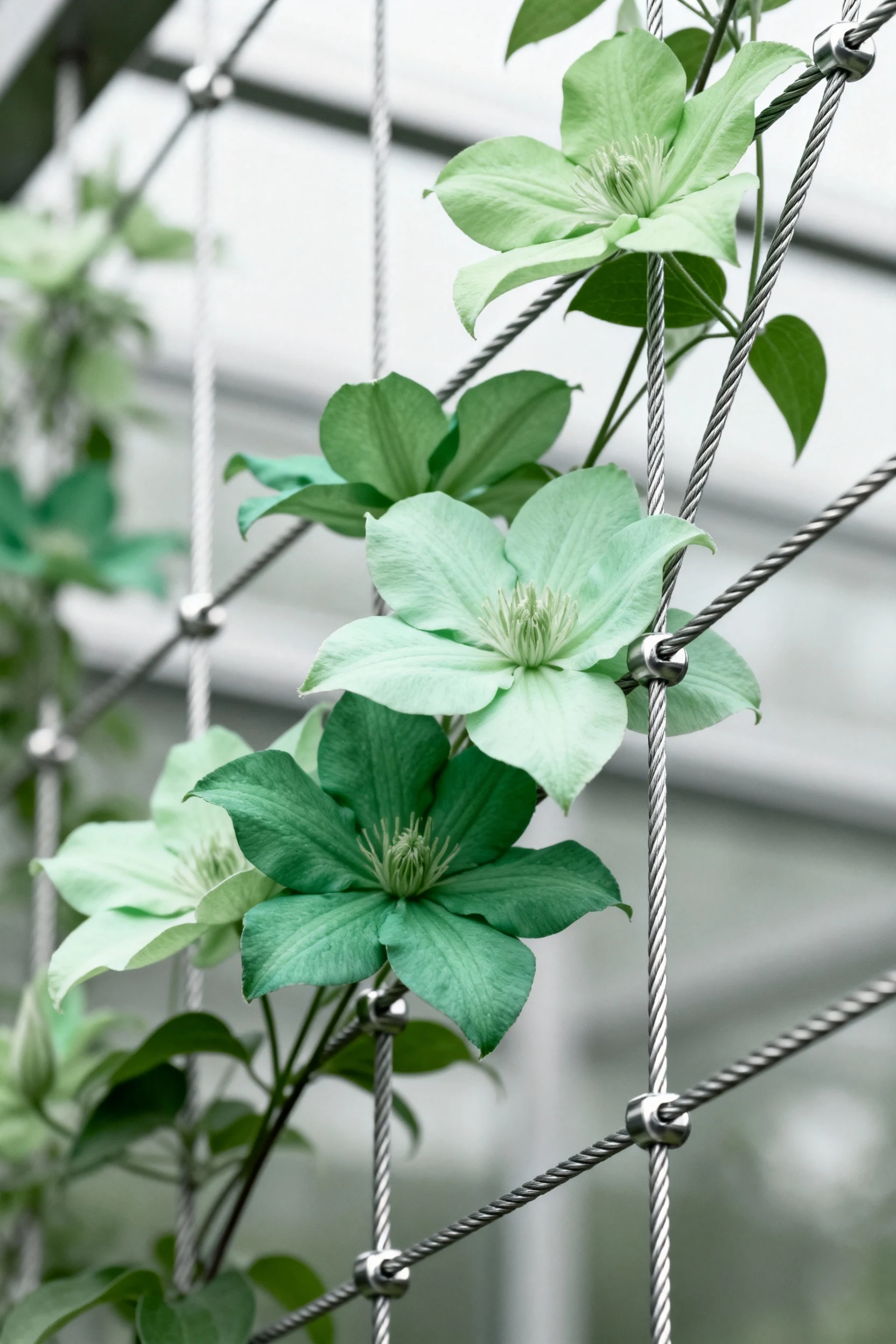
- Stainless cable kits: String vertical or horizontal lines, perfect for slim vines like star jasmine or clematis.
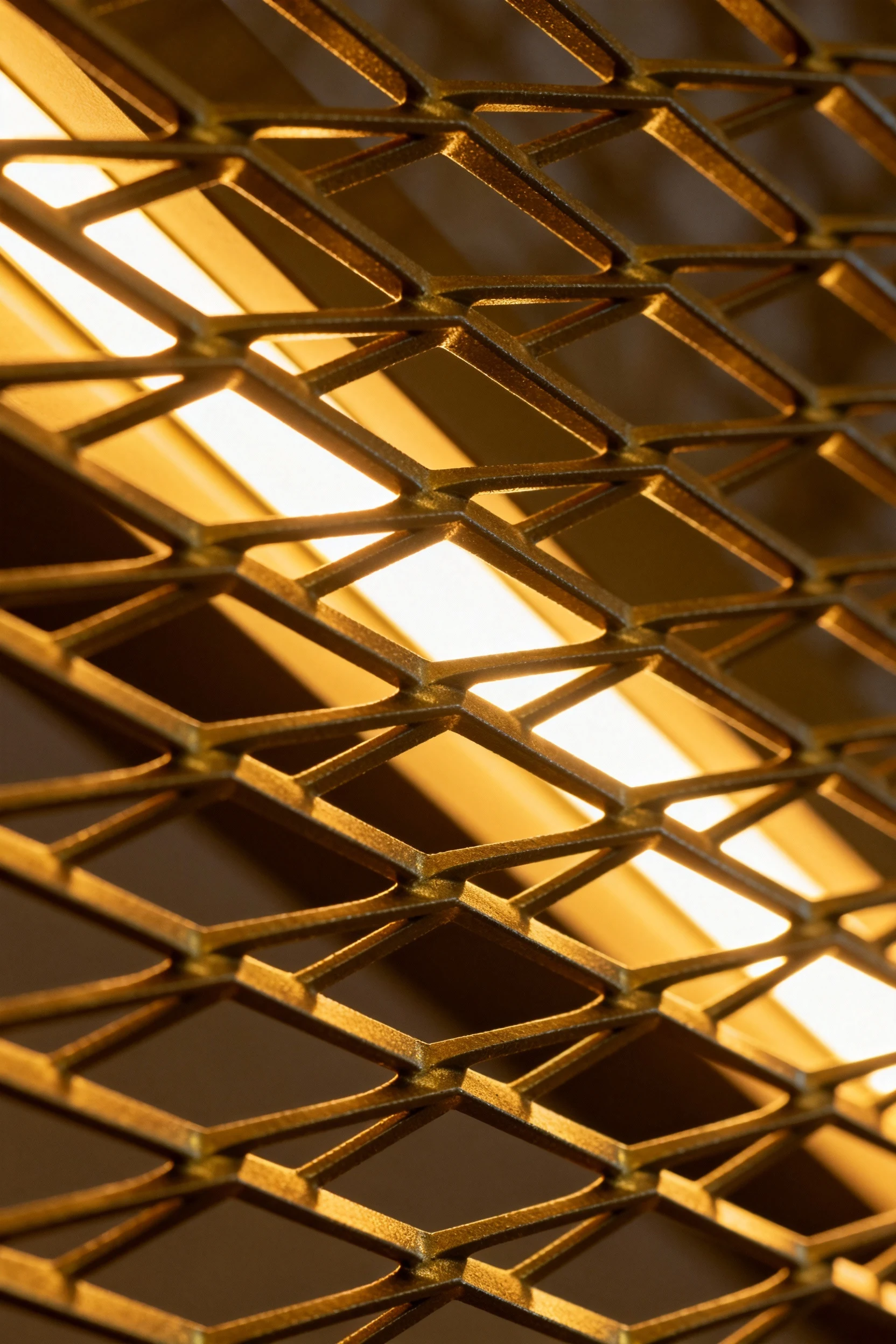
- Expanded metal mesh: Square or diamond grids create modern texture. Backlight it and watch it glow.
- Perforated panels: Geometric and airy, with built-in pattern that reads like art.
These systems keep sightlines open while they shape greenery. They also install fast and look custom.
Hardware and Anchoring That Stay Invisible
You can ruin a clean trellis with clunky brackets. Hide your hardware and keep lines tight.
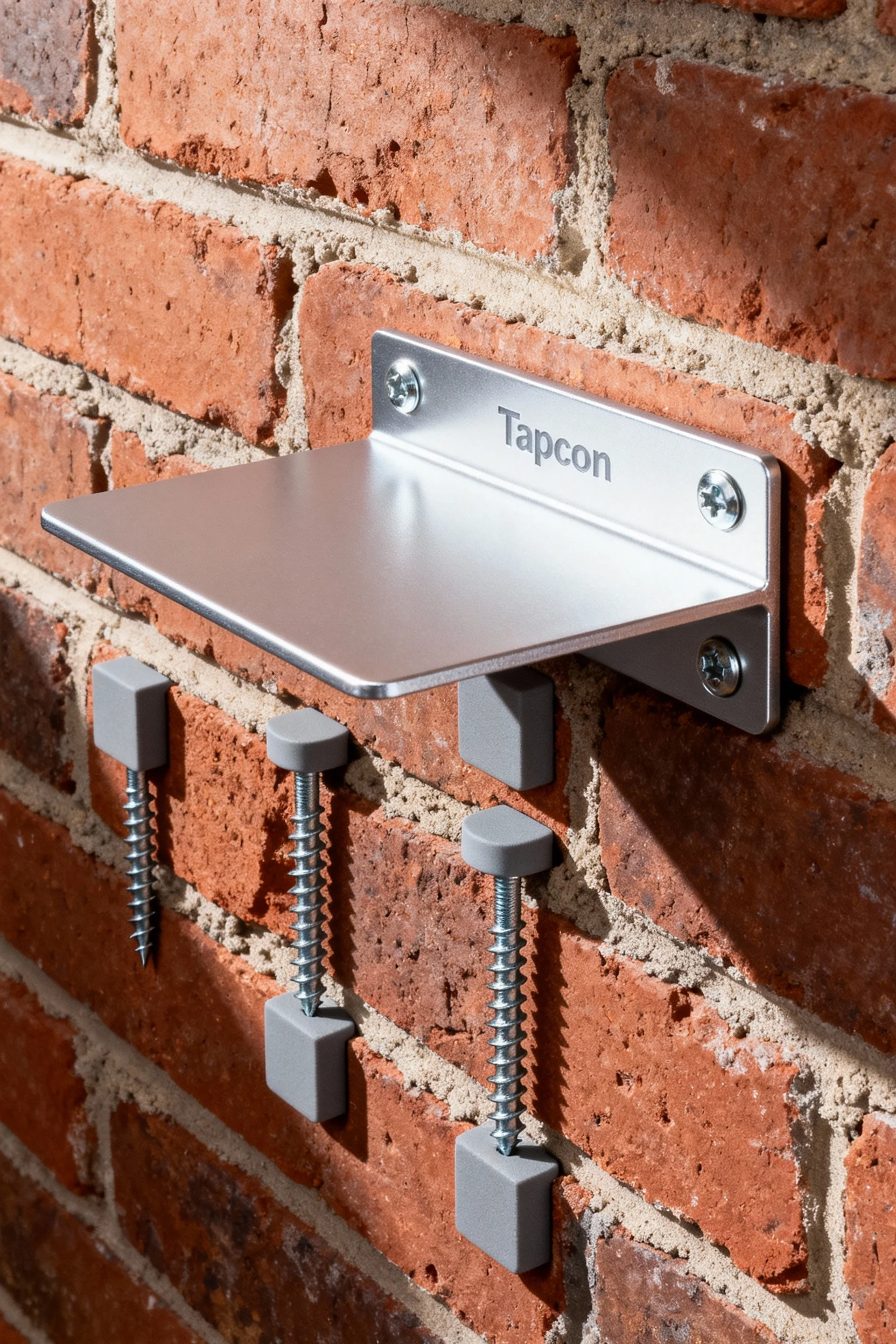
- Use flush-mount brackets and tapcon screws for masonry walls.
- Sink post bases into concrete for freestanding screens.
- Choose color-matched fasteners so hardware disappears.
- Run spacers (1–2 inches) between trellis and wall for airflow and shadow play.
Shapes, Lines, and Layouts That Calm the Eye
You can design with simple geometry and get a surprisingly polished look. Think rhythm and restraint.
Design Rules You Actually Want
- Vertical slats elongate small yards and pull the eye up. Space slats 1–3 inches for an elegant cadence.
- Horizontal lines widen narrow spaces and feel contemporary. Keep spacing consistent, no guesswork.
- Grid patterns deliver order and balance. Use thin members to avoid a heavy vibe.
- Repeat modules in a sequence: three panels in a row beats one giant wall every time.
Avoid curvy, ornate shapes if you want a clean look. Minimalism loves straight lines and purpose.
Place Trellises for Flow
Use your trellis like a subtle room divider. You can guide movement and views with small moves.
- Frame your dining area with two panels to create a “zone” without walls.
- Pull a long horizontal trellis along the fence line to tidy the backdrop.
- Stack a narrow vertical screen near seating for privacy and shade.
- Set a freestanding trellis at the end of a path as a focal point.
Align panels with existing architecture (windows, doors, rooflines) so everything feels intentional.
Plant Pairings for a Minimal Vibe
Minimal doesn’t mean plant-free. It means clean, edited, and healthy growth. Choose vines that climb politely and don’t explode overnight.
Low-Maintenance Climbers
Pick plants that behave and look refined.
- Star jasmine: Glossy leaves, fragrant blooms, evergreen in warm zones. It climbs cable systems beautifully.
- Clematis: Elegant flowers, lots of varieties, prefers cool roots and sun on top.
- Boston ivy: Fast coverage, great color, deciduous for winter simplicity.
- Hardenbergia: Purple bloom season, minimal fuss, great for mild climates.
- Climbing roses (if you want romance without chaos): Train tight and prune hard.
Keep the Color Story Simple
You can choose one palette and stick to it.
- Go monochrome greens with texture shifts (big glossy leaves + fine wispy stems).
- Anchor with white blooms for calm, crisp highlights.
- Use seasonal pops sparingly—one bold bloom variety, not seven.
IMO, fewer varieties always look more expensive.
Training Techniques That Look Intentional
Guide plants, don’t let them run wild.
- Start with soft ties and train stems along your lines.
- Prune monthly during peak growth to maintain shape and negative space.
- Cut suckers and side shoots early so the plant climbs, not blobs.
- Trim just above nodes to encourage neat branching.
Shape matters as much as species when you chase a minimal vibe.
Lighting, Privacy, and Multi-Use Magic
Trellises do more than hold plants. They create experiences with light, privacy, and subtle structure.
Subtle Lighting That Doesn’t Scream
Light your trellis like a scene, not a stadium.
- Backlight mesh or slats with LED strip lighting for a soft glow.
- Mount low-voltage sconces on either side for symmetry and calm.
- Use solar spots at the base for easy install and zero wires.
- Warm color temperature (2700–3000K) feels cozy and modern.
Dual-Purpose Trellises
Get more utility without bulk.
- Attach moveable screens for adjustable privacy near seating.
- Run shelf brackets low for potted herbs—it’s functional and slim.
- Mount outdoor art or house numbers on a trellis panel for a gallery moment.
- Hang lightweight planters evenly for rhythm without visual noise.
Create Micro-Zones
Divide the yard into small destinations with trellis placement.
- Mark a reading nook with a single screen and a chair.
- Wrap a fire pit area with two panels to block wind and glare.
- Lift a narrow side yard with a slim cable trellis and shade-loving vines.
You get just enough definition without heavy walls.
Installation: Clean Lines Start With Smart Setup
You can build the vibe in a weekend if you plan well. Measure twice, pour once, and keep everything square.
- Plan the layout: Sketch panels, measure spacing, note sun and wind.
- Mark your lines: Snap chalk or laser lines to align modules with existing architecture.
- Set footings: Dig 18–24 inches deep for posts; pour concrete; check plumb.
- Mount hardware: Install brackets flush and match the finish to the trellis color.
- Attach panels: Keep a 1–2 inch gap from walls for airflow and shadow detail.
- Square and level: Check every panel, adjust before you tighten fasteners.
- Seal and protect: Oil wood lightly or use exterior sealer; wipe metal clean after install.
- Test with light: Set temporary lights at dusk and dial brightness before final wiring.
Always anchor appropriately for your substrate. Use masonry anchors for concrete and tapcon screws for brick. If you feel unsure, call a pro before you set posts; it’s cheaper than a wobbly trellis and a regret sandwich.
Care That Keeps It Minimal
Maintenance doesn’t need to drain your weekend. Keep a simple schedule and tighten your routine.
- Monthly: Trim stray growth, check ties, wipe dust from metal.
- Seasonal: Re-oil wood, inspect fasteners, rinse panels with mild soap.
- Twice a year: Cut back vines to maintain shape, check for rust or rot, touch up finish.
- After storms: Inspect for stress, tighten loose brackets, clear debris.
Focus on edges and intersections. Clean lines live at joints, so you protect them first.
FAQ: Trellis Questions You Keep Googling
How tall should a modern trellis be for privacy without bulk?
Aim for 6–8 feet for most urban yards. You get enough coverage without a looming wall effect. Keep panels narrow and modular, so the structure breathes and looks intentional. If you need more privacy, add plants, not height.
Which plants won’t overwhelm a minimal trellis?
Choose slow-to-moderate growers and train them early. Star jasmine, clematis, and Boston ivy climb neatly when you guide them along cables or thin slats. Cut side shoots regularly and keep a strict shape. FYI, one vine per panel looks cleaner than a mash-up.
Can I install a trellis on a fence without wrecking it?
Yes, you can mount trellis panels on fence posts or add spacers to avoid direct contact. Use stainless or coated fasteners and hit structural members, not thin boards. Keep a 1–2 inch air gap so moisture doesn’t camp out behind the panel. You extend the life of both pieces that way.
Metal or wood—what looks more minimal?
Both can look minimal if you keep lines thin and finishes consistent. Metal reads crisp and slim, while wood adds warmth and softness. Mix them if you want balance: wood slats in a metal frame hit that “architect’s backyard” feel. IMO, matte black hardware always ties it together.
Do I need lighting, or can a trellis stand alone?
You can let a trellis stand alone, but subtle lighting raises the mood fast. Backlighting creates shadow layers and makes plants pop after sunset. Try low-voltage LEDs with warm color temperature and dim them to keep things moody, not harsh. FYI, solar works great for quick installs.
How do I stop vines from turning into a jungle?
Set rules and prune on schedule. Train main stems along your chosen lines and remove side growth that breaks the pattern. Trim monthly during peak season and after big flushes, then cut back hard twice a year to reset shape. Establish a routine early and plants behave better.
Conclusion: Keep It Light, Keep It Linear
Trellises add order, privacy, and personality without clutter. Choose lean materials, repeat simple patterns, and guide plants with intention. Layer subtle light, and you get a backyard that feels calm and designed. Keep the lines clean, and the whole space starts to breathe.