15 Natural Pest Control Tips for Organic Gardens That Really Work
You grow food to eat it, not to feed aphids a five-star buffet. Good news: you can shut down most garden pests without nuking your soil or scaring off pollinators. These natural, organic strategies hit hard, work fast, and keep your garden ecosystem strong. Ready to send the freeloaders packing?
Know Your Enemies (And Your Allies)
You win the pest game when you catch issues early and invite the “good guys” in. Most outbreaks start small, then explode when you ignore them for a week. Let’s stack the deck in your favor.
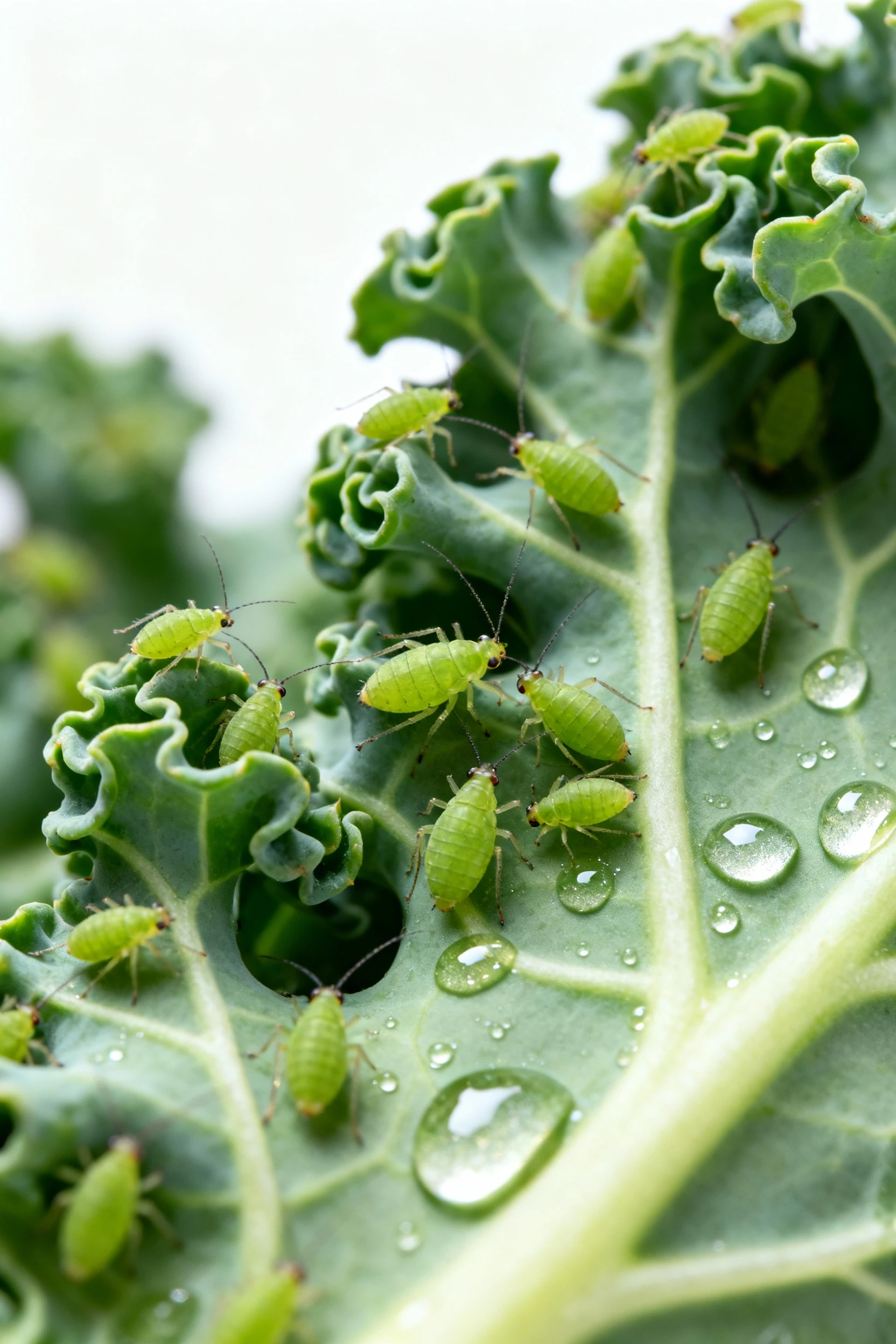
- 1. Scout daily and check undersides of leaves. Look for sticky residue, curling leaves, holes, or frass (aka caterpillar poop). Tap branches over white paper to spot thrips and spider mites. See a cluster of eggs? Remove that leaf and smash them like a villain in a classic arcade game.
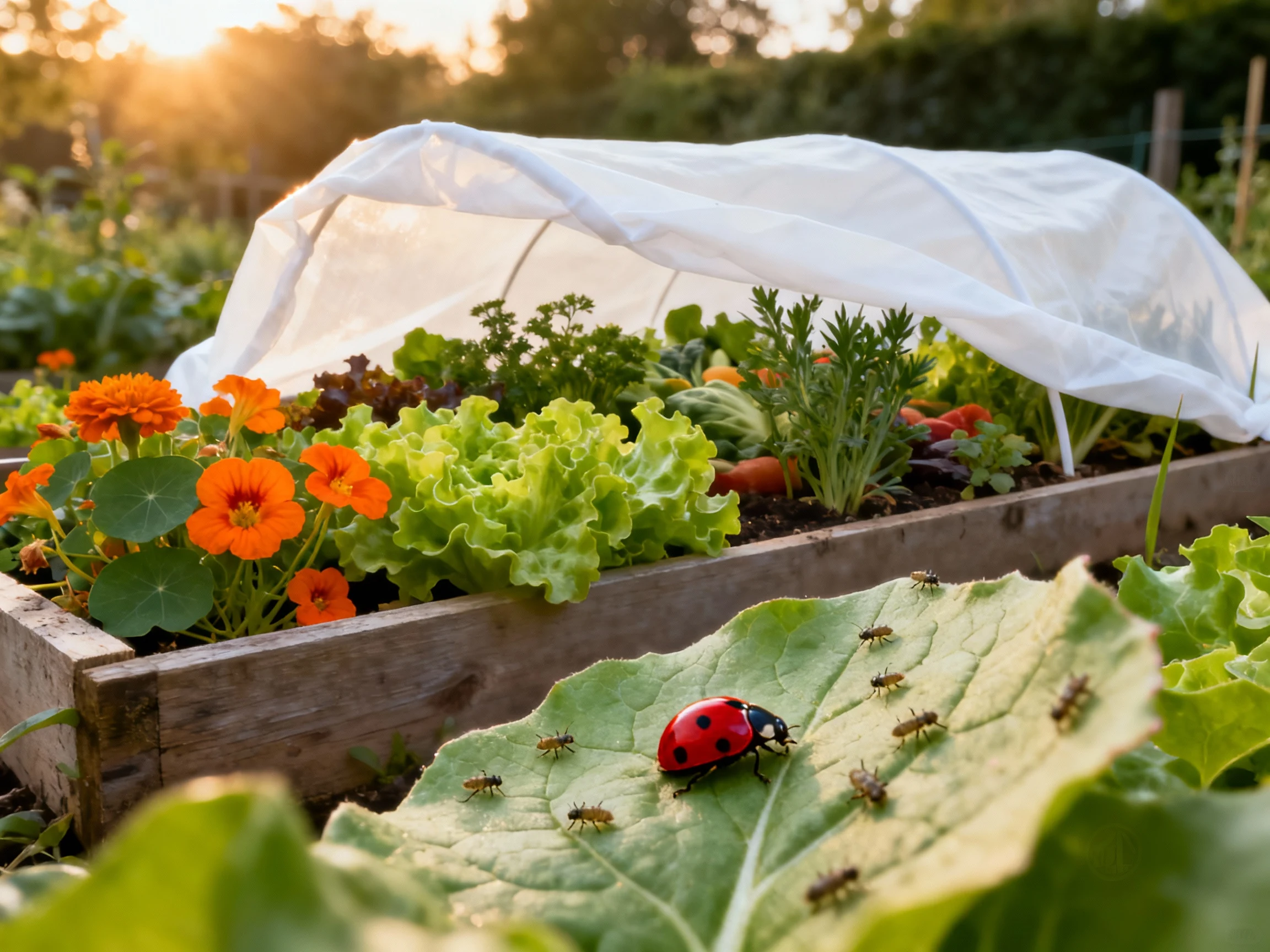
- 2. Grow and keep beneficial insects. Lady beetles, lacewings, parasitic wasps, and hoverflies handle aphids, whiteflies, and caterpillars for you. Plant what they love and skip broad-spectrum sprays. IMO, beneficials make the best garden employees.
- 3. Use trap crops to lure pests away from your main show. Plant nasturtiums near lettuce to draw aphids, mustard near brassicas for flea beetles, and radishes for leafminers. Let pests pile onto those decoy plants, then prune or bag-and-trash that foliage.
How to Actually Attract Good Bugs
- Offer nectar-rich flowers: alyssum, dill, fennel, yarrow, calendula, and cosmos.
- Provide water: set shallow dishes with pebbles so tiny insects can sip without drowning.
- Leave small “messy corners”: a bit of leaf litter and hollow stems create habitat and boost biodiversity.
Grow Stronger Plants (Cultural Practices That Matter)
Healthy plants resist pests like champs. Weak, stressed plants basically send out “eat me” coupons.
- 4. Feed your soil, not your ego. Add 1–2 inches of compost each spring, mulch with shredded leaves or straw, and use balanced organic fertilizers. Avoid heavy nitrogen, which invites aphids and soft-bodied pests to party on your tender growth.
- 5. Space plants for airflow. Crowded beds trap humidity and attract fungal issues, then pests follow. Stake tomatoes, prune lower leaves, and follow plant spacing guidelines. Give your veggies room to breathe and they’ll thank you.
- 6. Water early and keep leaves dry. Aim for deep, morning watering with drip or soaker hoses. Wet foliage at night invites mildew and mites, and midday sprays scorch leaves. Control water and you control half your problems.
- 7. Rotate crops yearly. Move plant families around so pests and diseases don’t set up permanent residency. Keep a simple 3–4 year rotation for brassicas, solanaceae, cucurbits, and legumes. Break the cycle and you break the infestation.
Quick Rotation Map (FYI)
- Year 1: Tomatoes/peppers
- Year 2: Beans/peas
- Year 3: Squash/cucumbers
- Year 4: Kale/broccoli
Repeat. Mix in cover crops between seasons for bonus soil health.
Plant Partners and Smart Design
You can confuse pests with scent, layout, and diversity. Fancy? Not really. Effective? Absolutely.
- 8. Use companion planting to scramble pest radar. Pair marigolds with tomatoes, basil with peppers, and onions with carrots. Strong aromas and different leaf shapes make it harder for pests to locate a single host plant.
- 9. Mix crops and stagger planting. Skip monoculture blocks. Interplant greens, herbs, and flowers together. Add successive plantings so pests never find a giant, synchronized buffet.
- 10. Establish flower strips for continuous bloom. Run low-maintenance borders of alyssum, calendula, coreopsis, sage, and chives through your veggie beds. You feed beneficials all season and keep pest pressure low.
Companion Combos That Deliver
- Tomatoes + basil + marigolds
- Broccoli + dill + nasturtium
- Cucumbers + radish + cosmos
Use these combos and you add fragrance, nectar, and visual diversity that pests struggle to map.
Natural Sprays and Powders That Don’t Nuke Your Garden
You’ll use sprays sometimes. Choose options that target pests and spare pollinators and soil life. Timing and technique matter more than volume.
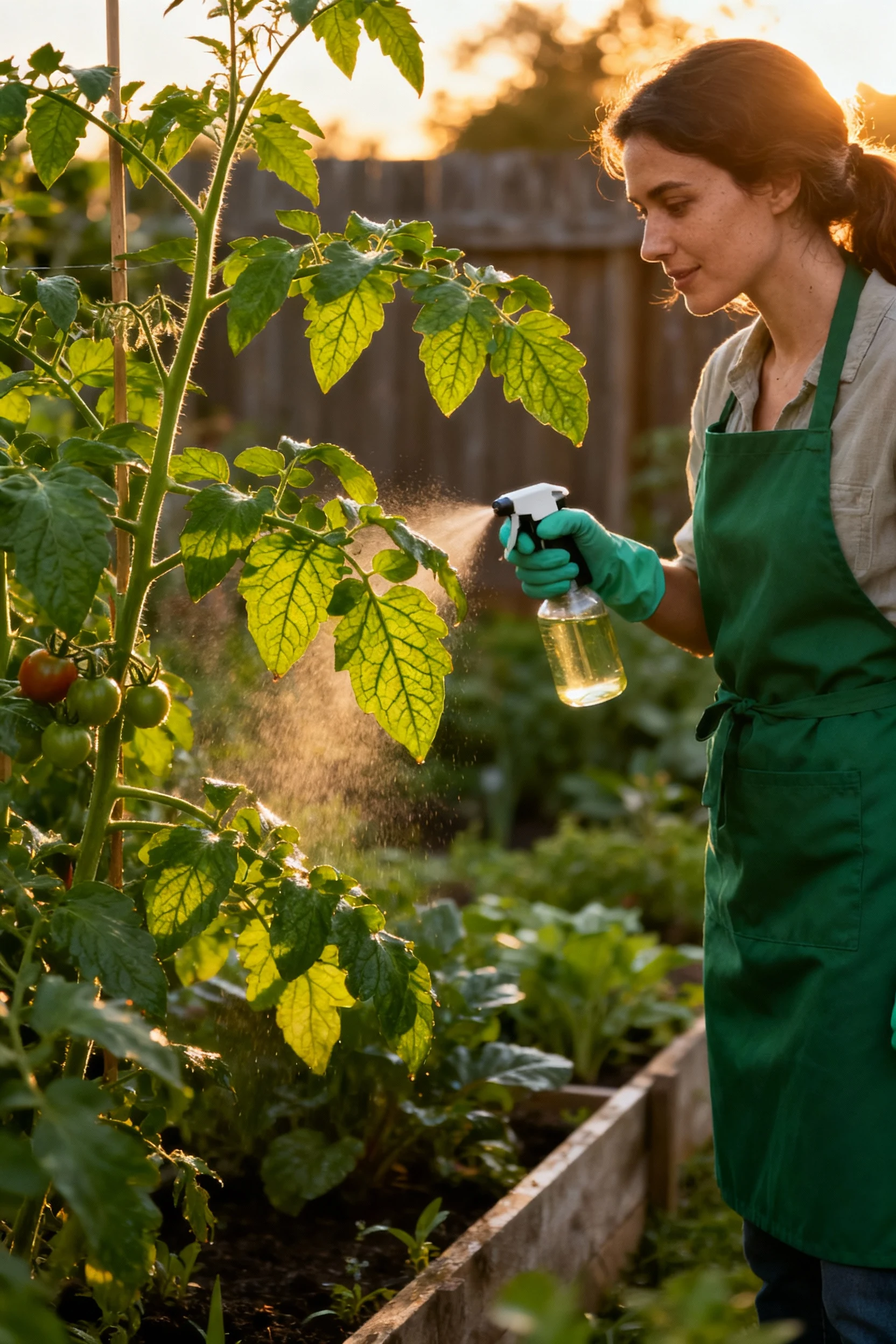
- 11. Apply cold-pressed neem oil for soft-bodied pests. Neem disrupts feeding and growth for aphids, whiteflies, and mites. Spray in the evening and hit leaf undersides. Avoid blooms and active bees.
Mix Neem Safely
- Use 1–2 teaspoons neem oil + 1 teaspoon mild liquid soap per quart of water.
- Shake well and keep spraying as you work because neem separates fast.
- Do a test patch on a few leaves before full coverage.
- 12. Use insecticidal soap for quick knockdowns. Soap dissolves the waxy coating on aphids and mites. Spray thoroughly, including the leaf bottoms, then repeat 2–3 days later. Don’t spray in full sun or high heat.
Soap Spray Quick Recipe
- Mix 1 teaspoon pure liquid castile soap per quart of water.
- Avoid scented or degreasing dish soaps. Those can burn foliage.
- 13. Deploy Bacillus thuringiensis (Bt) for chewing caterpillars. Bt targets caterpillars only, so you protect bees and beneficials. Spray when you see fresh holes in leaves and reapply after rain.
Bt: Use It Like a Pro
- Focus on brassicas, lettuce, and fruit trees during caterpillar outbreaks.
- Hit new growth where caterpillars feed most.
- Stop once you control the outbreak. Don’t overdo it.
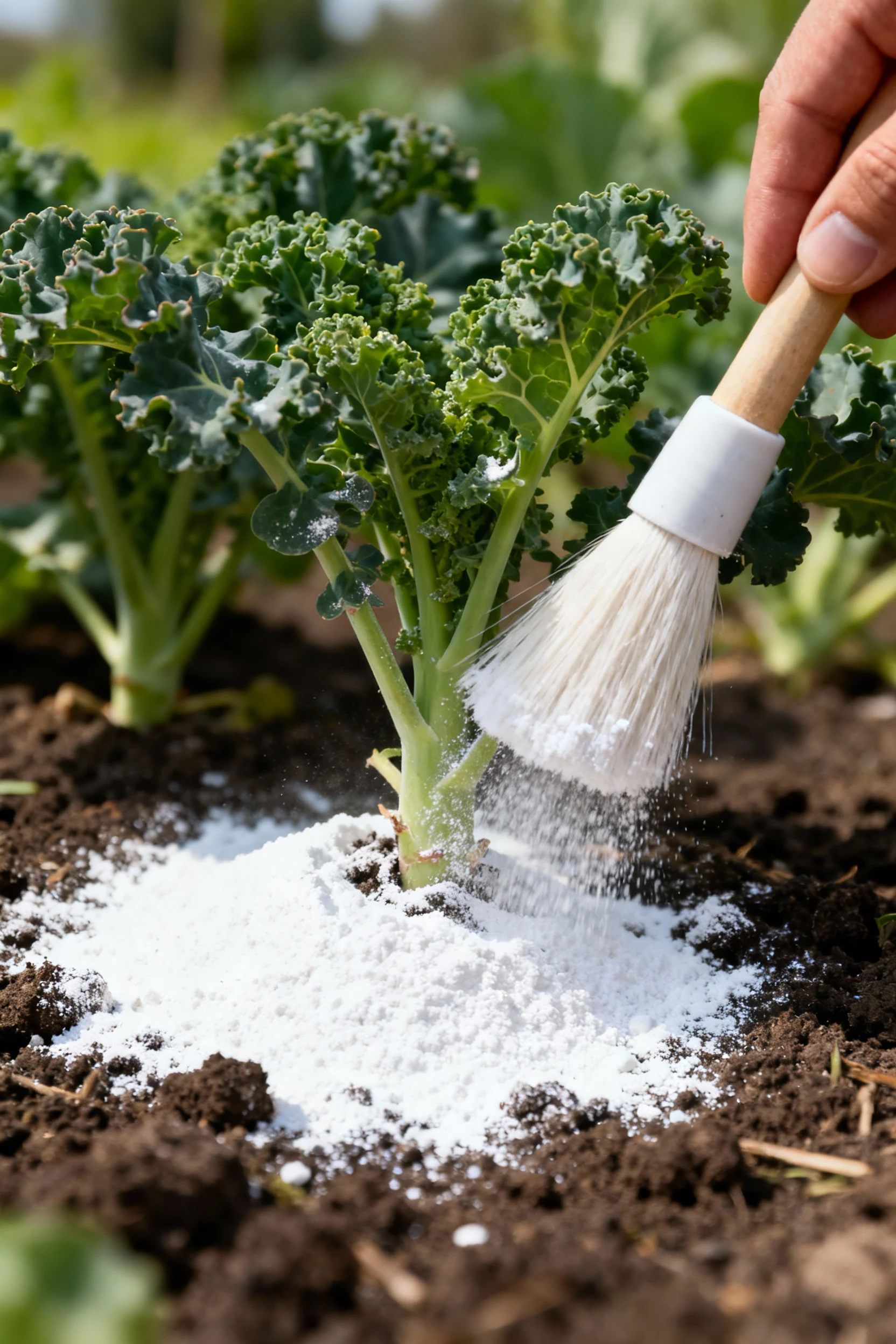
- 14. Dust food-grade diatomaceous earth (DE) on soil around stems to deter crawling pests like slugs, earwigs, and cutworms. Keep it dry and avoid flowers so you don’t harm pollinators. Reapply after rain.
DE: Dusting Tips
- Use a hand duster for even coverage.
- Target the base of plants and entry points, not entire beds.
- Wear a mask if you create airborne dust. Protect those lungs.
Traps, Barriers, and Timing
Prevent pest access and you win before you spray anything. Small moves deliver big results.
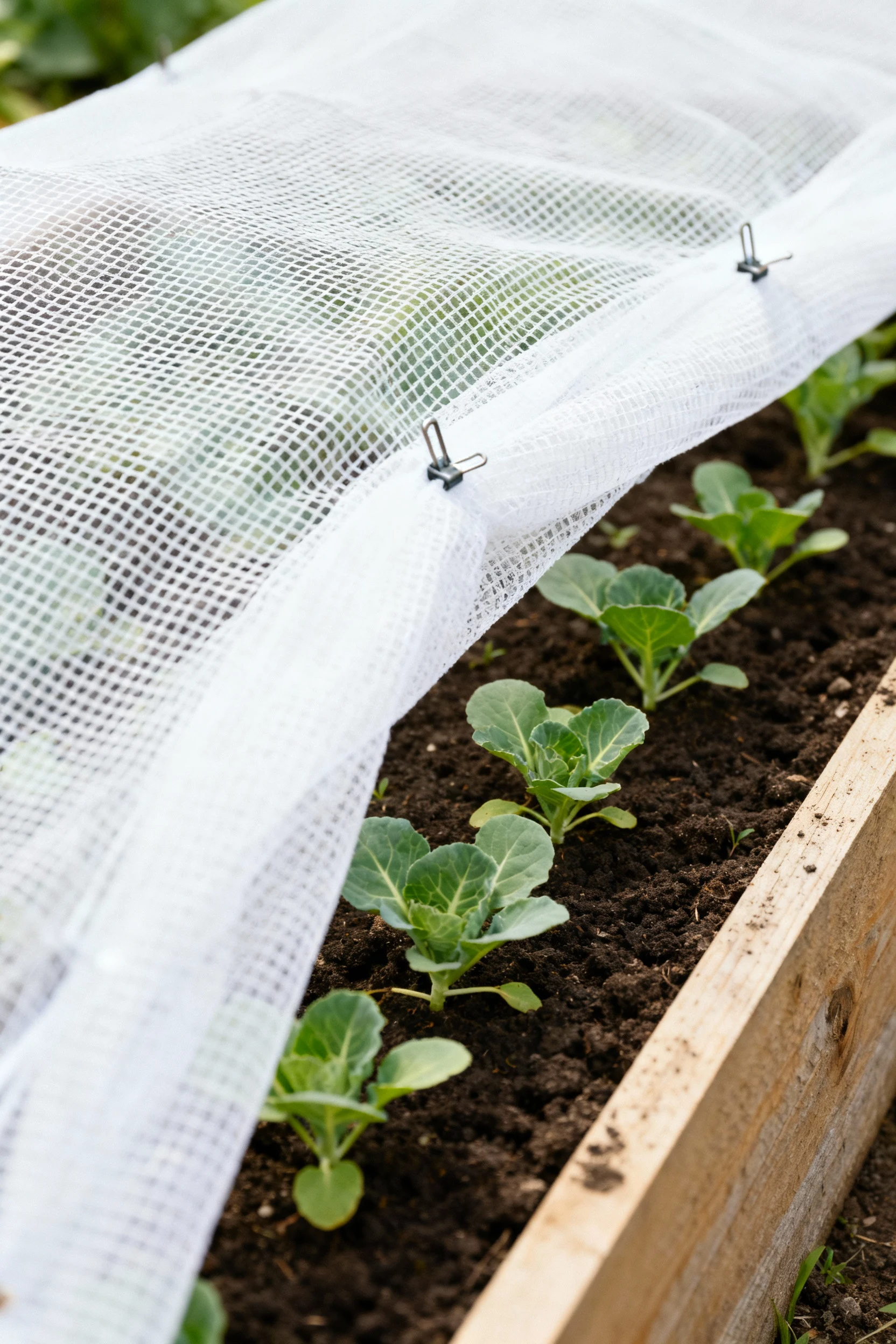
- 15. Install floating row covers early to block flyers like cabbage moths, flea beetles, and leafminers. Seal edges tight with soil or pins, uncover during bloom for pollination, then re-cover if pests return. Row covers act like seatbelts for plants: simple and lifesaving.
Row Covers 101
- Choose lightweight fabric (Agribon 15–19) for airflow.
- Set covers right after transplanting or seed sowing.
- Remove during hot spells or when plants flower and need pollinators.
Slug Patrol Plan (Bonus)
- Hand-pick at dusk. Headlamp on, victory guaranteed.
- Set beer or soy sauce traps sunk level with soil.
- Use copper tape around raised beds for a physical barrier.
Not counting slugs as a separate tip, but yeah… handle them and you save a ton of greens.
FAQ
Do natural methods really work, or do I need stronger chemicals?
Yes, natural methods absolutely work when you combine them and act early. You stack scouting, plant health, habitat, and targeted sprays, and pests fold fast. Chemicals often create bigger problems by killing beneficials and disrupting your soil life.
How often should I spray neem or insecticidal soap?
Use them only when you see active pests. Spray neem or soap every 4–7 days during an outbreak and stop when numbers drop. Always spray in the evening to protect pollinators and avoid leaf burn.
Can I attract beneficial insects in a small garden or on a balcony?
Totally. Grow compact flowers like alyssum, calendula, chives, thyme, and dill. Add a shallow water dish with pebbles and skip synthetic sprays. Even a few pots can host a mini-ecosystem.
Why do aphids keep coming back on my tomatoes and kale?
Aphids target lush, high-nitrogen growth. Dial back nitrogen-heavy fertilizer, add compost for balanced nutrition, and prune extra soft shoots. Then bring in beneficials with flower strips and use soap or neem for spot treatments.
Is Bt safe for bees and butterflies?
Bt targets caterpillars that eat treated leaves; it doesn’t harm bees. Protect butterfly larvae by using Bt only on specific outbreaks and plants, not blanket-spraying the whole garden. FYI: focus Bt on brassicas or problem zones and leave pollinator plants alone.
What’s the fastest way to stop an infestation right now?
Start with hand removal and a soap spray. Clean up infested leaves, blast undersides with water, and follow with soap at sundown. Meanwhile, set row covers or trap crops to cut off the pest pipeline. Quick, decisive action beats “wait and see,” every time.
Conclusion
You don’t need harsh chemicals to keep a gorgeous, productive garden. You just need early scouting, healthy soil, plant diversity, clever barriers, and targeted, gentle sprays. Combine these 15 tips and you build a resilient system that shrugs off pests and keeps pollinators happy. Keep it simple, stay consistent, and enjoy the harvest—IMO, that’s the whole point.