Gender-Neutral Botanical Nursery Ideas: Sage Green, Wood Tones & Natural Textures
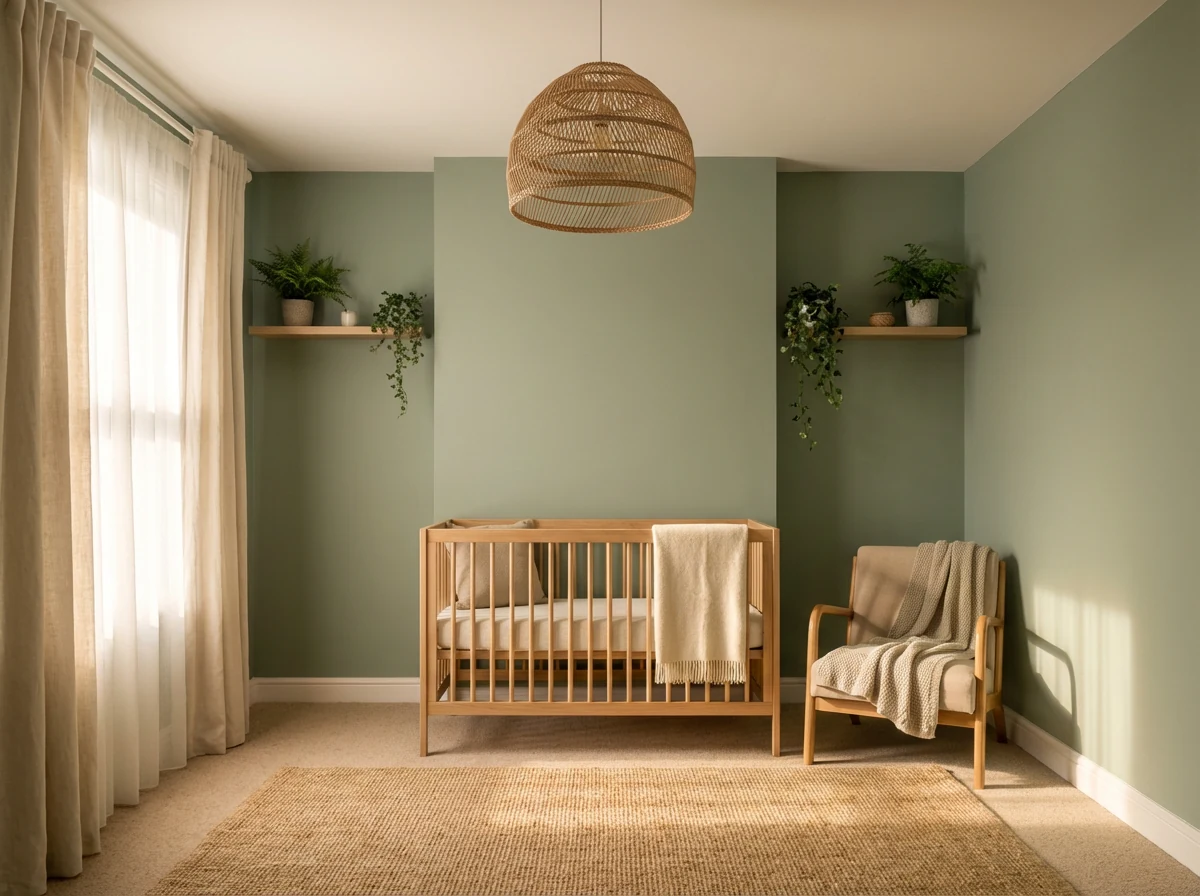
You want a nursery that feels calm, cozy, and a little bit magical—without screaming “boy” or “girl.” Enter the botanical vibe: soft sage green, warm wood, and natural textures that soothe you both at 3 a.m. This look grows with your kid, doesn’t date fast, and works in any size room. Bonus: it’s surprisingly easy to pull off without wrecking your budget or sanity.
Why Go Botanical and Gender-Neutral?
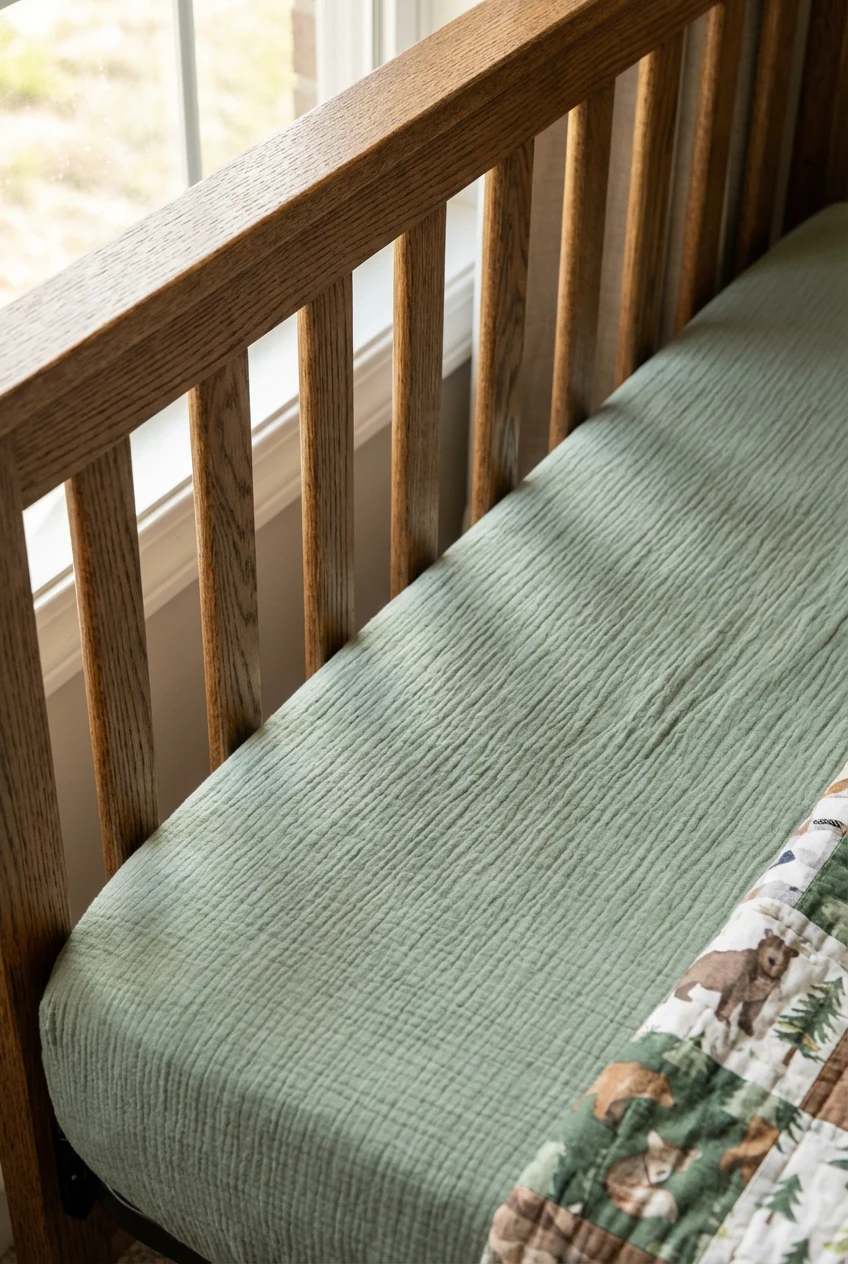
A botanical nursery gives you a timeless base. Plants, wood, and earthy textures never go out of style. You create a room that your baby loves now and still feels cool when they turn five and demand a dinosaur fern.
You also avoid the color stereotype trap. Sage green reads calm and fresh, and it plays well with almost every accent color. If you want flexibility for hand-me-downs, future siblings, and resale value, a gender-neutral botanical theme wins.
This style also lowers visual noise. You layer greens, neutrals, and textures for a space that calms your nervous system. You’ll spend a lot of time in here. You deserve a room that doesn’t stress you out.
Sage Green: The Understated Hero (Plus Accents That Keep It Fresh)
Sage green holds the room together without hogging attention. It looks soft in daylight and cozy at night. You can paint all four walls, a feature wall, or just add textiles if you rent and can’t paint.
Pro tip: Test swatches in morning and evening light. Sage shifts with undertones, and you want harmony, not hospital.
Choosing the Right Sage (Undertones Matter)
Different sages play very different games:
- Warm sage: Leans yellow or beige. Pair with oak, rattan, terracotta, and cream. Cozy and sun-kissed.
- Cool sage: Leans blue or gray. Pair with walnut, charcoal, and crisp white. Calm and modern.
- Balanced sage: Sits right in the middle. Pair with almost anything. Great if you love to switch decor seasonally.
FYI: You don’t need to match exact paint names. Grab a few cards, paint big sample patches, and live with them for a day or two.
Accent Colors That Play Nice
You don’t need an explosion of color to keep it interesting. Add depth with:
- Terracotta or clay: Adds warmth and a little “sunset in Tuscany” moment.
- Mustard or ochre: Pops without going neon. Works well in pillows or art.
- Charcoal or graphite: Grounds the space. Use it in picture frames, curtain rods, and knobs.
- Cream and oatmeal: Softens everything. Perfect for bedding and rugs.
You create movement by mixing shades of green, not just one. Think eucalyptus, olive, moss, and sage living together like besties.
Wood Tones That Ground the Room
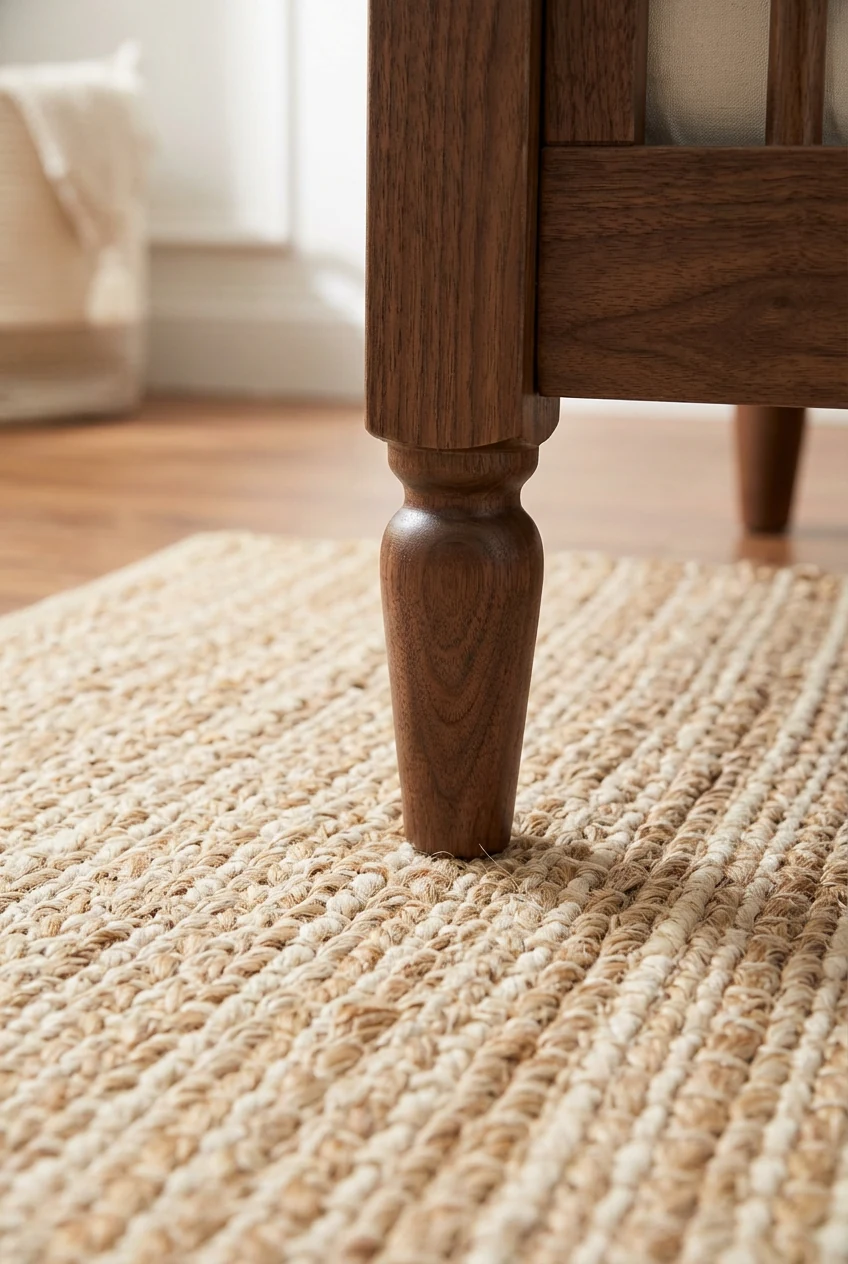
Wood brings the outside in and keeps the room from reading too “minty.” The trick? Mix tones thoughtfully so it looks collected, not chaotic.
Mix, Don’t Match (It Looks Better)
Matching every wood piece gives “hotel furniture set.” Mix instead:
- One dominant tone: Choose a hero wood for crib or dresser (oak, birch, walnut).
- One supporting tone: Add a side table or shelf in a slightly darker or lighter wood.
- One textural piece: Rattan or cane adds airiness and breaks up solid surfaces.
Keep undertones consistent. Pair cool sage with cooler woods (walnut, ash). Pair warm sage with warmer woods (oak, teak). You avoid clashing, and the room flows.
Finish and Safety Basics
Babies lick things. They also chew things. Choose safe finishes and skip potentially sketchy coatings.
- Look for: GREENGUARD Gold or similar third-party certifications, water-based finishes, and solid wood or CARB-compliant plywood.
- Skip: Strong solvent smells, flaky vintage paint, and high-gloss finishes that show every fingerprint.
- Seal thrifted finds: Sand smooth, wipe clean, and seal with a water-based polyurethane or hardwax oil formulated for nurseries.
IMO, a matte or satin finish beats glossy every time. It hides scuffs and feels more organic.
Natural Textures You Can Actually Live With
Texture creates coziness without clutter. It also adds depth to a simple color palette. Think woven, nubby, tactile—all the good stuff you want to touch.
Textiles That Feel Soft, Not Scratchy
Choose breathable, natural fibers so the room feels fresh:
- Cotton and muslin: For crib sheets and swaddles. Soft, washable, and plentiful.
- Linen blends: For curtains or pillow covers. They drape beautifully and let light glow.
- Wool (low-pile): For throws or rugs in cooler climates. Cozy without fuzz explosion.
- Bamboo or TENCEL: For a silky feel that still breathes.
If you can swing it, grab GOTS-certified textiles. They cut down on unnecessary chemicals and last longer.
Rugs That Anchor the Space
The rug sets the tone. Choose one you can clean easily because, well, babies.
- Wool flatweave: Naturally stain-resistant, warm underfoot, and durable.
- Washable cotton: Toss it in the machine when life happens.
- Jute + cotton blend: Gives that earthy look with less scratch than pure jute.
Pick a rug big enough to sit under the crib and the chair. It grounds the room and makes it feel finished.
Layering Without Overloading
You want cozy, not cluttered:
- Add a knit throw over the chair and a quilt over the crib rail (for looks only—remove from crib for sleep).
- Use one patterned textile and keep others solid. Let leaves, ferns, or simple stripes lead.
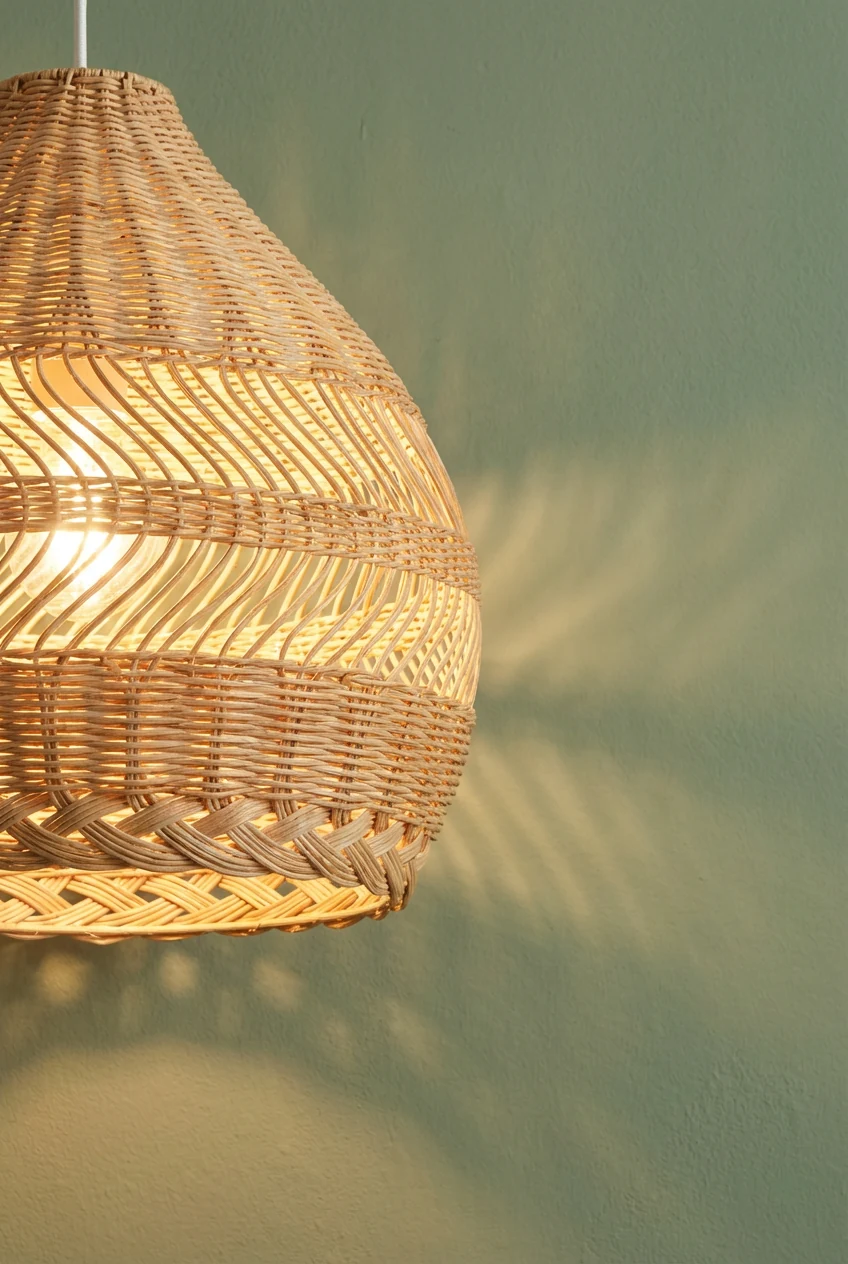
- Bring in texture through baskets, a woven hamper, and a rattan lamp shade.
Rule of three: Layer three textures in any corner: wood, woven, and soft. It always looks intentional.
Real Plants, Faux Plants, and Safety 101
Plants bring life—literally. They clean the look of the room, and they play nicely with sage and wood. You just need to keep safety front and center.
Safe Picks that Look Great
Place plants out of reach and secure them well. Good choices:
- Parlor palm (Chamaedorea elegans): Airy, low maintenance.
- Spider plant (Chlorophytum): Hardy and forgiving.
- Boston fern (Nephrolepis): Lush and soft.
- Peperomia varieties: Compact and cute.
- Pilea (Chinese money plant): Sculptural leaves, easy care.
No sunlight? Use high-quality faux stems in a pretty vase. Mix real and faux and nobody will know.
Plants to Skip
Save these for other rooms:
- Monstera deliciosa: Mildly toxic if nibbled.
- ZZ plant: Tough but not nursery-friendly.
- Snake plant: Great elsewhere, not for curious mouths.
- Fiddle leaf fig: Finicky diva that drops leaves when it sees a cloud.
You want low drama. You already have a baby.
Placement and Care
Keep plants high and stable:
- Use wall shelves with lip rails, hanging planters anchored into studs, or tall dressers away from the crib.
- Cover soil with pebbles or moss to discourage digging.
- Water in the sink or tub to avoid spills and mold.
- Check for pests when you dust. A quick wipe keeps leaves happy.
Strong scent diffusers and heavy essential oils don’t belong here. Fresh air beats fragrance any day.
Walls, Decor, and the Not-Too-Themed Look
You want a vibe, not a theme park. Keep the bones simple and layer fun details that you can swap out as your kid grows.
Mural, Decal, or Paint-Only?
You have options:
- Peel-and-stick murals: Giant leaves or watercolor botanicals create instant wow and come off clean in rentals.
- Wall decals: Scatter fern fronds or eucalyptus sprigs for a light touch.
- Paint-only: Add a soft sage half-wall or arched nook behind the crib for subtle impact.
Keep one feature wall max. Let the room breathe.
Art, Mobiles, and Small Moments
Curate, don’t clutter:
- Hang three botanical prints in simple wood frames. Mix leaf shapes for variety.
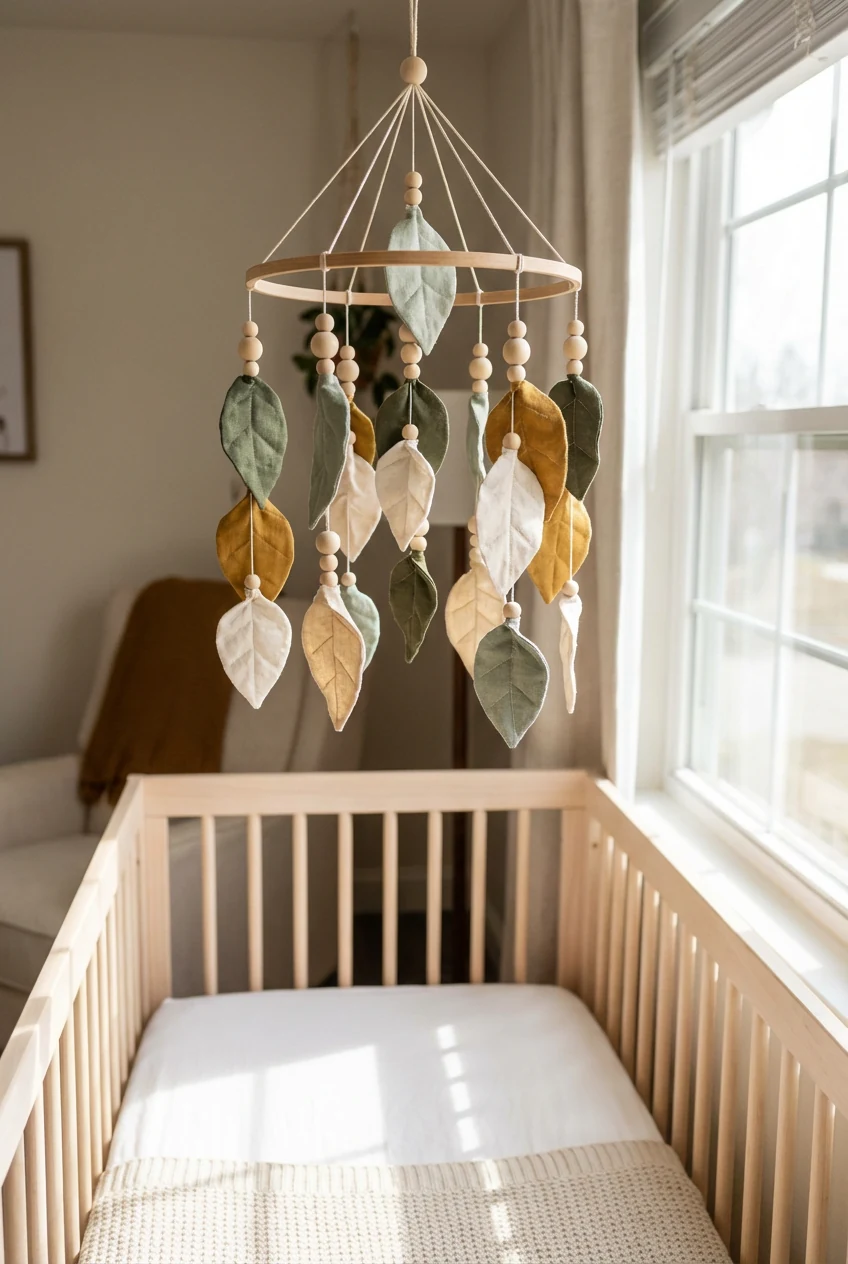
- Choose a mobile with fabric leaves, wood beads, or paper butterflies. Hang out of reach.
- Style one shelf with a plant, a framed name initial, and a soft toy. Stop there.
Less theme, more texture. That mantra saves you from overdoing it.
Rental-Friendly Moves
You can still transform the room:
- Use removable wallpaper or decals for your feature wall.
- Swap hardware on the dresser or closet for wood or matte black pulls.
- Install a tension-rod canopy in the corner to create a reading nook.
When you leave, you’ll patch tiny holes and call it a day.
Layout, Lighting, and Everyday Function
Pretty matters. Function matters more. Set up the room so midnight changes and feeds go smoothly.
Plan Zones That Work
Think in zones:
- Sleep zone: Place the crib on an interior wall, away from windows and vents. Keep the area simple and calm.
- Change zone: Set the dresser with a topper near the closet. Store diapers, wipes, and creams in the top drawer within reach.
- Feed zone: Put the chair near an outlet for a lamp and sound machine. Add a small side table for your water and burp cloth.
Secure cords and anchor furniture to studs. You build beauty and safety at the same time.
Lighting That Flatters, Not Frightens
Layer light like a pro:
- Overhead: A simple fixture with a warm 2700K bulb sets a gentle tone.
- Task: A dimmable floor or table lamp near the chair helps with nighttime feeds.
- Accent: A small night light guides you without waking the baby fully.
Dimmer switches change everything. Install one and never glare your eyes at 2 a.m. again.
Small-Space Hacks
Make a tiny room feel bigger:
- Use a mini crib or a convertible crib if the room measures under 9×10.
- Hang curtains high and wide to fake taller windows.
- Choose a narrow glider or a cushioned rocking chair instead of an oversized recliner.
- Use baskets under the crib for extra sheets and swaddles.
IMO, a tidy nursery feels bigger than any square footage upgrade.
Budget-Friendly Moves That Still Look Luxe
You can save cash and keep style high:
- Thrift a dresser and refresh it with new pulls and a sage-painted frame.
- Use peel-and-stick cork behind the door for art and photos instead of extra shelves.
- Frame fabric swatches or wallpaper samples as art.
- Swap the standard crib sheet for a sage muslin one for an instant “styled” look.
Spend where you sit and sleep. Splurge on a supportive chair and a firm, safe crib mattress. Save on decor.
FAQ
Is sage green too trendy? Will I hate it in two years?
Short answer: nope. Sage acts like a neutral with benefits. It calms the room, pairs with tons of accents, and shifts with seasons. If you crave change later, you just swap textiles and art, and the room still works.
Can I mix wood tones, or do I need a matching set?
Mix them. Matching sets feel flat. Pick one dominant wood (crib or dresser), then add one contrasting tone and a woven texture. Keep undertones aligned—warm with warm, cool with cool—and you’ll nail it.
Which plants work best for a nursery?
Go for low-maintenance, non-toxic options: parlor palm, spider plant, Boston fern, peperomia, and pilea. Place them high, secure them well, and cover soil with pebbles. If your light struggles, add a great faux and call it good.
How do I keep the room gender-neutral but still personal?
Use neutrals for the big stuff and personalize the small stuff. Add a custom name print, a handmade mobile, or a thrifted lamp with a new shade. Rotate books and toys in display baskets for color that feels lived-in, not locked-in.
What if the room gets almost no natural light?
Choose a warmer sage with beige undertones and keep finishes matte to avoid glare. Add layered lighting and use warm 2700K bulbs across the board. Bring in creamy textiles and warm wood to offset the cooler feel of low light.
Should I paint the crib?
If you love DIY, go for it—but use a water-based, baby-safe paint and let it cure fully. Sand smooth so no edges chip, and seal if the finish recommends it. If that sounds like a lot, buy the crib in the wood tone you want and paint a dresser instead.
Conclusion
A gender-neutral botanical nursery checks every box: calm, cozy, flexible, and stylish without trying too hard. You build from a base of sage green, warm wood, and natural textures, then sprinkle in plants and personal touches that you can swap as your kid grows. Keep safety smart, choose textures you love to touch, and mix woods like a confident minimalist. Do that, and you’ll create a space that feels grounded today and still gorgeous years from now—IMO, the best kind of “grow with me” design.