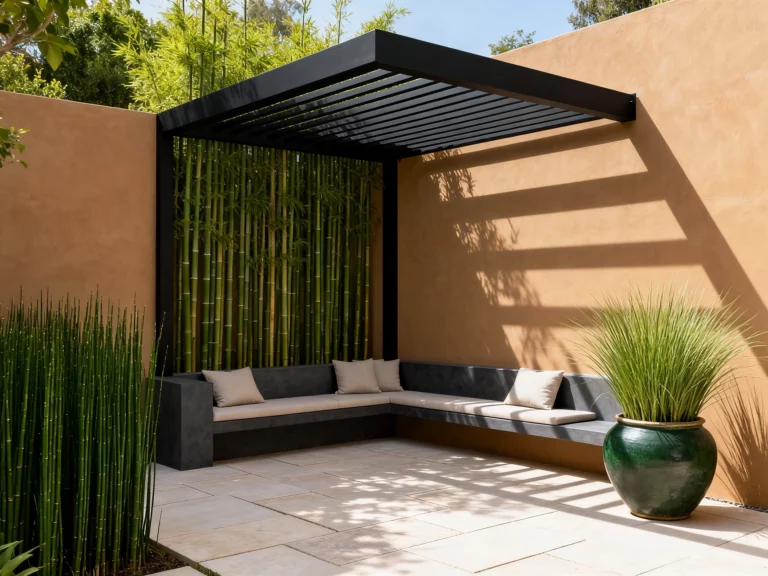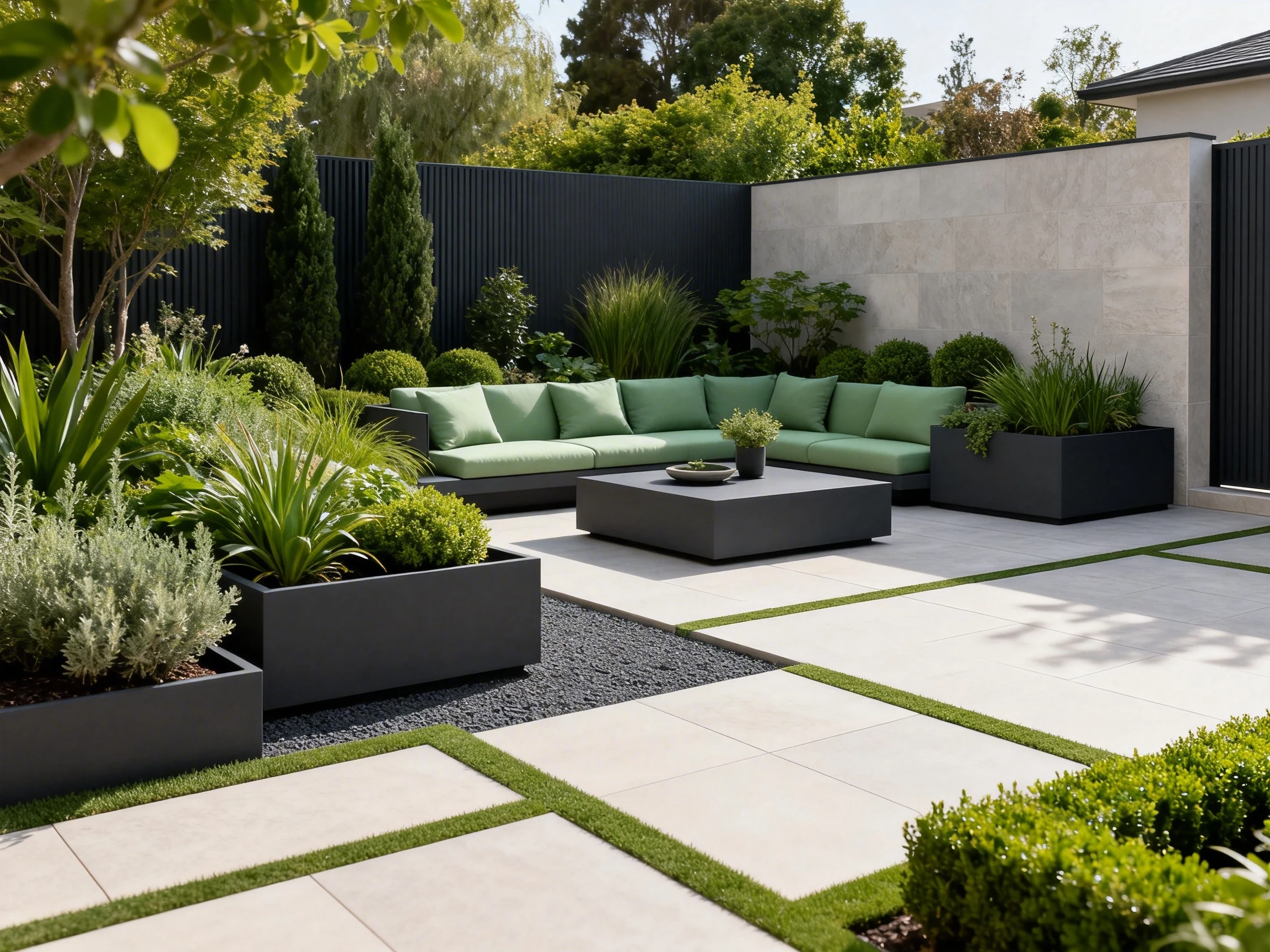
modern outdoor garden design
Modern outdoor garden design looks polished, relaxed, and actually usable. It skips the fussy stuff, keeps the layout clean, and turns your yard into a place where you want to drink coffee, host friends, or just stare at plants while avoiding your inbox. If you want a garden that feels stylish without acting precious, you’re in the right place. Let’s talk about how to make outdoor space look sharp, feel comfortable, and stay sane to maintain.
What makes a garden look modern?
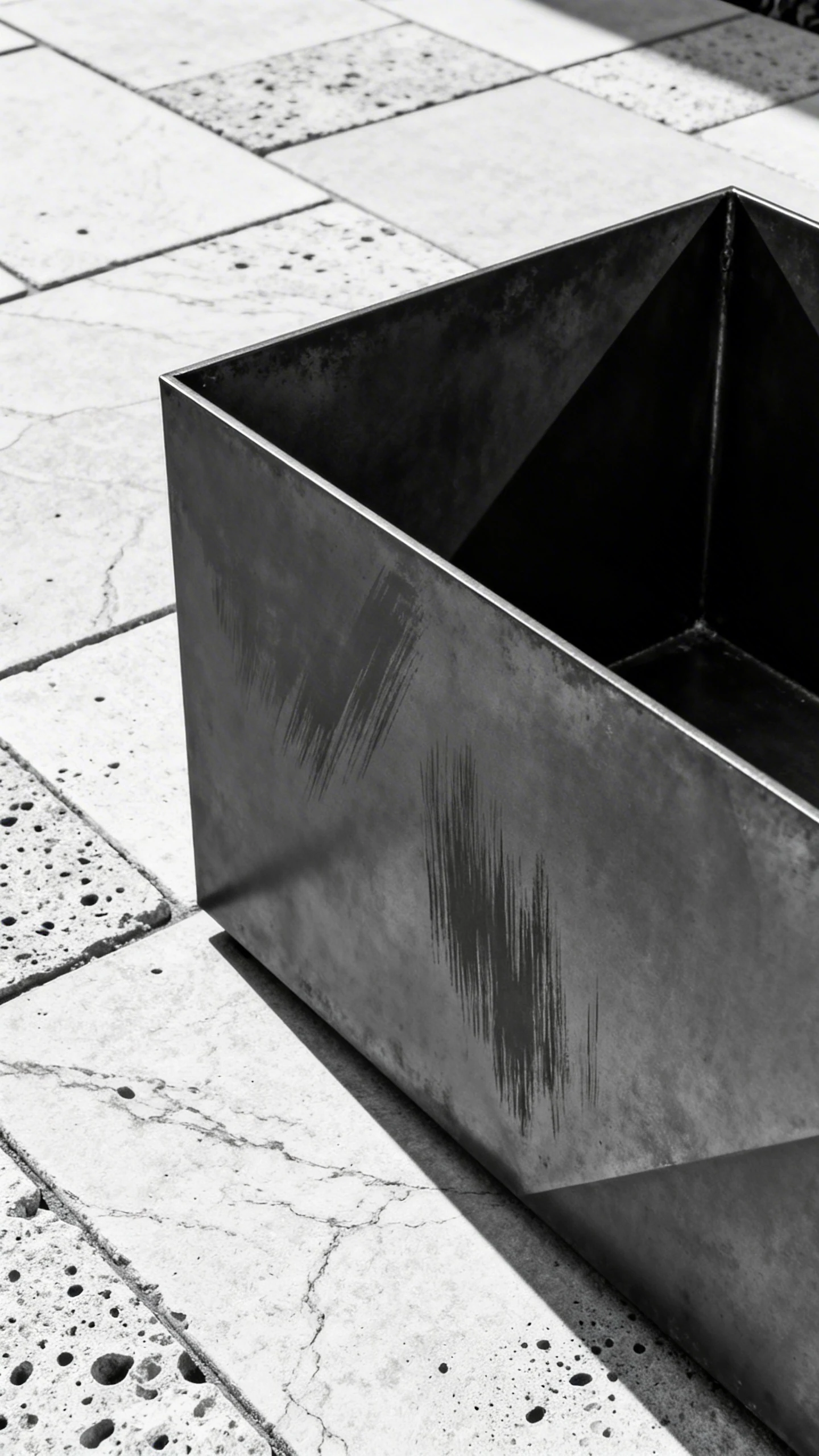
Modern garden design usually comes down to clean lines, intentional layouts, and a limited palette. That sounds fancy, but it really means you stop cramming every cute idea into one space. You pick a direction, stick with it, and let each part breathe.
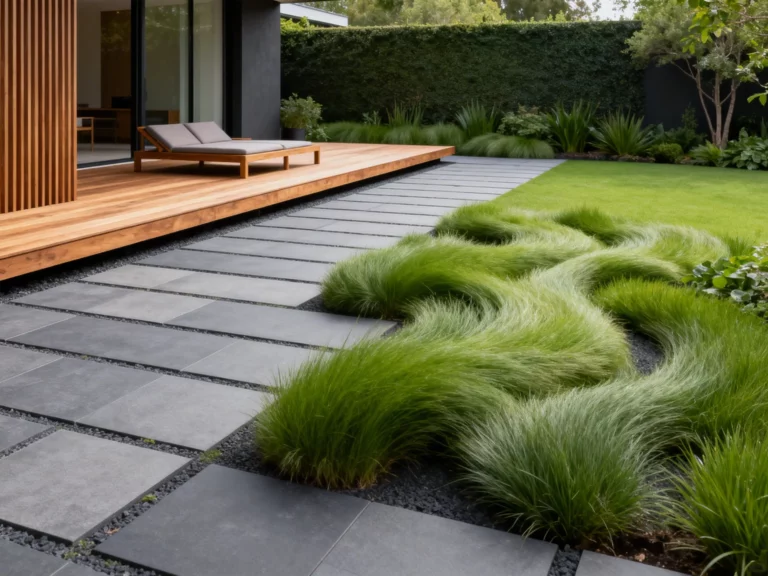
Think simple paving, bold planting, and furniture that looks like it belongs there instead of wandering in from five different patios. Modern gardens love contrast too. Smooth concrete next to soft grasses? Yes. Dark planters against pale stone? Also yes.
The big difference between modern and traditional design sits in the editing. Traditional gardens often layer in lots of detail. Modern gardens ask, “Do we really need that?” and then quietly remove three things.
It’s not cold, and it doesn’t have to feel sterile
People hear “modern” and picture a gray box with one sad chair and a judgmental olive tree. That’s not the goal. A good modern garden feels warm, calm, and inviting, just with more structure and less clutter.
You can add softness through planting, wood tones, outdoor textiles, and lighting. The trick involves balancing sleek surfaces with natural texture. Otherwise, your garden starts to look like a hotel courtyard where nobody laughs.
Start with layout before you buy a single plant
If you do one smart thing, do this: plan the layout first. Plants tempt everyone because they look fun and hopeful, but layout does the heavy lifting. Without a clear plan, even expensive landscaping can feel messy.
Ask yourself how you actually want to use the space. Do you want a dining area, a lounge zone, a fire pit corner, or room for kids to run wild like tiny caffeinated raccoons? Your answers shape everything else.
Modern design works best when the space feels organized. That doesn’t mean rigid. It means each area has a purpose, and the transition between areas feels easy.
Create outdoor “rooms”
One of the easiest ways to nail a modern garden involves dividing the yard into simple zones. You might have a dining terrace near the house, a planting border along the edge, and a quiet seating nook farther back. Suddenly the garden feels bigger and smarter.
Use paving, gravel, planters, low walls, or even changes in level to define each zone. You don’t need giant hedges or dramatic gates. A subtle shift often works better, IMO, because it keeps the space open.
Respect scale, or the garden gets weird fast
Scale matters more than people think. Huge furniture on a tiny patio looks awkward. Tiny pots scattered across a big yard disappear like socks in the laundry.
Choose elements that match the size of the space. In modern design, fewer larger pieces usually beat lots of little ones. It feels calmer, and it saves you from visual chaos.
Choose materials that look good together
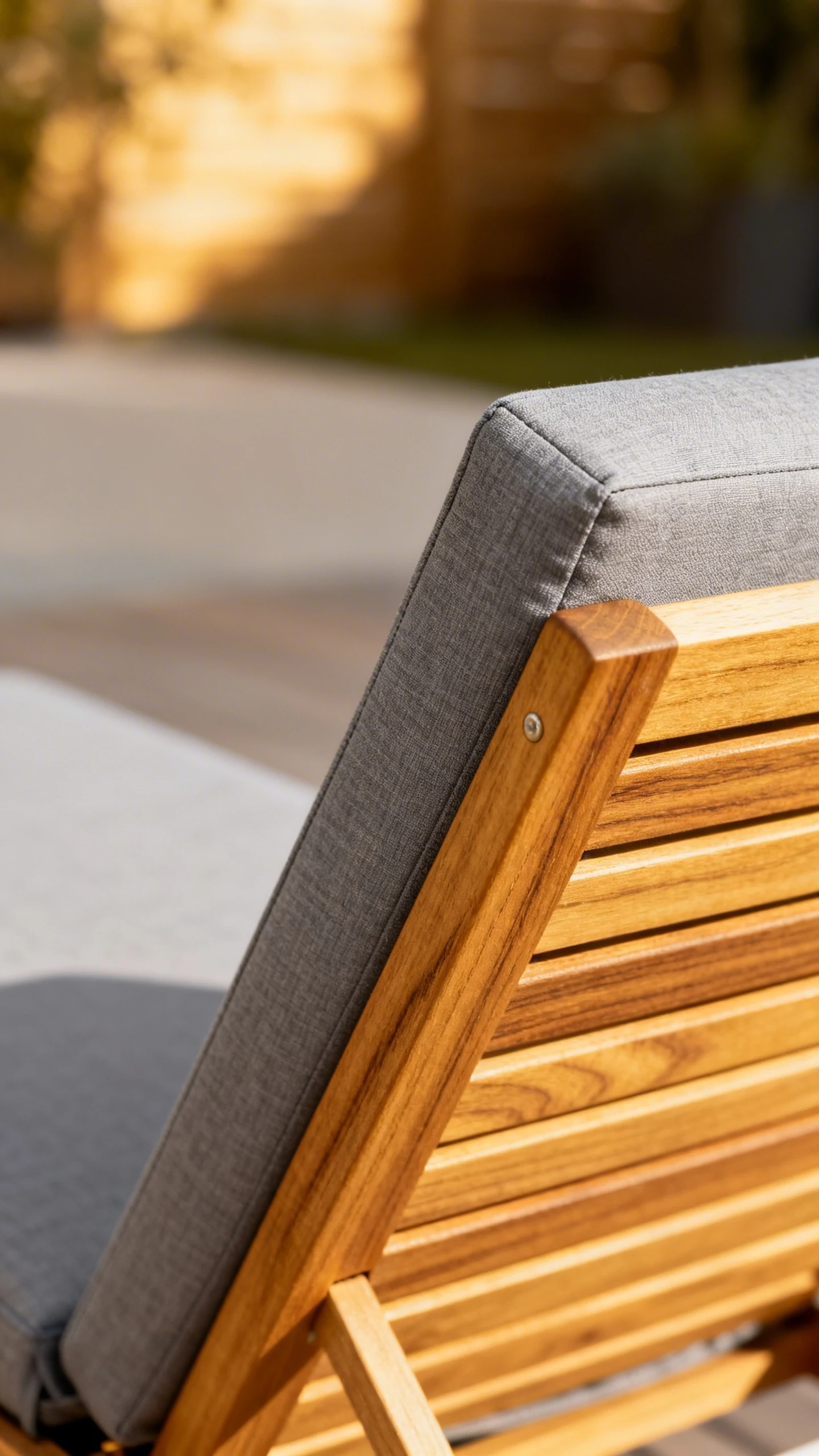
Materials shape the whole mood of a modern garden. Concrete, porcelain, natural stone, steel, timber, and gravel all work beautifully when you combine them with some restraint. The key word here: restraint. Your patio doesn’t need to audition every surface sample in the showroom.
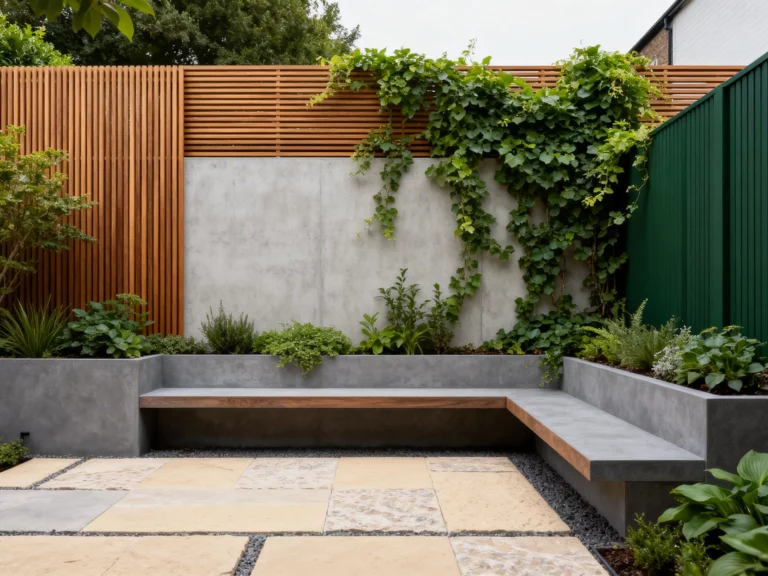
A simple material palette makes the design feel cohesive. Try two or three main materials and repeat them throughout the space. That repetition creates rhythm, which sounds artsy, but really just means everything feels connected.
Color matters too. Modern gardens often lean into neutrals like charcoal, sand, white, black, and soft gray. That doesn’t mean boring. It means your plants and textures get to shine instead of fighting with ten competing finishes.
Hardscaping should support the planting, not dominate it
People sometimes go all in on paving and then wonder why the garden feels flat. Hardscaping needs balance. You want enough structure to make the space functional, but not so much that it turns into an outdoor parking lot.
Break up large paved areas with planting beds, gravel strips, or oversized containers. This keeps the space fresh and gives your eye somewhere to rest. Plus, plants make everything look more expensive, which feels like a win.
Planting in a modern garden: less chaos, more impact
Modern planting design doesn’t mean using fewer plants just for the sake of it. It means using plants more intentionally. Instead of one of everything, repeat a smaller mix for a stronger visual effect.
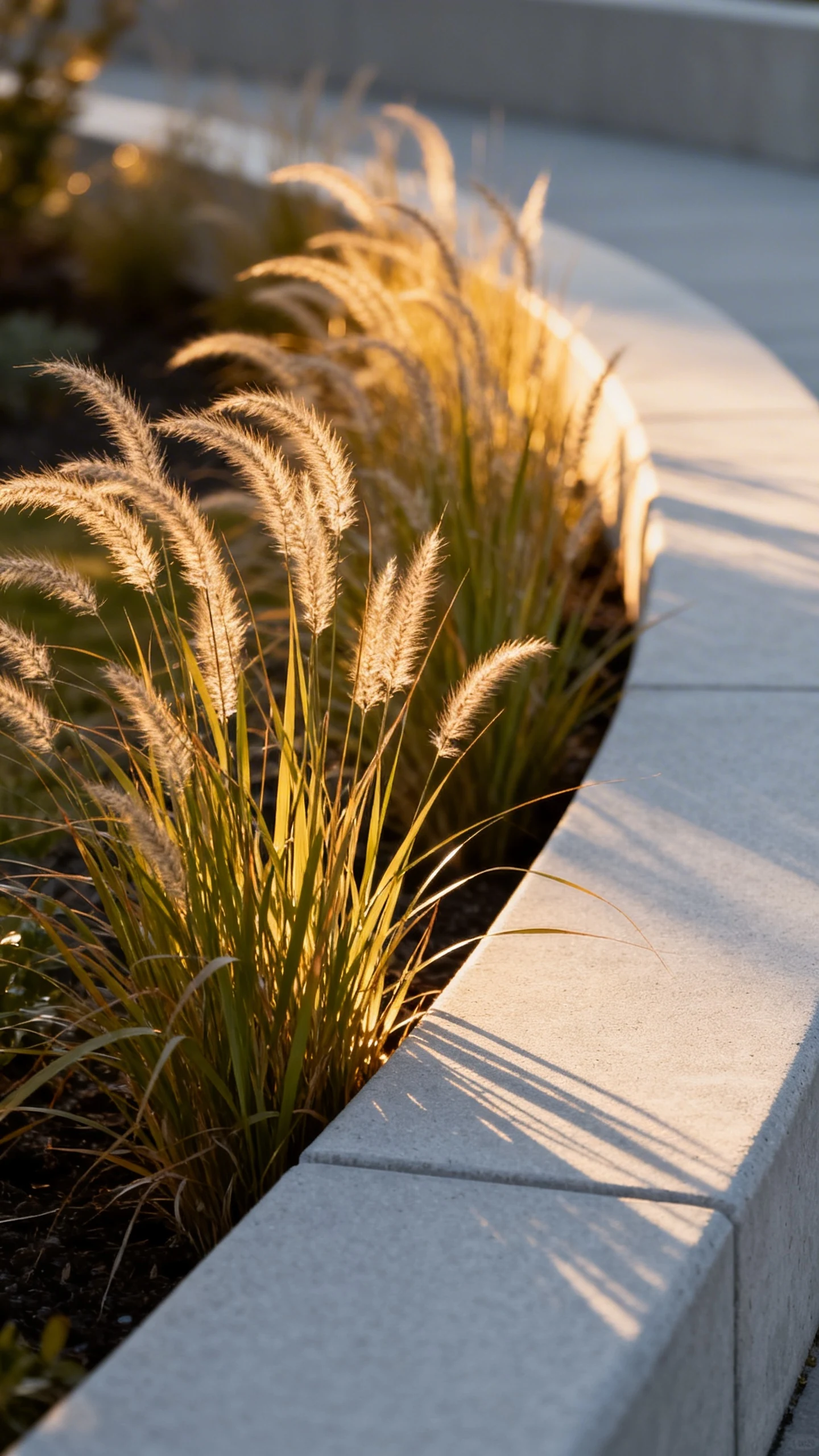
Drifts of ornamental grasses, clipped evergreens, architectural shrubs, and perennials with clean forms all suit the look. Repetition creates calm. Random plant collecting creates confusion and a future weekend full of regret.
Texture often matters more than flower color in modern gardens. Spiky leaves, soft plumes, glossy foliage, and rounded mounds all play nicely together. When you layer texture well, the garden stays interesting even when nothing blooms.
Plants that fit the modern vibe
You’ve got plenty of options depending on climate, but some plant types show up again and again for good reason. Think boxwood, yew, olive trees, bamboo in controlled settings, agapanthus, alliums, lavender, salvia, euphorbia, and grasses like stipa or miscanthus.
Succulents and drought-tolerant species work especially well in warmer regions. In cooler climates, evergreen structure becomes even more important. FYI, a modern garden with strong winter shape still looks good when summer stops showing off.
Go easy on the color explosions
Bright flowers can absolutely work, but use them with some discipline. Pick a tighter palette and repeat it through the space. Purple, white, and green? Gorgeous. Soft pink with silver foliage? Also great.
When every bed bursts into a different color story, the design loses its edge. Modern gardens usually look best when the color feels curated. Your yard shouldn’t look like a bag of mixed candy spilled across the border.
Furniture, lighting, and the details that pull it together
This part turns a nice garden into a space people actually use. Modern outdoor furniture should feel simple, comfortable, and durable. Clean silhouettes work well, but comfort still matters because nobody wants to perch on a stylish plank for two hours.
Choose seating with weather-friendly cushions, a dining set that fits your layout, and maybe one standout piece like a sculptural bench or fire bowl. Again, keep the palette controlled. Let shape and texture do the work.
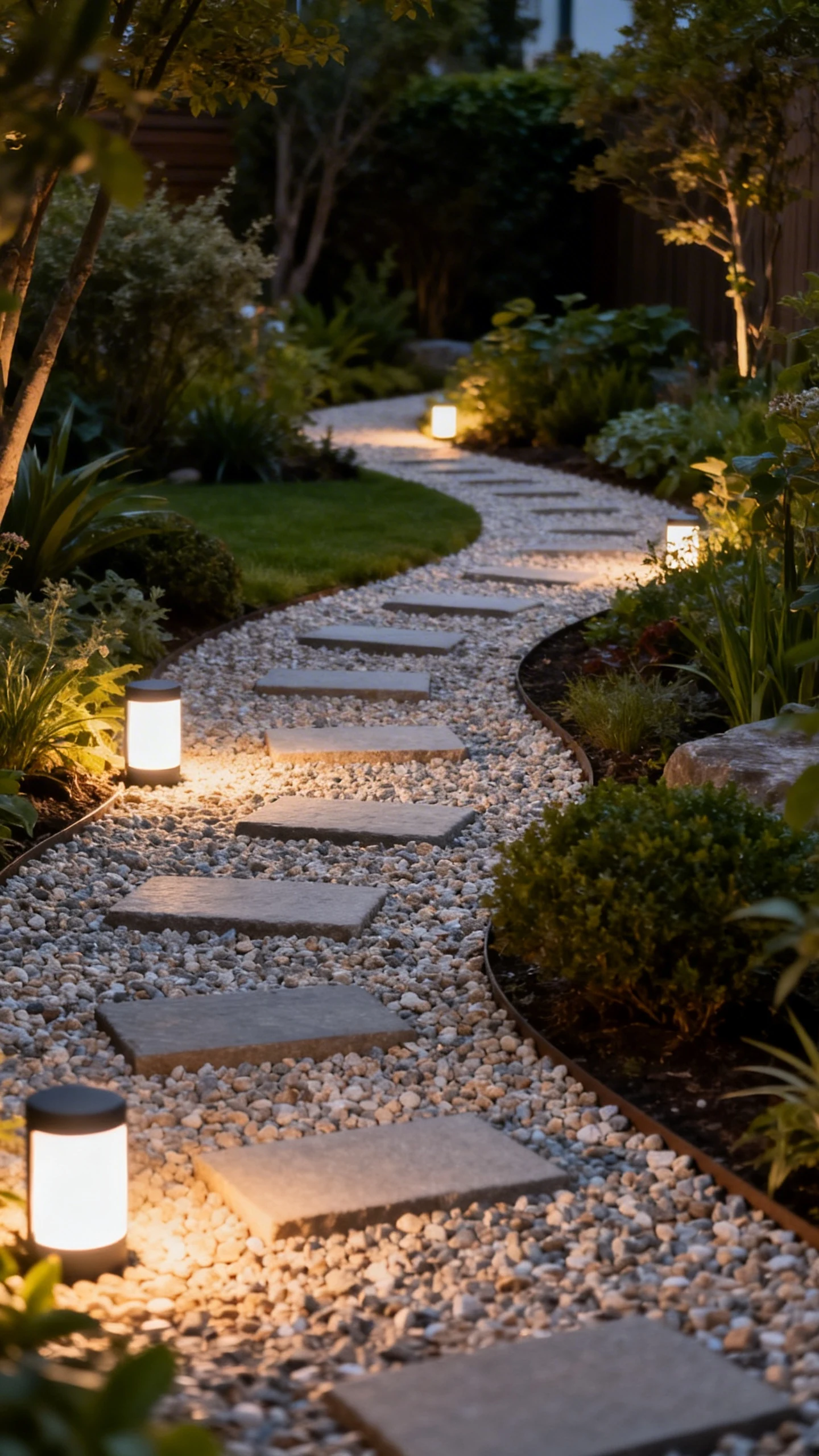
Lighting deserves way more attention than it gets. Good garden lighting creates atmosphere, improves safety, and makes the space usable after sunset. And honestly, everything looks cooler with the right lighting.
Where to place outdoor lighting
Focus on the spots people use and the features worth highlighting. Light paths, steps, dining areas, and key plants or small trees. You want layers, not a blinding stadium effect.
Wall lights, spike lights, step lights, and subtle uplighting all help. Warm white usually looks best in a garden. Blue-toned lighting can make the whole space feel like a supermarket freezer, and nobody asked for that.
Containers and accessories matter more than you think
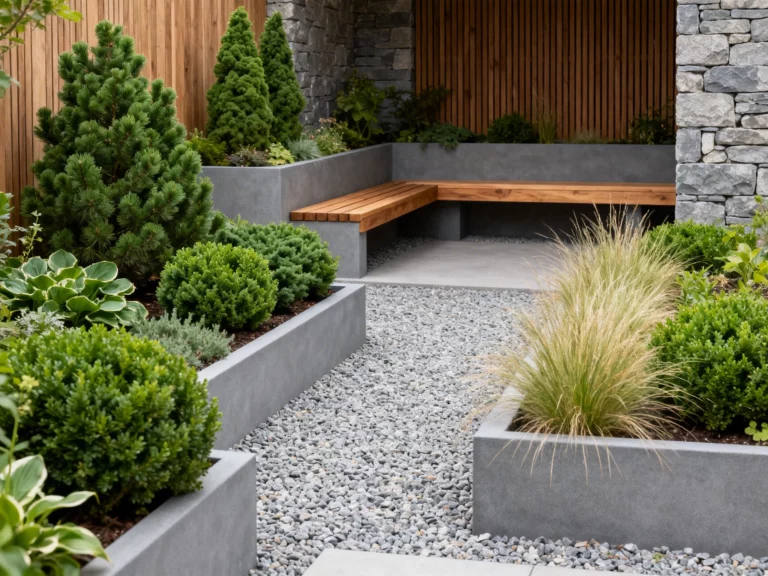
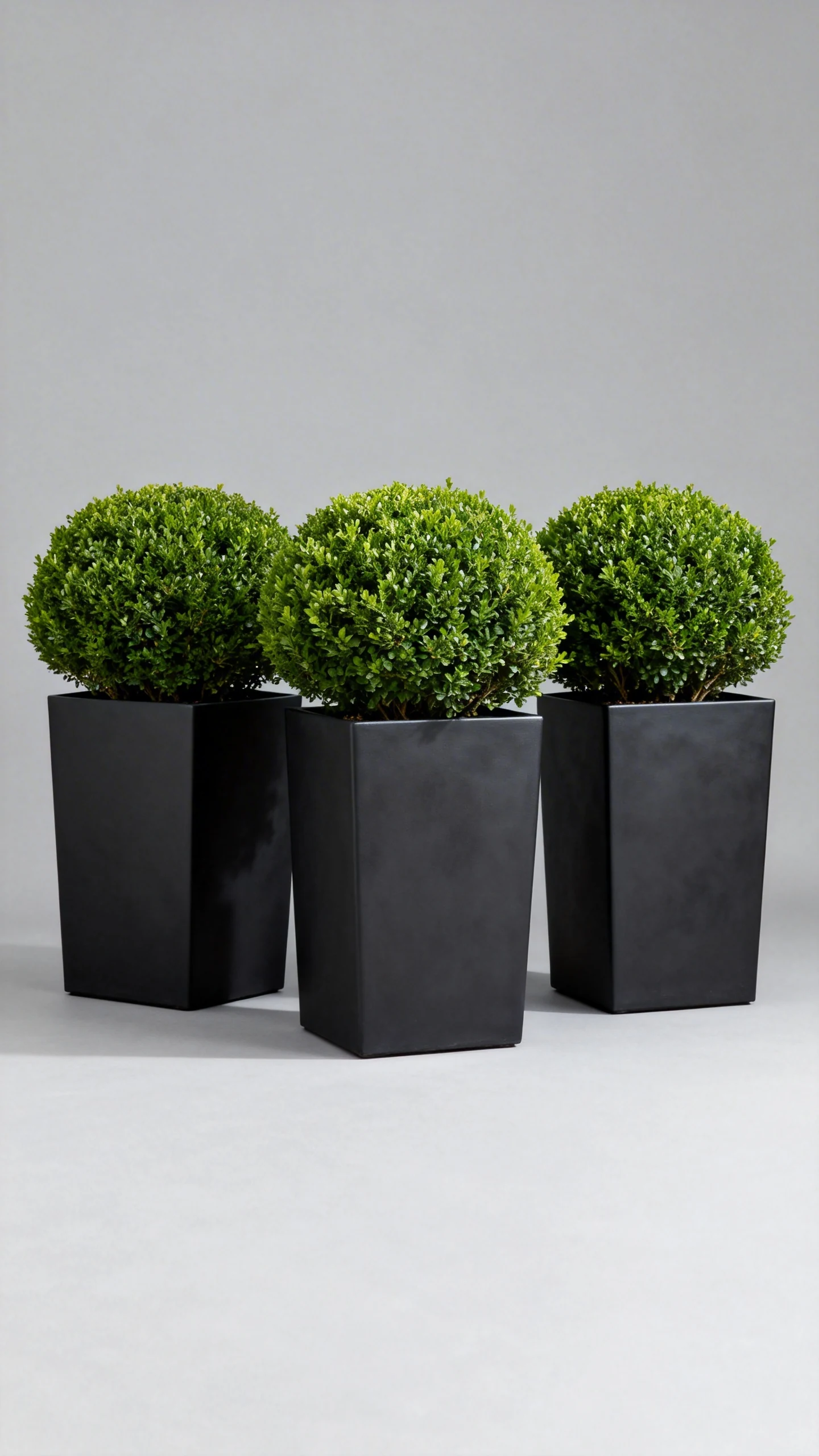
Planters can reinforce the whole design language. Large rectangular or cylindrical containers in stone, metal, or matte finishes often suit modern spaces really well. Group them in odd numbers or use one oversized statement planter for impact.
Keep accessories edited. A few lanterns, outdoor cushions, and maybe a rug can add personality without clutter. If every corner has a decorative object, the modern vibe disappears fast.
Low-maintenance design without making the garden boring
Let’s be honest: most people want a beautiful garden they don’t have to babysit. Modern design works brilliantly for that because it naturally favors simplicity, repetition, and practical choices. You can have style without signing up for endless trimming and drama.
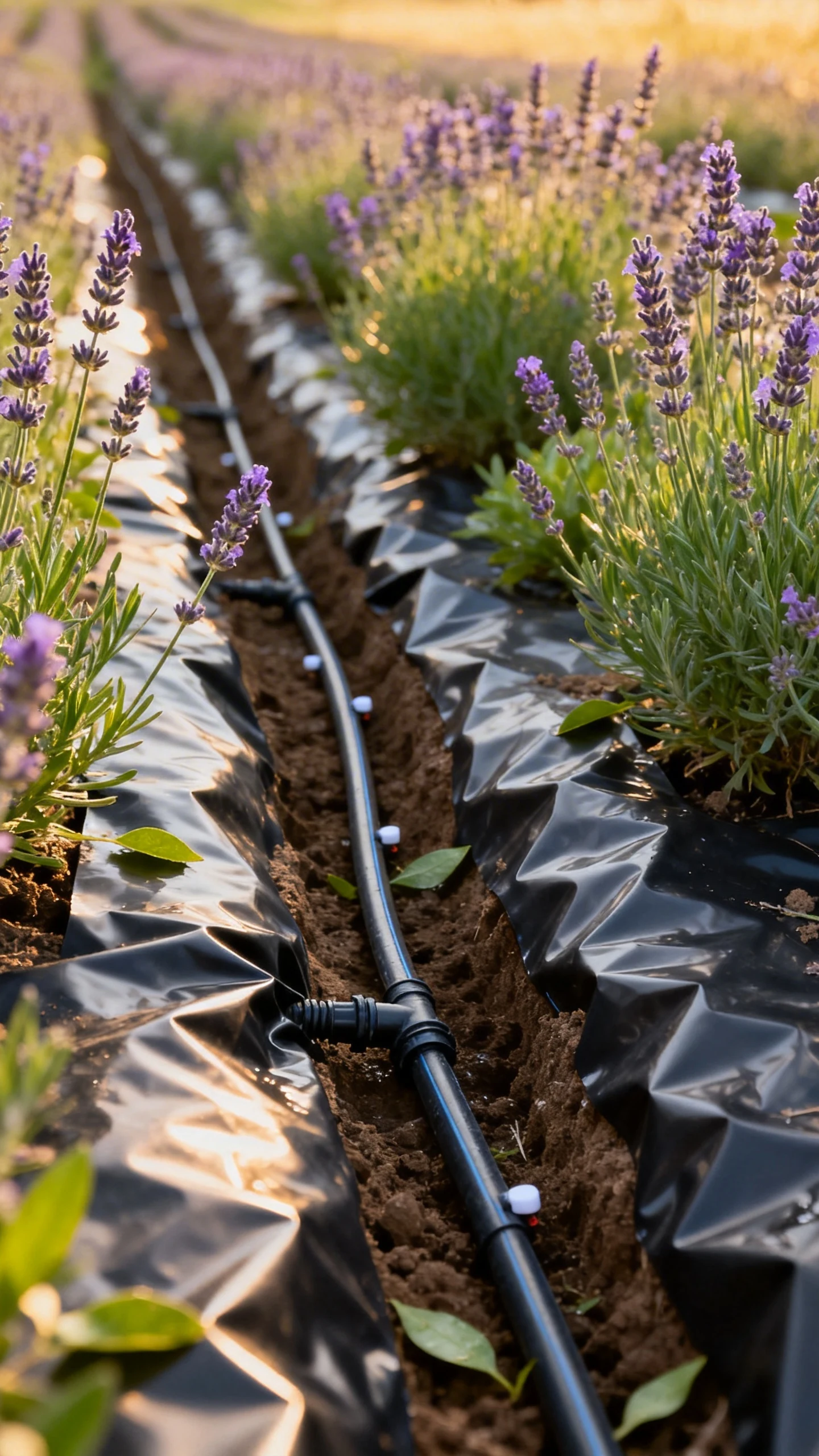
Choose durable materials, reliable plants, and irrigation if your climate needs it. Use weed-suppressing mulch in beds. Leave enough room between features so cleaning and maintenance don’t become an obstacle course.
A lower-maintenance garden doesn’t mean no maintenance. It just means you spend less time fighting the design. That feels a lot better than resenting your own patio every weekend.
Smart moves that save time later
- Use larger planting groups instead of lots of fussy singles.
- Install drip irrigation for consistent watering with less hassle.
- Pick materials that age well, like quality stone, sealed concrete, or hardwood.
- Limit lawn areas unless you truly love mowing.
- Choose plants suited to your climate so they don’t throw a tantrum every season.
If you want the biggest shortcut, start by reducing the number of different elements. Fewer materials, fewer plant varieties, fewer random accessories. Simple really does look better here.
Common mistakes that sabotage a modern garden
Some mistakes pop up all the time, and they can wreck the look fast. The first one? Trying to do too much. Modern design needs confidence, and confidence often looks like restraint.
Another common issue involves ignoring the house. Your garden should connect with the architecture, not argue with it. A sleek garden next to a super rustic cottage can work, but you need some thoughtful transitions.
Then there’s the “all hardscape, no soul” problem. Too much paving and not enough planting makes the space feel harsh. On the flip side, too many plants without structure can make it feel shapeless.
And please, measure your furniture before buying it. Oversized sectionals swallow small patios whole. That’s not luxury. That’s spatial bullying.
FAQ
What is the key feature of modern outdoor garden design?
The biggest feature involves clarity. Modern gardens use clean lines, strong structure, and a limited palette of materials and plants. Everything feels intentional, which gives the space a calm, polished look.
Can a small garden still look modern?
Absolutely. Small gardens often suit modern design really well because simple layouts make tight spaces feel bigger. Use larger-format paving, a restrained color palette, and fewer, more impactful plants and furniture pieces.
Do modern gardens always need concrete and straight lines?
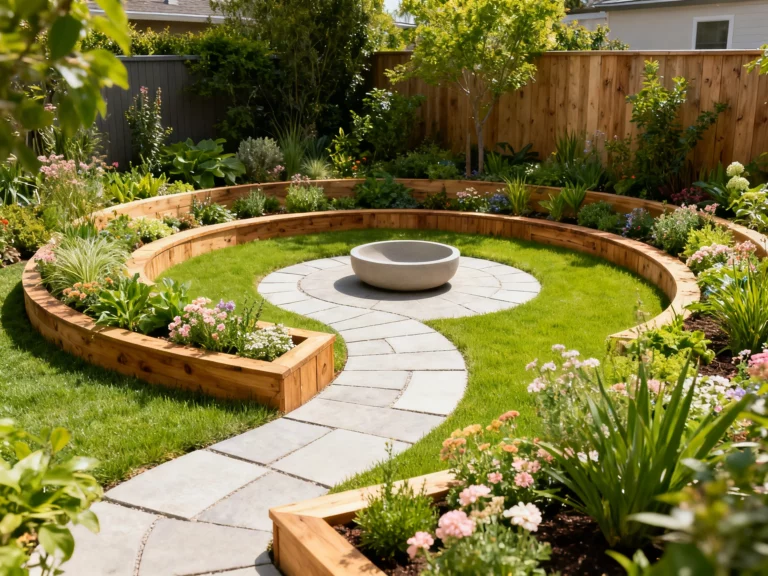
Nope. Concrete helps, and straight lines often appear, but modern design can also include softer curves and natural materials. The real goal involves simplicity, cohesion, and strong form, not forcing every yard into a strict box.
Which plants work best in a modern garden?
Plants with strong shapes, repeated groupings, and interesting texture usually work best. Ornamental grasses, evergreen shrubs, lavender, salvia, alliums, agapanthus, and architectural plants all fit nicely. Choose varieties that suit your climate, obviously, unless you enjoy unnecessary disappointment.
How do I make my garden look modern on a budget?
Start by simplifying. Paint fences a clean neutral shade, use gravel or mulch to tidy planting areas, repeat a few affordable plant varieties, and invest in one or two good containers instead of lots of cheap clutter. A clear design always beats random spending.
Is a modern garden high maintenance?
Not usually. In fact, many modern gardens stay fairly easy to maintain because they use simpler layouts and restrained planting. If you choose the right plants and materials from the start, the upkeep stays manageable.
Conclusion
Modern outdoor garden design works because it mixes style with common sense. It gives your space structure, comfort, and that crisp, put-together look without demanding endless fuss. Keep the layout clear, the materials consistent, and the planting intentional, and your garden will feel modern in the best way possible. Basically, edit ruthlessly, plant smart, and let the space breathe.