modern garden wall design
A garden wall can do a lot more than hold back soil or mark a boundary. It can frame the whole space, add texture, create privacy, and make even a small garden look intentional instead of like a random patch of outdoor stuff. If you want a yard that feels polished without looking stiff, modern garden wall design gives you plenty to play with. And no, “modern” does not mean cold, gray, and joyless like a luxury dentist’s waiting room.
What makes a garden wall feel modern?
Modern garden walls lean on clean lines, simple shapes, and thoughtful materials. That sounds fancy, but the idea stays pretty straightforward. You skip fussy ornament, choose a clear visual direction, and let texture, proportion, and contrast do the heavy lifting.
A modern wall often looks calm and uncluttered. You might see smooth render, slim brick, dark timber slats, concrete blocks, corten steel, or stone with a crisp finish. The wall does not need to scream for attention. It just needs to look like it belongs there on purpose.
Scale matters too. A low wall can define a seating area without boxing it in, while a taller wall can create privacy and a stronger architectural feel. Want the quickest shortcut to a modern look? Keep the palette tight and the lines consistent. Easy.
Modern does not mean boring
People hear “minimal” and panic a little. They picture a blank slab with zero personality. But a modern wall can still feel warm, lush, and inviting when you pair it with plants, lighting, or natural materials.
IMO, the best modern gardens mix restraint with softness. A clean wall behind flowing grasses or climbing plants looks far more interesting than a wall trying way too hard with decorative swirls and random features. Your wall should support the space, not audition for its own reality show.
Choosing the right material for the look you want
Materials shape the entire mood of the garden. If the wall feels too heavy, the garden can look cramped. If it feels too flimsy, the space loses structure. The sweet spot comes from matching the material to the house, the planting style, and the amount of maintenance you can actually tolerate.
Brick for warmth and structure
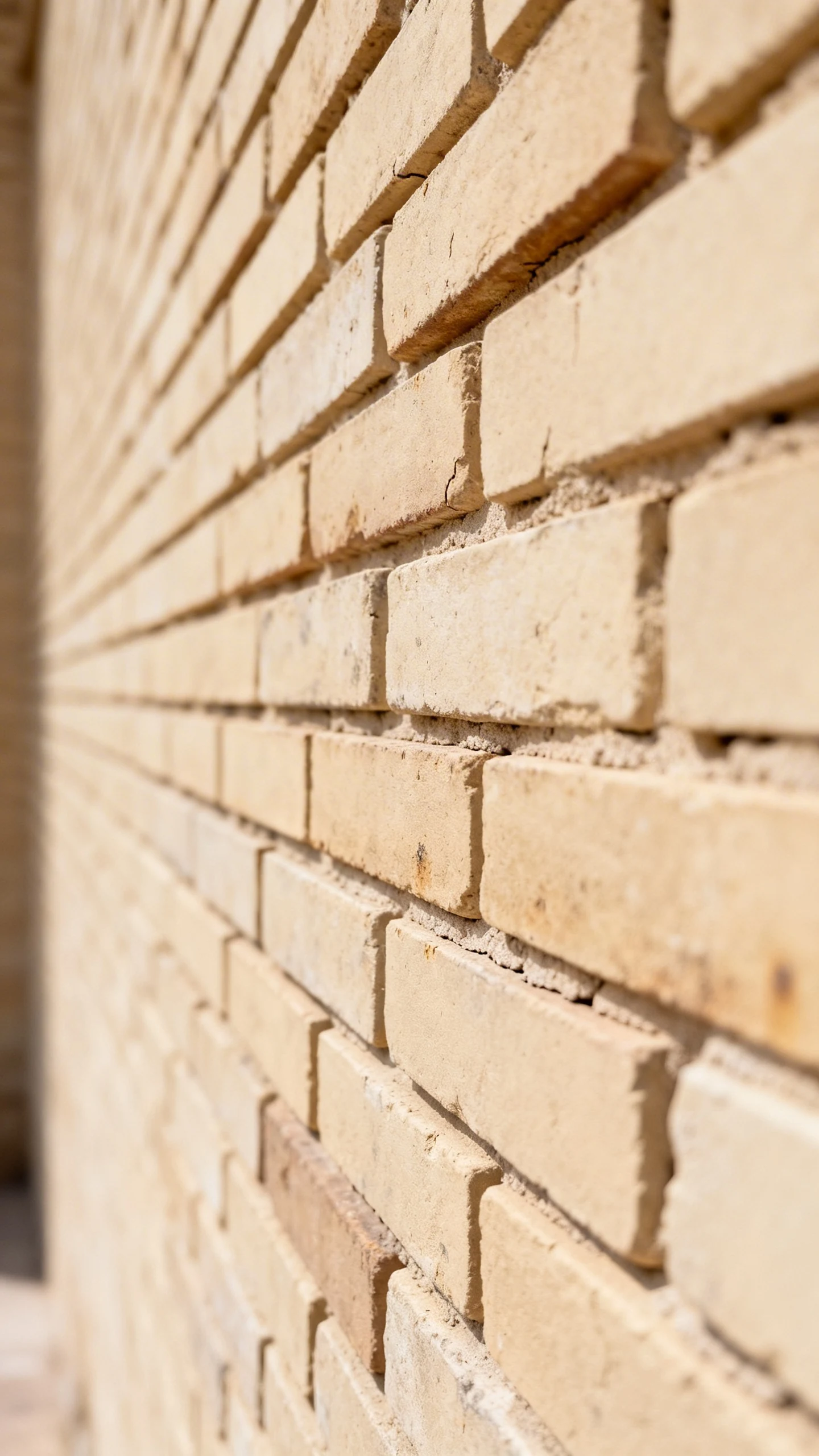
Brick works brilliantly in modern garden wall design when you choose the right style. Think long-format brick, pale buff tones, charcoal shades, or brick laid in a simple, precise pattern. It adds warmth without getting old-fashioned fast.
Brick also ages well, which matters a lot outdoors. A modern brick wall can feel crisp on day one and still look good years later. That kind of staying power deserves respect.
Rendered walls for a clean, crisp finish
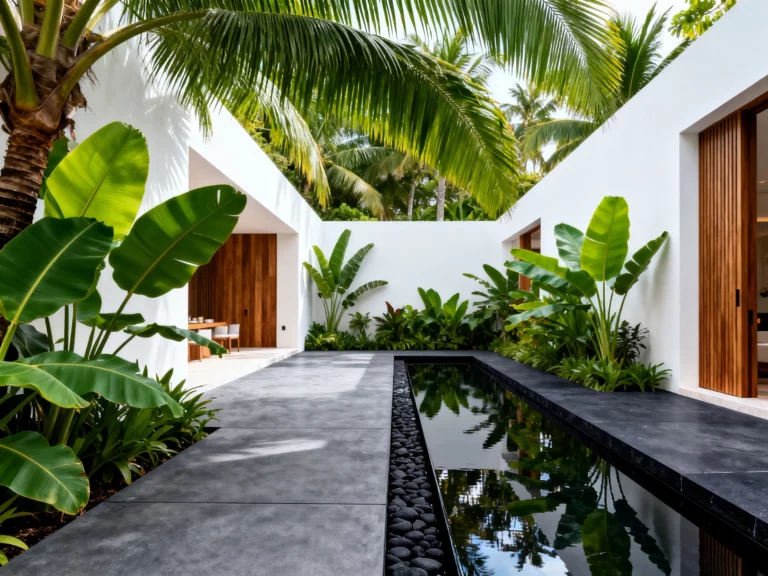
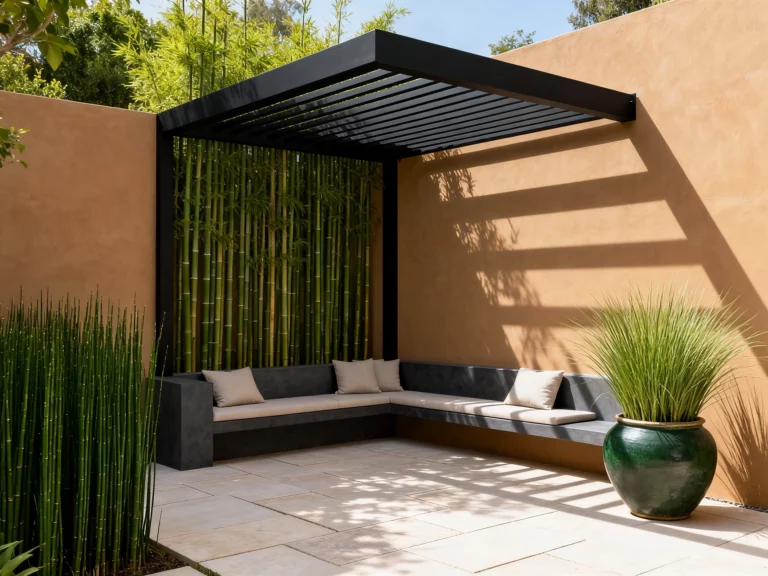
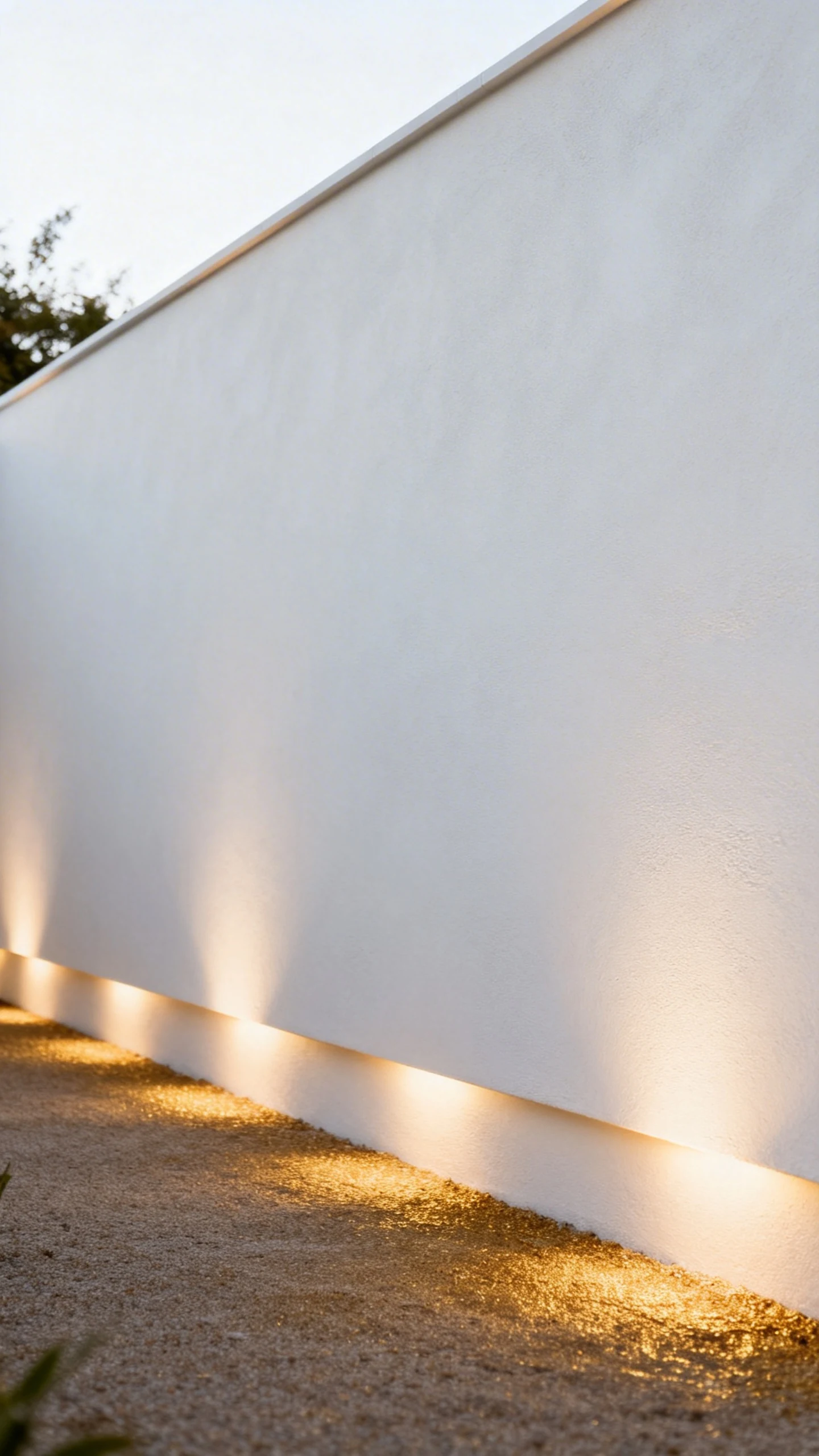
If you love a sleek look, rendered walls make a strong case. They create a smooth surface and a sharp silhouette, especially in white, soft gray, sand, or muted earth tones. Pair them with structured planting and hidden lighting, and the whole garden suddenly looks expensive.
Just remember that render shows dirt more than rougher materials do. If your garden turns muddy every time it rains, you might need to clean it now and then. Glamour has a price, apparently.
Concrete, stone, and steel for bold character
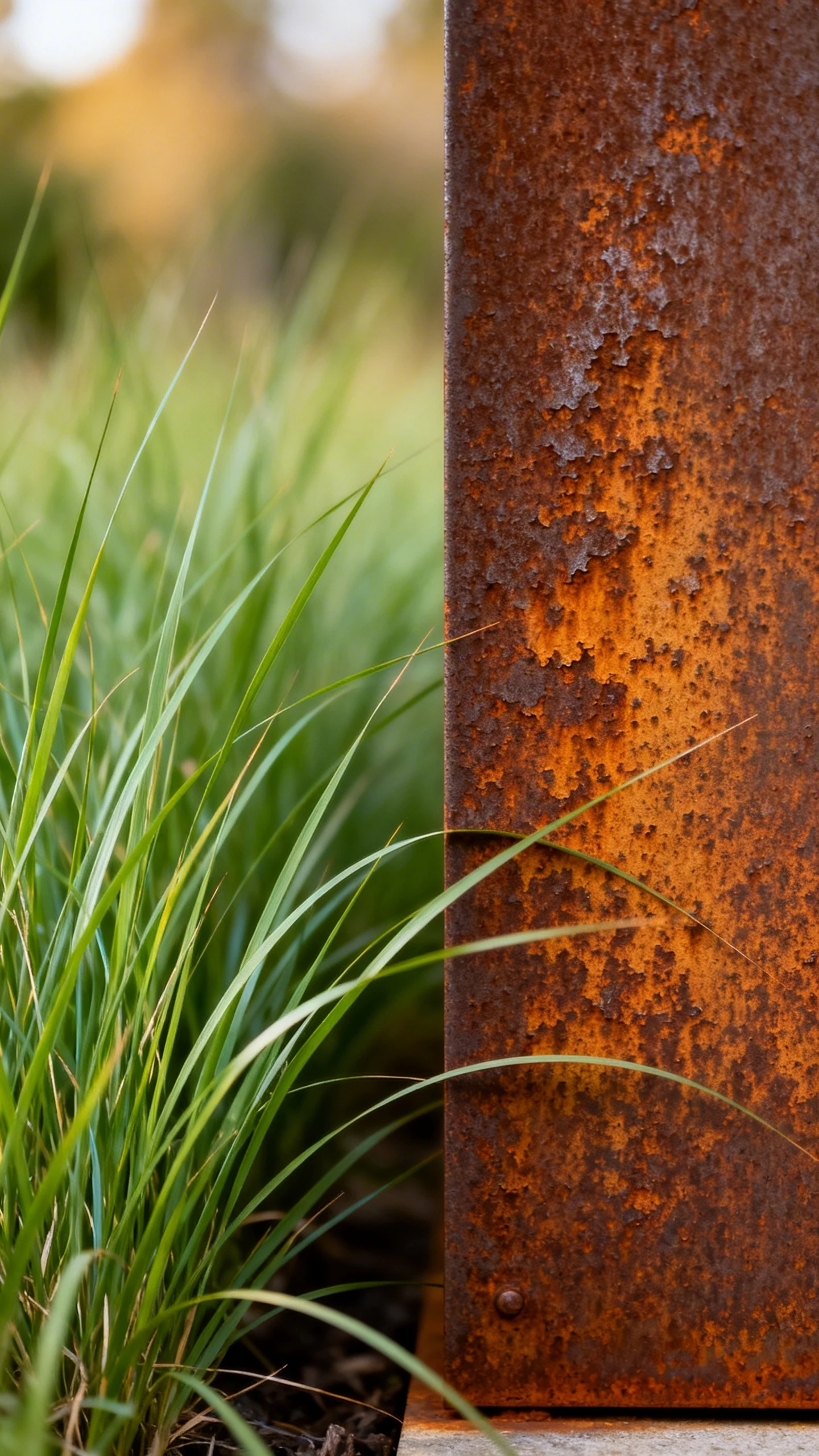
Concrete gives a garden an architectural edge. Stone brings texture and a grounded, natural feel. Corten steel introduces rich rusty tones that look amazing against green planting. All three can look distinctly modern when you use them with restraint.
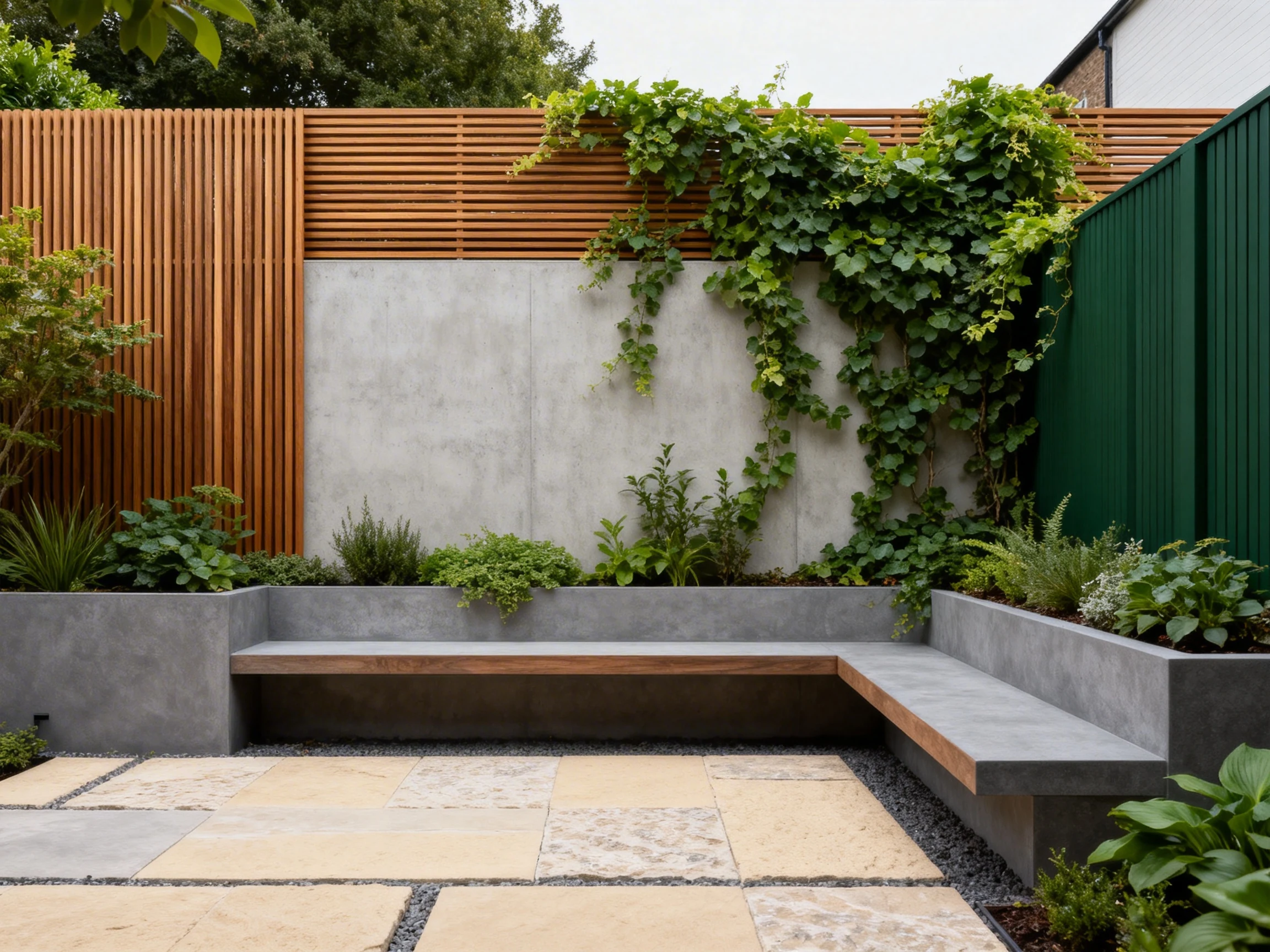
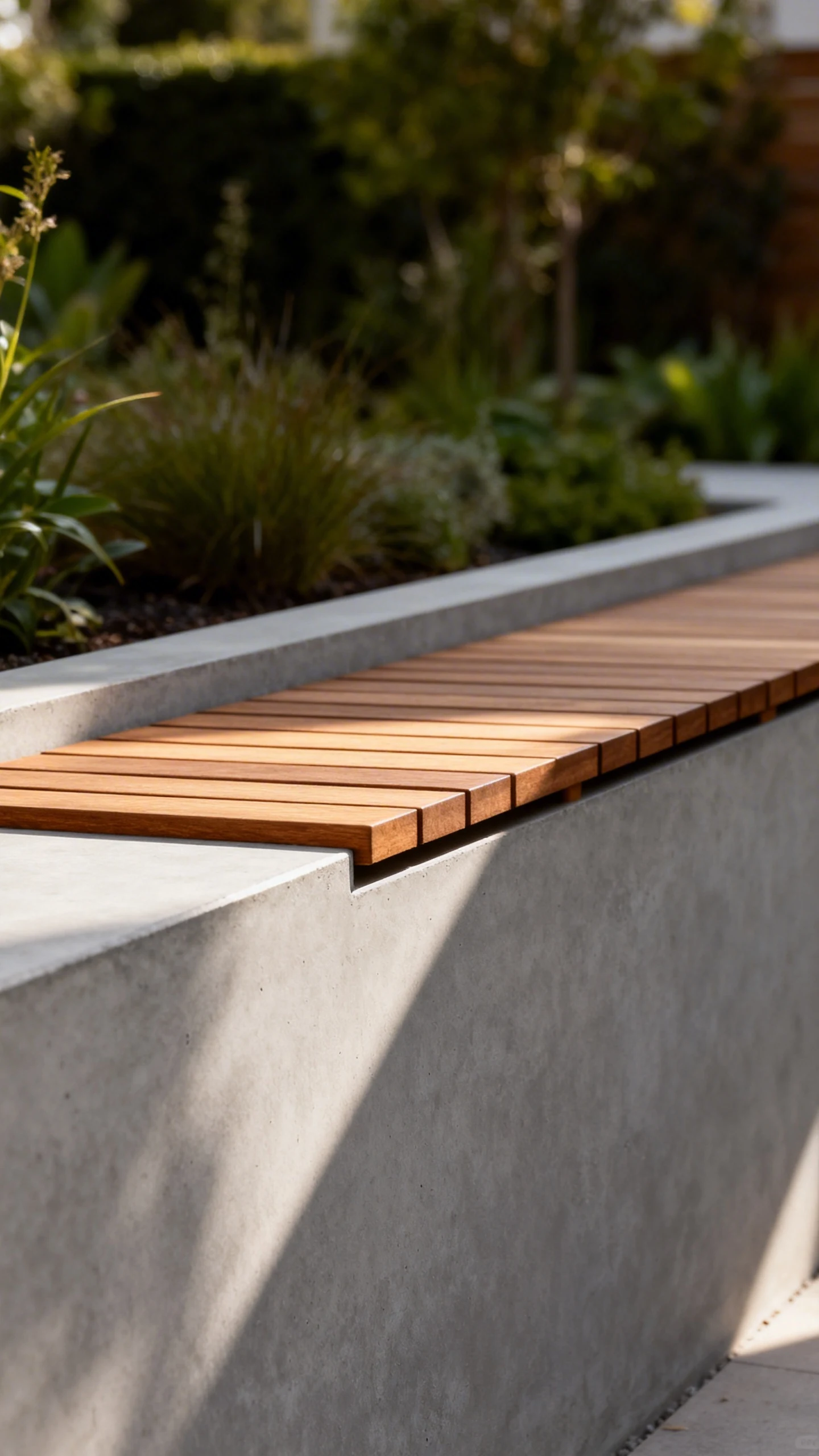
FYI, mixing materials usually works better than relying on one alone. A concrete wall with timber bench seating, or stone with slim black metal details, feels layered and intentional. Too much of one hard material can make the space feel harsh, like your garden secretly wants to become a car park.
Using walls to shape the garden, not just border it
A great garden wall does more than sit at the edge looking serious. It helps organize the space. It can divide zones, guide movement, frame views, and create little moments that make the garden feel bigger and smarter.
Think about how you actually use the garden. Do you want a dining zone, a lounge corner, a fire pit area, or a quiet spot where you can ignore your phone for twenty minutes? Walls can create outdoor rooms without making everything feel boxed in.
Low walls for subtle definition
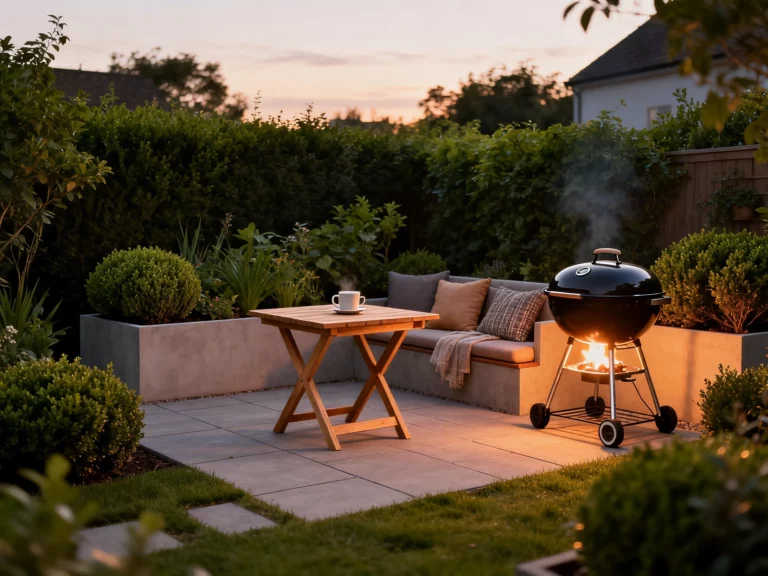
Low walls work well when you want separation without losing openness. They can edge patios, define planting beds, and double as casual seating. That multitasking quality feels very modern because it keeps the space clean and efficient.
A low wall also lets planting remain visible across the garden. That makes the entire layout feel connected. You get structure without the visual drama of a giant barrier, which sometimes feels a bit much unless you live in a Bond villain compound.
Tall walls for privacy and atmosphere
Taller walls create shelter and privacy, especially in urban gardens where everyone seems weirdly close. They block views, cut wind, and make the garden feel more intimate. That changes everything if you want the space to feel calm instead of exposed.
To keep a tall wall from looking oppressive, break it up with vertical planting, recessed panels, or varied textures. Lighting helps too. A plain wall with carefully placed uplights can look striking at night without trying too hard.
Color, texture, and detail matter more than you think
A modern wall often looks simple from a distance, but the good ones reward a closer look. Texture, finish, shadow lines, and subtle color shifts give the wall depth. That matters because flat design with no detail can feel unfinished instead of elegant.
Neutral tones dominate modern garden wall design for a reason. Whites, grays, taupes, charcoal, sand, and earthy browns work beautifully with foliage. They let the plants shine while still giving the garden a strong visual backbone.
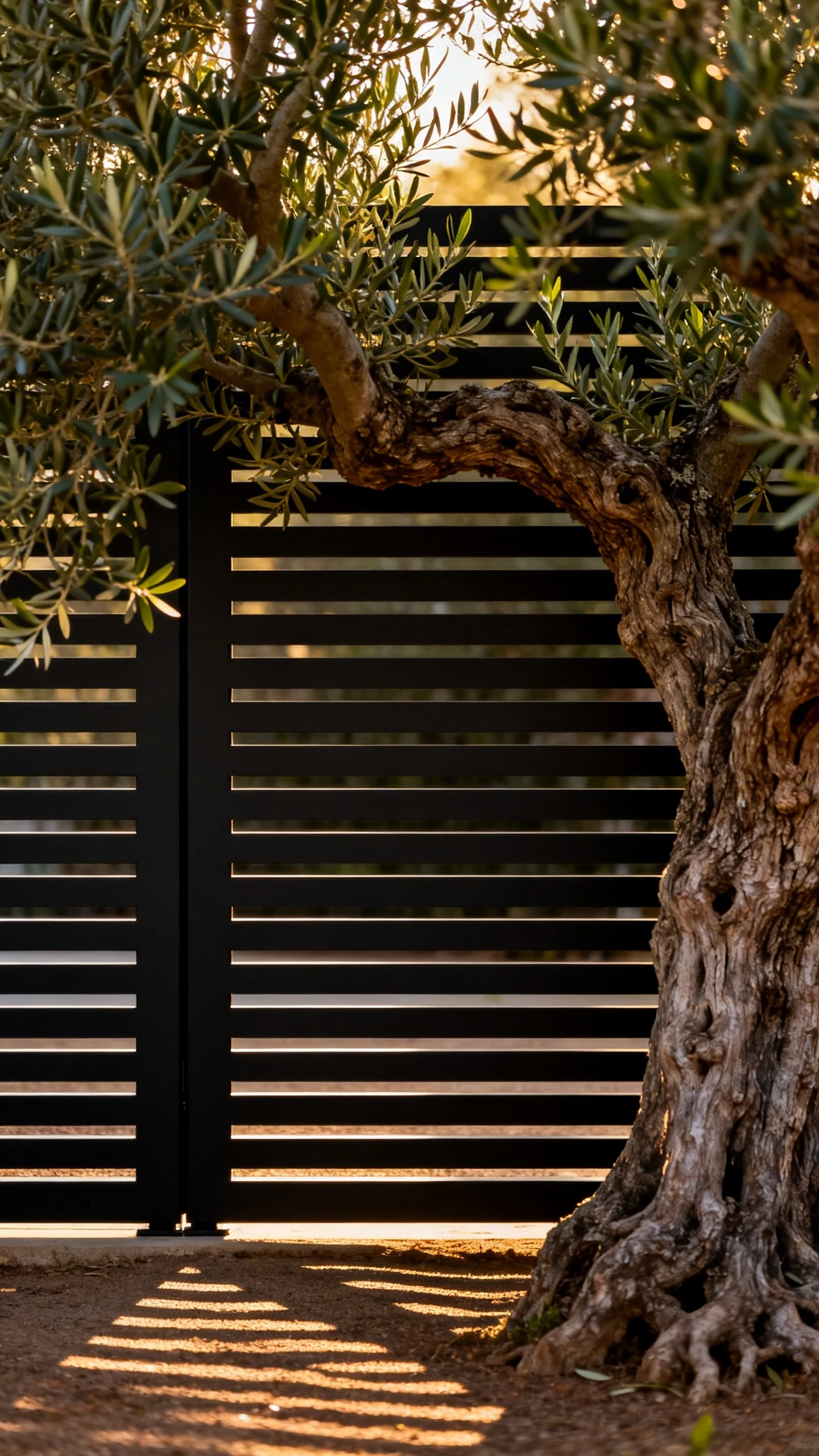
That said, neutral does not mean dull. A matte black slatted screen looks dramatic. A warm clay render feels inviting. Pale stone can make a shady garden feel brighter. The trick lies in choosing one clear palette and sticking to it.
Texture adds life
If the shape stays simple, texture can do a lot of the emotional work. Rough stone feels organic. Smooth concrete feels sharp and urban. Ribbed brick or timber slats add rhythm and shadow, which keeps the wall interesting throughout the day.
I always think texture makes a garden feel more lived-in and less staged. You do not need a wall covered in random decorative bits. You just need enough surface character to catch the light and play nicely with the planting.
How plants and lighting bring the wall to life
A wall on its own can look smart, but a wall with planting and lighting feels complete. This combo turns a hard surface into part of the garden experience. It also stops the design from feeling too rigid, which happens fast when every line looks laser-straight.
Climbers, grasses, structural shrubs, and wall-mounted planters all work well with modern walls. Choose plants with strong forms or soft movement depending on the mood you want. Either way, the wall becomes a backdrop instead of a dead zone.
Best planting styles for modern walls
Modern planting usually looks better when it stays intentional. Repetition works wonders here. Try rows of grasses, clipped evergreen shapes, olive trees, ferns, or a limited mix of perennials in a tight color range.
Climbers can soften a wall beautifully, but choose carefully. A delicate climber on a clean rendered wall looks chic. An aggressive plant that tries to eat the entire structure by July looks less chic and more “nature has won.”
Lighting that makes the wall glow
Lighting changes everything after dark. Uplights can highlight texture, recessed strips can emphasize horizontal lines, and wall washers can create a soft, ambient glow. Suddenly the garden feels designed, even if you still have a plastic watering can lying around somewhere.
Keep the lighting subtle. Modern design usually looks best when the light feels integrated rather than flashy. You want atmosphere, not an airport runway.
Smart features worth considering
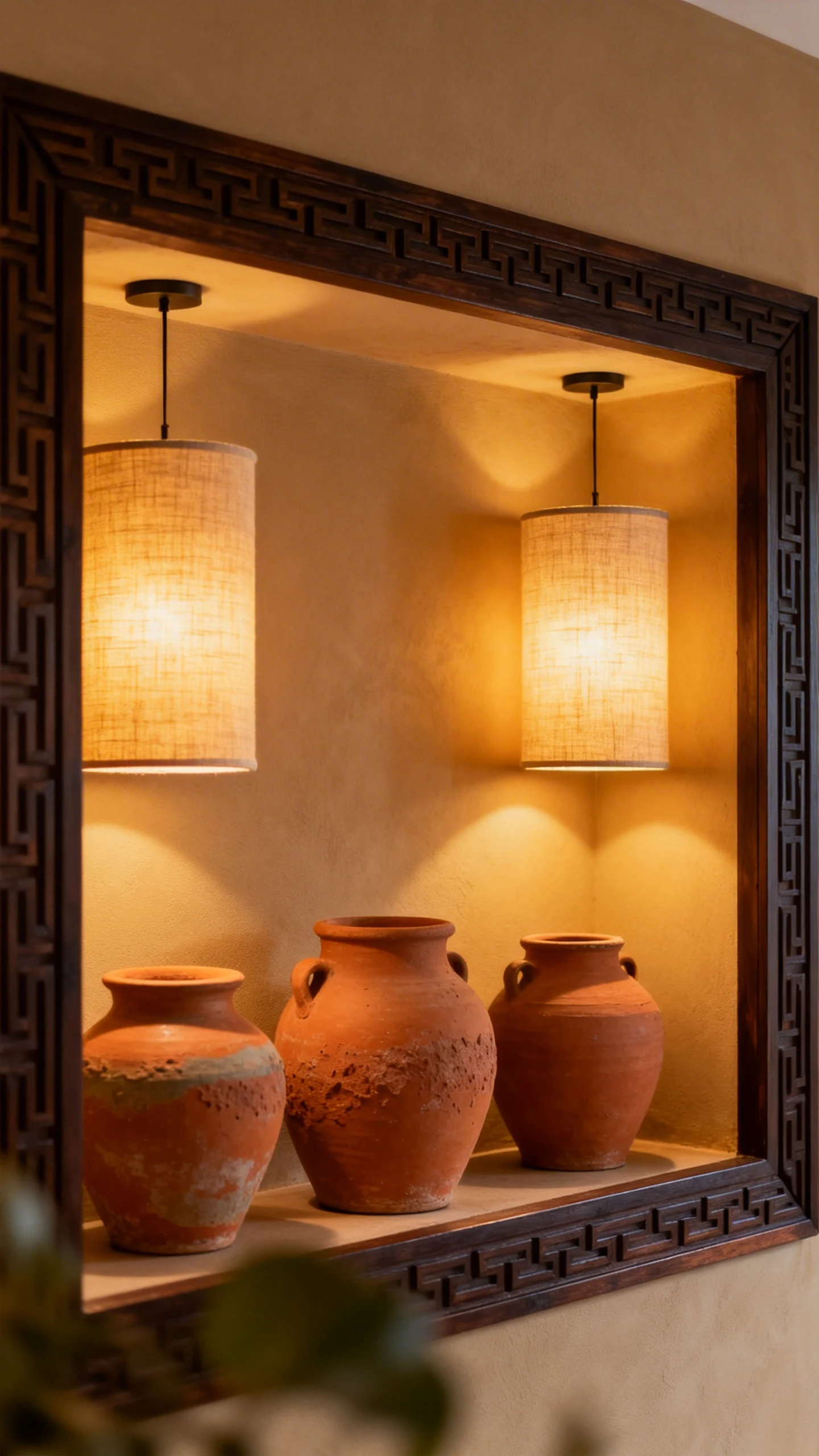
Modern garden walls often include practical extras, and honestly, this part gets fun. Why stop at a wall when it can also hide storage, support seating, hold a water feature, or screen the bins? Glamorous? Maybe not. Useful? Absolutely.
- Built-in seating saves space and keeps the layout streamlined.
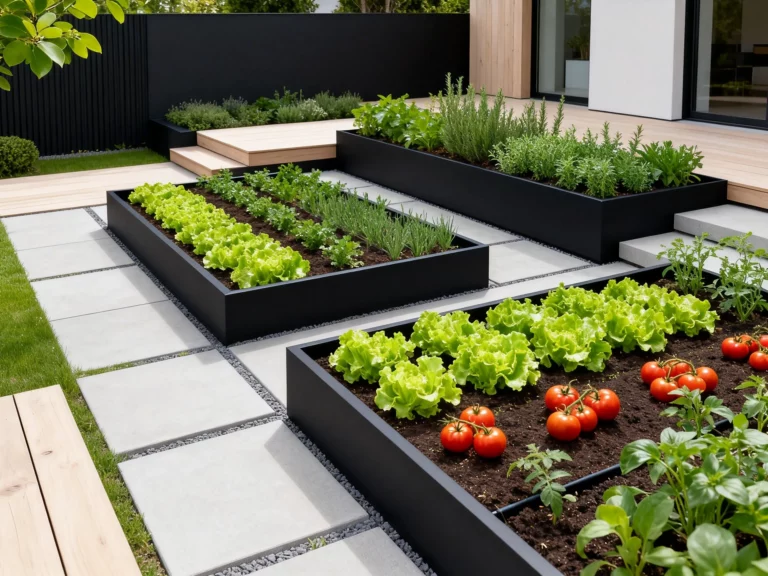
- Integrated planters create a neat, architectural look.
- Water features add movement and sound without taking over the garden.
- Slatted screens offer privacy while still letting light through.
- Outdoor shelving or niches give you room for pots, lanterns, or decorative pieces.
When you combine functions, the garden feels more considered. That matters a lot in smaller spaces where every element needs to earn its keep. A wall that stores cushions, supports lighting, and frames a bench? That wall understands the assignment.
Common mistakes that ruin the look
Even a solid idea can go sideways with a few bad choices. Modern garden wall design looks simple, but it needs discipline. Throw in too many materials, awkward proportions, or random add-ons, and the whole thing starts to wobble visually.
One common mistake involves choosing a wall style that clashes with the house. A super sleek concrete wall beside a very traditional cottage can work, but it needs careful handling. Otherwise it just looks confused, like two different Pinterest boards collided.
Another issue comes from ignoring maintenance. White walls near muddy borders, untreated timber in wet corners, or trendy finishes that stain easily can become annoying fast. The best modern wall balances style with realism. You want something that looks good in actual life, not just for eleven minutes after installation.
People also overdecorate. They add too many colors, too many accessories, too many focal points. If the wall already has a strong material or shape, let that lead. You do not need five extra features yelling for attention.
FAQ
What is the best material for a modern garden wall?
The best material depends on your style, budget, and maintenance tolerance. Brick, render, concrete, natural stone, and corten steel all work well. If you want warmth, go for brick or stone. If you want a sharper architectural feel, render or concrete usually wins.
How do I make a garden wall look less plain?
Add texture, planting, or lighting instead of random decoration. A plain wall can look amazing with climbing plants, repeated shrubs, or a few well-placed uplights. You can also use slatted timber panels, recessed niches, or contrasting materials to create depth.
Are dark-colored garden walls a good idea?
Yes, especially if you want a dramatic, contemporary look. Dark walls can make green plants pop and create a cozy atmosphere. They work best when the garden gets decent light or includes lighter surfaces to balance things out.
Can a modern garden wall work in a small garden?
Absolutely. In small gardens, walls often matter even more because they shape the entire space. Use low walls, slim materials, built-in seating, and a simple color palette to keep the layout clean and open.
Should I match the garden wall to my house?
You do not need an exact match, but the wall should feel connected to the house. Repeat a material, echo a color, or use similar lines and tones. That creates a cohesive look and stops the garden from feeling like a completely separate design experiment.
Do modern garden walls need lots of maintenance?
Not necessarily. Some materials need more care than others, but many modern wall finishes stay fairly low-maintenance. Brick, stone, and good-quality concrete usually hold up well. Render and timber may need more regular cleaning or treatment depending on the climate.
Conclusion
Modern garden wall design works best when it looks simple but feels intentional. Choose the right material, keep the palette focused, and use planting and lighting to soften the edges. That combination gives you a garden that feels stylish, practical, and easy to enjoy.
If you ask me, the best modern wall does not beg for attention. It quietly makes the whole garden look better, which feels like a very classy move. And honestly, that is exactly what good design should do.