modern garden design
Modern garden design looks clean, calm, and effortlessly cool, but let’s be honest: pulling it off takes more than buying a few trendy planters and hoping for the best. The good news? You do not need a giant budget or a landscape architecture degree to make your outdoor space feel sharp and current. You just need a smart mix of structure, restraint, and plants that know how to behave.
That last part matters, by the way. A modern garden does not scream for attention. It feels intentional, uncluttered, and easy to use, like the outdoor version of a really well-designed kitchen. If your garden currently feels more “wild storage zone” than “stylish retreat,” no worries. Let’s sort it out.
What actually makes a garden feel modern?
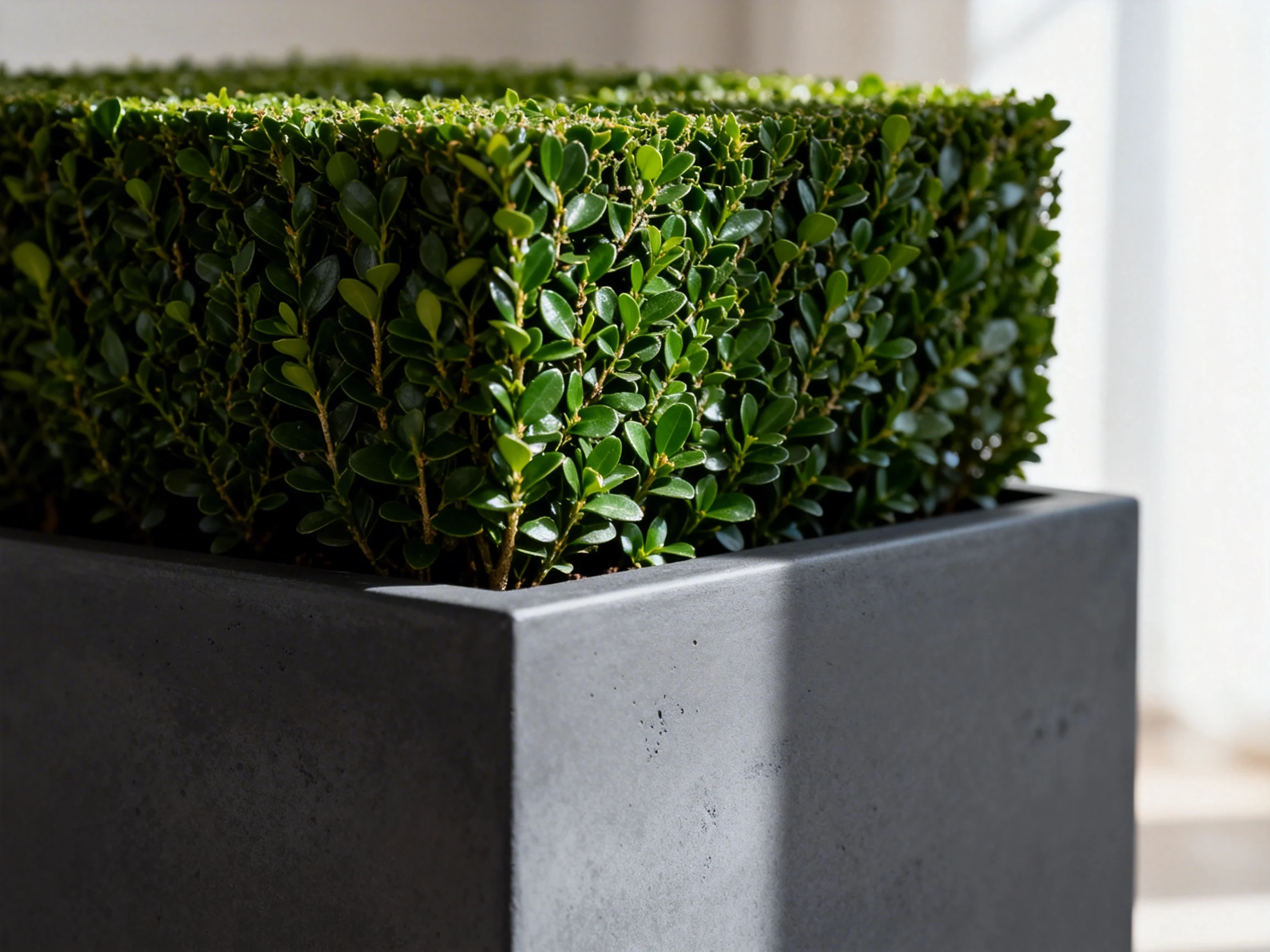
Modern garden design usually comes down to simplicity, strong lines, and a clear layout. Think rectangles, grids, repeated shapes, and materials that look sleek without trying too hard. You want the space to feel edited, not stuffed with random bits from three different garden centers and one questionable sale bin.
That does not mean modern gardens feel cold or boring. Quite the opposite. A good modern space feels relaxed, balanced, and easy on the eyes. It gives every feature room to breathe, which sounds dramatic, but your plants will thank you.
Restraint plays a huge role here. Instead of cramming in every flower, statue, and water feature you like, choose fewer elements and let them shine. IMO, that is the hardest part for most people. We see one nice grass, one pretty olive tree, one funky chair, and suddenly we are building a theme park.
Clean lines matter more than fancy features
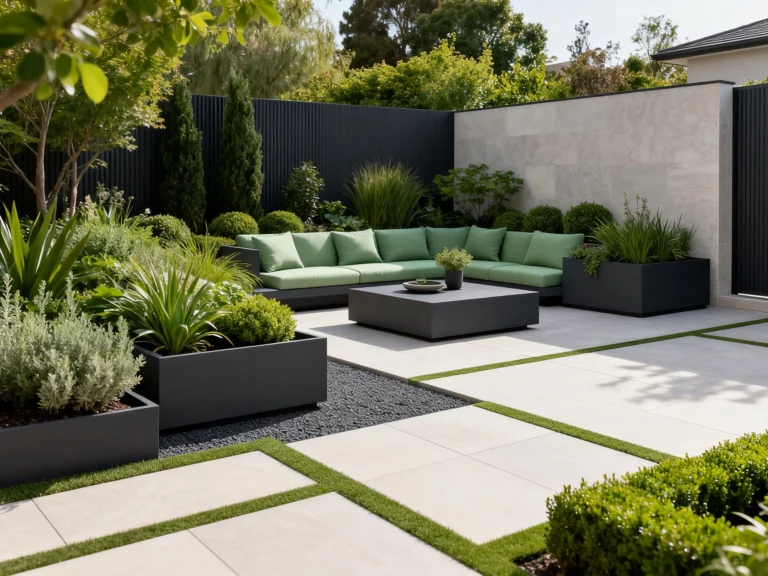
If you only take one idea from this article, take this: shape drives modern design. A simple paved rectangle, a crisp lawn edge, or a row of matching planters often does more than an expensive feature ever could. Clean geometry makes the whole garden feel pulled together.
You can create that effect in tiny spaces too. A courtyard, balcony, or narrow backyard can look incredibly modern with straight borders and a clear visual rhythm. No sprawling estate required. Fancy drone footage also not required.
Start with the layout before you buy a single plant
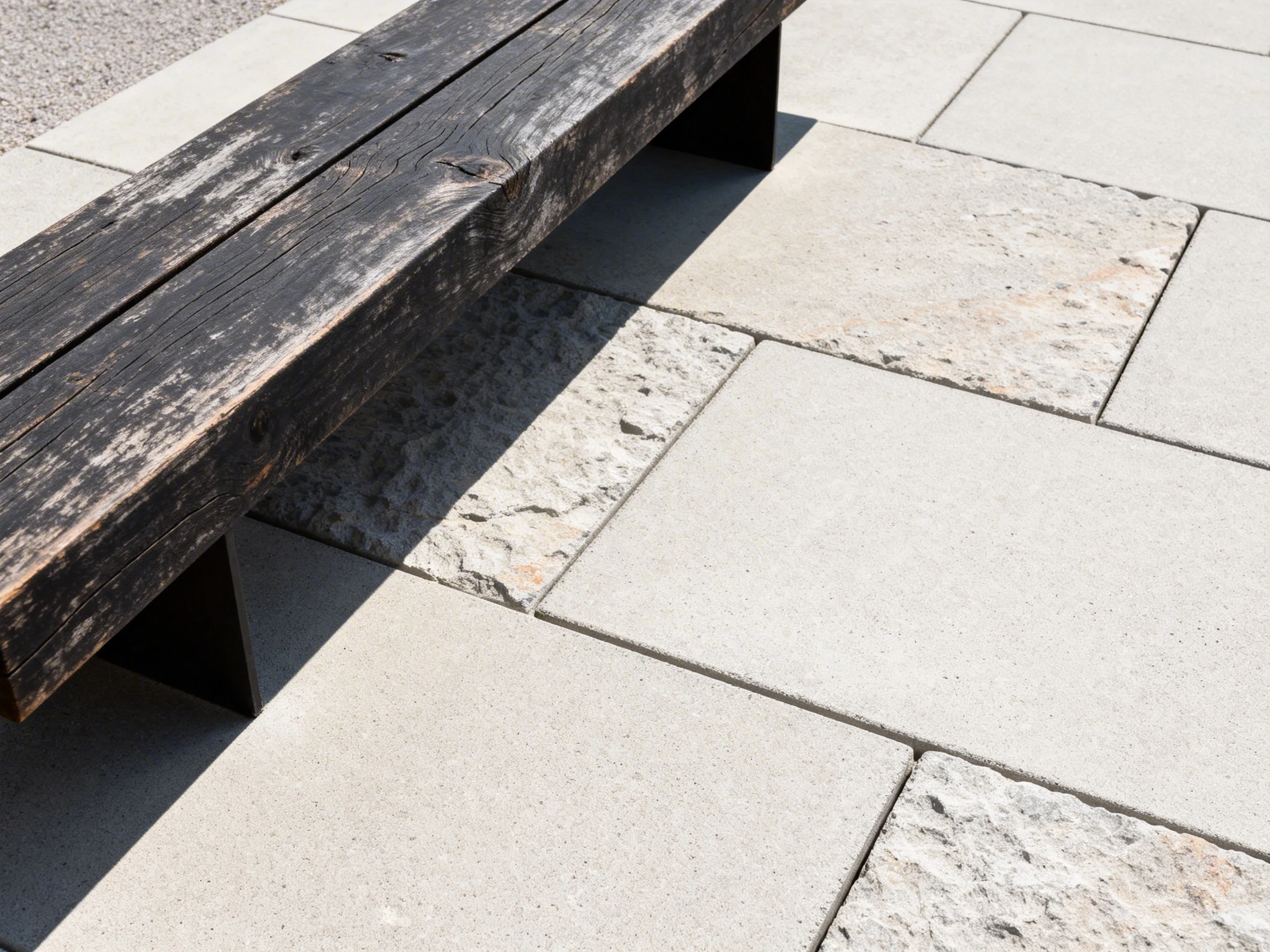
Most garden mistakes happen because people shop first and plan later. It feels fun in the moment, sure, but then you end up with seven pots, a sad hydrangea, and no idea where the seating goes. A modern garden starts with structure, not impulse buying.
Ask yourself one basic question: how do you want to use the space? Do you want to eat outside, lounge in the sun, grow herbs, let kids run around, or hide from your neighbors with a coffee and a mildly judgmental expression? Your answer shapes everything.
Break the garden into zones if you have enough space. One area for seating, one for planting, maybe one for a path or focal point. Modern design loves clarity, so every part of the garden should have a purpose.
Think in layers, not clutter
A strong layout usually includes a few simple layers: hardscaping, planting, furniture, and lighting. That sounds obvious, but people often let one layer dominate. Then the garden feels unfinished or chaotic.
Keep the balance tight. If the paving has a bold pattern, calm the planting down. If the plants look lush and sculptural, use simpler furniture. Contrast works best when it feels deliberate, not accidental.
Materials do a lot of the heavy lifting
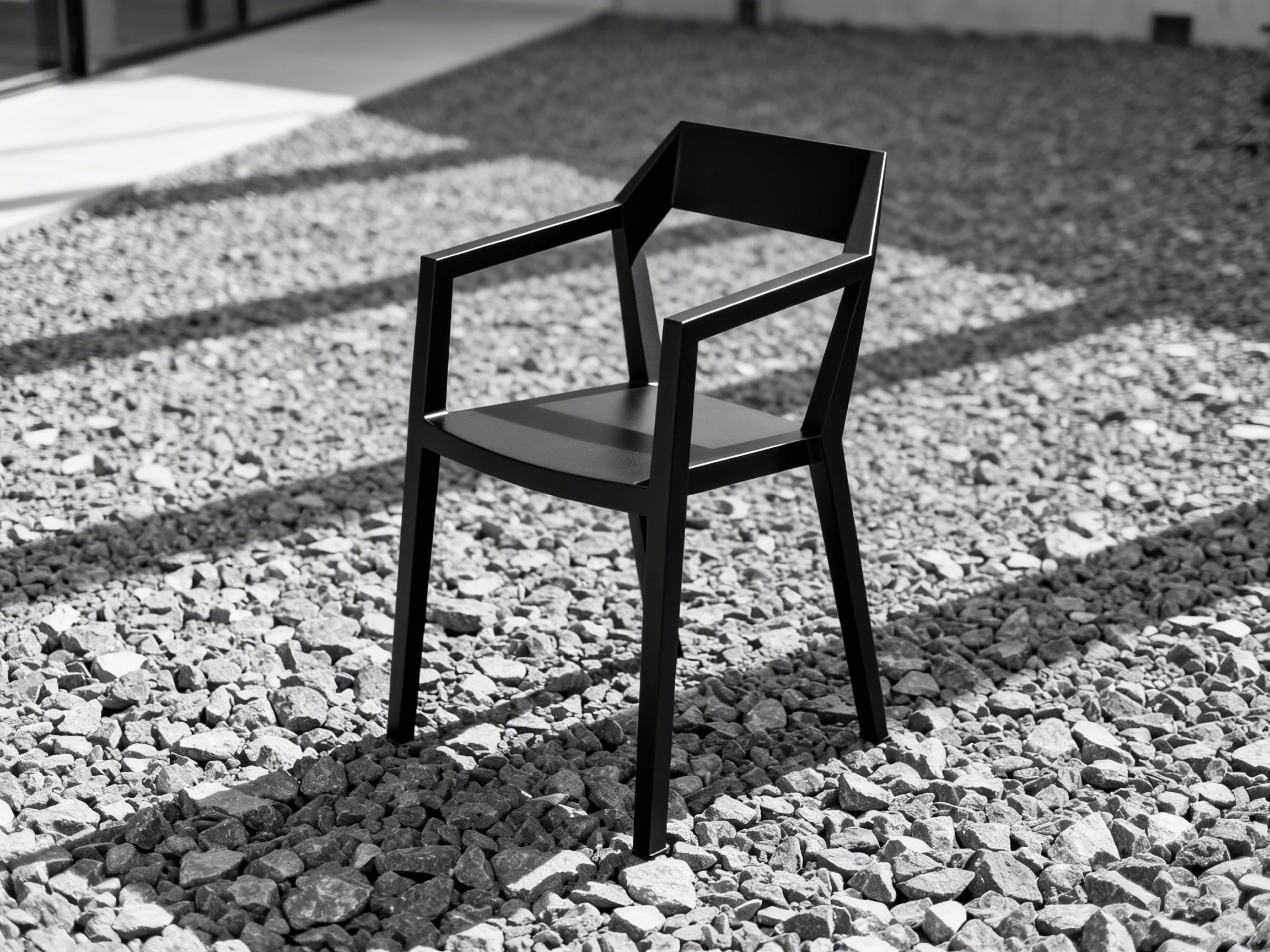
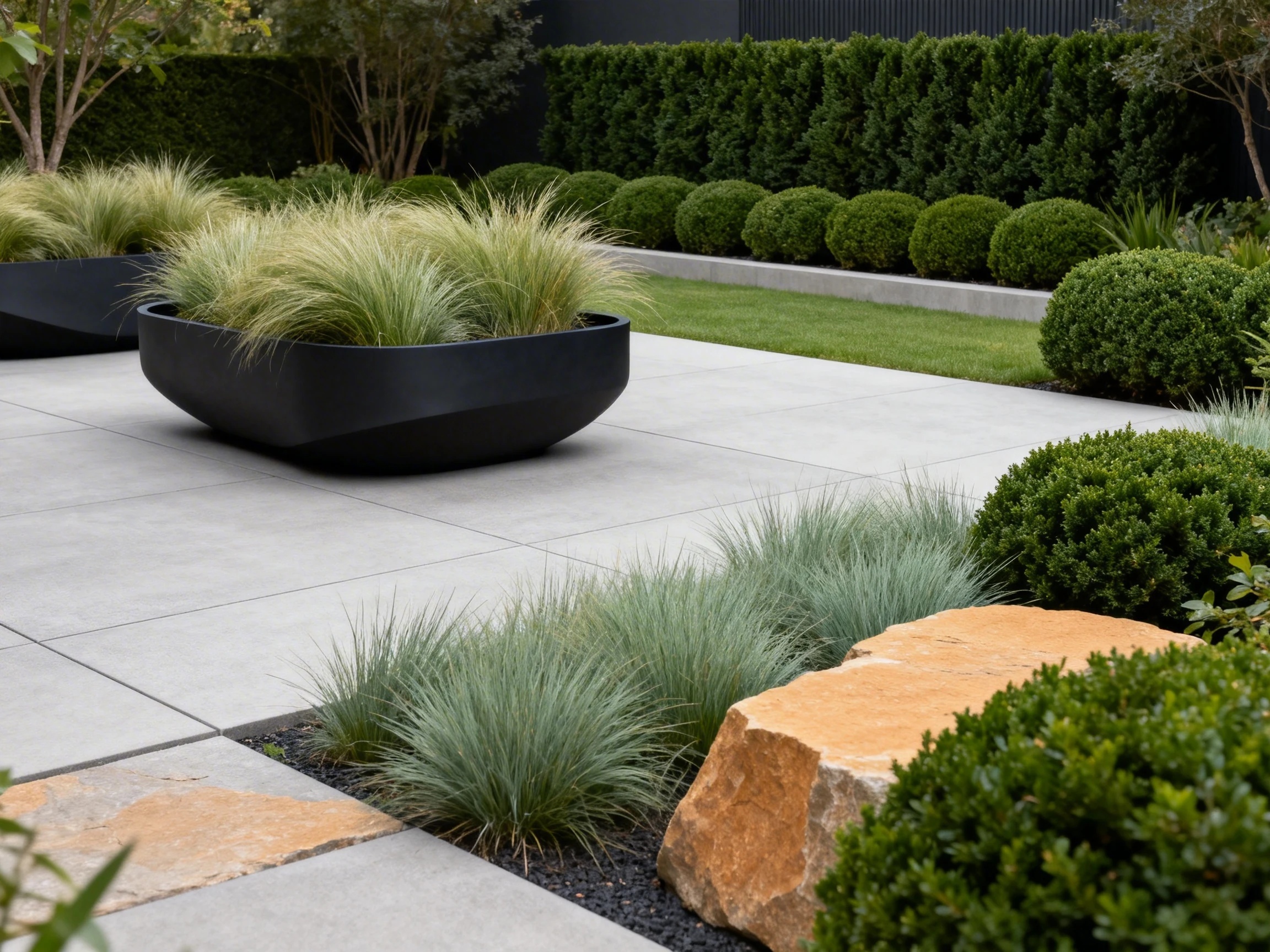
Want your garden to look modern fast? Pay attention to materials. Large-format paving, smooth concrete, gravel, steel, pale stone, dark timber, and matte finishes all push a space in a contemporary direction. They create the clean backdrop that modern planting needs.
You do not have to use only one material everywhere. In fact, mixing materials often makes a garden feel richer. The trick lies in limiting the palette. Pick two or three main finishes and repeat them consistently.
Consistency makes a garden look expensive. Random materials make it look like you inherited leftover supplies from five unrelated projects. Harsh, maybe, but true.
Best material combinations for a modern look
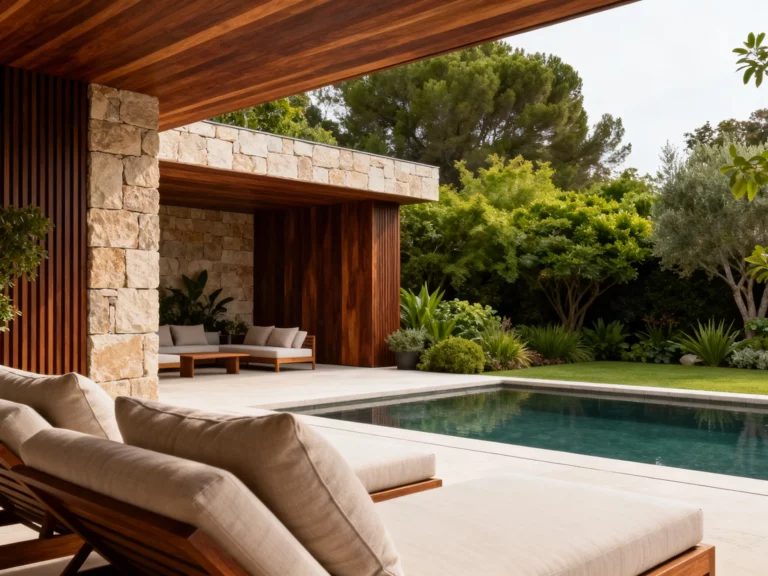
- Concrete and timber for warmth plus structure
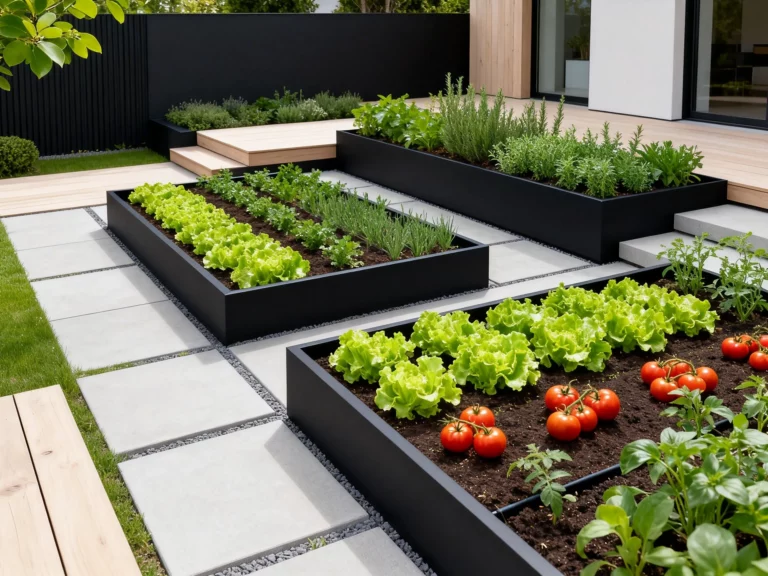
- Porcelain paving and black metal for a crisp, urban feel
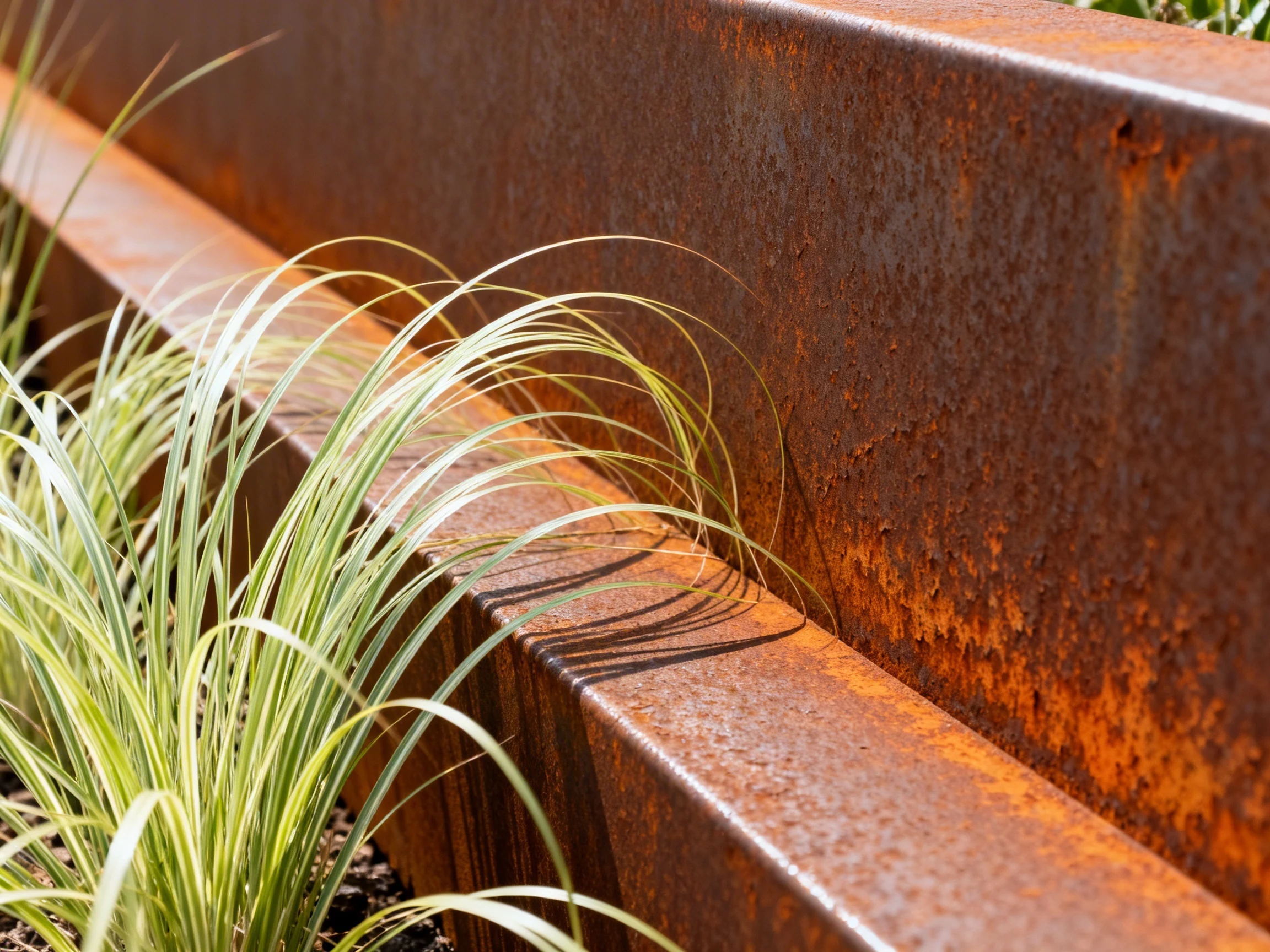
- Gravel and corten steel for a softer, architectural look
- Stone and rendered walls for a calm, Mediterranean-modern vibe
Also, please think about maintenance before you fall in love with a material online. That bright white surface may look stunning in photos, but if your garden collects mud, leaves, and mystery grime, you may regret your life choices by week two.
Choose plants with shape, texture, and a bit of self-control
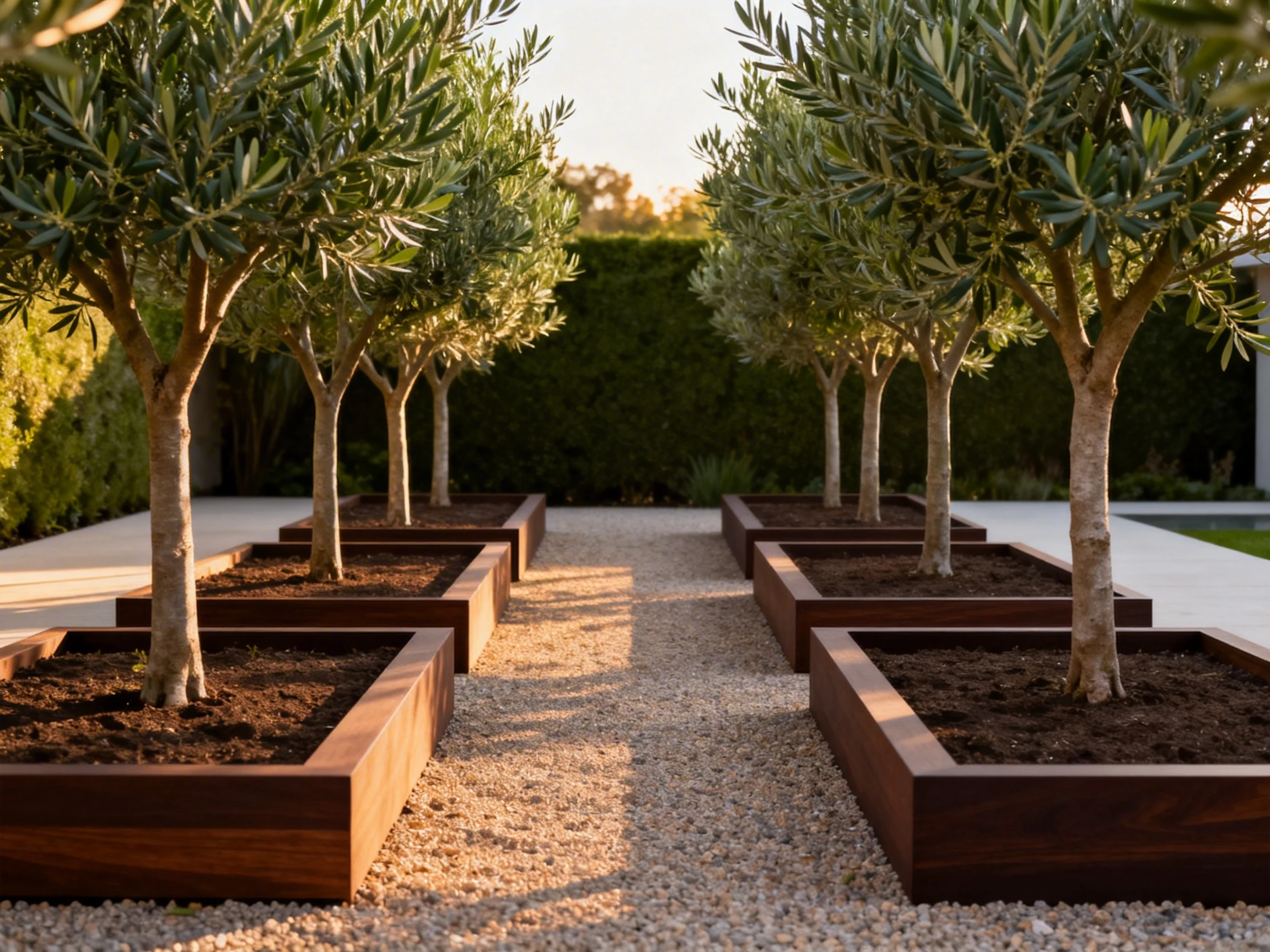
Modern planting does not rely on fussy flower beds packed with every color under the sun. It leans into texture, form, and repetition. Grasses, evergreens, clipped shrubs, architectural perennials, and small multi-stem trees all work beautifully.
Think about plant shapes the way you think about furniture. Some plants act like the sofa. Some work like side tables. Some just throw drama into the room and demand attention. You need all three, just not in equal amounts.
Great modern gardens often repeat the same plants in groups. That repetition creates rhythm and calm. Instead of one lonely lavender here and one awkward fern there, use drifts or blocks of planting that look intentional.
Plants that suit modern gardens
Some reliable choices include grasses like stipa or miscanthus, structural plants like agave or phormium, evergreen shapes like box or ilex, and elegant trees like olive, birch, or amelanchier. If your climate runs cooler or wetter, do not force a desert look. Work with what thrives where you live. Your garden should not feel like it needs therapy.
Limit your plant palette to keep things cohesive. That does not mean boring. It means smart. A smaller selection repeated well usually looks more modern than a collector’s garden packed with every plant you have ever emotionally adopted.
Furniture, lighting, and accessories: keep it sharp
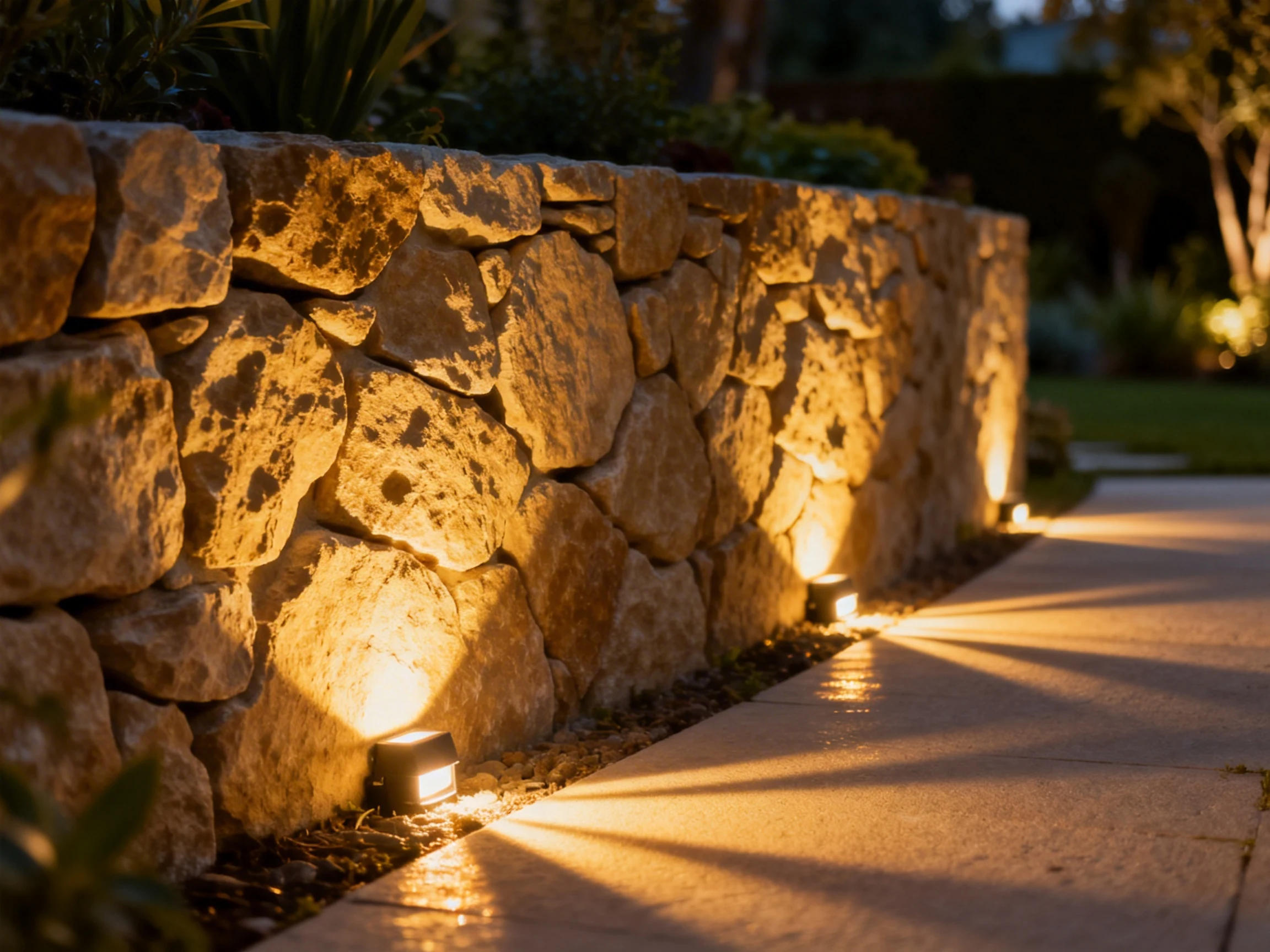
Once the bones of the garden look right, furniture and lighting bring it to life. Modern outdoor furniture tends to feature simple silhouettes, neutral colors, and durable materials like powder-coated metal, teak, or woven all-weather finishes. You want pieces that look streamlined, not overstuffed like your aunt’s indoor conservatory set from 2004.
Scale matters more than people realize. Tiny furniture in a large garden looks lost. Huge sectional seating in a compact patio looks like you are preparing for an outdoor board meeting. Measure first. Save yourself the drama.
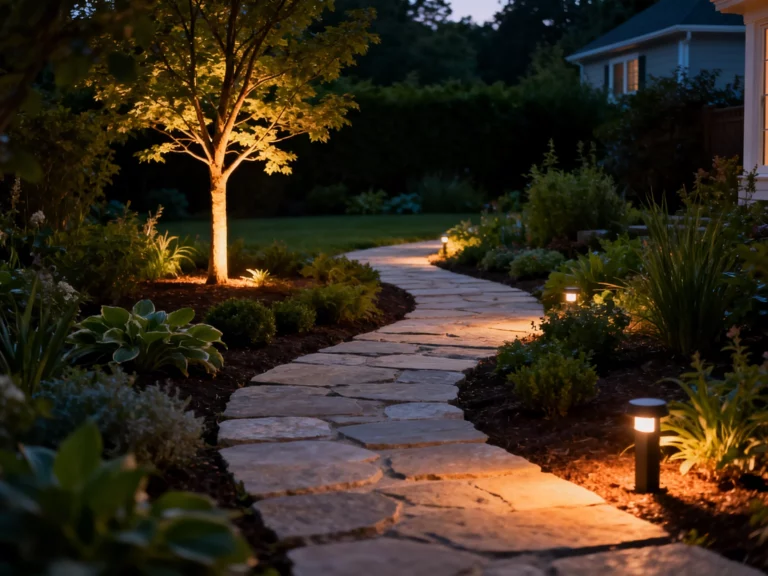
Lighting changes everything after dark. Use it to highlight steps, pathways, trees, or a textured wall. Warm lighting usually feels more welcoming than stark bright white, unless your goal involves making the garden feel like a supermarket parking lot.
Accessories that actually help
- Large planters with one repeated finish
- Outdoor rugs to define seating areas
- Fire pits or fire tables for a simple focal point
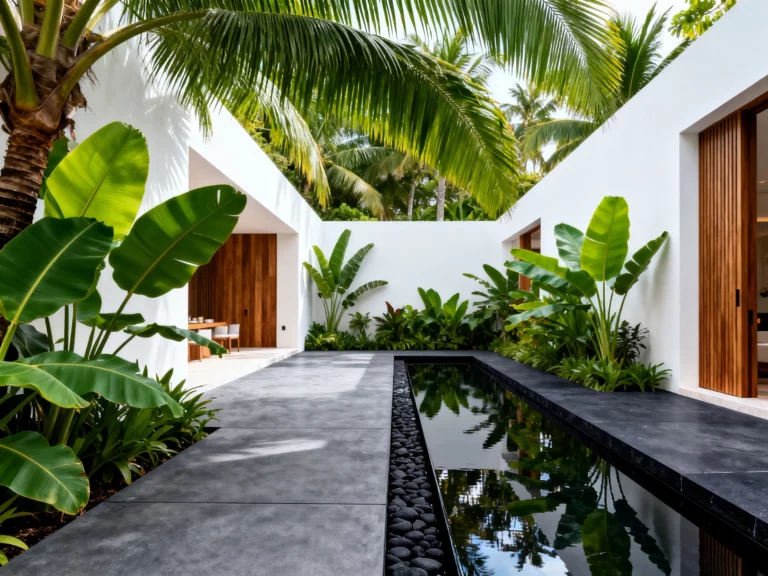
- Water features with clean, minimal shapes
- Built-in benches for a polished architectural feel
FYI, accessories should support the design, not hijack it. One sculptural feature works. Twelve tiny ornaments do not. Let the space breathe a little.
Small modern gardens can look amazing
A small garden often suits modern design brilliantly because the style thrives on clarity and control. You do not need loads of space. You need good proportions, smart storage, and a strong focal point.
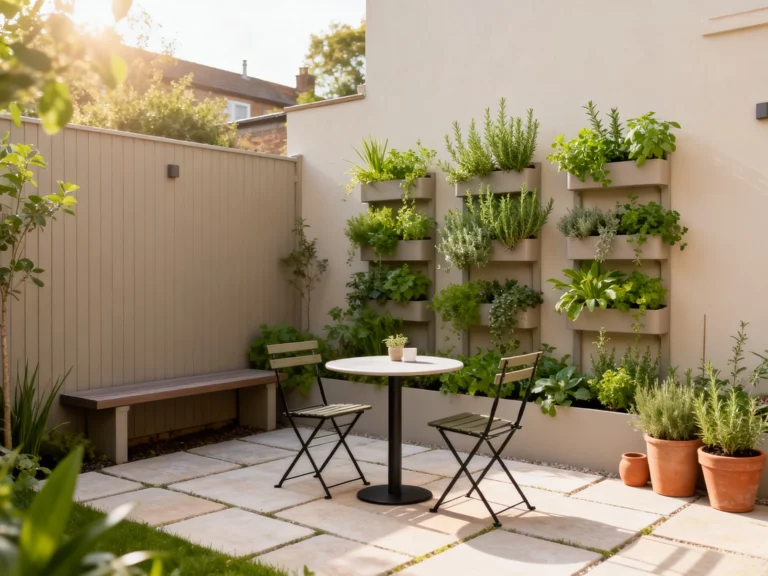
Use one or two bold moves instead of lots of little ones. A built-in bench along one wall, a slim water feature, or a row of matching containers can make a compact garden feel polished. Small spaces benefit from discipline, which sounds annoying, I know, but it works.
Mirrors, vertical planting, and layered lighting can also help a tight garden feel bigger. So can reducing visual noise. Hide tools, tidy bins, and stop letting random plastic items run the show.
Easy tricks for modern style in a tiny space
- Stick to a limited color palette, especially for pots and furniture.
- Use larger pavers to make the area feel more open.
- Repeat one plant variety instead of mixing too many.
- Add one standout feature, like a small tree or statement bench.
- Choose slim, raised beds with crisp edges for structure.
IMO, a small modern garden often feels more luxurious than a large messy one. Size helps, sure, but design does the real work.
How to avoid the biggest modern garden design mistakes
The most common mistake? Chasing the look without understanding the function. People copy a gorgeous photo, ignore their climate, skip the planning, and then wonder why the whole thing feels awkward by autumn. Good design fits real life.
Another big one involves overcomplicating everything. Modern gardens need confidence. If every corner tries to make a statement, the overall effect gets noisy fast. Pick a direction and commit.
Do not forget softness, either. A modern garden should feel inviting, not sterile. Hard lines need balance from planting, texture, and comfortable seating. Otherwise the space looks great in photos and weirdly hostile in person.
And please, for the love of decent design, maintain it. Crisp edges, clean paving, healthy plants, and uncluttered surfaces matter a lot in modern spaces. When the style depends on precision, neglect shows up quickly.
FAQ
Does modern garden design always mean minimalism?
Not always. Modern design often leans minimal, but it does not require a bare, empty look. You can still have lush planting and personality. The key lies in editing the space carefully so it feels intentional rather than chaotic.
What colors work best in a modern garden?
Neutral tones usually work best for hardscaping and furniture. Think gray, charcoal, black, white, sand, and natural wood tones. Then let the plants provide most of the color. A few controlled accent shades can work too, but keep them consistent.
Can I create a modern garden on a budget?
Absolutely. Focus on layout, repetition, and a limited materials palette. Even simple gravel, painted fencing, and a few well-chosen plants can look very polished when you use them with purpose. You do not need luxury finishes to get a clean, contemporary feel.
Are modern gardens high maintenance?
They can go either way. A well-designed modern garden often stays easier to maintain because it uses fewer plant varieties and cleaner layouts. But it does need regular tidying. Modern style forgives weeds and clutter about as much as a white sofa forgives red wine.
Which plants look most modern year-round?
Evergreens, ornamental grasses, and sculptural shrubs usually carry a modern garden through all seasons. Multi-stem trees also add structure during winter. Choose plants with strong shapes, interesting texture, and reliable habits, and your garden will keep its style even when flowers take a break.
Can a family garden still look modern?
Yes, definitely. A modern garden can include play space, dining areas, and practical storage without losing its style. You just need a clear layout and durable materials. Family-friendly does not have to mean visually chaotic, despite what toy manufacturers seem to believe.
Conclusion
Modern garden design works best when it feels calm, clear, and easy to enjoy. You do not need perfection, and you definitely do not need to copy a showroom patio with zero personality. Build strong structure, choose materials with intention, plant with restraint, and let the space breathe.
Do that, and your garden will feel fresh, functional, and quietly impressive. Which, honestly, beats a cluttered outdoor mess every single time.