modern front garden design
Your front garden does a lot of heavy lifting. It sets the vibe, boosts curb appeal, and quietly tells visitors whether you’re a “come on in” person or a “please leave the parcel and run” person. Modern front garden design makes all that look effortless, but yes, it takes a bit of planning. Ready to make your entrance look sharp without turning your weekends into a landscaping reality show?
What “Modern” Actually Means (Spoiler: Not Just Grey Everything)
Modern front gardens lean on clean lines, simple shapes, and a “less but better” attitude. You don’t need a museum-level minimalism setup, but you do want intentional structure instead of random plant chaos. Think strong edges, repeatable patterns, and a few standout materials that tie the whole look together.
IMO, the best modern gardens feel calm, not cold. They mix hard surfaces with soft planting so the space looks designed, not sterile. If your plan involves painting everything anthracite and calling it a day, I beg you to add at least one plant that looks alive.
Modern Design’s Greatest Hits
You’ll see a few recurring themes in modern front gardens, and for good reason. They work in tiny spaces, they photograph well, and they keep maintenance from ruining your life. If you steal these ideas, nobody will call the design police.
- Repetition: One or two plant types repeated in drifts looks polished fast.
- Strong geometry: Rectangles, grids, and crisp borders create instant order.
- Material contrast: Smooth paving with airy grasses, or dark steel with pale stone.
- Negative space: Empty space counts as design, not “unfinished.”
Start With Your “Arrival Moment”: Paths, Doors, and First Impressions
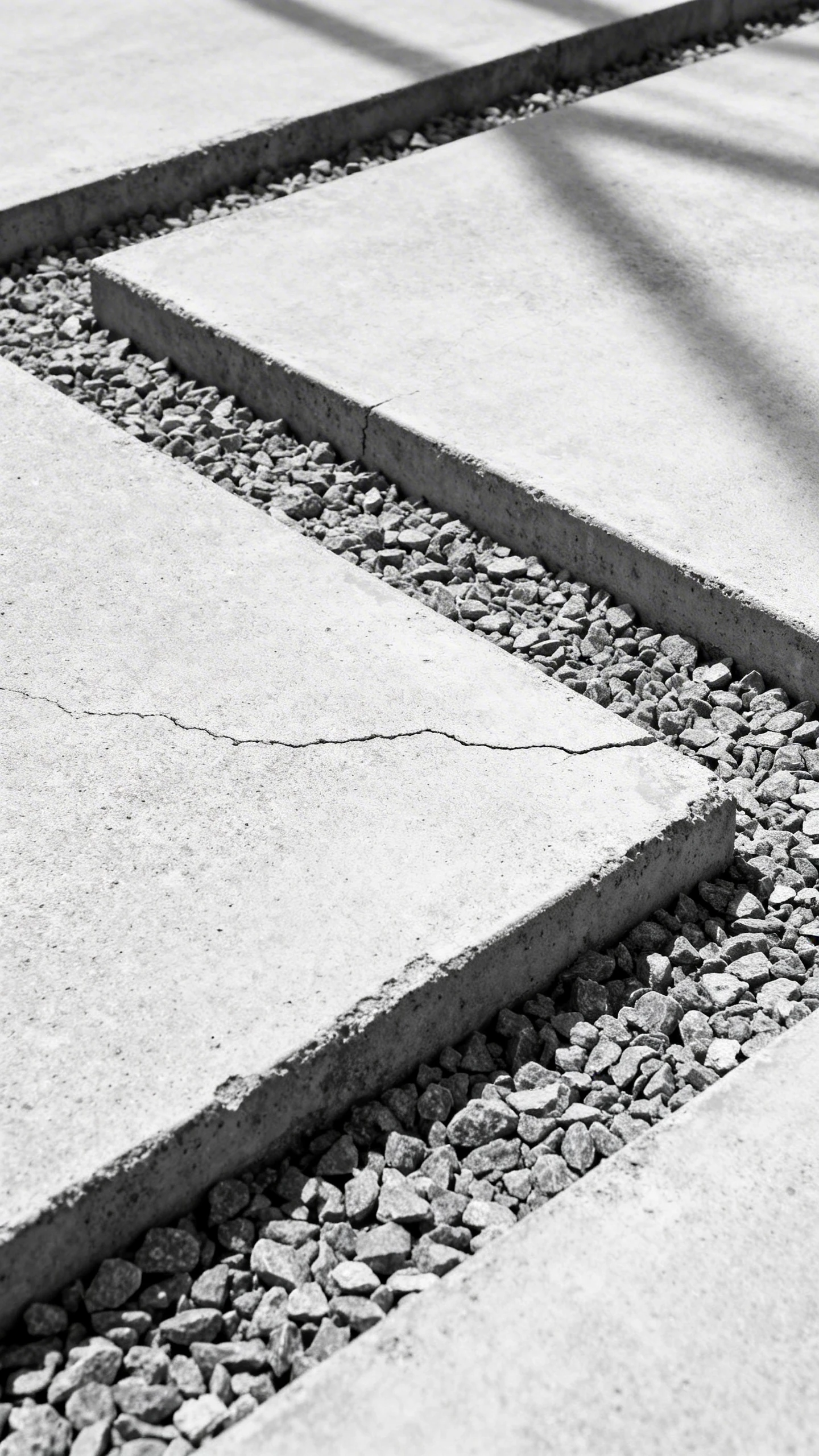
If people don’t know where to walk, they’ll invent a route. They’ll cut corners, trample plants, and somehow end up at the wrong door like it’s a side quest. A modern front garden shines when it gives visitors a clear, confident path to follow.
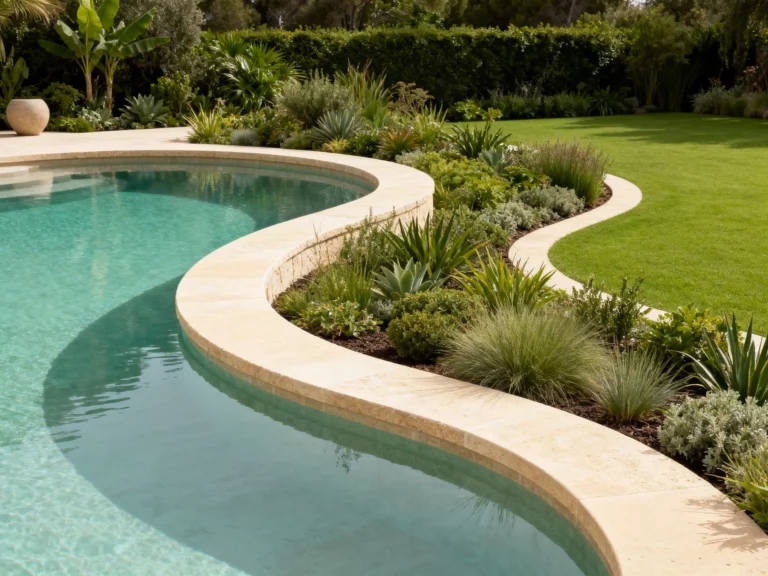
Choose one main route and make it obvious. You can use paving, stepping stones, gravel bands, or even a tight row of plants that subtly says “this way, please.” A straight path feels sleek and modern, while a gentle curve feels softer but still contemporary if you keep the edges crisp.
Path Materials That Look Modern and Don’t Look Like a Car Park
Concrete slabs look great when you pair them with texture and planting. Porcelain paving stays clean and sharp but can feel a bit “show home,” so balance it with warmer elements. Gravel works brilliantly for modern design because it gives you texture and drainage, plus it crunches like you mean business.
Try mixing materials for a designer look without paying designer money. Set large slabs into gravel, or frame pavers with a thin strip of stone. Keep the palette tight and you’ll get that modern vibe without visual noise.
Pick a Simple Plant Palette (Yes, You Can Still Have Color)
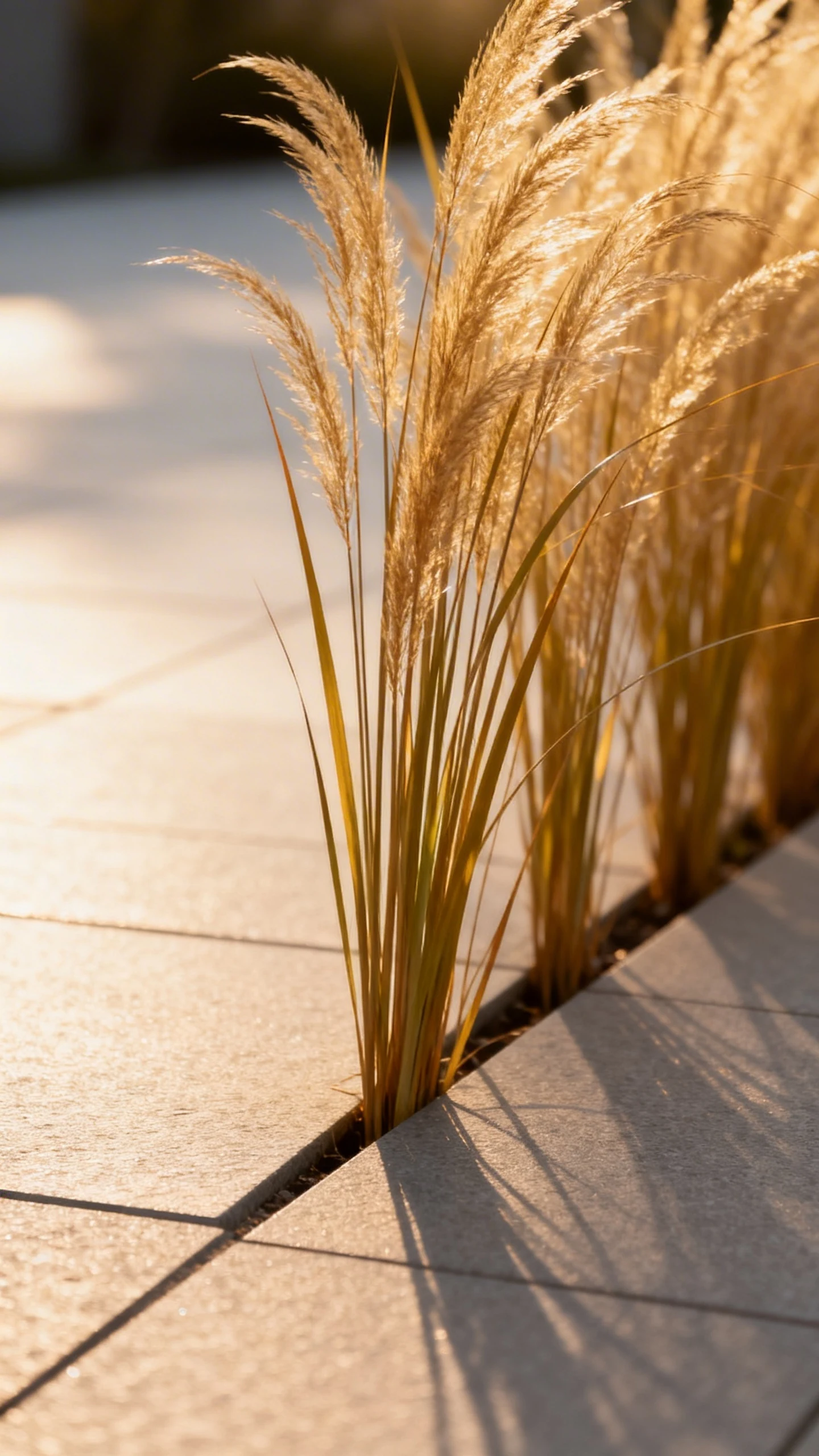
Modern planting works best when you limit your choices. You want a front garden that looks good from the street, not a botanical scavenger hunt. Pick a small group of plants and repeat them so the design reads clearly at a glance.
Go for plants with strong shapes: spiky, upright, mounded, or airy. Grasses, architectural evergreens, and perennials with clean silhouettes do the heavy lifting here. Then you can layer seasonal color in small bursts instead of turning the whole thing into a flower explosion.
Easy Modern Plant Combos That Always Look Put-Together
These combinations keep structure year-round and still give you movement and softness. They also forgive you if you forget to deadhead for, oh, several weeks. FYI, the best combo depends on your climate, but the “shape first” idea works almost anywhere.
- Evergreen structure + grasses: Box alternatives (like Ilex crenata) with Stipa or Calamagrostis.
- Gravel garden look: Lavender, rosemary, salvias, and thyme with pale gravel.
- Urban minimal: Clumps of Allium and hardy geraniums with ornamental grasses.
- Shade-friendly modern: Ferns, hostas, and hellebores with dark mulch and clean edging.
The “One Statement Plant” Rule
Modern gardens love a star performer. Pick one feature plant and let it shine, instead of adding five “statement” plants that all demand attention like toddlers at a birthday party. A multi-stem birch, a sculptural olive (in warmer areas), or a slim upright tree can anchor the whole space.
Keep the statement plant visible from the street and let everything else support it. You’ll get instant design credibility, and you won’t need to explain your choices to anyone.
Hardscaping and Edging: The Secret Sauce of a Crisp Look
If you want a modern front garden, you need sharp boundaries. Plants can look amazing, but without clear edges they’ll blur into a messy blob. Edging gives you that “clean haircut” finish that screams modern design.
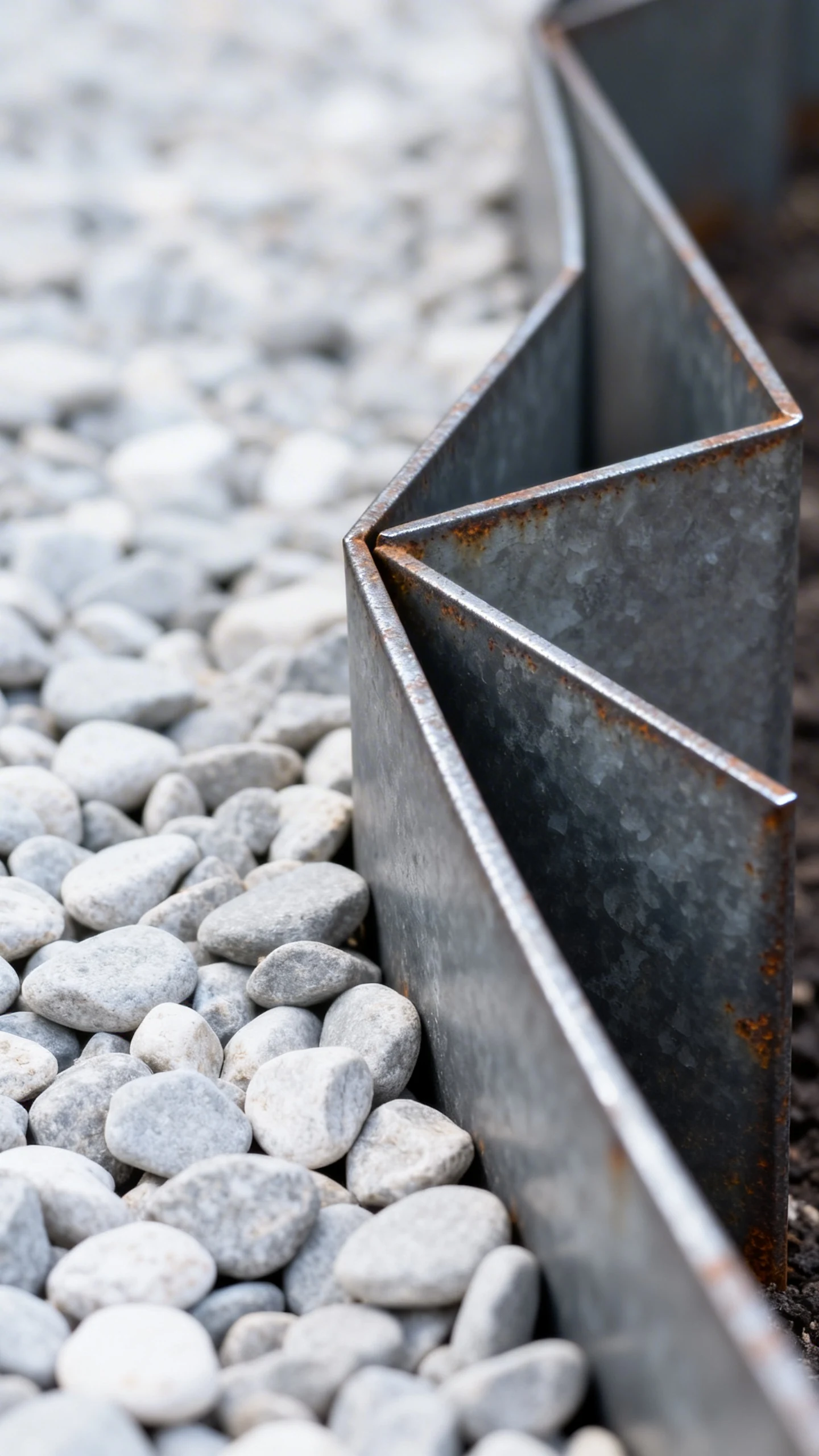
Use steel edging for a sleek line, or choose stone setts for a more classic-modern blend. Even a simple brick edge can look modern if you run it in a straight line and keep it level. Whatever you pick, commit to it and repeat it.
Material Choices That Feel Modern (Without Feeling Cold)
Modern doesn’t have to mean icy grey. You can bring warmth with timber, buff stone, or clay-toned gravel, then keep the lines modern and minimal. The trick involves limiting your materials and repeating them across the space.
Try this rule: choose one main paving surface, one secondary surface, and one edging material. That’s it. You can add planting and lighting on top, but the base stays calm and cohesive.
Privacy, Boundaries, and That Awkward “Everyone Can See Me” Feeling
Front gardens sit out in public, which means you need boundaries that look good and function well. You can keep things open and welcoming while still creating a bit of separation from the sidewalk. Nobody wants to sip coffee while strangers make eye contact from two meters away.
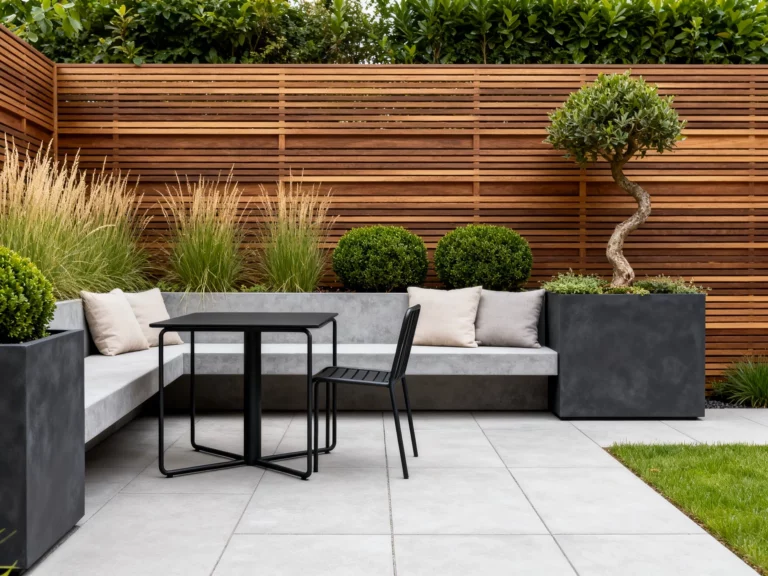
Low walls, slatted screens, and hedges all work well in modern design. Keep heights consistent and align them with other elements like your path or planting beds. The visual order makes everything feel intentional.
Modern Screening Ideas That Don’t Feel Like a Fortress
You can create privacy without going full medieval castle. Choose screens and plants that let light through and soften the edge. A layered approach works best, because it looks more natural and more “designed.”
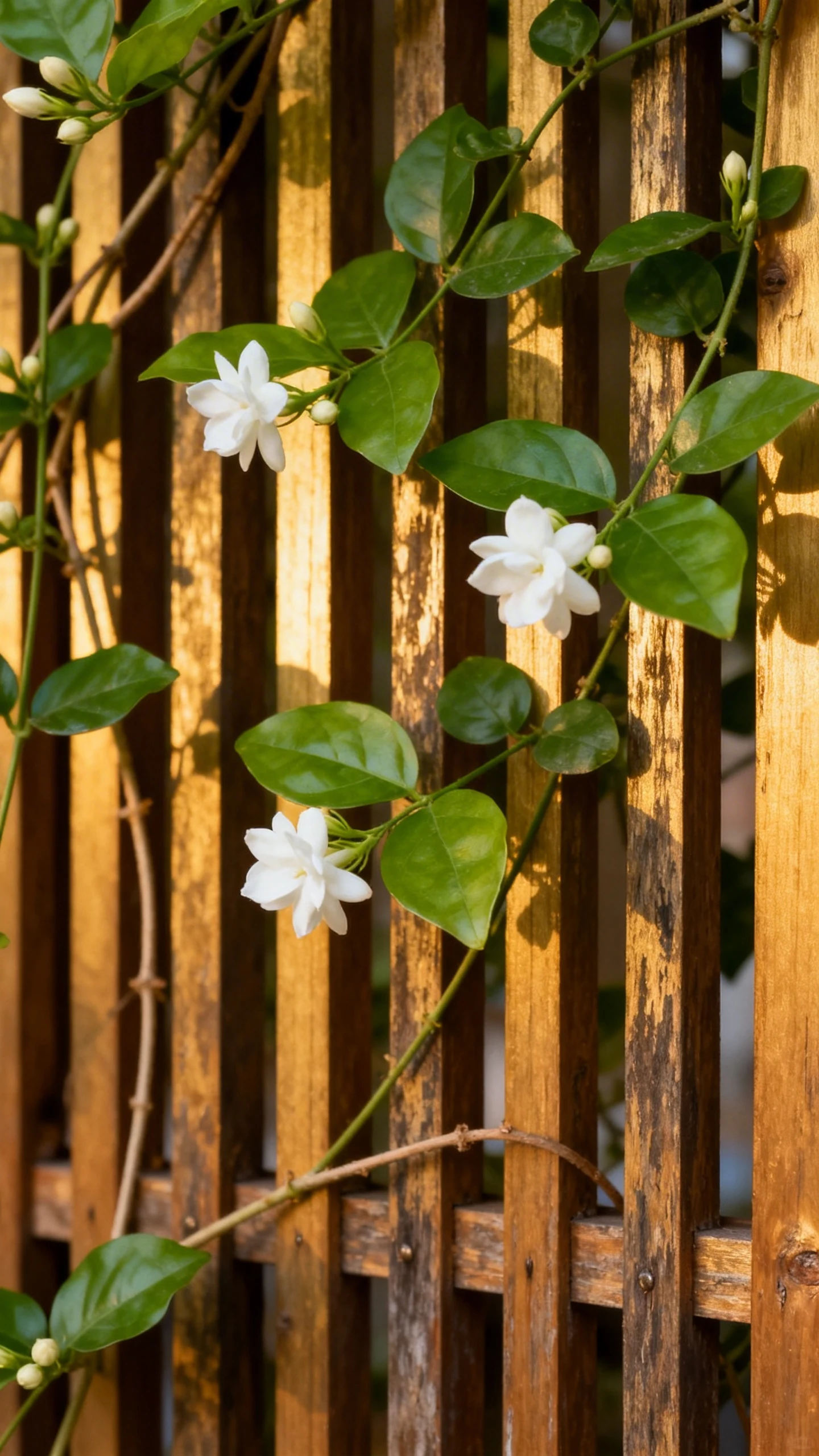
- Slatted timber screens: Pair with climbers like jasmine or clematis.
- Evergreen hedging: Use tidy species and keep lines sharp.
- Ornamental grasses: Great for soft screening and movement.
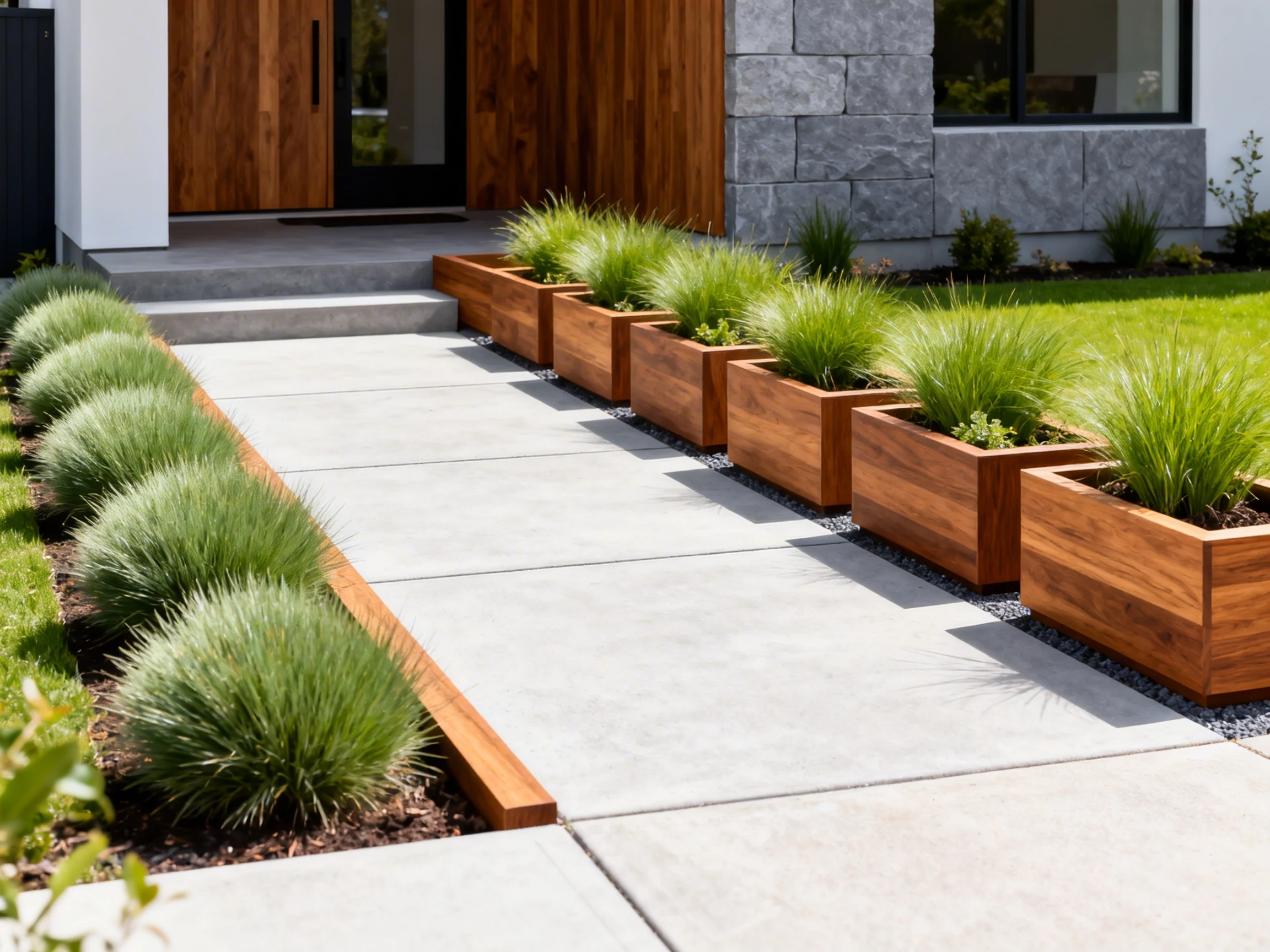
- Planters as dividers: Use large, simple containers in matching styles.
Lighting and Details: Small Upgrades, Big Modern Energy
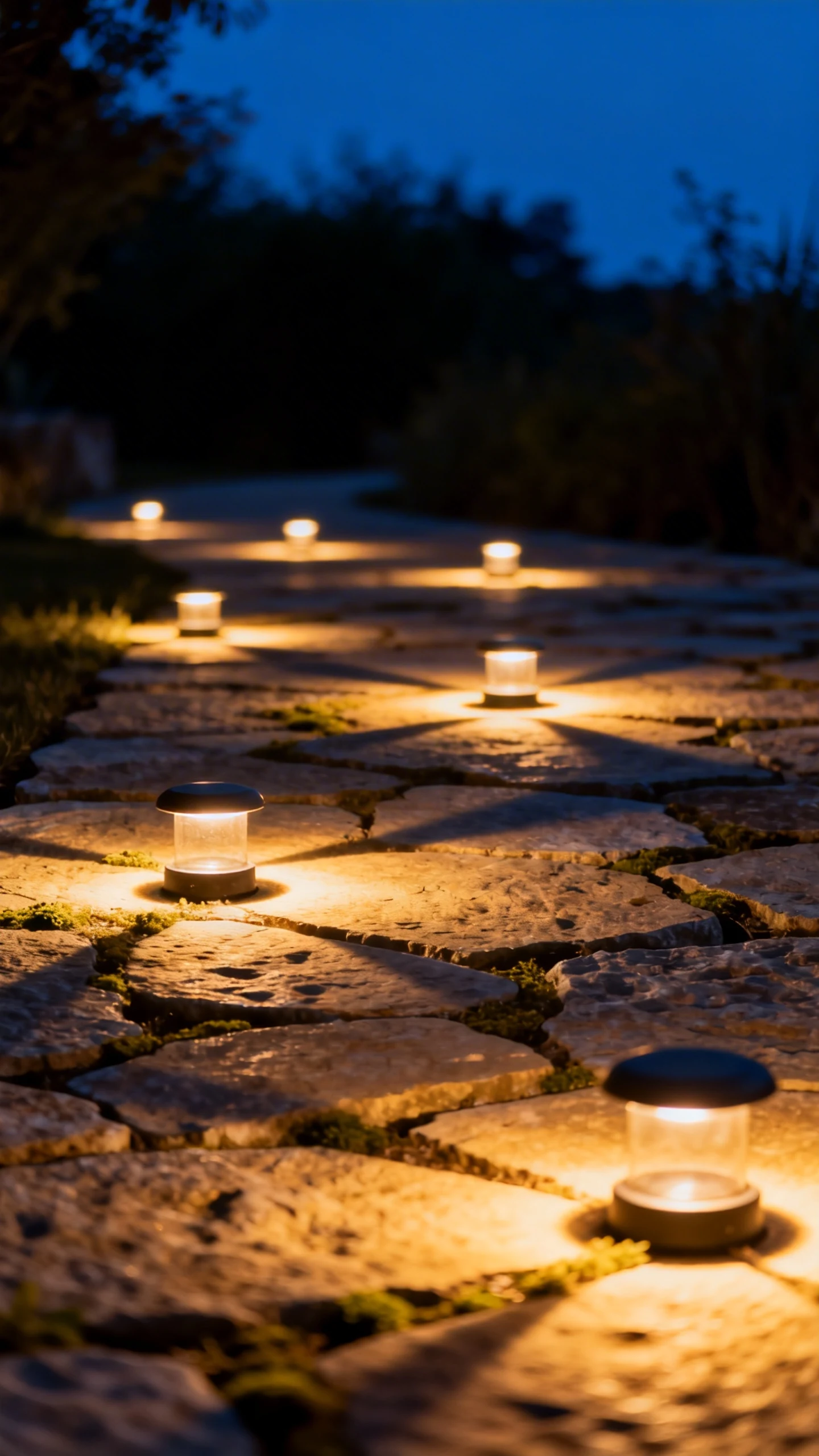
Good lighting makes a front garden feel expensive, even if you built it on a “please don’t check my bank account” budget. It also keeps paths safe, highlights focal points, and makes your home look welcoming at night. Modern lighting works best when it stays subtle and purposeful.
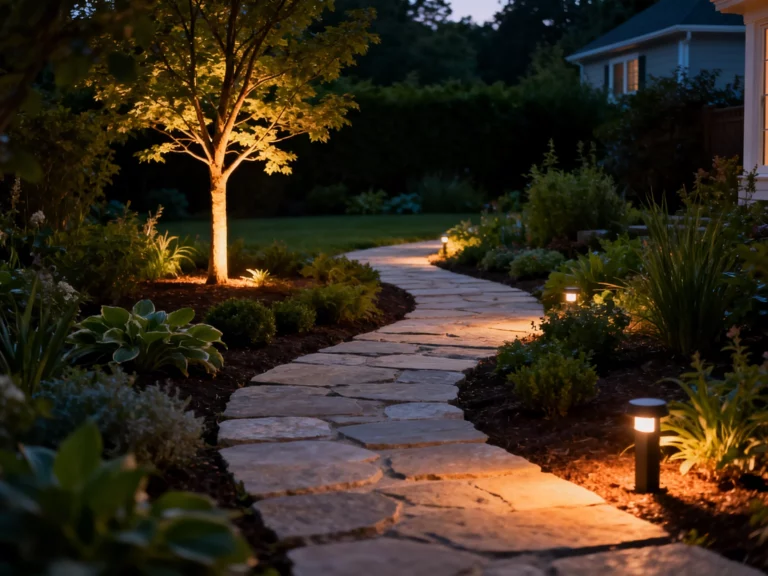
Use low-level path lights, uplights for feature plants, and warm bulbs that don’t make everything look like a hospital corridor. Hide the fixtures where you can, and aim for a soft glow instead of a stadium vibe. Your neighbors will appreciate it, and you won’t attract every moth in the area.
Modern Details That Pull Everything Together
Details create that finished look, and they don’t need to cost a fortune. Choose a few and repeat them, like you would with plants and materials. Modern design loves consistency.
- Matching planters: Same shape, same color, different sizes.
- House numbers: Oversized, clean font, and well lit.
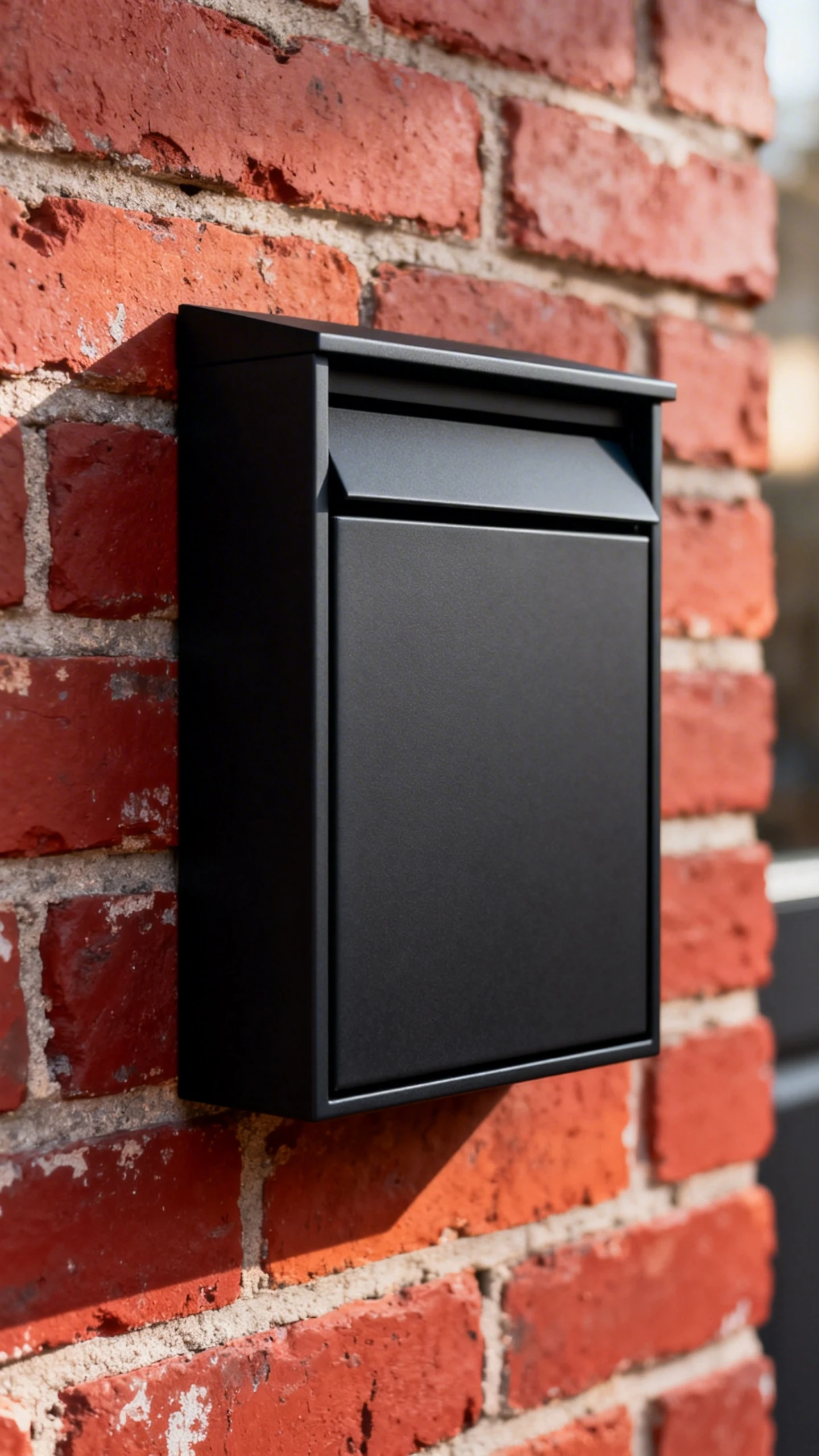
- Letterbox upgrade: Simple, matte finish, and positioned neatly.
- Bin storage: Yes, it counts as design. Sadly.
FAQ
How do I make a small front garden look modern without losing greenery?
Use fewer plant types and repeat them so the space looks organized. Choose vertical plants or grasses that add height without taking up much footprint. Keep a clear path and crisp edging, then fill the remaining space with a simple planting pattern.
What’s the lowest-maintenance modern front garden setup?
Go with a simple hardscape base, steel or stone edging, and tough evergreen structure plants plus ornamental grasses. Add gravel mulch to cut down weeds and keep everything looking tidy. Skip fussy flowers unless you genuinely enjoy constant deadheading (some people do, apparently).
Can a modern front garden work with a traditional house?
Yes, and it often looks amazing. Match one element to the house, like a warm stone tone or classic brick edging, then keep the layout clean and contemporary. The contrast can feel fresh without clashing.
What colors look best for modern front gardens?
Stick to a restrained palette: greens, silvers, whites, and one accent color if you want extra punch. Materials in charcoal, warm grey, buff, or natural timber tones work well. You’ll get a modern look from simplicity and repetition, not from picking the “trendiest” color.
Do I need a lawn for curb appeal?
Nope. Lawns can look great, but modern design doesn’t require them. Gravel, paving with planting pockets, and layered beds can look even more intentional, and they usually cut maintenance too.
Conclusion
Modern front garden design comes down to clarity: clear routes, clean edges, and a plant palette that doesn’t try to do stand-up comedy in ten different directions. Choose a few materials, repeat a few plants, and give the space one strong focal point. Then add lighting and small details to make it feel finished. Your home will look sharper, your weekends will feel freer, and your front garden will finally stop acting like an afterthought.