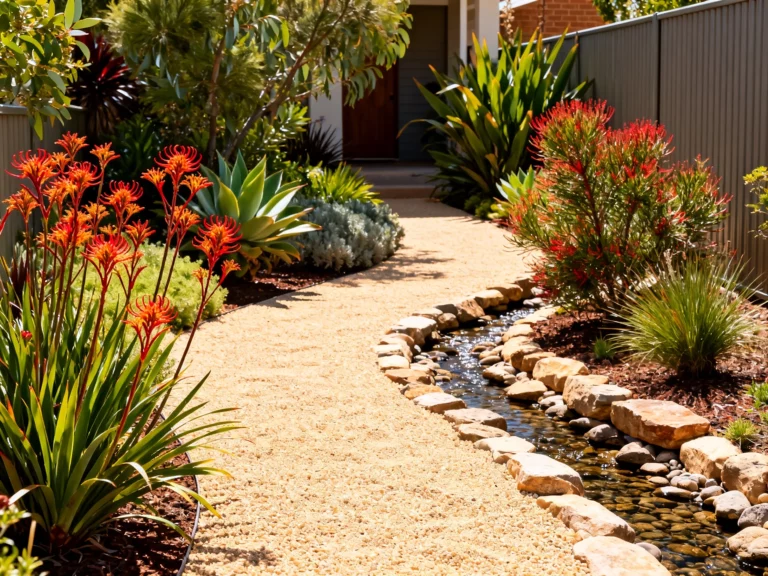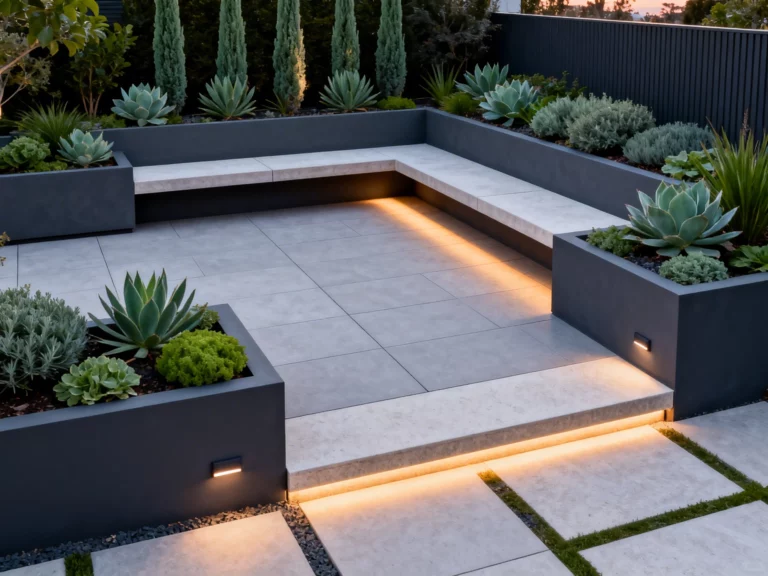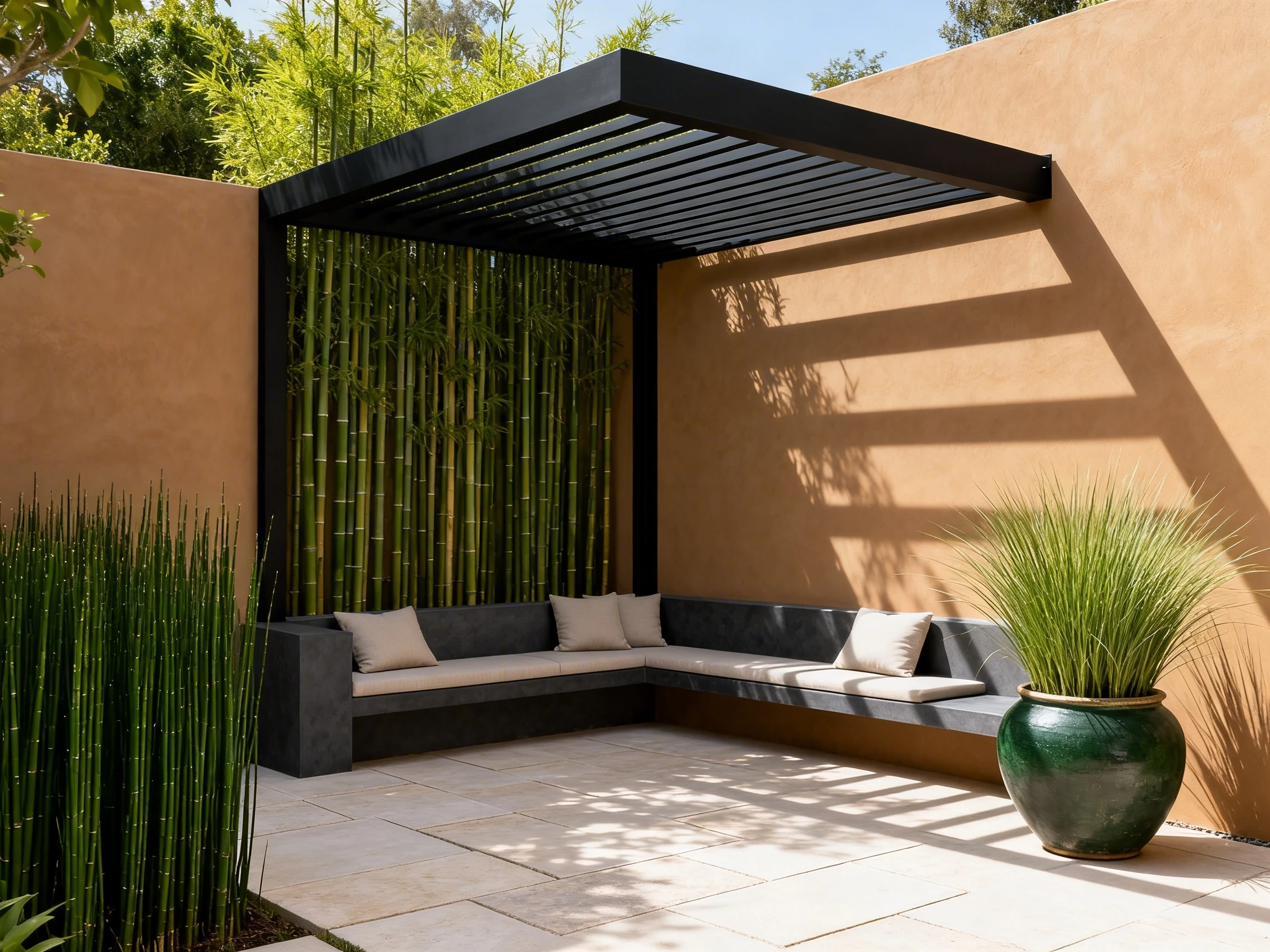
modern courtyard garden design
You’ve got a courtyard. It’s small, it’s boxed in, and it probably echoes like a microwave when you cough. Perfect. Courtyards make the best “tiny-but-mighty” gardens because the walls give you privacy, warmth, and that cozy, tucked-away vibe people pay ridiculous money for. Now let’s design it so it feels like a sleek outdoor room, not a sad rectangle with one stressed-out pot plant.
Think of Your Courtyard Like an Outdoor Living Room
If you treat a courtyard like a leftover space, it will look like one. If you treat it like a room, it suddenly makes sense: you choose a “floor,” you set up “furniture,” and you add “lighting.” The walls already show up, so you basically get free architecture. Why not use it?
Start by deciding what you actually want to do out there. Do you want coffee in the sun, dinner with friends, or a solo hideout where you pretend emails don’t exist? Once you pick the main purpose, every design choice gets easier, and your courtyard stops trying to be everything at once.
Modern courtyard design loves clean lines and calm vibes, but it doesn’t need to feel cold. You can keep it minimal and still make it welcoming. You just need a few strong elements that look intentional instead of random.
Pick One “Hero” Feature
Choose a single thing that grabs attention first: a sculptural tree in a big planter, a water bowl that reflects light, or a statement wall with texture. Then let everything else support it. This approach keeps small spaces from feeling busy.
FYI, “hero feature” doesn’t mean “giant expensive object.” It just means something with presence. Even a simple bench against a beautiful wall can carry the whole look if you style it right.
Use Hardscaping to Set the Mood (and Hide the Awkward Bits)
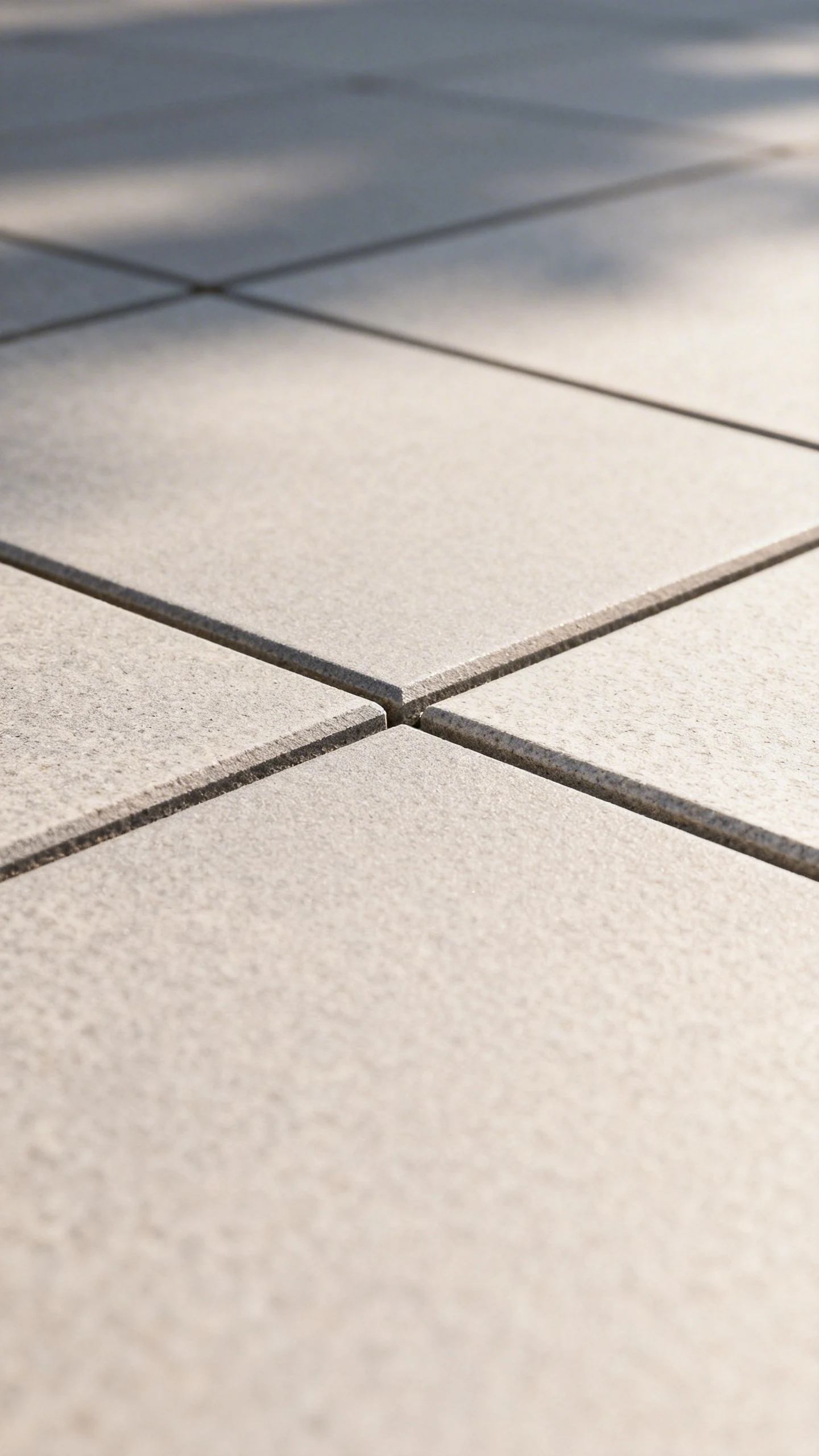
Hardscaping sounds intense, but it just means the non-plant stuff: paving, gravel, decking, and walls. In courtyards, hardscaping does most of the visual heavy lifting because you usually see more ground than greenery. Choose materials that feel modern, then soften them with plants and textiles.
Large-format pavers instantly make a courtyard feel bigger because your eyes glide over fewer lines. Gravel can look chic and relaxed, but it also loves to travel into your house like it pays rent. Decking adds warmth, especially if your walls feel stark.
Pick two main materials, max three. If you mix five different surfaces, your courtyard will look like a showroom clearance aisle. Modern design looks “simple,” but it takes discipline.
Color Palette: Keep It Calm, Then Add a Pop
Modern courtyards usually stick to neutrals: charcoal, warm gray, sandy beige, matte black. Those colors make plants look extra vibrant, and they play nicely with most architecture. You can always add personality with cushions, pots, or a single bold planter.
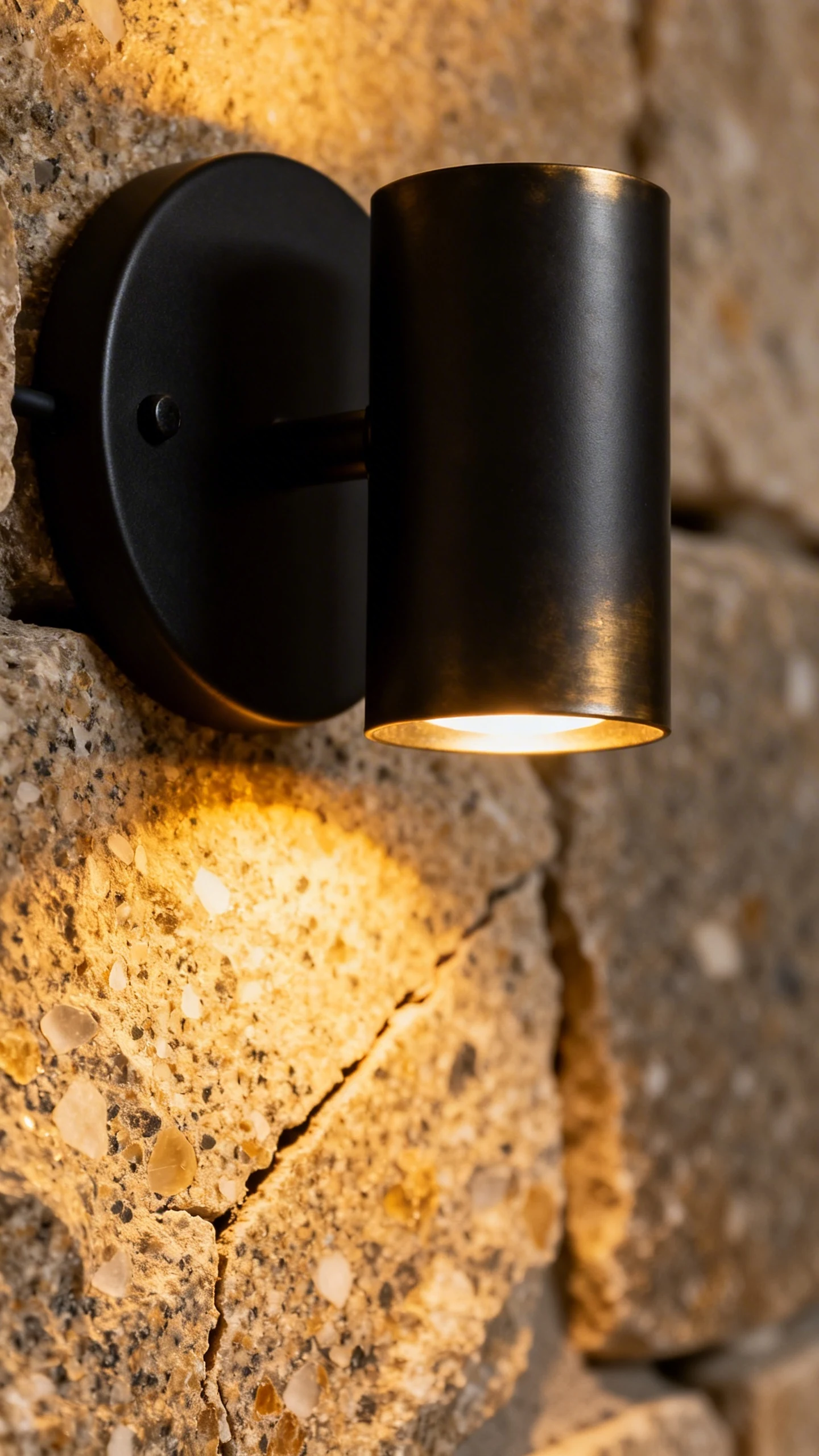
Want an easy win? Repeat the same finish a few times. Use black metal in the chair legs, the wall light, and the planter trim. Repeating finishes makes a small space feel designed, not accidental.
Planting with Structure: Less Chaos, More “Wow”
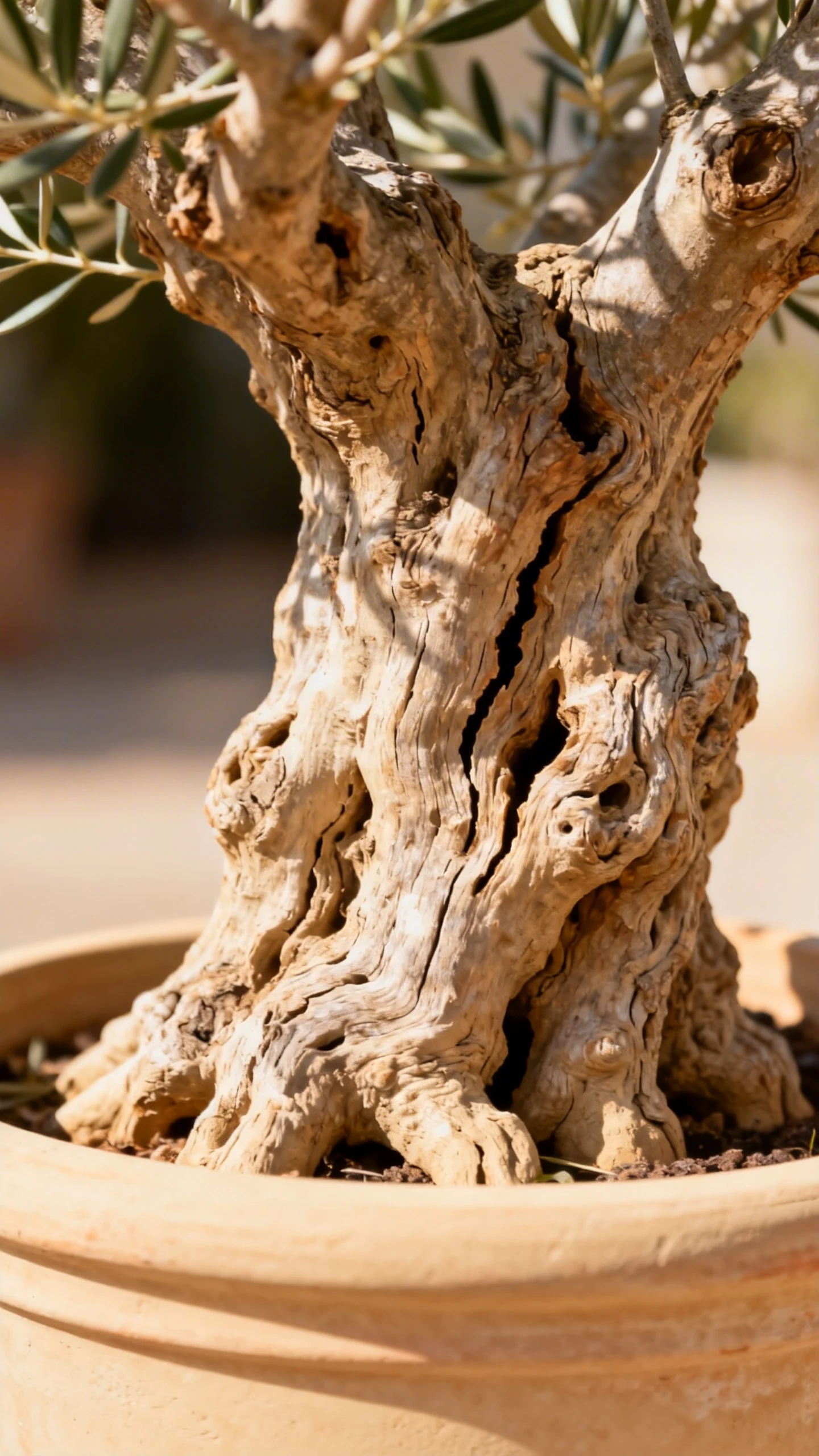
Courtyards don’t give you much room for a jungle moment, so you need plants that earn their keep. Modern planting leans on shape and structure: architectural leaves, clean silhouettes, and a limited palette. Think “curated,” not “everything I grabbed at the garden center because it was on sale.”
Start with evergreen structure, then layer in softer stuff. Evergreens keep the space looking good in winter, and courtyards can look depressing when everything disappears. Add a few seasonal accents, but don’t make your whole design depend on summer flowers behaving themselves.
Also, don’t forget the microclimate. Courtyards can run warmer, shadier, windier, or all three at once, because walls do weird things. Take a day to watch where the sun hits before you buy plants that demand full sun all day.
Great Modern Courtyard Plant Picks
These plants tend to look crisp and modern, and many handle container life well. You still need to match them to your climate, because plants don’t care about your design dreams.
- Olive or citrus (in pots) for that sculptural Mediterranean vibe
- Bamboo (clumping types) for screening without chaos
- Fatsia japonica for glossy leaves in shade
- Boxwood alternatives like ilex crenata for tidy structure
- Ornamental grasses for movement that feels intentional
- Ferns for soft texture in shady courtyards
IMO, one small tree beats ten tiny pots every time. A single statement plant gives you height, shade, and instant “garden” energy. Then you can use smaller plants to fill in the vibe instead of trying to build the whole thing from ground level.
Go Vertical: Your Walls Want a Job

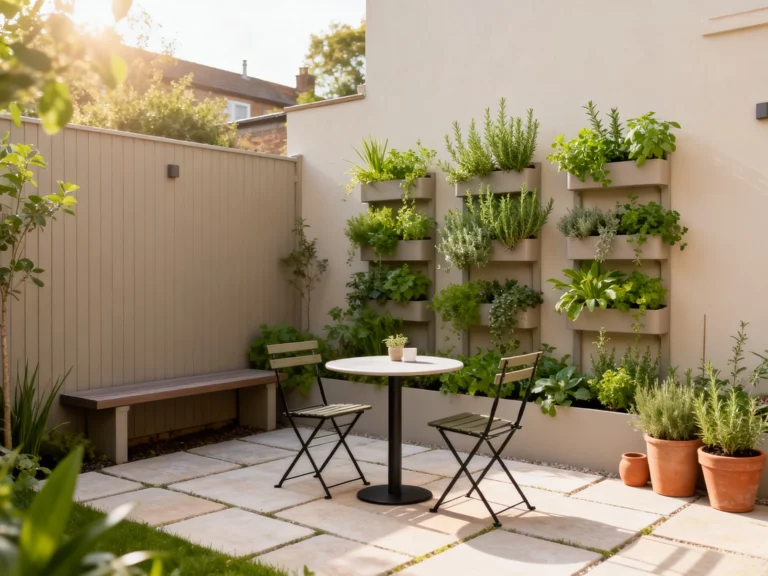
Courtyards come with walls, so use them. Vertical design makes small spaces feel lush without eating up floor area. Plus, it draws the eye upward and makes everything feel taller and more spacious.
You can add trellises, wall planters, climbers, or even a living wall system if you feel ambitious. Just keep maintenance in mind. If you hate watering, don’t install something that needs daily attention like a needy houseplant with abandonment issues.
Vertical greenery also softens hard edges. Modern spaces often feature clean lines, but you still want some softness so it feels inviting instead of “corporate courtyard.”
Climbers That Keep It Stylish
Pick climbers that behave well and look good year-round. Some climbers grow fast and wild, and you’ll spend weekends arguing with them using pruning shears. Choose wisely.
- Star jasmine for fragrance and tidy evergreen coverage
- Climbing hydrangea for shade walls and texture
- Clematis for flowers without bulky foliage
- Trachelospermum and espaliered shrubs for a clean, trained look
Lighting, Seating, and the “Stay Outside Longer” Factor
A courtyard without lighting feels like it closes at sunset. Add a few layers of light and you’ll use the space way more. Also, lighting makes the whole garden look intentional, even if you still need to weed.
Go for warm white light, not the bright-blue “parking lot chic.” Aim light at plants and textures instead of blasting the whole courtyard like an interrogation room. Good lighting creates mood, not glare.
Now seating. Don’t squeeze in a full dining set just because you saw it online. Pick the right scale: a built-in bench, a bistro set, or one lounge chair with a side table. Ask yourself: will you actually sit there, or will it become a fancy place to stack delivery boxes?
Small Courtyard Seating Ideas That Actually Work
These options keep the space open while still giving you somewhere to flop. And yes, comfort matters. “Pretty but painful” furniture belongs in a museum, not your garden.
- Built-in bench along one wall to save floor space
- Foldable bistro set for flexible dining
- Low modular seating for a modern lounge feel
- Storage bench for cushions and garden tools
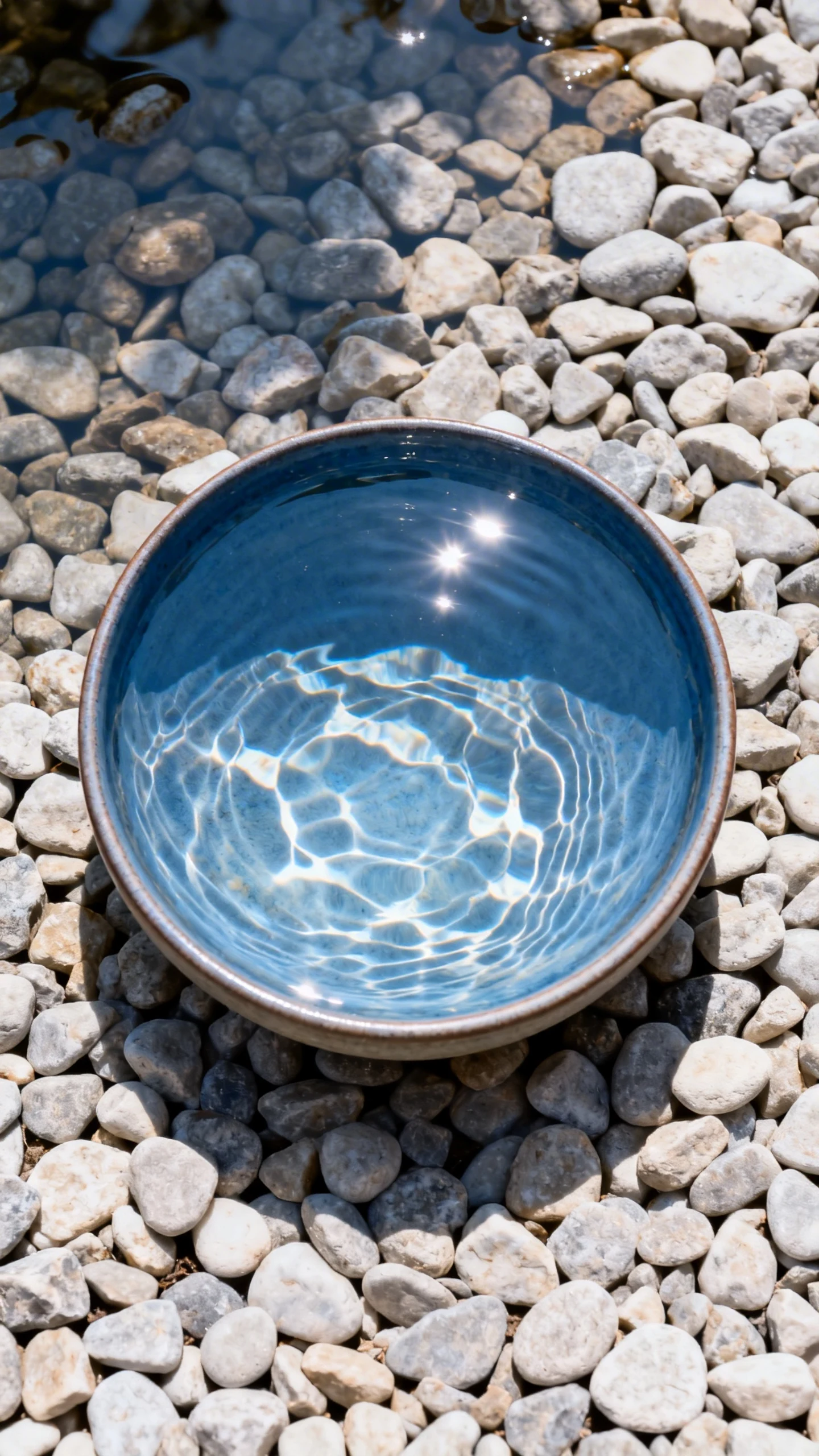
Finish the “outdoor room” vibe with a couple of weatherproof cushions and maybe a slim outdoor rug. Keep patterns simple so the space stays modern. One bold accent color works better than a rainbow situation, unless your personality demands chaos.
Water, Fire, and Sound: The Secret Sauce
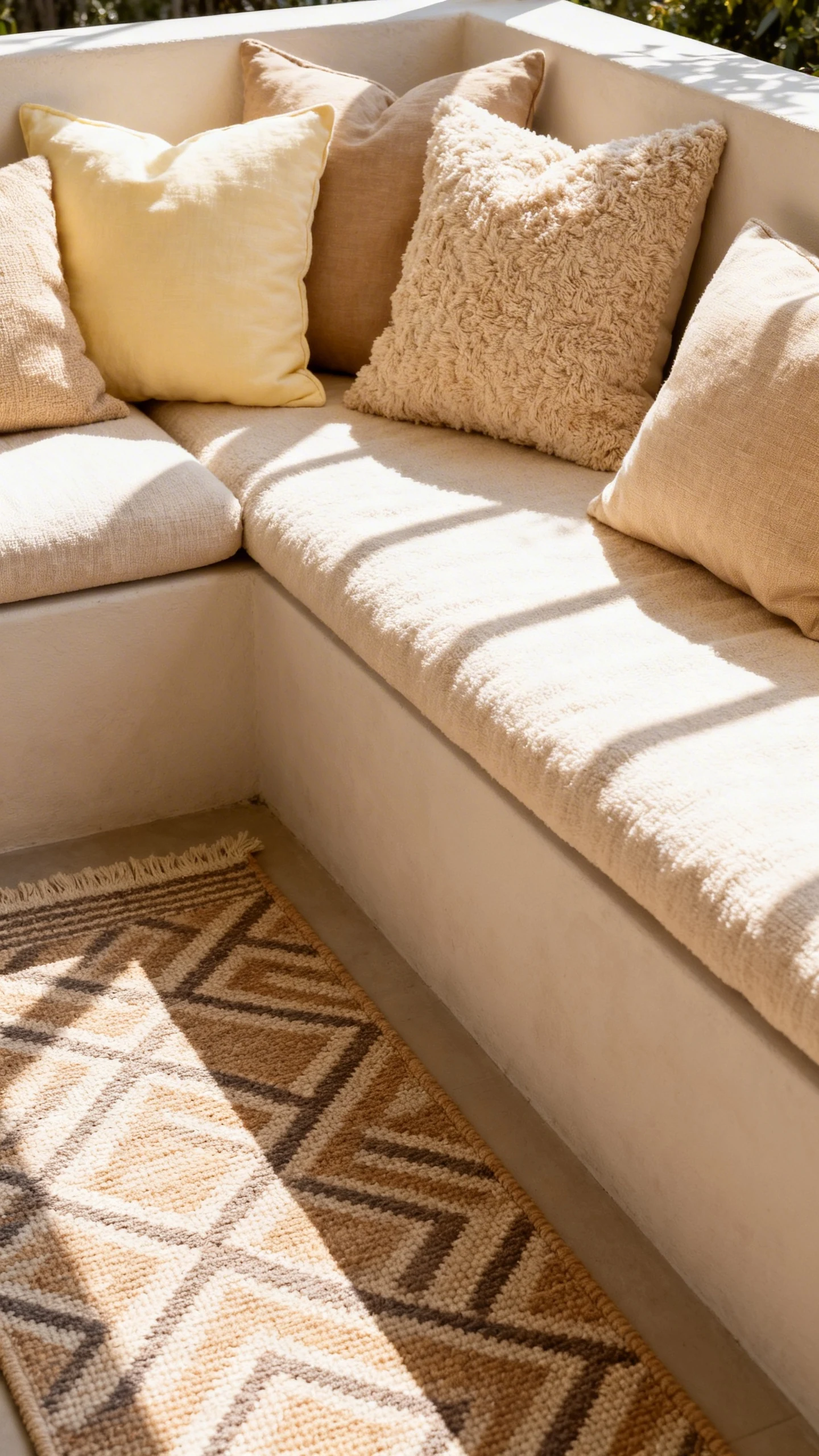
If you want your courtyard to feel like a retreat, add an element that changes the atmosphere. Water brings sound and reflection. Fire brings warmth and drama. Either one makes the space feel expensive, even if you build it on a sensible budget like a responsible adult.
A small water bowl or wall fountain can mask street noise and make the courtyard feel calm. Fire pits work great if your courtyard has decent airflow and you follow local rules. Also, keep it practical: no one wants a “feature” that you never use because it’s annoying to maintain.
Sound matters more than people think. A simple fountain can make a courtyard feel private even when neighbors exist. And yes, neighbors always exist.
FAQ
How do I make a small courtyard look bigger?
Use large pavers, keep the palette limited, and avoid clutter. Add vertical greenery to draw the eye upward, and choose fewer, bigger planters instead of lots of tiny pots. You can also use a mirror on a wall if you place it carefully, but don’t create a spooky reflection corner.
What’s the easiest modern courtyard style to maintain?
Go heavy on evergreens, structural plants, and simple hardscaping. Choose drip irrigation for containers if you can, and pick plants that match your light conditions so they don’t sulk. A low-maintenance courtyard starts with the right plant choices, not wishful thinking.
Can I do a modern courtyard garden on a budget?
Yes. Spend money on one strong focal point and keep everything else simple. Use gravel or concrete-look pavers, buy smaller plants and let them grow, and refresh the vibe with lighting and textiles. A few well-chosen items beat a cart full of random “deals.”
Which plants suit a shady courtyard?
Try ferns, fatsia japonica, hostas (if slugs don’t run your neighborhood), and climbing hydrangea for walls. Use glossy leaves to bounce light around, and add a few lighter-colored planters to keep the space from feeling gloomy. Shade can look lush and dramatic when you lean into it.
Do I need drainage in a courtyard garden?
Absolutely. Water has to go somewhere, and you don’t want your courtyard turning into a surprise pond. Make sure paving slopes correctly, use permeable surfaces where possible, and choose planters with drainage holes. If you already struggle with puddles, talk to a pro before you invest in fancy finishes.
How do I keep a modern courtyard from feeling too “cold”?
Add warm materials like wood, terracotta accents, or textured stone. Use layered lighting, include soft planting like grasses or ferns, and bring in cushions with a warm neutral tone. You can keep the lines clean and still make it feel welcoming, not like a minimalist spaceship patio.
Conclusion
Modern courtyard garden design doesn’t ask for a huge space; it asks for smart choices. Pick a purpose, keep the materials tight, add structured planting, and give your walls something to do. Then layer in lighting and one mood-boosting feature, and suddenly your courtyard feels like the best room in the house. And honestly, it might become the only place where you don’t immediately think about your inbox, which feels like a win.