modern back garden design
Modern back garden design looks effortless when it works, but let’s be honest, that “clean and calming outdoor retreat” usually starts with a patchy lawn, a wonky fence, and at least one plastic chair nobody remembers buying. The good news? You do not need a huge budget or a landscape architect on speed dial to make it look sharp. You just need a clear idea, a bit of restraint, and the courage to stop adding random stuff because it was on sale.
A good modern garden feels simple, useful, and easy on the eyes. It gives every corner a job, cuts down visual clutter, and makes you actually want to go outside. If your back garden currently feels more “miscellaneous storage zone” than “stylish outdoor room,” you are absolutely not alone.
What makes a back garden look modern?
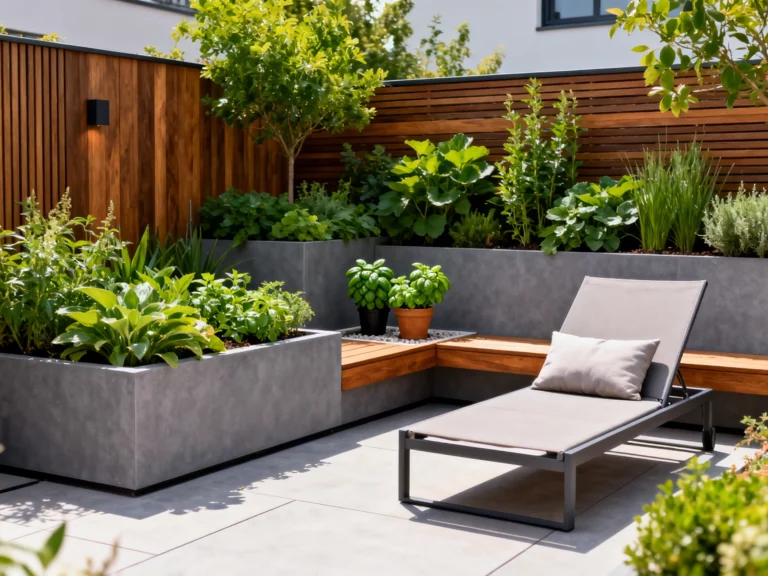
Modern garden design leans on clean lines, simple materials, and intentional layouts. That sounds fancy, but it really means you pick a few good elements and repeat them instead of cramming in every idea at once. Think large paving slabs, neat planting, built in seating, and colours that do not scream for attention.
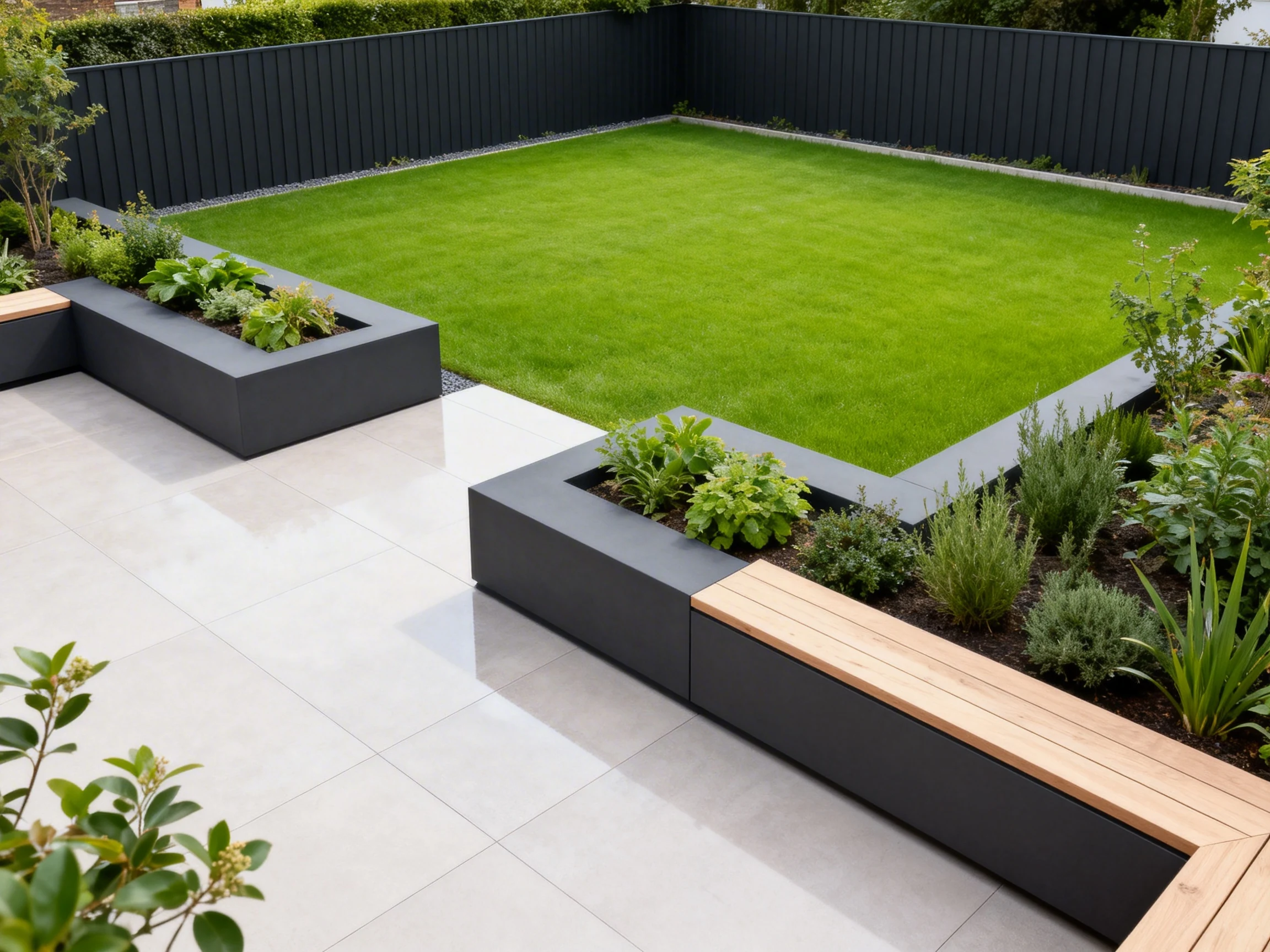
The modern look also loves contrast. Smooth concrete next to soft grasses. Dark fencing behind pale stone. Crisp edges against slightly wild planting. That balance keeps the space from feeling cold or boring, which matters because nobody wants a garden that looks like a corporate courtyard.
IMO, the biggest mistake people make comes from trying to make everything “interesting.” You do not need ten focal points. You need one or two great ones, then you let the rest of the garden support them.
Less clutter, more purpose
Every feature should earn its place. If you add a fire pit, make sure people can actually sit around it comfortably. If you install raised beds, give them enough room so they do not feel squeezed in like late arrivals at a dinner party.
Modern gardens work because they feel edited. That means fewer pots, fewer ornaments, and way fewer “quirky” signs. Your back garden does not need to announce that prosecco o’clock starts here.
Start with the layout before you buy anything
If you want a garden that feels modern, start with the plan, not the shopping list. It sounds obvious, but loads of people buy furniture, lights, and planters first, then wonder why everything feels awkward. Layout drives the whole mood.
Look at how you actually use the space. Do you eat outside often? Need room for kids to run around? Want a quiet corner for coffee and dramatic staring into the distance? Build around real life, not a fantasy version where you host elegant outdoor dinners every weekend.
Create zones that make sense
Zoning gives structure to a back garden without making it feel formal. You might have one area for dining, one for lounging, and one for planting. Even in a small garden, clear zones help the space feel bigger and more polished.
You can define zones with paving direction, planting, screens, or level changes. You do not need walls everywhere. In fact, subtle shifts usually look more modern than obvious dividers.
Think in straight lines, but do not make it stiff
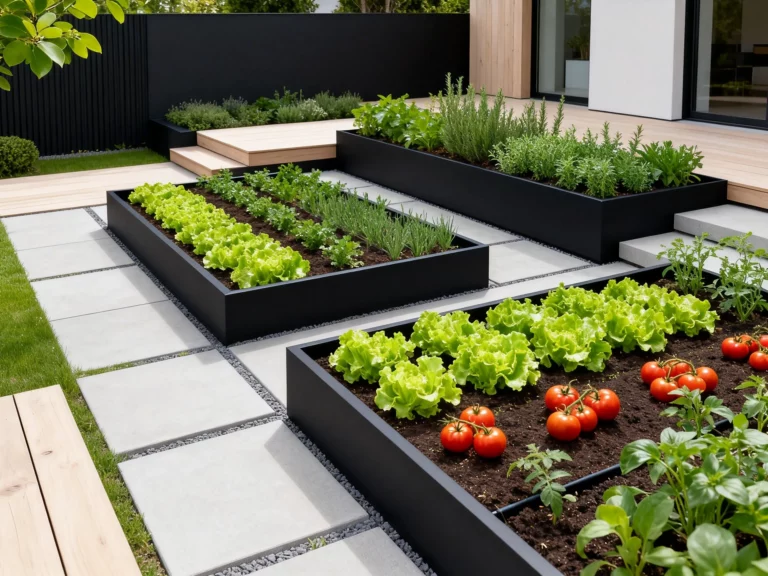
Modern gardens often use straight edges because they look calm and organised. Rectangular patios, square planters, and linear paths create order fast. That said, too many hard lines can feel rigid, so soften them with loose planting or curved foliage.
FYI, a modern garden does not have to look severe. It just needs a strong structure. Plants bring the personality, so let them loosen things up a bit.
Pick materials that look good and age well
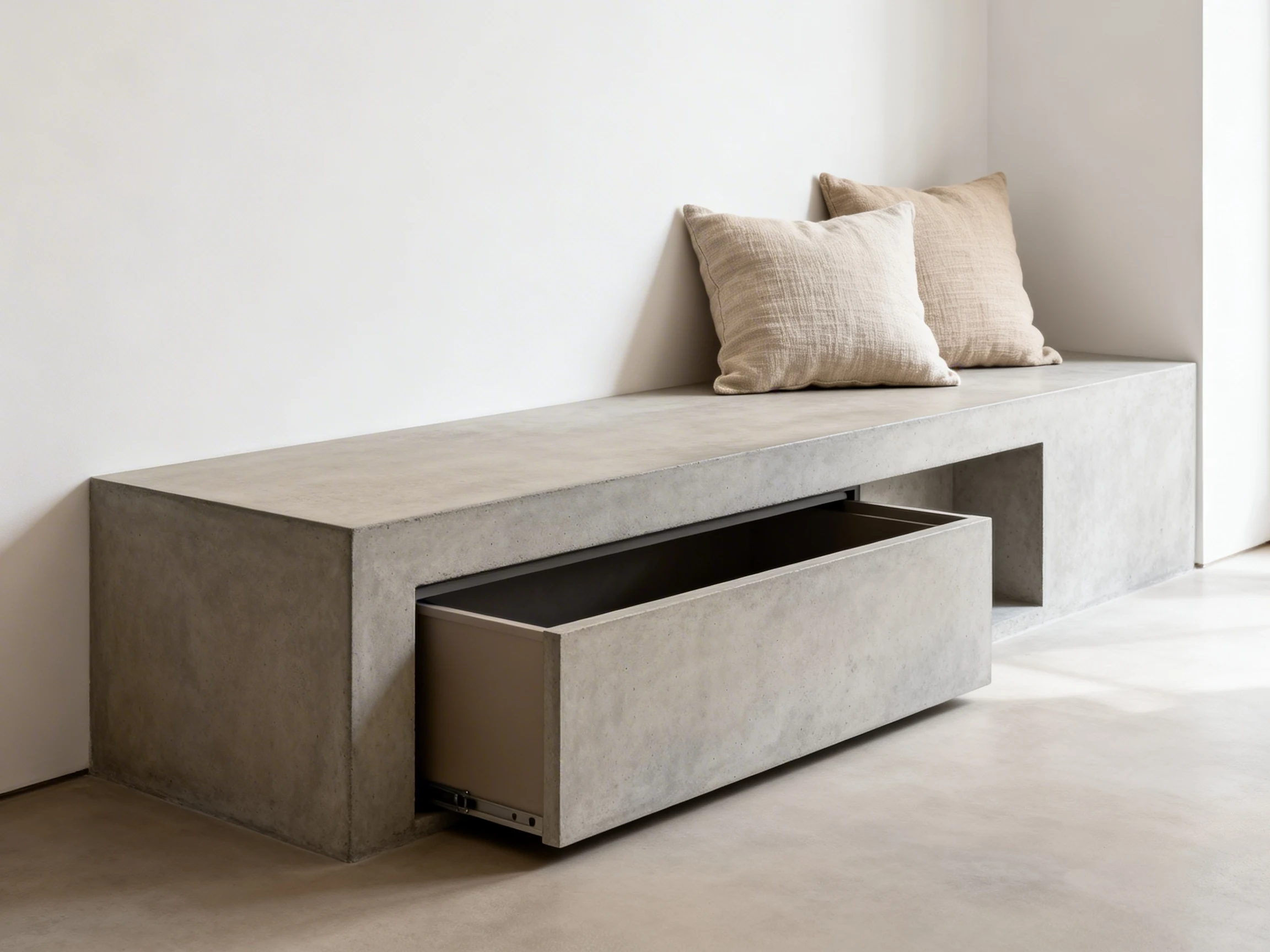
Materials do a lot of the heavy lifting in modern back garden design. If you choose them well, the garden already looks pulled together before you add a single cushion or lantern. If you choose badly, no amount of styling will save it.
Stick to a tight palette of two or three main materials. For example, porcelain paving, timber cladding, and black metal details work beautifully together. Gravel, stone, corten steel, and rendered walls can also look fantastic when you keep the mix controlled.
Best material choices for a modern feel
- Porcelain paving for a sleek, low maintenance patio
- Concrete or stone slabs for clean, architectural lines
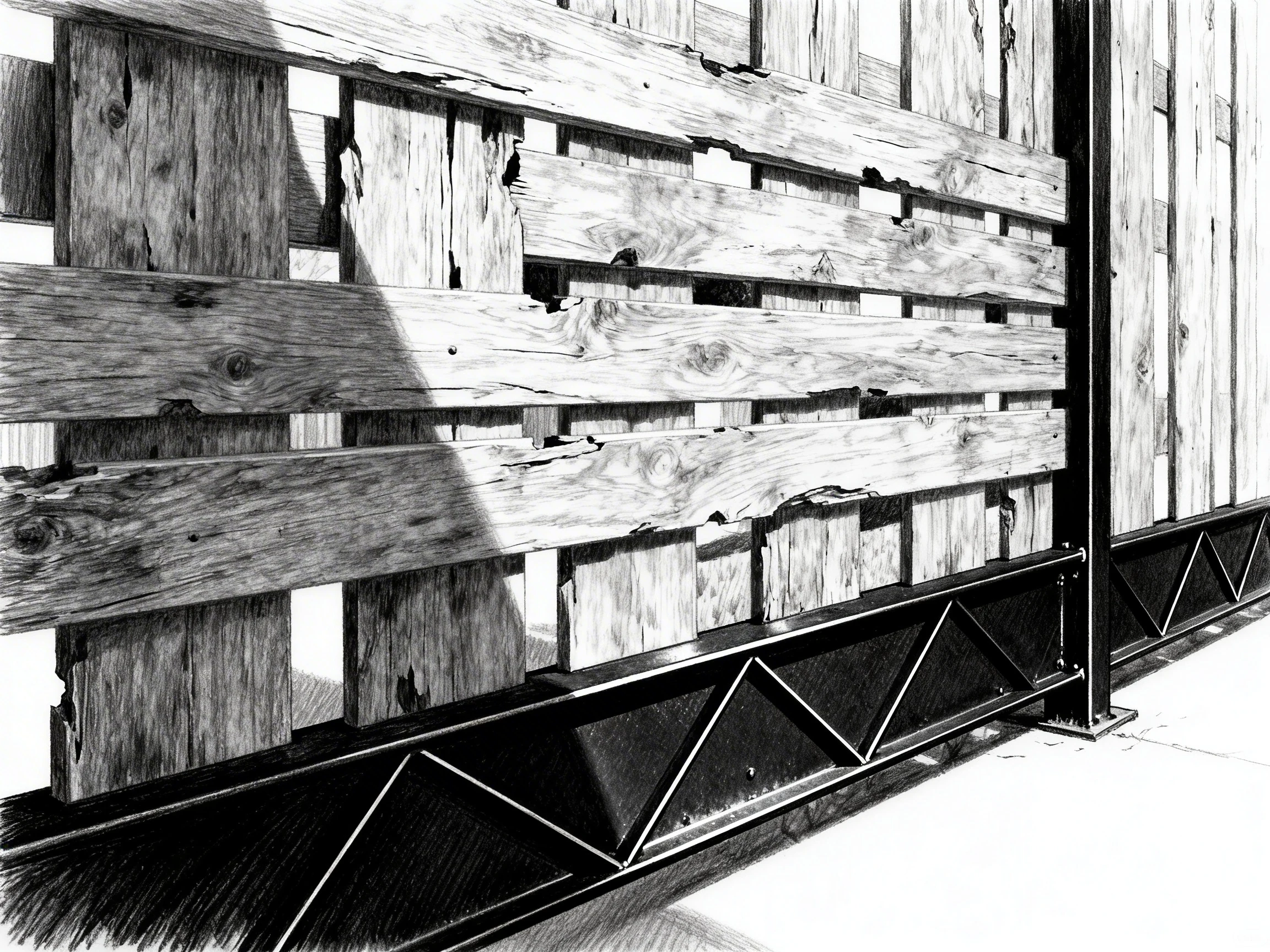
- Horizontal timber slats for fences and screening
- Black steel or aluminium for edging, pergolas, and lighting details
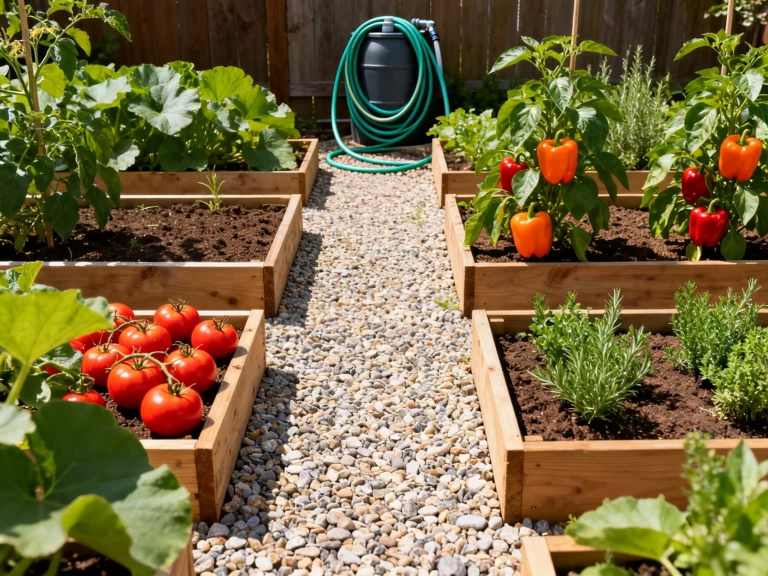
- Gravel for texture and drainage without visual fuss
Try not to throw in every finish you like. Modern design rewards restraint. A garden with one beautiful timber tone looks far better than a garden with six shades of brown fighting for dominance.
Also, think about maintenance before you commit. Pale stone looks gorgeous until it collects every leaf stain known to humankind. Dark fencing looks chic, but only if you refresh it when it starts looking tired.
Planting that feels contemporary, not chaotic
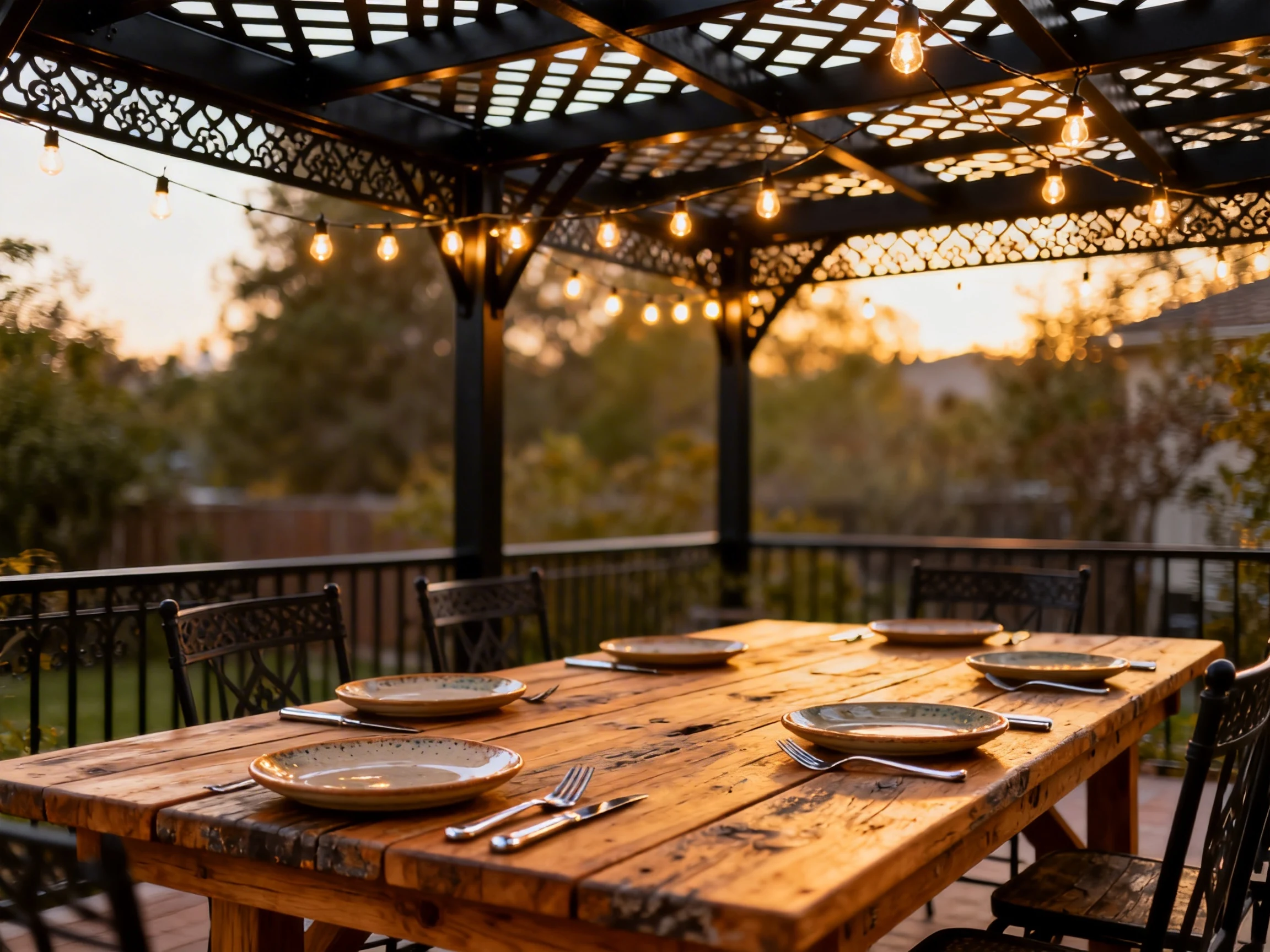
Modern planting looks natural, but not accidental. That distinction matters. You want drifts of texture, repeated shapes, and a bit of movement, not a botanical free for all where every plant tries to become the main character.
Repetition makes a garden feel expensive and intentional. Use the same grasses, shrubs, or perennials in groups across the space. That rhythm ties everything together and keeps your planting from looking like a garden centre clearance trolley.
Plants that suit modern garden design
Architectural plants work brilliantly in modern spaces. Think phormiums, olive trees, agapanthus, alliums, lavender, and box alternatives like ilex or pittosporum. Ornamental grasses such as stipa, miscanthus, and pennisetum add softness and movement without ruining the clean vibe.
Keep your colour palette fairly tight too. White, green, soft purple, and muted pink usually look fresh and modern. Bright red, orange, and yellow can work, but they need a confident hand. Otherwise the whole thing starts shouting.
Use planting to soften hard landscaping
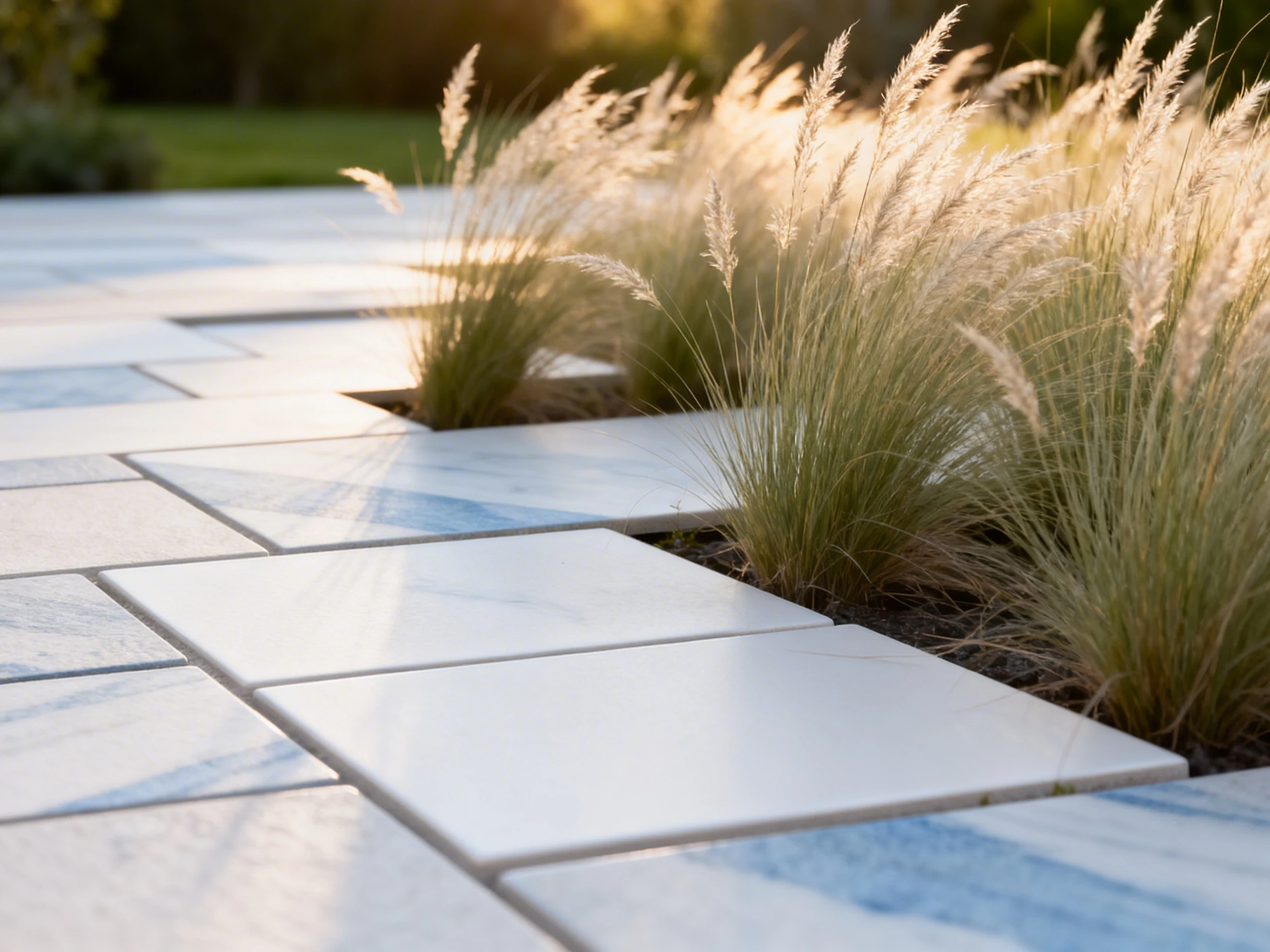
Hard materials give a modern garden structure, but plants stop it from feeling flat. Tuck grasses along the edge of paving. Let shrubs spill slightly over raised beds. Add small trees to break up fences and draw the eye upward.
This contrast matters a lot in smaller gardens. Too much paving can make a space feel hot and harsh. A little planting in the right place fixes that fast.
Furniture, lighting, and the details that pull it together
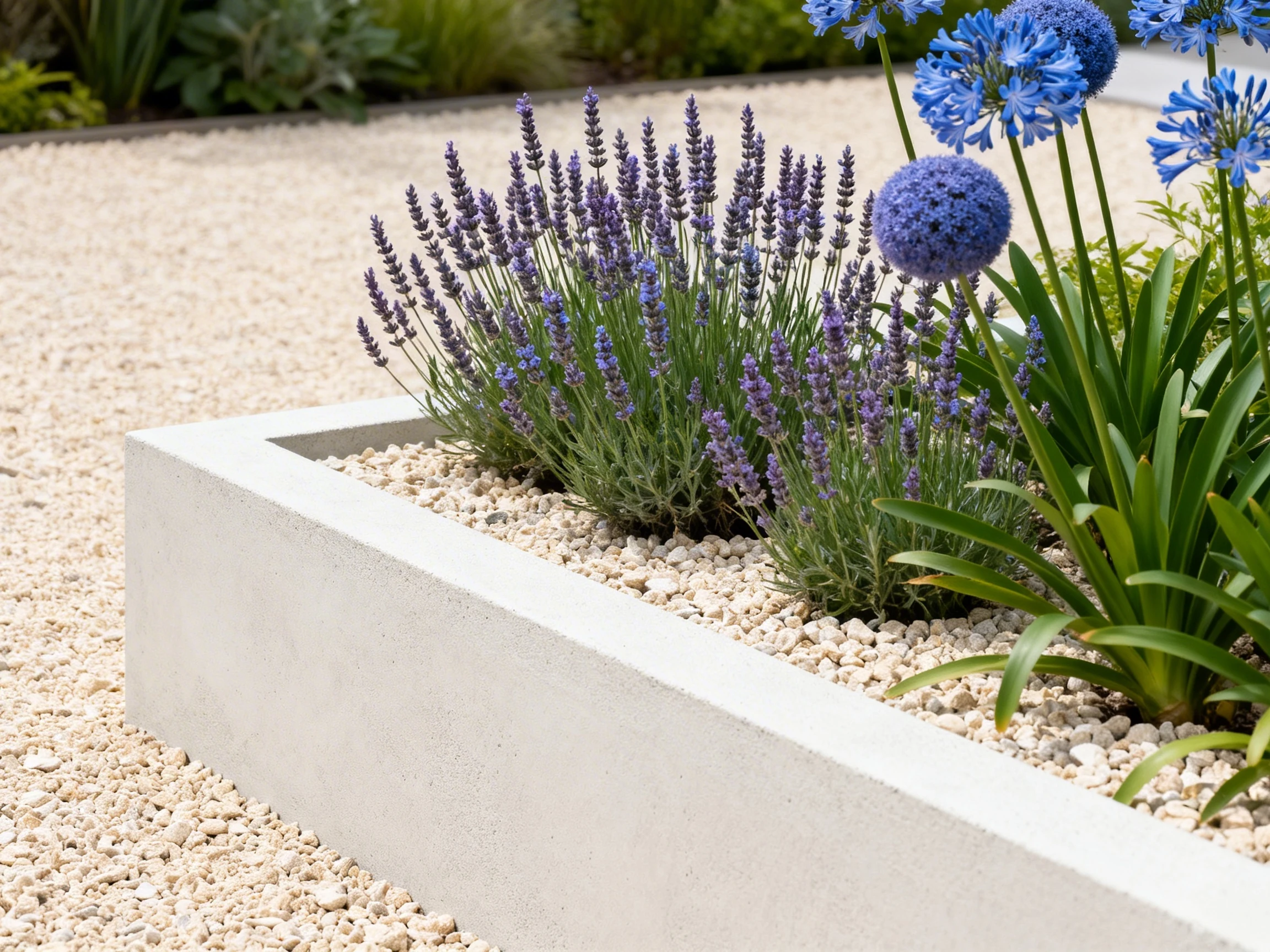
Once the layout and materials feel right, the styling gets much easier. This part should support the garden, not overwhelm it. A modern back garden usually looks best when the furniture feels simple, solid, and comfortable enough that people actually use it.
Choose pieces with clean silhouettes and weather friendly finishes. Metal frames, teak, woven outdoor fabrics, and neutral cushions usually work well. Oversized corner sofas can look great, but only if your garden has room. If not, they just eat the whole patio and leave you with a very expensive obstacle.
Lighting changes everything
Good garden lighting makes a huge difference. It adds atmosphere, highlights textures, and lets you enjoy the space after sunset without relying on one blinding security light that makes everyone look suspicious.
Use a mix of light sources. Wall lights near the house, spike lights in borders, step lights for level changes, and subtle uplighting for trees all help create depth. Warm white light usually looks best. Cool blue toned light can make your lovely garden feel like a car park.
Do not forget storage
Nothing ruins a sleek garden faster than visible clutter. Hoses, toys, tools, and miscellaneous outdoor chaos need a home. Built in benches with storage, slim sheds, or screened utility areas keep the modern look intact.
This part does not sound glamorous, but it matters. The cleanest gardens almost always hide their mess well. Magic? No. Just storage.
Small modern gardens can look amazing
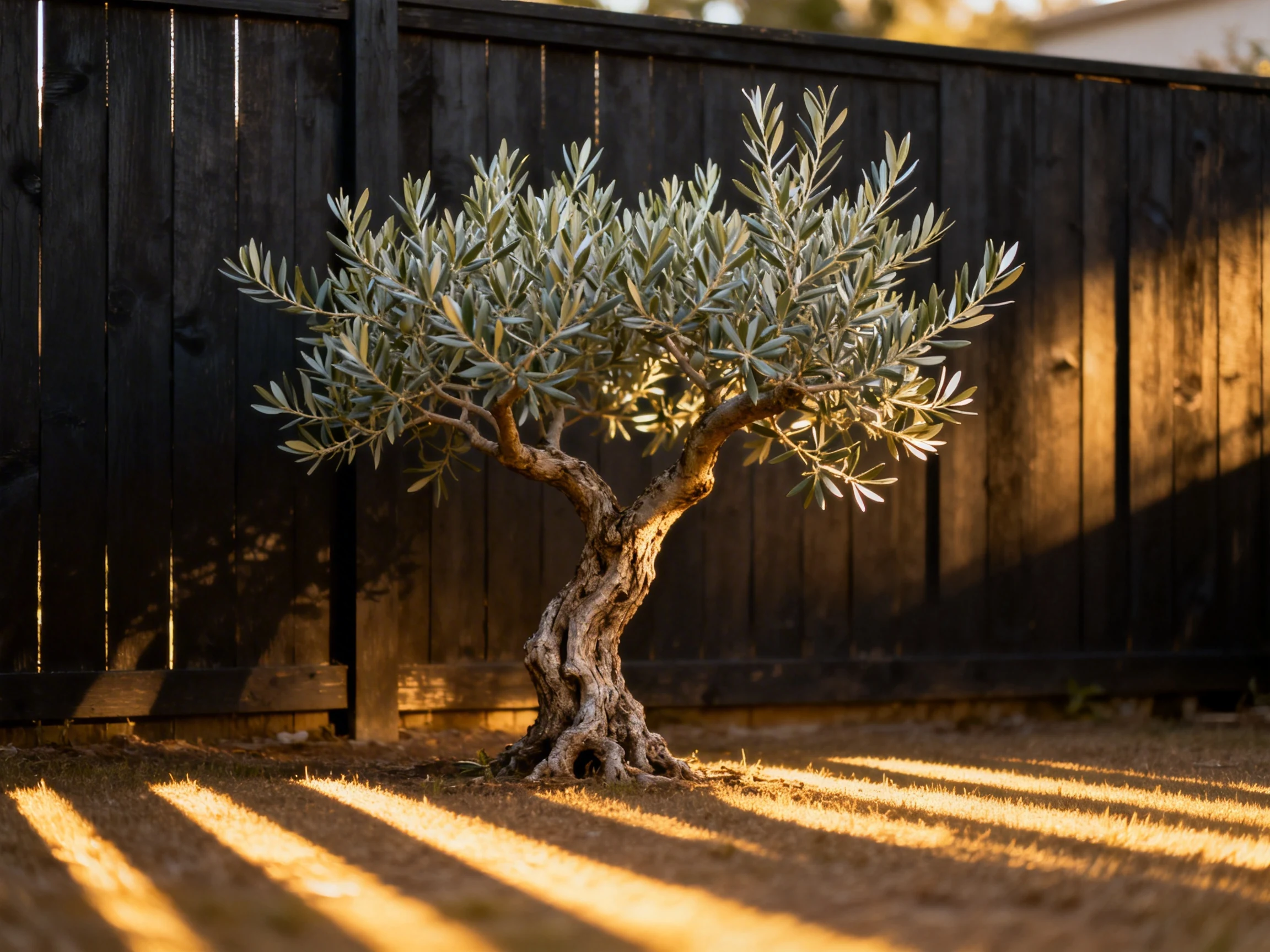
You do not need a giant back garden to make modern design work. In fact, smaller spaces often suit it really well because simple layouts and limited palettes make them feel bigger. A small garden with a clear plan can look far more stylish than a huge one full of random ideas.
Focus on strong shapes, built in elements, and visual flow. Use the same flooring inside and out if possible, or pick materials that echo each other closely. That trick makes the garden feel like an extension of the house rather than a separate afterthought.
Smart ideas for compact spaces
- Built in seating saves space and looks streamlined
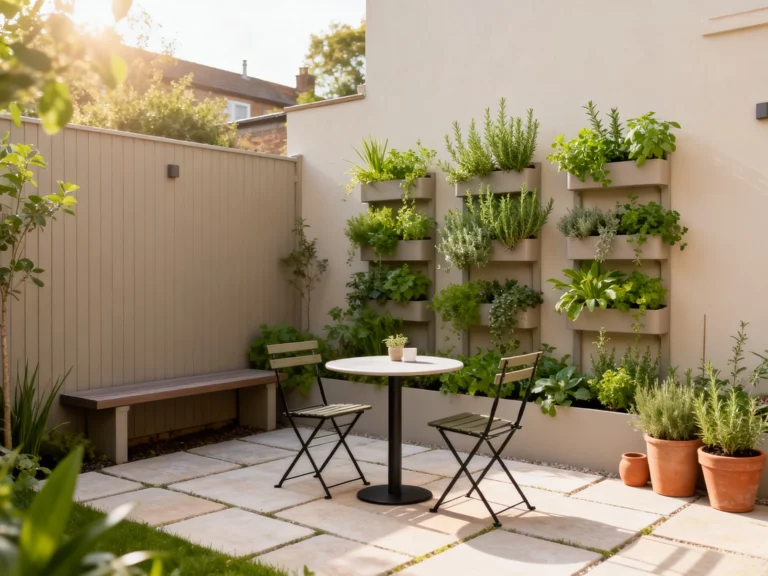
- Vertical planting adds greenery without stealing floor area
- Large format paving can make the space feel less busy
- Mirrors can work, if you place them carefully and avoid the funhouse effect
- Multi use furniture keeps the garden practical without crowding it
Try not to chop a small garden into too many tiny zones. That usually makes it feel cramped. Keep the design simple, then add interest through texture, lighting, and planting.
FAQ
How do I make my back garden look modern on a budget?
Start with the basics: declutter, paint fences in one consistent colour, and simplify the layout. Add gravel, repeat a few easy plants, and choose one focal point like a bench or raised planter. Consistency matters more than cost, so a modest garden with a clear design often beats an expensive one with no direction.
What colours work best in a modern garden?
Neutral tones usually work best. Grey, charcoal, black, white, soft beige, and natural timber create a calm backdrop. Then you can layer in green planting and a few muted accent colours without turning the whole space into a paint sample chart.
Do modern gardens need lots of maintenance?
Not necessarily. A well designed modern garden can actually need less maintenance because it uses simpler planting schemes and durable materials. That said, low maintenance does not mean no maintenance. Nature still shows up uninvited, and weeds love confidence.
Is artificial grass a good idea in a modern back garden?
It can work in some family gardens, but IMO it rarely looks as good as people hope. Real grass, gravel, paving, or planted ground cover usually creates a more convincing and stylish result. If you do choose artificial grass, pick a high quality version and use it sparingly.
What plants make a garden look more contemporary?
Choose plants with strong shapes and repeat them across the space. Ornamental grasses, clipped evergreens, olive trees, agapanthus, verbena, and alliums all suit a modern garden really well. The key lies in grouping and repetition, not just the plant choice itself.
Can I mix modern design with a more natural garden style?
Absolutely, and it often looks better that way. Use modern structure in the hard landscaping, then bring in looser, softer planting to stop the garden feeling too strict. That mix gives you the best of both worlds: clean design and actual personality.
Conclusion
Modern back garden design does not ask for perfection. It asks for a plan, some editing, and the discipline to stop before the space gets overloaded. Keep the layout clear, the materials simple, and the planting intentional, and your garden will feel stylish without trying too hard.
At the end of the day, the best modern garden still feels lived in. It should look good, yes, but it should also welcome muddy shoes, lazy coffee breaks, and the occasional failed attempt at outdoor entertaining. Make it useful, make it calm, and maybe retire that mysterious plastic chair while you are at it.