18 Minecraft Indoor Garden Ideas for Small Bases
You don’t need a sprawling megabase to flex a lush indoor garden. You can tuck heaps of greenery into tiny rooms, squeeze farms into corners, and still keep your place cozy and functional. This guide packs 18 compact ideas that look good, grow well, and prevent you from face-planting off your crop rows. Ready to make your base feel alive?
Why Indoor Gardens Work in Small Bases
Indoor gardens do more than look pretty. They carry your food supply, your vibe, and your bragging rights—all under one roof.
- Safe and stable: You farm without mobs interrupting your carrot plans.
- Compact and layered: You stack crops vertically and cram pots into every nook.
- Easy lighting: You control grow lights with lanterns, glow lichen, or shroomlights.
- Style boost: You give even a tiny base a big personality.
Tiny Planters and Micro Farms
You don’t need a field. You need smart layouts that squeeze productivity into single blocks and corners.
Compact Layout Basics
Keep farmland hydrated within four blocks of water. Place slabs over the water to hide it. Use slabs or fences as borders so you never jump by accident and wreck your soil.
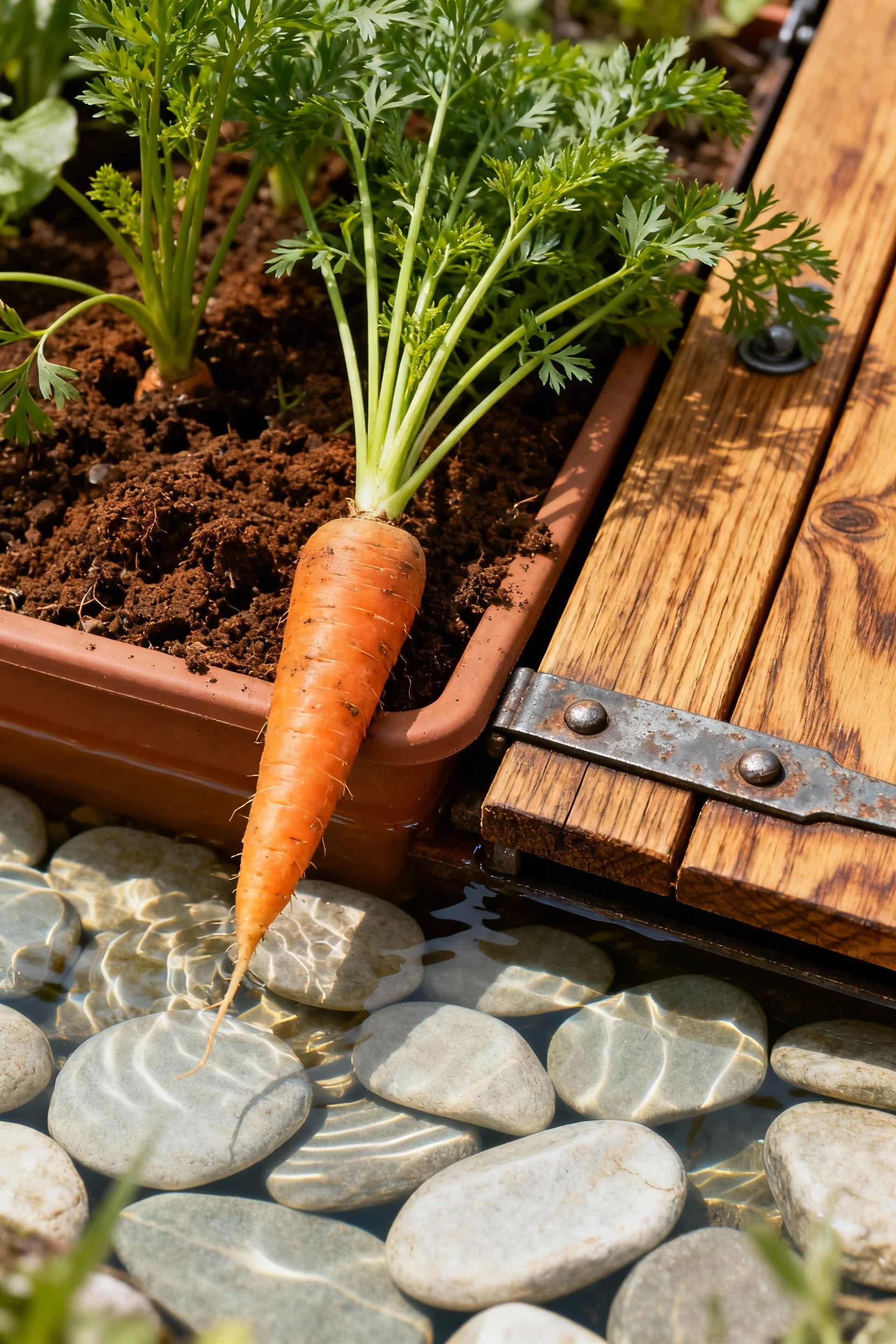
- Single-block planter with a trapdoor rim: Drop one water source, put farmland beside it, and rim the block with oak trapdoors. Plant carrots or potatoes and enjoy the clean, finished look.
- Window box herb garden: Hang flower pots under a window with chains or fences. Pop in ferns, cactus, and saplings for texture. Sugar cane can frame the window if water sits right below. Looks fancy. Works great.
- Corner L-shaped crop patch: Curve two or three farmland tiles around a corner. Hide water under a slab. Add a composter as a rustic “planter.” You pull steady food without hogging floor space.
- Hanging pot rail: Run a line of chains across the ceiling and attach lanterns. Place shelves or trapdoors beneath and set flower pots on them. Small plants, big charm.
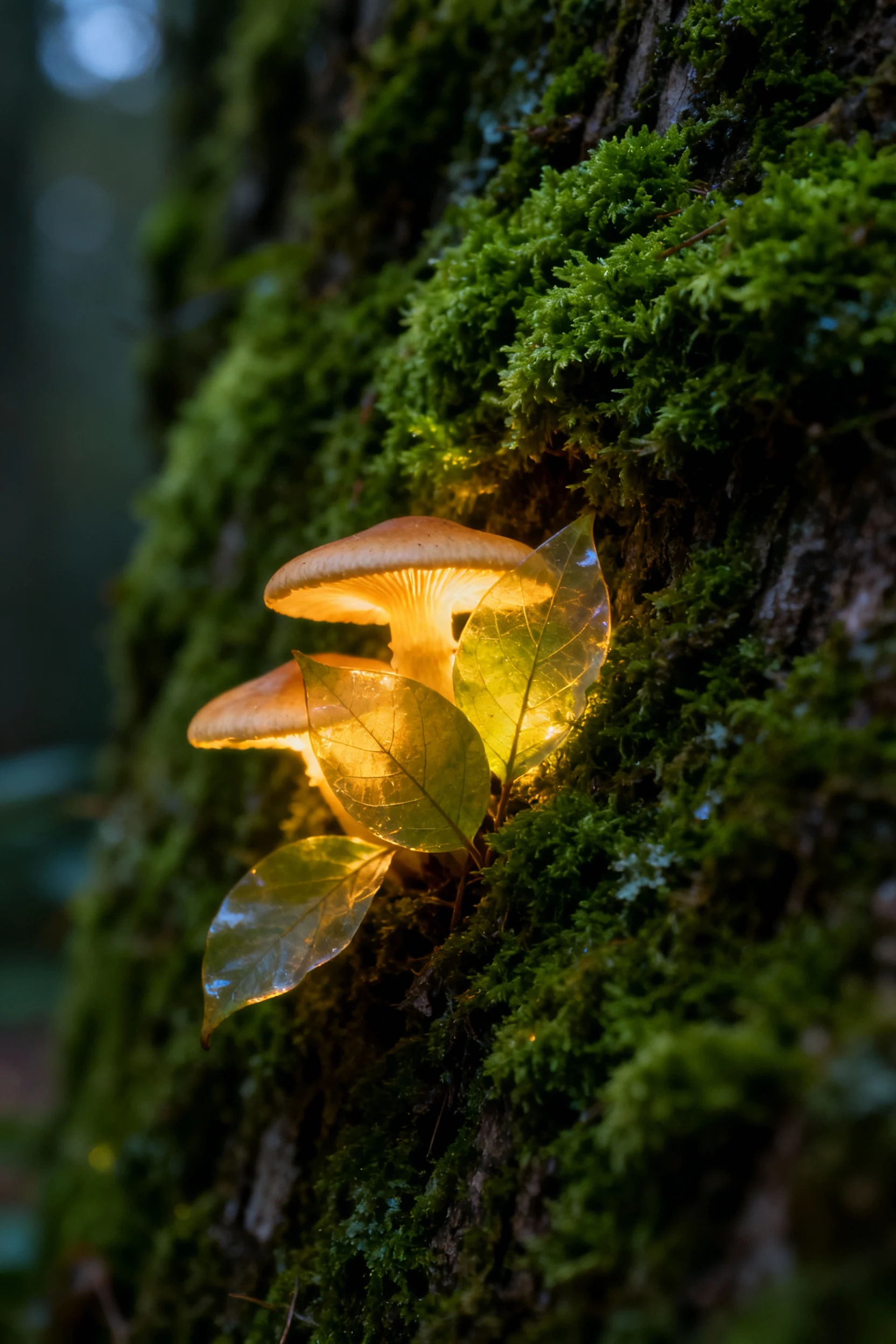
- Mushroom nook: Tuck red and brown mushrooms into a shadowy corner. Use mycelium or podzol if you want zero lighting worries. The moody vibe just hits different.
Pathing and Borders That Prevent Rage
Use stone slabs, moss carpet, or strip logs to mark paths. You never jump on crops by accident. You move faster. Your garden looks tidy, and your sanity stays intact.
Vertical and Wall Gardens
When the floor feels crowded, go up. Wall gardens build texture, color, and function without stealing square footage.
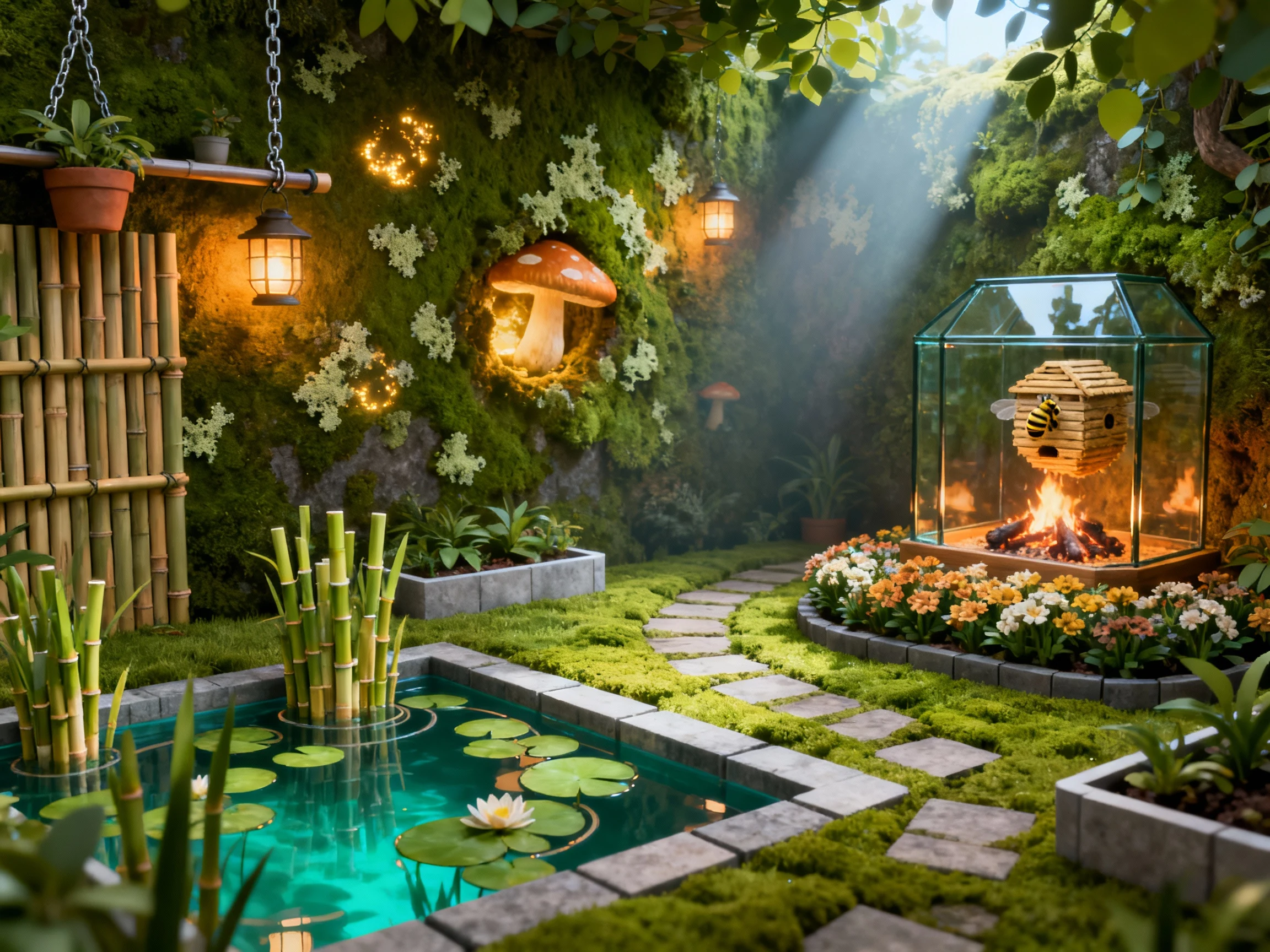
- Moss wall feature: Stack moss blocks with glow lichen and vines. Hide a few shroomlights behind leaves for soft, even lighting. Your wall turns into a living backdrop.
- Crate shelves with farm vibes: Use barrels, composters, and trapdoors as shelving. Stash seeds and hoes. Drop pots on top for the “storage meets studio” energy.
- Dripstone water accent: Hang pointed dripstone over a cauldron to catch water. It doesn’t hydrate crops, FYI, but it looks like a cool indoor “drip irrigation” feature.
- Bamboo ladder trellis: Place bamboo behind ladders or fences to fake a trellis. It grows fast, it looks fresh, and it lifts your walls visually without chaos.
- Wall-mounted pot grid: Build a symmetrical grid with spruce trapdoors and item frames as labels. Slot flower pots in the gaps. You track what grows where without digging through chests.
How to Build a Moss Wall You’ll Actually Love
- Layer moss blocks, leaves, and occasional azalea logs for texture.
- Stick glow lichen in darker corners so you keep light levels without harsh lantern glare.
- Hide shroomlights behind leaf blocks for invisible illumination.
Bamboo Trellis Tips
- Keep bamboo in small clusters to avoid jungle explosions.
- Mix fence types (spruce + oak) for contrast and depth.
- Cap the tops with stairs to look finished and prevent “random sticks” energy.
Water, Light, and Pollination Tricks
Water feels cozy. Light makes things grow. Bees turn flowers into a mini ecosystem inside your base.
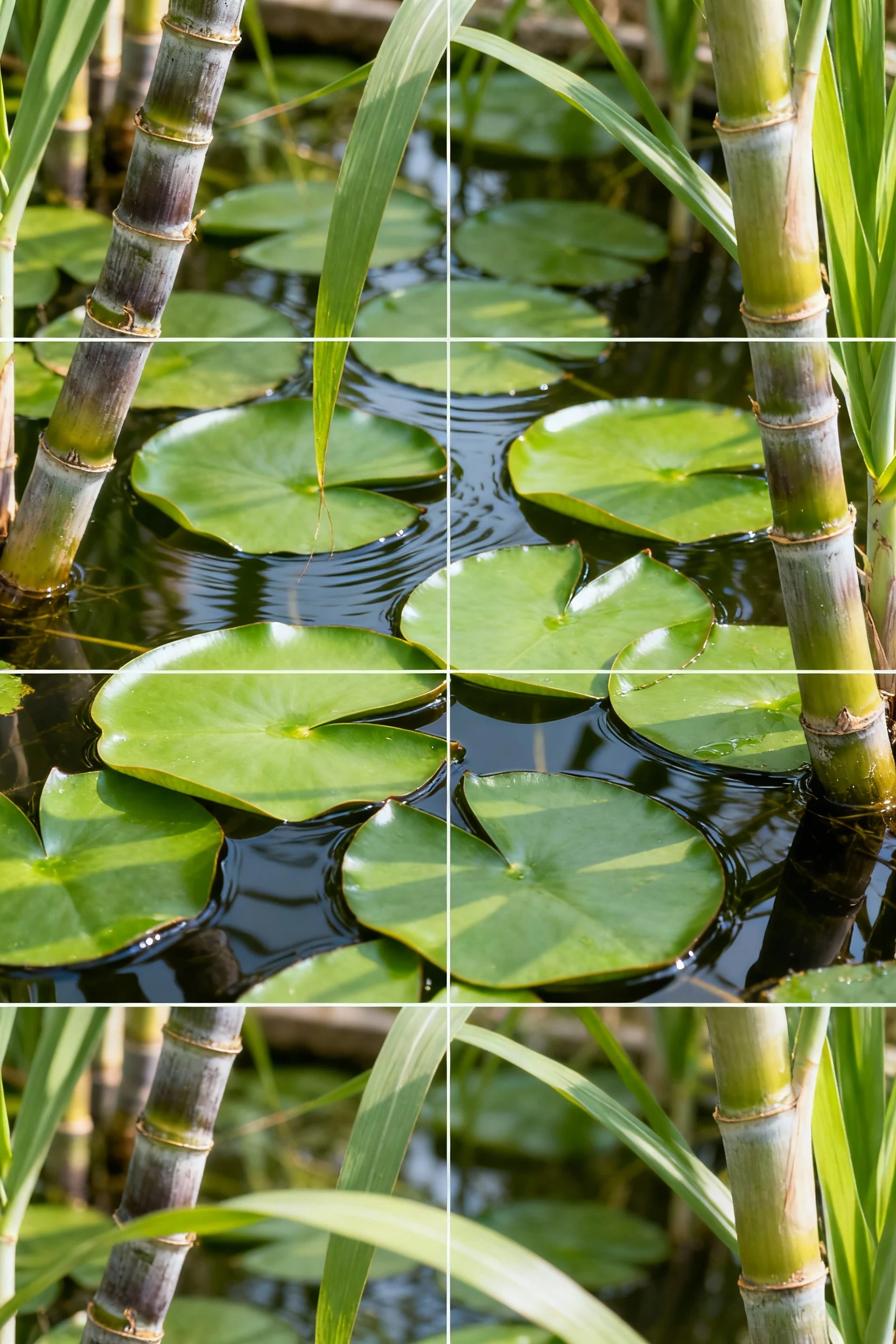
- Indoor lily pond: Dig a 3×3 pond, add lily pads, and ring it with sugar cane as a living border. The pond acts as your water source for nearby farmland, and the sugar cane doubles as paper income.
- Waterfall wall: Run a thin column of water over stone or deepslate behind glass. Route it into a hidden basin. Moss carpet and ferns make the edge feel lush without clutter.
- Skylight sun patch: Cut a glass hole in the roof above a 3×3 crop bed. Tie a daylight sensor to lamps so the garden brightens at dawn. You create a “sunroom” vibe in the smallest footprint.
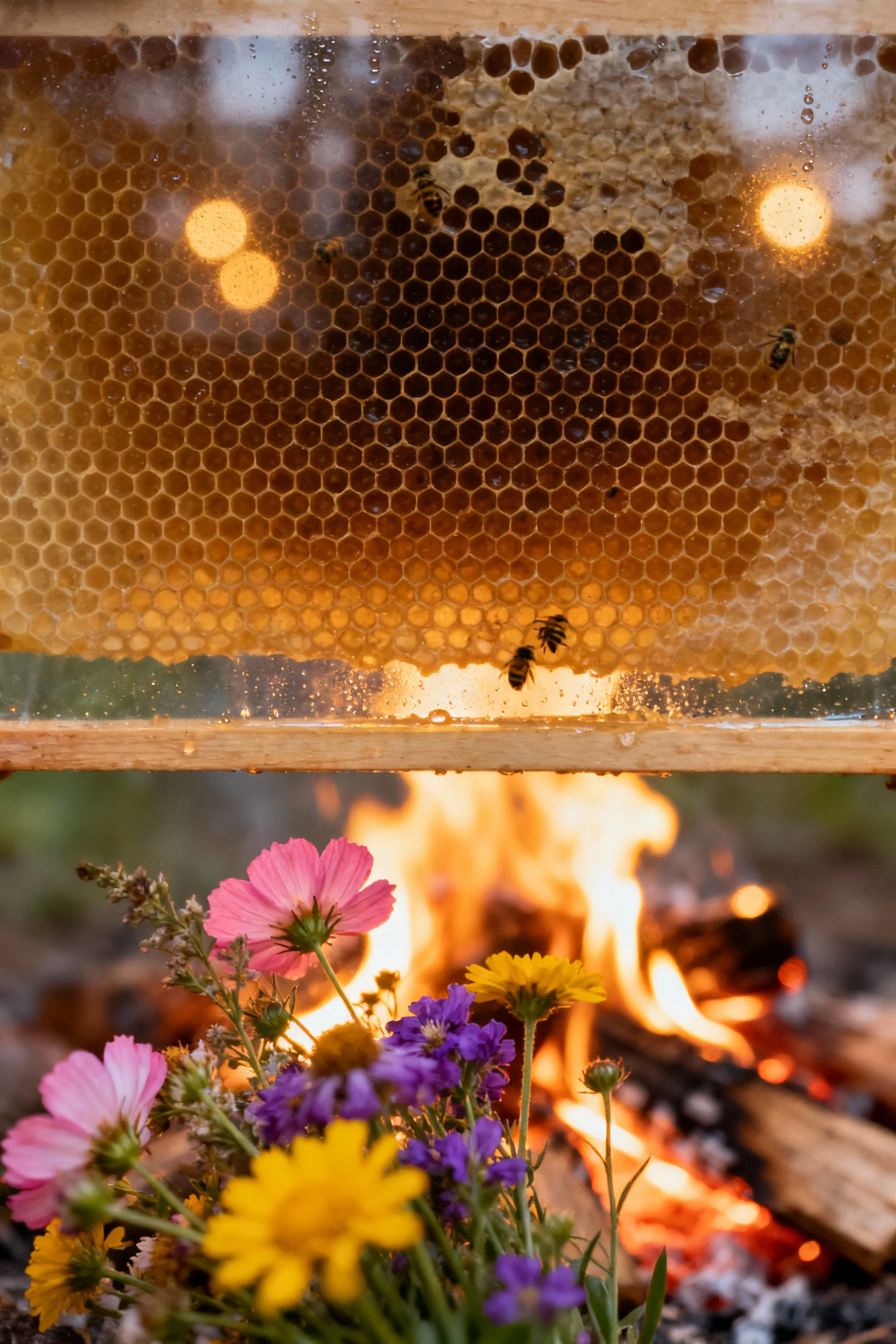
- Bee nook behind glass: Place a beehive, trap flowers inside, and view it through panes. Bees boost crop growth when they pollinate nearby. They stay contained, you stay un-stung, everyone wins.
Safe Bee Setup
- Put a campfire under the beehive when you harvest honey or honeycomb to calm bees.
- Use glass walls and a door so bees never wander into your hallways.
- Plant a tight cluster of flowers near crops to encourage pollination passes.
Functional Harvest Stations in Small Spaces
You can automate a chunk of the grind without turning your base into a noisy factory.
- Bone meal loop with composter: Hopper feeds seeds into a composter. Another hopper pulls bone meal into a barrel. You run waste through the loop, and bone meal pops out for instant growth.
- Semi-auto flush farm: Set a hidden water source behind trapdoors. Flip a lever, water flows, and you collect wheat, carrots, or potatoes. Flip it off, replant, repeat. Clean and quick.
Smart Bone Meal Loop
- Place a hopper into a composter, then another hopper under it into a barrel.
- Feed excess seeds, stems, or old flowers into the top hopper.
- Result: Bone meal on demand for your moss, saplings, and decorative grass.
Flush Farm Tips
- Border the plot with slabs so water doesn’t escape your room.
- Use signs or trapdoors to hold water until you trigger it.
- Stand at a collection trench with hoppers during harvest for zero mess.
Styled Corners and Theme Gardens
Your garden should feel like you, not a generic crop grid. Pick a theme and commit, even in tiny rooms.
- Kitchen herb bar: Line a counter with flower pots holding wheat, carrots, beetroot, and saplings. Add a smoker, cauldron sink, and cutting board (slab + pressure plate). You cook, you harvest, you vibe.
- Bonsai and biomes: Fill pots with saplings to mimic bonsai. Make mini biomes—nether corner with crimson roots and shroomlights, taiga shelf with ferns and spruce, desert tray with cactus and dead bushes. Small space, huge character.
Nether Garden Corner
- Use crimson/warped stems, nylium, and shroomlights for saturated color.
- Mix soul lanterns for cooler light tones.
- Tip: Keep it contained so it doesn’t visually swallow your base.
Lighting Without Killing the Mood
You want grow-friendly light that looks natural. Use these combos:
- Glow lichen + moss carpet for subtle ambient light.
- Lanterns hung over crops so you maintain light level comfortably.
- Shroomlights hidden behind leaves for invisible brightness.
Building Better in Tiny Rooms
Great gardens rely on micro design choices. They don’t demand massive space. They demand intention.
Use Layers
Stack shelves above chest lines. Hang pot rails over door frames. Build one-block planters under stairs. You turn dead space into green space.
Mix Blocks Wisely
Pair wood tones—spruce with dark oak—for warmth. Use deepslate or stone for grounding. Pop color with azalea leaves and flowers. Your garden feels curated, not thrown together.
Hide the Tech
You can tuck water behind trapdoors, route hoppers under floors, and mask lamps behind leaves. Function stays invisible while the plants take center stage.
Always Plan Pathing
Route a clean loop with slabs, moss, or carpet so you move smoothly. You harvest faster. You avoid crop damage. You feel like you organized your life a tiny bit (which IMO counts).
FAQ
How do I stop trampling my crops in small spaces?
Border every farm tile with slabs, fences, or carpet so you never jump on soil. Keep a dedicated path that runs through the garden and never crosses rows. You remove the chance of accidental hops and save your farmland from those “why is this dirt again” moments.
What lighting works best without ruining the vibe?
Mix subtle sources: glow lichen along walls, shroomlights behind leaves, lanterns hung from chains over plots. Keep light level high enough for growth and use layered lighting so your room looks cozy, not blinding. FYI, you don’t need torches everywhere (your eyes will thank you).
Can I keep bees indoors safely?
Yes. Enclose the beehive behind glass and keep a campfire under it when you harvest. Plant a tight flower bed near crops so bees pollinate efficiently. Use a door or trapdoors as access so bees never escape into your hallways or meeting room like tiny flying chaos gremlins.
What crops give the most value in small gardens?
Carrots and potatoes carry you for food. Wheat supports breeding and early bread. Sugar cane feeds your paper/books setup. Add a few flowers for bees and aesthetic. You can sneak in nether sprouts or mushrooms for texture if you care more about looks than calories (IMO a valid choice).
How early can I build an indoor garden?
Immediately. You only need a water bucket, a light source, and a few seeds or saplings. You can expand later with moss blocks, barrels, and lanterns. Start tiny, then stack features as you collect more materials.
How do I keep it pretty without killing performance?
Limit entities like item frames, armor stands, and mobs. Use blocks for decor—trapdoors, stairs, leaves—over entity-heavy options. Keep water and lighting straightforward. You get a smooth base that still looks amazing.
Conclusion
Small base, big garden energy. These 18 ideas pack function, texture, and life into tight rooms without turning your home into a laggy jungle. Pick two or three to start, then layer more as your style (and seed stash) grows. Your crops will thrive, your base will feel alive, and you’ll never settle for boring hallways again.