japanese rock garden design
A Japanese rock garden looks simple at first glance, and that’s exactly why it grabs people. A few stones, some gravel, maybe a patch of moss, and suddenly your brain quiets down a little. That stripped-back style isn’t random, though. Japanese rock garden design relies on careful choices, subtle symbolism, and a lot of restraint, which, let’s be honest, feels almost heroic in a world that loves overdecorating everything.
What makes a Japanese rock garden feel right?
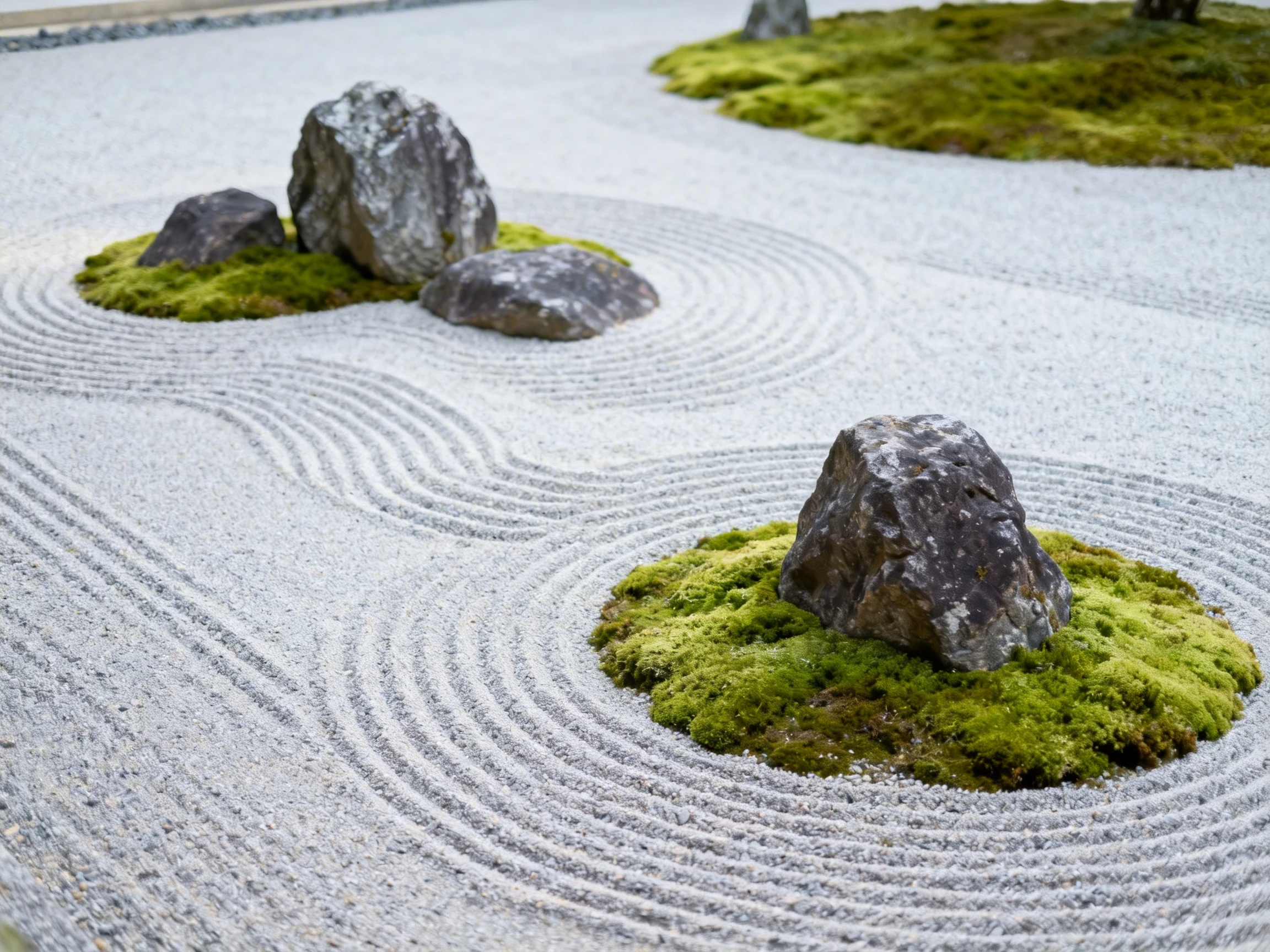
A Japanese rock garden, often called a karesansui, uses rocks, gravel, sand, and sometimes moss to suggest landscapes without copying them literally. You won’t find a bunch of flashy flowers fighting for attention. Instead, you get a calm composition that hints at mountains, islands, rivers, or open water.
The magic comes from suggestion rather than explanation. A rock can stand in for a mountain. Raked gravel can become flowing water. Empty space matters just as much as the objects you place in it, which feels weird at first if you grew up thinking every corner needs a plant pot and a cute lantern.
Good Japanese rock garden design also leans hard on balance, asymmetry, and natural forms. Things should look intentional but not stiff. If it starts looking like you lined up stones with a ruler and a grudge, something went wrong.
The core design principles
You don’t need to memorize a philosophy textbook, but a few ideas help a lot. Asymmetry keeps the garden natural and dynamic. Simplicity prevents visual clutter. Balance makes the space feel grounded without turning it into a perfect mirror image.
Another big one involves ma, or the use of negative space. Empty areas give the eye room to rest and help the main features stand out. IMO, this principle does most of the heavy lifting in a rock garden. People often add too much, then wonder why the whole thing loses that quiet, elegant vibe.
Start with the bones: rocks, gravel, and layout
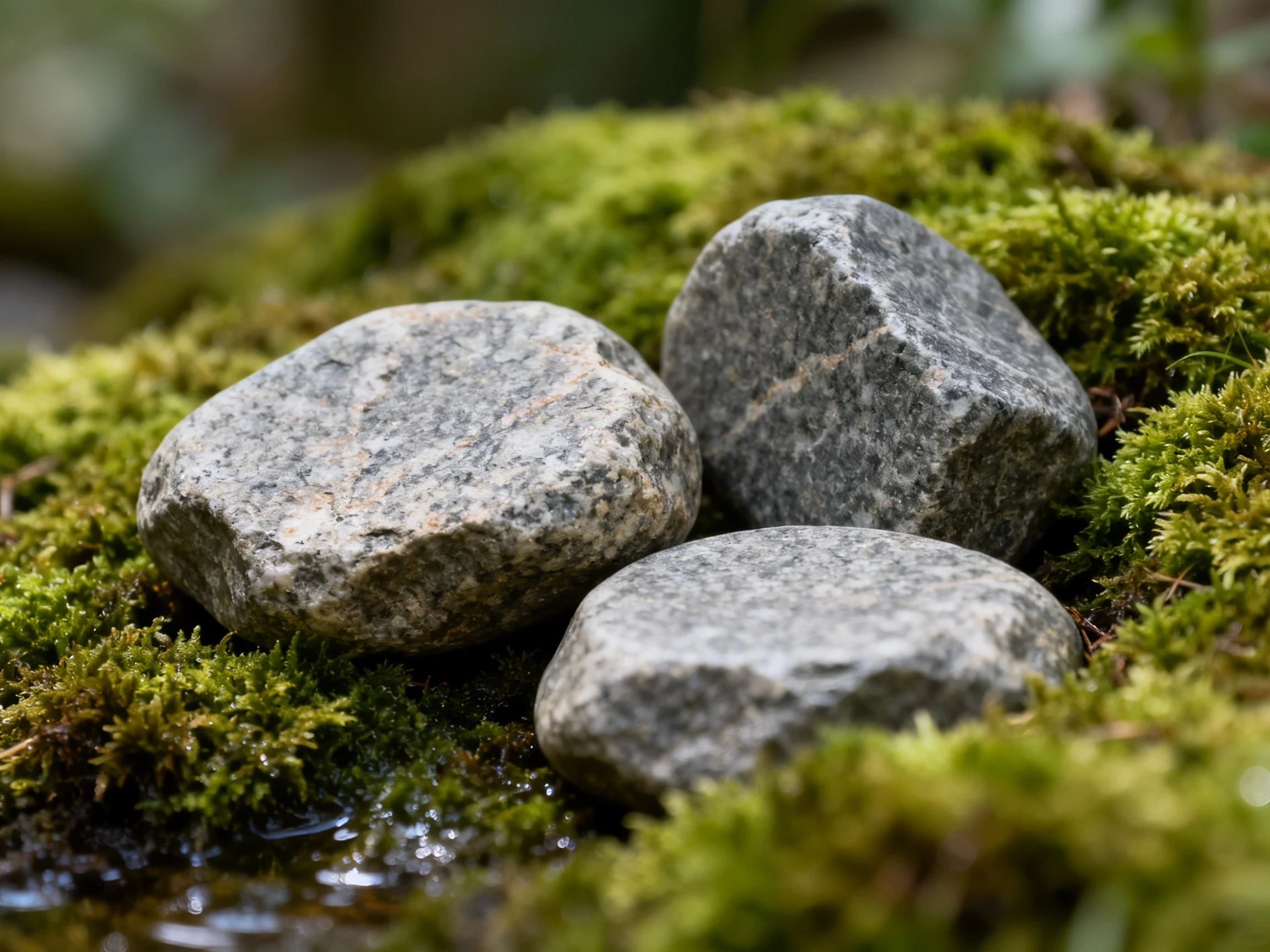
If you want this style to work, begin with the hardscape. Rocks serve as the backbone of the design, not just random decorative chunks you grabbed from the side yard. Their size, shape, orientation, and grouping all matter.
Pick rocks that look natural together. They should share similar color tones or textures, even if their sizes differ. A mix of wildly different stones can make the garden feel like a geological garage sale, and nobody wants that.
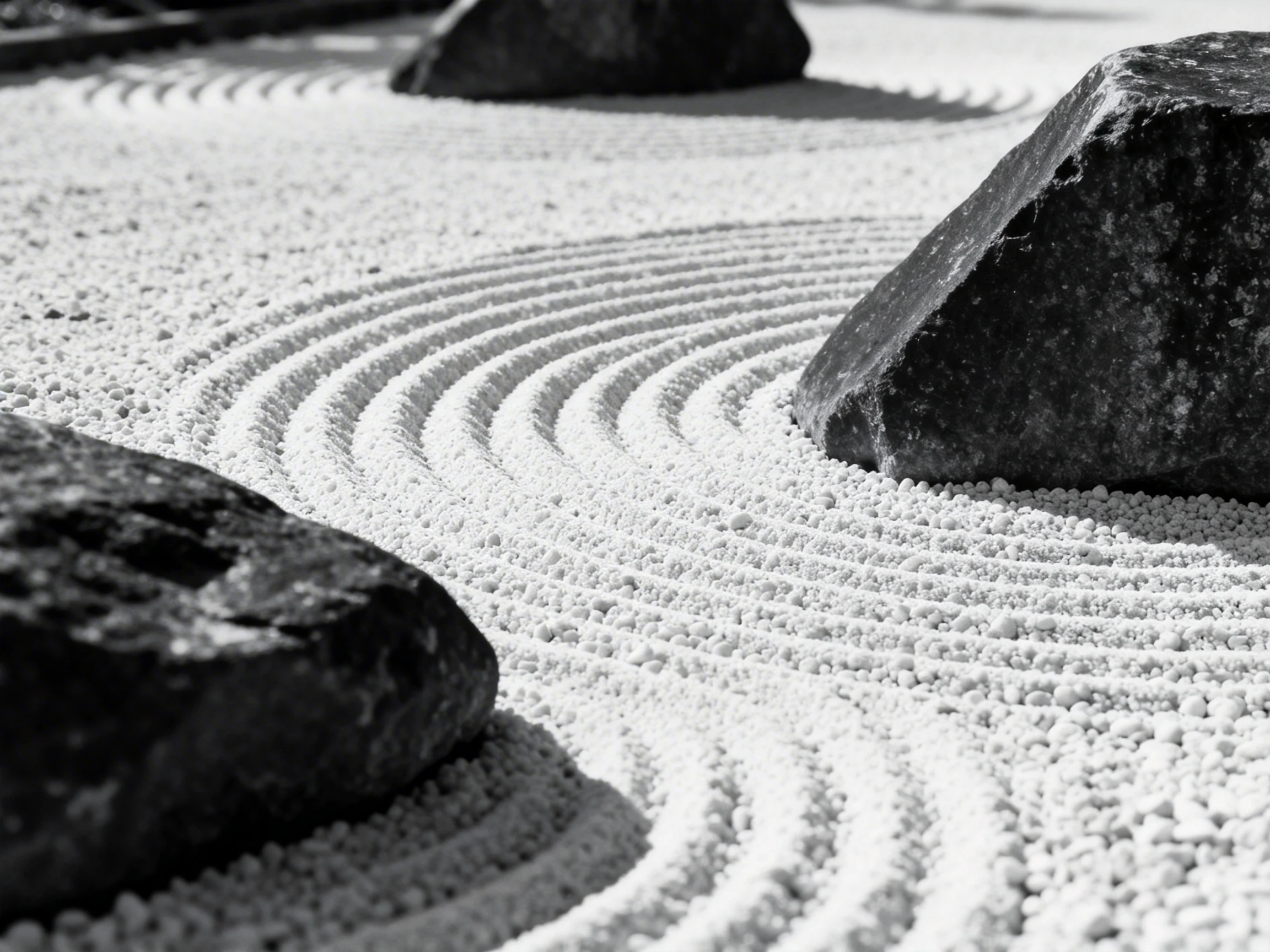
Gravel or sand fills the space around the rocks and creates the “water” effect. Fine gravel works well because it rakes cleanly and holds patterns better than chunky stone. Light colors often create a calm, open feeling, while darker gravel gives the garden more weight and drama.
How to place rocks without making it awkward
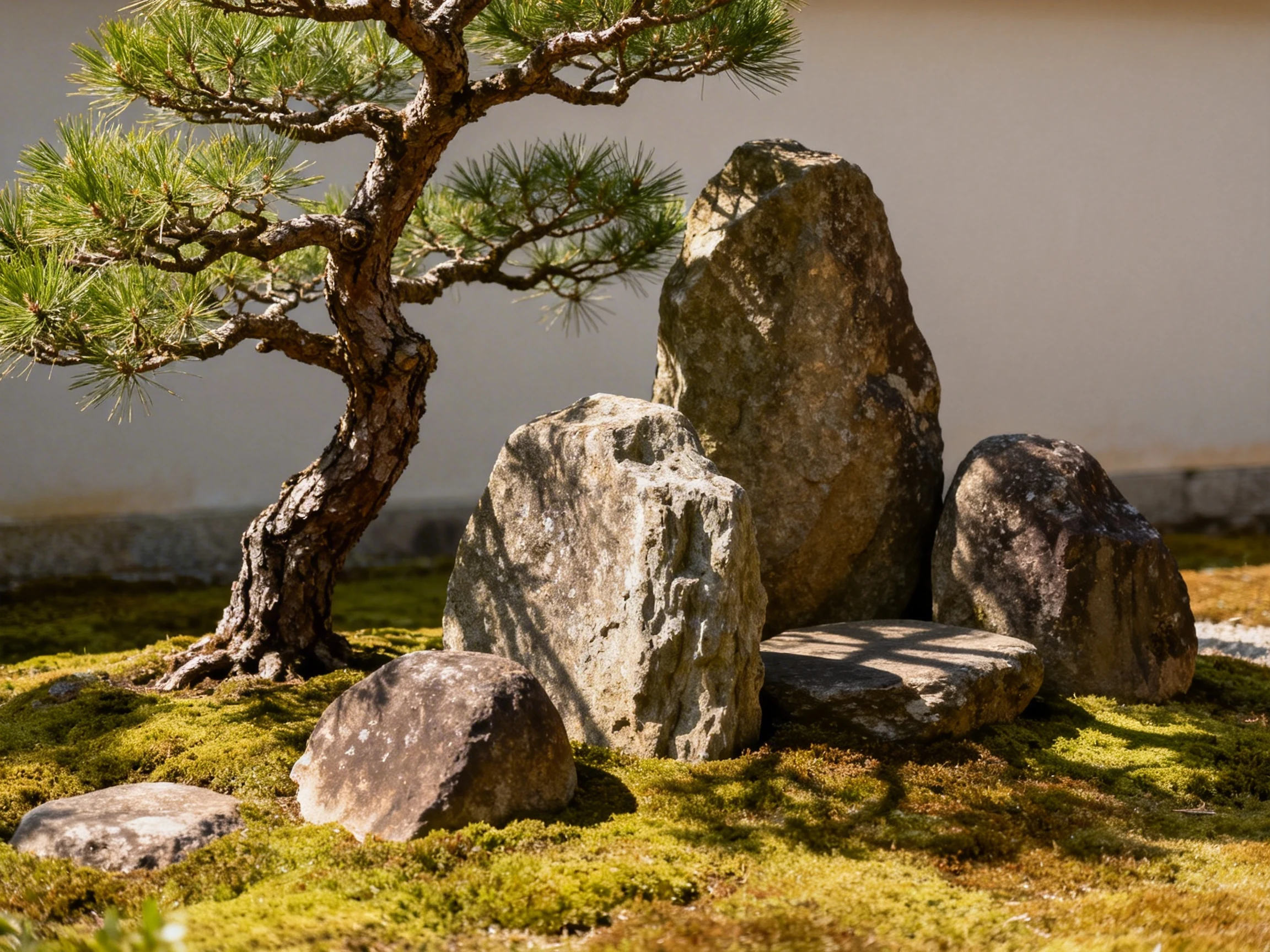
Japanese rock garden design usually groups stones in odd numbers, often threes. A common arrangement uses one taller stone and two smaller supporting stones. This setup creates hierarchy and movement, which sounds fancy, but really just means your eye knows where to go.
Set stones deep enough into the ground so they feel anchored. A rock sitting on top of the soil looks temporary, like it forgot to unpack. Tilt some stones slightly to avoid a staged look, but don’t force weird angles just to seem artistic.
Try viewing the layout from the main seating or standing point. Traditional rock gardens often focus on a specific viewpoint, so the composition feels complete from that angle. FYI, this step saves you from building a garden that looks amazing from above and slightly confused from where humans actually stand.
Raking patterns that actually add something
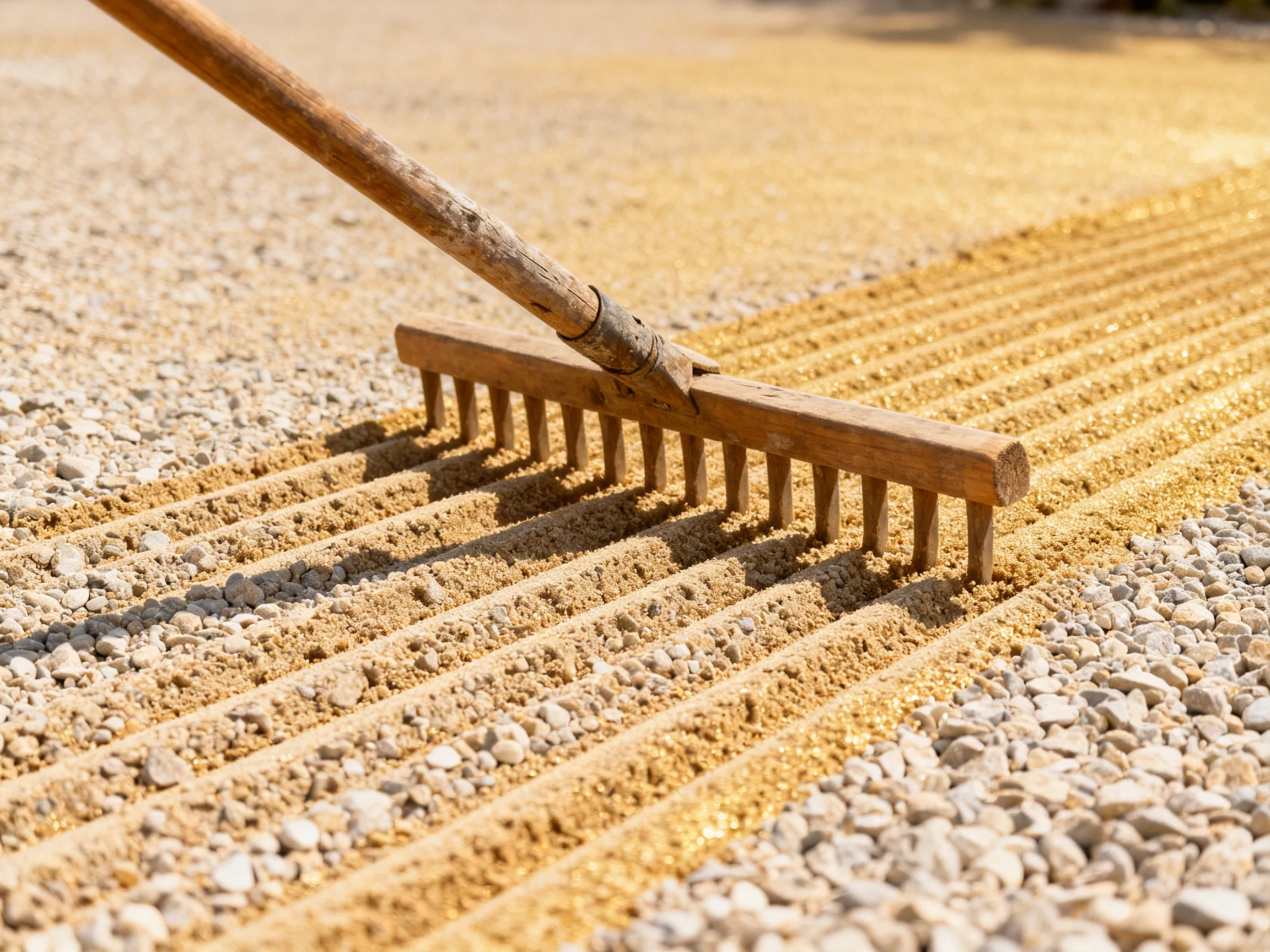
Raked gravel patterns should support the composition, not steal the whole show. Straight lines can suggest calm water. Curving or circular lines around rocks can create the impression of ripples flowing around islands.
Keep the pattern clean and consistent. If your rake lines wobble like a shopping cart with one bad wheel, just smooth it out and start again. The process itself matters, too. Many people find raking meditative, which sounds cheesy until you try it and realize your shoulders dropped for the first time all week.
Plants play a small role, but they still matter
A true Japanese rock garden doesn’t depend on lush planting. Still, carefully chosen greenery adds softness and age to the hardscape. Moss, low groundcovers, clipped shrubs, and occasional small trees can support the design without taking over.
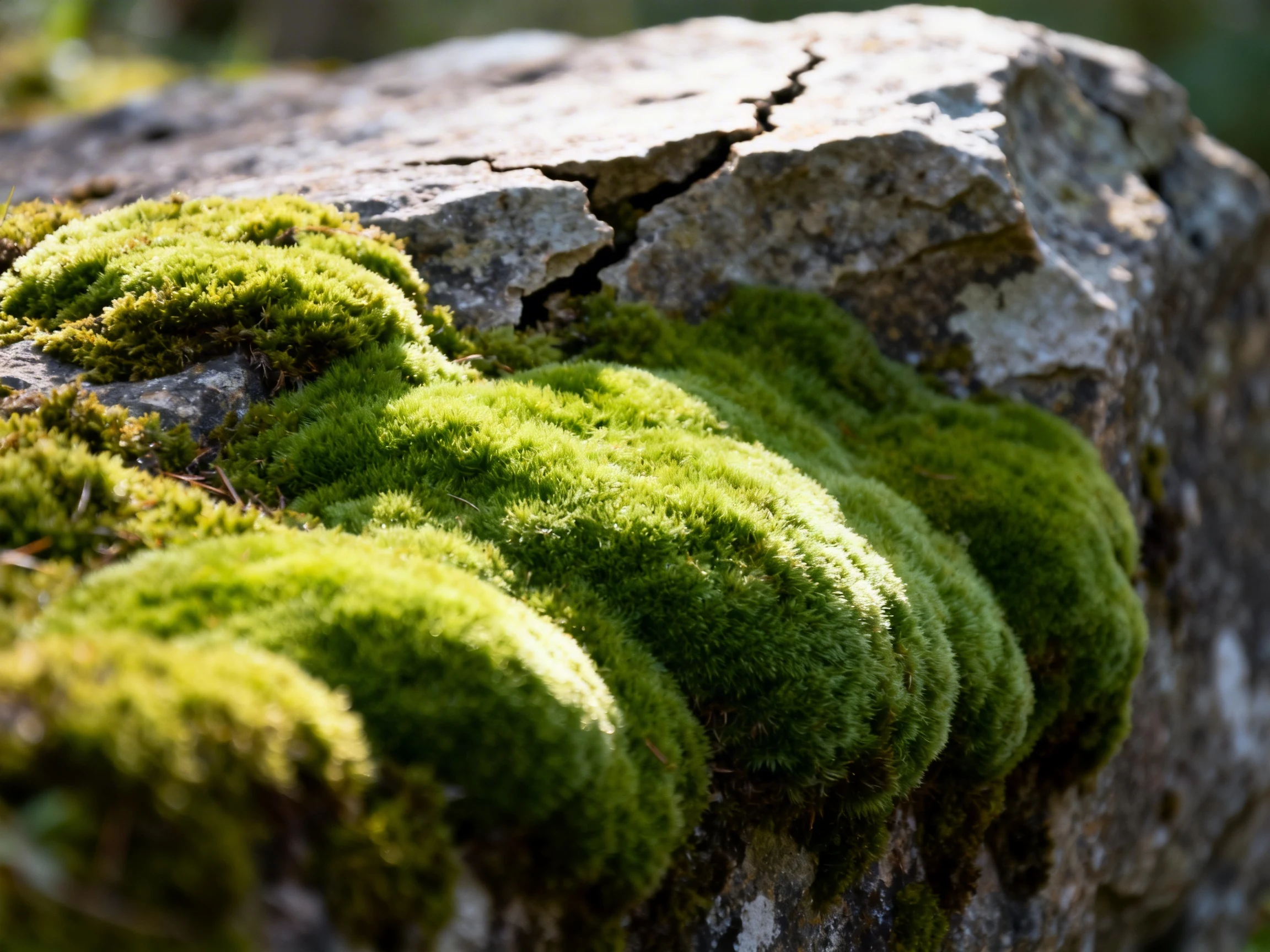
Moss works especially well because it creates a sense of quiet maturity. It softens rock edges and adds color without screaming for attention. If you live somewhere dry, though, don’t torture yourself chasing a moss fantasy that your climate clearly hates.
Small evergreens, dwarf pines, or shaped shrubs can help frame the scene. Keep them restrained and prune them regularly. The point involves creating structure and subtle contrast, not building a mini jungle around your stones.
What to avoid with planting
Skip bright annual flowers, messy tropicals, and anything that grows like it holds a personal grudge against your layout. Loud color can pull the eye away from the rocks and gravel. In this style, less really does more.
Avoid stuffing every gap with plants just because bare ground feels unfinished. Empty space belongs here. Let the composition breathe. Your garden doesn’t need to prove it paid for the whole nursery.
Scale, proportion, and the mood of the space
Japanese rock garden design works in tiny courtyards, side yards, and larger landscapes, but scale changes everything. In a small space, one strong rock grouping and a clean gravel field often work better than a dozen features competing for attention. Small gardens need confidence, not clutter.
In larger areas, you can create a broader sense of journey and depth. Use gravel expanses, grouped stones, and subtle planting to guide the eye from foreground to background. The goal involves making the space feel larger and calmer, not just emptier.
Proportion matters more than quantity. A huge boulder in a postage-stamp yard can look ridiculous unless the whole design supports it. On the flip side, tiny stones in a big open space can feel timid and lost, like they showed up to the wrong party.
Borrowed scenery and visual framing
One beautiful trick in Japanese gardens involves shakkei, or borrowed scenery. That means using views beyond your garden, like trees, a fence line, or even a distant hill, as part of the composition. You don’t always need more stuff inside the garden if the background already helps tell the story.
Use walls, fences, or hedges to control the view and remove distractions. A Japanese rock garden loses some charm when the eye lands on a bright plastic kiddie pool or a grill cover flapping in the wind like a haunted tarp. Frame what helps, hide what doesn’t.
Common design mistakes people make
The biggest mistake? Doing too much. People hear “Zen” and somehow end up with statues, bridges, lanterns, bamboo fencing, five kinds of pebbles, and a tiny waterfall squeezed into six feet of yard. Calm disappears fast when every accessory starts yelling.
Another common problem involves symmetry. Perfectly centered layouts and evenly spaced elements can feel stiff and lifeless. Japanese rock gardens thrive on controlled irregularity. You want harmony, not a military parade.
Cheap materials can also sabotage the look. Artificially colored gravel, glossy decorative stones, and flimsy ornaments often clash with the quiet natural style. Spend money on a few solid materials instead of a mountain of gimmicks.
A quick reality check before you build
Ask yourself what kind of maintenance you actually plan to do. Gravel needs occasional raking. Leaves need clearing. Shrubs need pruning. If you hate every one of those tasks, keep the design very simple so it stays attractive without becoming your weekend enemy.
Also think about drainage and weed control before you place anything. Install a proper base, use landscape fabric if it fits your approach, and edge the space cleanly. Boring prep work doesn’t look glamorous on social media, but it keeps the garden from turning into a patchy gravel mess by month three.
How to create one at home without losing your mind
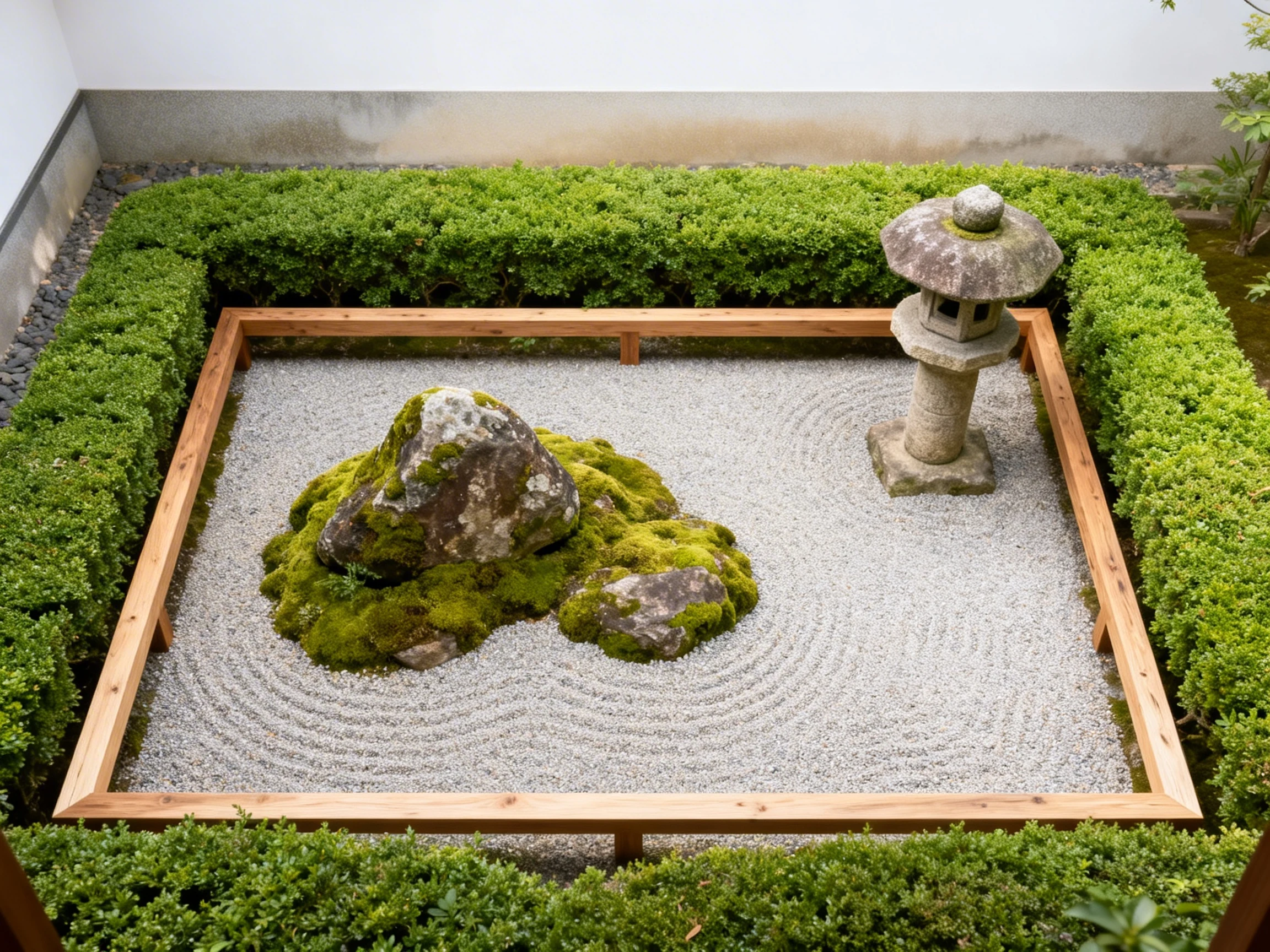
You don’t need a temple-sized budget or a design degree to build a small Japanese rock garden. You just need a plan, a little patience, and the self-control to stop adding things. Honestly, that last part challenges most people more than moving the rocks.
Start by choosing a clear viewing area and sketching a simple layout. Decide where the main rock grouping goes, where the gravel field sits, and whether you want any moss or shrubs. Keep the shape clean and the material palette tight.
- Clear the site and fix drainage problems.
- Install edging to define the garden.
- Lay the base and weed barrier if needed.
- Place the largest rocks first and anchor them well.
- Add gravel or sand around the stones.
- Introduce minimal planting only where it helps.
- Rake patterns last, once everything else feels settled.
Step back often while you work. Walk away, come back, and check the balance again. A small shift in one stone can change the entire composition, which sounds dramatic, but in this case it’s true.
If you feel unsure, copy the spirit of traditional designs instead of trying to replicate a famous temple garden stone for stone. That usually ends better. A modest, well-composed garden feels more authentic than a forced “masterpiece” built from panic and Pinterest.
FAQ
What is the main purpose of a Japanese rock garden?
The main purpose involves creating a place for quiet reflection through simple, symbolic design. Rocks, gravel, and space work together to suggest natural landscapes in an abstract way. It’s less about decoration and more about mood, focus, and calm.
Do Japanese rock gardens need plants?
No, they don’t need many plants, and some use very few. Moss, low shrubs, or small evergreens can support the composition, but rocks and gravel do most of the visual work. If you add plants, keep them restrained and intentional.
Can I build a Japanese rock garden in a small backyard?
Absolutely. Small spaces often suit this style really well because the design already values simplicity and strong composition. Focus on one or two stone groupings, clean gravel, and limited planting, and you can create a powerful effect without much room.
What kind of gravel works best?
Fine gravel or crushed granite usually works best because it rakes nicely and creates crisp patterns. Choose a natural-looking color that fits the stones and surrounding space. Avoid brightly dyed materials unless your goal involves making garden purists faint.
How often should I rake the gravel?
Rake it whenever the pattern starts looking messy from wind, rain, pets, or foot traffic. Some people rake weekly, while others do it only when they want the garden to look especially polished. There’s no strict rule, so do what fits your space and patience level.
Is a Japanese rock garden the same as a Zen garden?
People often use the terms interchangeably, and in casual conversation that’s usually fine. Strictly speaking, many “Zen gardens” refer to Japanese dry landscape gardens with roots in temple settings and meditation culture. For home design, the practical ideas overlap a lot, so you don’t need to stress over the label too much.
Conclusion
Japanese rock garden design looks effortless, but it depends on restraint, intention, and a sharp eye for balance. When you choose materials carefully and keep the layout simple, the whole space starts to feel calm in a way that flashy gardens rarely manage. Start small, trust negative space, and remember: if you feel tempted to add one more decorative thing, you probably shouldn’t.