japanese garden design
Japanese garden design looks calm, but it never feels boring. That’s the magic. A good Japanese garden can turn a plain yard into a place that slows your brain down in about thirty seconds, which feels almost suspiciously effective. If you want a space that feels thoughtful, natural, and a little poetic without screaming for attention, you’re in the right place.
What makes Japanese garden design so different?
Japanese garden design doesn’t chase flashy color explosions or giant flower beds that demand applause. It aims for balance, restraint, and meaning. Every stone, plant, and path choice matters, and yes, that sounds intense, but it actually makes the space feel easier to enjoy.
The big idea centers on harmony with nature, not control over it. You shape the garden, but you also let it breathe. Instead of forcing everything into perfect symmetry, you lean into asymmetry, texture, and quiet contrast.
That’s why these gardens feel so grounded. They often borrow from natural landscapes like mountains, rivers, forests, and islands. Even a tiny backyard can suggest a much larger world, which is honestly a neat trick for a patch of dirt behind a fence.
The core philosophy
At the heart of it, Japanese garden design values simplicity, symbolism, and stillness. You don’t cram in ten focal points and hope for the best. You create one mood and support it with careful choices.
You’ll also hear people talk about wabi sabi, which celebrates imperfection and age. Moss on a stone? Great. A weathered lantern? Even better. If something looks a little too shiny and brand new, it can feel out of place fast.
Less really does more
This style rewards restraint. One well placed rock can do more than a dozen random decorations from the garden center. IMO, that’s part of the appeal because you stop buying clutter and start paying attention.
The essential elements of a Japanese garden
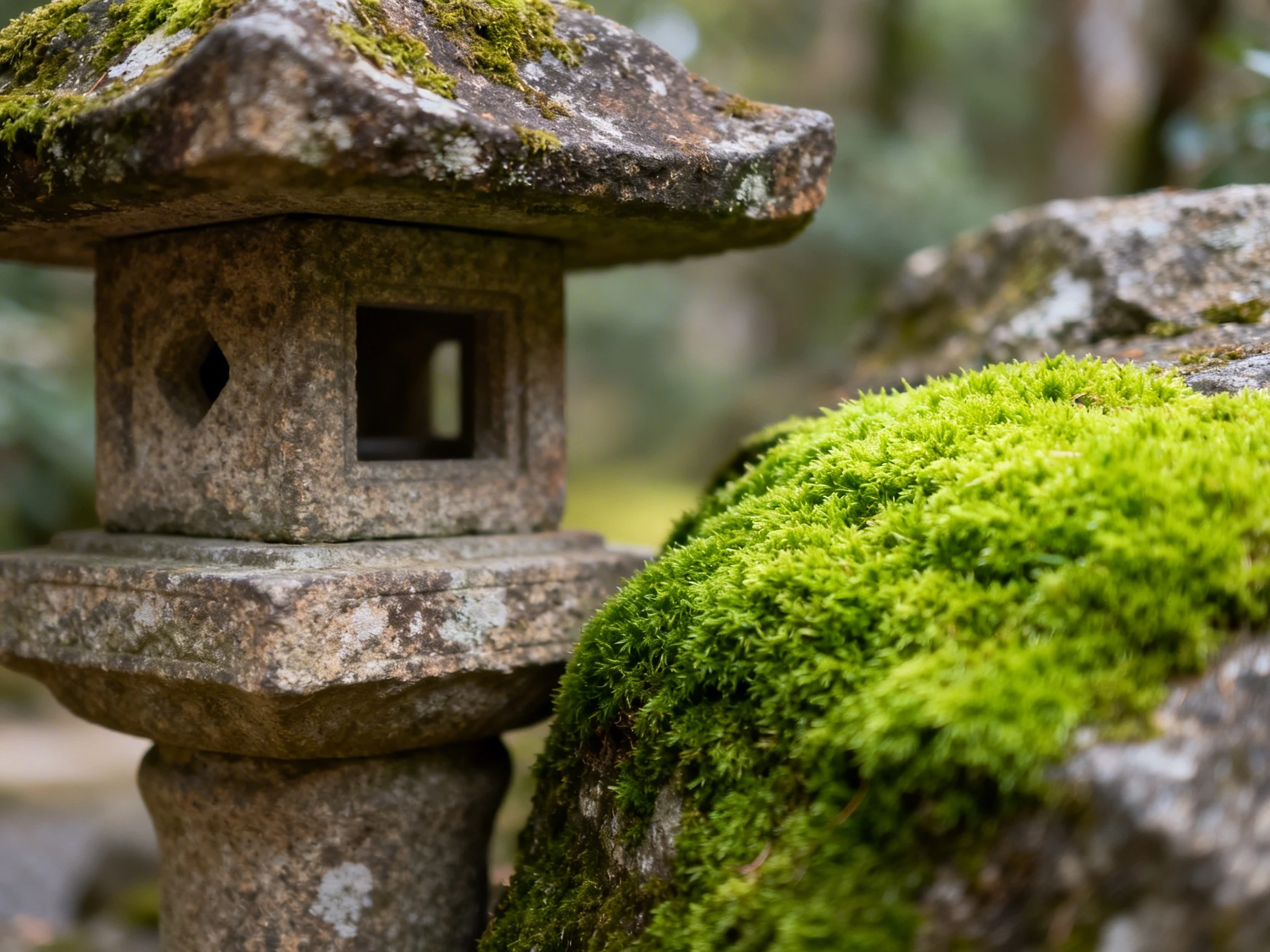
You don’t need a huge estate or a private bamboo forest to get this look. You just need a few key elements that work together. The trick lies in choosing them carefully and placing them with intention.
- Stone for structure, permanence, and symbolism
- Water or gravel to suggest flow and movement
- Plants for seasonality, softness, and subtle color
- Paths to guide movement and slow people down
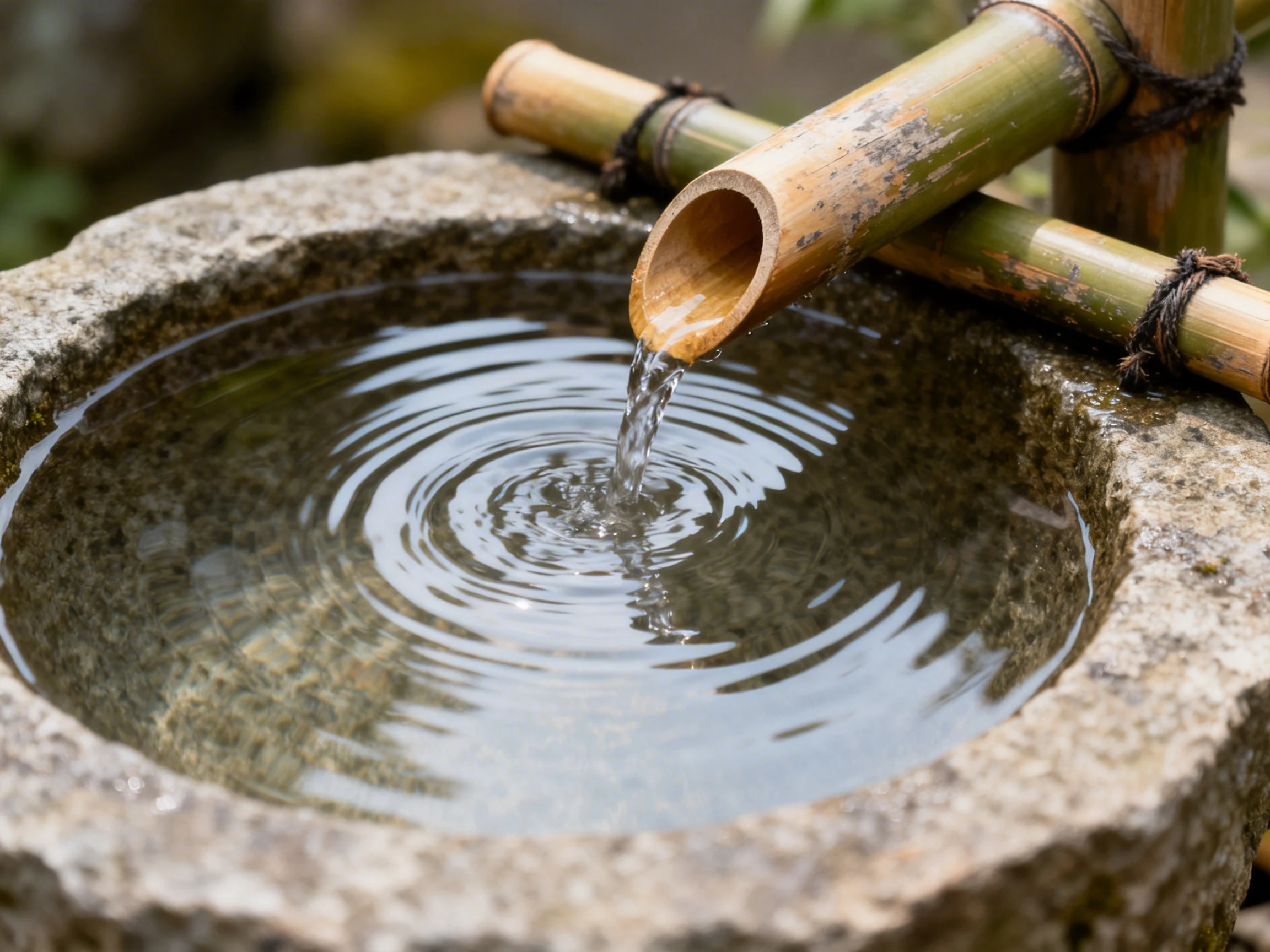
- Lanterns, basins, or bridges as quiet accents
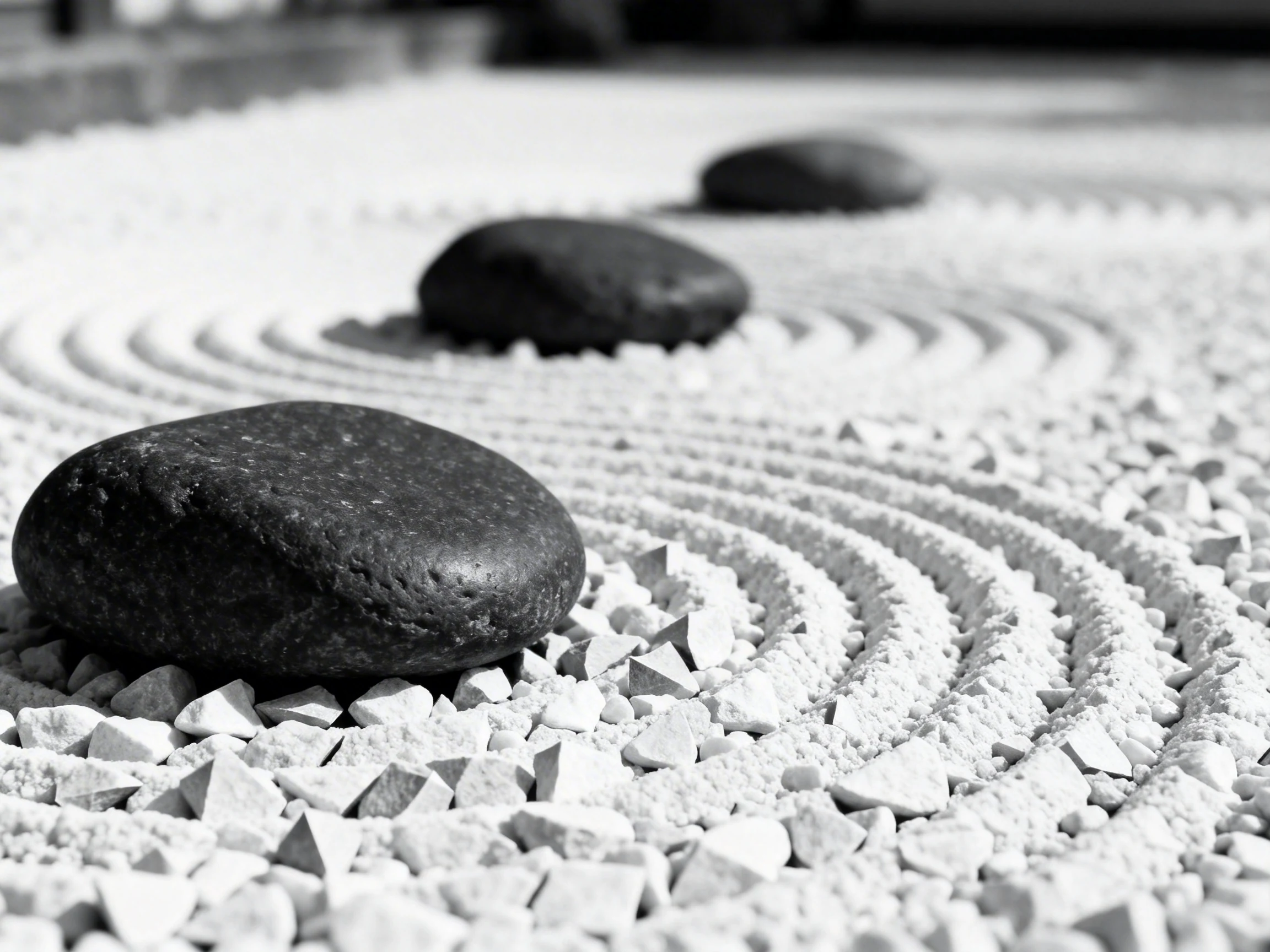
Stone usually anchors the whole design. Large rocks can represent mountains or islands, while gravel can mimic water. Raked gravel especially adds that calm, meditative vibe, and it looks amazing until a squirrel decides to become an abstract artist.
Water brings life and sound. A pond, stream, or simple stone basin can shift the mood completely. If actual water feels like too much maintenance, dry gardens use gravel and rock to suggest water without adding pumps, algae drama, or mosquito politics.
Plants stay understated. You’ll often see moss, pine, maple, bamboo, azalea, and carefully pruned shrubs. The goal isn’t loud color everywhere. The goal is texture, shape, and seasonal change.
Popular types of Japanese gardens
Not every Japanese garden follows the same formula. Different styles create different moods, and that gives you room to adapt the concept to your space. So what kind of garden actually fits your yard and your patience level?
Zen rock gardens
Zen gardens, also called dry landscape gardens, strip things back to the essentials. They use rocks, gravel, and very few plants. You rake patterns into the gravel to suggest ripples in water, which sounds simple because it is, but it still looks incredibly intentional.
This style works well in small spaces and suits people who love clean lines and quiet atmosphere. It also helps if you enjoy repetitive tasks that feel weirdly soothing. Raking gravel counts, FYI.
Tea gardens
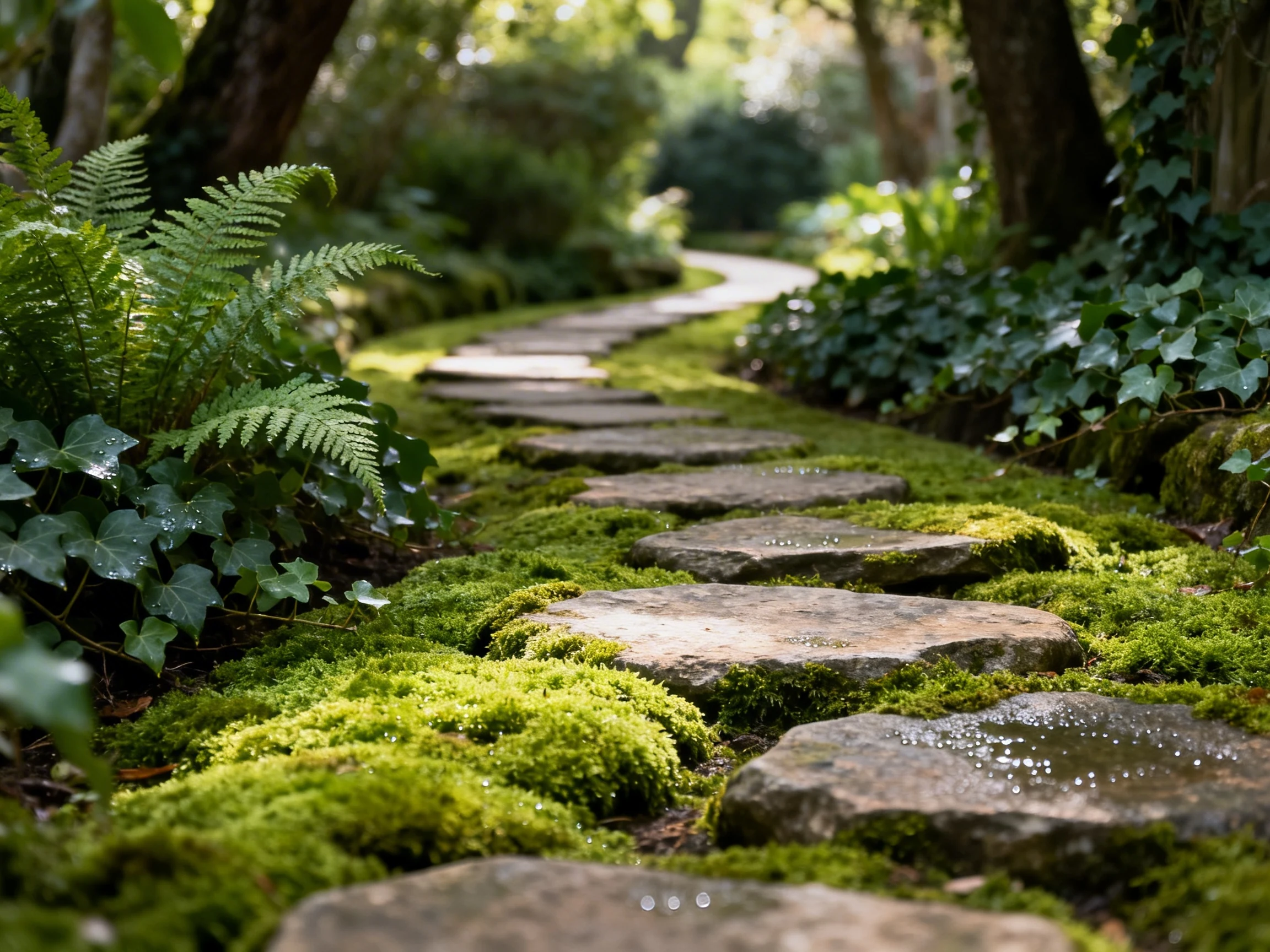
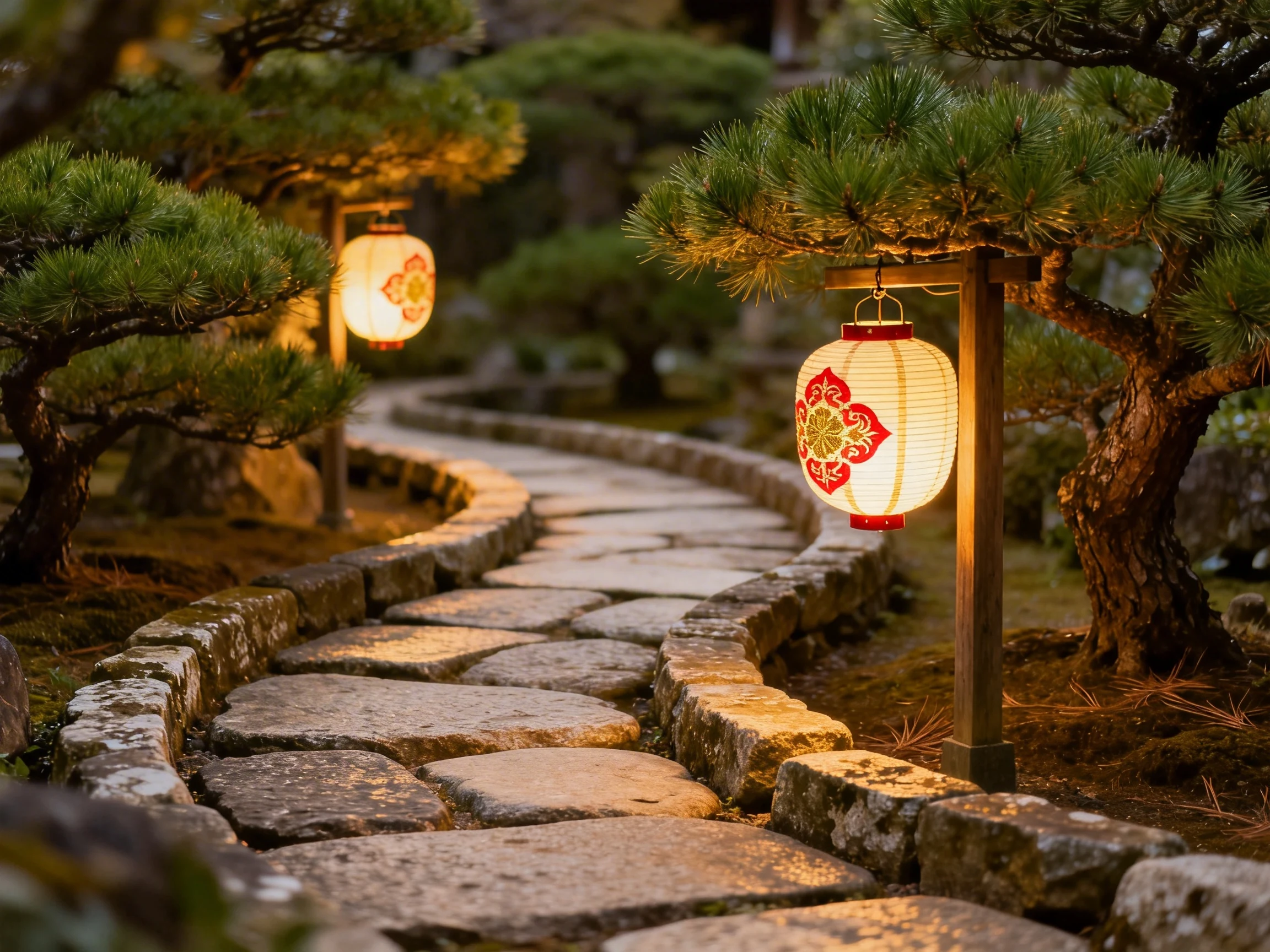
Tea gardens guide visitors along a path toward a tea house or a symbolic destination. They feel intimate, shaded, and reflective. Stepping stones, moss, lanterns, and a water basin often play major roles here.
The journey matters as much as the destination. You don’t just glance at a tea garden. You move through it slowly and notice details as they reveal themselves.
Stroll gardens
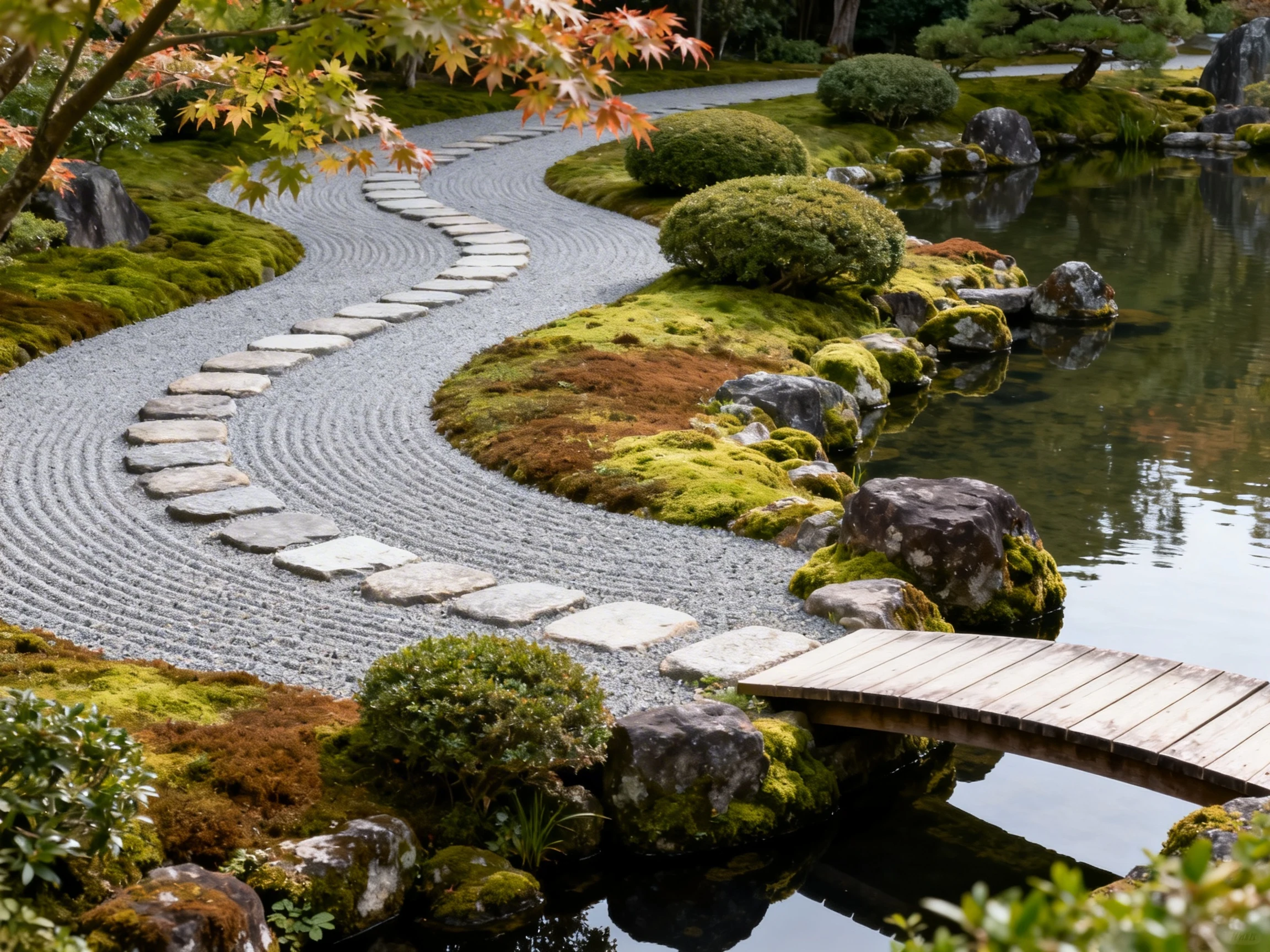
Stroll gardens invite movement. They include winding paths, water features, bridges, and carefully framed views. Each turn shows you something new, which makes the garden feel larger than it really is.
If you have more room to work with, this style gives you plenty of creative options. You can shape little scenes along the path and connect them into one cohesive experience.
Courtyard gardens
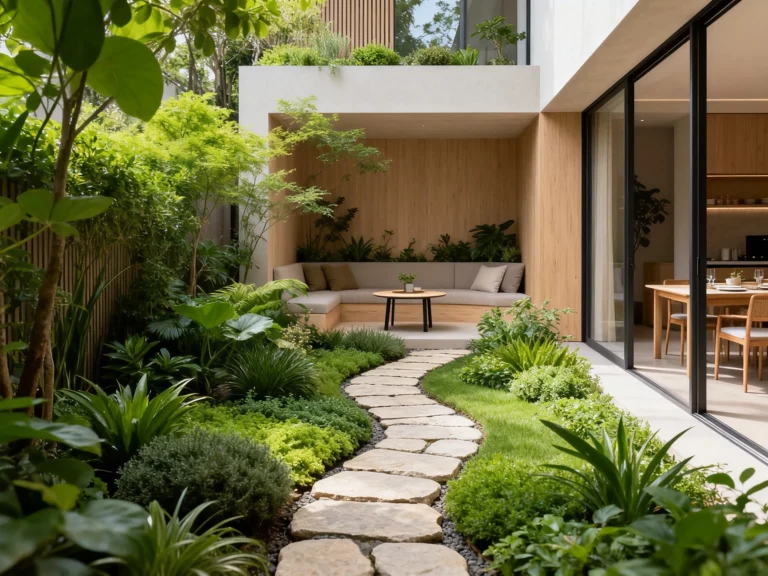
Small urban spaces can still capture the spirit of Japanese garden design. Courtyard gardens rely on minimal elements, smart placement, and strong visual balance. A single tree, some gravel, a stone basin, and a few shrubs can go a long way.
This style proves you don’t need acres of land to create something peaceful. You just need to stop treating every spare corner like it must hold another planter.
How to design one without making it look forced
This part trips people up. They buy a lantern, throw in some bamboo, add a random bridge, and call it done. Unfortunately, that usually creates a theme park vibe instead of a real garden.
Start with the feeling you want. Do you want a meditative retreat, a lush path garden, or a minimalist courtyard? Once you know the mood, you can choose elements that support it instead of competing for attention.
Build around a strong layout
Good Japanese garden design starts with structure. Place your largest elements first, especially rocks, paths, and major plants. These pieces create the bones of the garden and tell the eye where to go.
Avoid straight lines whenever possible. Curved paths and natural groupings feel softer and more believable. Nature rarely lines things up like it’s preparing for inspection.
Use asymmetry on purpose
Symmetry feels formal and controlled. Japanese gardens usually lean toward asymmetry because it feels more natural. That doesn’t mean random. It means balanced in a quieter, less obvious way.
If you place a large rock on one side, counter it with lower planting or open space on the other. You want visual weight to feel even, not mirrored. Subtle balance wins here every time.
Choose a tight plant palette
Resist the urge to collect every pretty plant you see. Pick a limited range of species and repeat them thoughtfully. That creates consistency and calm instead of chaos disguised as enthusiasm.
Focus on shape, foliage, and seasonal shifts. Japanese maples bring beautiful structure and color. Pines add year round form. Moss softens hard edges and makes everything look like it belongs there.
The role of symbolism and seasonal change
One reason Japanese gardens feel so rich involves meaning layered into the design. A rock might represent a mountain. A pond island might suggest a place of immortality. A winding path can symbolize a life journey, which sounds dramatic, but it works.
You don’t need to turn your garden into a giant philosophical riddle. Still, adding symbolic intention makes the space feel deeper. Even one meaningful element can shift the whole experience.
Design for the seasons
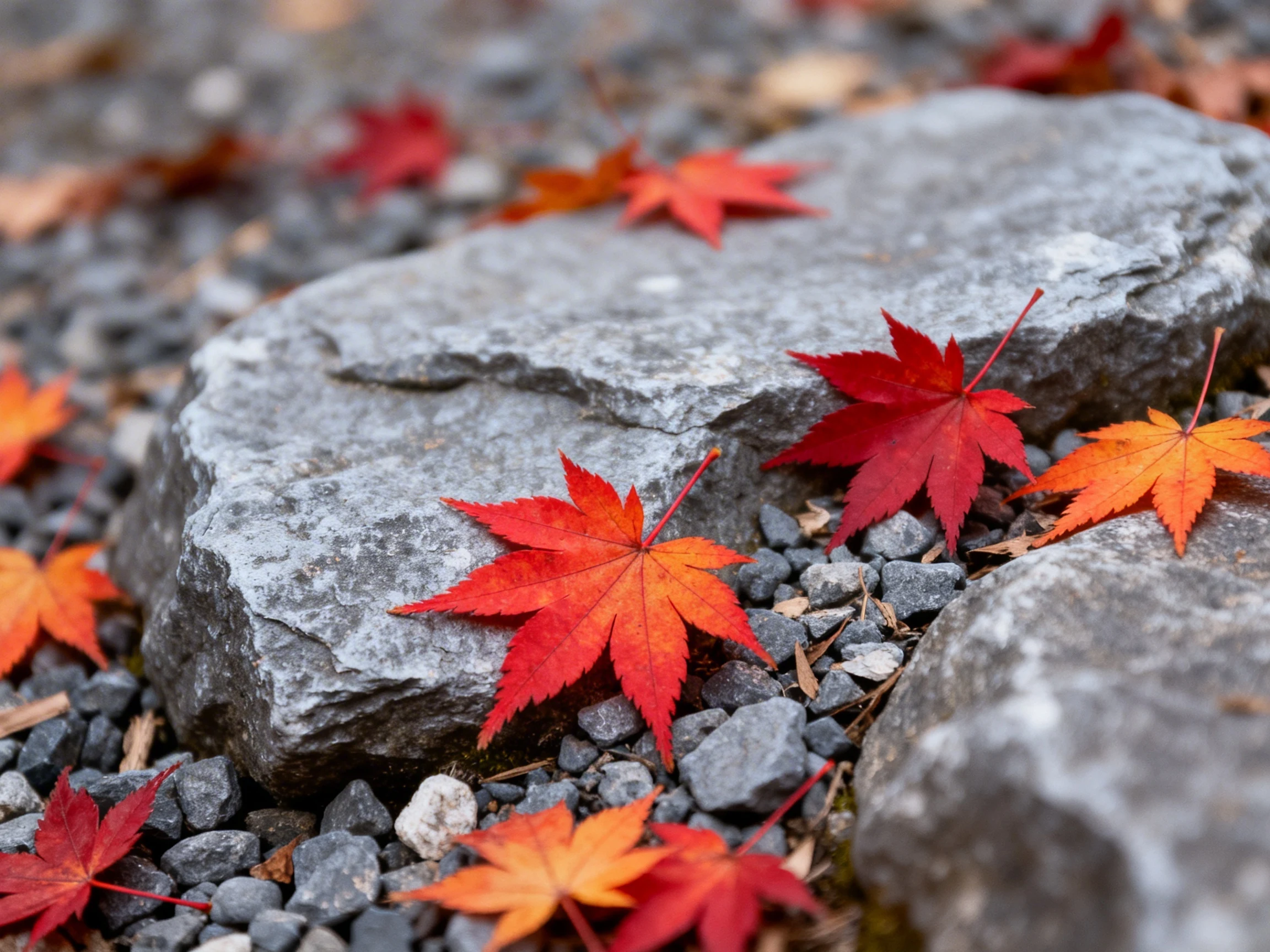
Japanese gardens don’t peak for one month and then give up. They stay interesting through the year. Spring blossoms, summer greens, autumn maple color, and winter branch structure all matter.
That’s why evergreen plants play such a big role. They keep the garden grounded in every season. Then deciduous plants add those brief, beautiful moments that remind you change can look pretty great.
Seasonality also encourages you to notice small changes. A fallen leaf on moss, frost on stone, ripples in water after rain. Tiny details carry a lot of power when the design leaves room for them.
Common mistakes people make
Let’s save you from a few classic errors. First, people often overdecorate. Japanese garden design thrives on restraint, so if every corner has an ornament, the calm disappears fast.
Second, people mix too many styles. A sleek Zen gravel area next to a tropical tiki fountain next to cottage flowers creates confusion. Your garden shouldn’t feel like three different Pinterest boards got into a fight.
Third, they ignore maintenance. Pruning, raking, cleaning water features, and managing moss or gravel all matter. This style looks effortless only because someone actually puts in the effort. Rude, I know.
Finally, many people copy surface details without understanding the overall composition. The lantern doesn’t make the garden Japanese. The thoughtful placement, balance, and relationship between elements do.
Bringing Japanese garden design into everyday spaces
You can borrow ideas from Japanese garden design even if you don’t want a full traditional garden. A small gravel area, a stone path, a simple basin, or a tightly edited plant palette can transform a space. Sometimes one strong move works better than a complete makeover.
For a patio, try a container with a Japanese maple, a low evergreen, and a few rocks. For a side yard, add stepping stones, mossy groundcover, and soft lighting. For a tiny balcony, focus on texture, empty space, and one or two sculptural plants.
FYI, empty space counts as design here. You don’t need to fill every inch. Open areas help the eye rest and make the special elements stand out more.
That mindset might be the most useful lesson of all. Instead of asking what else you can add, ask what you can remove. That question alone can improve almost any garden.
FAQ
Do I need authentic Japanese materials to create this style?
No, you don’t need to import every stone and lantern from Japan. You do need to respect the design principles. Local materials often work beautifully if they feel natural, restrained, and appropriate for the space.
What plants work best in a Japanese garden?
Japanese maples, pines, bamboo, moss, azaleas, camellias, and carefully shaped evergreens all work well. Choose plants that suit your climate first. A struggling plant ruins the vibe very quickly.
Can I create a Japanese garden in a small backyard?
Absolutely. Small spaces often suit this style really well because the design relies on intention, not size. A few rocks, a simple path, limited planting, and good balance can create a strong effect in a compact area.
Are Japanese gardens hard to maintain?
They need regular care, but not necessarily constant work. Pruning, weeding, raking gravel, and cleaning features keep the design crisp. The maintenance feels manageable if you keep the layout simple and avoid stuffing in too many elements.
What’s the difference between a Zen garden and a Japanese garden?
A Zen garden forms one type of Japanese garden. It usually focuses on rocks, gravel, and minimal planting. Japanese garden design as a whole includes a wider range of styles, including tea gardens, stroll gardens, and courtyard gardens.
Can I mix Japanese garden design with other landscaping styles?
Yes, but do it carefully. Pull in principles like restraint, asymmetry, and natural materials rather than piling on obvious themed objects. A subtle blend usually looks far better than a mashup that tries way too hard.
Conclusion
Japanese garden design offers more than a certain look. It gives you a way to shape outdoor space with intention, calm, and a little humility. When you focus on balance, simplicity, and seasonal beauty, you create a garden that feels good to spend time in, and honestly, that beats flashy landscaping every time.