indian home garden design
Want an Indian home garden that looks amazing and actually survives summer? Start by treating your garden like a tiny ecosystem, not a decorative afterthought you water once and then blame “the weather.” You can build something beautiful in a balcony, a courtyard, or that awkward strip beside your gate. And yes, you can do it without turning into a full-time plant babysitter.
Start With Your Space, Not Your Pinterest Board
Before you buy that adorable ceramic pot set, take five minutes to study your space. Where does the sun hit, and for how long? Do you get harsh afternoon light that turns everything into tandoor mode, or soft morning sun that plants actually enjoy?
Walk around at three times: morning, noon, and late afternoon. You’ll spot shade patterns from buildings, grills, and trees. That quick scan saves you money, drama, and the heartbreak of watching basil melt like ice cream.
Also, decide what you want from the garden. Do you want herbs you’ll use daily, a peaceful sit-out vibe, or a mini jungle that makes neighbors suspicious? You can do all of it, but you’ll design differently for each goal.
Sun, Wind, and the Great Indian Dust Situation
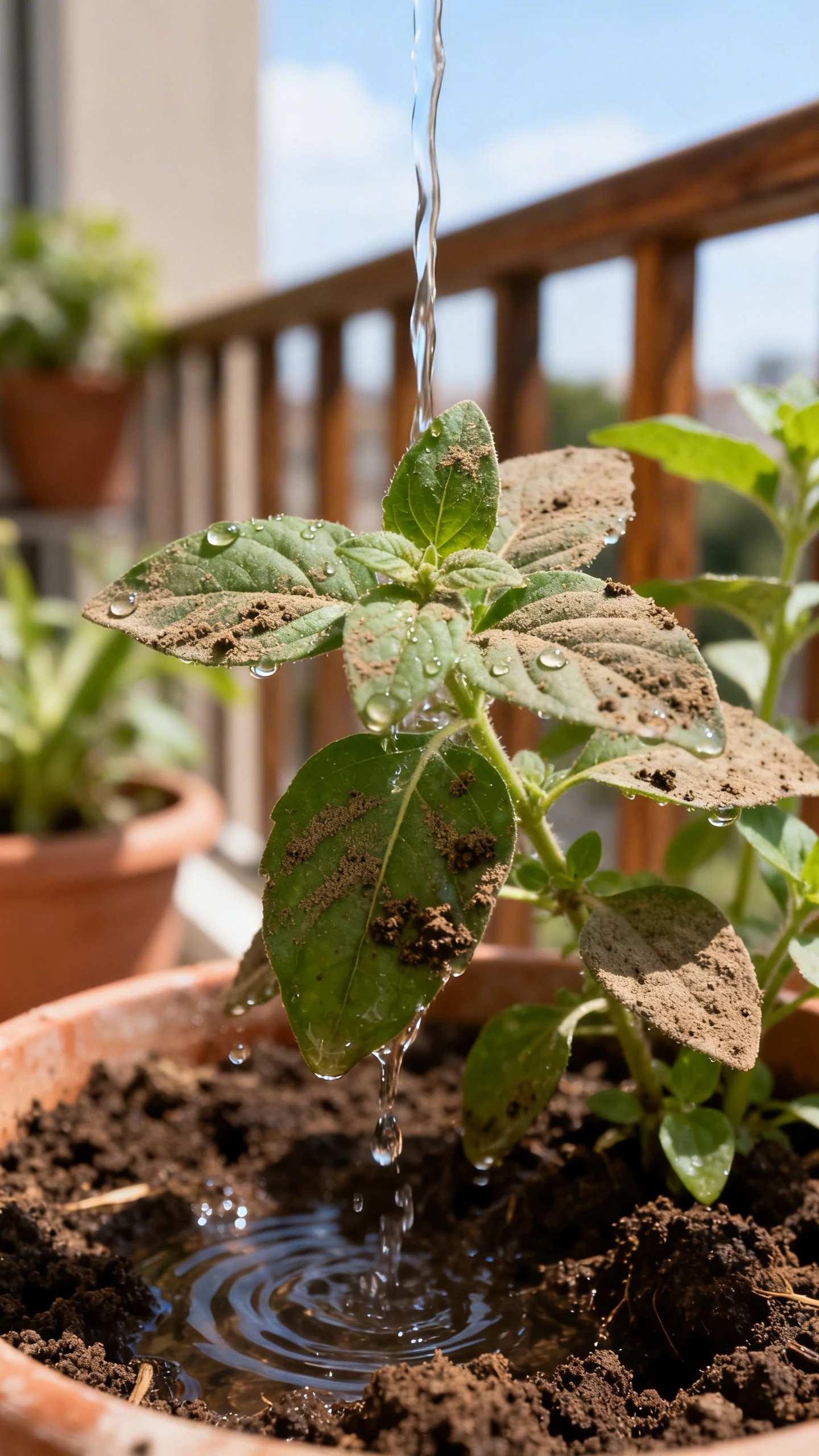
Indian homes deal with dust like it pays rent. If your balcony faces a road, dust coats leaves and blocks sunlight. You can still garden there, but you’ll need hardy plants and a quick rinse routine.
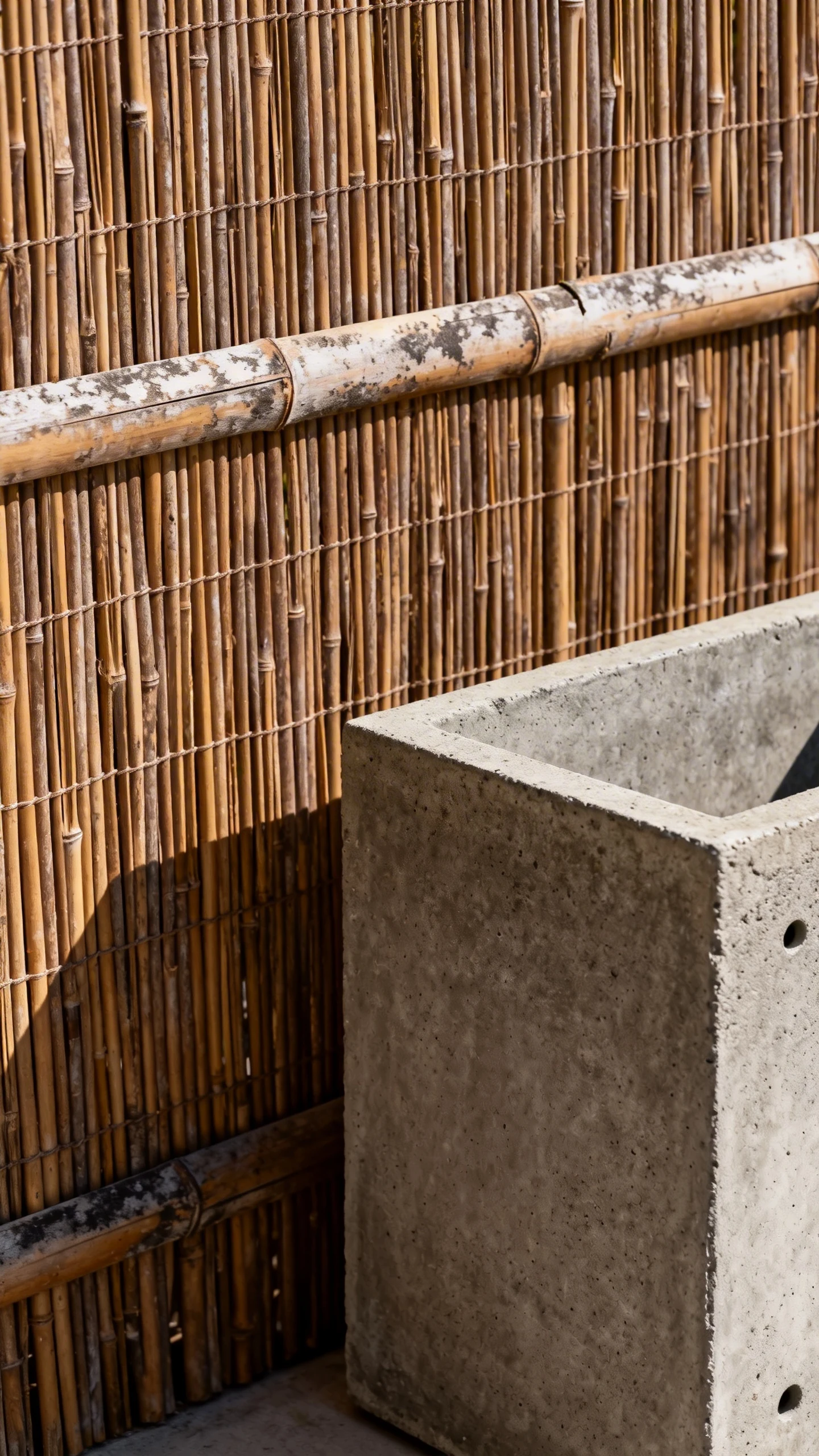
Wind matters too. High-rise balconies can turn into wind tunnels, so tall plants fall over and lightweight pots play cricket. Pick heavier containers, add windbreaks like bamboo screens, and keep delicate plants tucked into corners.
Pick a Garden Style That Matches Indian Living
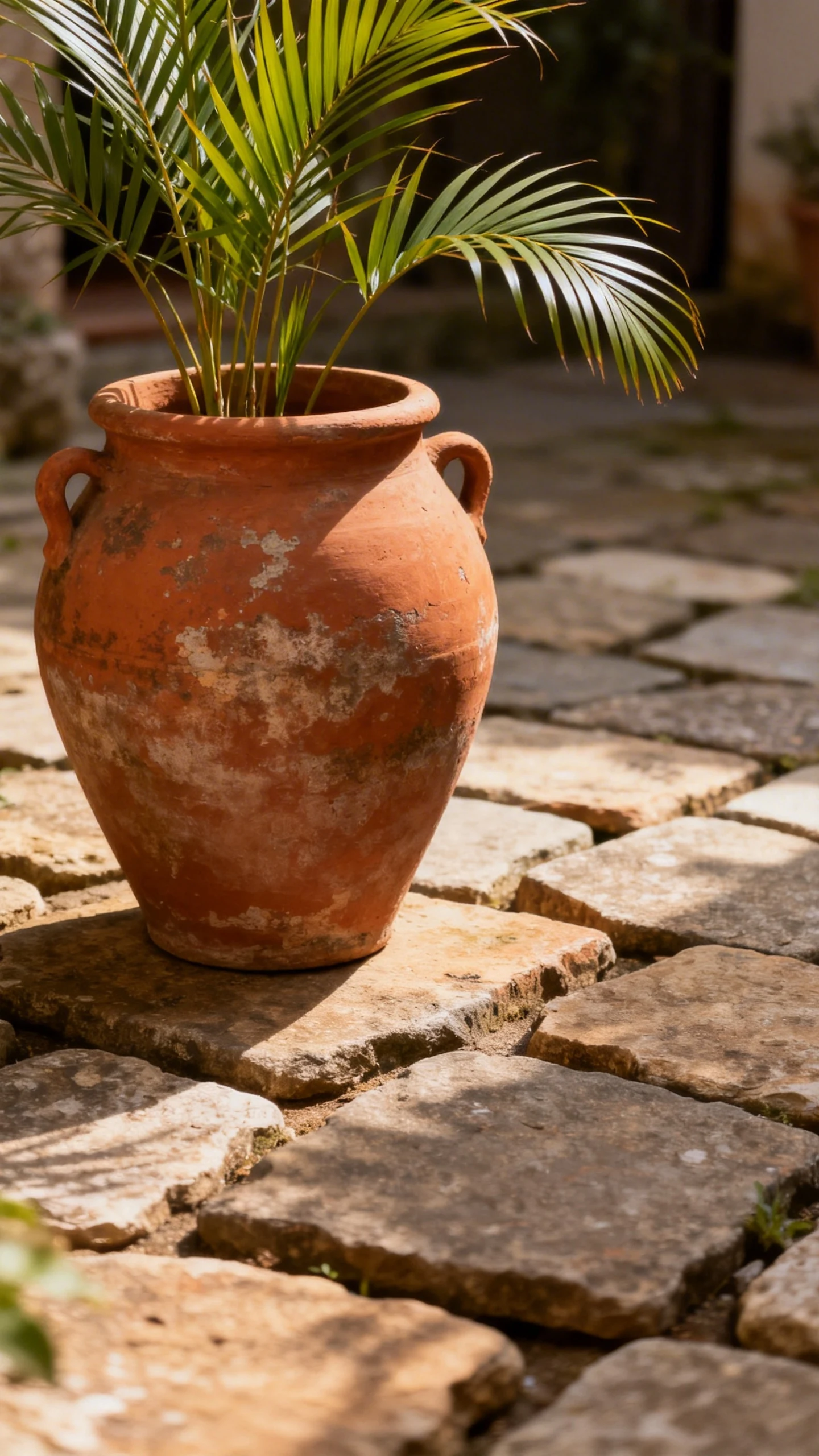
IMO, the best Indian home gardens blend beauty with usefulness. You can lean traditional, modern, tropical, or a mix that feels like your personality. The trick: keep the style consistent in a few big elements, then let plants go wild.
If you love a classic look, try a courtyard-inspired setup with clay pots, jasmine, tulsi, and a small seating spot. If you like clean and minimal, go for a grid of planters, a simple color palette, and neat foliage plants.
And if you want the “I live in a rainforest” vibe, welcome to the club. Use layered heights, big-leaf plants, and a couple of hanging planters to max out the drama.
Courtyard Vibes: Small Angan Energy in Any Home
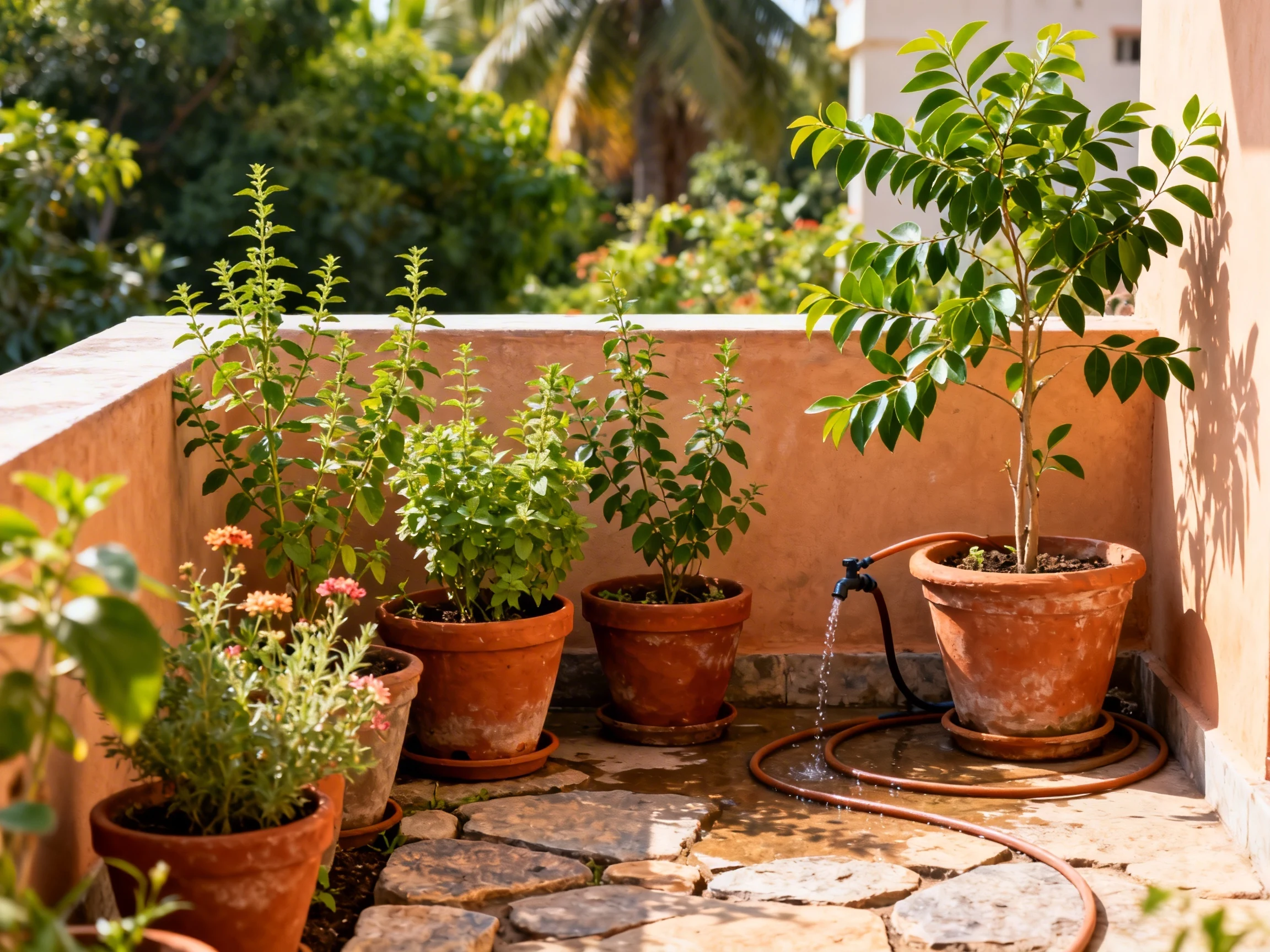
You don’t need an actual haveli to steal the courtyard look. Create a focal point, like a big terracotta urn, a bird bath, or a cluster of 3 to 5 pots in matching tones. Then surround it with smaller plants that soften the edges.
Add a simple bench or a floor cushion setup, and suddenly your garden becomes a place, not just a plant parking lot. Bonus points if you add a fragrant plant near the seating area. Nobody stays mad while jasmine smells like happiness.
Balcony Gardens: Vertical, Efficient, and Slightly Addictive
Balconies force you to think upward. Use wall planters, railing planters, hanging pots, and tall stands. You’ll create depth and keep floor space for you, not just your green roommates.
Keep your heaviest planters on the floor for stability. Put trailing plants higher up so they cascade and make the space look fuller. You’ll get that lush look without cramming 47 pots into a tiny corner.
Design Like a Pro: Layers, Pathways, and Focal Points
Good garden design feels effortless, but it follows a few simple rules. You need layers, so your space looks rich and intentional. You also need a focal point, so your eyes know where to land instead of scanning chaos.
Start with three height zones: low, medium, and tall. Low includes ground covers and small herbs. Medium includes bushy plants and flowering pots. Tall includes palms, areca, bamboo, or even a trellis with climbers.
FYI, you can fake “pathways” even in small spaces. Leave a narrow walking line, or use stepping tiles in a terrace garden. That little bit of breathing room makes everything look more premium.
Easy Focal Point Ideas That Actually Work
You don’t need a fountain that costs more than your fridge. Pick one hero element and build around it. Your focal point can be simple, as long as it stands out.
- A statement pot with a tall plant like areca palm or ficus
- A flowering corner with hibiscus, rose, or ixora in matching planters
- A vertical trellis with money plant, bougainvillea, or jasmine climbers
- A tiny water bowl for birds, placed safely and cleaned often
Once you pick a focal point, keep nearby pots in calmer colors and shapes. Let the hero do the talking.
Plants That Love Indian Homes (And Forgive Your Busy Weeks)
You can grow almost anything if you baby it, but who has time for that every day? Choose plants that handle heat, humidity swings, and the occasional “Oops, I forgot to water.” You’ll enjoy the garden more and stress less.
For beginners, start with a mix of foliage plants and a few flowering ones. Foliage plants forgive mistakes and fill space fast. Flowering plants give you joy and a reason to show off on WhatsApp family groups.
Low-Drama Plant Picks
- Tulsi for daily use and strong growth in sun
- Aloe vera for low watering needs and high smug satisfaction
- Money plant for easy trailing and quick visual impact
- Snake plant for shade corners and “I refuse to die” energy
- Areca palm for soft, lush screening in bright light
- Jasmine for fragrance that makes evenings feel fancy
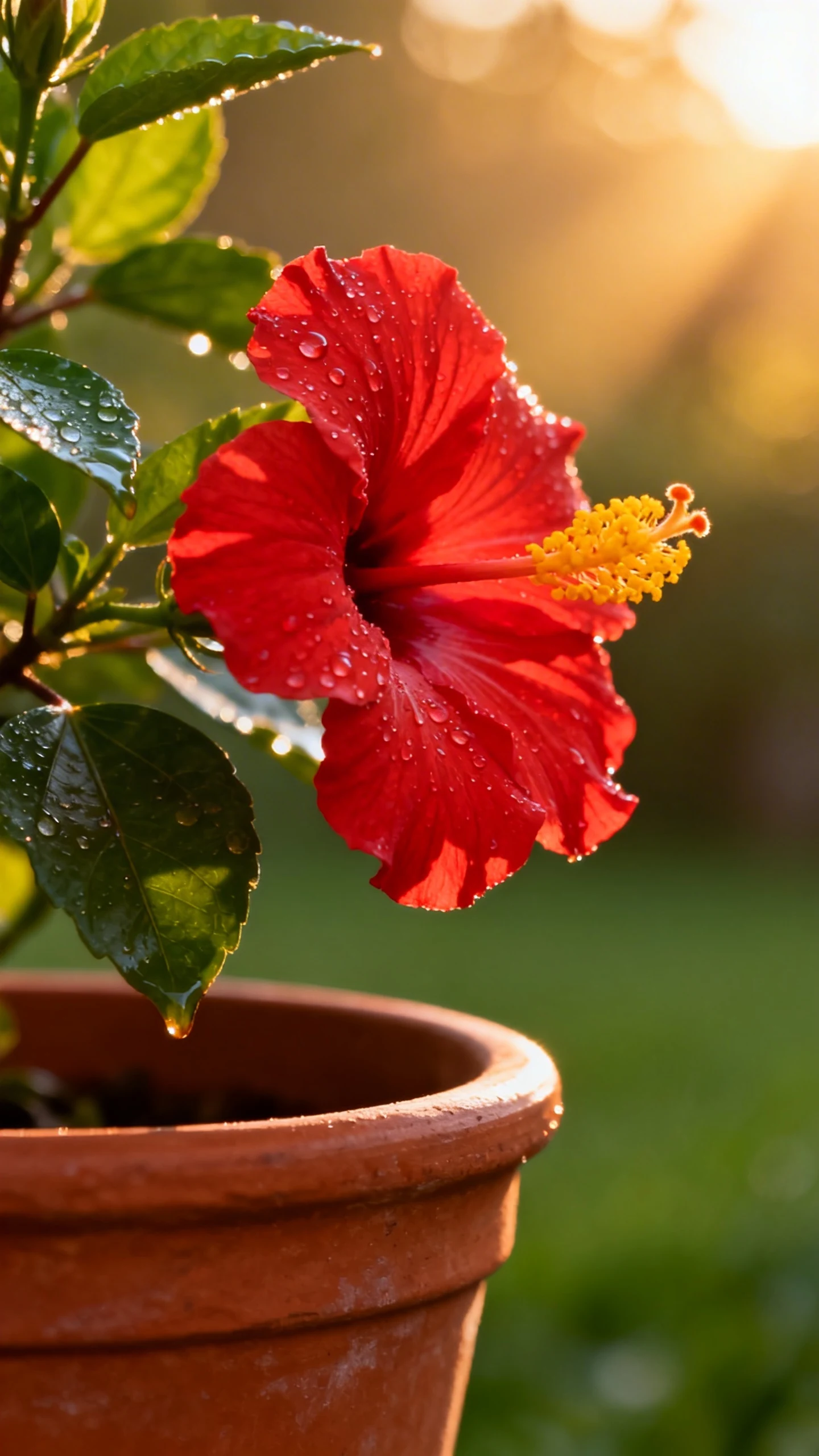
- Hibiscus for big blooms and full-on tropical vibes
Match plants to sun levels, not wishful thinking. Full sun plants will sulk in shade, and shade plants will crisp in harsh sun. Your garden will reward realism.
Kitchen Garden, But Make It Realistic
Everyone wants a kitchen garden until they realize coriander bolts in heat like it has a flight to catch. Still, you can grow a lot if you plan around seasons. Grow what you actually cook, not what looks cute on seed packets.
Try chillies, curry leaves, mint, methi, lemongrass, and spring onions for steady wins. Grow coriander in cooler months and accept that it will act dramatic in peak summer. Your biryani will still taste great, I promise.
Materials and Pots: Terracotta, Grow Bags, and That One Fancy Planter
Your containers shape your whole garden look. They also control water retention, heat, and root health. If you pick the wrong pot, your plant will struggle no matter how much you pep talk it.
Terracotta breathes well and suits Indian weather, but it dries faster. Plastic retains moisture, but it can overheat in direct sun. Grow bags work great for veggies and big roots, and they stay lightweight for terraces.
Mix materials, but keep some visual consistency. Choose a color family, like earthy clay tones or matte black and white. Then add one or two statement planters for contrast, not an entire circus.
Soil Mix and Drainage: The Unsexy Secret to Success
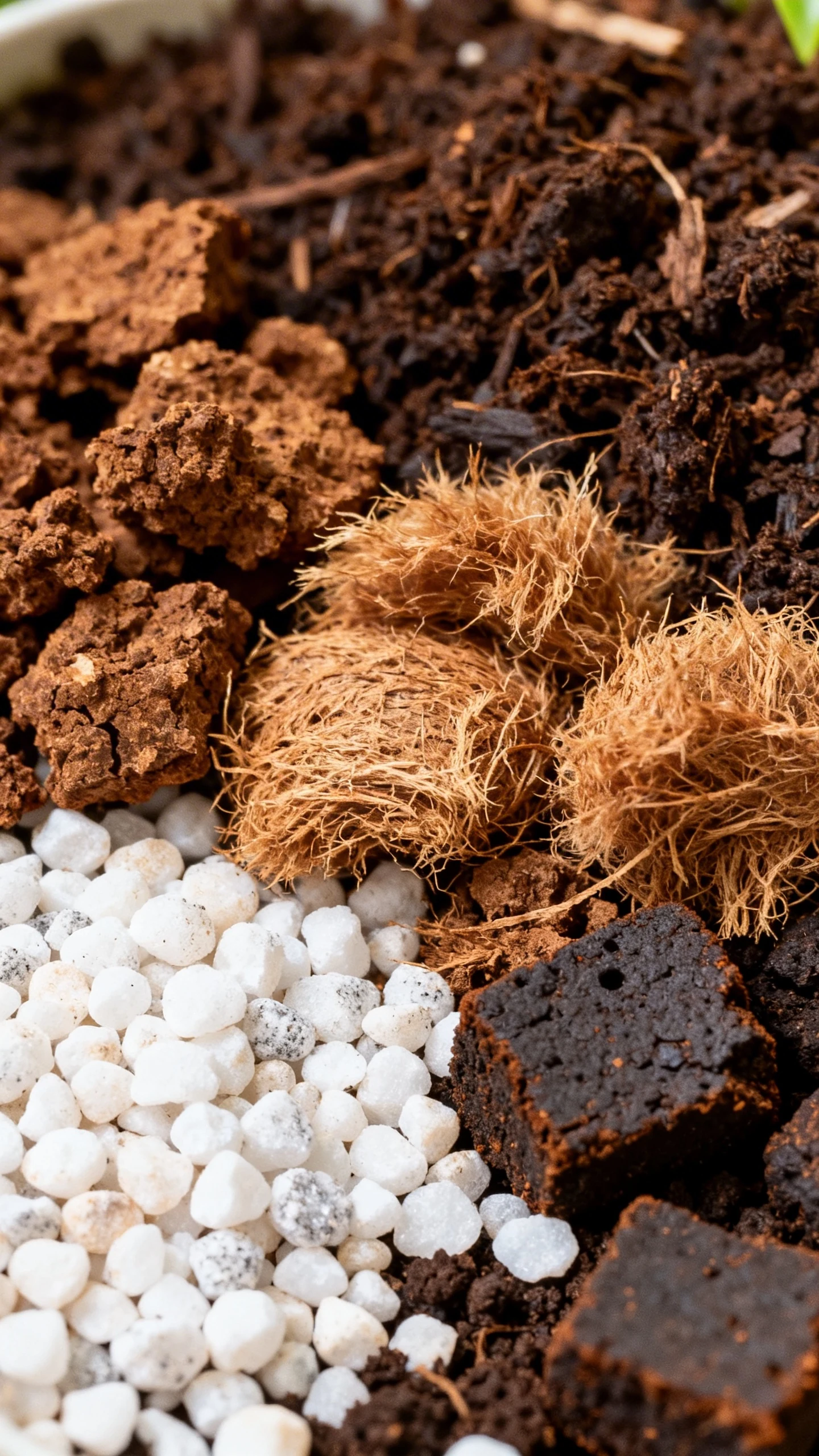
Healthy soil fixes more problems than any expensive plant food. Use a light, well-draining mix so roots breathe and water doesn’t sit like a sad puddle. Your plants will grow faster and resist pests better.
Use this simple approach: garden soil plus compost plus a draining component like cocopeat, perlite, or sand. Add neem cake occasionally for pest control support. And always make sure pots have drainage holes, because “aesthetic” without drainage equals plant funeral.
Watering, Shade, and Maintenance Without Losing Your Mind
Most Indian home gardens die from love, not neglect. People overwater, drown roots, then act shocked when leaves yellow. Water based on soil dryness, not your mood.
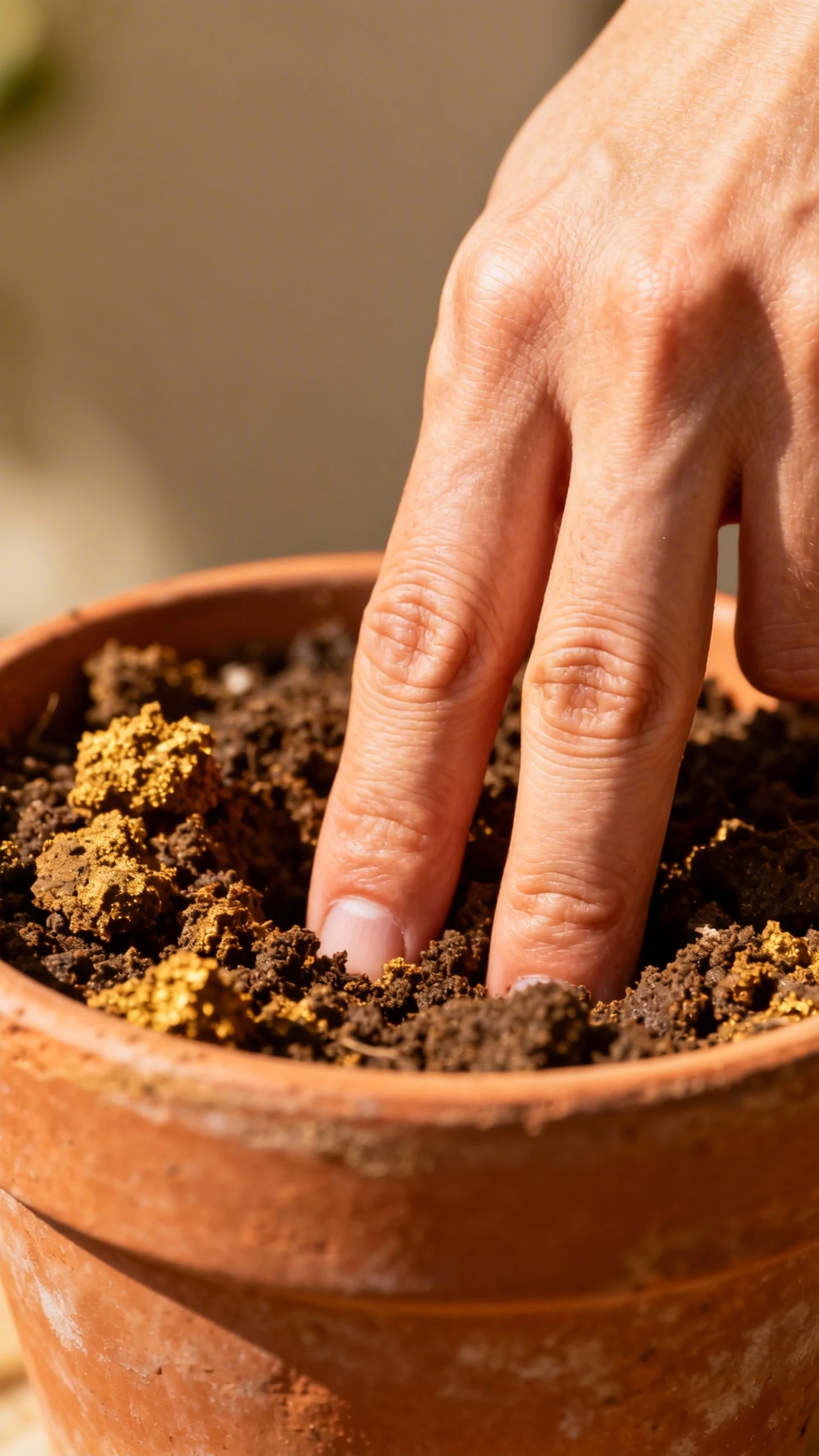
Stick a finger into the soil up to your first knuckle. If it feels dry, water. If it feels moist, wait. That tiny habit saves you from root rot and endless confusion.
Also, respect summer. Use shade nets in extreme heat, especially on terraces. Move sensitive plants to brighter shade instead of direct afternoon sun. Your plants will stop looking like they just survived a battle.
Simple Weekly Routine (Yes, You Can Keep It Short)
- 10 minutes to check soil moisture and water accordingly
- 5 minutes to remove dead leaves and spent flowers
- Once a week to rinse dusty leaves, especially near roads
- Every 2 to 3 weeks to add compost or mild feed
- Monthly to check for pests under leaves and near stems
Keep tools nearby so you don’t turn gardening into a full expedition. A small watering can, pruning snips, and gloves will carry you far. If you keep everything hidden in a deep cupboard, you’ll “do it tomorrow” forever.
FAQ
What’s the best layout for a small Indian balcony garden?
Go vertical and keep the floor clear. Use railing planters, wall planters, and one tall plant in a corner for height. Add a small stool or chair, because you deserve to sit and enjoy the chaos you created.
Which plants work best for hot Indian summers?
Pick heat-tolerant plants like hibiscus, bougainvillea, aloe vera, lemongrass, and certain palms. Use shade nets during peak heat and water early morning. You’ll avoid midday evaporation and leaf scorch.
How do I keep mosquitoes away from my home garden?
Don’t let water collect anywhere, including saucers and trays. Clean bird bowls and water features often. Grow plants like lemongrass and mint, but don’t expect them to act like a full security system.
Can I do an Indian home garden without daily watering?
Yes, if you design for it. Use larger pots, mulch the soil surface, and choose hardy plants like snake plant, ZZ plant, aloe, and money plant. Set up drip irrigation if you travel often, because plants won’t respect your vacation plans.
What’s the easiest way to make the garden look “designed”?
Limit your pot styles and repeat them. Create one focal point, then build layers of height around it. Group plants in odd numbers, like three or five, because your eyes love that pattern even if you don’t notice it consciously.
Should I use chemical fertilizers for faster growth?
You can, but you don’t need them for a thriving home garden. Compost, vermicompost, and mild organic feeds work well and keep soil healthy long-term. If you use chemical fertilizers, follow dosages strictly, because more won’t mean better.
Conclusion
Indian home garden design works best when you keep it practical, layered, and a little personal. Start with sun patterns, pick forgiving plants, and build a layout that feels good to walk through and sit in. You’ll get a space that looks great in photos and feels even better in real life. And if a plant dies, don’t spiral, just replace it and act like it never happened.