home garden design
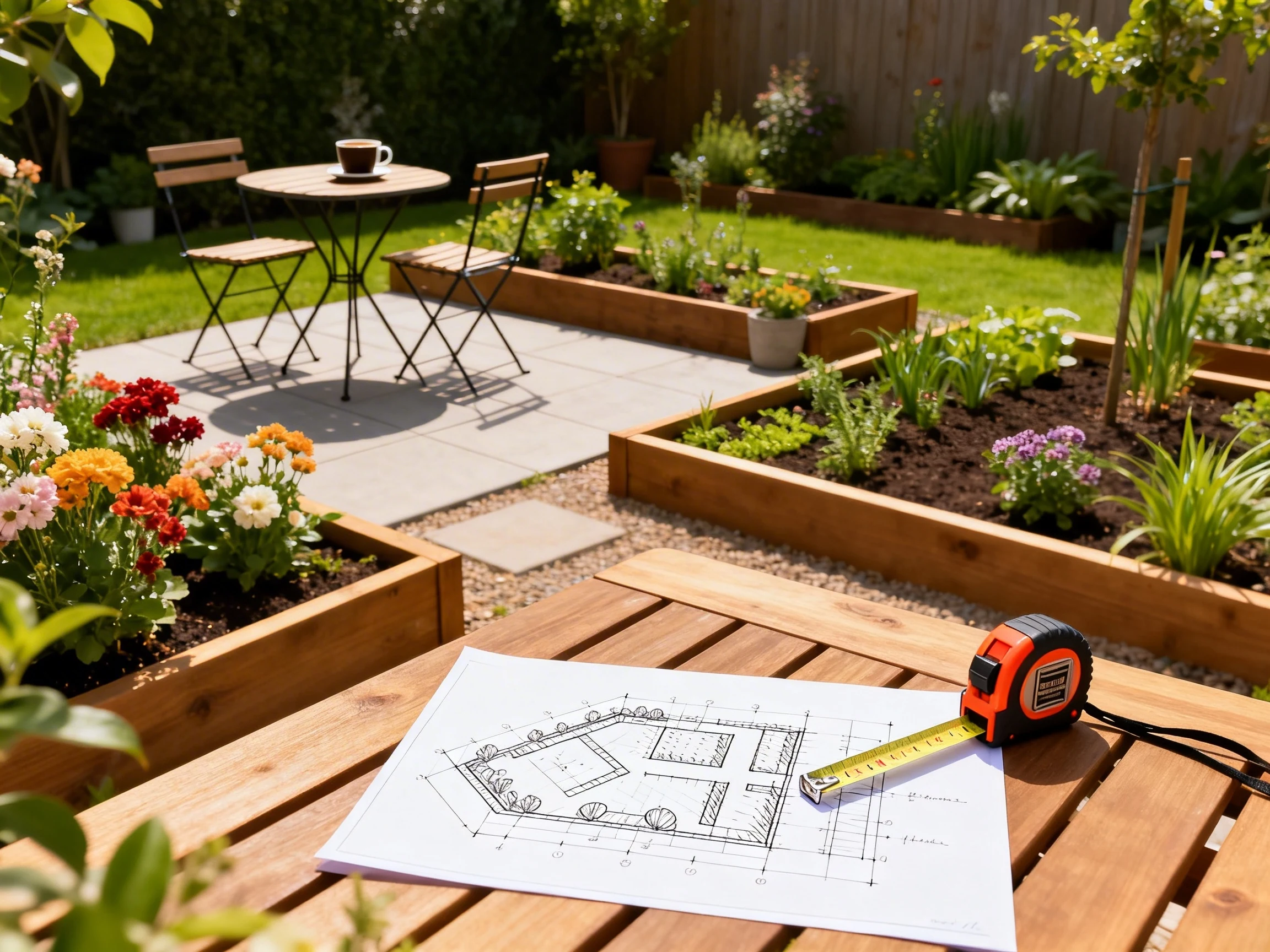
Your yard doesn’t need to look like a chaotic plant thrift store. A little home garden design turns “random green stuff” into a space you actually want to hang out in. You don’t need a landscape architecture degree, either. You just need a plan, a tape measure, and the courage to say no to that tenth “must-have” plant.
Start With How You Actually Live Out There
Before you buy anything, ask yourself one simple question: what do you want to do in your garden? Sip coffee, grill, grow tomatoes, chase kids, avoid neighbors, pretend you meditate? Your design should serve your life, not the other way around.
I like to pick one “main character” activity for the space. Maybe you want a cozy patio corner, or a big veggie patch, or a lawn-free oasis. Once you pick that, everything else can support it instead of fighting for attention.
Also, be honest about maintenance. If your idea of gardening involves disappearing for two weeks and coming back confused, choose a design that won’t punish you for it.
Create Mini “Rooms” Outdoors
Outdoor spaces feel way more intentional when you break them into zones. Think of it like an open-plan house, but with dirt. A dining area, a path, a planting bed, a little reading spot—each “room” gets a purpose.
You don’t need walls. You can use a hedge, a row of tall grasses, a trellis, or even a change in materials like gravel to pavers. Your brain reads those cues and goes, “Oh wow, this is a place.”
Read Your Site Like a Detective (But With Snacks)
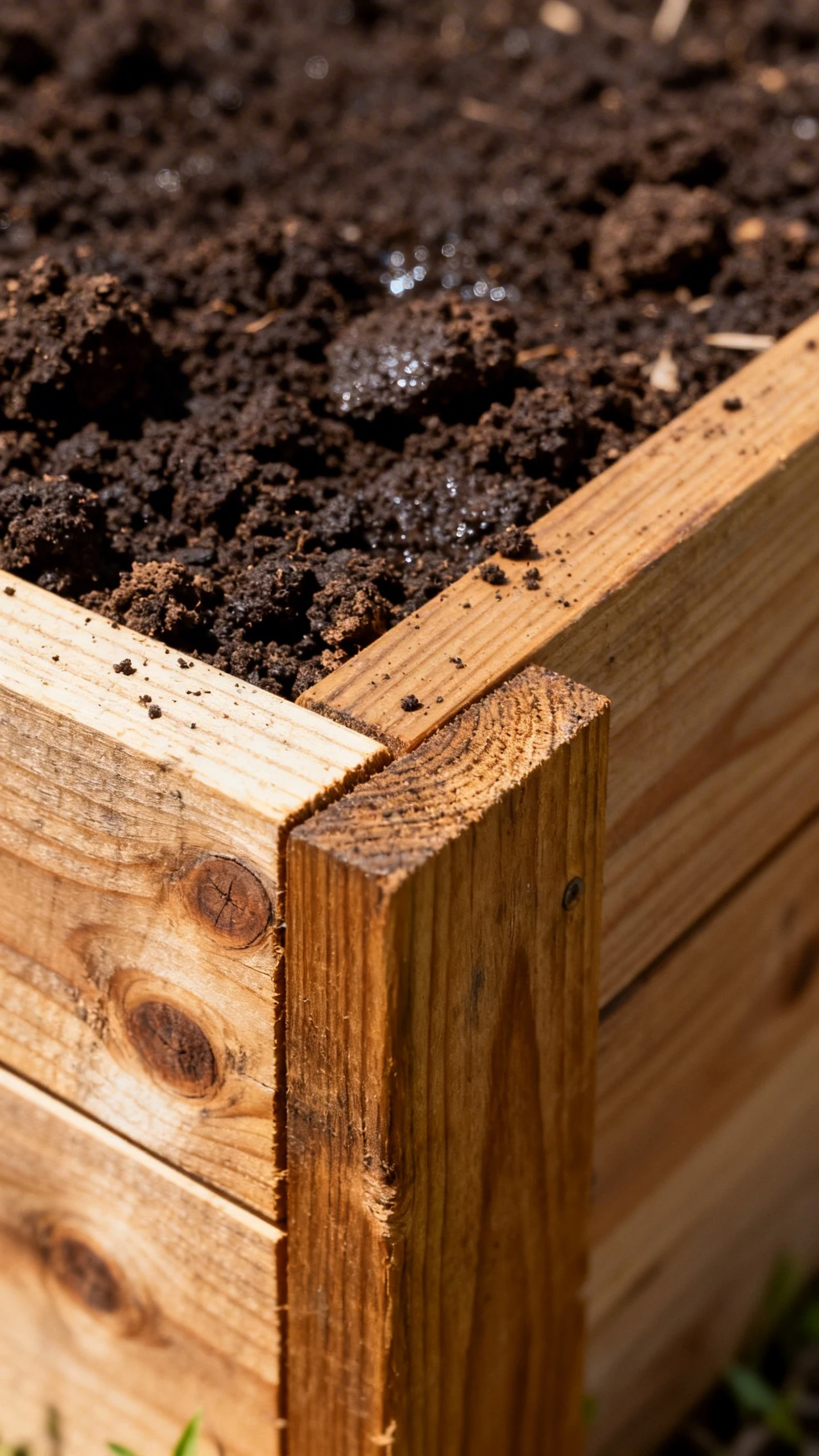
Design gets easier when you understand what your yard already does. Watch where the sun hits in the morning and afternoon. Notice where water collects when it rains. Spot the places that always feel windy or weirdly hot.
If you fight your site, you’ll spend money and energy forever. If you work with it, you’ll look like some kind of gardening wizard. Which would you rather be?
Take a few photos at different times of day. Jot down quick notes like “blazing sun at 3pm” or “shade all morning.” Those notes will save you from planting sun-lovers in sad, gloomy corners.
Sun, Shade, and “Why Is This Corner So Angry?”
Most yards have microclimates—tiny areas that behave like totally different planets. A south-facing wall might roast plants. A north-facing side yard might stay cool and damp. That odd corner by the fence might dry out fast because the wind funnels through it like a drama queen.
Match plants to those conditions and you’ll win more often. Right plant, right place sounds boring, but it beats replacing dead shrubs every season. FYI, plants don’t care about your vibes; they care about light and water.
Make a Simple Layout (Yes, Even If You Hate Measuring)
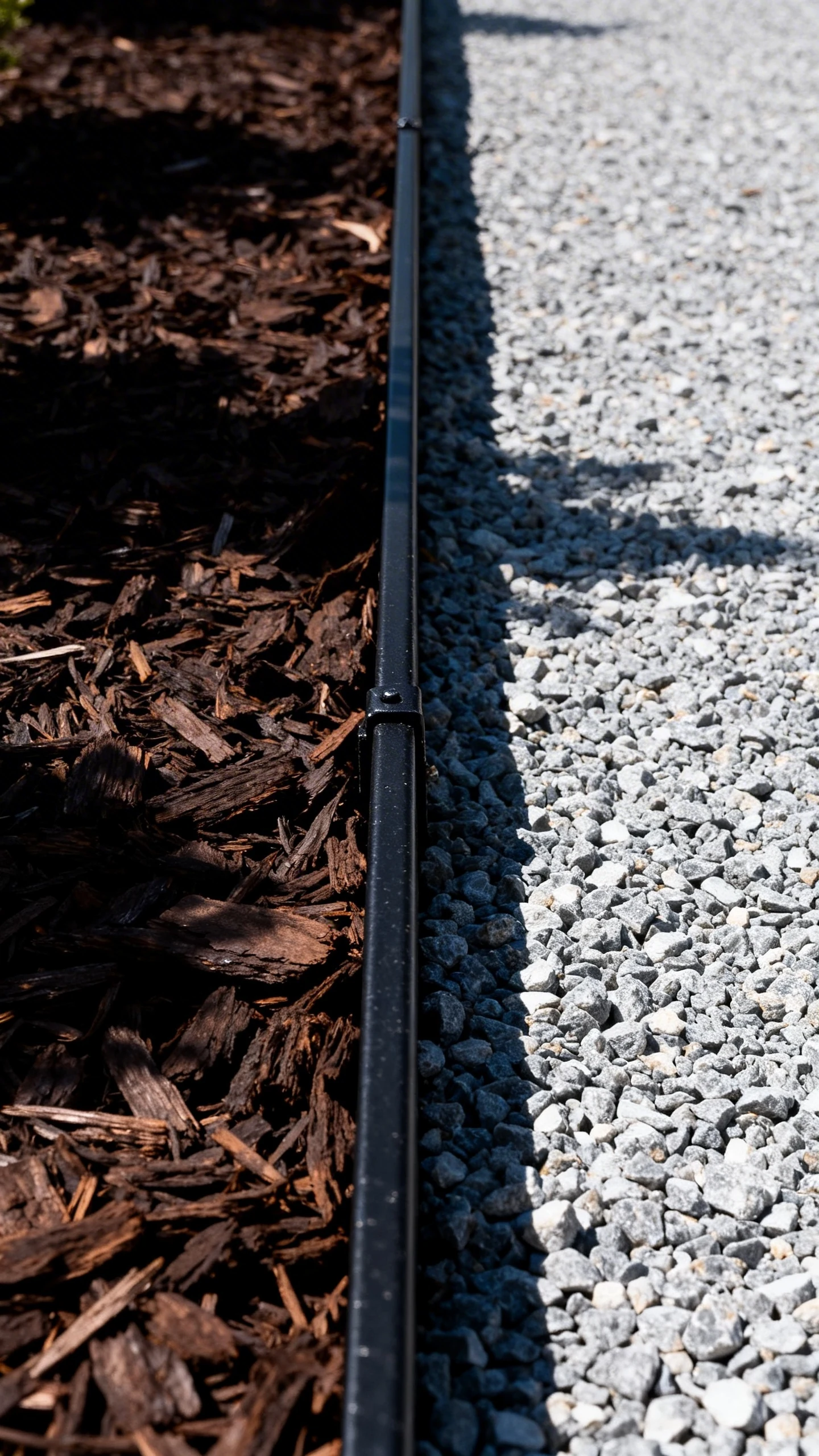
You don’t need fancy software. Grab paper, sketch your yard outline, and mark the big stuff: house, driveway, existing trees, fences, gates, utilities. Then add where you want to walk, sit, and plant.
Paths matter more than people think. If you don’t build an obvious route, people will create one anyway. That “one little shortcut” becomes a muddy trench faster than you can say “why is the grass gone?”
Think about flow. Can you get from the back door to the grill without doing parkour through petunias? Can you reach the garden hose without tripping over a border?
Pick a Focal Point or the Garden Feels Aimless
Your eyes love something to land on. A focal point can be a small tree, a bench, a fountain, a sculpture, or a big pot. It doesn’t need to cost a fortune; it just needs to feel intentional.
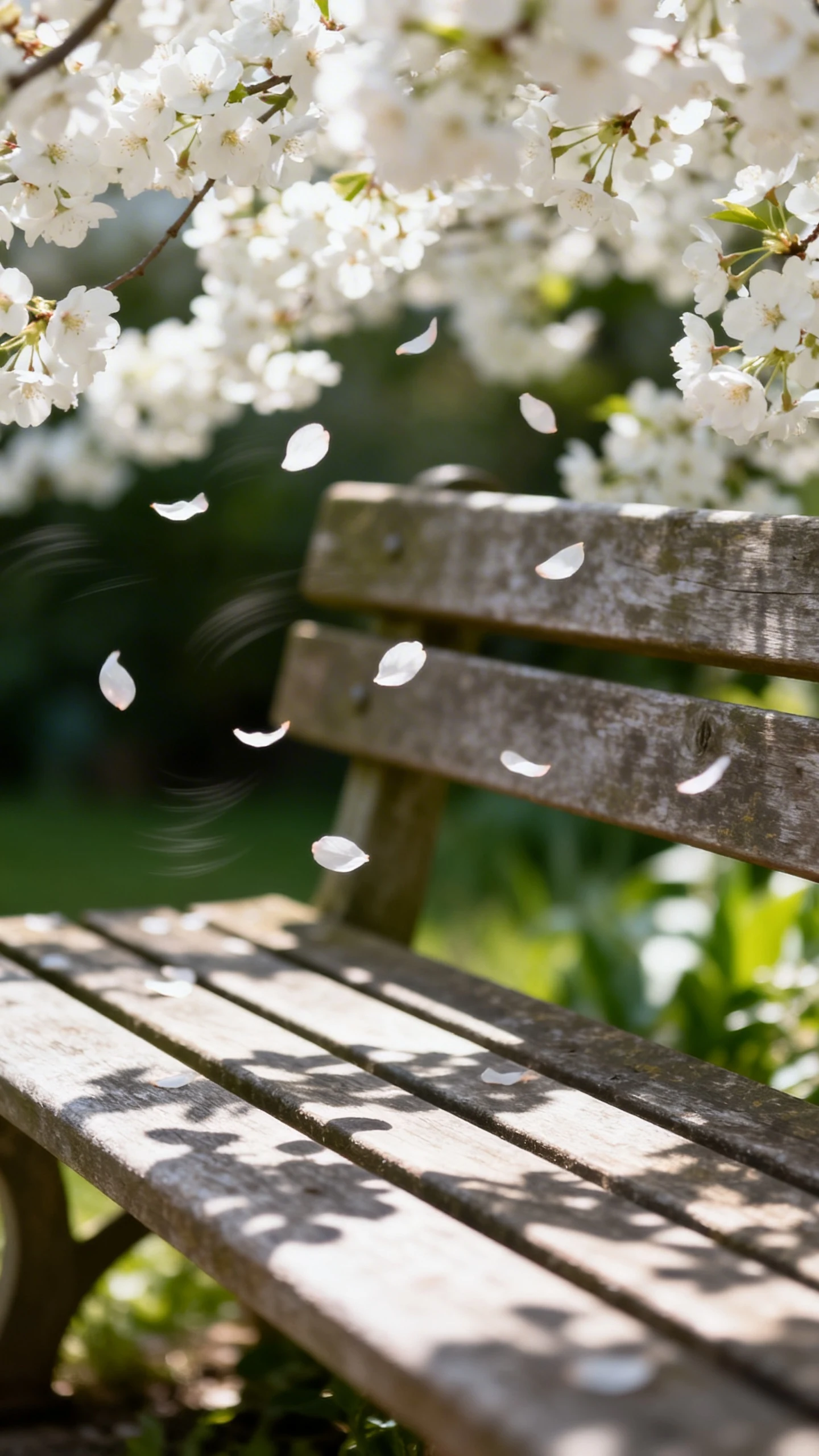
Place it where you naturally look—straight down a path, at the end of a view, or framed by plants. IMO, a simple bench under a flowering tree beats a random cluster of decorations every time.
Choose a Style That Matches Your Taste (Not Your Neighbor’s)
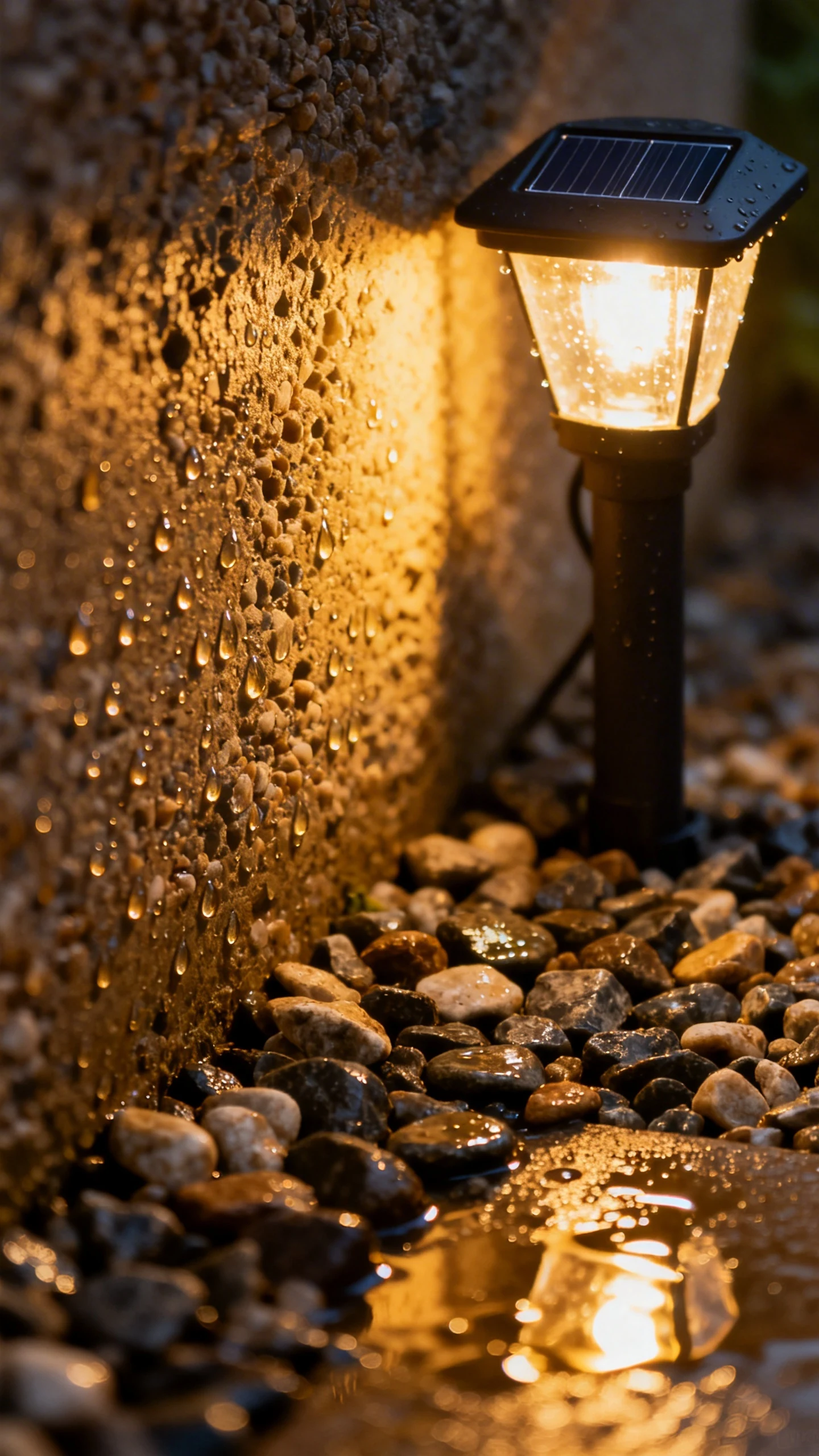
Garden styles sound fancy, but they just describe a vibe. Do you like clean lines and repetition? Or do you want cottage chaos with flowers spilling everywhere? Both work, as long as you commit.
Pick two or three “anchor” materials and repeat them. Maybe it’s cedar + black metal + gravel, or brick + terracotta + lush greens. Repetition makes a garden feel designed, even when you improvise a little.
And please, give yourself permission to edit. If you hate pink flowers, don’t plant them because the label looked cute. Your garden should make you happy, not polite.
Color and Texture: The Secret Sauce
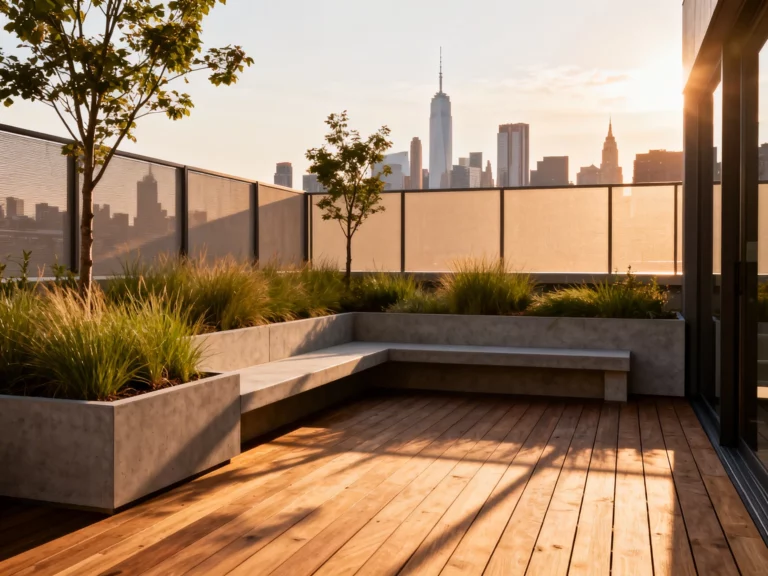
Color grabs attention, but texture creates that “wow” feeling that lasts all season. Mix big leaves with fine leaves. Pair spiky plants with soft, mounding ones. Add grasses for movement so the whole space doesn’t feel stiff.
If you want easy harmony, stick to a tighter palette. Lots of greens with pops of one or two colors looks classy without trying too hard. If you want maximalism, go for it—just repeat a few colors so it feels playful, not chaotic.
Design for Low Effort (Because Life Gets Busy)
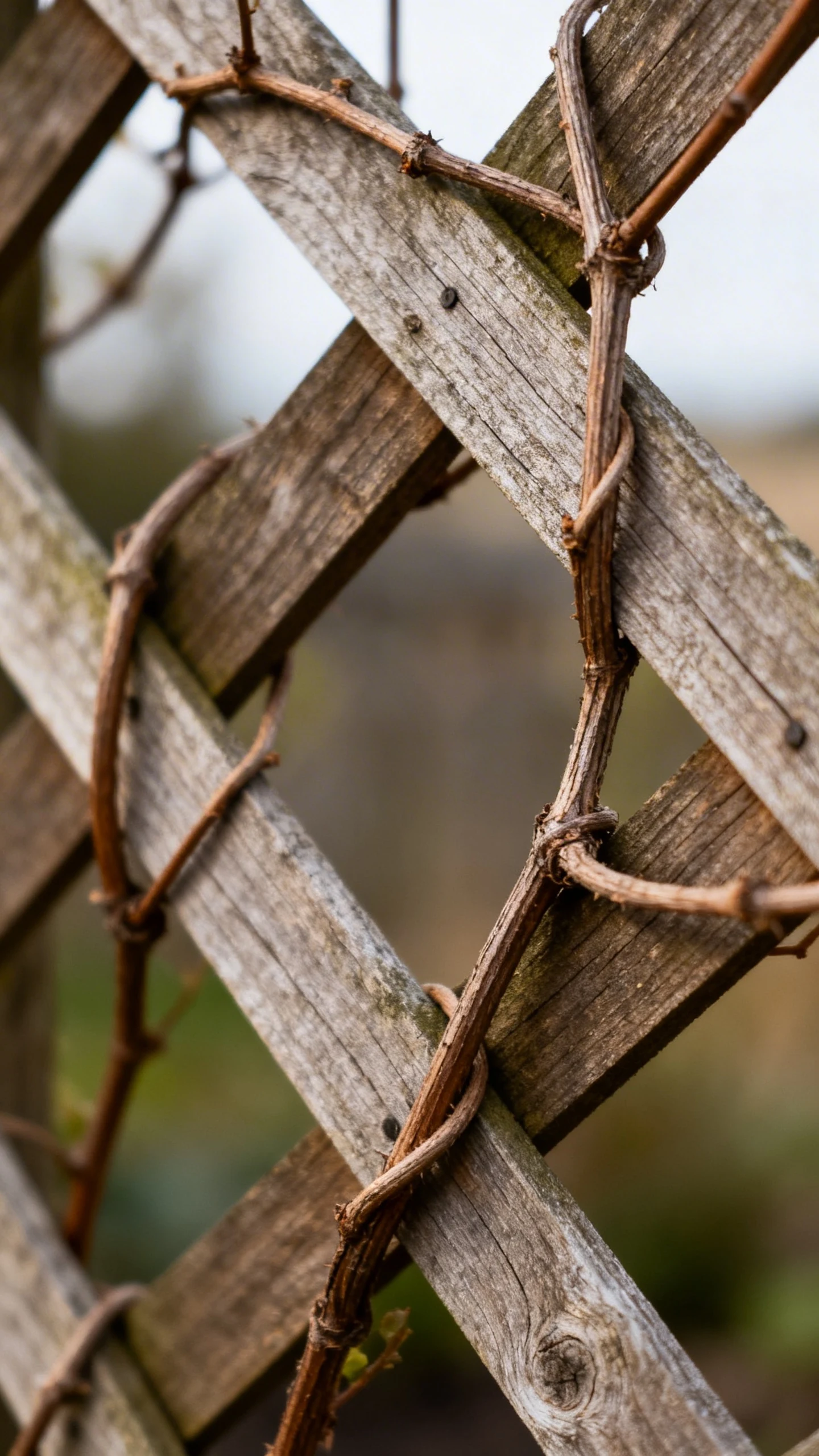
Let’s be real: the best garden design supports lazy days. You can absolutely make something beautiful without turning into a full-time weed manager. You just need to design with maintenance in mind.
Start by limiting complicated edges. Curvy borders look cute, but they also demand more trimming. Choose clean shapes you can mow and maintain without doing interpretive dance around the beds.
Use mulch like it’s your job. Mulch saves water, suppresses weeds, and makes beds look finished. It also gives you a buffer when you forget to weed for, uh, a totally normal amount of time.
Plant in Layers, Not a Flat Line
Layering makes a garden look lush and intentional. Put taller plants in back (or center, if the bed sits in the middle). Add medium shrubs and perennials next. Finish with low edging plants or groundcovers up front.
Those layers also help with weeds because they shade the soil. More plant coverage equals fewer bare spots for weeds to throw a party. Honestly, weeds always show up uninvited anyway, but you can make it harder for them.
Hardscape: The Stuff That Makes the Garden Usable
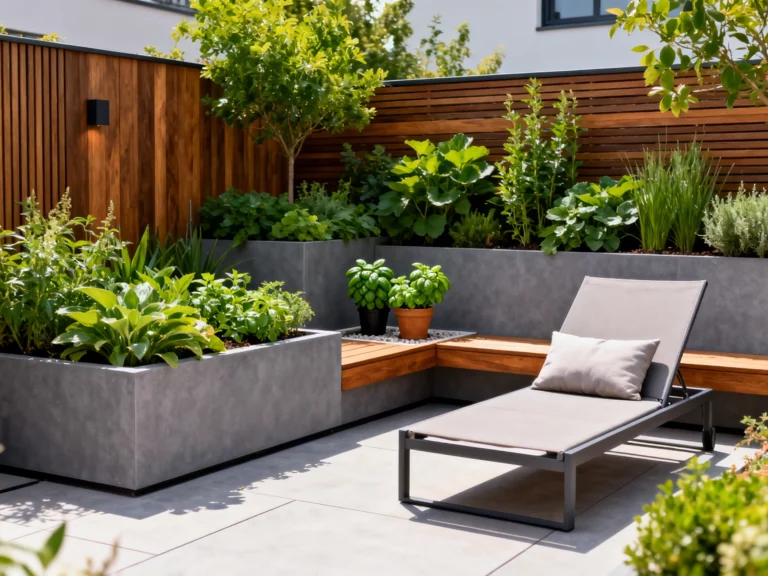
Plants get all the glory, but hardscape makes the space function. Patios, paths, edging, raised beds, steps, and fences shape how you move and how you feel out there. Think of hardscape as the skeleton; plants add the personality.
Start small if you need to. A simple gravel path and a defined sitting area can transform the whole yard. You don’t need a full renovation to get that “put-together” look.
Also, don’t ignore lighting. A couple of solar path lights or string lights can turn “dark backyard” into “cozy evening hangout” real quick.
Raised Beds vs. In-Ground: Pick Your Battles
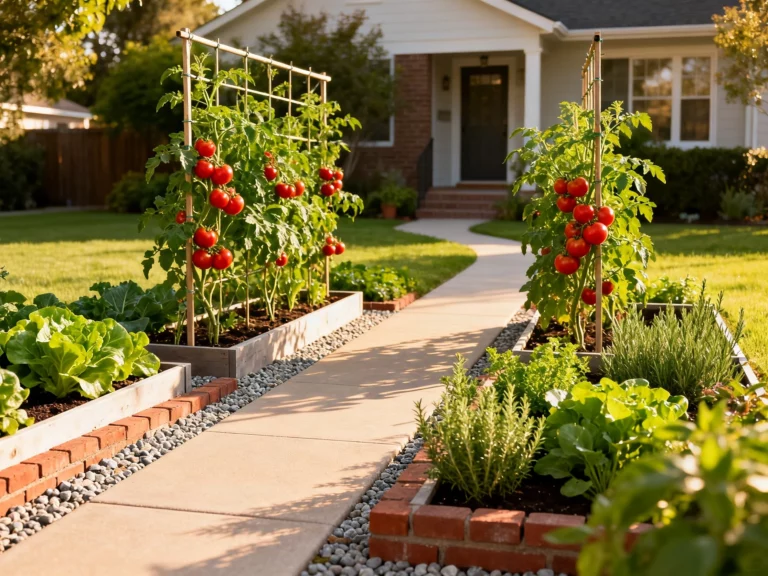
Raised beds look tidy and save your back. They also warm up faster in spring and improve drainage in wet yards. The tradeoff: they dry out faster and cost more upfront.
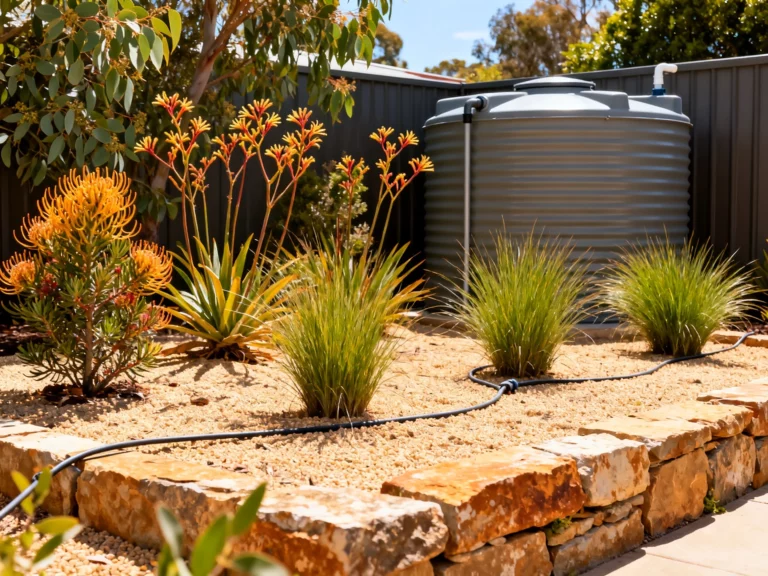
In-ground beds cost less and stay cooler in heat waves. They can also handle drought better once plants establish. If your soil feels like concrete, though, you’ll want to amend it or build up with raised beds to avoid frustration.
FAQ
How do I design a small backyard without making it feel cramped?
Focus on one main use and keep the layout simple. Use vertical space with trellises, tall planters, or narrow trees. Scale matters—choose plants that won’t swallow the whole yard in two years. And leave some open space so your eyes can breathe.
What’s the easiest way to make a garden look “designed” fast?
Repeat a few elements: the same edging, the same pot style, or a consistent plant palette. Add a focal point like a bench or a big container. Then mulch everything so it looks cohesive instead of “freshly dug chaos.”
How do I pick plants if I don’t know what I’m doing?
Start with what thrives locally and matches your light conditions. Visit a nearby nursery and ask for tough, reliable favorites for your region. Choose a mix of evergreen structure (shrubs), seasonal color (perennials), and groundcover. If you want extra confidence, check your plant hardiness zone and local extension office resources.
How much lawn should I keep?
Keep only what you’ll actually use. If the lawn exists purely to get mowed, replace some with beds, paths, or seating. A smaller lawn often looks better because it feels intentional, not accidental. Plus, you’ll free up time for the fun stuff.
Can I design my garden in phases without it looking unfinished?
Yes, and you probably should. Build the “bones” first: paths, sitting area, and main planting beds. Add one or two key shrubs or a small tree early so the structure starts growing ASAP. Then fill in with perennials and extras over time as budget and energy allow.
What’s a beginner-friendly mistake to avoid?
Don’t plant everything right away at full speed like you’re on a game show. Give yourself time to see how the sun moves and how you use the space. Start with fewer, better plants and leave room for growth. Your future self will thank you.
Conclusion: Design First, Then Let It Get a Little Wild
Home garden design doesn’t require perfection; it requires intention. Decide how you want to live outside, read your yard’s quirks, and build a layout that makes sense. Then choose plants and materials that support that plan instead of fighting it. After that, let the garden loosen up a bit—because the best outdoor spaces always feel a little alive, not overly controlled.