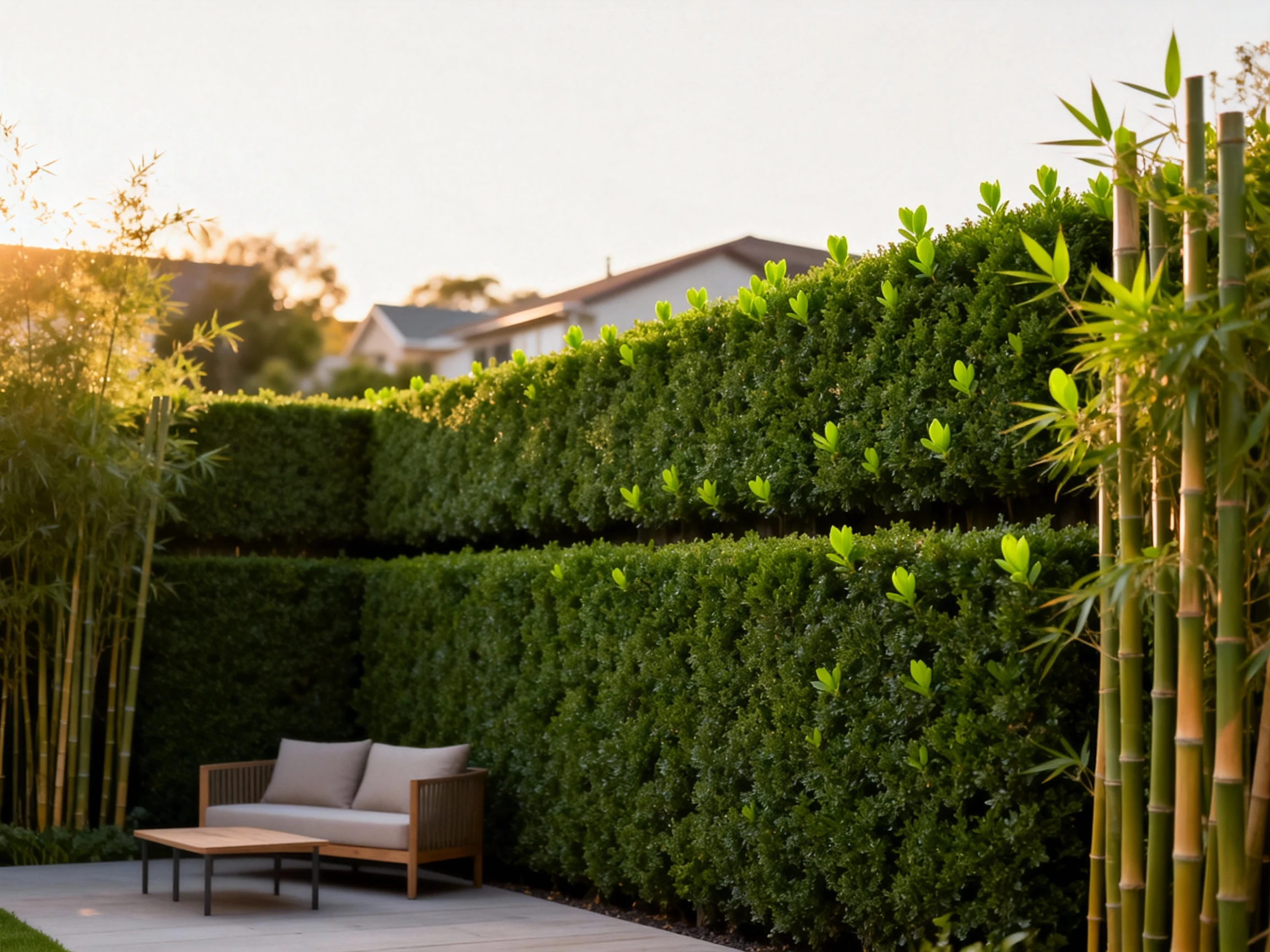
Fast-Growing Hedge Plants for Privacy: 12 Landscaping Ideas
You want a living wall that grows fast, looks good, and makes nosy neighbors disappear? Same. You don’t need a decade to build privacy. You just need the right plants, smart spacing, and a few tricks to keep them sprinting instead of strolling. Let’s find the hedge that fits your vibe—and grows quickly enough to count.
What “fast-growing” actually means for hedges
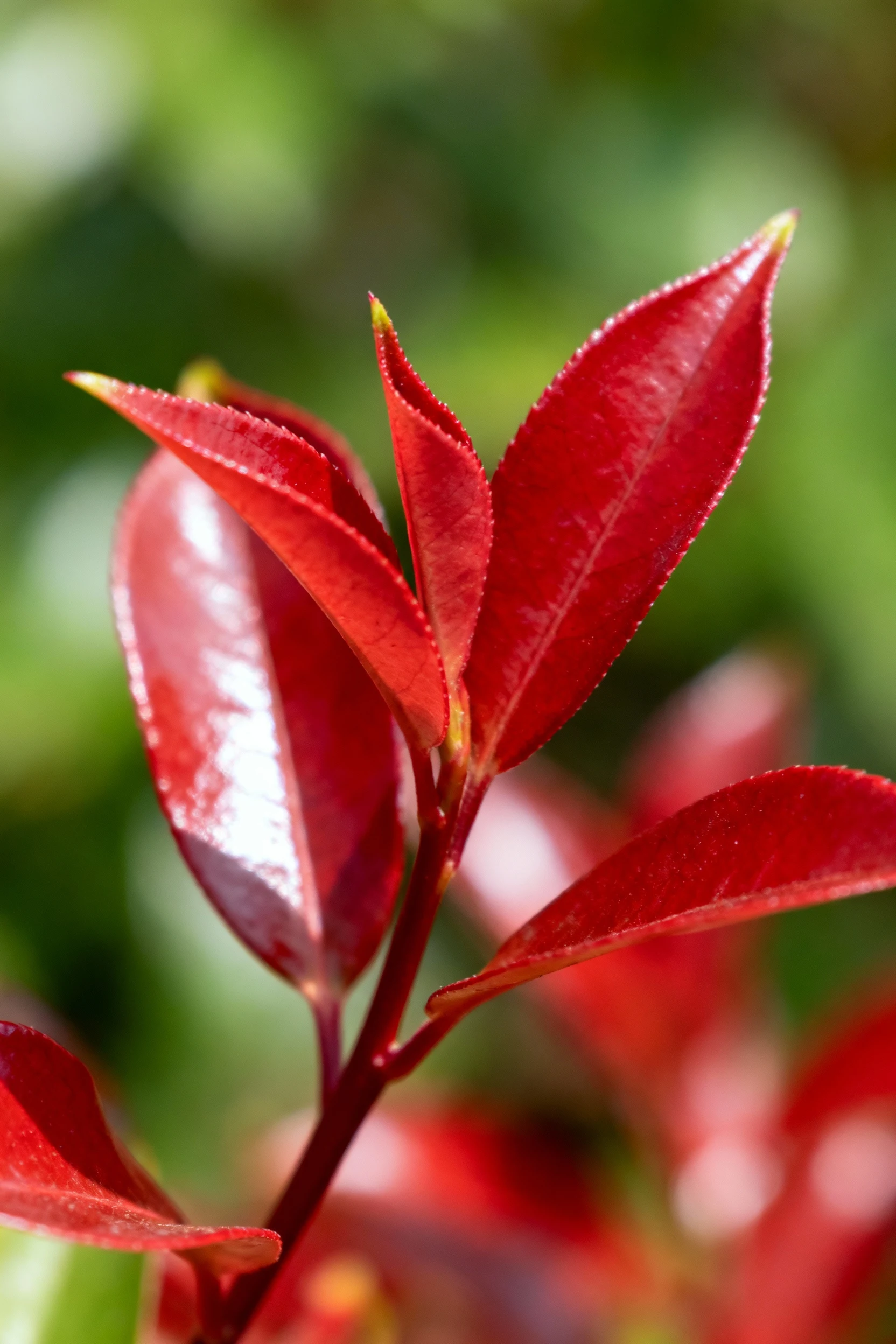
Fast growth looks different across climates, soil types, and species. Some hedges push 2–3 feet per year with ideal conditions. Others grow 12–18 inches but create a denser screen with fewer gaps. You choose speed or density—or better yet, both.
Here’s a quick reality check:
- Super fast: 2–3 ft/year (Green Giant arborvitae, Leyland cypress, sweet viburnum)
- Fast: 1–2 ft/year (cherry laurel, Portuguese laurel, podocarpus, photinia)
- Quick in warm zones: clumping bamboo, wax myrtle, bottlebrush, elaegnus
- Variables: Zone, sun, water, and your pruning strategy (snip for fullness; don’t hack randomly like a hedge serial killer)
Set your hedge up for speed
You steer growth with site prep and consistent care. Soil drains well, roots run deep, and plants rocket upward. You create that runway with simple steps.
- Sun: Aim for 6–8 hours daily. Partial shade? Choose shade-tolerant picks like cherry laurel or viburnum.
- Soil: Loosen to 12–18 inches deep, mix compost, and fix drainage. Soggy roots stall growth hard.
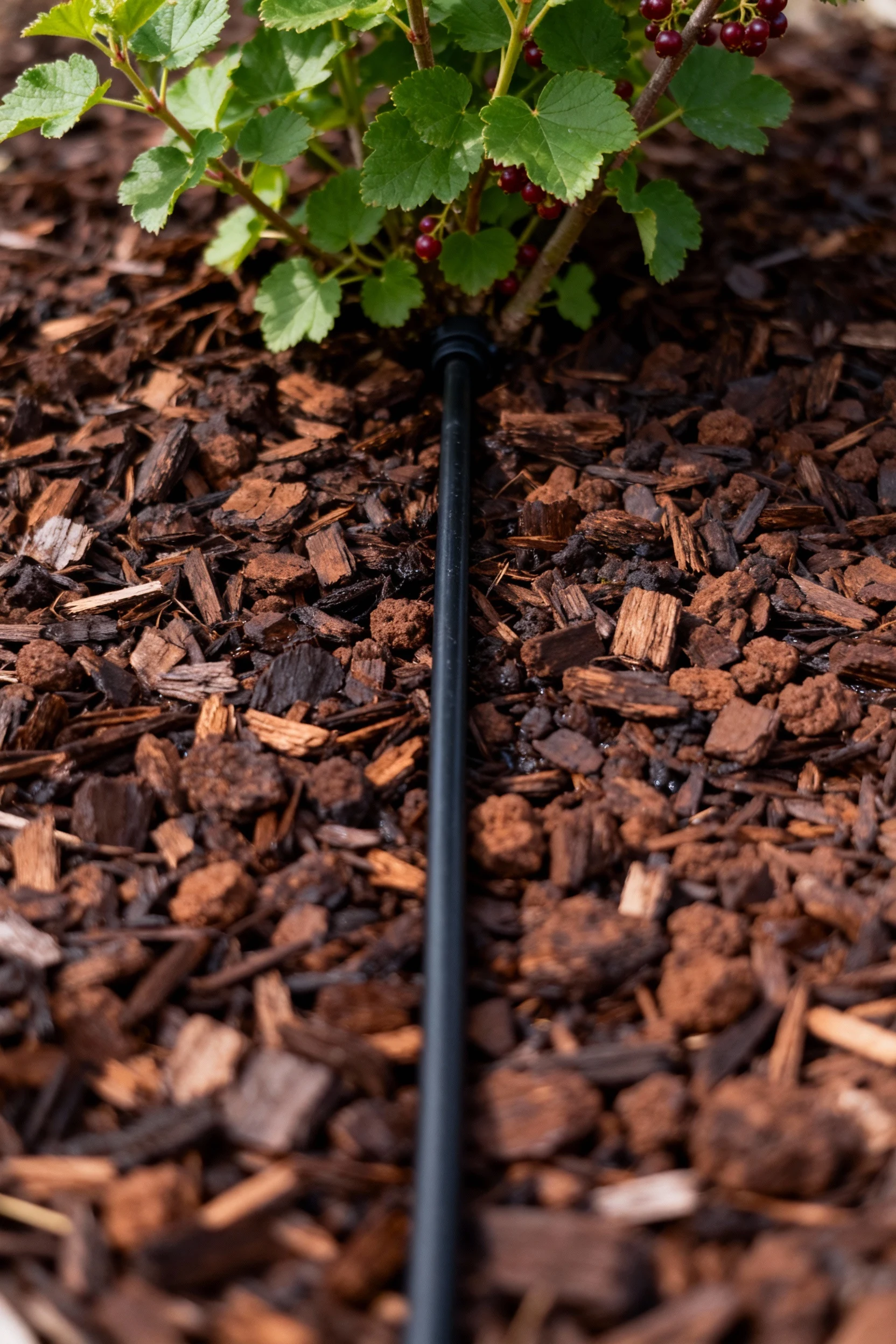
- Water: Deep, infrequent soaks beat daily sprinkles. Drip lines keep leaves dry and fungus away.
- Feed: Use a slow-release, balanced fertilizer in spring. Don’t dump nitrogen like confetti—lush growth invites bugs.
- Mulch: 2–3 inches around the root zone, not touching stems. Mulch holds moisture and keeps roots cool.
Spacing cheat sheet
You control how fast the hedge “fills in” with spacing. Wide gaps take longer; tight spacing screens faster (and costs more upfront).
- Large evergreens (Thuja, Leyland): 5–8 ft apart
- Medium hedges (laurel, viburnum, photinia): 3–5 ft apart
- Narrow hedges (podocarpus, pittosporum): 2–3 ft apart
- Clumping bamboo: 3–5 ft apart for quick overlap
Prune for speed (without losing your mind)
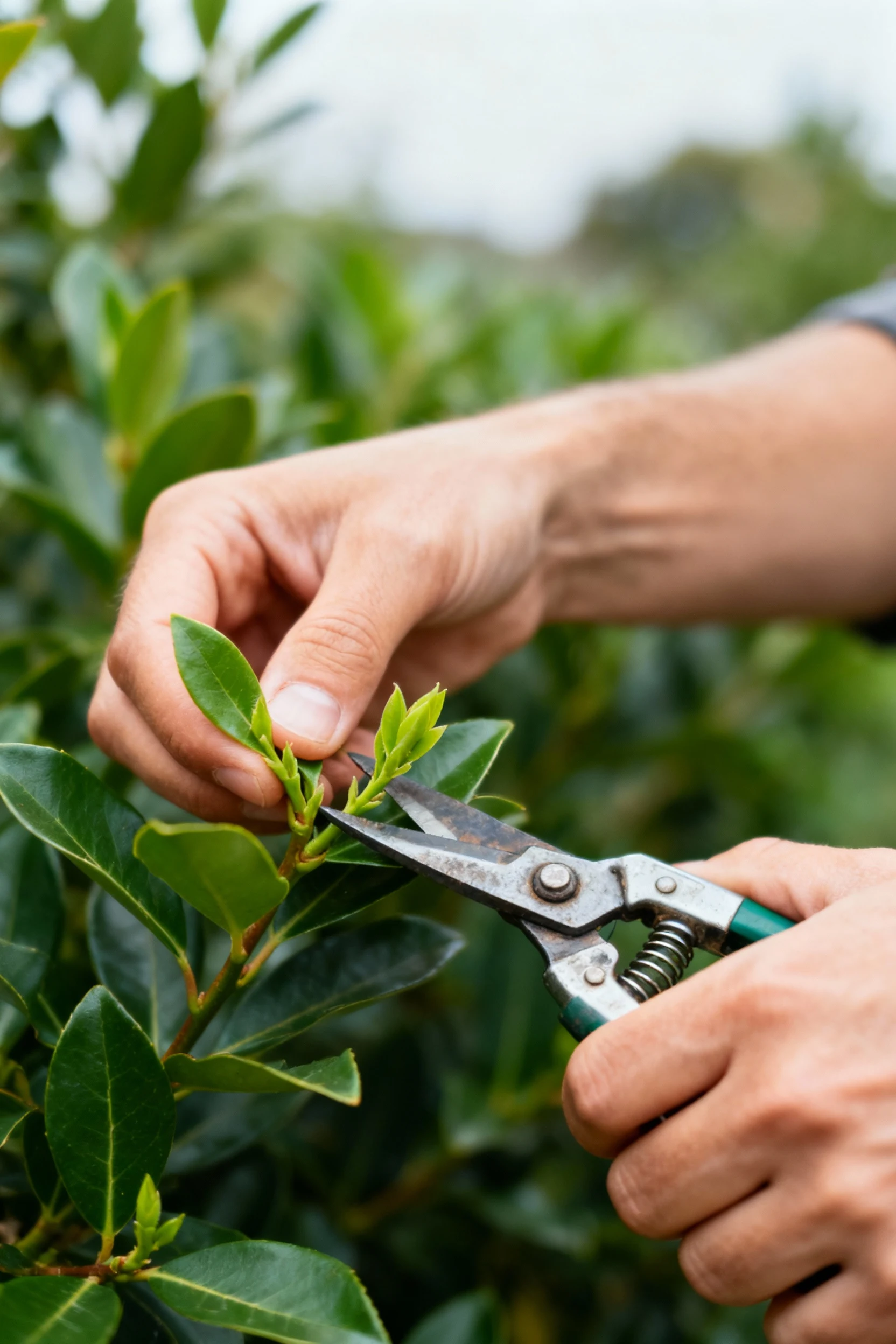
You shape the hedge while it grows, not after it gets leggy. Tip back soft new growth lightly in spring and early summer. You trigger branching and build a wall, not a collection of awkward, gawky stems. IMO, light and frequent trims beat one savage haircut every two years.
12 fast-growing hedge plants and landscaping ideas
1) Green Giant Arborvitae (Thuja ‘Green Giant’)
You want height yesterday? Go with Green Giant. It grows up to 3 ft/year in zones 5–9, hits 20–30 ft tall, and laughs at deer. Space 5–8 ft apart for a classic evergreen wall.
Idea: Stagger a double row with 6–7 ft spacing, and you create a windbreak and a neighbor-blocker at the same time. Keep the hose handy the first two summers, then watch it go.
2) Leyland Cypress
This one rockets upward—2–3 ft/year in zones 6–10, with mature heights of 30–50 ft. It fills in fast with soft, fine foliage. Space 6–8 ft apart, and you get a tall, uniform screen.
Caveat: Wet, humid climates push canker and blight. Mix in other evergreens or choose Green Giant if disease pressure runs high in your area.
3) Clumping Bamboo (Bambusa or Fargesia)
Want a sleek, modern privacy screen? Choose clumping bamboo (not the backyard horror movie, a.k.a. running bamboo). Bambusa thrives in zones 8–11; Fargesia handles 5–8. Expect 2+ ft/year with good water and sun.
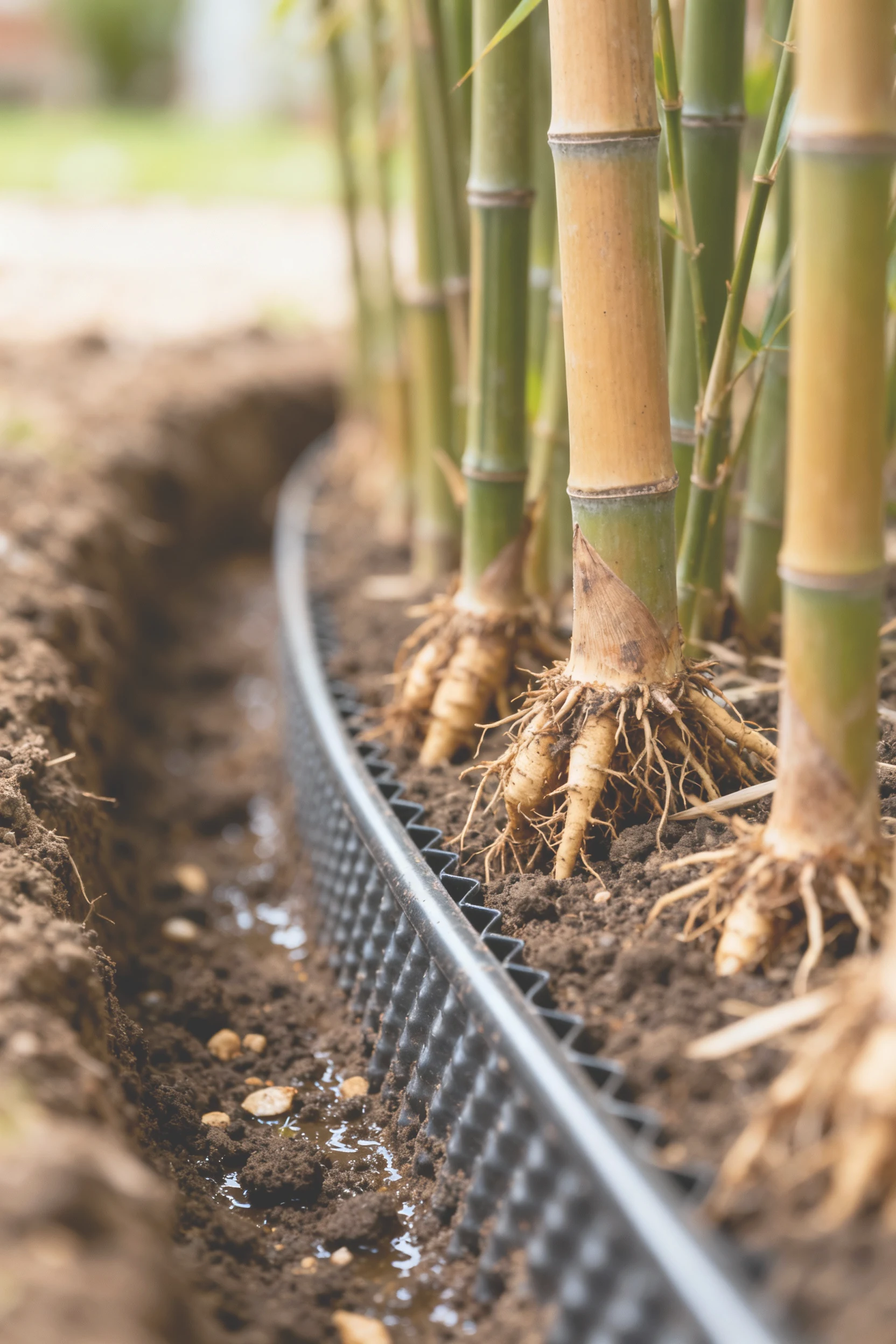
Idea: Plant 3–5 ft apart in a linear trench with root barriers on both sides. You get vertical lines, soft movement, and instant “designer” energy. FYI, bamboo hates soggy soil and starvation—feed lightly in spring.
4) Cherry Laurel (Prunus laurocerasus) and Carolina Cherry Laurel
Cherry laurel grows fast and dense—1–2+ ft/year—and tolerates urban life like a champ. Zones 6–9 (Carolina cherry goes 7–10). Height hits 10–20 ft depending on the cultivar.
Idea: Create a noise buffer along busy streets. Space 3–5 ft apart, tip prune after each flush, and you build a thick green wall that shrugs off exhaust and heat.
5) Portuguese Laurel (Prunus lusitanica)
This laurel reads a little more refined. You get glossy leaves, red stems, and steady growth at 1–2 ft/year in zones 6–9. It handles pruning beautifully and stays a bit narrower than cherry laurel.
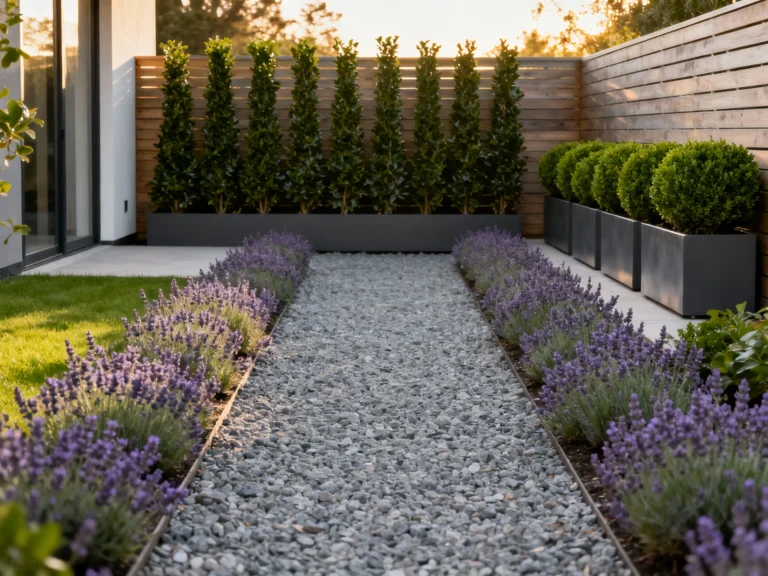
Idea: Formal hedge along a front boundary. Space 3–4 ft apart, clip a few times each season, and enjoy that tailored look without boxwood-level patience.
6) Privet (Ligustrum spp.)
You want speed? Privet delivers 2–3 ft/year with regular trimming. Japanese privet (L. japonicum) thrives in zones 7–10; common privet suits zones 5–8. It forms a dense, classic hedge fast.
Caveat: Some privets seed aggressively and count as invasive in many regions. Choose sterile or local-approved cultivars, and deadhead if needed. Space 2–4 ft apart for tight walls on a budget.
7) Photinia x fraseri (‘Red Tip’ / ‘Red Robin’)
Photinia throws out red new growth that turns glossy green—instant color drama. Growth clocks 1–2+ ft/year in zones 7–9. Heights run 10–15 ft, and it clips well.
Idea: A color-forward hedge that screens patios. Space 3–4 ft apart, trim lightly after each flush to keep the red show going. Watch for leaf spot in humid climates; improve airflow and avoid overhead watering.
8) Sweet Viburnum (Viburnum odoratissimum)
This warm-climate workhorse piles on growth at 2–3 ft/year in zones 8–10. It hits 12–20 ft and smells amazing in spring. It tolerates pruning and makes a lush, broadleaf hedge.
Idea: Fragrant driveway screen. Space 3–5 ft apart, hedge to 8–12 ft tall, and enjoy thick cover with spring bloom.
9) Podocarpus (Podocarpus macrophyllus, “Maki”)
Podocarpus creates a narrow, elegant hedge with 1–2 ft/year growth in zones 8–11. It handles shade better than many evergreens, and it stays tidy with light trimming. Mature height ranges from 8–20 ft.
Idea: Tight side-yard screen where space feels cramped. Plant 2–3 ft apart, and you get a neat, vertical wall without the claustrophobia.
10) Elaeagnus (Elaeagnus × ebbingei, Silverberry)
Elaeagnus shoots up quickly and laughs at salt spray and wind. Expect 1–2+ ft/year in zones 7–10. Silvery leaves brighten shady spots and coastal gardens.
Idea: Coastal privacy that doesn’t quit. Space 3–5 ft apart, clip after spring flush, and you keep it dense and storm-ready.
11) Wax Myrtle (Morella cerifera)
Native to the Southeast, wax myrtle grows 2–3 ft/year in zones 7–11. It forms a relaxed, aromatic hedge that wildlife loves, and it handles poor soils surprisingly well.
Idea: Naturalized screen along property edges. Space 4–6 ft apart, prune after spring growth to thicken, and enjoy a hedge that looks intentional but not overly manicured.
12) Bottlebrush (Callistemon spp.)
Bottlebrush gives you evergreen cover plus bold, nectar-rich blooms. Growth sits around 1–2+ ft/year in zones 8–11. It clips into hedges or stays loose and shrubby.
Idea: Pollinator-friendly hedge around patios. Space 3–5 ft apart, trim after flowering, and enjoy hummingbirds as your tiny, loud neighbors.
Design moves that boost privacy faster
You can outsmart time with smart layout. Layer plants, cheat terrain, and mix textures so gaps disappear while everything grows. Why wait five years when you can block lines of sight now?
- Stagger rows: Plant a second, offset row to close “keyholes.” Use 6–8 ft spacing for big trees, 3–4 ft for shrubs.
- Mix species: Blend fast sprinters (Green Giant, viburnum) with durable anchors (podocarpus, Portuguese laurel) for insurance.
- Layer heights: Tall back row, medium middle, low front. You block ground-level views plus second-story windows.
- Add a berm: Mound soil 12–18 inches high and plant into it. You boost height instantly and improve drainage.
- Use trellises temporarily: Run lattice or wire with vines while shrubs bulk up. Remove later or keep the vibe.
Combo “recipes” for instant privacy
FYI, these combos work in many neighborhoods and handle varied conditions:
- Windbreak wall: Double-row Green Giant (6–7 ft spacing) + front row of viburnum (3–4 ft) for immediate cover.
- Urban narrow lane: Podocarpus (2–3 ft spacing) + clumping bamboo accents near windows for height without width.
- Coastal mix: Elaeagnus (3–4 ft) + bottlebrush (3 ft) + a few photinia for color pops and pollinators.
Maintenance calendar that keeps hedges sprinting
You don’t need a horticulture degree. You need consistency. Keep it simple and your hedge stays in beast mode.
- Early spring: Feed with slow-release balanced fertilizer; check irrigation; prune lightly to shape.
- Late spring: Mulch 2–3 inches; spot-check pests; tip prune fast growers after flush.
- Summer: Deep water weekly (twice weekly in heat); avoid heavy shearing during drought.
- Early fall: Light corrective pruning only; no heavy nitrogen; fix thin spots with interplanting.
- Winter: In cold zones, protect young roots with extra mulch; prune dead or crossing branches on mild days.
FAQ
How long until I get a solid privacy hedge?
You usually see meaningful privacy in 2–3 years with fast growers and tight spacing. Go wider, and you wait longer. Choose one or two sprinting species (Green Giant, viburnum, cherry laurel), plant generously, and trim tips lightly to build density fast.
Do evergreen hedges grow in winter?
They slow down when temps drop, but they don’t just nap and quit. Roots keep developing, especially in mild climates. You prep for spring growth with good fall watering and mulch, then let them take off when days lengthen.
What hedge handles deer pressure?
Green Giant arborvitae usually wins the deer standoff. Elaeagnus and wax myrtle handle browsing better than most, too. Avoid tasty favorites like some viburnums and photinia if deer dine at your place nightly.
Can I plant hedges right next to a fence?
You can, but give yourself 18–36 inches for airflow and pruning access. Roots won’t crush your fence (that myth needs a nap), but cramped spacing invites disease and ugly growth. Leave a maintenance alley, and future you will send a thank-you text.
Are fast-growing hedges high maintenance?
They need regular tip pruning, deep watering, and a spring feed. That’s normal, not insane. You avoid major headaches by choosing the right plant for your zone, spacing correctly, and skipping heavy shearing that creates bare sticks and weak foliage.
Clumping vs. running bamboo—what’s the difference?
Clumping bamboo expands slowly from the base, and you control it with simple edging. Running bamboo sends underground rhizomes everywhere, including into your neighbor’s yard and possibly their will. Choose clumping types and install root barriers for clean lines and zero drama.
Conclusion
Privacy doesn’t need to drag on for years. You pick a fast-growing hedge, plant smart, and prune with intention. Mix a couple species, stagger rows, and add a berm if you want extra height now. Choose well, and you enjoy a living wall that looks great—and keeps your backyard life yours—without the wait.