Top 12 Shade-Loving Flowers for a Gorgeous Low-Light Garden
You want flowers where the sun refuses to show up? You can get serious color and texture in the gloomiest corners of your yard. Shade doesn’t mean “give up and plant rocks.” It means you pick the right plants, lean into dramatic foliage, and let blooms glow like little lanterns. Let’s build a low-light garden that looks lush, cool, and frankly a bit smug.
Shade 101: Not All Shadows Match
You don’t need full daylight for flowers. You just need to match plants to the kind of shade you actually have. Some bloom in morning light and afternoon shade, while others love dappled tree cover all day.
Use this quick light cheat sheet:
- Partial shade: 3–5 hours of direct morning sun or bright dappled light.
- Full shade: Less than 3 hours of direct sun, but still bright open sky light.
- Deep shade: No direct sun and low ambient light (north sides, under dense evergreens).
Morning sun beats afternoon sun for shade plants. Heat stresses them more than light does. Water stays longer in shade too, so you prevent rot with good drainage and smart spacing.
How to read your yard’s light
Track sun for a day with your phone’s notes app. Check each spot at breakfast, lunch, and late afternoon. Note hours of direct sun and any reflective light from walls or water.
FYI, trees change light a lot from April to August. Leaves fill in, sun angles shift, and that “bright” corner can morph into cave-mode. Pick plants that tolerate a range, and you avoid drama.
Perennial Scene-Stealers for Low Light
Perennials return every year and do most of the heavy lifting in shade. Mix bloom times so something pops from late winter through fall.
Hellebores (Helleborus spp.)
These bloom when winter still lingers, which feels like magic. Long-lasting, nodding flowers look like porcelain and come in moody shades.
- Why we love it: Flowers from late winter to early spring; evergreen foliage in many varieties.
- Light: Partial to full shade.
- Soil/Moisture: Rich, well-drained soil; consistent moisture.
- Zones: 4–9.
- Pro tip: Snip old, leathery leaves in late winter so flowers shine.
Astilbe (Astilbe spp.)
Feathery plumes rise like fireworks in shady borders. It loves moisture and rewards you with lush, ferny foliage.
- Why we love it: Long bloom window; great cut flower.
- Light: Partial shade; tolerates full shade with fewer blooms.
- Soil/Moisture: Rich and consistently moist.
- Zones: 4–9.
- Pro tip: Group three or more for a fluffy, meadow vibe.
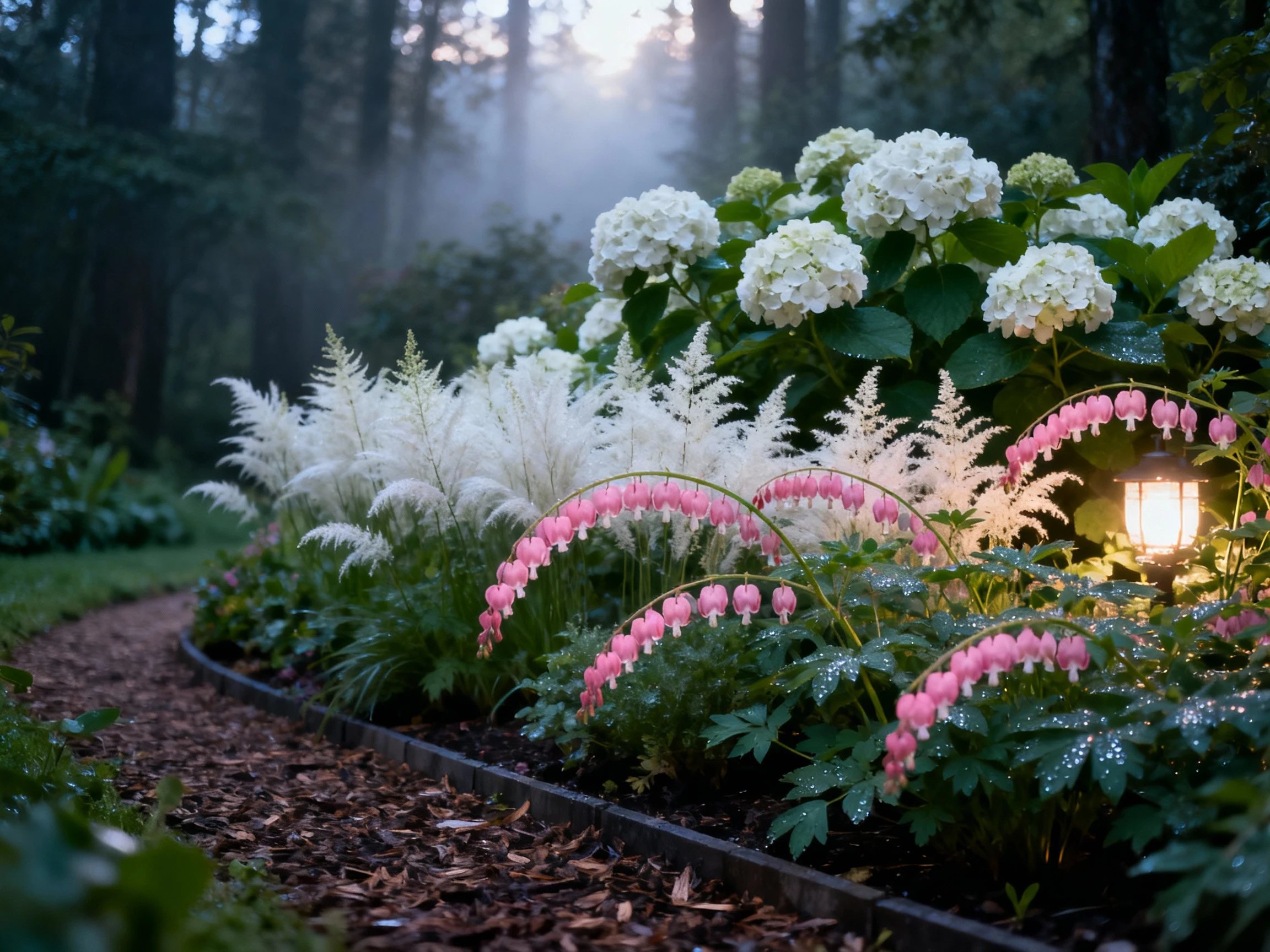
Bleeding Heart (Dicentra spectabilis)
Old-school charm, dramatic heart-shaped flowers, zero attitude. It blooms in spring, then often takes a summer nap.
- Why we love it: Iconic flowers; graceful, arching stems.
- Light: Partial shade; prefers cool roots.
- Soil/Moisture: Moist, well-drained soil.
- Zones: 3–9.
- Pro tip: Pair with host-like foliage plants to hide summer die-back. (They do the cover-up so you don’t have to.)
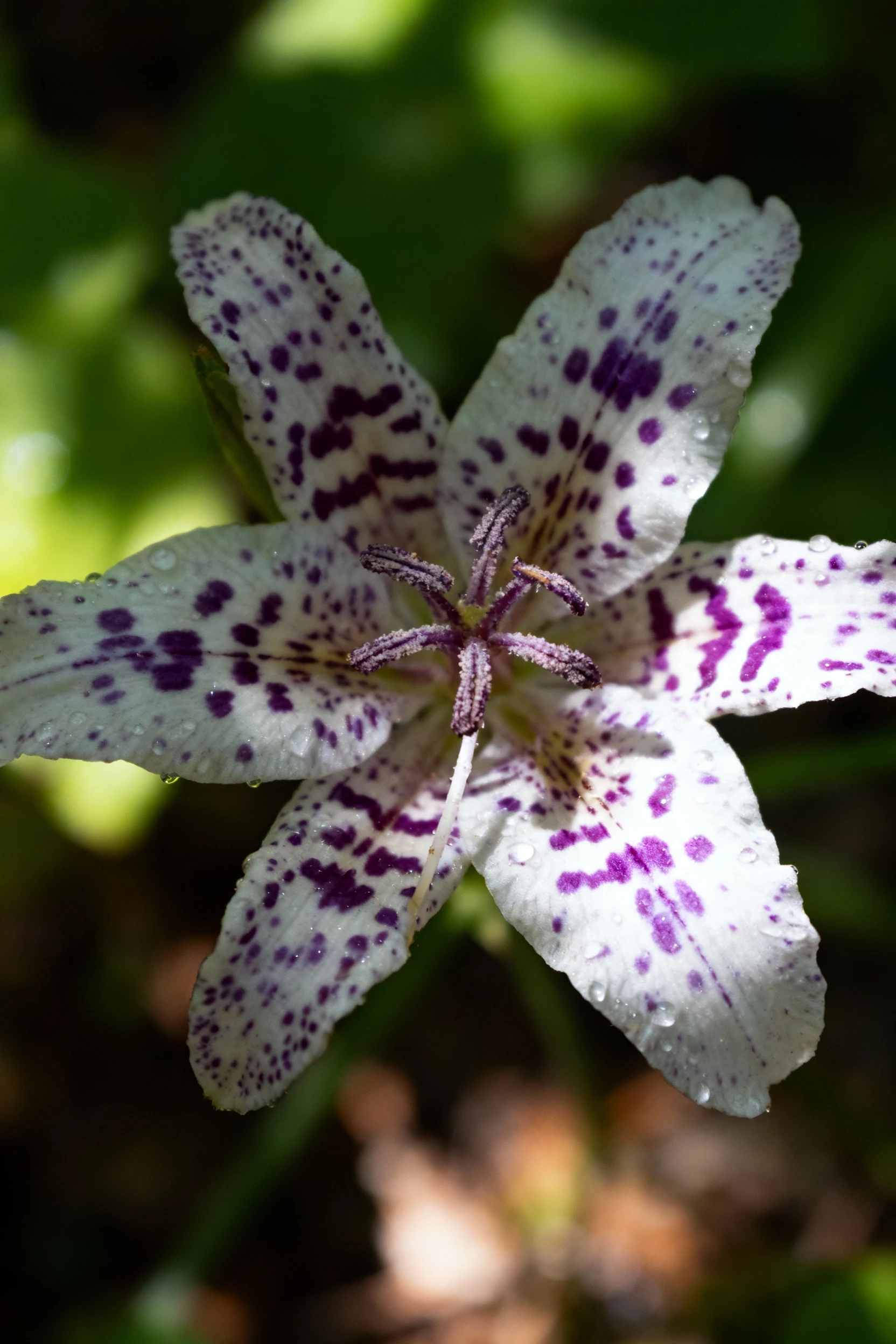
Toad Lily (Tricyrtis spp.)
Late-season star with orchid-like flowers that appear just when shade gardens start yawning. It steals the show in September.
- Why we love it: Intricate, speckled blooms; deer usually ignore it.
- Light: Partial to full shade.
- Soil/Moisture: Even moisture, rich soil.
- Zones: 4–9.
- Pro tip: Plant near paths so you actually see the details up close.
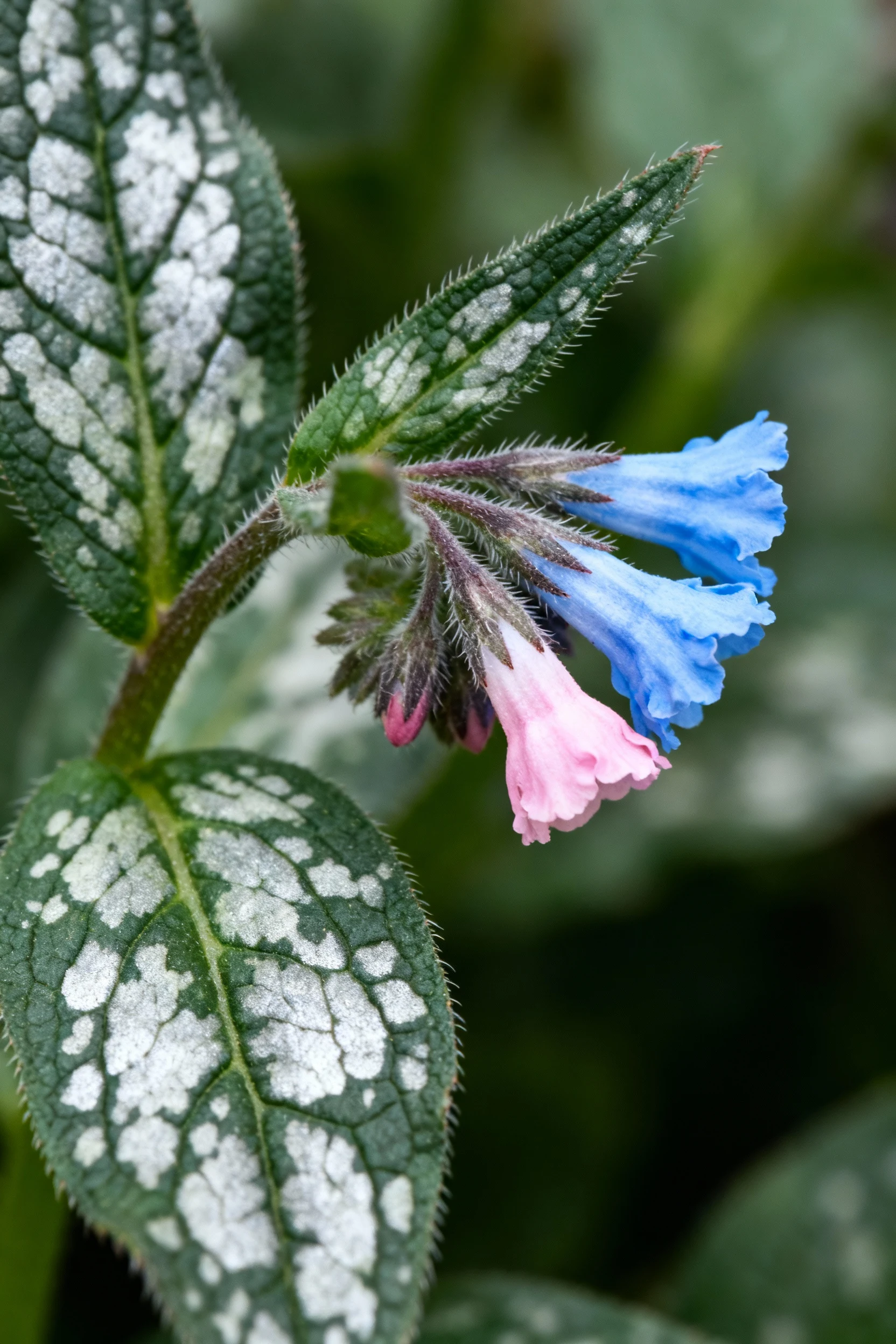
Lungwort (Pulmonaria spp.)
Horrible name, incredible plant. Silver-flecked leaves and spring flowers that shift from pink to blue as they mature.
- Why we love it: Long-lived foliage interest; great pollinator plant.
- Light: Partial to full shade.
- Soil/Moisture: Moist, humus-rich soil.
- Zones: 3–8.
- Pro tip: Divide clumps every few years for vigor and freebies.
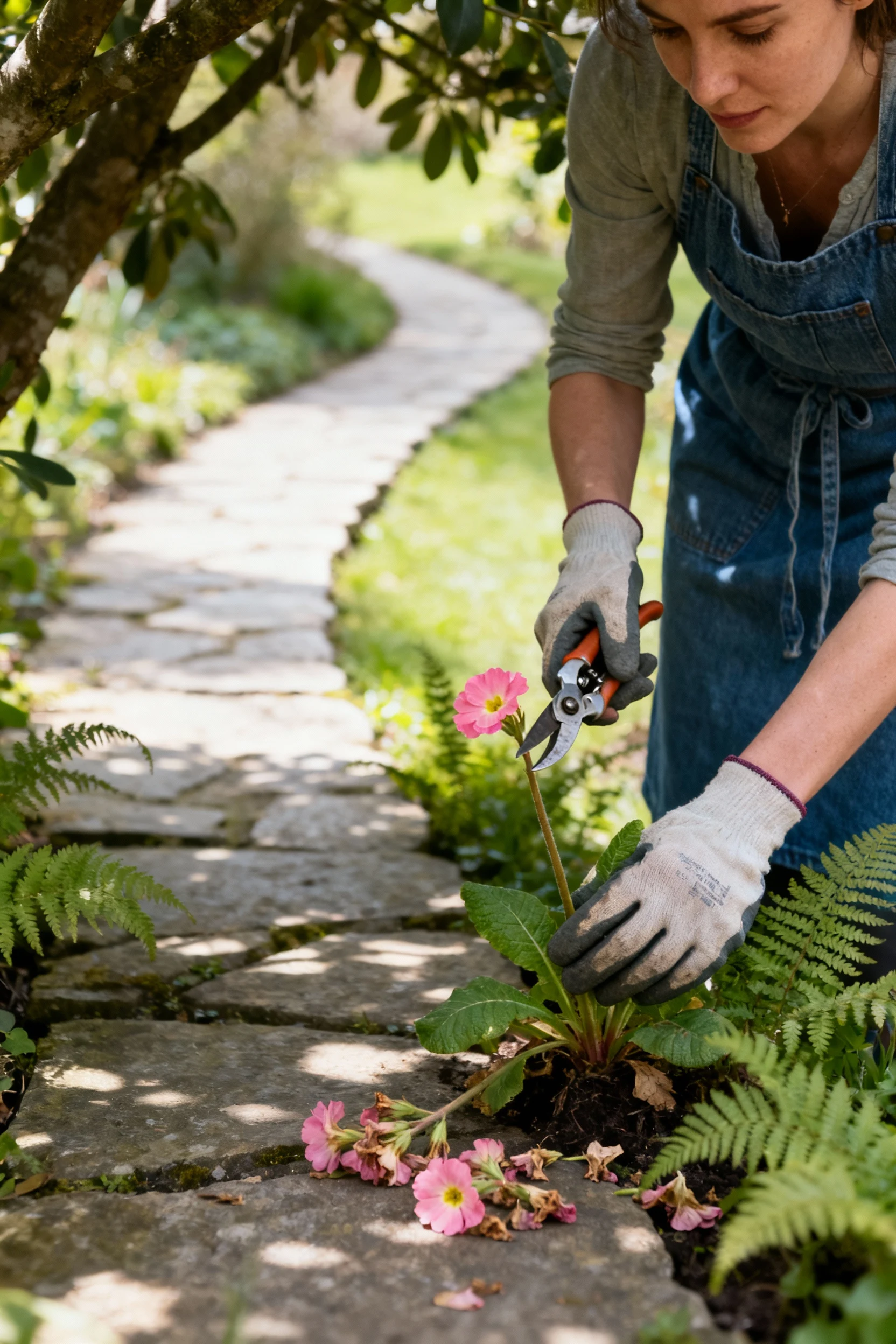
Primrose (Primula spp.)
Cheerful rosettes of color in early spring when you need joy the most. Compact, tidy, and easy to tuck along paths.
- Why we love it: Brilliant colors; blooms early.
- Light: Partial shade.
- Soil/Moisture: Moist, well-drained; never bone-dry.
- Zones: 4–8 (varies by species).
- Pro tip: Deadhead to push more blooms.
Lily of the Valley (Convallaria majalis)
Tiny bells, huge fragrance, classic cottage-garden vibes. It creeps politely in some soils and aggressively in others.
- Why we love it: Spring perfume; spreads to cover gaps.
- Light: Partial to full shade.
- Soil/Moisture: Moist, fertile; tolerates clay.
- Zones: 3–8.
- Pro tip: Contain it with edging if you want neat lines. Important: All parts are poisonous; keep kids and pets away.
Annuals That Bring Instant Shade Color
Annuals deliver fast impact and long bloom seasons. You swap them each year, so you can experiment like a mad scientist with color combos.
Impatiens (Impatiens walleriana)
The classic shade bedding plant, and for good reason. It flowers nonstop from late spring to frost.
- Why we love it: Bloom machines in deep shade; endless colors.
- Light: Partial to full shade.
- Soil/Moisture: Even moisture; mulch helps prevent wilt.
- Notes: Choose downy mildew–resistant varieties where that disease hits hard.
- Pro tip: Mass plant for a carpet of color.
Begonias (wax and tuberous)
From glossy wax begonias to dramatic tuberous types, you get flowers plus great foliage. They shine in containers and borders.
- Why we love it: Long season; handles heat better than most shade annuals.
- Light: Partial shade; morning sun works.
- Soil/Moisture: Well-drained; avoid soggy roots.
- Pro tip: Go tuberous for big, showy blooms under bright shade.
Torenia (Wishbone Flower)
The sleeper hit of shade annuals. Trumpet-like blossoms in blues, purples, pinks, and bicolors.
- Why we love it: Hummingbirds approve; thrives where others pout.
- Light: Partial to full shade.
- Soil/Moisture: Consistent moisture and good drainage.
- Pro tip: Pinch once early to encourage bushy growth.
Fuchsia (Fuchsia hybrids)
Dangling, ballerina-style flowers look fancy without the attitude. Containers on a shady porch love them.
- Why we love it: Hummingbird magnet; cool-weather champion.
- Light: Bright shade to morning sun.
- Soil/Moisture: Keep evenly moist; avoid hot, dry winds.
- Pro tip: Feed lightly every 2–3 weeks for nonstop blooms.
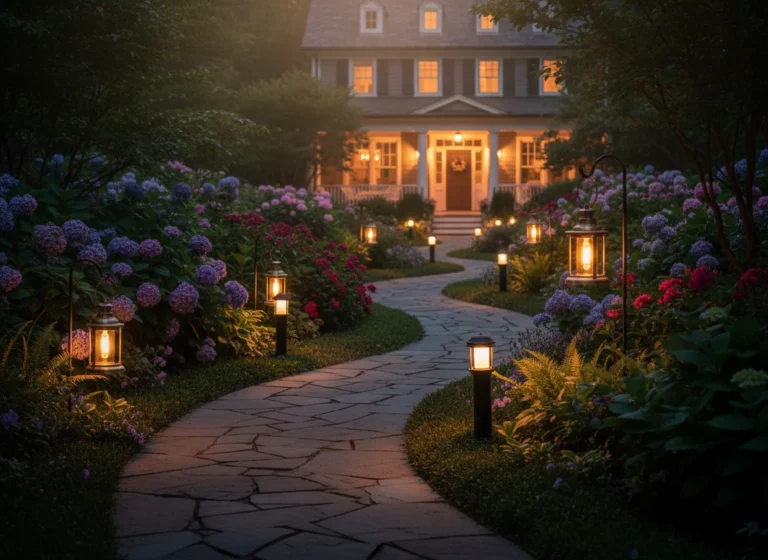
Shade-Friendly Shrub Spotlight: Hydrangea
Hydrangeas carry the shade border with big, showy clusters. Choose the right type and you get months of color.
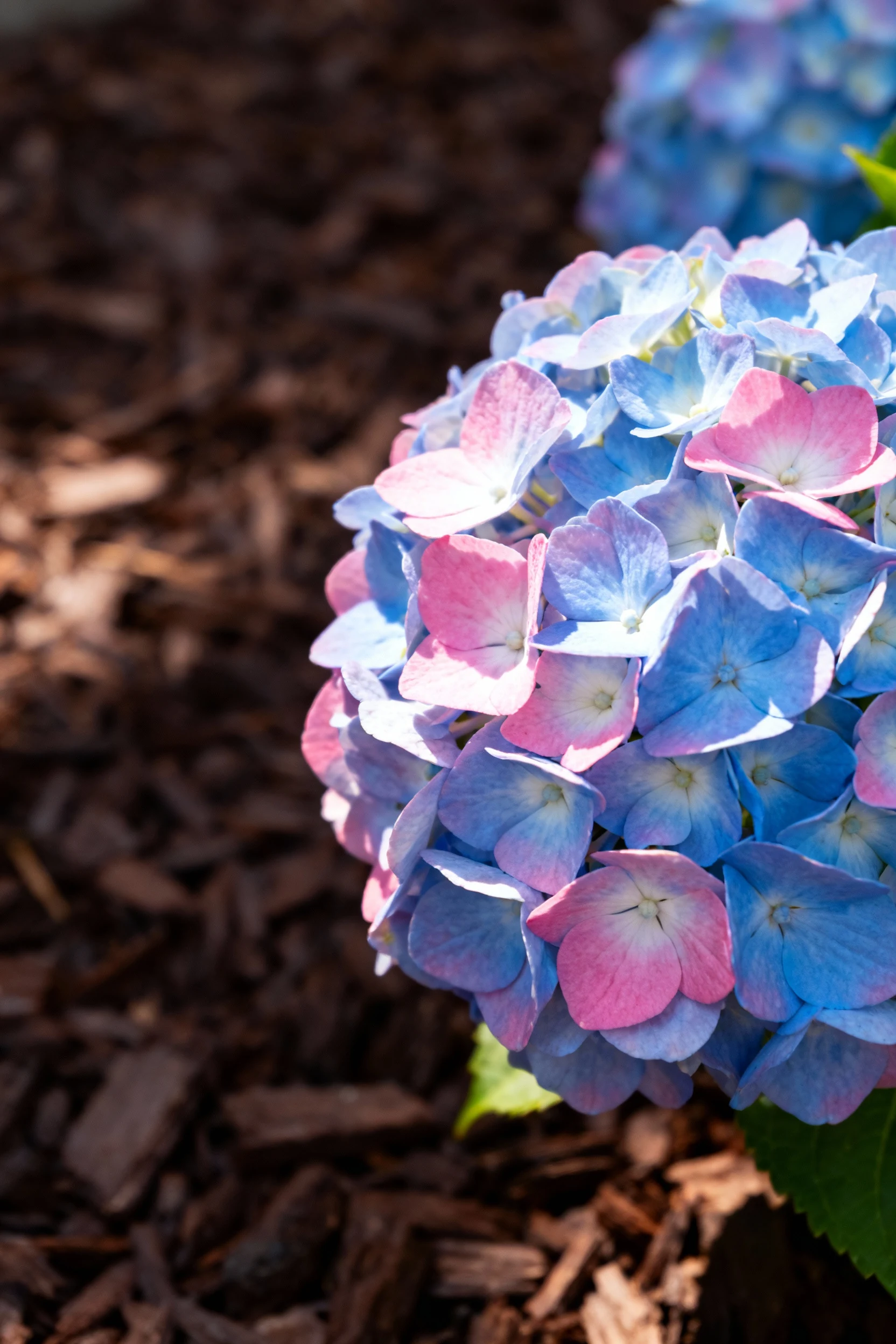
Bigleaf Hydrangea (Hydrangea macrophylla)
You know it for mophead and lacecap blooms. Flowers shift pink to blue based on soil pH, which feels like horticultural witchcraft.
- Why we love it: Huge floral impact; blooms on old wood (many types) and new on some rebloomers.
- Light: Morning sun + afternoon shade; bright shade works.
- Soil/Moisture: Moist, well-drained; mulch is your best friend.
- Zones: 6–9 (some hardy to 5 with protection).
- Pro tip: Choose reblooming varieties if late frosts nuke old wood.
You can also try Oakleaf hydrangea (H. quercifolia) for cones of white blooms and killer fall color. It handles more shade than bigleaf and brings a woodsy look.
Design Moves That Make Shade Gardens Pop
Shade doesn’t dull color. It actually intensifies it. You work with contrast, layered heights, and bloom timing to create depth.
Color play in low light
– White and pastels glow in shade. Use white astilbe, pale primrose, and light pink bleeding heart as beacons.
– Anchor with deeper tones like purple toad lily and blue torenia for dimension.
– Repeat a color three times through the bed so it feels intentional, not random.
Texture + structure
– Mix fine textures (astilbe plumes) with bold leaves (lungwort’s speckles) for instant drama.
– Add a hydrangea as a structural anchor, then weave in perennials around it.
– Use edging or a low hedge to frame the soft, woodland feel so it looks curated, not messy.
Layering 101
– Back row: hydrangea and tall astilbe.
– Middle: bleeding heart, hellebores, and toad lily for seasonal waves.
– Front: primrose, lungwort, lily of the valley.
– Containers: begonias, fuchsias, torenia for flexible pops of color.
Care Basics: Keep Shade Lovers Thriving
You avoid most issues with the right soil and watering rhythm. Shade plants appreciate consistency more than heroics.
Soil prep and mulch
– Work in compost before planting to boost drainage and nutrients.
– Aim for “moist but not mucky.” Roots need air pockets.
– Add 2–3 inches of mulch to lock in moisture and chill weeds, but keep it off stems.
Water smart
– Water deeply, less often. Shallow sips grow shallow roots.
– Use your finger: if the top inch feels dry, water. If it feels cool and damp, wait a day.
– Containers dry faster, especially with begonias and fuchsias. Set a reminder. Your future self will thank you.
Feeding, deadheading, and division
– Shade plants generally need light feeding. A spring slow-release fertilizer does the job.
– Deadhead primrose, torenia, begonias, and impatiens to keep flowers coming.
– Divide clumps of hellebores, lungwort, and astilbe every few years in early spring or fall to refresh vigor.
Pests and problems (keeping it real)
– Slugs and snails love tender shade plants. Use iron phosphate baits, copper tape, and dry mulch like pine fines as deterrents.
– Watch for downy mildew in impatiens. Choose resistant strains or switch to torenia if it becomes a thing in your area.
– Hydrangea wilted at 3 p.m.? That’s stress plus shallow roots. Water deeply and mulch better, and it perks up by evening.
Your Top 12 Shade-Loving Flowers
Let’s name names so you can make a shopping list. Mix perennials for structure with annuals for long-season color.
- Hellebores – late winter to early spring blooms.
- Astilbe – feathery plumes in early to midsummer.
- Bleeding Heart – spring romance, then summer rest.
- Toad Lily – late-season orchid-like stunners.
- Lungwort – speckled leaves and spring flowers.
- Primrose – early color you can count on.
- Lily of the Valley – fragrant spring bells (toxic; handle with care).
- Impatiens – nonstop annual color in deep shade.
- Begonias – flower power plus foliage flair.
- Torenia – wishbone flowers that actually like shade.
- Fuchsia – hummingbird magnet for cool shade.
- Hydrangea – big, bold shrub blooms for structure.
IMO, this mix covers every shade situation from porch pots to woodland borders. Start with three or four, learn your site, then scale up.
FAQ: Shade-Garden Real Talk
Can I get blooms in deep shade, or do I need some sun?
You can get blooms, but you need the right plants. Impatiens, torenia, hellebores, and lily of the valley flower in very low light. You’ll get fewer blooms in true cave-like spots, so lean into foliage texture there and place flower-heavy plants where even a touch of morning light sneaks in.
What colors show up best in shade?
Light colors pop the most. Think white, pale pink, lemon, and soft lavender. Use them as anchors, then layer deeper hues like burgundy to add depth. Shade acts like a softbox for your garden, so even subtle tones look rich.
How do I keep things from looking messy?
Repeat plants and colors. Build clear layers with taller anchors at the back, mid-height bloomers in the middle, and ground-huggers up front. Frame everything with a path, edging, or a low hedge so your lush woodland look reads as intentional.
Do shade plants need less water?
They lose water more slowly, but they still need consistent moisture. Water deeply and less often, then mulch to keep the soil steady. Overwatering causes more problems in shade than underwatering, so check soil before you grab the hose.
What’s a quick shade combo that just works?
Try this: Hydrangea anchor, a drift of astilbe, spring pop from hellebores and primrose, and season-long color from begonias and torenia. Add toad lily near a path for that fall “wow.” It looks good from March to frost without fussy maintenance.
Any plants I should avoid around pets and kids?
Yes. Lily of the valley is toxic if ingested, and many hellebores can cause irritation. Keep these where curious mouths can’t reach, and teach “look, don’t taste” garden rules. When in doubt, check plant labels and a reputable toxicity list before planting.
Final Petal Thoughts
Shade doesn’t limit you; it gives you a mood. Mix bloom times, lean into texture, and pick flowers that actually like low light. You’ll get a garden that glows in the cool hours and keeps blooming when the sun throws shade at your expectations. Now go plant something fabulous where the sun refuses to RSVP.