Container Flower Gardening: 10 Stunning Pot Combinations to Try
You want a container garden that makes people stop and say “Whoa, what’s in that pot?” Let’s make it happen. Whether you’ve got a tiny balcony, a front stoop, or a patio that begs for color, you can build eye-catching combinations without a horticulture degree. Grab a bag of potting mix, pick a theme, and let’s plant some absolute showstoppers.
Why containers make garden magic
You control everything in a container—soil, water, light exposure—so you set your plants up for success. Don’t like the color scheme? Rotate the pot or swap a plant in ten minutes. You also avoid a ton of weeding, which frankly feels like winning the lottery. Plus, a few dramatic pots can deliver more impact than a whole border, IMO.
Pro tip: Start big. Small pots dry out fast and cramp root systems. You want happy roots, not a botanical sardine can.
The anatomy of a gorgeous pot
Think thriller, filler, spiller. You anchor the look with a tall “thriller,” pack the middle with bushy “fillers,” and finish with cascading “spillers.” It sounds like a formula because it works. When you break the rules later, you’ll know why it still looks great.
Pot size and drainage
– Pick at least 14–16 inches wide for mixed plantings. Bigger holds moisture longer and looks more proportional.
– Ensure drainage holes. No holes? Don’t buy it. Or drill some.
– Use a saucer only if you empty it after rain. Sitting roots = sulking plants.
Potting mix that breathes
– Use high-quality container potting mix, not garden soil.
– Add perlite or pine bark for extra drainage if you grow drought lovers.
– Mix in a slow-release fertilizer to jumpstart growth.
Color play 101
– Pick a vibe: monochrome cool blues, fiery sunset tones, or soft pastels.
– Use foliage as color—silver, chartreuse, burgundy, and variegation do heavy lifting.
– Want instant harmony? Repeat one color in different textures and shapes.
10 stunning pot combinations to try
You’ll see sun/shade notes and care tips for each. Swap varieties as needed for your zone and taste. FYI, you can absolutely steal parts of one combo and mash it with another.
1) Mediterranean Breeze (full sun)
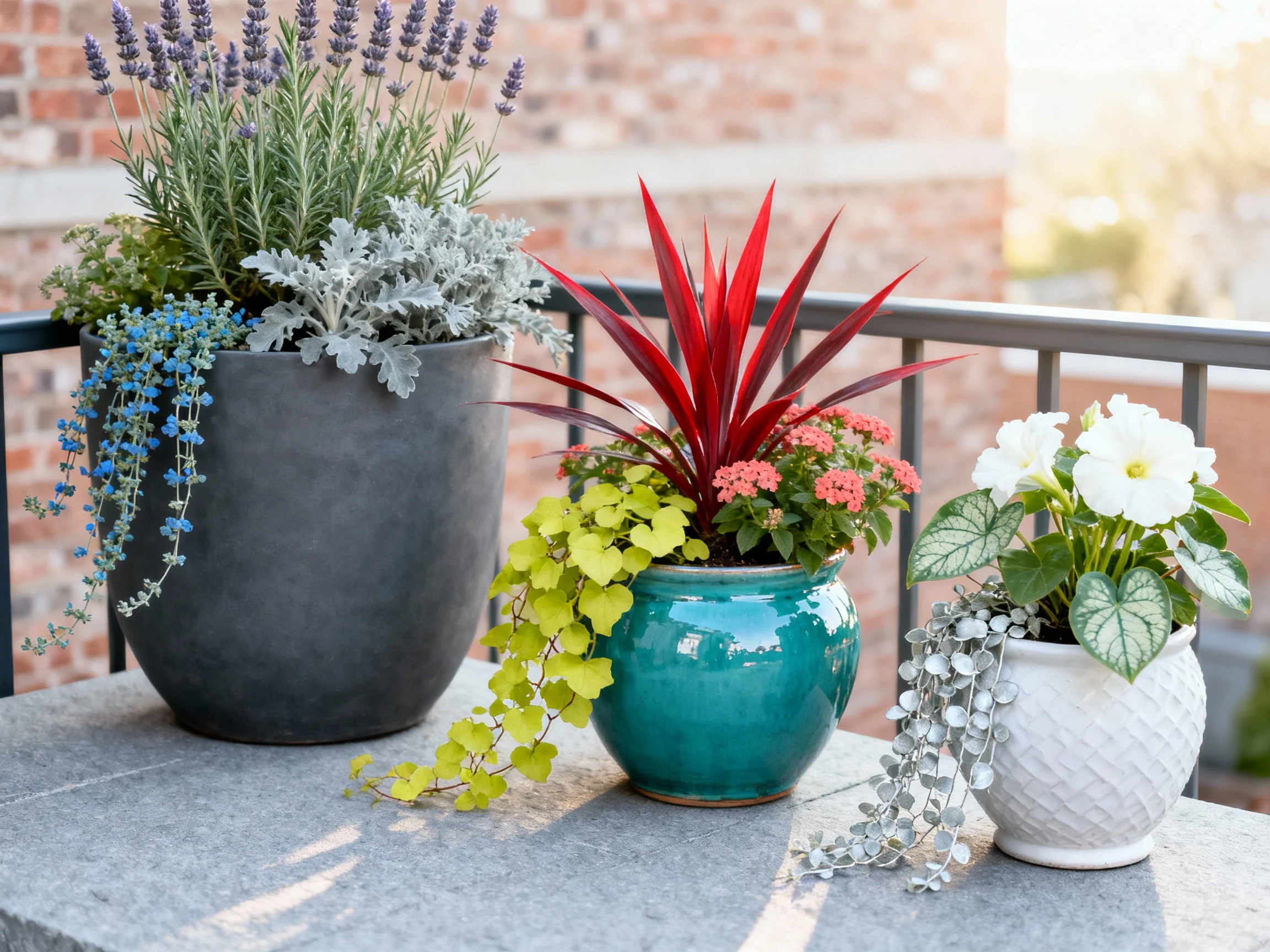
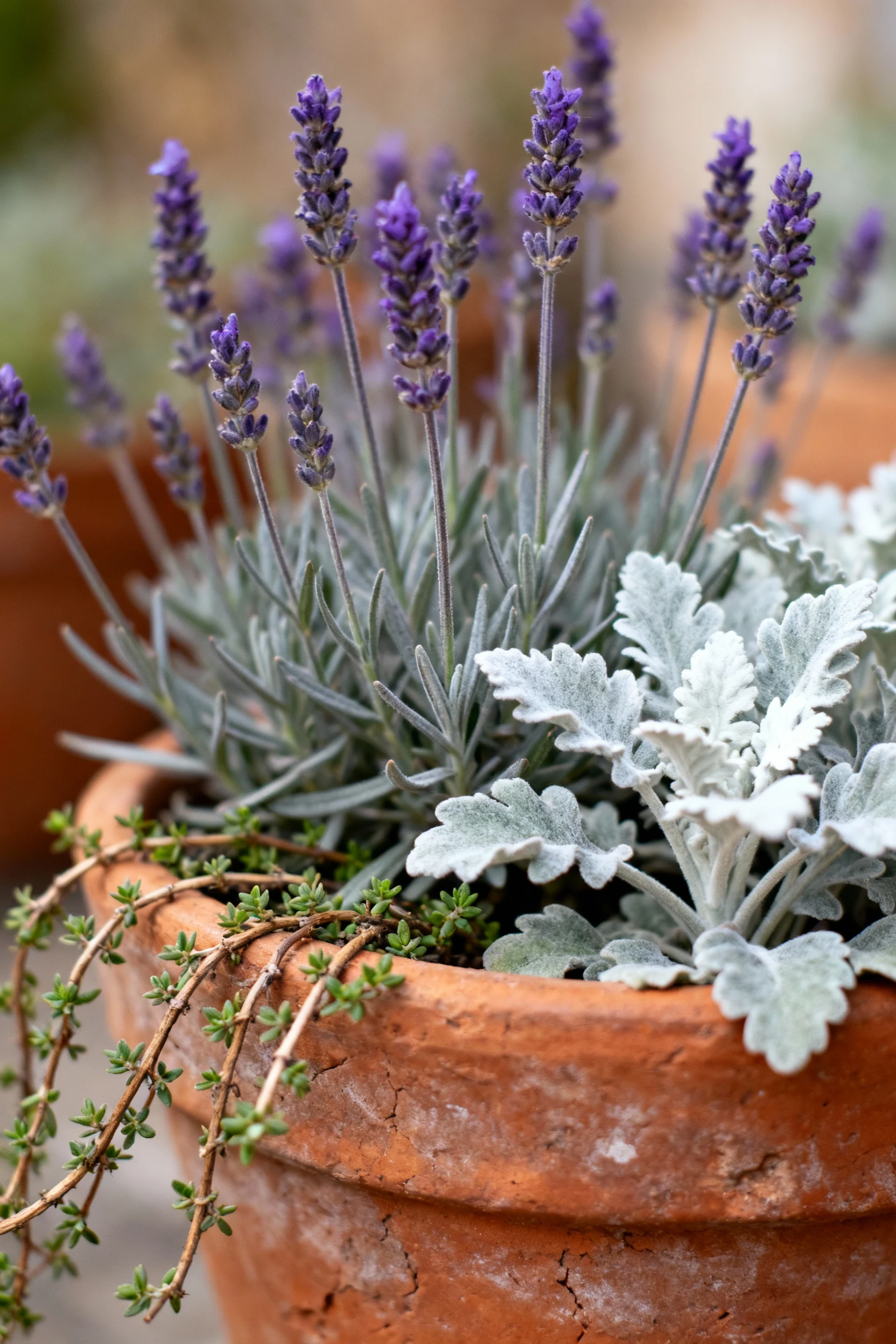
– Plants: dwarf lavender (thriller), rosemary (co-thriller or filler), trailing thyme (spiller), dusty miller (filler).
– Why it works: Silvery foliage ties everything together, and the fragrant herbs pull double duty. You get texture, scent, and pollinator love.
– Care: Let soil dry slightly between waterings. Use a fast-draining mix. Trim lightly to keep shapes tidy.
2) Tropic Thunder (full sun)
– Plants: red cordyline or dwarf canna (thriller), lantana (filler), calibrachoa (filler), sweet potato vine ‘Marguerite’ (spiller).
– Why it works: Bold height, hot colors, and electric chartreuse spiller. It screams vacation, but cheaper.
– Care: Feed regularly; lantana blooms heavier with steady nutrition. Pinch back calibrachoa if it gets leggy.
3) Woodland Glow (part shade to shade)
– Plants: coleus (thriller), New Guinea impatiens (filler), heuchera ‘Caramel’ or ‘Obsidian’ (filler), creeping Jenny (spiller).
– Why it works: Foliage color does the heavy lifting when flowers slow in shade. Gold, burgundy, and neon green glow even on cloudy days.
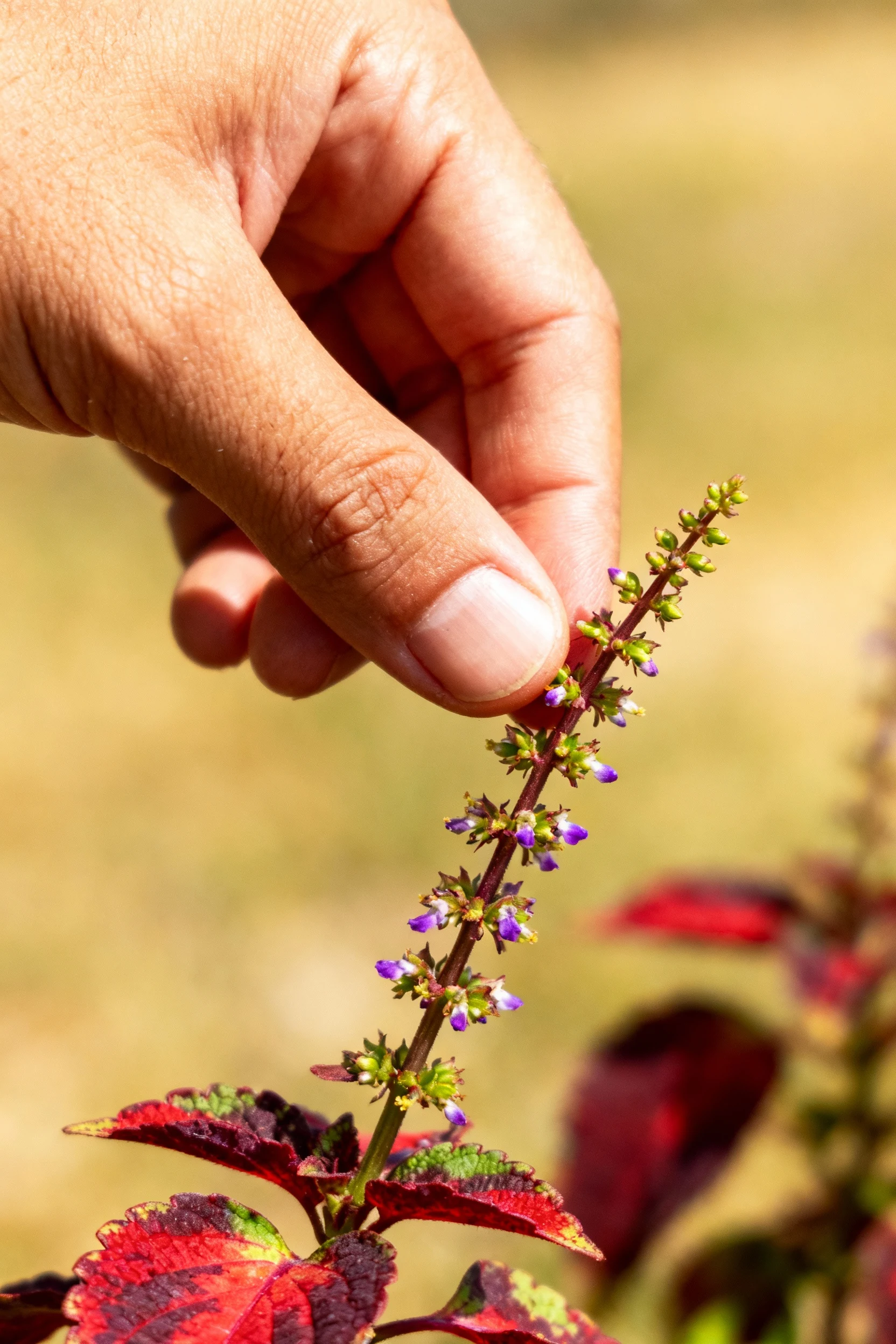
– Care: Keep evenly moist. Pinch coleus flower spikes to push bushy growth.
4) Pollinator Block Party (full sun)
– Plants: Salvia ‘Mystic Spires’ (thriller), verbena (filler), petunia or Supertunia (filler), trailing lobelia or Bacopa (spiller).
– Why it works: Salvia brings height and nectar, while petunias and verbena pump color for months. Bees and butterflies RSVP yes.
– Care: Deadhead verbena; give petunias a midseason haircut to reboot blooms.
5) Berry Parfait (part sun)
– Plants: purple fountain grass or Pennisetum setaceum ‘Rubrum’ (thriller), pink dianthus (filler), heuchera ‘Berry Smoothie’ (filler), variegated ivy (spiller).
– Why it works: Berries-and-cream tones with movement from the grass plumes. It looks fancy with zero snob energy.
– Care: Use a pot at least 16 inches wide. Water when the top inch goes dry.
6) Sunset Salsa (full sun)
– Plants: Zinnia ‘Profusion’ (filler that acts like a mini thriller), orange marigold (filler), calibrachoa in sunset tones (spiller), licorice plant ‘Helichrysum petiolare’ (spiller).
– Why it works: Warm sunset colors feel cohesive and bright without clashing. Zinnias bring nonstop blooms with minimal drama.
– Care: Clip spent marigold heads. Don’t overwater—zinnias hate wet feet.
7) Moonlight in the Shade (shade to part shade)
– Plants: white tuberous begonia (thriller), caladium ‘White Christmas’ (filler), maidenhair or Boston fern (filler), Dichondra ‘Silver Falls’ (spiller).
– Why it works: White and silver pop in shady spots like fairy lights. Leaf shapes create that lush, layered look.
– Care: Keep consistently moist but not soggy. Rotate the pot weekly for even growth.
8) Succulent Low-Maintenance Bowl (full sun)
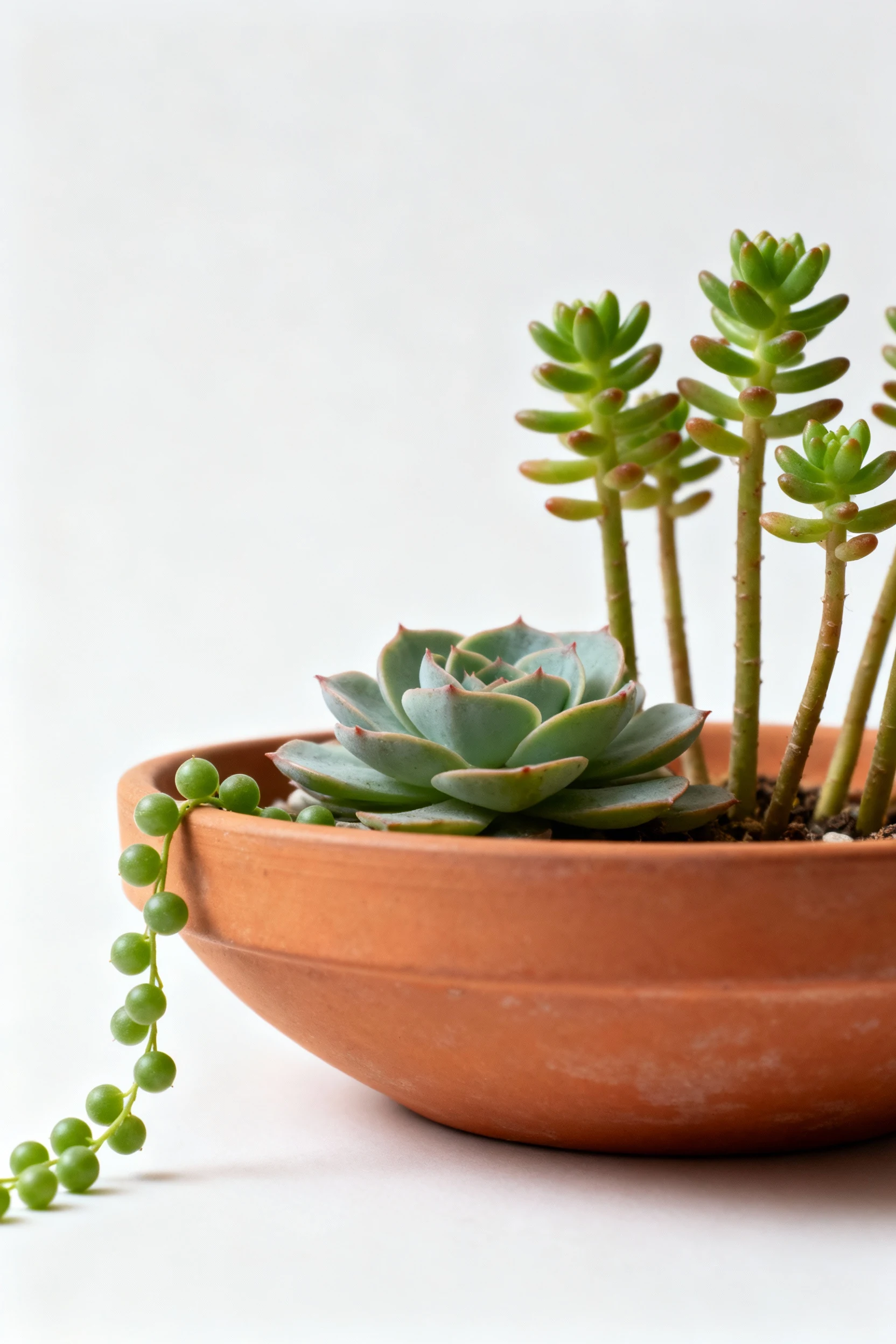
– Plants: Echeveria (thriller), upright sedum (filler), Sedum morganianum or trailing Senecio/Curio ‘String of Pearls’ (spiller), sempervivum (filler).
– Why it works: Sculptural forms and a sea of blues, greens, and mauves. Zero fluff, total style.
– Care: Use cactus mix. Water deeply, then let soil dry completely. Bring tender types indoors before frost.
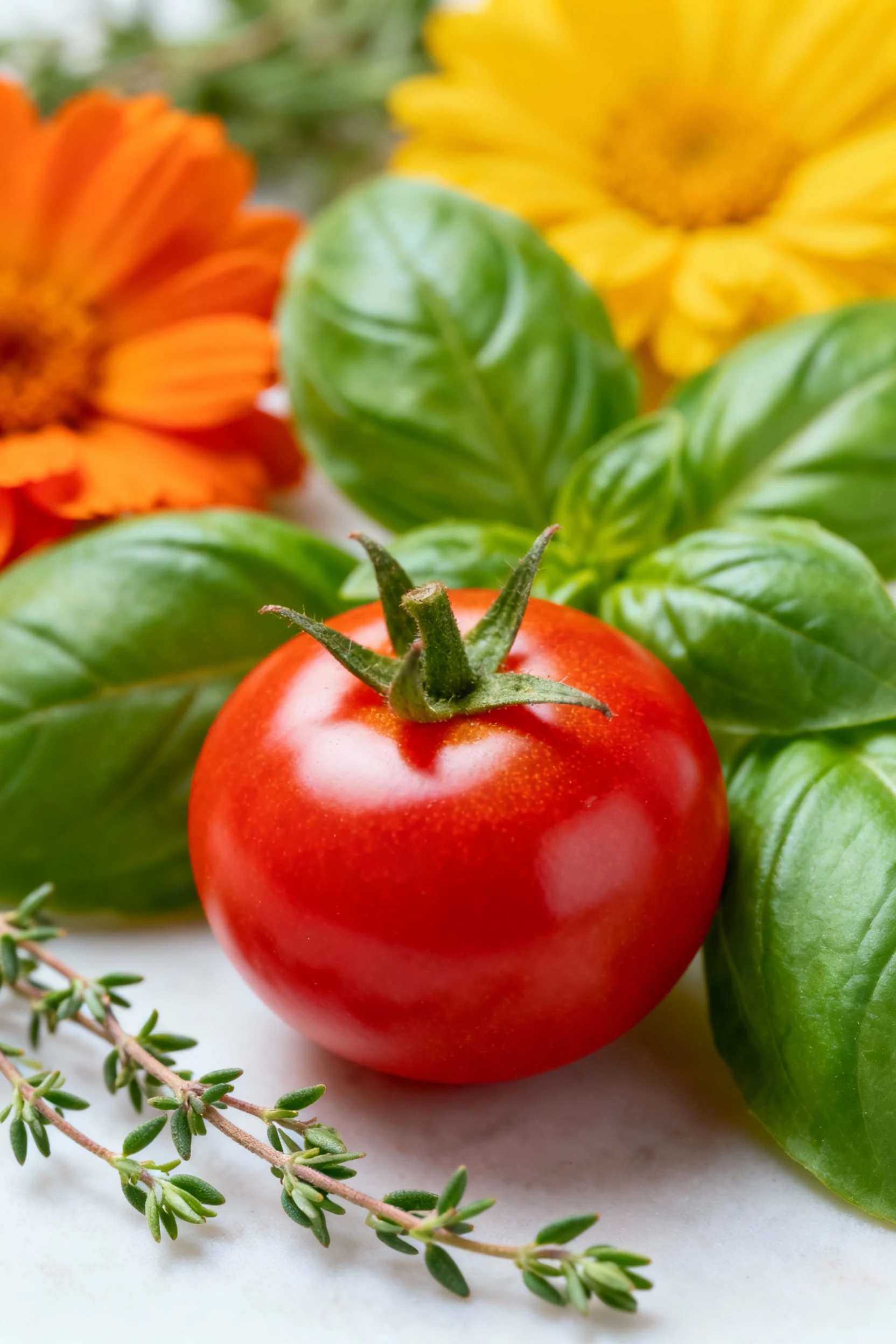
9) Pizza Night Patio Pot (full sun)
– Plants: dwarf patio tomato (thriller), basil (filler), oregano (filler), French marigold (companion and color), trailing thyme (spiller).
– Why it works: Edible and pretty. Marigolds add warm color and help with pest pressure. You make caprese without leaving your chair.
– Care: Choose a 20-inch pot minimum for tomatoes. Feed every 10–14 days. Stake if the tomato gets ambitious.
10) Evening Fragrance Mix (sun to part sun)
– Plants: Nicotiana alata (thriller), sweet alyssum (filler), night-scented stock (filler), trailing lobelia (spiller).
– Why it works: Soft, airy flowers and perfume that cranks up at dusk. Perfect for a seating area where you linger.
– Care: Keep fertilized for steady bloom. Trim lobelia to refresh if heat slows it.
A simple care routine that actually works
You don’t need a complex spreadsheet. You need a rhythm you can stick to. I run this quick checklist every few days and my pots reward me big time.
Watering smart
– Do the finger test: stick a finger 2 inches down. Dry? Water. Damp? Wait.
– Water early in the morning. You reduce evaporation and fungal woes.
– Soak thoroughly until water runs from the bottom. Deep, infrequent watering beats daily sips.
Feeding without fuss
– Mix slow-release granules into the potting mix at planting.
– Supplement with a balanced liquid feed every 1–2 weeks during peak growth.
– If flowers fade despite water and sun, feed. They bounce back like magic.
Grooming and rotation
– Deadhead weekly. Ten minutes changes the whole look.
– Pinch back leggy stems to push branching.
– Rotate pots a quarter turn weekly for even light and tidy shapes.
Design tricks to level up your pots
Let’s talk tricks that designers use all the time. You can steal them guilt-free.
– Repeat a color in two or three plants for cohesion.
– Mix leaf sizes: big, glossy leaves next to fine, airy textures = instant contrast.
– Use odd numbers. Three varieties feel balanced; five feels lush without chaos.
– Vary heights by 2–3 inches. Your eye moves and the pot looks dimensional.
– Pair your containers with their surroundings. Warm pots near warm bricks; cool blues near gray stone.
Common mistakes
– Crowding plants. You stunt growth and invite diseases. Leave some elbow room.
– Skipping drainage. Waterlogged roots throw tantrums.
– Using garden soil. It compacts and suffocates roots.
– Planting sun lovers in shade (or vice versa). No one enjoys that mismatch.
Quick fixes
– Leggy stems? Cut back by a third and feed. New growth fills in fast.
– Not enough bloom? Add more sun or step up fertilizer.
– Drying out too fast? Move to a bigger pot or add a bit of coconut coir to the mix.
– Color feels off? Swap one plant for a neutral—silver, white, or deep green calms chaos, FYI.
FAQ
How often should I water container flowers?
Check the soil, not the calendar. In hot weather, you might water daily in smaller pots, but large containers often need water every 1–3 days. Always water deeply until it drains, then let the top inch or two dry before the next soak.
Can I mix perennials and annuals in the same pot?
Absolutely. I love using perennials like heuchera or grasses as anchors with annuals for color. When the season ends, transplant the perennial into the ground or a bigger pot, and refresh the annuals next year. It stretches your budget, IMO.
Do I really need drainage holes?
Yes. Plants drown without them. If your dream pot lacks holes, drill a few or use a sturdy nursery pot inside the decorative container and pull it out after rain to dump excess water. Your roots will thank you.
How many plants should I put in one container?
For a 14–16 inch pot, 3–5 plants usually look full without crowding. Use one thriller, two to three fillers, and one to two spillers. Overshooting that number only creates a short-term fluff that fizzles fast.
What should I do with containers in winter?
If you grow tender annuals, compost them and clean the pot. For hardy perennials, move the pot against a wall, wrap with burlap, and keep soil barely moist. Bring tender succulents and houseplant types inside before frost hits.
How can I keep containers from getting too heavy?
Use lightweight resin or fiberglass pots and high-quality potting mix. For extra-large planters, fill the bottom third with overturned nursery pots or chunky pine bark, then add mix. Just keep the root zone in real soil, not filler.
Conclusion
Container flower gardening gives you instant color, texture, and personality without ripping up the yard. Start with a big, well-drained pot, pick a theme, and use that thriller–filler–spiller magic. Feed, water deeply, and edit as you go. Build a few of these combos, and your patio will flex like a tiny botanical garden—no gate fees required.