15 Perennial Flowers That Bloom All Summer (Low-Maintenance)
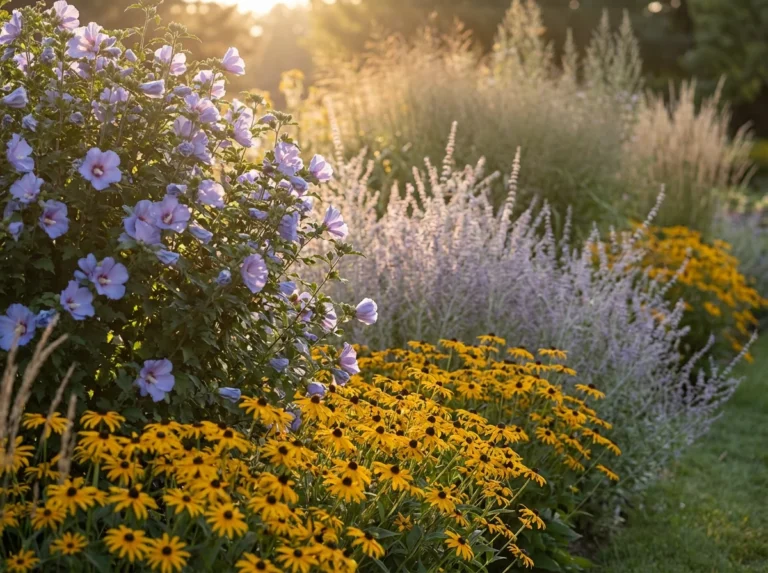
Sun-drenched border looks tired by mid-July? You can fix that fast with a lineup of tough, repeat-blooming perennials that flex from June through early fall. No daily fuss, no drama—just color that sticks around while you sip something cold and ignore your hose. Let’s build a summer garden that blooms like it means it, and barely asks you for anything in return.
What “all-summer” really means (and how to get it)

You want flowers from June to September without babysitting. Fair. The secret? Choose perennials that push new blooms after you snip the spent ones, or plants that naturally flower for months. Pair that with smart siting and easy care, and you win summer.
Sun vs. shade: pick the right spot
Most marathon bloomers love full sun. That means 6–8 hours daily. You still can score long color in part shade, but choose wisely and avoid deep shade for flower-heavy plants. You’ll see stronger stems and richer color when you give them light they crave.
Deadheading without drama
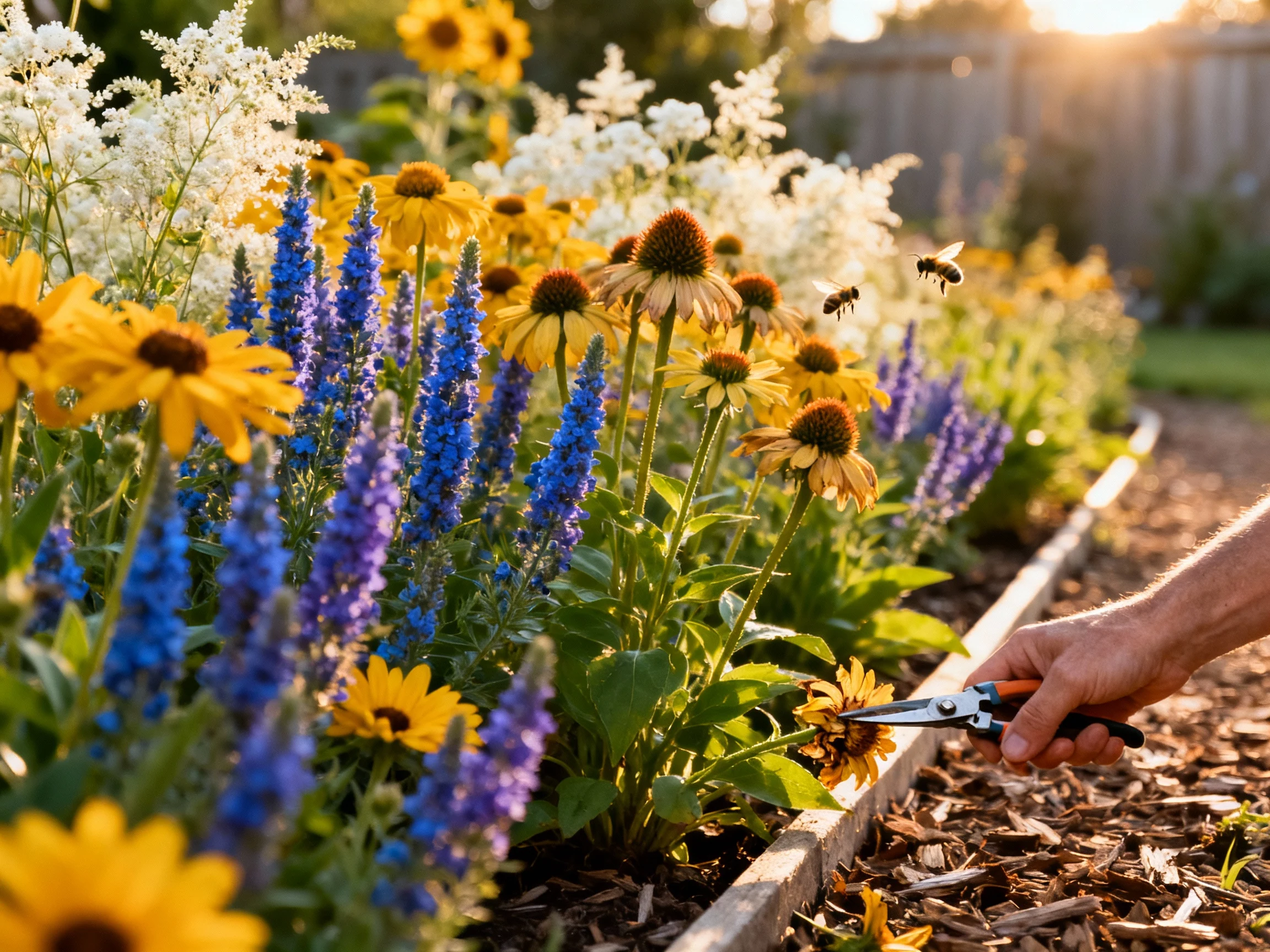
You don’t need to prune like a botanical surgeon. Pinch or clip spent blooms weekly, or shear lightly once midseason. Many perennials fire off fresh flowers right after you remove the old ones. Two minutes with scissors beats two months of empty stems.
Soil, water, and mulch made simple
Most of these plants want well-drained soil. Water deeply but infrequently, then let the soil dry a bit. Mulch 2–3 inches to lock in moisture and block weeds. That’s it. Avoid soggy roots and you keep blooms coming and diseases away.
The 15 low-maintenance stars
Below you’ll find proven summer-long bloomers that handle heat, shrug off mild drought, and keep your borders alive with color. IMO, you only need a handful to transform a ho-hum yard into a pollinator party.

1) Catmint (Nepeta)
Catmint kicks off early and never gets tired. Soft blue-purple waves roll all summer, and bees swarm it like a free buffet. Shear it once after the first flush and it pops again—fast.
- Zones: 4–8
- Sun: Full sun
- Bloom: Late spring to fall with shearing
- Why it’s easy: Drought-tolerant, resists pests, thrives in average soil
- Tip: Cut back by one-third after the first bloom for a quick encore
2) Coreopsis (Tickseed)
Sunny yellow or coral daisies dot airy stems for months. It refuses to sulk in heat and loves lean soil. You snip spent blooms; it answers with more.
- Zones: 4–9
- Sun: Full sun
- Bloom: Early summer to fall
- Why it’s easy: Handles drought, thrives in poor soil
- Tip: Choose threadleaf types for nonstop bloom and tidy habit
3) Salvia (Meadow sage)
Deep indigo spikes lift borders and lure pollinators all day. You clip the spent spikes, and new ones shoot up. Salvia never phoned in a summer, ever.
- Zones: 4–8
- Sun: Full sun
- Bloom: Early summer with repeat through fall
- Why it’s easy: Tough, deer-tolerant, low water needs
- Tip: Shear whole clumps after peak bloom for a strong second act
4) Hardy Geranium (Geranium ‘Rozanne’ and friends)
‘Rozanne’ built a cult following for a reason. Violet-blue saucers cover mounded foliage from June straight into frost. It snakes through neighbors and plays nice with everyone.
- Zones: 5–9
- Sun: Sun to part shade
- Bloom: All summer into fall
- Why it’s easy: No deadheading required, heat-tolerant
- Tip: Give it room to sprawl; it loves to weave through taller perennials
5) Coneflower (Echinacea)
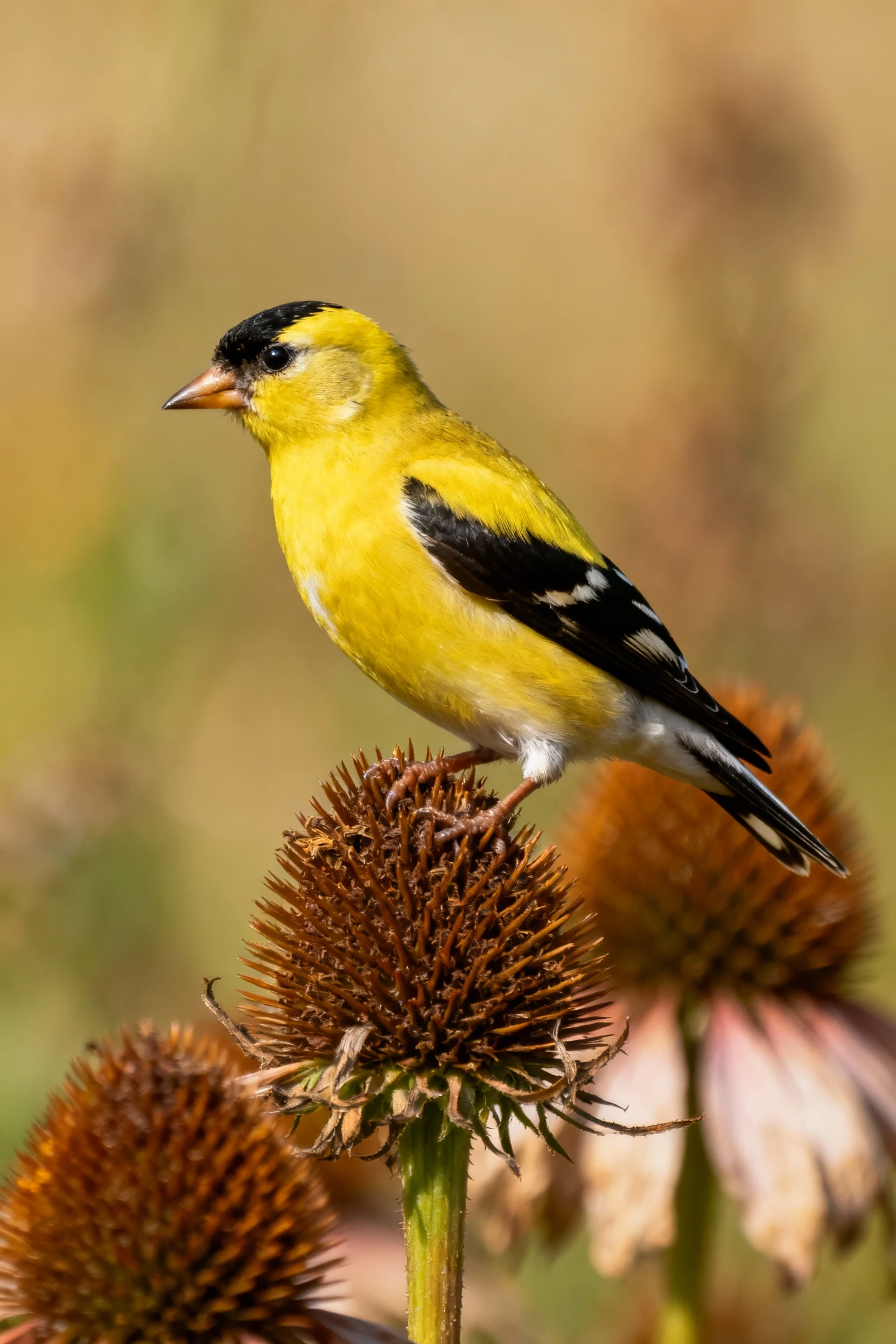
Bold cones and petals bring prairie swagger to any bed. It pumps out blooms for months and shrugs off neglect. Butterflies show up, then goldfinches raid the seedheads late season.
- Zones: 4–9
- Sun: Full sun
- Bloom: Mid-summer to fall
- Why it’s easy: Drought-ready, pollinator magnet
- Tip: Leave late-season seedheads for wildlife and winter texture
6) Black-eyed Susan (Rudbeckia ‘Goldsturm’)
Goldsturm turns borders into sunshine factories. Those classic yellow daisies just keep coming. You plant it, then you admire it—low drama.
- Zones: 4–9
- Sun: Full sun
- Bloom: Mid-summer to fall
- Why it’s easy: Tough stems, minimal water once established
- Tip: Cut back spent clusters to extend the show
7) Blanket Flower (Gaillardia)
Firewheel blooms deliver hot reds, oranges, and yellows from start to finish. It ignores heat and sand, and it blooms like a plant with something to prove.
- Zones: 3–9
- Sun: Full sun
- Bloom: Early summer to frost
- Why it’s easy: Thrives in poor, dry soil
- Tip: Deadhead often to keep a continuous parade
8) Yarrow (Achillea)
Flat-topped clusters glow in warm hues and hold for ages. Aromatic foliage fights deer, and sturdy stems never flop when you forget to water.
- Zones: 3–9
- Sun: Full sun
- Bloom: Early to late summer
- Why it’s easy: Drought-tolerant, long-lasting flowers
- Tip: Shear after first flush for fresh growth and more blooms
9) Pincushion Flower (Scabiosa)
Cute button blooms open nonstop on wiry stems. It looks delicate, but it handles heat and stays tidy with quick snips.
- Zones: 4–9
- Sun: Full sun
- Bloom: Spring through fall with deadheading
- Why it’s easy: Low water needs, compact habit
- Tip: Clip daily or weekly; it responds immediately
10) Calamintha (Calamintha nepeta)
Clouds of tiny white or pale lavender flowers sparkle for months. It smells minty, hums with bees, and never begs for extra care.
- Zones: 5–9
- Sun: Sun to part sun
- Bloom: Mid-summer to fall
- Why it’s easy: Handles heat and lean soil, stays airy
- Tip: Avoid rich soil to keep its neat form
11) Daylily (Hemerocallis, reblooming types)
Classic trumpets open daily, and rebloomers like ‘Stella de Oro’ cycle all summer. You barely lift a finger and they deliver waves of color.
- Zones: 3–9
- Sun: Sun to part sun
- Bloom: Early summer with repeat cycles
- Why it’s easy: Tough as nails, tolerant of many soils
- Tip: Choose reblooming cultivars for continuous flower power
12) Bee Balm (Monarda)
Tubular fireworks bring hummingbirds in a flash. Modern mildew-resistant varieties hold foliage and keep blooms coming with quick deadheading.
- Zones: 4–8
- Sun: Sun to part sun
- Bloom: Mid-summer with repeat
- Why it’s easy: Attractive to pollinators, adaptable
- Tip: Look for resistant series and space plants for airflow
13) Garden Phlox (Phlox paniculata)
Tall, fragrant clusters light up midsummer beds. Choose improved cultivars and you’ll enjoy weeks of color without powdery heartbreak.
- Zones: 4–8
- Sun: Sun to part sun
- Bloom: Mid to late summer
- Why it’s easy: Long bloom window, strong stems
- Tip: Water at soil level and thin stems early for airflow
14) Gaura (Oenothera lindheimeri)
Wand-like stems dance with airy white or pink blooms for months. It handles heat, moves gracefully, and brings movement to stiff borders.
- Zones: 5–9 (varies by cultivar)
- Sun: Full sun
- Bloom: Summer to frost
- Why it’s easy: Drought-tolerant, thrives in well-drained soil
- Tip: Cut back by half midseason for a tidy refresh and fresh flowers
15) Ice Plant (Delosperma)
Neon daisy blooms blanket succulent mats for a shock of color. It laughs at heat and poor soil and still throws petals for months.
- Zones: 5–9 (depending on species)
- Sun: Full sun
- Bloom: Late spring through summer, often to frost
- Why it’s easy: Excellent drought tolerance, evergreen foliage in mild zones
- Tip: Avoid overwatering; it loves sharp drainage
Planting and pairing tips that keep color rolling
You can throw everything in one bed and hope for the best, or you can stack the deck and guarantee fireworks. I prefer the guaranteed fireworks path, FYI.
Mix bloom cycles and shapes
Blend early, mid, and late bloomers so something always shines. Use spikes (salvia), buttons (scabiosa), and daisies (coreopsis) for texture. Contrast tall anchors (coneflower, phlox) with mounded fillers (geranium, catmint).
Play the color wheel
Warm mixes (rudbeckia + gaillardia + yarrow) scream “summer.” Cool mixes (salvia + catmint + ‘Rozanne’) chill things out. Add white from calamintha or shasta daisies to balance bold colors.
Invite the right crowd
Pollinators love nectar-rich plants, so stack catmint, salvia, coneflower, and bee balm. Keep herbs nearby—thyme and oregano bring extra bees. You get a garden that buzzes like a happy café.
- Space plants for airflow to avoid mildew.
- Mulch lightly and water deeply for stronger roots.
- Choose cultivars labeled “reblooming” for extra endurance.
Troubleshooting without tears
Stuff happens. You still can fix most issues with a five-minute tweak.
Powdery mildew on bee balm or phlox?
Give them sun, space, and soil-level watering. Clip a few stems early to open the plant. Choose resistant varieties and you dodge the chalky leaf look entirely.
Plants flopping in midseason?
Cut back by one-third right after the first flush. Stake taller stems early if wind whips your garden. Water less often but more deeply to toughen growth.
Flowers fading after a hot spell?
Shear lightly, water deeply, and feed once with a balanced, slow-release fertilizer. Most of these will push new buds within two weeks. You restart the show with minimal effort.
Rabbits nibbling your favorites?
Lean on deer- and rabbit-resistant picks like yarrow, coneflower, salvia, and calamintha. Use a repellant spray during peak munch season. Mix in aromatic foliage to deter snackers.
FAQ
Do these perennials really bloom all summer without deadheading?
Many bloom for months on their own, but a quick deadhead or midseason shear extends color dramatically. Think of it like refreshing a playlist—you remove a few tired tracks, and new hits play longer. Two minutes of snipping buys you weeks of flowers.
Can I grow these in containers?
Yes, several shine in pots—catmint, scabiosa, gaura, geranium ‘Rozanne,’ and delosperma all handle containers well. Use well-draining mix and water consistently. Move pots into full sun and you’ll get stronger blooms and happier plants.
What’s the easiest combo for a beginner?
Plant catmint + coneflower + black-eyed Susan in a sunny spot. That trio covers you from early summer to fall with zero attitude. Add yarrow or coreopsis to thicken the display and you’ll feel like a pro by July, IMO.
How often should I fertilize these?
Most bloom best with light feeding. Mix compost into soil at planting, then use a slow-release, balanced fertilizer once in spring. Overfeeding creates floppy growth, fewer flowers, and general regret—go easy.
Which are best for drought-prone areas?
Pick yarrow, gaillardia, catmint, salvia, calamintha, and delosperma. They thrive in lean, dry conditions. Water to establish, then let them do their thing with minimal help.
Can I grow them in part shade?
Yes, but choose wisely. Hardy geranium, bee balm, and phlox handle part shade if you still give bright light. Expect slightly fewer blooms than full sun, but you still get a great show.
Conclusion
You don’t need a huge budget or an irrigation empire to keep flowers going all summer. Plant a handful of these low-maintenance perennials, give them sun and decent drainage, and snip spent blooms when you remember. Your garden will hum, glow, and basically flex on the neighborhood—without you breaking a sweat.