Rustic Garden Patio Paving Ideas with Flagstone, Brick and Gravel
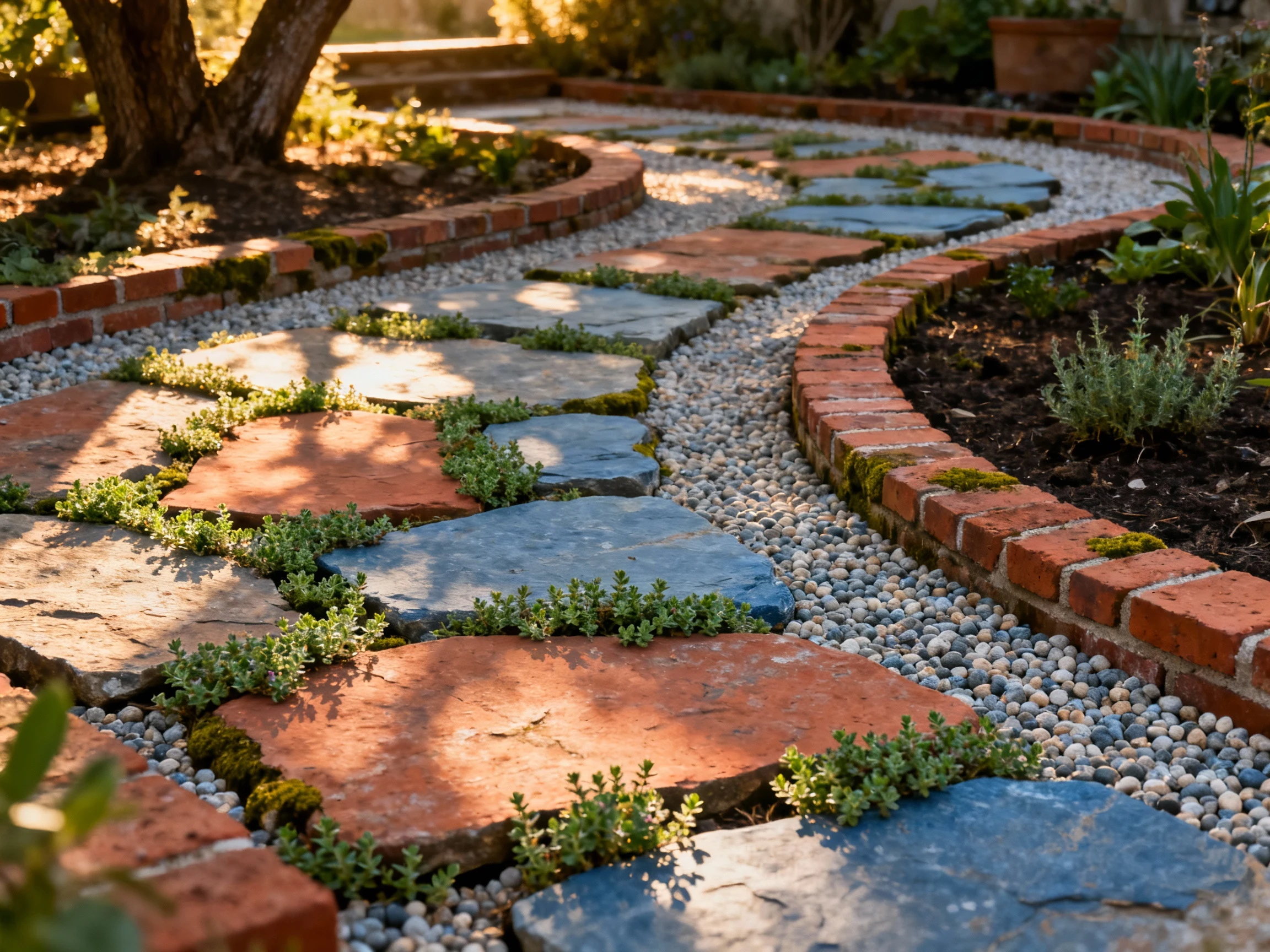
You want a patio that looks like it grew there—like your garden nudged the stones into place and the birds approved the layout. Flagstone, brick, and gravel nail that vibe without trying too hard. They age gracefully, feel great under bare feet, and cost way less than giant slabs of concrete. Ready to design a patio that charms guests and withstands muddy boots? Let’s build a rustic hangout that actually makes you go outside more.
Why Rustic Materials Rule the Garden
Rustic patios bring texture, warmth, and that “has stories to tell” character to your yard. Flagstone meanders, brick whispers heritage, and gravel crunches like a nature soundtrack. You can mix them, match them, and shape them to your space without perfection drama.
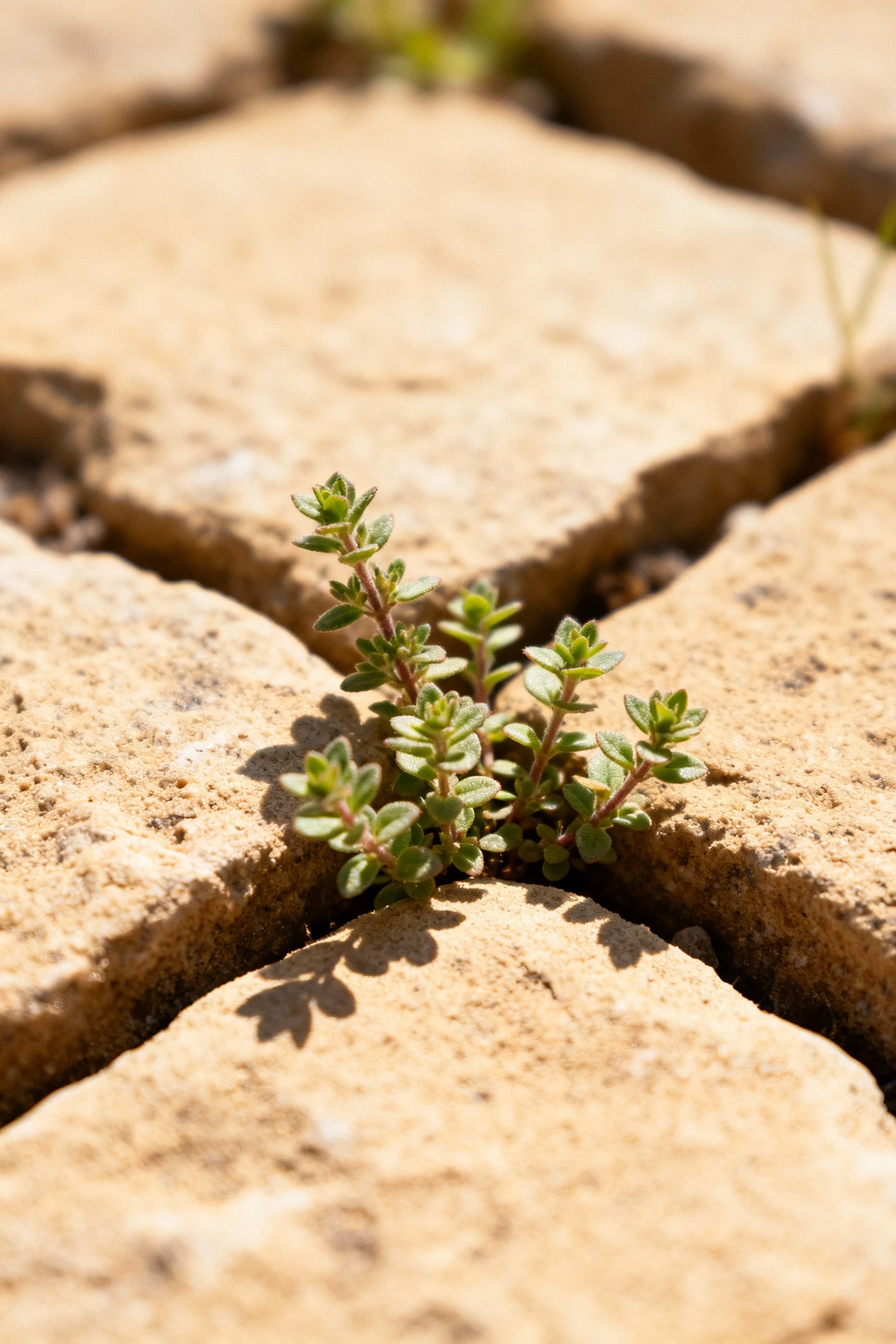
Want low maintenance without the sterile look? These materials age beautifully and welcome moss and thyme between joints. They handle imperfect edges, uneven shade, and real-life messes better than slick modern surfaces.
Flagstone: Organic Flow and Soft Edges
Flagstone gives your patio a natural, meandering feel. You can shape it around garden beds, tuck it under trees, and let plants thread between stones. Each piece brings unique color and texture, so your patio never looks cookie-cutter.
Choosing Your Stone
Different flagstone types perform differently, so match them to your climate and taste.
- Sandstone: Warm tans and rust tones. Easy to shape. Great for sunny decks.
- Bluestone: Cool grays and blues. Durable and classy. Loves temperate climates.
- Slate: Gorgeous layered texture. Use thicker pieces for patios. Avoid flimsy slate that flakes.
- Limestone: Creamy neutrals. Seal it if you get acid rain or lots of BBQ spills.
Layout Styles That Work
You can go “wild and free” or “loosely organized,” and both look great.
- Irregular crazy paving: Fit pieces like a giant puzzle for a natural, organic look.
- Large stepping pads: Create big platforms with gravel joints for a breezy garden vibe.
- Mixed sizes: Combine medium and large slabs for balance and better walking lines.
Install Basics (Keep It Simple)
You can build a flagstone patio without complicating life.
- Mark the area and set the slope 1–2% away from your house for drainage.
- Excavate 4–8 inches depending on soil and use.
- Lay geotextile fabric to block weeds and stabilize the base.
- Add 3–4 inches of compacted crushed stone (not pea gravel) as your base.
- Spread 1 inch of bedding sand or decomposed granite to seat stones.
- Dry-fit stones, tweak shapes, and shim wobbles with stone dust.
- Fill joints with stone dust, decomposed granite, or plant-friendly soil for creeping thyme.
Want greenery in the cracks? Try thyme, Irish moss, or sedum. They soften the lines and smell amazing when you brush past.
Brick: Old-World Charm, New-World Flexibility
Brick brings that “courtyard in a storybook” feel without turning your patio into a museum. It works in small spaces, it loves edging and borders, and it plays nicely with flagstone and gravel.
Patterns That Punch Above Their Weight
Pattern matters, and you don’t need a math degree. IMO, herringbone looks sharp and resists shifting like a champ.
- Herringbone: Strong, dynamic, great for walkways and grills.
- Running bond: Clean, simple, easy for large rectangular patios.
- Basketweave: Vintage charm for small courtyards and garden nooks.
- Edge soldiers: Bricks laid longways to frame flagstone or gravel surfaces.
Reclaimed vs. New
Reclaimed brick brings patina and color variety that looks instantly authentic. New brick offers precision and easier installs. Mix them for texture and budget balance. And yes, you can find clay bricks rated for paving—avoid anything not intended for ground use.
How to Lay Brick Without Losing Your Weekend
A brick patio setup follows the same rhythm as flagstone.
- Plan the slope and string it tight.
- Dig the base and compact crushed stone.
- Add 1 inch of sand and screed it flat.
- Dry-lay bricks snugly in your chosen pattern.
- Tamp gently with a rubber mallet.
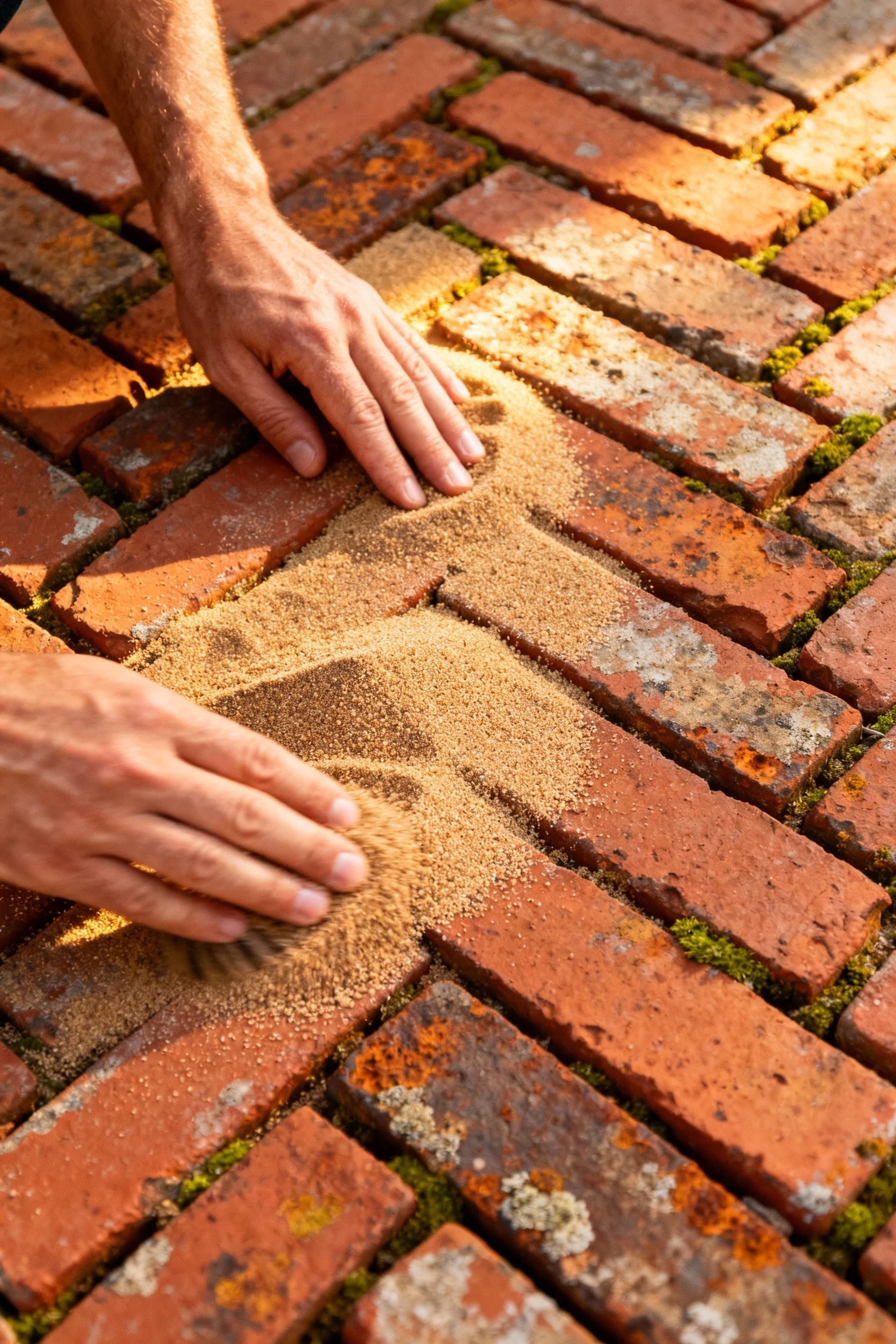
- Sweep polymeric sand or fines into joints and lightly mist to lock it.
Brick cleans easily and pairs well with classic black steel furniture, string lights, and potted herbs. Picture it with a flagstone seating area nearby—chef’s kiss.
Gravel: The Chill MVP
Gravel gives you a patio that looks natural, costs less, and installs fast. It drains like a dream and flexes with your soil, so frost doesn’t wreck it. You can rake it smooth in five minutes, which beats pressure washing concrete every spring.
Pick the Right Gravel
Not all gravel feels good underfoot, so choose wisely.
- Pea gravel: Smooth, rounded, comfy for barefoot strolls.
- Decomposed granite (DG): Fine, compactable, firm under chairs. FYI, it creates dust in dry climates.
- Crushed limestone fines: Firm surface with a soft appearance.
- River rock: Pretty but chunky. Use it for edging or dry creek accents, not main walking zones.
Keep It From Wandering Everywhere
Gravel wants to roam, so set boundaries.
- Install edging: Steel, aluminum, brick, or timbers keep lines clean.
- Use a gravel grid (stabilizer) under high-traffic areas.
- Compact in layers: Lay 2–3 inches at a time and tamp.
- Stop at 3–4 inches total for patios so chairs don’t sink.
Gravel shines under bistro sets, around fire pits, and between flagstone pads. That crunchy sound? It’s outdoor ambiance on a budget.
Mixing Materials Like a Pro
Flagstone, brick, and gravel look best together when you treat them like bandmates, not rivals. Use each material where it performs best, and create transitions that feel intentional.
Smart Combos
You can build layers of texture and function with simple pairings.
- Flagstone pads with gravel joints: Natural flow, easy drainage, plant-friendly gaps.
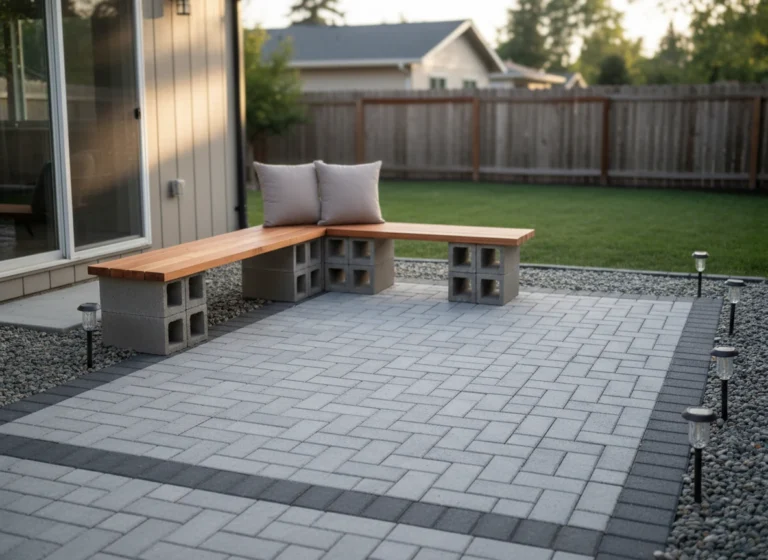
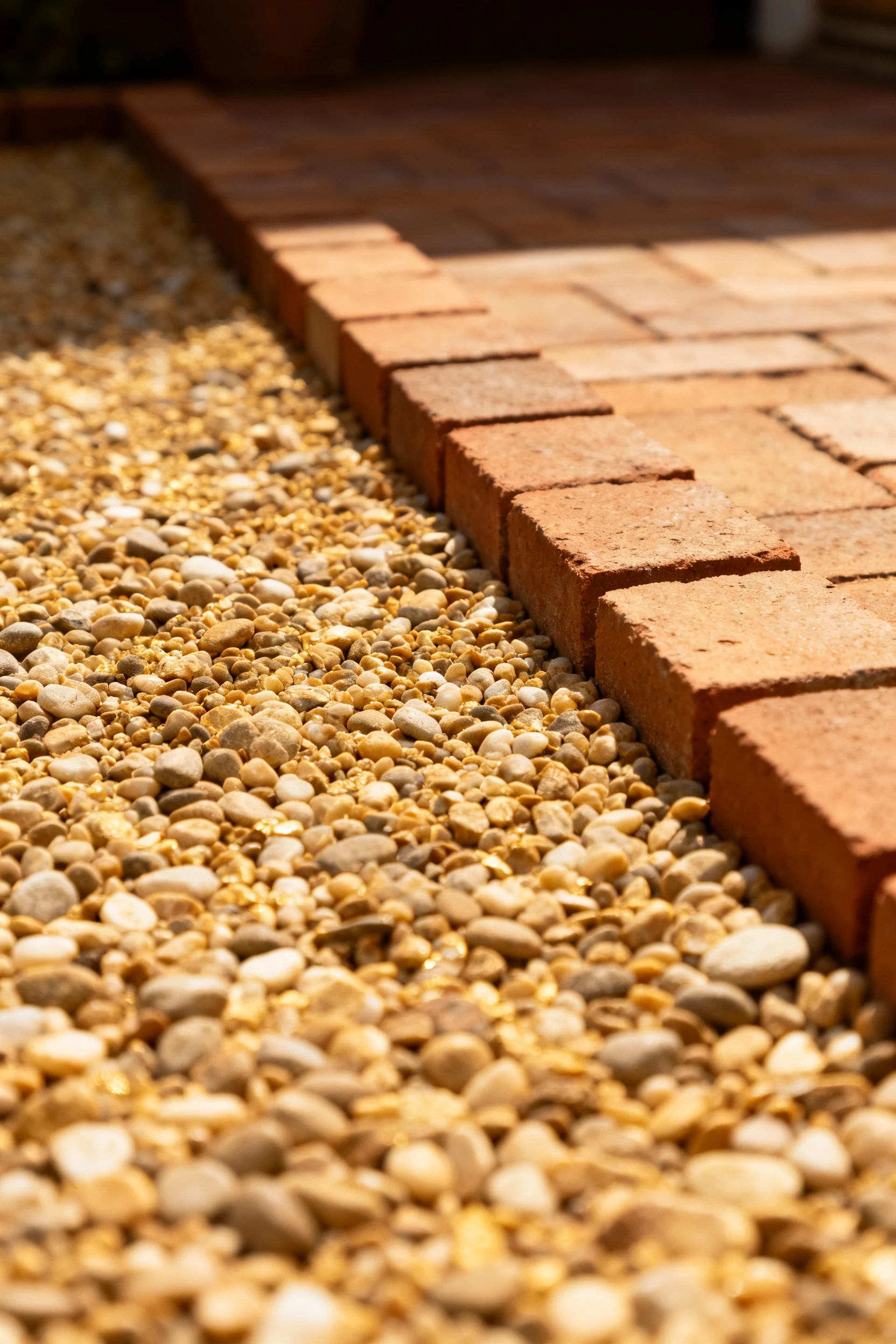
- Brick borders around gravel: Defines shape and prevents scatter.
- Brick inlays in flagstone: Adds pattern and anchors furniture zones.
- Gravel walkways to flagstone seating: Soft transition with less cost.
Color and Tone Tips
Match undertones so your patio feels cohesive.
- Warm flagstone (tan/rust) pairs beautifully with red reclaimed brick and brown pea gravel.
- Cool bluestone loves charcoal brick accents and gray DG.
- Keep one material dominant and use the others as accents so the space doesn’t look busy.
IMO, a bluestone lounge area with brick edge soldiers and pea gravel paths hits that sweet spot of elegant and unfussy.
Drainage, Grading, and Weed Control (Without Losing Your Mind)
You want rain to drain, weeds to chill, and the patio to stay put. Simple prep does the heavy lifting here. You don’t need elaborate systems if you get the basics right.
Set the Slope and Base
Water moves downhill, so nudge it where you want it.
- Grade 1–2% away from structures (about 1/8–1/4 inch per foot).
- Use crushed stone for your base, not rounded gravel.
- Compact each layer with a plate compactor or hand tamper.
You can add a French drain if your yard sits soggy, but most patios relax with a simple slope and a breathable base.
Stop Weeds Without Concrete
Weeds crash parties, but you can block them quietly.
- Lay geotextile fabric under the base to cut off roots and stabilize soil.
- Use polymeric sand in brick joints for lock-and-block power.
- Fill flagstone joints with DG or plant groundcover that crowds out weeds.
- Rake gravel regularly and spot-treat with vinegar if you see sprouts.
Want moss? Keep some shade and let a little moisture hang around. Moss looks awesome on cool stone, but avoid it on bricks in full sun where it can get slippery.
Style Your Patio: Plants, Furniture, and Lighting
You built a gorgeous surface—now give it life. Rustic patios shine when you blend materials with plants, cozy seating, and glowy lighting. You don’t need a design degree. You just need vibes and a few guidelines.
Plants That Love Crevices
Thread these through joints and edges for instant charm.
- Creeping thyme: Fragrant and foot-friendly.
- Irish moss: Soft, bright green carpets between stones.
- Sedum and delosperma: Tough, drought-resistant succulents.
- Dichondra: Cascades around edges with delicate leaves.
Furniture That Fits
Mix materials and keep it light.
- Black steel or wrought iron: Classic with brick and bluestone.
- Teak or eucalyptus: Warm wood against cool stone.
- Weatherproof cushions: Choose earthy tones and add pattern with throws.
- Planter clusters: Use terracotta, zinc, or aged ceramic for texture.
Lighting and Fire Pit Notes
Layer light so the space glows, not glares.
- String lights: Instant magic over brick courtyards.
- Solar path markers: Guide along gravel walkways.
- Lanterns or low-voltage spots: Highlight trees and stone textures.
- Fire pit tips: Set it on gravel or thick flagstone, keep clearances, and stash a spark screen. FYI, ember mats save decks and nerves.
Project Planning: Tools, Budget, and Timeline
You don’t need a contractor to build a rustic patio, but you do need a plan. Start small, match material quantities to your space, and pace yourself. You can knock out a cozy seating area in a weekend and expand later.
Tools That Make It Easier
You can rent what you don’t own and still build like a pro.
- Shovel, rake, wheelbarrow for excavation and moving materials.
- Plate compactor or hand tamper for base layers.
- Landscape fabric and stakes.
- Level, tape measure, string line for grade and pattern.
- Rubber mallet for seating stones and bricks.
- Angle grinder with diamond blade for tricky cuts (optional).
Budget Snapshot
Costs swing with materials, size, and your local supply.
- Gravel: Lowest cost per square foot. Add grids if you want extra stability.
- Brick: Mid-range. Reclaimed pieces can cost more but look incredible.
- Flagstone: Higher cost, but you need less if you float it in gravel.
- Edging and fabric: Small cost, big impact on longevity.
Mixing materials usually lowers costs and boosts style. That’s the win-win we all crave.
Design Ideas You’ll Actually Use
Need inspiration that you can build, not just pin? Try these combos and layouts that always deliver.
- The Garden Room: Flagstone lounge zone edged with brick, surrounded by pea gravel paths. Plant thyme between stones, add lanterns.
- The Bistro Nook: Brick herringbone pad under café chairs, with gravel apron for herb planters.
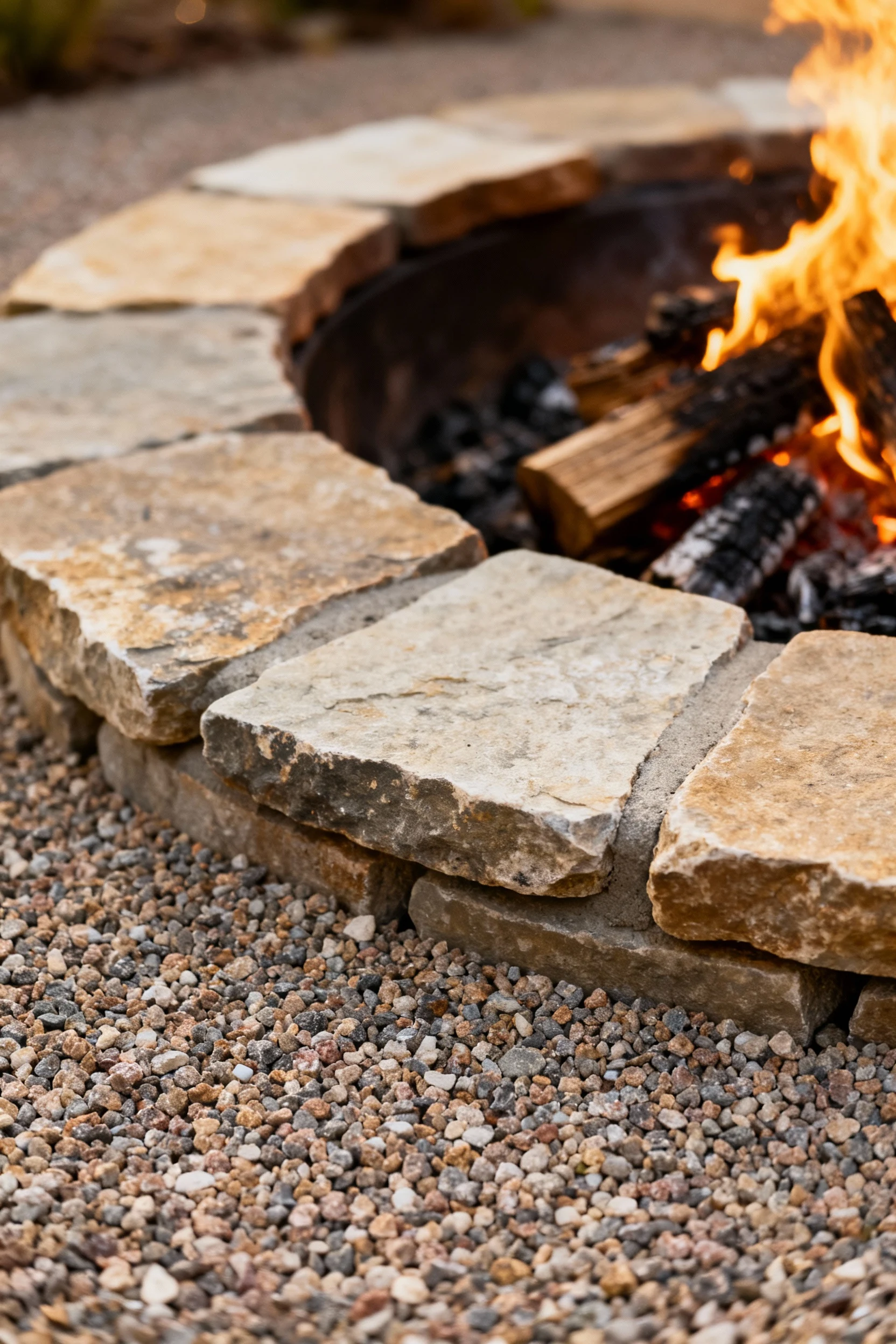
- The Fire Circle: DG base with a ring of thick flagstone around the pit, brick edge soldiers to keep gravel in check.
- The Woodland Path: Irregular flagstone stepping pads with mossy joints and river rock accents.
- The Courtyard Blend: Large bluestone rectangles with brick inlay borders and a central gravel feature for drainage.
Keep lines gentle and avoid rigid symmetry. Rustic looks thrive on small imperfections that make the space feel lived-in and loved.
FAQ
Will flagstone crack in winter?
Flagstone handles freeze-thaw cycles well when you set it on a well-drained base. Use thicker pieces (1.5–2 inches) for patios and keep joints flexible with stone dust or DG. Avoid trapping water under stones and maintain a 1–2% slope so winter doesn’t bully your patio.
How do I keep weeds out of gravel?
Lay geotextile fabric under the base, compact your layers, and install edging to reduce migration. Rake regularly to disturb seedlings and spot-treat with vinegar or boiling water. If weeds still hustle, add a stabilizer grid and top up gravel annually to keep a tight surface.
Can I lay brick on sand, or do I need concrete?
You can lay brick on a compacted crushed stone base with a 1-inch sand bed and get a solid patio. Use polymeric sand in joints for stability. Concrete works for mortared installations, but dry-laid brick with a good base stays strong and still drains.
What’s the best edging for a rustic look?
Steel or aluminum edging keeps a low profile and clean curve lines. Brick edge soldiers add a classic frame and pair perfectly with gravel. Timber edging looks warm but can shift over time; use stakes and accept a little movement as part of the rustic charm.
Do I need a permit for a patio?
Most ground-level patios don’t need permits, but check local rules for setbacks, drainage, and fire pit regulations. FYI, any structure attached to the house or raised decks typically falls under building codes. A quick call saves headaches and lets you design with confidence.
How much maintenance should I expect?
You’ll do a light rake for gravel, a sweep and top-up for joints, and an occasional reset for a wobbly flagstone or brick. Clean stains with mild soap and avoid harsh chemicals on limestone. Plan an annual refresh and you’ll keep the patio looking warm and welcoming without turning it into a chore.
Conclusion
You don’t need perfection to build a patio that steals hearts. Flagstone brings organic flow, brick adds heritage, and gravel keeps everything chill. Mix them smartly, set your slope, and let plants soften the edges. The result? A rustic garden patio that invites long conversations, quiet mornings, and the occasional happy dance—IMO, that’s the good stuff.