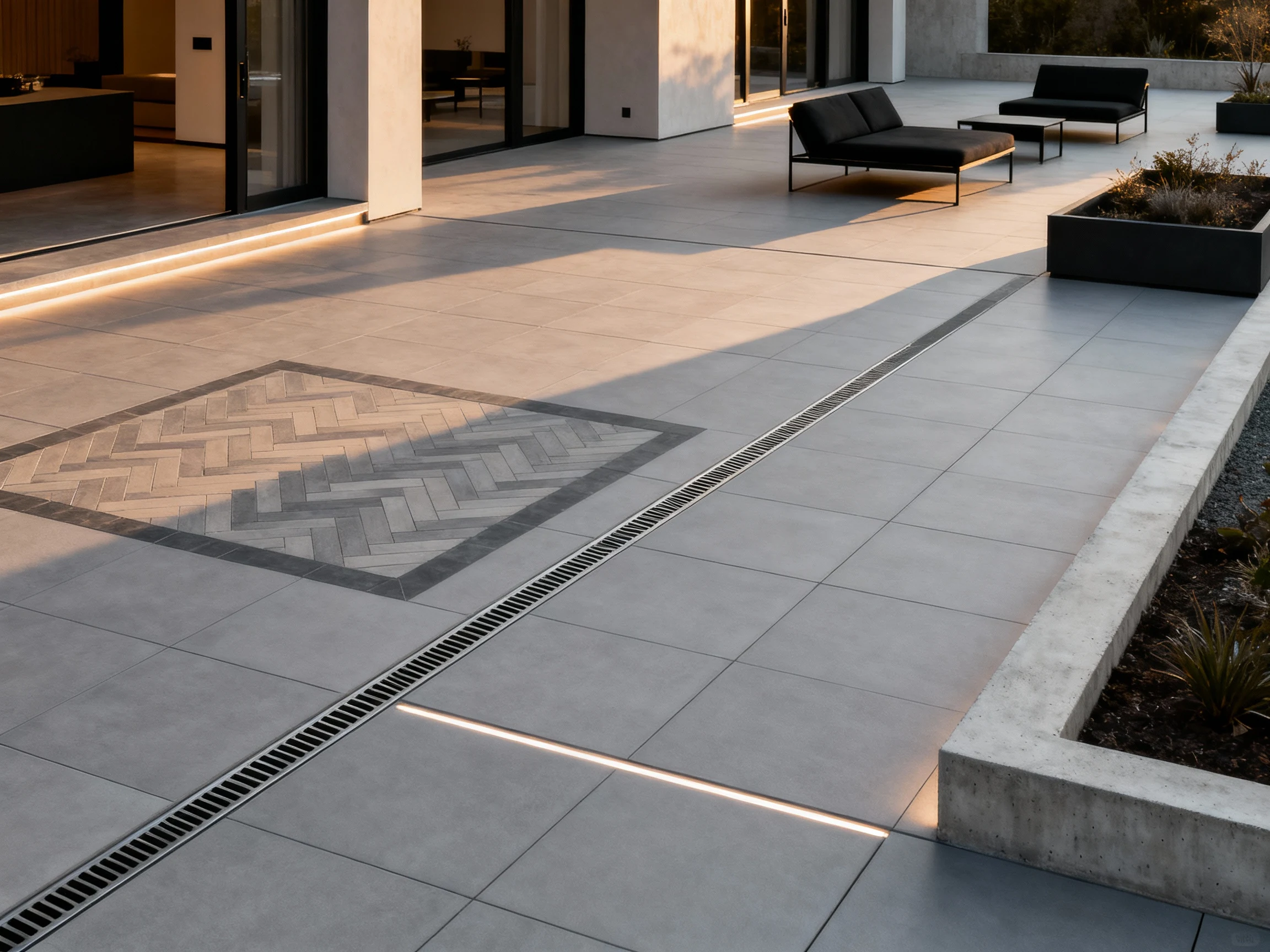
Modern Patio Paving Ideas: Porcelain, Concrete and Sleek Paver Patterns
You want a patio that looks sharp, stays clean, and flexes through every backyard hangout. You also want something that won’t crumble under furniture legs or throw a tantrum every time it rains. Great news: modern paving checks all those boxes, especially with porcelain, concrete, and sleek paver patterns. Let’s build a space that feels like an extension of your living room—only with more sunshine and fewer crumbs.
Why Modern Patios Deserve Better Materials
Your patio sets the tone for the whole yard. If the surface looks dated or uneven, the space reads “meh,” even with great furniture. Modern materials sharpen the lines, simplify maintenance, and make everything feel intentional.
Think about how you use the space. Do you host big groups or prefer quiet mornings with coffee? Let the plan match the vibe. Materials like porcelain and refined concrete keep things streamlined and durable, while thoughtful patterns add personality without chaos.
Also, consider the transition from inside to out. You can align materials, color, and layout so the patio flows right off your interior floors. That clean visual line makes the space feel bigger, and it makes your design look deliberate (because it is).
Porcelain: The Low-Maintenance Style Hero
Porcelain pavers look expensive and stay cool under pressure. They thrive in sun, resist stains, and laugh at spills. You get crisp edges, consistent color, and tons of modern finishes—from concrete-look to stone-look to ultra-minimal textures.
Porcelain also weighs less than thick stone slabs, which helps with handling and installation. You still need a proper base (no skipping that, friend), but porcelain gives you sleek style and stellar performance.
Finish and Slip-Resistance
Outdoor porcelain comes in finishes that balance style with safety. Look for R11 or similar slip ratings, especially for pool areas and rainy climates. You can pick textures that mimic honed concrete or lightly brushed stone without actual stone’s maintenance hassle.
Prefer the minimalist look? Go for large-format tiles with rectified edges. You’ll get tight joints and a super-clean grid that pairs nicely with modern architecture and slim-profile furniture.
How to Install Porcelain Right
You can set porcelain on pedestal systems, mortar beds, or over a compacted base with a suitable setting material. The method depends on your site, climate, and desired height. Your goal: create a stable, well-drained surface with zero wobble.
- Start with a solid, well-compacted base (crushed stone, properly graded).
- Maintain a gentle slope (about 1–2%) away from the house for drainage.
- Use a high-quality thinset or porcelain-rated adhesive if you bond them.
- Mind your edges: secure perimeter restraints or flush borders to lock everything in.
FYI: Porcelain cuts cleanly with the right blade. Dry-fit tricky corners first so you keep your joints dead straight.
Quick Pros and Cons
- Pros: stain resistance, consistent color, modern finishes, frost-friendly options, easy cleanup.
- Cons: higher material cost than basic concrete, needs careful cutting and proper adhesives, chips if you drop heavy tools on edges.
Concrete, But Make It Chic
Concrete doesn’t need to feel like a driveway. When you pick the right finish and scale, it reads high-end and fresh. Think oversized square pads, crisp saw cuts, and subtle aggregate that catches light.
Concrete also lets you tailor budgets. You can pour a clean slab and upgrade with bands, inlays, or a sealer that adds depth. Or you can go modular with large precast pavers for easier future access to utilities.
Finishes That Feel Refined
- Broom finish: simple, safe traction, clean lines—great for low-fuss patios.
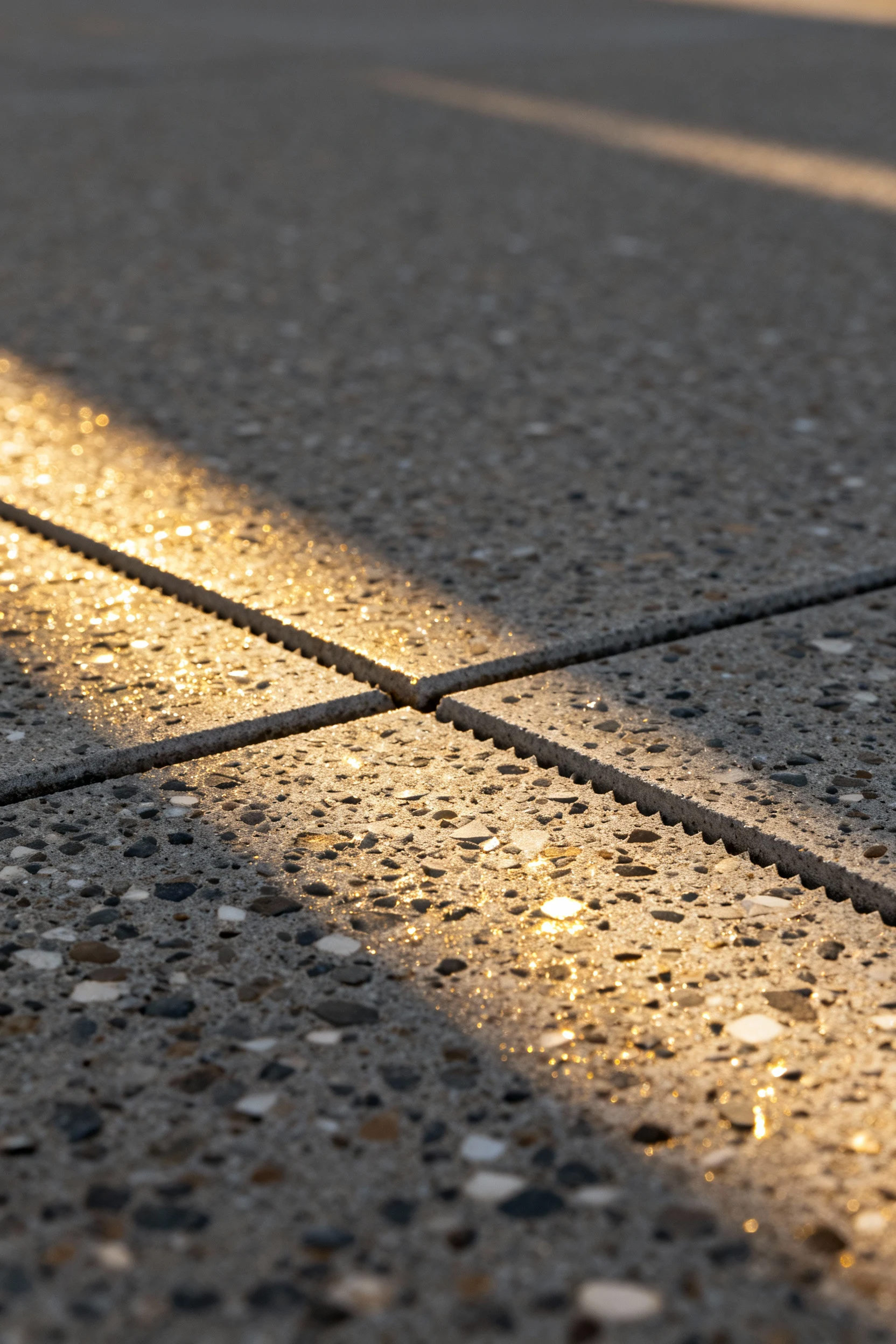
- Micro-exposed aggregate: a light reveal of stone for texture without pebble overload.
- Salt finish: a subtle pitted texture that plays well with desert or coastal vibes.
- Sandblasted or light grind: smooth look without slipperiness; pair with a penetrating sealer.
Skip the heavy troweled gloss unless you love slipping. You want refined, not rink-ready.
Expansion Joints You Won’t Hate
Concrete cracks when you ignore joints. So plan clean, consistent saw cuts that align with the geometry of your space. Match cuts to furniture zones and door thresholds so the pattern feels intentional.
Keep panel sizes manageable (often 8–10 feet max per side, climate depending). In hot/cold zones, shrink the panels a bit more. Use color-matched flexible sealant in critical joints so water doesn’t camp out where it shouldn’t.
Quick Pros and Cons
- Pros: cost-effective, limitless shapes, sleek large panels, fast installation for big areas.
- Cons: can crack without proper joints and base, needs sealing, color can vary if you don’t control the mix and cure.
Pattern Play: Layouts That Look Sharp
Pattern doesn’t need to scream for attention. It should guide your eye, zone your space, and make the patio feel balanced. Even small tweaks—like a border band—make a huge difference.
Before you commit, chalk it out. Dry-lay a few rows, check furniture clearances, and see how the pattern meets edges and steps. You’ll fix 90% of layout issues before anything sets.
Large-Format Grid
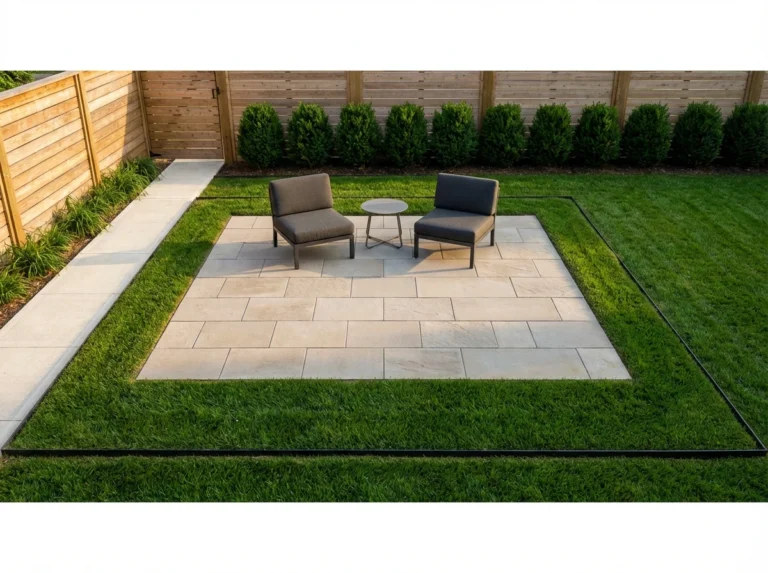
The simplest modern move: square or rectangular pavers in a clean grid. Align your joints with door thresholds and edges for a seamless look. Use tight joints for porcelain; keep concrete panels consistently sized to match the structural rhythm.
Want a little drama? Shift the grid to align with a feature wall or fire pit, not the house. That shift can create a modern axis that feels intentional and custom.
Herringbone With Intent
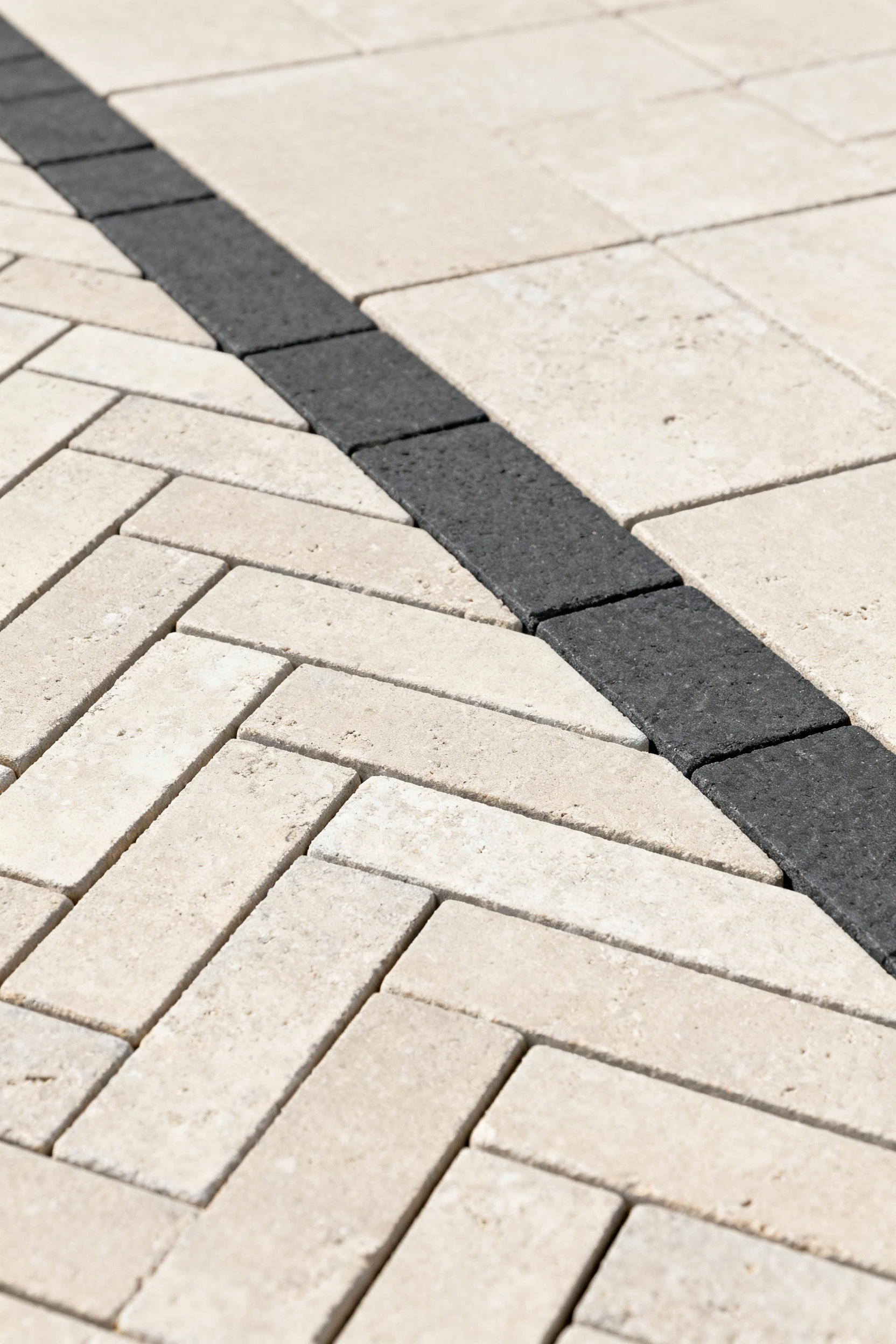
Herringbone adds movement without chaos when you use monochrome or subtle two-tone palettes. Pick elongated rectangles (think 4×16 or 6×24) and run the pattern perpendicular to the main sightline. That orientation leads eyes across the space.
Use a border to “frame” the herringbone area. The frame cleans up edges and protects cuts, especially around curves and planters.
Mixed Modules Without Chaos
Modular packs look modern when you edit them. Stick to two or three sizes max, not five. Repeat a clear ratio—like two smalls to one large—so the eye reads order, not noise.
Keep grout or joint color consistent. Varying joint colors makes the pattern feel busy, and your brain starts doing math when you just want to lounge.
Borders and Banding
Banding creates definition and protects edges. Run a 6–12 inch border around the patio and at step edges for a tailored finish. Contrast looks great in moderation—think slightly darker border, not checkerboard mayhem.
Use banding to separate zones: dining, lounge, grill. Your layout then explains your patio to guests without a tour guide.
Color and Texture Strategy
Color sets the mood before you even place furniture. Cool grays read crisp and architectural; warm taupes feel cozy and inviting. Match the temperature of your home’s exterior so the patio looks like it belongs.
Texture matters, too. You want grip without grit. Blend smooth, large surfaces with a few tactile elements—like a subtly textured paver or a ribbed outdoor rug—so the space feels layered.
Cool Grays vs. Warm Taupes
- Cool grays: pair with black frames, stainless steel, and sharp lines. Great for minimalist styles.
- Warm taupes and greiges: pair with wood tones, brass accents, and lush planting. Perfect for inviting, soft-modern looks.
- Deep charcoals: deliver drama. Use them for borders, fire features, or small-format areas.
FYI: Dark pavers can heat up under full sun. If your patio bakes, lean a shade lighter.
Texture Balance
Texture needs balance like spices. Too smooth, and you lose traction; too rough, and you shred chair feet. Test a sample with water and shoes to confirm grip and comfort.
Mix one statement texture with quieter neighbors. If the paver shows strong veining or aggregate, keep furniture fabrics calm so everything doesn’t compete.
Details That Level Up Everything
Clean details separate “nice patio” from “oh wow.” Edges, steps, drains, and lighting all do heavy lifting. Small choices deliver big polish.
Plan these early, not while the crew waits with a saw. You’ll save time, money, and your sanity (IMO).
Drainage and Slopes
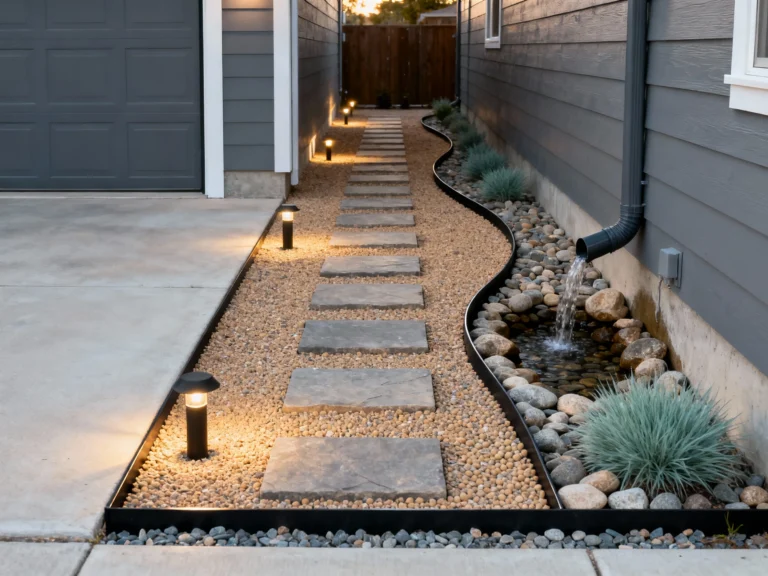
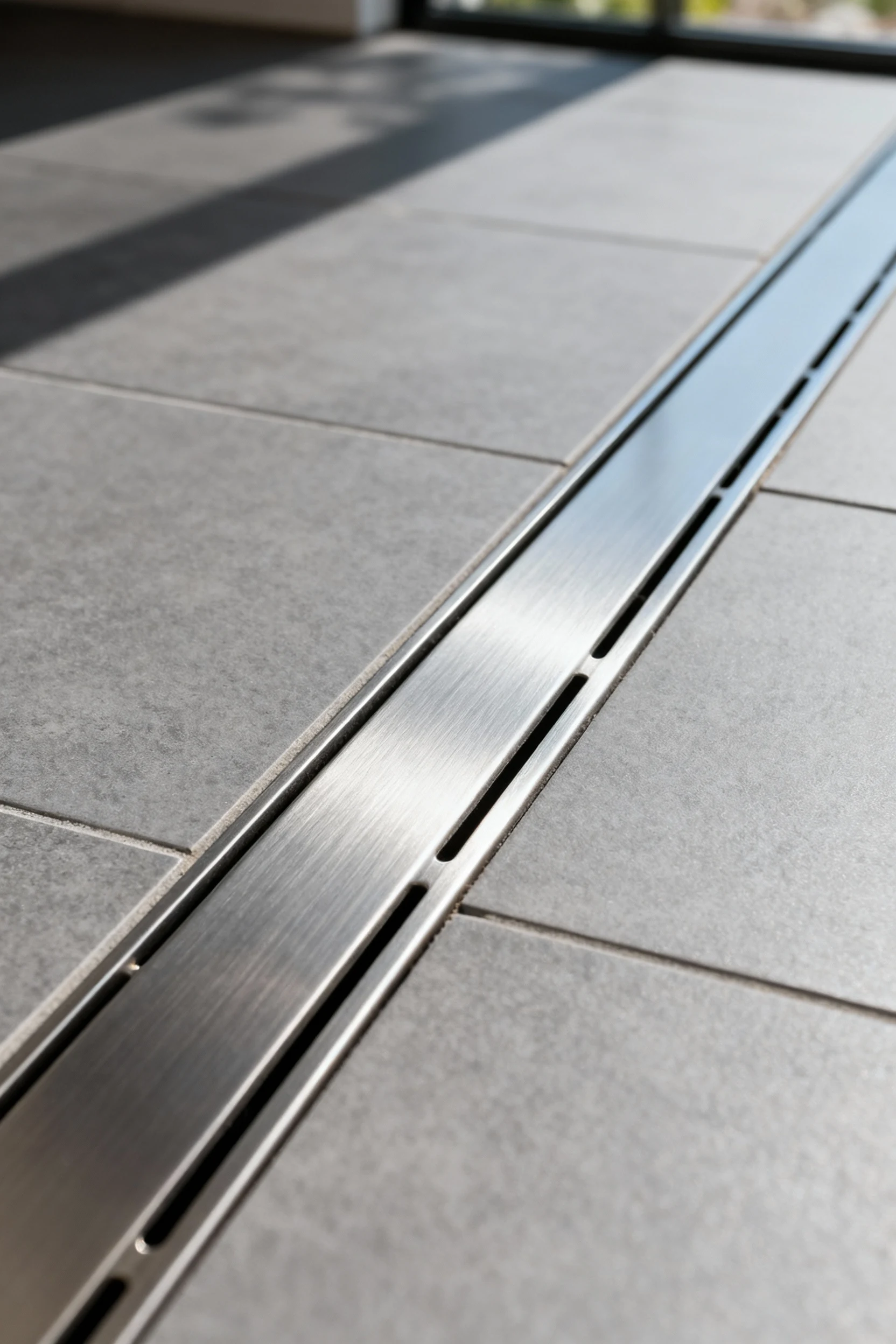
Water behaves like a toddler: it finds trouble if you ignore it. Pitch the patio away from the house 1–2%. Use linear drains along door thresholds if you need a flush transition.
Avoid birdbaths by checking slope during install. Lay a straightedge and level as you go, not after you set everything.
Edges, Steps, and Transitions
Edge restraints keep pavers tight and tidy. Match step treads to patio materials for continuity, and add a contrasting nosing strip for safety. Keep risers consistent—your feet feel any change instantly.
At doorways, aim for flush or near-flush transitions. If you need a step, center it on the door and integrate lighting so no one faceplants on movie night.
Lighting and Furniture
Lighting makes the patio work after sunset. Blend in-step LEDs, low path lights, and a dimmable overhead or wall wash. You get layers that support dinner, reading, or chill time.
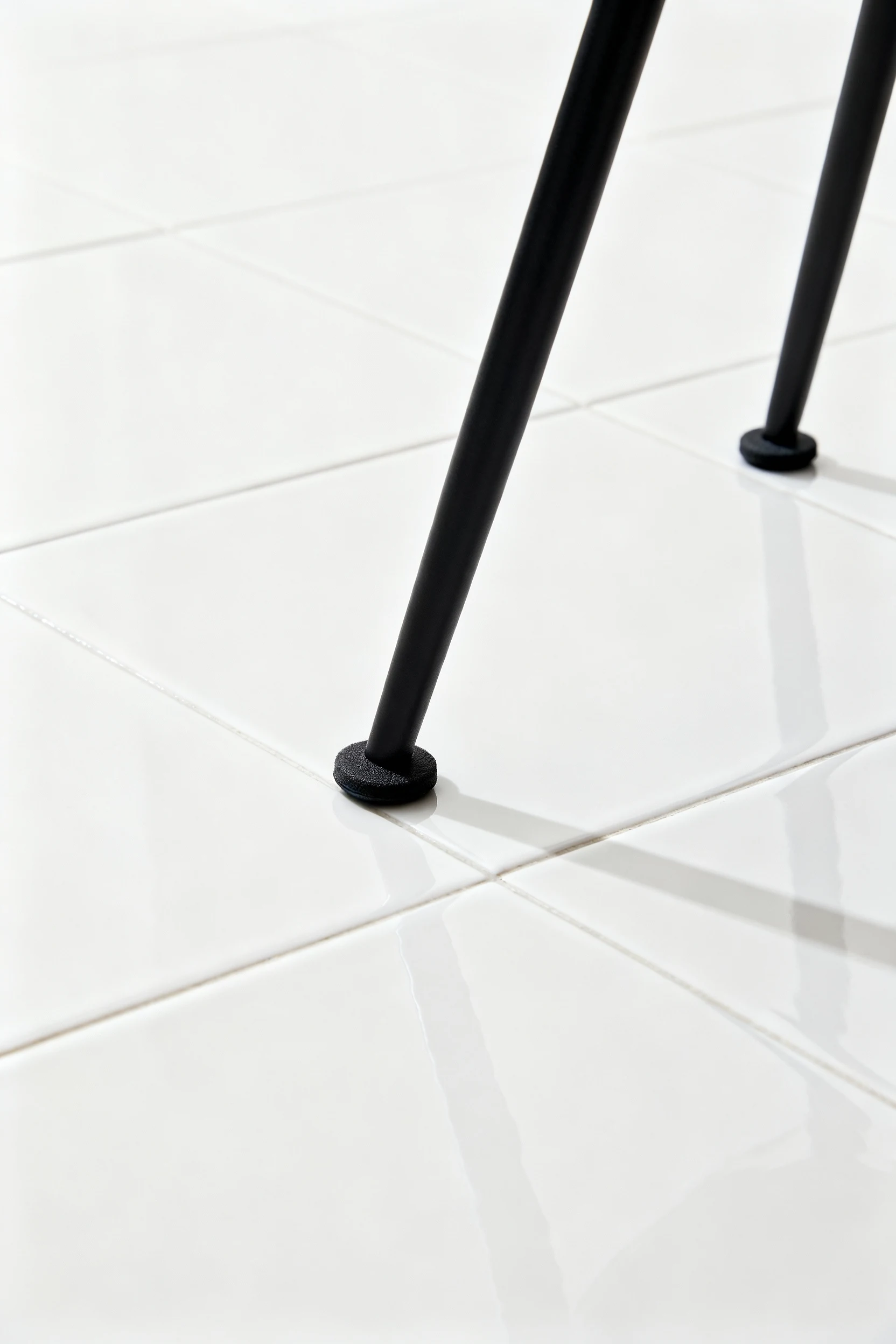
Use furniture with small-footprint legs on porcelain or smooth concrete. Add protective pads under chair feet. Your surface will thank you.
Budget, Timeline, and Upkeep
Let’s keep it real. Modern patios don’t need a celebrity budget, but numbers matter. Materials, access, base prep, and labor drive cost more than pattern does.
- Porcelain pavers: mid-to-high material cost; installation demands skill; low long-term maintenance.
- Poured concrete: budget-friendly for large areas; upgrades (saw cuts, finishes, sealers) add polish for reasonable cost.
- Precast large pavers: mid-range cost; great control over layout; easy future access.
Timelines vary by scope. Expect site prep and base work to take a chunk of time if you want a patio that lasts. Rushing the base saves nothing when you redo it next year.
- Maintenance quick hits:
- Sweep weekly and rinse as needed.
- Spot clean spills fast, especially oils and tannins.
- Seal concrete every 2–3 years with a breathable, exterior-grade product.
- Check joints and edges annually; touch up sand or sealant where needed.
One more tip: Create a little stash of extra pavers or a marked concrete mix spec. Future you will celebrate when you expand the patio or repair a corner.
FAQ
What’s the best base for a long-lasting patio?
Build a compacted crushed stone base with proper depth for your soil and climate, then add a bedding layer or mortar as your system requires. Keep the base thick enough—often 4–8 inches for patios, more for poor soils. Compact in lifts, confirm slope, and lock the edges so nothing drifts over time.
Porcelain or concrete—how do I choose?
Pick porcelain if you want low maintenance, consistent color, and a crisp modern look. Choose concrete if you want big custom panels, curved shapes, or a tighter budget. Both look great; your site, style, and maintenance tolerance decide the winner.
Do sleek patterns get slippery?
Not if you choose the right finish. Look for outdoor-rated porcelain with an R11-style slip rating and pick concrete textures like broom, micro-exposed, or sandblasted. Avoid glossy sealers and test samples wet to confirm traction.
Can I DIY this, or should I hire a pro?
You can DIY small areas if you handle grading, compaction, and drainage with care. Bigger projects, tight tolerances, or pedestal systems usually justify a pro. The moment you want flush thresholds, integrated lighting, or complex patterns, a skilled installer saves money and headaches.
How big should pavers be for a modern look?
Large-format sizes read modern immediately. Aim for 24×24, 24×36, 18×36, or similar. Keep the pattern simple and joints consistent, and your patio will look intentional and upscale.
Will dark pavers make my yard feel smaller?
Dark pavers add drama but can shrink the feel in small spaces. Balance them with lighter borders, bright cushions, or plenty of greenery. If your yard runs compact, go a shade lighter for a more open vibe.
Conclusion
You don’t need a design degree to nail a modern patio. Pick durable materials—porcelain or refined concrete—map a clean pattern, and line up the details like drainage and edges. Keep the palette tight, the joints straight, and the furniture comfy. Do that, and your patio stops acting like a yard accessory and starts acting like your favorite room, under the sky, no dress code required.