She Shed Ideas: Decor, Lighting and Layouts for a Relaxing Garden Retreat
You want a she shed that feels like a mini-vacation every time you slide the door open, right? Not a storage closet with delusions of grandeur. Let’s turn that little garden hideaway into a calming hangout with decor, lighting, and layouts that feel effortless. Grab your tea (or your paintbrush), and let’s make it gorgeous without the stress.
Set Your She Shed Intent
You set the tone with one simple choice: what do you want this space to do for you? Read quietly? Paint and make a glorious mess? Sip coffee and stare at your plants like they’re your children? Commit to a vibe and everything else clicks faster.
Think about how you want to feel when you walk in. Cozy and cocooned? Airy and bright? Grounded and earthy? If you nail that feeling, the decor and layout follow naturally. Bonus: you’ll avoid buying random stuff that looks cute but fights your vision.
Choose a Theme You Love
Pick a theme that fits your life, not Instagram’s algorithm. Boho garden nook? Minimalist studio? Cottage-core reading retreat? Go with what makes you smile.
- Boho Chill: Rattan, layered rugs, plants galore, soft neutrals, pops of terra cotta.
- Modern Minimal: Clean lines, black hardware, crisp whites, pale woods, uncluttered surfaces.
- Cottage Cozy: Painted wood, floral patterns, antique finds, warm brass accents.
Create a Mood Board
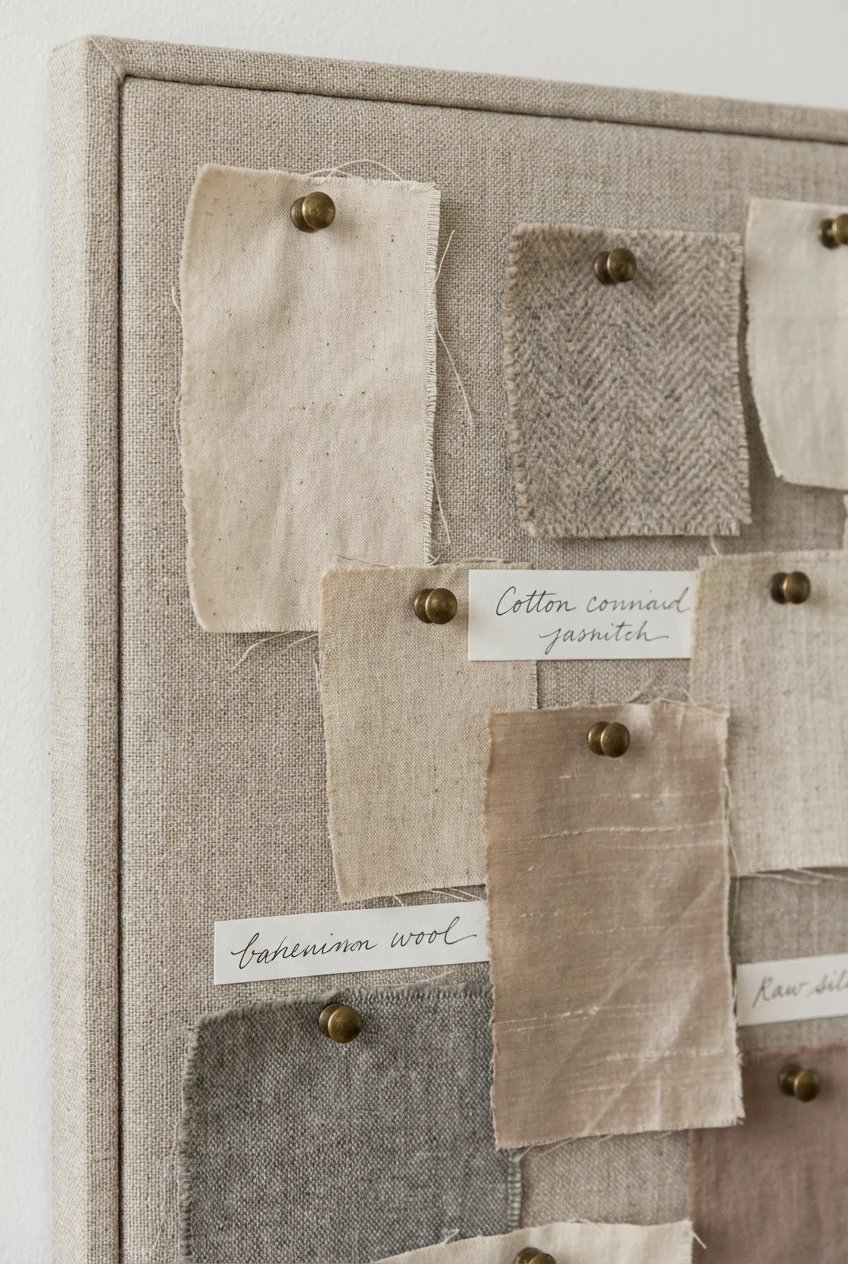
Collect 10–15 images that match your theme. Notice repeated colors, textures, and shapes. Then choose three core colors and two accent textures (like linen and wicker) to keep everything cohesive. IMO, a simple palette keeps small spaces calm and stylish fast.
Plan a Flow That Feels Effortless
Your layout controls the vibe more than you think. You set zones with furniture, rugs, and lighting—not with bulky partitions. Keep walkways clear, protect sightlines, and let the space breathe.
Make a quick sketch before you move a single chair. Measure your shed and mark doors, windows, and outlets. You’ll spot bottlenecks and fix them before you turn your shed into a Tetris nightmare.
Zone It Without Walls
Use these simple zones to avoid chaos:
- Chill Zone: A comfy chair or daybed, side table, lamp, and a small rug.
- Create Zone: Desk or workbench, pegboard, task light, easy-to-reach supplies.
- Stash Zone: Shelving, labeled bins, a closed cabinet for the not-cute stuff.
If your shed is tiny, combine zones. A folding table can work as a desk and a tea station. A bench with hidden storage can handle blankets and paint pots.
Tiny Footprint, Big Energy
Small sheds shine when you scale furniture right. Choose armless chairs, narrow tables, and shallow shelving. Borrow tricks from boat interiors: build in storage under seating and hang everything you can.
Use an
- Leave 24–30 inches for clear walkways.
- Keep the tallest piece on the far wall to draw the eye outward.
- Float a small rug to anchor your main zone without wall-to-wall carpeting.
Style Moves That Make It Yours
Decor turns a shed into a retreat. Go for texture, soft color, and one or two statement pieces. You don’t need a catalog. You need personality—and maybe a disco ball, if you’re that girl.
Pick a hero piece (like a vintage armchair or a painted cabinet) and build around it. Repeat colors three times: in textiles, art, and accessories. That tiny consistency trick makes the whole room look intentionally curated.
Color That Calms
You set the mood with color faster than with anything else. Here’s the cheat sheet:
- Soft Neutrals: Warm white, creamy beige, greige—easy, calm, forgiving.
- Earth Tones: Sage green, clay, muted blue—grounding and garden-friendly.
- High Contrast: Black and white—crisp and modern, but keep it minimal.
Paint the walls light and the trim slightly darker. That subtle difference adds dimension without shouting. FYI, low-sheen paints hide dings and keep glare out of your face.
Textures Do the Heavy Lifting
Layer textures so the space feels rich even on a budget. Mix soft textiles, raw wood, basket weave, and metal accents. Let one texture dominate (like linen) and sprinkle others lightly.
Budget-savvy texture wins:
- Staple burlap or linen over basic cork boards for a softer look.
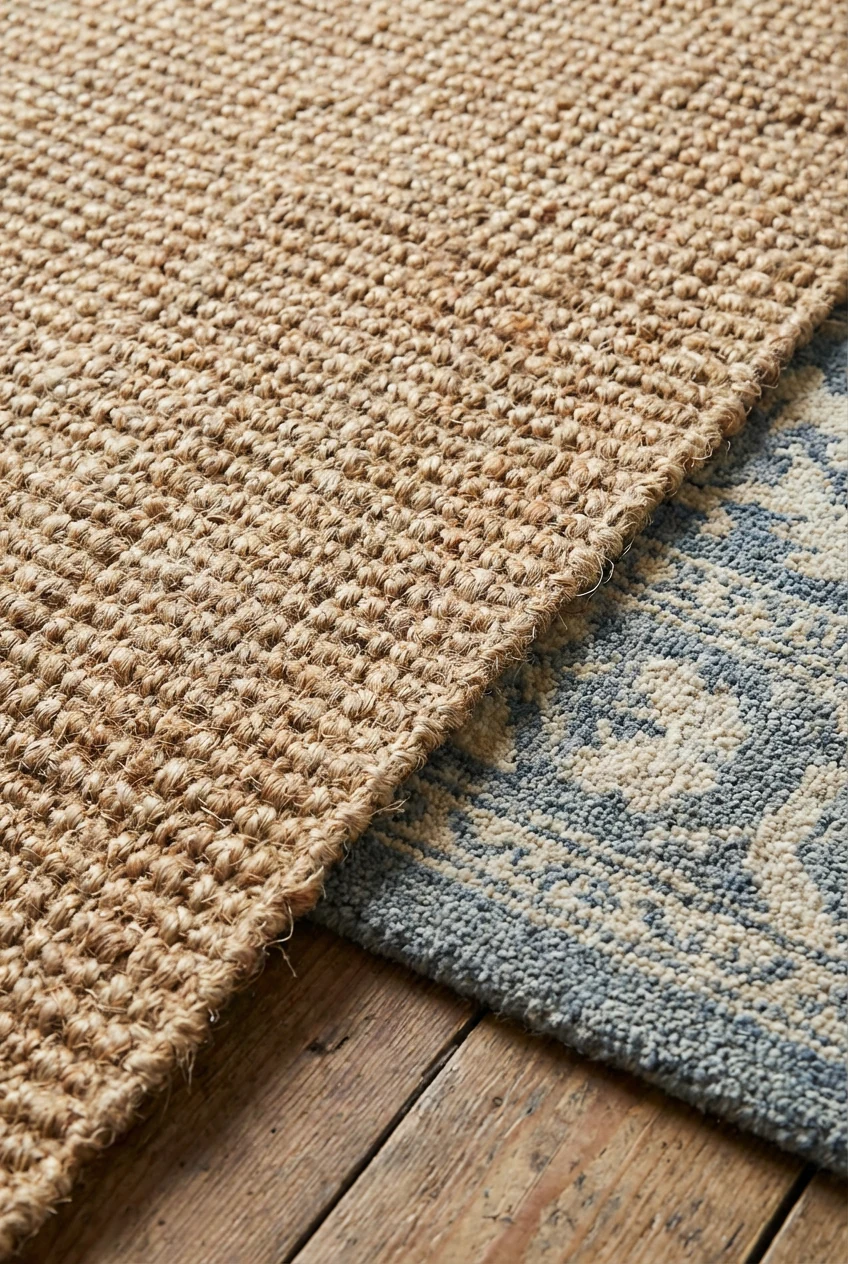
- Lay a jute rug, then stack a small wool rug on top for comfort.
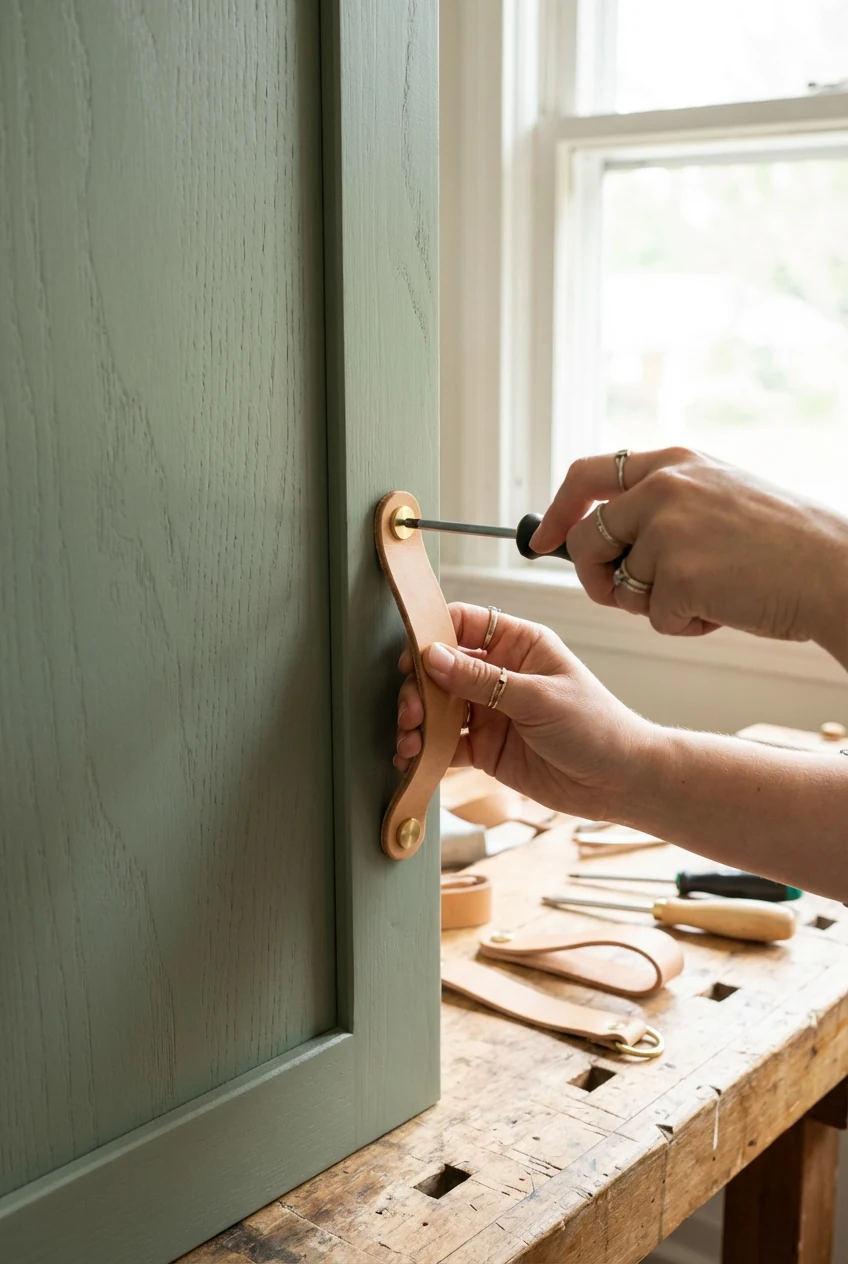
- Swap metal knobs for leather pulls to add warmth fast.
Light It Like a Pro
Lighting changes everything. You build layers so the space glows gently, then punch in light where you work. Don’t settle for one sad ceiling bulb that turns your retreat into a dentist’s office.
Plan three types of lighting and mix them. You’ll control vibes morning to night, rain or shine.
Layered Lighting 101
Use this simple formula:
- Ambient: Soft overhead glow (paper lantern, semi-flush fixture, or warm LED strips).
- Task: brighter desk lamp or adjustable wall sconce where you read or craft.
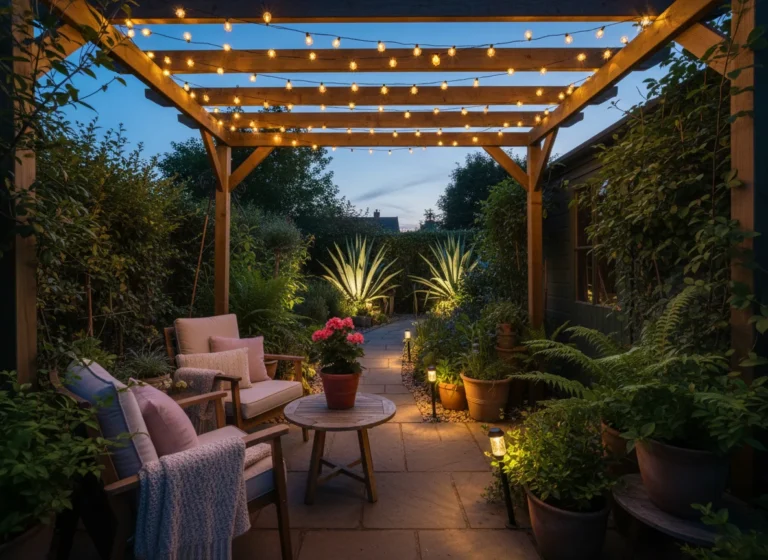
- Accent: fairy lights, picture lights, candles, or small uplights for plants.
Choose warm bulbs. Aim for 2700–3000K for cozy zones and 3500–4000K for task areas if you need clarity. Dimmers turn one light into five, and that control feels fancy for cheap.
Power Without Headaches
Not every shed comes wired. You’ve got options:
- Battery + Rechargeable: Modern lamps and puck lights deliver decent brightness and flexibility.
- Solar: Great for accent and ambient lighting; pair with a small power station for lamps.
- Extension + Outdoor-Rated Cord: Safe, tidy runs from the house work well if you manage load and weather.
Run cords along trim and hide them with cable covers. Keep outlets off the floor. And if you wire the shed, call a pro—no DIY heroics with electricity, please.
Fixture Ideas That Always Work
Try these combinations:
- Paper lantern overhead + clip-on task lamp + LED fairy lights.
- Semi-flush dome + picture light over art + cordless sconce at the chair.
- Warm LED strips under shelving + desk lamp + candle for evening glow.
Blur the Line Between Inside and Outside
Your garden already does half the work. You just need to frame the view and echo outdoor materials so everything feels connected. Invite the breeze in, then let the space show off.
Frame a View
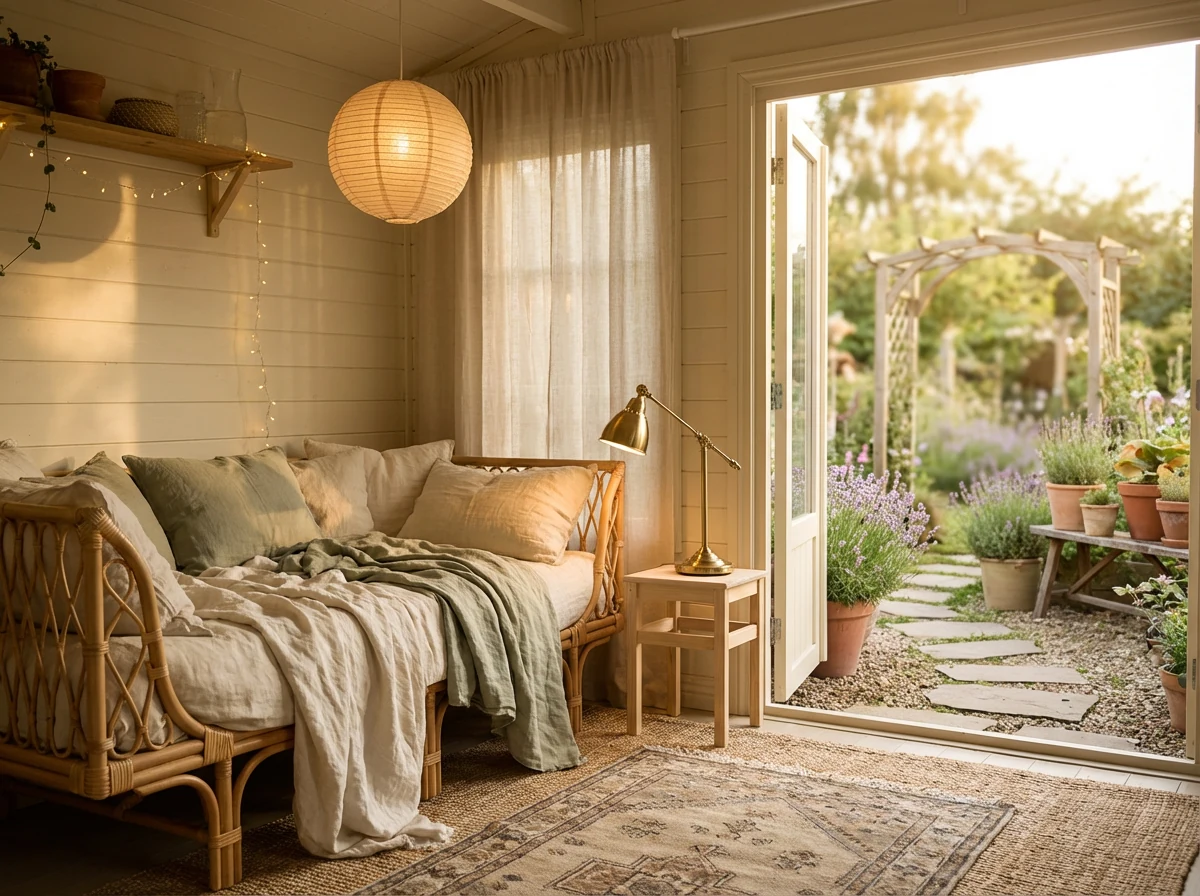
Place your main seat facing a window or open door. Hang sheer curtains to soften the light but keep the greenery in sight. If you have a solid wall, add a mirror opposite the window to bounce garden views inside.
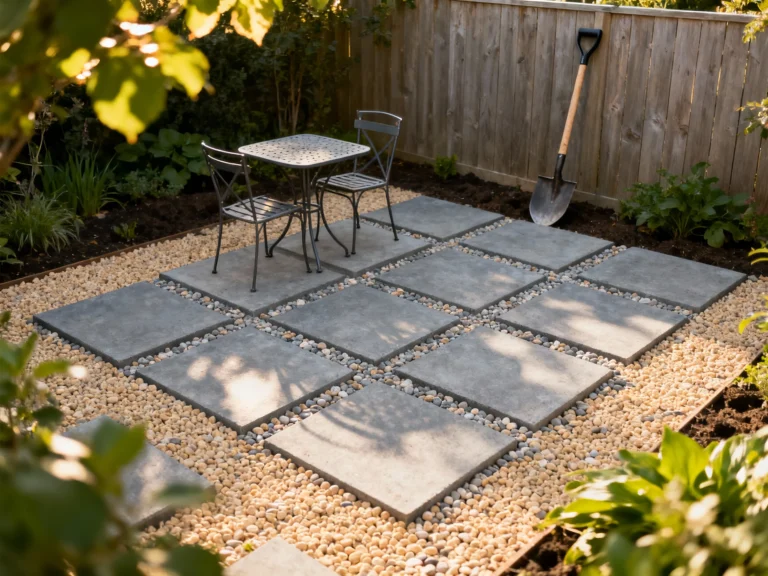
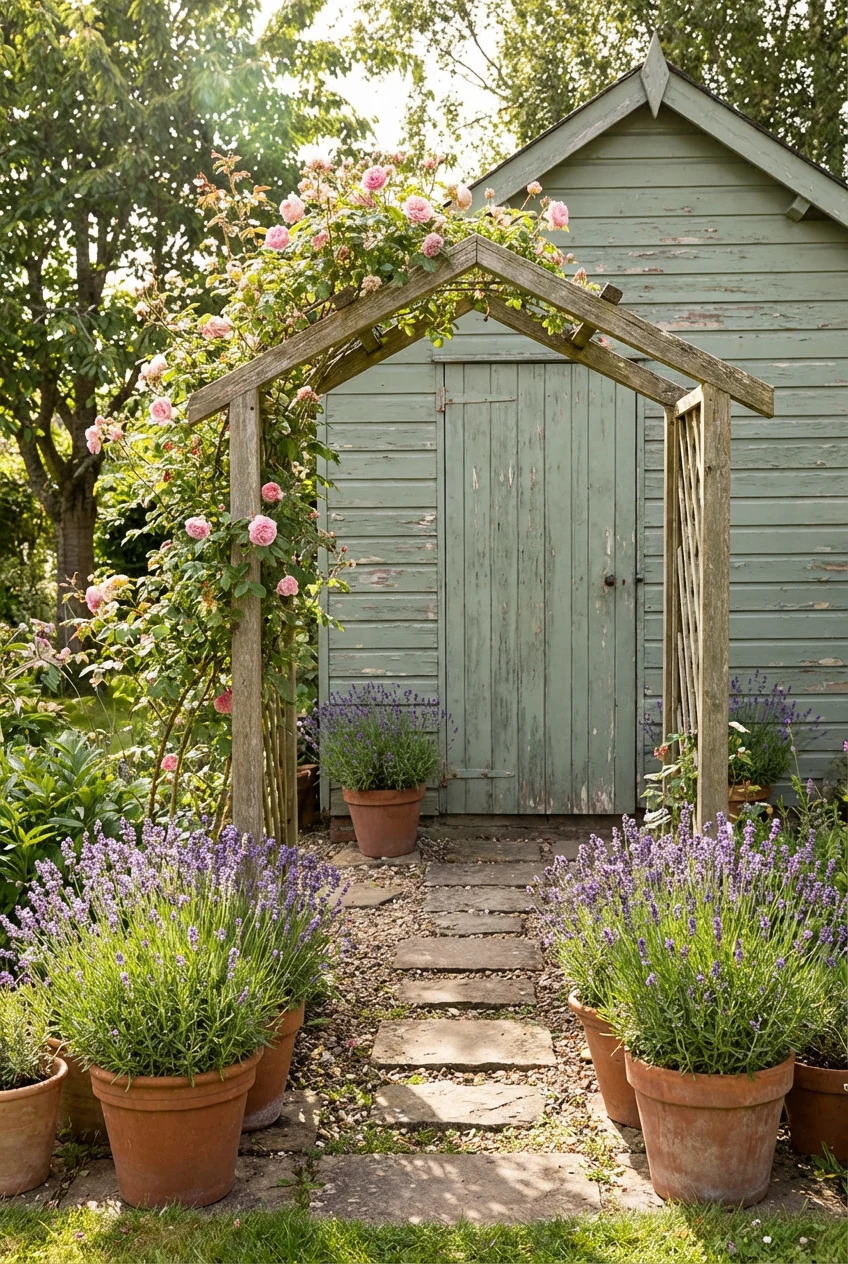
Build a threshold moment. Lay stepping stones from the patio, add a small arbor, and flank the door with planters. That mini path tells your brain, “You left the house. Enter calm mode.”
Green Up the Edges
Plants, obviously. But choose smart:
- Inside: Snake plant, pothos, peace lily—low effort, high payoff.
- At the doorway: Lavender pots for scent and bee-friendly vibes.
- Climbers: Clematis or jasmine on an arch to soften the shed’s shape.
Keep a small watering can inside so you don’t procrastinate. And yes, anyone can keep a pothos alive. It forgives everything.
Keep It Tidy Without Killing the Mood
Clutter kills calm. You can store a ton without turning your shed into a utility closet. Design for your stuff like you design for your seating.
Sort what you own by frequency. Keep daily-use items within reach and tuck the rest out of sight. Label everything so future-you doesn’t hate current-you.
Hidden Storage Hacks
These tricks hide the chaos:
- Bench with lift-up lid for blankets, craft supplies, or snacks.
- Closed cabinet for anything visually noisy (paint cans, tools, chargers).
- Woven baskets under tables—pretty, portable, practical.
Measure twice before you buy storage. Deep bins eat floor space. Shallow shelves win in small rooms.
Vertical Wins
Go up, not out. Pegboards and wall rails keep tools and supplies neat. Add hooks behind the door for bags, jackets, and headphones.
Mount narrow picture ledges for books and sketchpads. Use stackable bins with clear labels. You’ll grab what you need and put it back without drama.
Budget & DIY Wins
You don’t need deep pockets to build a dreamy retreat. You just need taste, patience, and a very honest tape measure. Most of the magic comes from paint, lighting, and smart styling.
Thrift Like a Pro
Hunt for structure, not perfection. Look for solid wood tables, metal carts, and real wool rugs. You can sand, paint, or reupholster—but you can’t fix flimsy.
Pro thrifting tips:
- Check joints, drawers, and hardware.
- Ignore color; focus on shape and size.
- Bring a fabric swatch so you match tones on the spot.
Weekend Builds
Simple projects transform sheds fast:
- Paint: One weekend, one gallon, whole mood shift.
- Wall Planks: Nail up tongue-and-groove or beadboard for instant charm.
- Floating Shelves: 1×10 boards + brackets = storage that looks custom.
- Cushion Bench: Plywood box with foam and fabric—extra seating and stash space.
IMO, investing in a comfortable chair pays off more than a fancy side table. Your back will thank you.
Where to Splurge
Spend on items you touch daily:
- Chair or daybed: Comfort first, always.
- Lighting: Quality fixtures and bulbs set the mood instantly.
- Rug: A good rug anchors the room and lasts.
Save on decor accessories. Rotate art and throw pillows seasonally and keep the base timeless.
FAQ
How big should a she shed be for a comfortable retreat?
Aim for 8×10 if you want a chair, small desk, and storage without elbow wars. If you have 6×8, prioritize one main zone and keep furniture narrow. Size matters less than flow—plan smart and you’ll feel more space than you actually have.
What’s the best flooring for a she shed?
Use vinyl plank for durability and easy cleaning. Layer a rug for warmth and comfort. If you love wood, seal it well and add a rug to protect high-traffic spots.
Do I need insulation for comfort?
Yes, if you want year-round use. Insulate walls and ceiling, then add a small heater or fan for seasonal control. Even a thin layer cuts noise and keeps temps steadier.
How do I light a shed without wiring?
Use rechargeable lamps, battery-powered puck lights, and solar string lights. Pair them with a portable power station for desk lamps or small tools. Keep extra batteries handy and swap them monthly so you never sit in the dark.
What colors make a small shed feel bigger?
Soft neutrals with light undertones open the space: warm white, pale greige, or creamy beige. Paint trim one shade darker for subtle depth. Add contrast in small doses—black hardware or frames—to keep it fresh without shrinking the room.
How can I keep bugs out without ruining airflow?
Install a screen door or magnetic screen panel. Seal gaps around windows and floor edges. Keep a small fan inside to push air out and deter bugs that want a free tour.
Conclusion
Your she shed doesn’t need perfection—it needs intention, good light, and a layout that respects your daily rituals. Pick a vibe, layer cozy textures, and light it like you mean it. Then add smart storage and a few garden touches that make you smile. Close the door, take a breath, and claim your retreat—glitter optional, peace guaranteed.