Pathway Lighting Ideas: Garden Lights to Brighten Walkways
Some walkways whisper “come in,” while others scream “trip hazard.” Lighting decides which one you’ve got. A well-lit path not only saves ankles from misadventures but also turns your yard into a nighttime wonderland. And you don’t have to break the bank or hire a Hollywood set designer to get it right – just a few smart lighting moves can completely change your vibe.
Why Pathway Lighting Matters More Than You Think

Sure, lights help you see where you’re going, but they’re also major mood-setters. That warm, gentle glow can make even a short stroll to your front door feel like an event. Plus, good lighting keeps the “I swear I saw something move” paranoia to a minimum.
Safety and security are the obvious wins – no more tripping on that one uneven paver you keep forgetting to fix. And burglars? They tend to prefer the shadows.
Styles of Garden Pathway Lights
There’s no single “right” style, but IMO, mixing things up creates the most welcoming pathways. Here are some crowd favorites:
- Stake lights: Simple, effective, and easy to install. Just poke them into soil, and boom – instant runway vibes.
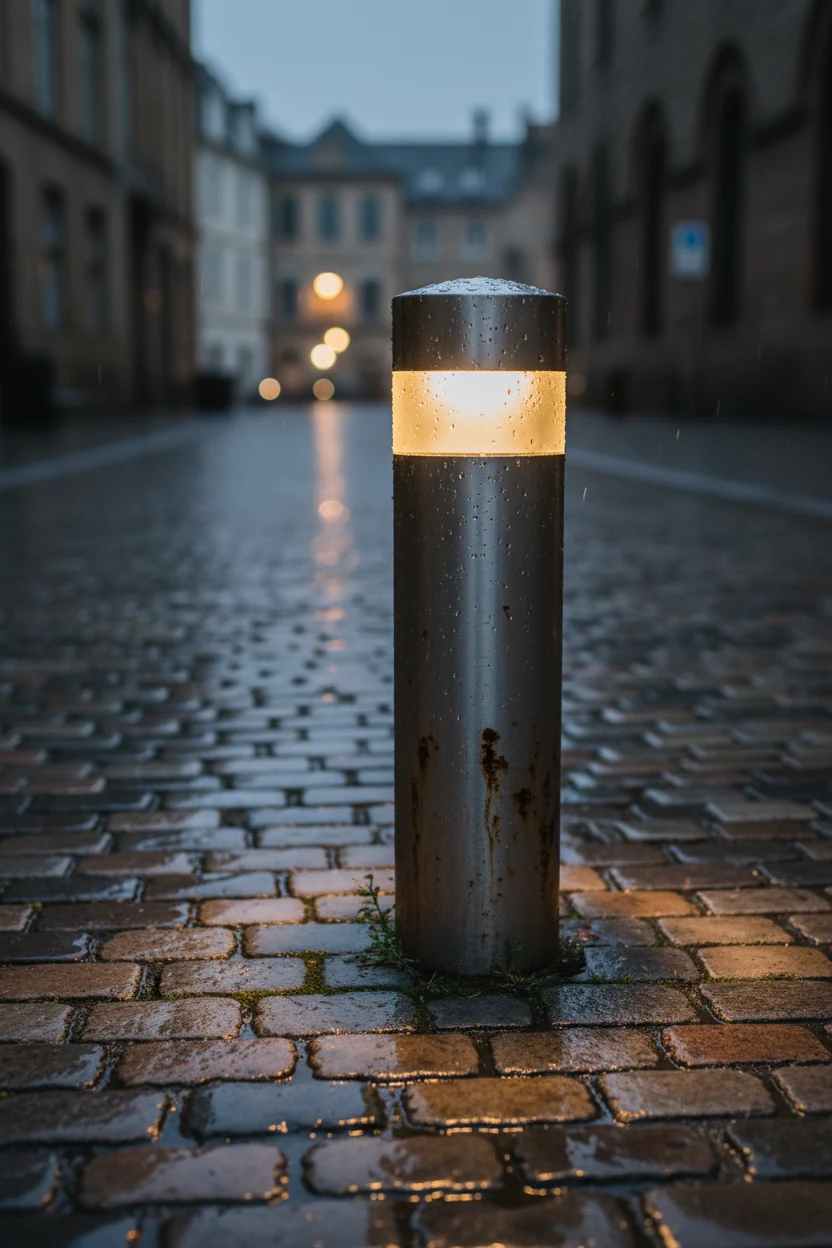
- Bollard lights: Short, sturdy posts that bring a modern, architectural feel to your walkway.
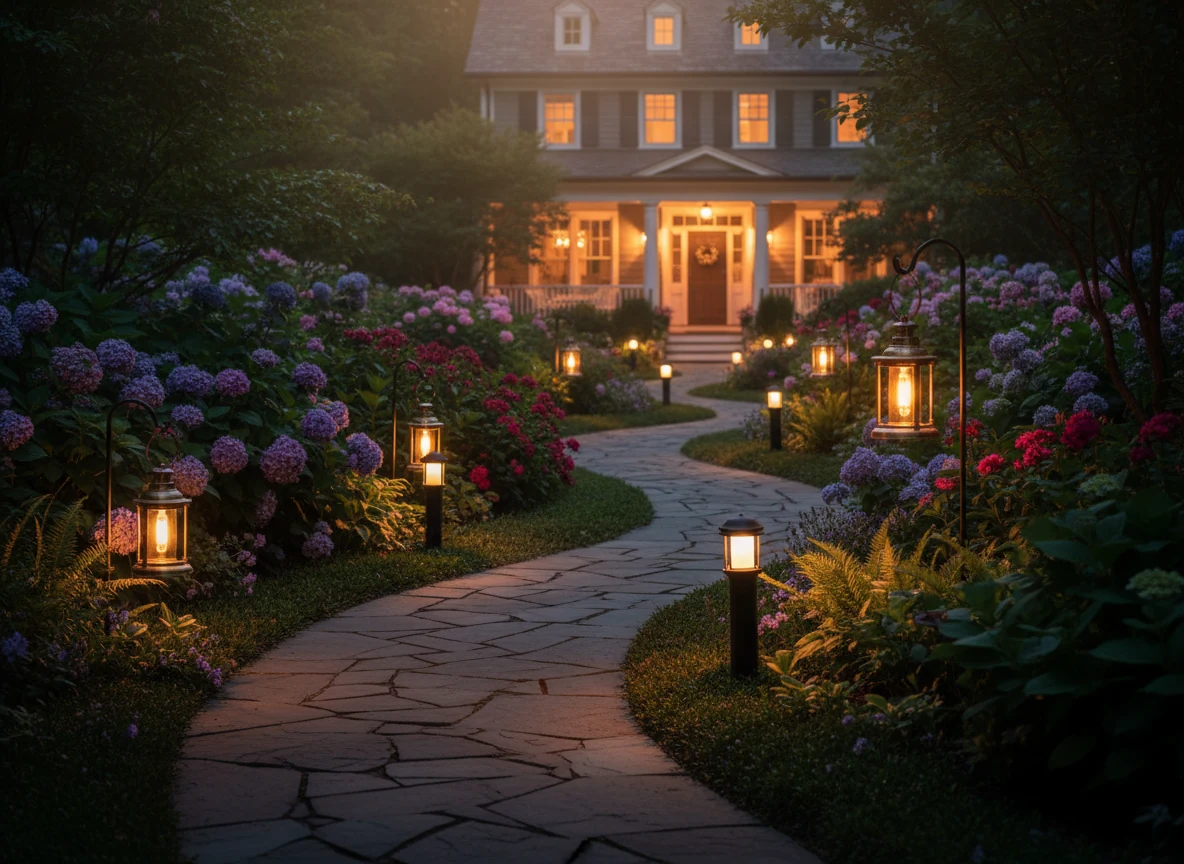
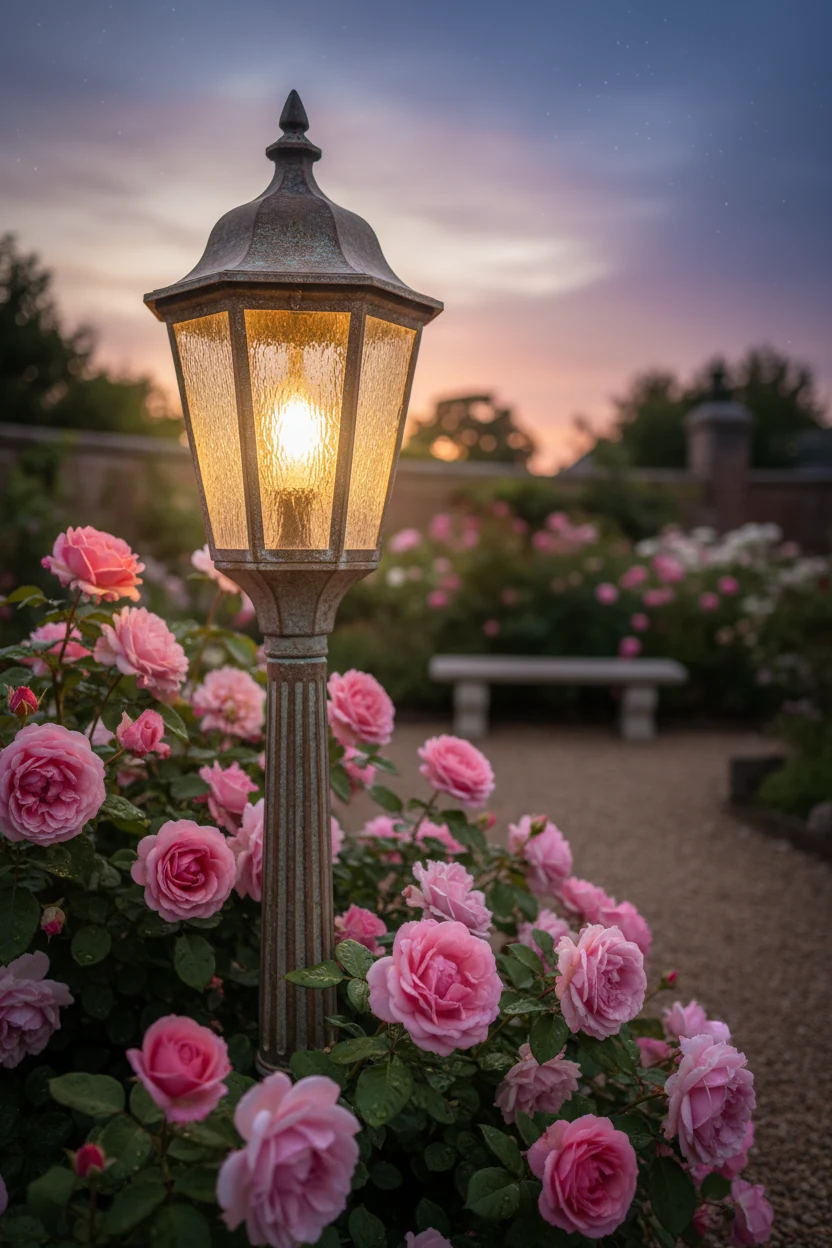
- Lantern-style lights: Vintage charm that looks even better with flowering plants nearby.
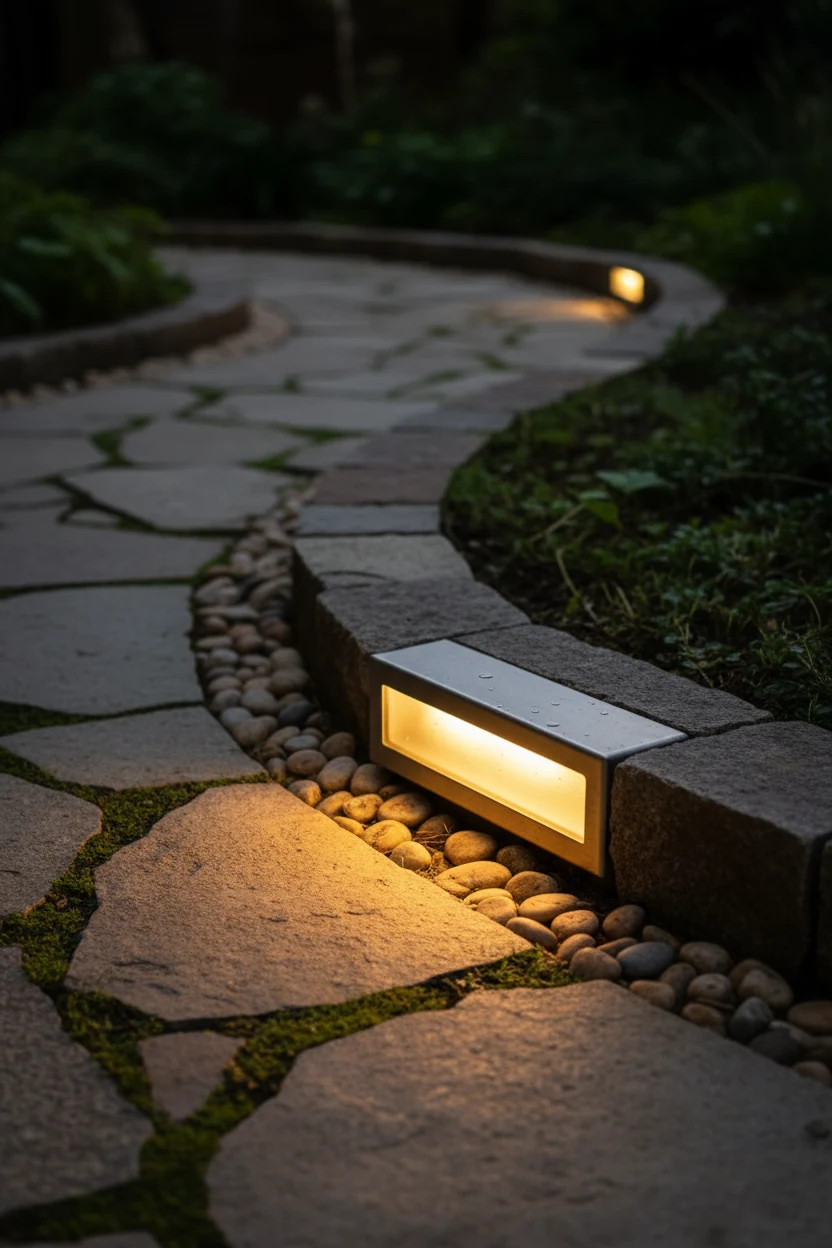
- Recessed lights: Installed flush into the ground or stairs – great if you like your lighting sleek and subtle.
Mixing and Matching Without the Chaos
You can totally combine styles without making your yard look like a lighting clearance aisle. The trick? Stick to a similar color temperature for all the lights – either all warm white or all cool tones. Also, avoid mixing too many decorative finishes (brass, silver, black) unless you want that “accidental yard sale” effect.
Choosing the Right Power Source
Ah yes – the never-ending debate: solar vs. wired vs. battery. Each has its own personality.
- Solar: Eco-friendly, low maintenance, perfect for sunny spots. Downside? They can be a bit shy on cloudy days.
- Wired: Reliable and bright, but you’ll need a proper outdoor-rated electrical setup.
- Battery: Flexible placement and no wiring required, though you’ll have to swap batteries now and then.
Pro Tip for Solar Lovers
Don’t skimp on panel size. Larger panels charge better and keep the lights glowing longer, even when the sun plays hide-and-seek.
Placement Tricks for Maximum Impact
Think beyond the straight-line approach. Lighting every single step like an airport runway might be overkill (unless you’re into that). Instead, alternate sides along the path for a softer, more interesting look.
Highlight curves – if your walkway bends, make sure the corner is well-lit to guide the eye (and the feet).
Avoid the “Too Much Light” Trap
Blinding your guests isn’t a warm welcome. Keep pathway lights low and directed downward to avoid glare. Low-voltage fixtures are usually plenty bright for walkways.
Using Lighting for Ambience
Pathway lighting isn’t just about visibility – it’s also about setting a mood. Want cozy and romantic? Go with warm white LEDs. Feeling futuristic? Cool white with recessed LEDs might be your jam.
You can even play with layered lighting – pathway lights for ground-level glow, plus some tree uplighting for drama. Just remember: subtlety beats Las Vegas-style overload for a backyard.
Accent Plants and Features
If you’ve got a standout plant or sculpture, use a focused spotlight to let it shine at night. It creates visual breaks along the path and makes the walk feel like an intentional journey rather than just point A to point B.
Durability and Weather Resistance
Outdoor lights take a beating – rain, wind, the occasional rogue soccer ball. Look for lights with an IP rating of 65 or higher so they can handle weather without fizzling out.
For coastal areas, corrosion-resistant materials (like stainless steel or powder-coated aluminum) help keep rust at bay. And if you’re in snow country, choose fixtures tall enough to peek out above the drifts in winter.
DIY vs. Hiring a Pro
If you’re going solar or battery, DIY is a piece of cake. For wired setups, unless you’re confident with outdoor electrical work (and local codes), calling a pro is safer. Plus, pros can help with design to make sure you don’t end up with an unintentional light disco effect.
When to Splurge
Spend more on heavy-use, high-visibility areas. Those lights will work harder and deserve the extra durability and style points. You can save on less critical spots with budget-friendly fixtures.
FAQ: Pathway Lighting
How far apart should pathway lights be placed?
A good general rule is 5 to 8 feet apart, depending on brightness and beam spread. Too close, and it can feel like an obstacle course. Too far, and you’ll have dark gaps.
What’s better for pathways: warm or cool lights?
Warm white usually feels more inviting and homey, while cool white can look crisp and modern. Choose based on the mood you want – or mix carefully for contrast.
Can solar pathway lights work in shady areas?
They can, but performance will drop if the panel never sees direct sunlight. In heavy shade, go for battery or wired options instead.
Do low-voltage lights use much electricity?
Not really. They’re pretty energy-efficient, especially with LED bulbs. Plus, they’re safer to run outdoors than full-voltage systems.
How do I keep my lights from getting knocked over?
Pick sturdy fixtures, set them firmly in the ground, and avoid placing them right where kids or pets tear around. Bollard-style lights tend to be more stable than thin stakes.
Final Thoughts
Pathway lights might seem like a tiny detail, but they pull a lot of weight in how your outdoor space looks and feels. Done right, they make your garden safer, show off your landscaping, and turn a simple walk into an experience. Whether you go solar, wired, or battery-powered, keep placement thoughtful, styles cohesive, and brightness just right – and your walkway will glow like it’s living its best life.
Would you like me to also add a small visual diagram example in HTML to illustrate ideal light placement?