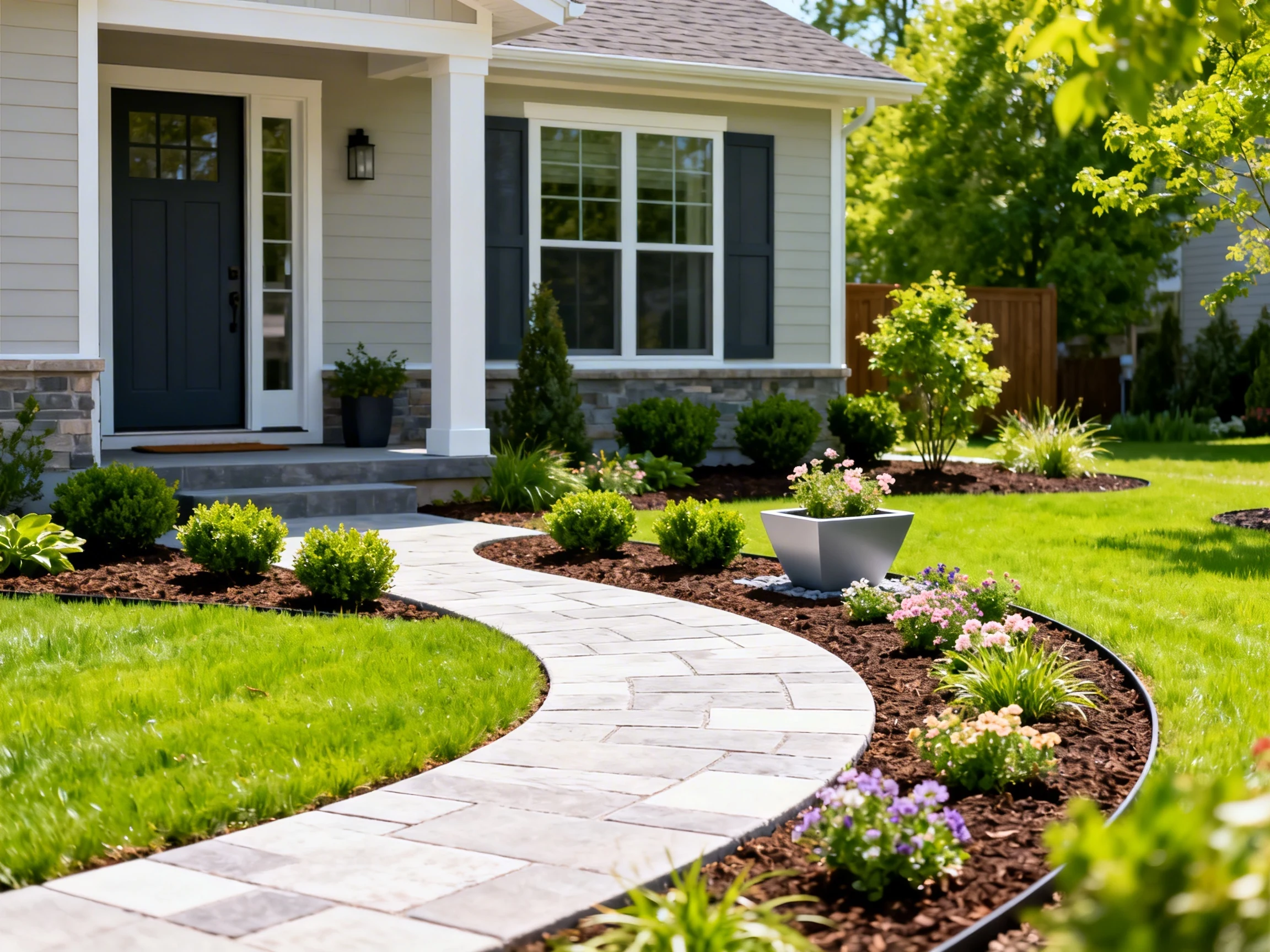
front yard garden design
Your front yard does a lot of heavy lifting. It greets guests, judges delivery drivers, and quietly tells the neighborhood whether you “have it together” or you “own three broken lawn chairs and a dream.” The good news? You don’t need a landscaping degree or a money pit makeover. You just need a plan that looks intentional, feels easy to maintain, and makes you smile when you pull into the driveway.
Start With a Quick “Reality Check” (Before You Buy Anything)
Before you fall in love with a dramatic cottage garden photo online, take a look at what you actually have. How much sun hits the front yard, and where does it land? Where does water collect after rain? And what parts do you see most from the street and from your front windows?
FYI, your front yard doesn’t need to look like a botanical garden to feel polished. It just needs clear shapes, repeat plants, and a couple of standout moments. Think of it like an outfit: simple basics plus one fun accessory.
Sun, Shade, and Microclimates (Yes, They Matter)
Track your sunlight for a day. Morning sun often feels gentler, while afternoon sun can roast plants like a forgotten tray of cookies. Notice shady spots from trees, your house, fences, and even parked cars.
If one corner always looks sad, it might not hate you. It might hate the blazing heat bouncing off the driveway, or the dry “rain shadow” under the roofline. Work with those conditions instead of arguing with them like it’s going to change its mind.
Soil and Drainage: The Unsexy MVP
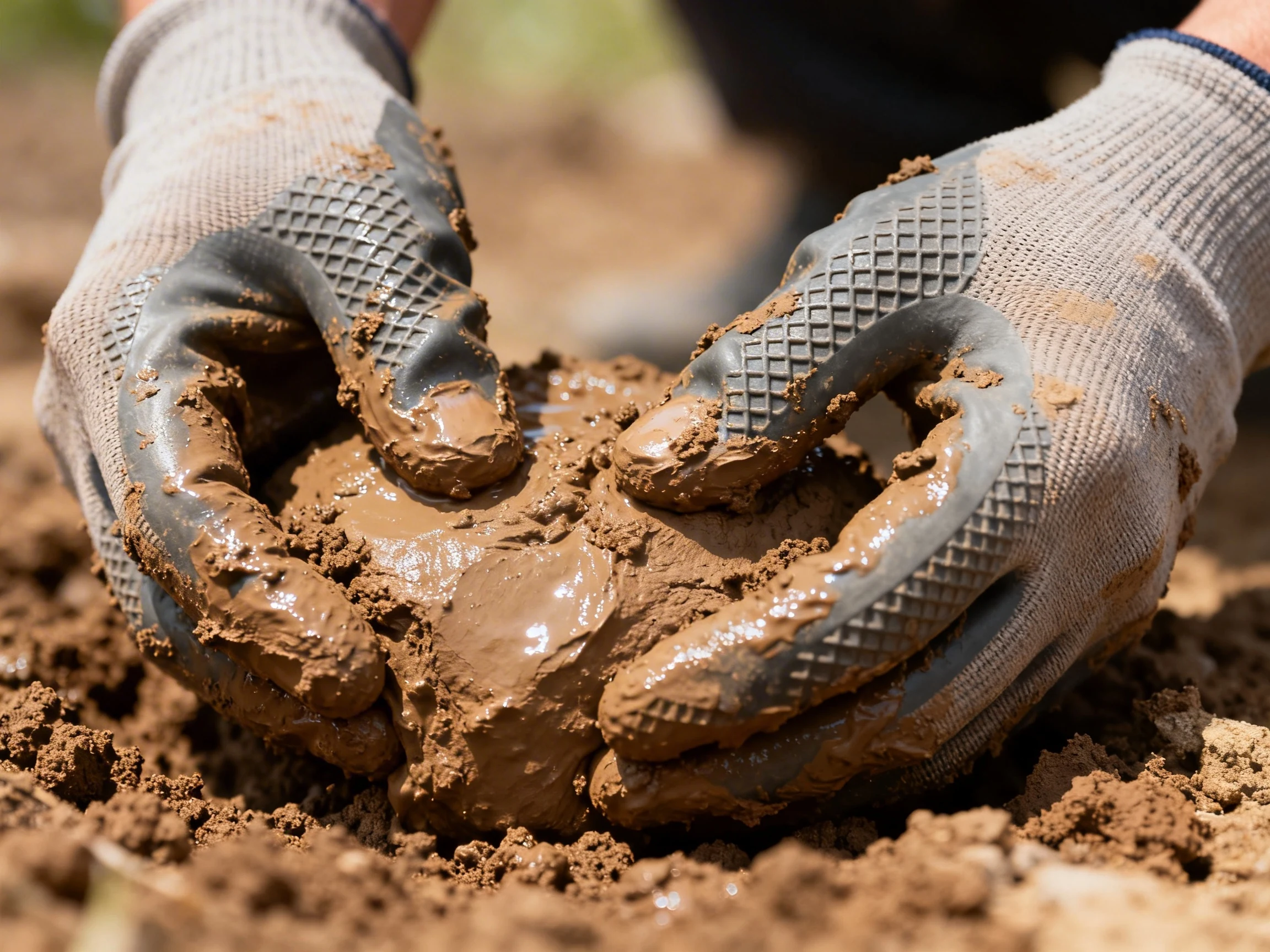
Grab a shovel and check the soil. If it feels like powdery sand, it drains fast and needs organic matter. If it feels like sticky clay, it holds water and needs airflow and patience.
Also, watch how water moves. If puddles hang around, you can plant moisture-lovers there or add a simple swale, gravel strip, or raised bed to redirect the mess. Healthy plants start with decent drainage, not vibes.
Pick a Style That Matches Your House (And Your Energy Level)
Your home already sets the tone. A sleek modern house looks weird next to a chaotic jungle vibe, unless you love that contrast and you commit hard. A cozy bungalow can pull off cottage-style planting like it was born for it.
IMO, the best front yard style feels like an extension of the house, not a separate theme park. You also need to match the design to your maintenance tolerance. Do you want to prune and fuss, or do you want to water occasionally and call it a day?
Three Easy Style Directions (No Identity Crisis Required)
Choose one main direction and stick to it. You can still add personality, but you keep the overall look calm and cohesive. That “designed” feeling comes from consistency, not from owning every plant at the nursery.
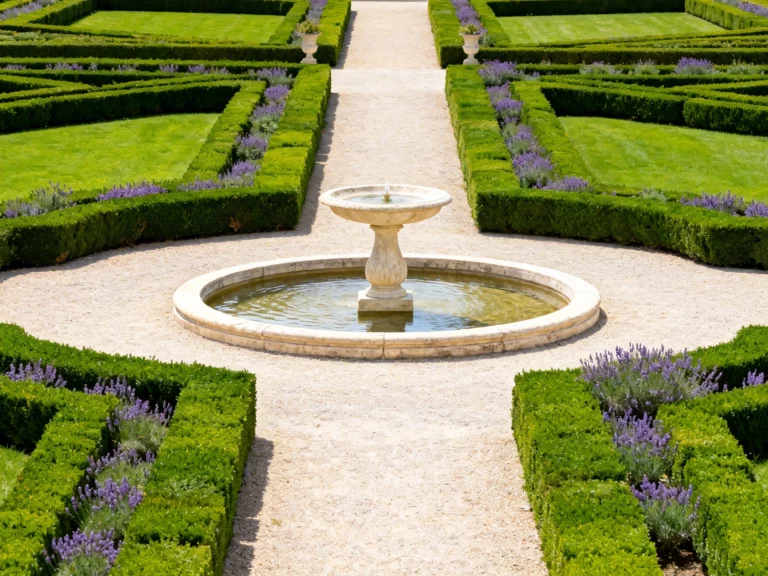
- Clean and structured: simple shapes, evergreen shrubs, and neat edging.
- Cottage and lush: layered perennials, softer lines, and lots of blooms.
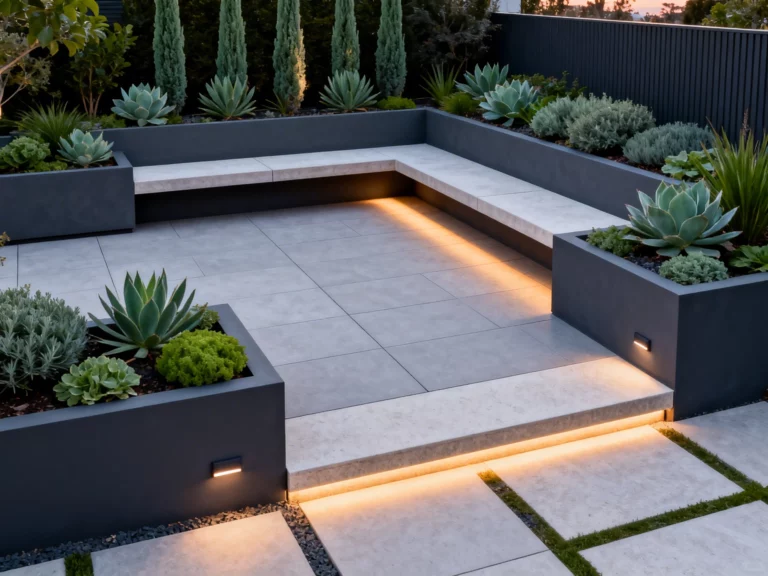
- Dry-climate and modern: grasses, gravel, drought-tough plants, and bold forms.
Design the Layout Like You’re Staging a Photo
Front yard design works best when you think in layers. You want a low layer near the sidewalk, a medium layer closer to the house, and a taller layer that frames things without blocking windows. This creates depth and makes the yard look full without looking messy.
Ask yourself: what do you want people to notice first? The front door? A cool tree? A colorful border? Pick your “hero” moment, then support it with simpler plants around it.
Use the “Big Shapes First” Rule
Start with structure plants that hold shape most of the year. Evergreens, ornamental grasses, and tidy shrubs make the yard look good even when flowers take a nap. Then you add seasonal color on top like sprinkles.
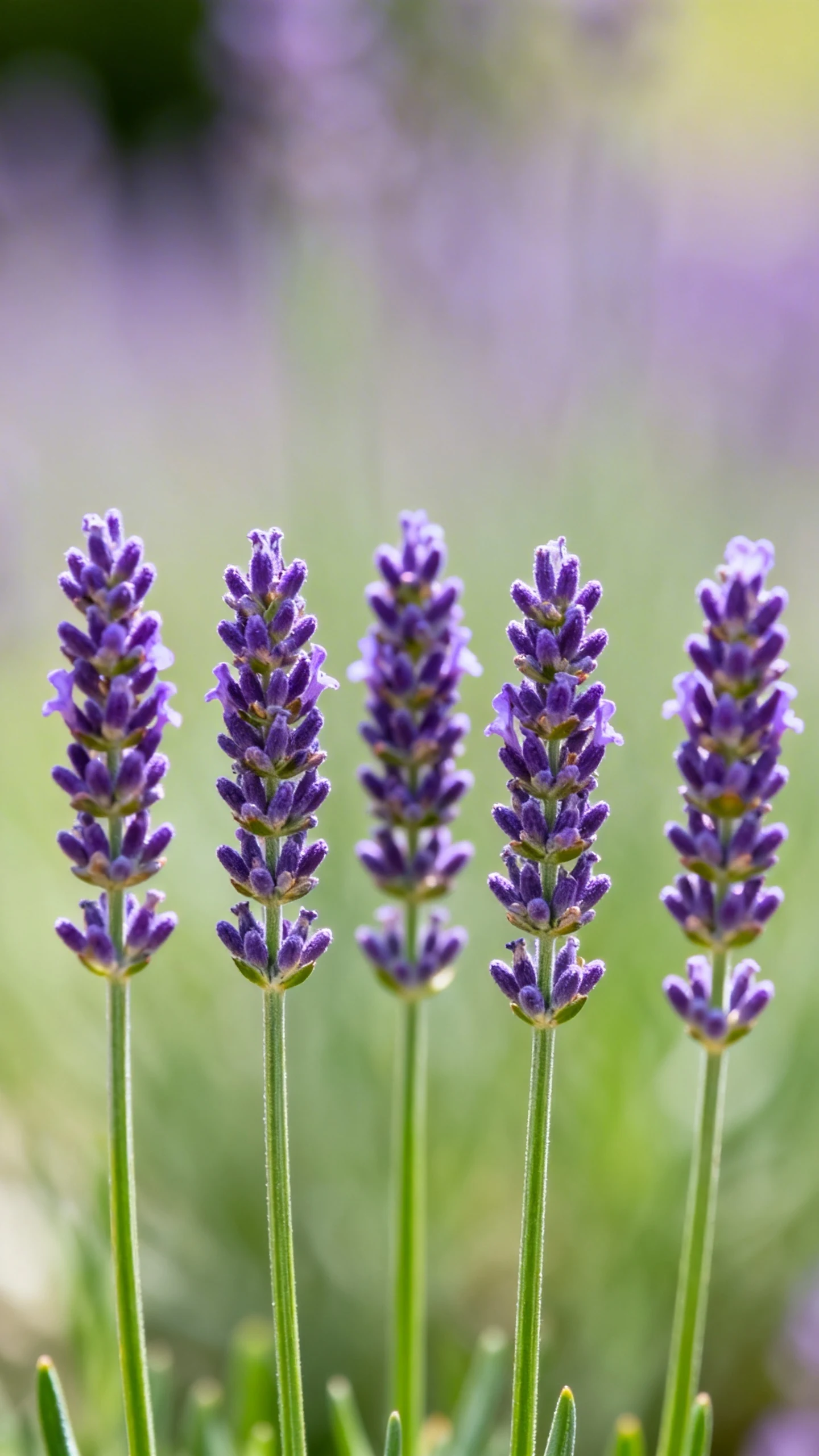
Repeat the same plants in groups instead of planting one of everything. That repetition tricks the eye into reading the design as intentional. One lavender looks like an accident. Five lavender looks like a plan.
Paths, Borders, and the Magic of Edging
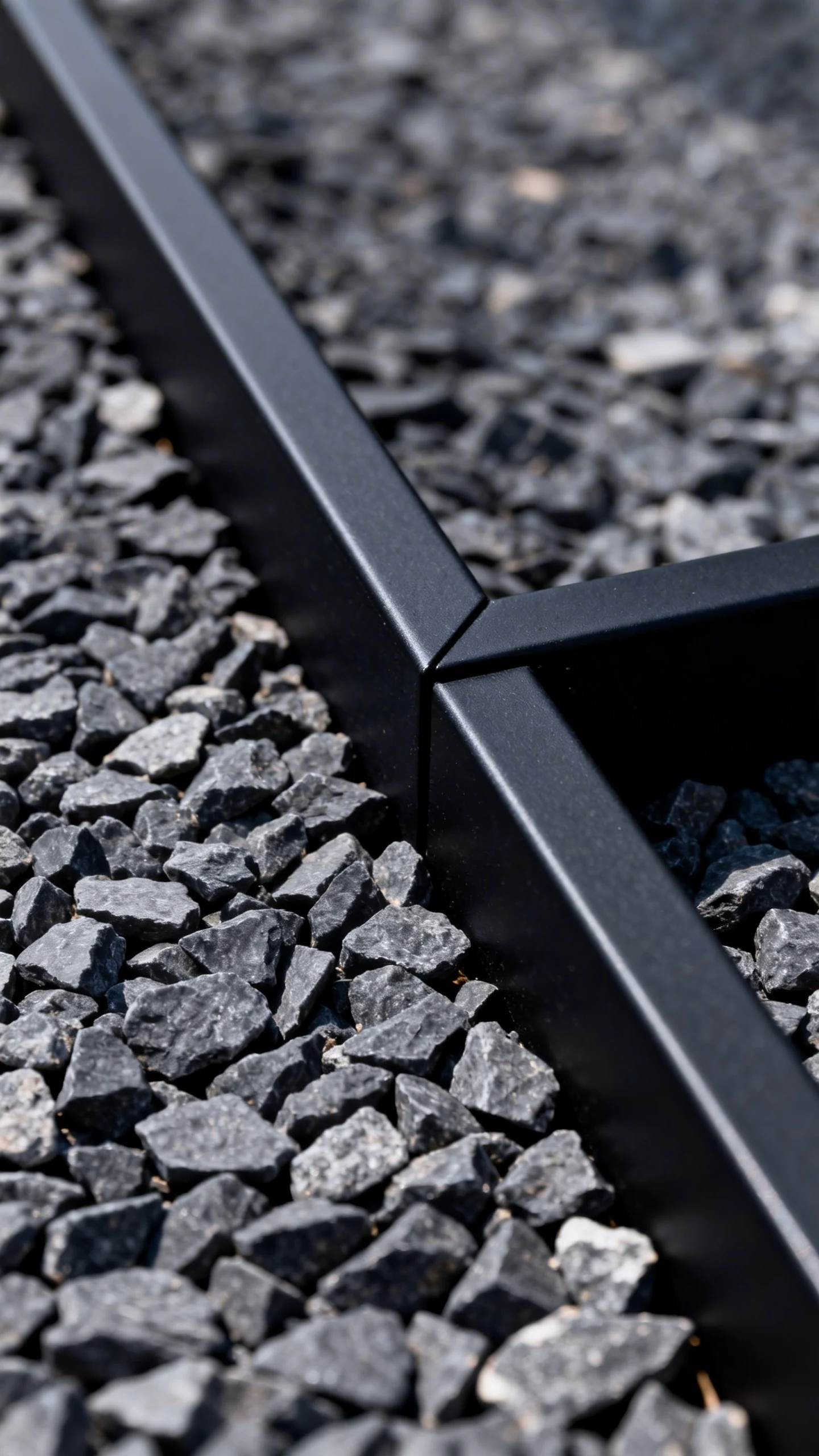
Even if you don’t add a full walkway, you can guide movement with stepping stones, gravel strips, or a defined mulch bed. Clean edges instantly upgrade the vibe. They make the planting look “finished,” even if you still have a few weeds trying to start a side hustle.
For borders, pick one main material and keep it consistent. Brick, metal edging, stone, or a crisp trench edge all work. Consistency beats complexity every time.
Choose Plants That Look Great and Won’t Ruin Your Weekends
The front yard sits on display, so people notice when it looks tired. That means plant choices matter, but you don’t need rare stuff. You need tough, reliable plants that match your sun and soil, then you add a few show-offs for fun.
Start with a backbone of low-maintenance plants, then layer in flowers for color. Aim for interest across seasons so the yard never looks completely empty. You can absolutely keep it simple and still make it gorgeous.
Go for “Three Seasons of Interest”
Try to cover at least three seasons with something interesting. Spring bulbs, summer blooms, fall color, and winter structure can all live together nicely. You don’t need constant flowers, but you do want something to look at most of the year.
Mix these elements:
- Evergreens: for year-round shape and calm.
- Flowering perennials: for repeat color without replanting.
- Ornamental grasses: for movement and texture.
- Small trees: for height, shade, and instant “mature yard” energy.
Plant Spacing: The Fastest Way to Avoid Regret
Read the mature size on the plant tag and believe it. Yes, the tiny shrub looks cute now. It will not stay cute if it grows into your window like it pays rent.
Give plants room, and you’ll spend less time pruning and more time enjoying. Good spacing prevents disease too, because airflow keeps foliage from turning into a damp drama zone.
Add Curb Appeal Details That Make It Feel Finished

Plants matter, but details make the yard feel “done.” Lighting, house numbers, a mailbox upgrade, and a clean front entry go a long way. Even a simple bench or a pot by the door can turn the whole scene into something welcoming.
Ask yourself what you see at night. If your front yard disappears into darkness, add a few solar lights or low-voltage path lights. You don’t need an airport runway, just a soft glow that says “someone lives here and they care.”
Mulch, Gravel, and Groundcovers (The Weed-Fighting Squad)
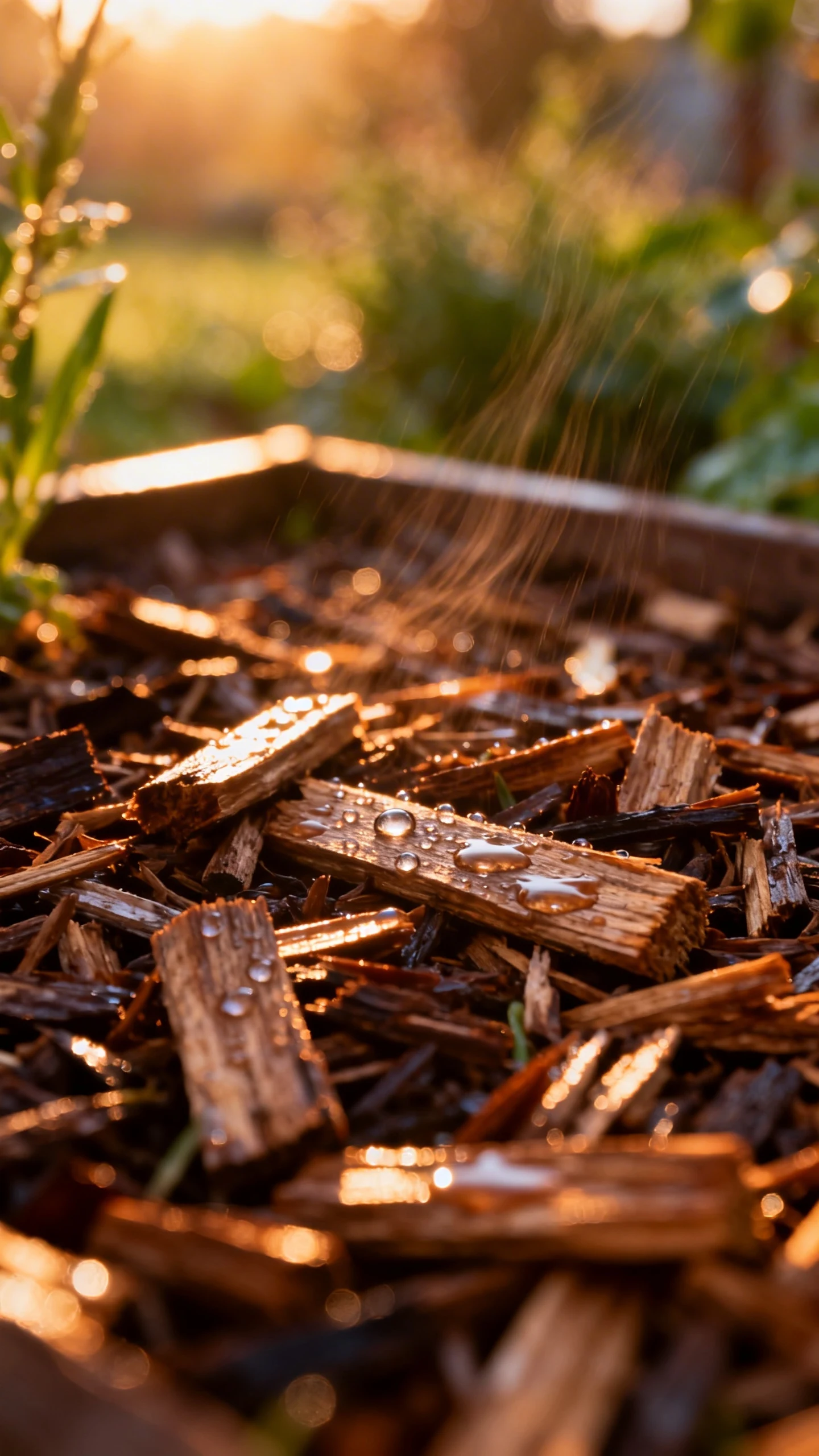
Mulch makes everything look tidy and helps soil hold moisture. Gravel works great for dry-climate styles and modern looks. Groundcovers fill space and reduce bare soil, which weeds absolutely love.
Pick one main “ground layer” for each bed and stick with it. A consistent mulch or gravel color ties the design together faster than you’d expect.
Containers: The Cheat Code for Instant Color
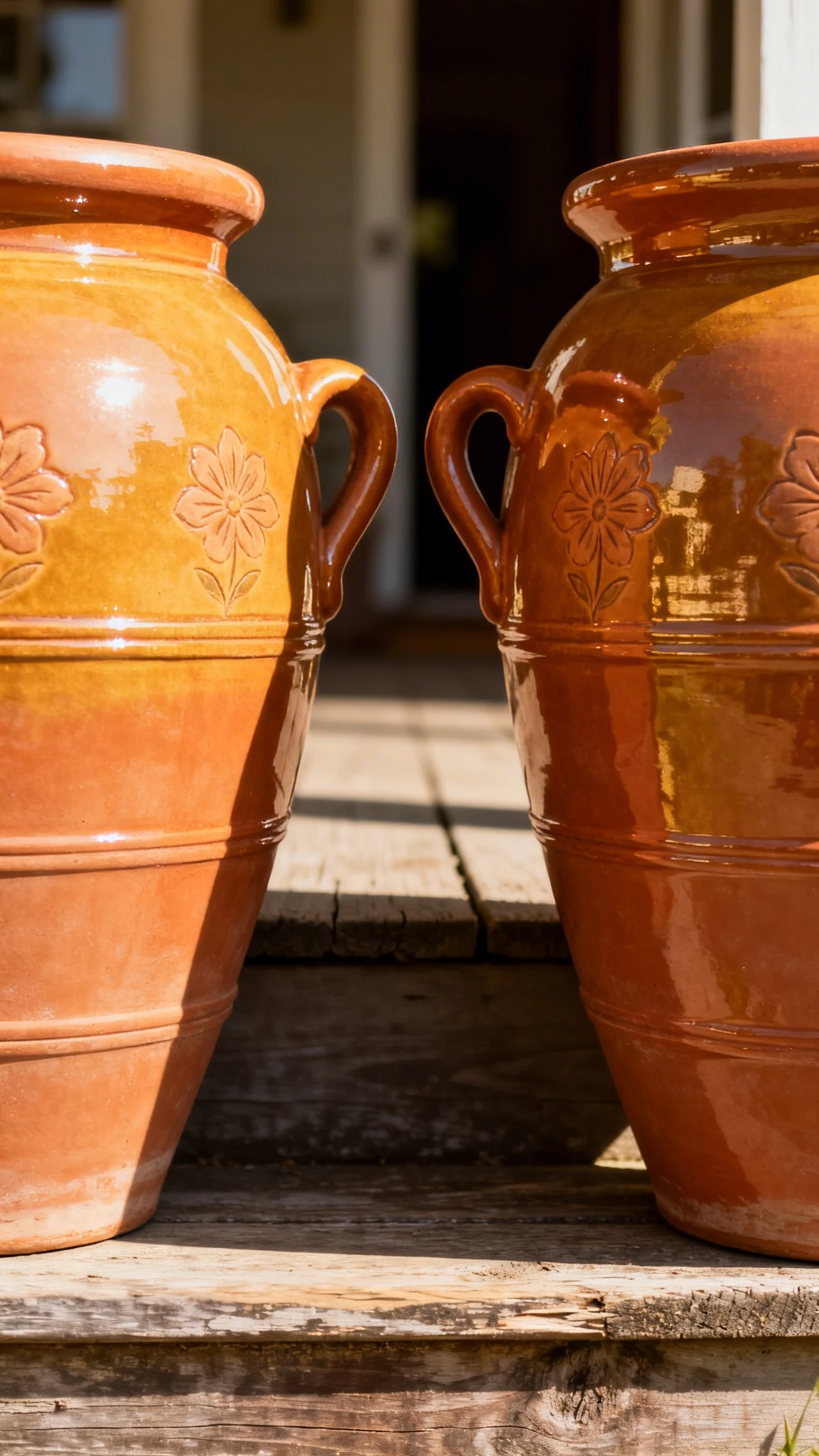
Want an easy seasonal refresh without digging up beds? Use containers near the entry, steps, or porch. You can swap plants as the seasons change, and it feels like you redecorated without committing to a full renovation.
Use big pots, not tiny ones. Large containers look intentional and hold moisture longer, which means less watering. Your future self will thank you.
Keep It Neighbor-Friendly (Without Losing Your Personality)
Front yards sit in public view, so you need to balance style with practicality. Keep pathways clear, avoid plants that block visibility near driveways, and leave room for trash bins, mail carriers, and people who insist on walking through your yard like it’s a shortcut.
You also want to avoid planting thorny or messy plants right by walkways. Yes, they look cool. No, you don’t want them grabbing your sleeves like they’re auditioning for a horror movie.
Maintenance Plans That Don’t Feel Like Punishment
Create a maintenance routine that fits your schedule. A quick weekly walk-through helps you catch weeds and dead flowers before they multiply. You don’t need perfection, just consistency.
Try this simple rhythm:
- Weekly: 10 to 20 minutes of weeding and tidying.
- Monthly: check irrigation, edge beds, and prune lightly.
- Seasonally: mulch refresh, cut back perennials, replant containers.
FAQ
How do I make a small front yard look bigger?
Use fewer plant varieties and repeat them for a cleaner look. Keep taller plants toward the house and corners, and use lower plants near the sidewalk to open up sightlines. Add a simple path or curved bedline to create depth without clutter.
What are the easiest plants for front yard landscaping?
Pick plants that match your sun and soil first, then look for reliable options in your region. Many people succeed with evergreen shrubs, ornamental grasses, and tough perennials like salvia, coneflower, daylily, and sedum. Ask local nurseries what thrives with minimal fuss because they know what survives real weather, not just Instagram weather.
How do I keep my front yard from looking messy?
Use defined edges, repeat plants in clusters, and limit your color palette. Keep your “bones” plants simple, like evergreen shrubs and grasses, and let flowers play a supporting role. A consistent mulch layer also makes everything look intentional, even when life gets busy.
Should I use rocks or mulch in my front garden beds?
Choose based on your climate and style. Mulch works well in most areas and improves soil over time, but you need to top it up occasionally. Gravel and rock look sharp and suit dry-climate designs, but they heat up in full sun and can trap leaves, so you need a plan for cleanup.
How close should I plant shrubs to the house?
Give shrubs enough space for their mature size and airflow. Many shrubs need at least 2 to 3 feet from the house, and larger ones need more. Check the mature width and plant so the shrub won’t press against siding or block vents when it grows up and gets confident.
What’s the fastest way to boost curb appeal on a budget?
Clean the edges, refresh mulch, and add two matching containers by the front door. Upgrade house numbers or paint the front door if it needs love. Those small moves create an immediate “put together” look without a full redesign.
Conclusion
Front yard garden design doesn’t need to feel intimidating or expensive. You can get a polished look by focusing on strong layout, repeat plants, and a few curb-appeal details that make everything feel intentional. Start small, make one area look amazing, and build from there. Your front yard will end up doing what it should do best: welcoming people in and making you feel oddly proud every time you come home.