Small Front Yard Landscaping Ideas: 21 Space-Savvy Designs
Your front yard doesn’t need acres to make a statement. With a few clever moves, you can turn that little patch by the sidewalk into a tiny showstopper that looks intentional, polished, and way bigger than it is. Ready to squeeze maximum curb appeal out of minimal square footage? Let’s dig in—minus the backbreaking part.
Start Smart: Read the Space, Set the Goal
You win small-yard design when you tailor it to how you actually live. Do you want a welcoming path, a sitting perch, room for packages, or just lush “wow” plants? Pick one or two goals and design around them so the yard feels curated, not crowded.
Walk your space like a detective. Note sun vs. shade, wind pockets, where rain puddles, and how delivery folks approach your door. You’ll place plants and hardscape smarter when you know the microclimates and traffic routes.
Measure, then simplify
- Sketch a quick plan with your house footprint, walkway, and any utilities (sprinklers, shutoffs, vents).
- Block out zones: entry, planting, packages, a perch if you want it.
- Cut the clutter—keep only what adds function or joy. Everything else? Buh-bye.
Structure First: Hardscape That Saves Space
Hardscape anchors the whole look, and it doesn’t eat space when you size it right. Narrow paths guide the eye and the feet, small stoops feel bigger with the right edges, and low planters frame the entry like eyeliner for your house.
Choose materials that match your home—permeable pavers, textured concrete, or decomposed granite for a natural vibe. Edge beds sharply with steel or stone so the yard reads clean and intentional from the street.
Micro-path magic
- Path width: 30–36 inches keeps it comfortable without gobbling space.
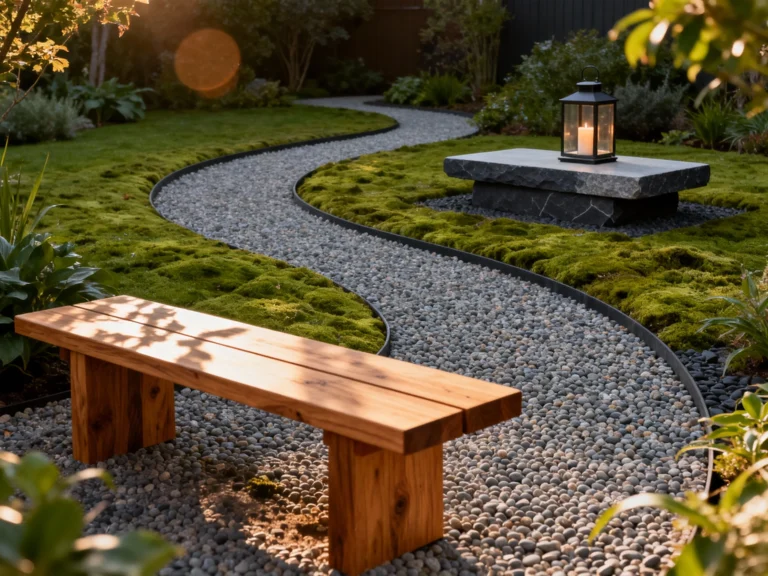
- Gentle curves add length and interest; avoid S-curves that feel fussy.
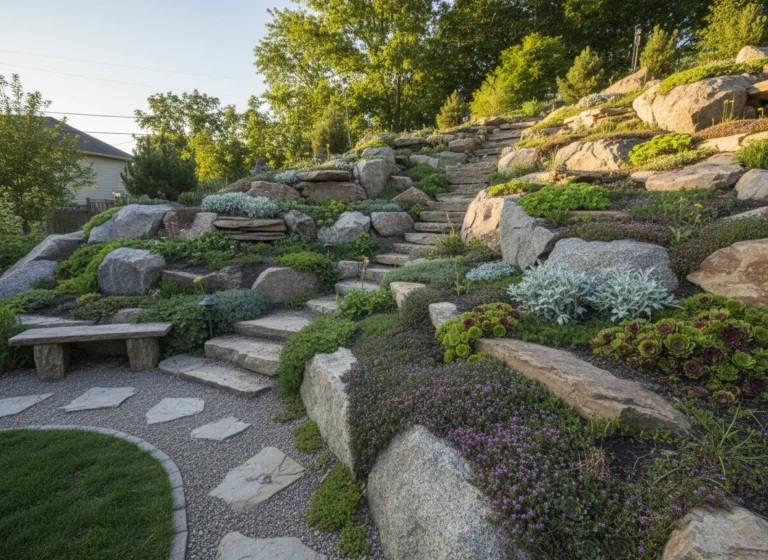
- Stepping stones + gravel = budget-friendly and drainage-friendly.
Driveway edges that do work
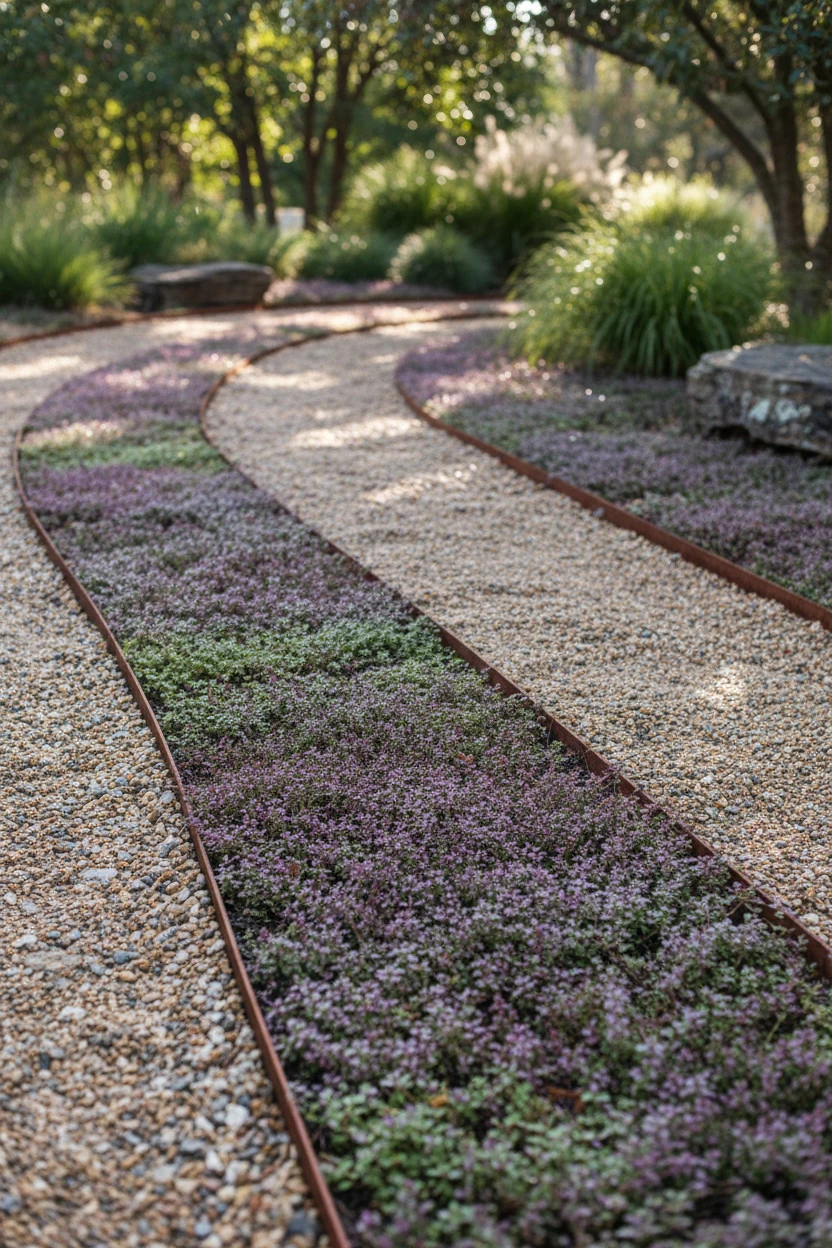
- Ribbon-drive style strips with drought-tolerant groundcovers soften the hard edge.
- Install a 12–18 inch planting strip with dwarf grasses or hardy herbs for fragrance and texture.
- Add a slim steel border to keep everything crisp and mower-proof.
Plant Like a Pro: Layers, Natives, and Color Pops
Plants create the vibe, but layers keep tiny yards from feeling flat. Think low groundcovers, mid-level shrubs, and one or two taller accents. Pick compact varieties and you get lushness without constant pruning warfare.
Lean on native and climate-appropriate plants for lower maintenance and better resilience. Aim for four-season interest—evergreen structure, spring blooms, summer texture, and fall color—so the yard doesn’t “check out” half the year.
- Groundcover: creeping thyme, sedum, blue star creeper.
- Mid-layer: dwarf boxwood, lavender, heuchera, compact hydrangea.
- Tall accents: columnar juniper, clumping bamboo (non-invasive), ornamental grasses.
- Color strategy: choose one accent color (hot pink, citrus orange, or clean white) and repeat it for cohesion.
Drought-tolerant cheats (FYI: they look lush)
- Silver foliage (artemisia, lamb’s ear) reflects light and stays classy.
- Succulent mixes in shallow planters punch above their weight.
- Mediterranean herbs—rosemary, sage, thyme—smell amazing and shrug off heat.
Shade-front palette
- Hosta, hellebore, Japanese forest grass for texture that doesn’t scream “dark corner.”
- Paint with foliage: chartreuse, blue-green, and burgundy keep interest even without big blooms.
- Reflect light with pale pots and a white or light gravel mulch.
Go Vertical: Trellises, Arbors, and Fences That Work Overtime
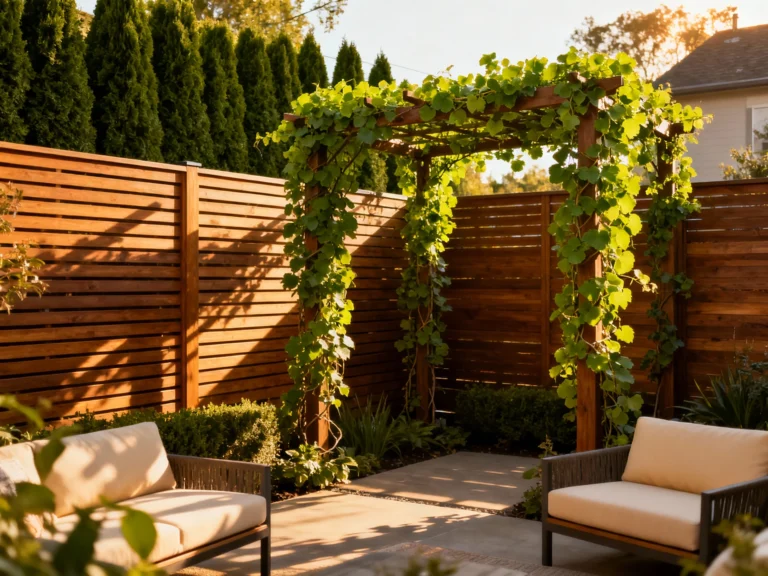
When the footprint is tiny, you build up. Trellises on fences, narrow arbors over gates, and railing planters stretch your planting space without tripping anyone. Think of vertical elements as friendly scaffolding for your plants and your style.
Mix vines and espaliered shrubs to green up the walls without a jungle takeover. Keep it tidy with slim, powder-coated frames that match your hardware and house trim.
Espalier 101
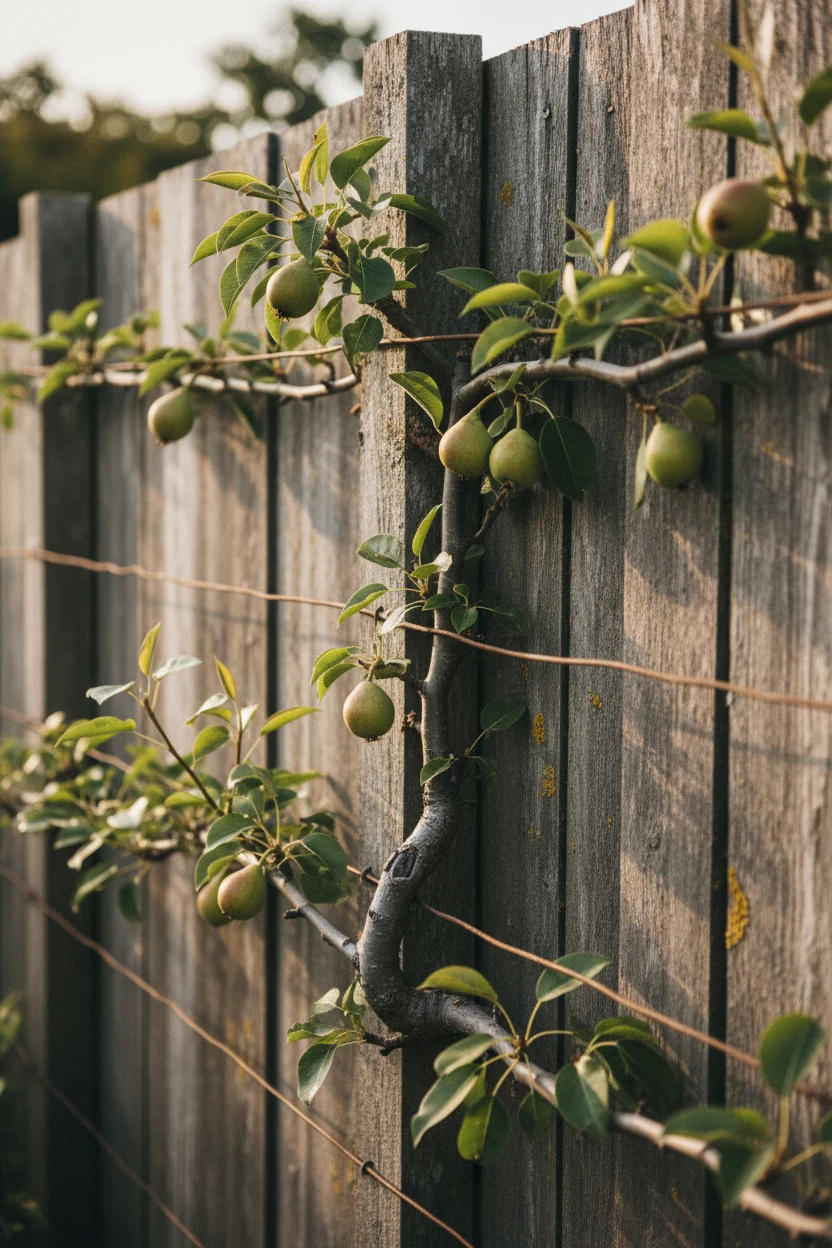
- Train small trees (apple, pear, camellia) flat against a wall with horizontal wires.
- Snip and tie 3–4 times a year. It sounds extra, but it takes minutes when you keep it consistent.
- Place it near the entry for a “wow, they know things” moment.
Balcony-style boxes
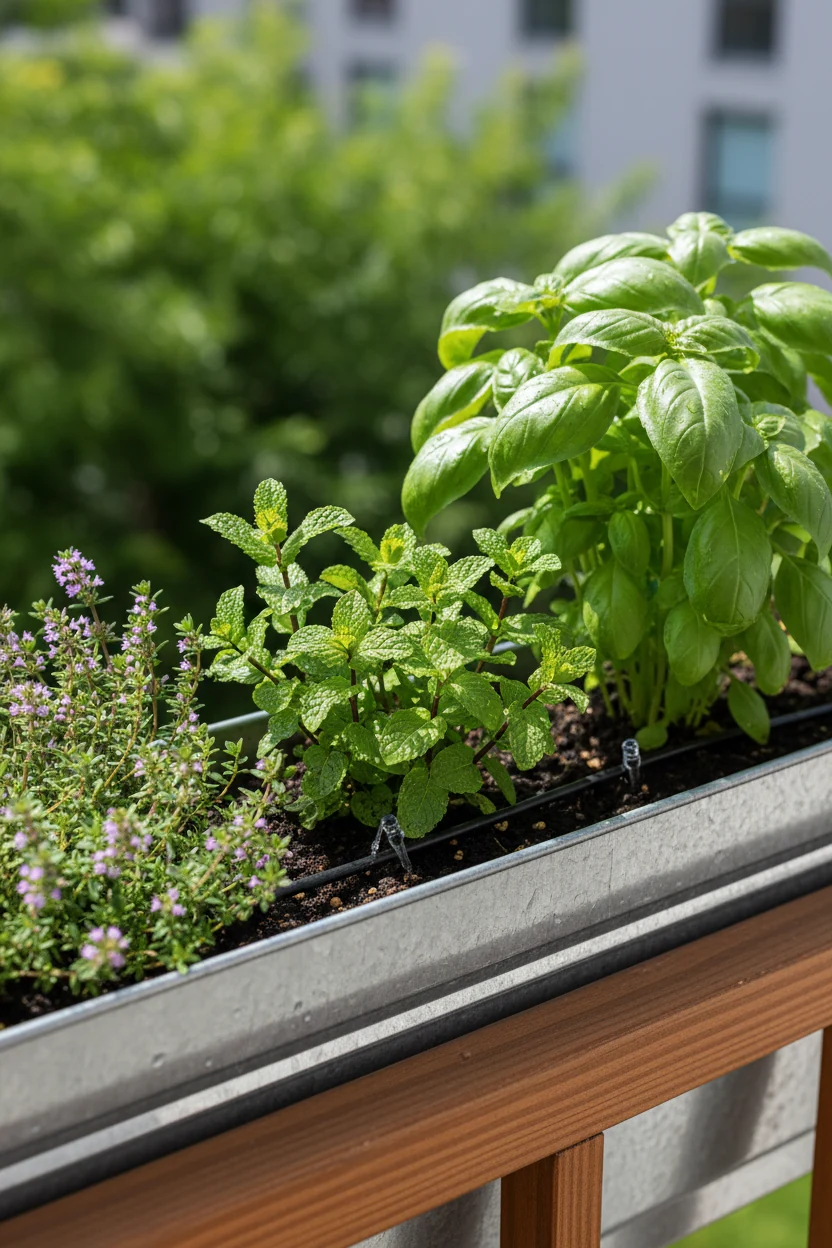
- Mount narrow trough planters to railings or fences for herbs and annuals.
- Use drip irrigation and slow-release fertilizer so they don’t need constant pampering.
- Repeat one plant theme per box for a chic, not chaotic, look.
Make It Feel Big: Visual Tricks and Lighting
Small yards grow with optical illusions. Aim lines diagonally, color-block smartly, and place your focal point off-center. Your eye loves a path to follow and a surprise to land on.
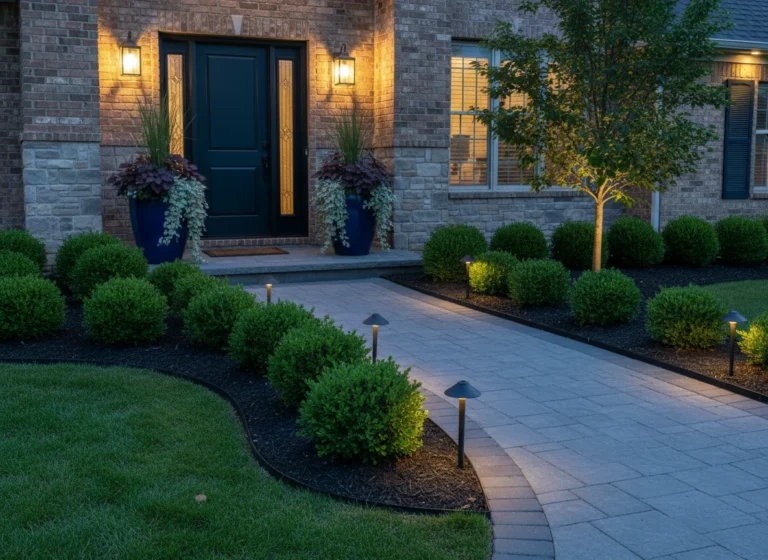
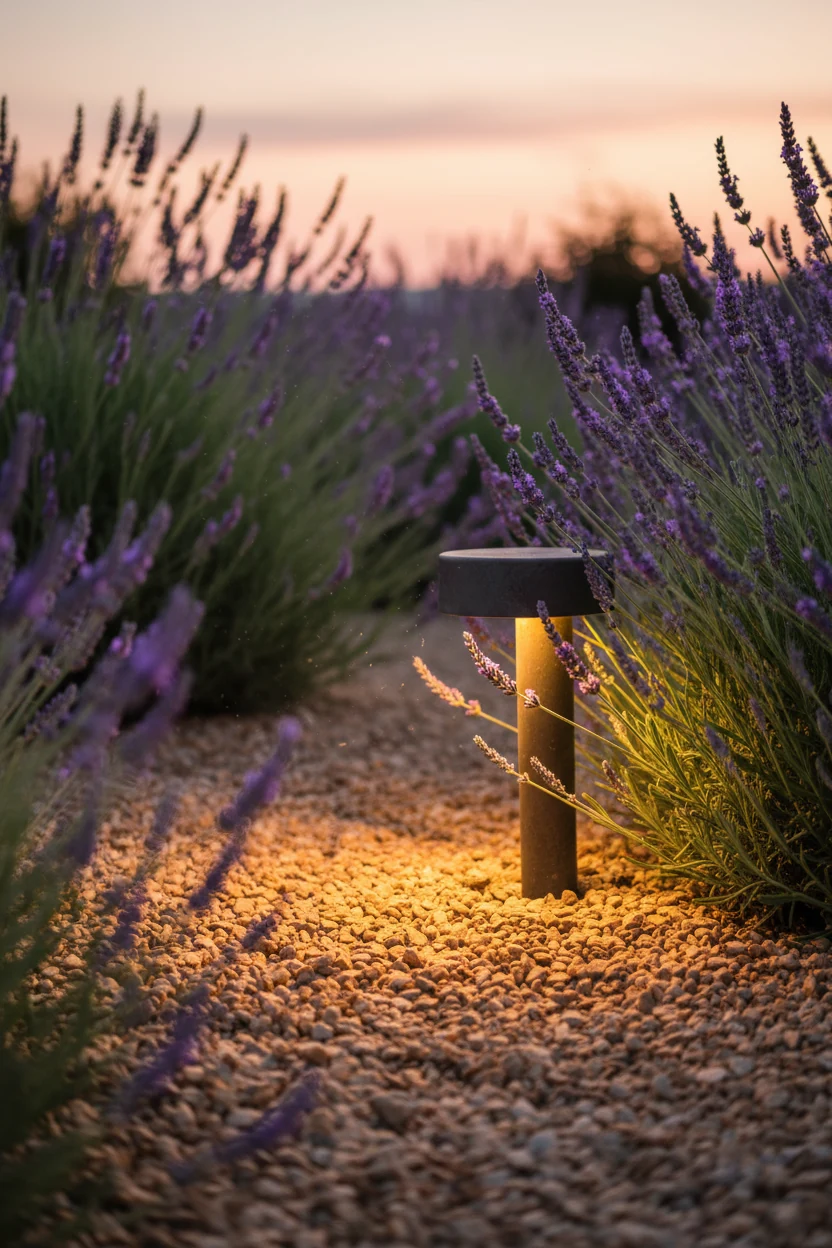
Lighting changes everything after dark. Layer low path lights, a warm glow near the door, and a subtle uplight on one plant. You’ll get depth, drama, and safety without stadium vibes.
Path lighting plan
- Warm white (2700–3000K) reads cozy, not clinical.
- Stagger lights on opposite sides to suggest width.
- Use shielded fixtures so you spotlight plants, not your neighbor’s bedroom.
Place the focal point
- Position a feature pot or small tree two-thirds along your path—classic rule-of-thirds for balance.
- Choose one hero piece; don’t clutter the storyline.
- Echo its color or material elsewhere for cohesion (door mat, mailbox trim).
21 Space-Savvy Designs to Steal
- Ribbon Drive with Green Strips: Replace solid concrete with two tire tracks and a center strip of thyme or turf for instant charm and better drainage.
- Angled Entry Path: Run a slim path diagonally to create the illusion of a larger yard and guide the eye straight to your door.
- Curbside Pocket Bed: Carve out a 12–18 inch planting strip at the sidewalk to add texture and buffer traffic without touching your main yard.
- Symmetry Lite: Flank the entry with matching dwarf shrubs and a pair of pots, then break the symmetry with a single ornamental grass for personality.
- Decomposed Granite Courtyard: Swap patchy lawn for DG, add a small bistro table, and soften with low grasses—zero mowing, max vibe.
- Trellised Side Wall: Mount a slim trellis and train star jasmine or clematis; you get fragrance and vertical green without stealing floor space.
- Espaliered Fruit Panel: Tie a dwarf apple or pear flat against a fence; harvest snacks and flex your horticulture cred.
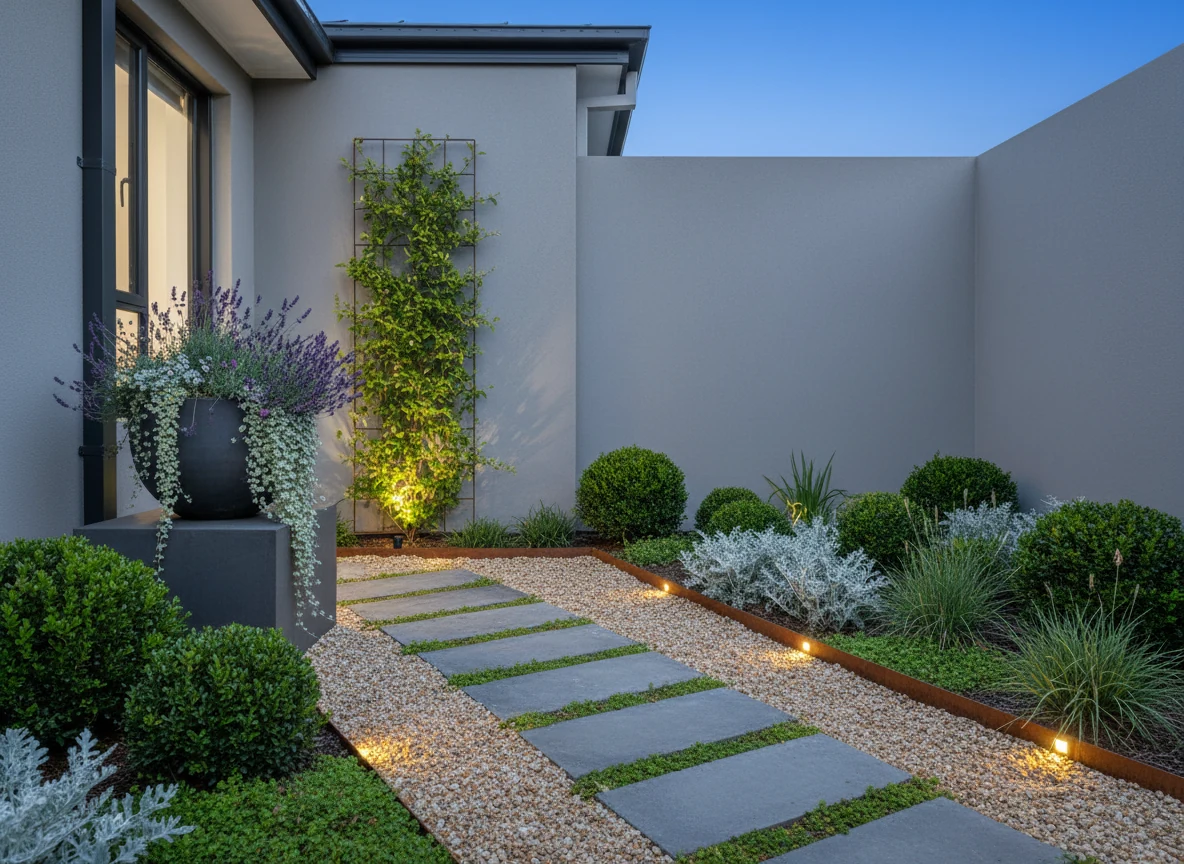
- Step-and-Plant Rhythm: Alternate 24-inch pavers with groundcover islands to make a dynamic, breathable path.
- Mailbox Garden: Frame your mailbox with lavender, salvia, and a mini grass—small detail, big curb appeal boost.
- Container Cluster at the Entry: Group 3–5 pots in varied heights with a consistent color palette; it reads curated, not chaotic.
- Low Gabion Border: Install a 12-inch gabion (rock-filled cage) as a seat-edge and planting frame—industrial, durable, and compact.
- Modern Steel Edging: Define beds with thin corten or powder-coated steel so plant shapes stay crisp and maintenance stays low.
- Herb Rail Planters: Mount trough planters along the porch rail for thyme, mint, and basil—pretty and useful.
- Mini Rain Garden: Sink a shallow basin with native sedges and iris where water collects; solve puddles and attract pollinators.
- Color-Blocked Planting: Mass one plant per area (all white gaura here, all blue fescue there) for a modern, “big yard” feel.
- Focal Pot on a Plinth: Elevate one statement pot on a low pedestal and underplant with spillers—instant high-low drama.
- Under-the-Window Layer: Combine dwarf boxwood, heuchera, and a seasonal annual strip beneath windows for tidy structure year-round.
- Gravel + Paver Mosaic: Mix sizes and shapes in a controlled palette; you get texture and flexibility without crowding.
- Triangle Bed in the Corner: Tuck a narrow triangular bed at the driveway-house pinch point to soften hard angles and add depth.
- Night-Friendly Glow: Add warm path lights, a soffit downlight near the door, and one uplight on a tree to stretch the yard visually after sunset.
- Seasonal Swap Zone: Designate one container cluster for rotating displays—spring bulbs, summer annuals, fall mums—so the look stays fresh without a full redesign.
Maintenance That Won’t Eat Your Weekend
You don’t need a full-time gardener to keep a small front yard sharp. You just need habits that make maintenance feel like cheating. Set things up right, and you’ll spend minutes, not hours, keeping it pretty.
Use drip irrigation and mulch to keep plants happy with less water and fewer weeds. Keep tools at the ready—a hand pruner, trowel, kneeler, and a bucket—and you’ll fix things in five minutes instead of “sometime later.”
Quick seasonal checklist (IMO: totally doable)
- Spring: Top up mulch, prune winter damage, add slow-release fertilizer.
- Summer: Deep water weekly if needed, deadhead, check drip emitters.
- Fall: Plant perennials, adjust lighting timers, rake lightly and compost leaves.
- Winter: Clean tools, trim evergreen edges, plan next year’s swap zone.
FAQ
How do I pick the right plants for a tiny front yard?
Start with your sun exposure and climate zone, then prioritize compact or dwarf varieties that won’t outgrow the space. Mix evergreen structure with a few showy seasonal plants so the yard always looks intentional. FYI: natives or climate-appropriate picks reduce maintenance and usually look better year-round.
Can I skip a lawn entirely?
Absolutely. Use gravel or decomposed granite with spaced pavers for a clean, walkable surface. Layer low plantings around the edges and add a couple of hero containers for color. You’ll save water, money, and time—no mower required.
What’s the easiest way to make a small yard look bigger?
Guide the eye diagonally with a slim path and place a focal point off-center. Keep a tight color palette and repeat plants instead of sprinkling one of everything. Lighting multiplies the effect at night—warm, shielded fixtures add depth without glare.
How much should I spend on hardscape vs. plants?
In a tiny yard, invest first in path + edging because structure drives the whole feel. Then buy hardy, compact shrubs and perennials as your backbone, and finish with a few seasonal fillers. IMO, a 60/40 split (hardscape/plants) usually nails it for small spaces.
Do vertical elements look weird in front yards?
Not if you keep them slim and purposeful. A narrow trellis, an arbor over the gate, or an espaliered shrub adds height without visual bulk. Match the materials to your home’s trim, and it reads as architectural, not random.
How do I keep it low-maintenance without it looking boring?
Repeat a few reliable plants in groups, then add personality with containers, seasonal swaps, and one standout feature. Use drip irrigation and mulch so the basics care for themselves. Tidy edges and a clean path make everything look curated—even on a lazy Sunday.
Conclusion
Small front yards thrive on intention, not size. Set a clear goal, nail the path and edges, and plant in smart layers with a few vertical assists. Add light, a focal point, and a dash of seasonal flair, and your tiny patch will punch way above its weight. Go small, design big, and let your curb appeal do the bragging for you.