25 Low-Maintenance Front Yard Landscaping Ideas You Can DIY
You want a front yard that looks amazing and doesn’t demand every free Saturday? Same. The secret isn’t magic plants or an expensive designer. You just pick the right materials, keep the layout simple, and let smart systems do the heavy lifting. Ready to make your yard look pro with way less effort?
Set the Stage: What “Low-Maintenance” Actually Means
Low-maintenance doesn’t mean zero work. It means your yard looks good most of the year and you spend minutes, not hours, keeping it that way. You build with durable materials, choose resilient plants, and design around how you live.
Here’s the mindset that saves your sanity:
- Simple shapes win. Fewer curves = easier mowing and edging.
- Shrink the lawn. Lawn = weekly chores. Less lawn = less work.
- Think layers: hardscape, mulch, shrubs, accents. Done.
- Automate watering. Drip irrigation handles the boring stuff.
Read Your Yard Like a Map
Walk your front yard and note sun, shade, and soggy spots. Hot southern exposure loves gravel, succulents, and drought-tolerant shrubs. Shade asks for groundcovers, hosta, ferns, and mulch. Windy areas crush delicate plants, so you anchor with tough shrubs or a small fence.
Set Your Time and Tool Budget
If you own a shovel and pruners, you’re set. If you hate mowing, plan to minimize lawn. If you can handle one afternoon per season, choose evergreen bones and mulch. FYI: a good wheelbarrow pays for itself the first time you move a yard of gravel.
Hardscapes That Do the Heavy Lifting
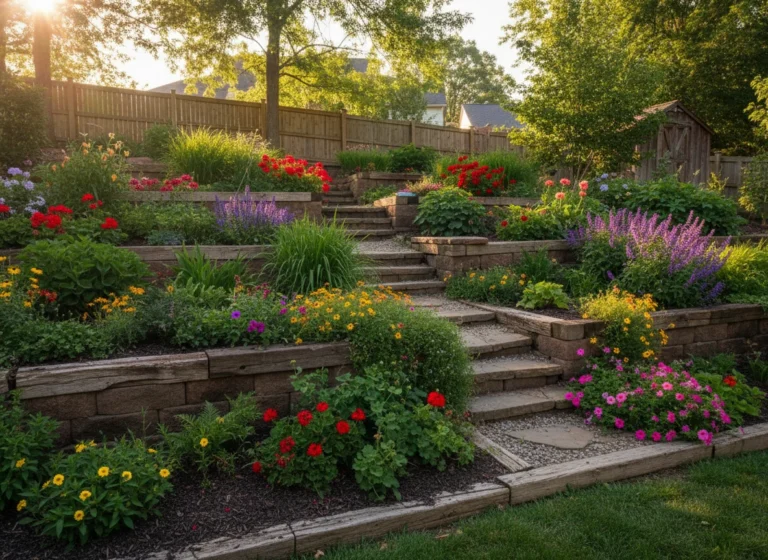
Hardscape creates structure and slashes chores. Paths, edging, and gravel beds look clean year-round and never wilt in August.
Gravel vs. Mulch: Choose Your Fighter
Use crusher fines (decomposed granite) for paths that feel stable and drain well. Choose stone mulch in hot, dry areas where wood mulch breaks down fast. Wood mulch works great around shrubs in temperate climates; refresh it once a year and call it a day.
Edging That Saves Saturdays
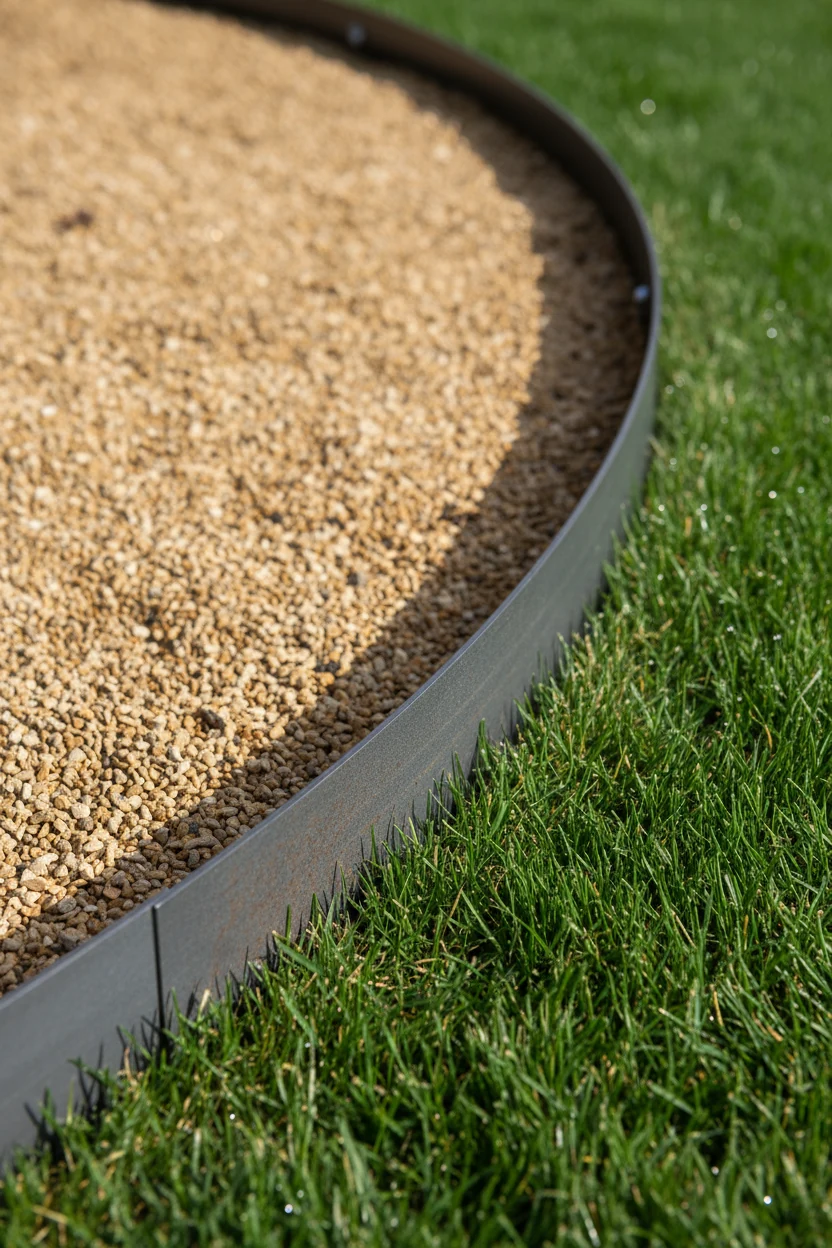
Install steel or aluminum edging along beds. It keeps mulch and gravel where they belong and gives your yard a crisp outline. You avoid the “mulch creep into lawn” drama that eats time and patience.
Hardscape ideas that deliver:
- Front path with pavers or stepping stones. Lay on compacted gravel for a firm base.
- Dry creek bed to steer water and add visual interest, no pump required.
- Gravel seating pad with a bench near the entry—instant invitation, zero muddy feet.
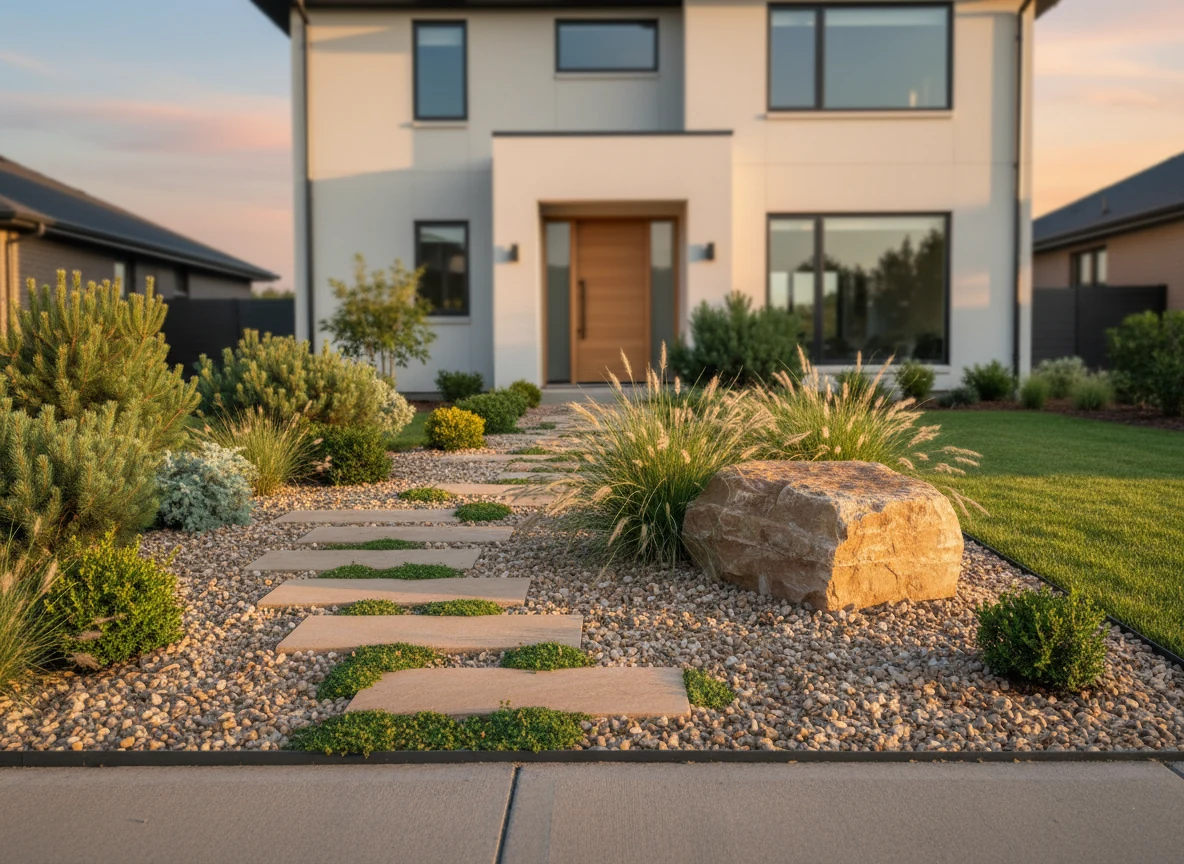
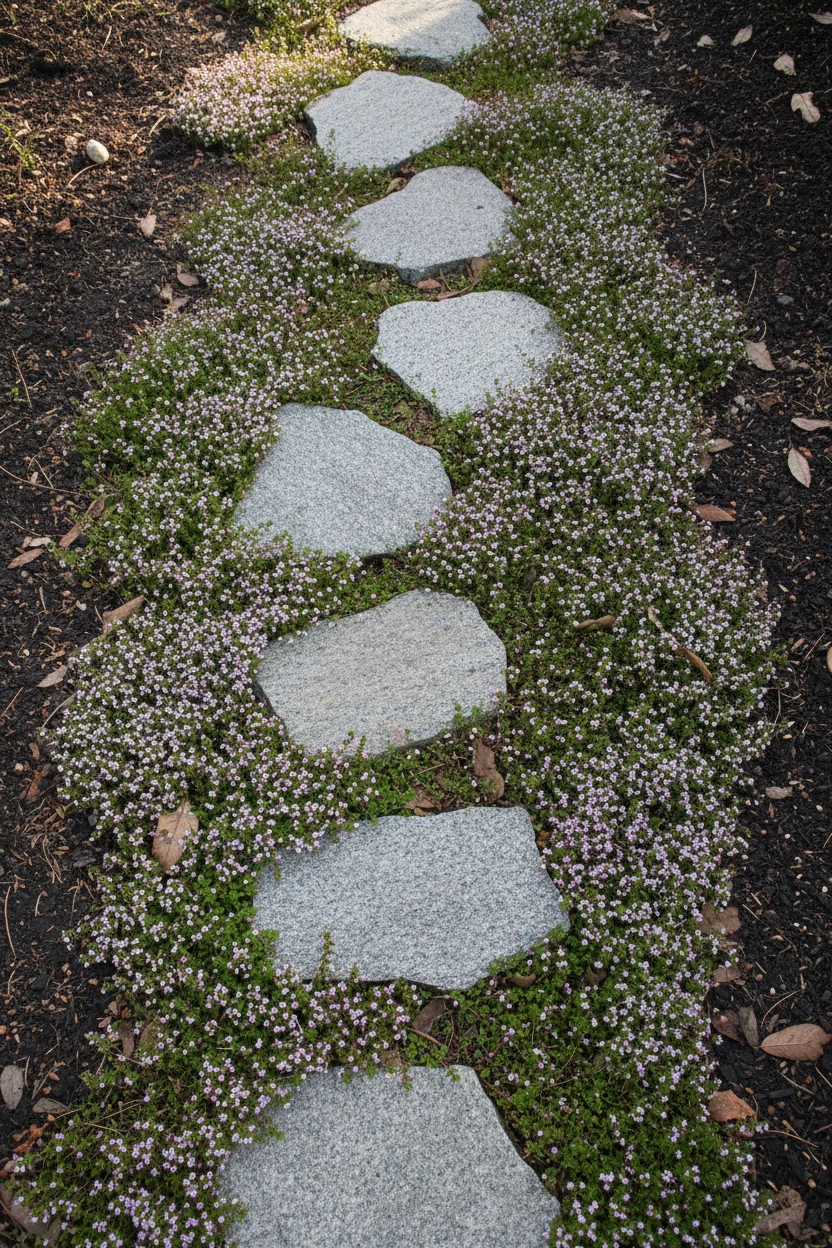
- Large format stepping stones with low groundcover between—looks luxe, stays easy.
Planting Strategy: Pick Winners, Then Forget Them (Almost)
Plant like a lazy genius: fewer species, more repetition. You create rhythm, spend less, and keep maintenance predictable.
Plant types that behave:
- Evergreen shrubs: boxwood, holly, dwarf yaupon, juniper. They hold shape and color all year.
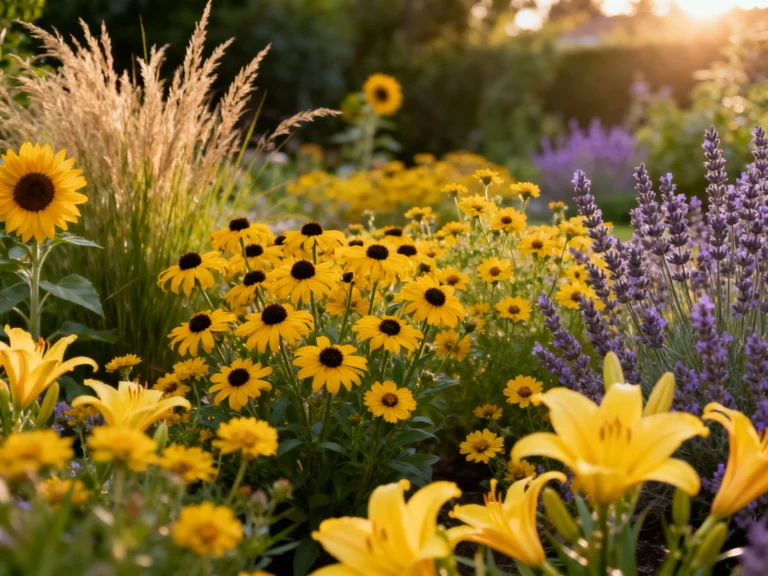
- Drought-tolerant perennials: salvia, lavender, catmint, sedum. They bloom like crazy with little fuss.
- Ornamental grasses: feather reed grass, switchgrass, blue fescue. They move in the wind and ask almost nothing.
- Groundcovers: creeping thyme, ajuga, liriope, mondo grass. They beat weeds and cover bare soil.
Drought-Tolerant Shrub Combos
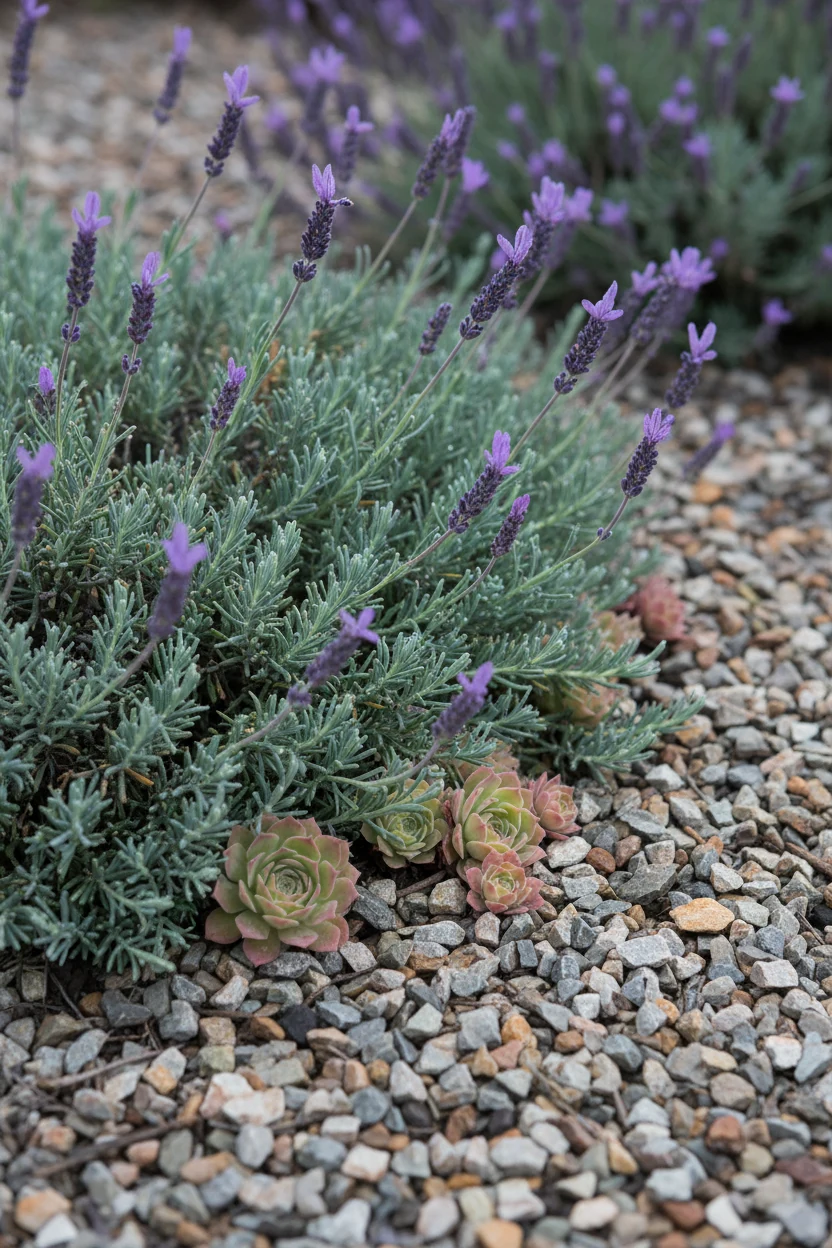
Pair dwarf junipers with lavender and sedum. Add a boulder and some gravel mulch. You get texture, scent, and structure without babying anything. IMO, a few strong anchors beat a dozen finicky plants every time.
Native = Fewer Surprises
Use natives that match your region’s climate and soils. They resist pests, handle droughts, and need less fertilizer. Your local nursery staff loves to talk natives—tip them off that you want low-maintenance, and they’ll hook you up.
Smarter Lawns (or No Lawn at All)
You can keep a small lawn if you love it. You just design it for easy mowing and minimal watering. Or you ditch it entirely and go full shrubs-and-gravel. Both look great if you commit to one story.
Shrink the Lawn
Cut the lawn into a simple rectangle. Edge it with steel or pavers so mowing stays quick. Replace tricky corners with mulch beds and a couple evergreen shrubs. You remove the hassle zones and save time every week.
No-Mow Groundcovers
Replace grass on slopes or narrow strips with creeping thyme, liriope, or yarrow. You plant once, then you admire. They crowd out weeds, stay tidy, and don’t need mowing. If you want flowers without fuss, creeping thyme delivers tiny blooms and honeybee vibes.
Consider Turf—Smartly
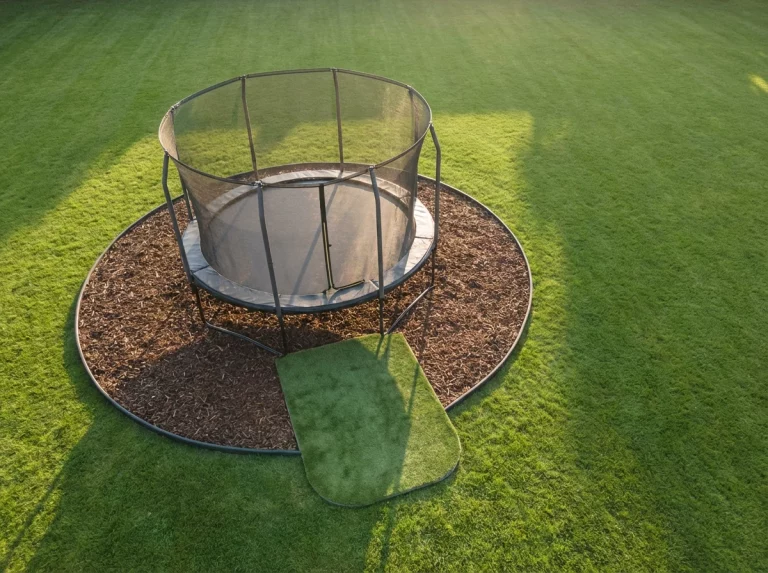
If you love green year-round, small artificial turfAdd Personality Without the Upkeep
You don’t need a koi pond or a topiary zoo. You need a few simple features that make the front yard feel finished and welcoming.
Lighting That Works Every Night
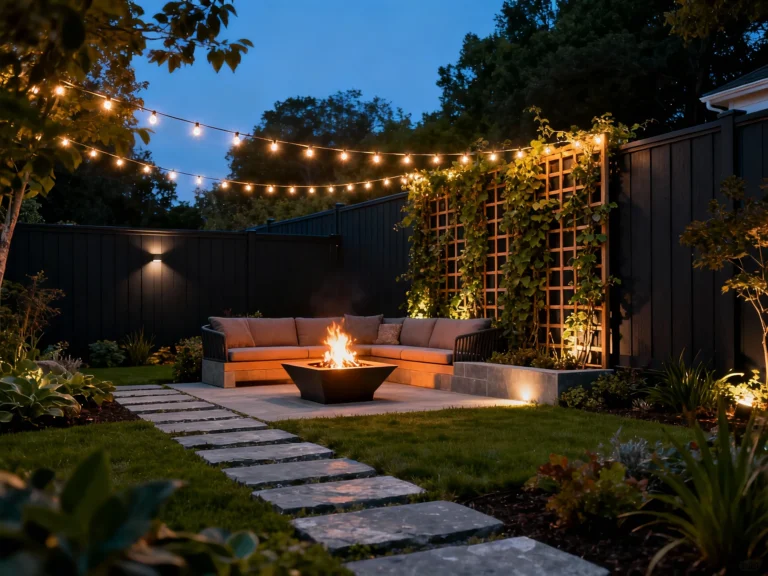
Install solar or low-voltage path lights. They guide guests and make the yard look polished. Put a spotlight on your favorite shrub or house number. Night vibes matter, and lights don’t ask for water.
Containers That Don’t Make You Babysit
Use large pots with drainage and drought-tolerant plants like succulents or grasses. Bigger containers dry out slower and look more intentional. Group three near the entry for instant curb appeal.
Water Features You Won’t Regret
Create a bubbling urn fountain with a hidden basin. You get sound and movement with minimal cleaning. Skip giant ponds unless you want to take up a new hobby called “algae wrangling.”
25 Low-Maintenance DIY Ideas You Can Steal Today
- Replace a corner of lawn with a gravel bed and three evergreen shrubs. Add a boulder for instant “designer” energy.
- Install steel edging around beds to lock mulch in place and give clean lines.
- Lay a stepping-stone path from driveway to porch using large pavers on compacted gravel.
- Plant a dwarf hedge (boxwood or yaupon) along the front walk for year-round structure.
- Create a dry creek bed to guide runoff and add texture—river rock, a few bigger stones, done.
- Swap the curb strip grass for low-water plants like lavender, thyme, and blue fescue.
- Add a gravel seating nook with a bench or bistro set near the entry. Guests will linger, you’ll relax.
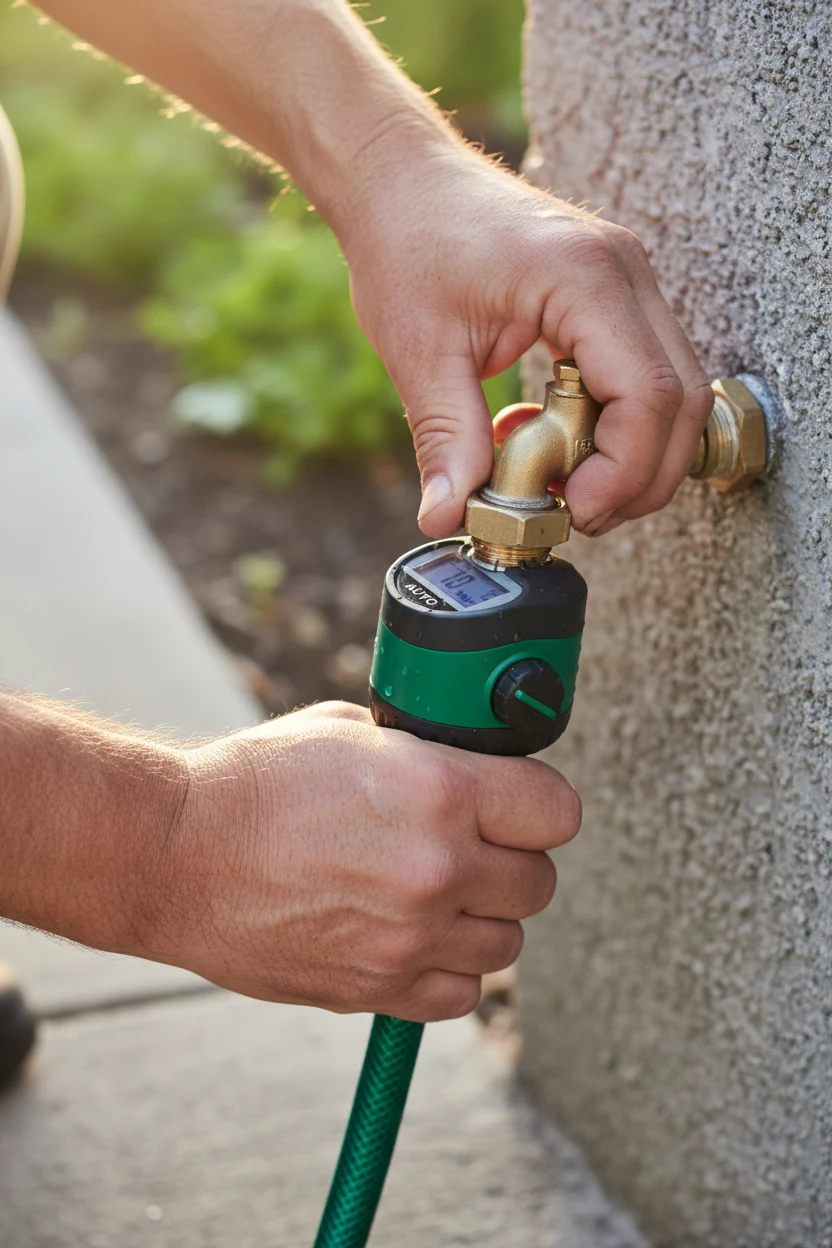
- Put in a simple drip system with a hose-end timer to automate watering.
- Plant a native pollinator strip along the driveway—coneflower, black-eyed Susan, and salvia rock.
- Build raised planters at the front corners with cedar or stone. Fill with evergreen anchors and seasonal color.
- Install solar path lights along the main walkway. You get instant charm and zero wiring.
- Lay mid-size boulders as focal points. Tuck sedum and thyme around them for a “found in nature” look.
- Use stone mulch in the hottest zone and wood mulch in the shadier beds for balanced maintenance.
- Plant ornamental grasses in groups of three or five for movement and drama. Cut back once per year.
- Create a mailbox garden with drought-tolerant perennials and a tidy stone edge.
- Install a trellis with a low-care vine (clematis or star jasmine) near the porch for vertical interest.
- Build a short gabion column (wire basket filled with stones) for a modern house-number stand.
- Add a bubbling urn fountain with a recirculating pump. Enjoy water sounds without pond maintenance.
- Swap finicky annuals for hardy shrubs plus one big statement container. Less planting, more staying power.
- Edge your lawn rectangle with pavers so mowing stays quick and clean.
- Plant a small native tree (serviceberry, redbud, or Japanese maple) as a focal point, then mulch wide.
- Use creeping thyme between stepping stones for fragrance and weed suppression.
- Build a simple raised gravel border around the porch and finish with groundcovers—no muddy splashback.
- Install a hose-end fertilizer injector for occasional feeding through the drip system. Fast, clean, done.
- Create a rain garden in the low spot with native sedges and irises. You manage water and add beauty.
FAQ: Low-Maintenance Front Yard Basics
What plants actually survive neglect?
Choose tough evergreen shrubs like dwarf yaupon, juniper, or boxwood. Pair them with perennials like lavender, catmint, salvia, and sedum. Add ornamental grasses for movement and winter interest. You water deeply at first, then you coast.
How do I keep weeds under control without constant pulling?
Lay a 2–3 inch layer of mulch, edge your beds, and plant groundcovers that knit together. Install landscape fabric only under gravel, not under planting beds. Water wisely and avoid bare patches—bare soil invites weeds.
How much gravel do I need for a path?
Plan for about 3 inches of compacted base (crusher fines) plus your stepping stones. One cubic yard covers roughly 100 square feet at 3 inches depth. Measure your path, do the math, and add 10% for settling.
Is artificial turf a good idea for low maintenance?
It can work in small, tough spots where real grass fails. Keep the install tight, edge it cleanly, and rake leaves occasionally. Avoid huge areas because heat, cost, and long-term cleaning get annoying fast.
What’s the easiest groundcover for full sun?
Creeping thyme checks a lot of boxes. It handles heat, crowds out weeds, and blooms with minimal watering. Blue fescue and sedum also thrive in sunny, dry zones and need little care.
How do I plan a yard that stays easy for years?
Keep the layout simple, stick to a short plant list, and use durable materials. Automate watering with drip and a timer. Prune once or twice a year, refresh mulch annually, and call it a victory. IMO, consistency beats complexity every time.
Wrap-Up: Keep It Simple, Keep It Stunning
You don’t need a massive budget or endless weekends to nail curb appeal. You just pick clean lines, tough plants, and smart hardscapes. Start with one corner, knock out a path or bed, then keep stacking wins. Low maintenance looks good, feels good, and gives your Saturdays back—no apologies needed.