Small Yard Fountain Grass Ideas: Space-Saving Landscaping Designs
You want big movement and lush texture without a lawn hog. Fountain grass delivers that breezy, swishy vibe in tiny spaces where every inch counts. We’ll pack your small yard with arching plumes, clean edges, and zero fuss. Ready to turn cramped corners into a mini oasis that actually looks intentional?
Why Fountain Grass Shines In Small Yards
Fountain grass thrives on simple care and bold drama. Those arching blades pull eyes upward and keep the space feeling open. You score a plant that handles sun, heat, and moderate drought while still looking polished.
You also dodge high-maintenance chaos. You skip deadheading marathons and complicated pruning. You clip once in late winter and cruise through the rest of the year.
Bonus: fountain grass plays nice with hardscape. It softens stone, frames seating, and breaks up straight lines. You get texture and motion without clutter.
Choose Compact Cultivars That Fit Your Footprint
Not all fountain grasses stay petite. Pick dwarf or mid-size varieties that won’t swallow your walkway by August. You’ll preserve sightlines and keep paths clear.
Top picks for small spaces (zones 5–9):
- ‘Little Bunny’ (Pennisetum alopecuroides): 10–12 inches tall. Super cute, super tiny. Great for edges and containers.
- ‘Piglet’: 18–24 inches. Dense tufting, tidy habit, tons of tan plumes.
- ‘Hameln’: 24–30 inches. Classic look with soft buff blooms. Reliable and easy.
- ‘Cassian’: 24–30 inches. Narrow blades and clean lines for modern spaces.
- ‘Burgundy Bunny’: 12–16 inches. Green blades with red tips in summer. Color play without bulk.
FYI: purple fountain grass (Pennisetum setaceum ‘Rubrum’) delivers rich burgundy color, but gardeners in warm climates often deal with invasiveness from the species. Use it as an annual in colder zones or verify local rules before you plant.
Spotlight: Picking Heights That Make Sense
Match the plant height to the job. You use 10–18-inch dwarfs for borders and rings around patio corners. You tuck 18–30-inch midsize clumps behind low groundcovers and along fences.
You stack heights in gentle layers. You keep tall forms away from doorways and windows. You leave a little breathing room so the fountain arcs read clean, not chaotic.
Smart Layouts That Save Space
You don’t need acreage to make fountain grass look fantastic. You need a plan that respects edges, sightlines, and flow. Treat the space like a studio apartment: multifunctional and uncluttered.
Design rules that help:
- Keep clear paths: leave 12–18 inches from the grass edge to a walkway.
- Use triangles: plant groups of three at varied spacing for a natural look.
- Frame corners: soften hard angles with one mid-size clump instead of a hedge.
- Repeat forms: echo the same cultivar across the yard to unify the look.
Micro Borders And Ribbons
Run a one-plant-deep border of ‘Piglet’ along a path. Space plants 16–18 inches apart so the tufts kiss but never smother. You get an elegant, feathery line that directs traffic.
Swap bulky shrubs for crescent ribbons around patios. Curve four to six plants like a smile. You guide the eye toward seating without chewing up floor space.
Corner Anchors And Sightline Tricks
Drop a single ‘Hameln’ at a sharp corner to soften it. You build rhythm with negative space. The plant creates motion, the void creates calm.
Hide utilities with smart staging. Place a 24–30-inch clump 24 inches in front of an AC unit. You block the view and keep airflow clear. You win both form and function.
Containers And Portable Drama
Containers turn fountain grass into flexible design tools. You move plants around, you refresh arrangements, and you protect roots in tough winters. You also save ground space while still adding height and texture.
Container basics:
- Size: choose 16–20-inch diameter pots for dwarfs; 20–24 inches for midsize clumps.
- Drainage: drill or check for large drain holes; add a thin layer of coarse gravel if needed.
- Soil: use a well-draining potting mix with bark or perlite.
- Watering: water deeply, then let the top inch dry. Containers dry faster than beds.
Container “Recipes” That Look Good Year-Round
Go simple: plant one ‘Little Bunny’ in a matte charcoal pot. Add a thin top dressing of 3/8-inch river rock for a crisp finish. You get clean lines and soft texture in one compact piece.
Build a trio: pair ‘Piglet’ with trailing Dichondra ‘Silver Falls’ and a small lavender. The grass provides the arc, the dichondra spills, and the lavender anchors color and fragrance. You place the trio by a bench and call it a day.
Swap seasonal accents around the grass. Slide in small winter ornaments or mini pumpkins in fall. The plumes play nice with everything.
Plant Pairings And Hardscape That Make Texture Pop
Fountain grass sings when you set the stage with contrast. You lean on leaf shape, color temperature, and structure. Think soft meets sharp, warm meets cool.
Easy companion combos:
- Thyme or creeping sedum at the front. Low and tidy with starry blooms.
- Lavender or salvia beside mid-size clumps. Spikes meet arcs, bees throw a party.
- Heuchera (coral bells) for a shade break. Neat mounds and rich foliage tones.
- Dwarf conifers for winter bones. You anchor the airy grasses with sturdy evergreen form.
Hardscape that complements:
- Warm buff pavers or decomposed granite with tan plumes.
- Cool gray stone with ‘Burgundy Bunny’ red accents.
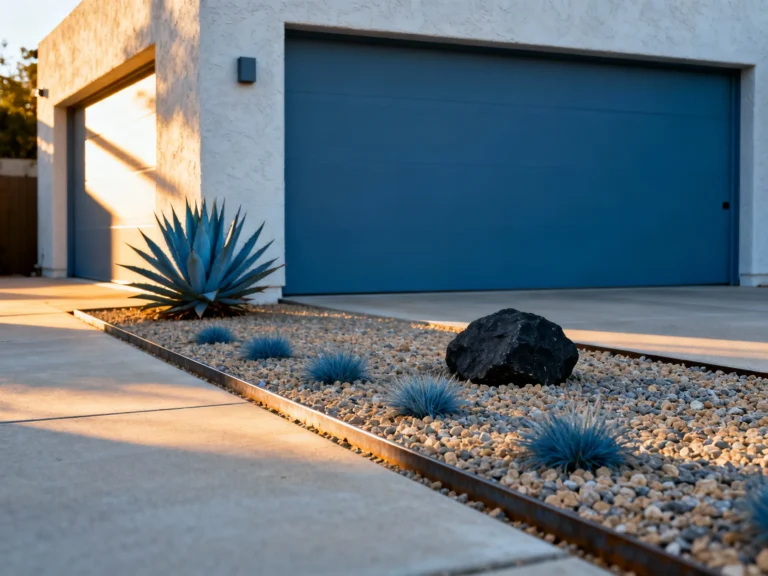
- Steel edging to keep clumps crisp and off walkways.
Color Strategy That Doesn’t Overwhelm
Pick one temperature and commit. Pair warm stone and tan plumes for serenity. Or run cool gray tones with burgundy highlights for contrast.
You repeat the same grass every 6–8 feet. You build quiet rhythm. You avoid the “garden aisle clearance rack” vibe, IMO.
Care Made Simple (So You Actually Enjoy The Yard)
You want low effort and high payoff. Fountain grass says yes to that plan. You maintain smart, not hard.
Core care checklist:
- Sun: plant in full sun for best plumes; accept light shade with fewer blooms.
- Soil: aim for well-drained soil. Mix in compost and a little grit in heavy clay.
- Water: water regularly the first season; then water during hot dry spells.
- Feeding: skip heavy fertilizer. A spring compost topdress counts as plenty.
Watering And Mulch Hacks
Water deeply and less often. You push roots down and build resilience. You place drip emitters at the outer ring of the clump so the roots reach outward.
Lay down 1–2 inches of mulch, but keep mulch 2 inches off the crown. You prevent rot and still protect moisture. You use gravel in hot, sunny courtyards for a clean look.
Cutback And Division Timing
Cut clumps down to 4–6 inches in late winter before new growth. You avoid shredding fresh blades and you reset shape for spring. You leave the seedheads up in fall because they look awesome against low light.
Divide every 3–4 years if clumps grow crowded. Dig the whole root ball, slice clean with a hand saw, and replant pieces at proper spacing. You refresh vigor and keep the footprint tidy.
Seasonal Style: Keep The Show Rolling
Fountain grass carries the garden through the year with different moods. You get fresh greens, summer fireworks, and glowing fall tones. Winter still delivers structure and sparkle after frost.
Spring: Fresh And Optimistic
New blades push out in neat fans. You spot the outline early and keep the bed clean. Spring bulbs pop between dwarfs and play off the emerging green.
Summer: Plume Party
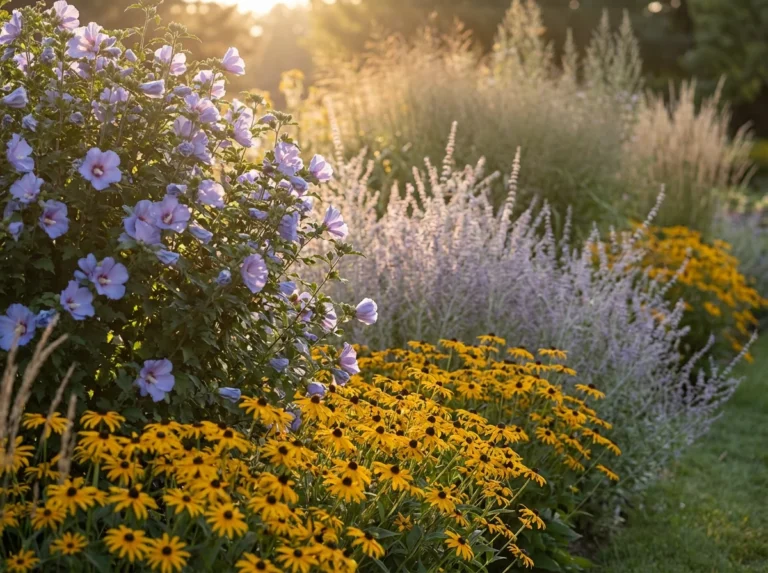
Midsummer sends up fuzzy bottlebrush plumes. You catch breezes and watch movement. You pair with lavender and salvia for a pollinator buffet that looks intentional.
Fall And Winter: Golden Glow
Plumes fade to honey tan and catch golden hour like a filter. You let frost paint edges and enjoy the silhouette. Snow outlines clumps and turns simple shapes into sculpture.
Small-Yard Design Ideas You Can Use Right Now
Pick one of these quick layouts and roll with it. You don’t need a sketchbook degree to make them work. You adjust spacing to fit your exact nook.
Three easy wins:
- The Ribbon Path: line a walkway with ‘Piglet’ spaced 16 inches apart. Add creeping thyme at the toes. You create direction and a soft edge.
- The Corner Curve: plant one ‘Hameln’ at a patio corner, then flank it with two ‘Little Bunny’ clumps. You build an arc that guides the eye and opens the space.
- The Micro Meadow: group three ‘Cassian’ clumps in a triangle, add flat stepping stones through the middle, and tuck sedum around the stones. You craft a tiny meadow that invites movement.
Pro tip: leave 12–18 inches of blank breathing room around each composition. Your design reads clean and modern, not cramped.
FAQ
Which fountain grass works best for really tight spaces?
Go with ‘Little Bunny’ for the smallest footprint. You keep the height near 12 inches and still score adorable plumes. ‘Burgundy Bunny’ also stays compact and adds a color kick.
How far apart should I plant dwarf fountain grass?
Space most dwarfs 14–18 inches on center. You allow light air gaps that close by midseason without choking pathways. You adjust to 20–22 inches if you want a more defined tufted look.
Can I grow fountain grass in partial shade?
Yes, you can grow it in light shade. You accept fewer plumes and a looser habit. You push for at least 4–6 hours of direct sun to keep the show strong.
When should I cut fountain grass back?
Cut back in late winter to 4–6 inches, right before new growth pops. You keep plumes through fall and early winter for beauty and birds. You skip fall cutbacks so the garden keeps texture through the quiet season.
Is fountain grass invasive?
The hardy types like Pennisetum alopecuroides behave in temperate zones and play nice in gardens. Pennisetum setaceum (purple fountain grass) spreads aggressively in warm regions. You check local invasive lists and use the burgundy form as an annual in cooler climates, or you choose dwarf alopecuroides cultivars for safety.
Should I fertilize fountain grass?
Keep it light. You topdress with compost in spring and stop there. Heavy fertilizer pushes floppy growth and ruins the tidy shape, IMO.
Conclusion
Small yards shine when you choose plants with strong form and low drama. Fountain grass checks those boxes with graceful arcs, seasonal plumes, and super simple care. You pick compact cultivars, you stage smart layouts, and you let texture do the heavy lifting. Build a few clean lines, pour a cold drink, and enjoy the show.