Front Yard Fountain Grass Ideas: Low-Maintenance Borders and Beds
You want front-yard plants that look fancy but don’t need babysitting, right? Fountain grass nails that vibe—soft plumes, graceful movement, and zero drama. It handles heat, laughs at poor soil, and shines in borders and beds without hogging your weekends. Let’s build a front yard that makes neighbors think you hired a pro, even if you planted it in pajamas.
Why Fountain Grass Steals the Front-Yard Show
Fountain grass brings texture and motion to spots that feel flat. Those arching blades and foamy seed heads create instant contrast with shrubs, concrete, and lawn. You get big design impact with a few clumps and almost no maintenance.
Bonus: the plumes glow at sunrise and sunset. You’ll walk out to get the mail and accidentally stage a photoshoot. It happens.
- Low maintenance: Water to establish, then it cruises. One haircut a year. That’s it.
- Four-season interest: Green mounds in summer, plumes in fall, sculptural tufts in winter.
- Front-yard friendly: It stays neat, plays well with perennials, and handles sidewalks, driveways, and mailbox corners.
- Pollinator magnet: Butterflies and beneficial insects love the habitat around it.
Pick the Right Fountain Grass (Size Matters, Color Counts)
Not all fountain grass grows the same. Some varieties barely brush your shins, others swell into thigh-high mounds with long, showy plumes. Choose the right size for each spot so you avoid a shaggy, overgrown look.
Best Compact Varieties for Narrow Strips
- Pennisetum alopecuroides ‘Little Bunny’: 12–18 inches tall. Perfect for tight borders, around mailboxes, or along paths.
- ‘Hameln’: 24–30 inches tall. Classic dwarf with clean mounds and tan plumes.
- ‘Burgundy Bunny’: 12–16 inches tall. Green blades kiss red edges in summer, richer color in fall.
Standout Mid/Tall Options for Statement Borders
- ‘Moudry’: 30–36 inches, dark, almost purple seed heads. Moody and chic along walks and fences.
- ‘Red Head’: 36–48 inches, bold wine-red plumes that age tan. Great for back-of-border drama.
- Species P. alopecuroides: 36–48 inches, classic look, reliable in many climates.
Climate Notes and Invasiveness
FYI: You’ll see “crimson fountain grass” (Cenchrus setaceus, formerly P. setaceum) a lot at nurseries. It looks amazing, but many warm-climate regions list it as invasive. Some places even restrict it. Always check your local guidelines.
If you want red foliage safely, pick sterile or cold-climate-safe cultivars or stick with P. alopecuroides types. They generally behave well, though they can self-seed lightly. IMO the alopecuroides group offers the best balance of beauty and chill behavior for front yards.
Design Ideas for Low-Maintenance Borders and Beds
You can drop fountain grass into almost any front-yard setup and it looks intentional. Curves, corners, long beds—everything softens when those plumes roll in. The trick? Repeat clumps so your eye flows from one to the next.
- Curved walkway border: Stagger dwarfs like ‘Hameln’ on the inside curve and mids like ‘Moudry’ on the outside. Instant rhythm.
- Mail box vignette: One mid-size clump, a boulder, and a ring of sedum or thyme. Done in an hour, admired for years.
- Foundation buffer: Layer short grasses in front, evergreens behind. You hide the house base and keep maintenance easy.
- Curb strip (hellstrip): Dwarfs spaced evenly with gravel mulch. It stays tidy despite car doors and hot pavement.
- Corner anchor: Three tall clumps in a triangle. Add a spotlight for drama at dusk.
Three Easy Design Recipes
- Soft + Sunny Border: ‘Hameln’ + lavender + white coneflower. Gray foliage + purple blooms + tan plumes = chef’s kiss.
- Late-Summer Glow: ‘Moudry’ + Russian sage + black-eyed Susan. Dark plumes pop against the haze of blue and gold.
- Modern Minimal: ‘Little Bunny’ in a straight line with crushed gravel and one sculptural boulder. Clean, calm, HOA-friendly.
Planting and Spacing 101
Fountain grass thrives when you give it sun and decent drainage. You don’t need perfect soil or tons of amendments. Think “moderate effort, maximum reward.”
Soil and Sun Basics
- Sun: Aim for 6+ hours daily. More sun = better plumes.
- Soil: Well-drained works best. Add compost if your soil clumps like wet clay.
- Drainage test: Dig a hole, fill with water. If water lingers after 4 hours, raise the bed or lighten the soil with grit/compost.
- Wind: Open sites are fine. These plants move beautifully in a breeze.
Spacing Cheat Sheet
- Dwarfs (12–18 inches tall): Space 16–20 inches apart.
- Medium (24–36 inches): Space 24–30 inches apart.
- Tall (36–48+ inches): Space 30–36 inches apart.
- Pro tip: Plant in odd-numbered groups for natural flow.
Quick Planting Steps
- Lay out plants in drifts or staggered triangles. Step back and tweak until it feels balanced.
- Dig holes as deep as the root ball and twice as wide. Rough up the sides to help roots explore.
- Set plants with crowns level to the soil surface. Do not bury the crown.
- Backfill, firm gently, and water thoroughly.
- Mulch 1–2 inches deep, but keep mulch off the crowns.
Care That Takes Minutes, Not Weekends
After planting, you just follow a simple routine. Water a little the first year, then let roots handle life. You’ll do one haircut and occasional dividing. That’s the whole show.
- Water: Keep soil evenly moist the first season. After that, water during long dry spells only.
- Fertilizer: Skip heavy feeding. Too much nitrogen flops the plant. A spring sprinkle of compost works great.
- Mulch: Use shredded bark or gravel to suppress weeds and hold moisture.
- Divide: Every 3–4 years, split tired clumps in early spring for fresher growth.
How to Cut Back Without Butchering
Let the plumes stand through winter for structure. Birds appreciate the cover, and you get frosty morning magic. In late winter or very early spring, cut the clumps down to 4–6 inches before new growth pushes.
Use bungee cords to cinch each clump first and keep the mess contained. Sharp hedge shears or electric trimmers handle the job in seconds. Wear gloves—those blades can scratch.
Dealing with Self-Seeding
Some varieties seed lightly. If seedlings pop up where you don’t want them, yank them when small. Problem solved in five minutes.
You can also deadhead in late fall to reduce seed drop. Or choose cultivars known for low seed set. Control stays easy if you act early.
Irrigation Tips
- First year: Water 1–2 times per week depending on heat and soil.
- Mature plants: Deep soak every 10–14 days in drought.
- Drip lines: Run along the planting line for low-effort watering.
- Overwatering alert: Soggy soil leads to root issues. Let the top few inches dry out.
Year-Round Curb Appeal: What to Expect Each Season
You want front-yard plants that don’t ghost you mid-season. Fountain grass shows up all year with something to love. You get fresh growth, summer fullness, fall fireworks, and winter sculpture.
- Spring: New green blades push up fast after your cutback. Clumps thicken every year.
- Summer: Mounds look lush, clean, and uniform. They frame paths and spotlight perennials.
- Fall: Plumes steal the show. Morning dew turns them into sparkly wands.
- Winter: Tawny tufts hold shape and texture. Add a path light and pretend you planned it with an architect. IMO everyone should.
Containers, Parkways, and HOA-Friendly Moves
Don’t have a huge yard? No problem. Fountain grass works in containers, skinny parkways, and formal front entries.
- Containers: Use a 16–20 inch pot for dwarfs and a 20–24 inch pot for mids. Pair with trailing thyme or sweet potato vine for color spill.
- Parkways/hellstrips: Choose dwarfs with gravel mulch. They handle heat radiating off pavement without drama.
- HOA-friendly: Keep lines clean and spacing consistent. Repeat the same variety for a unified, polished look.
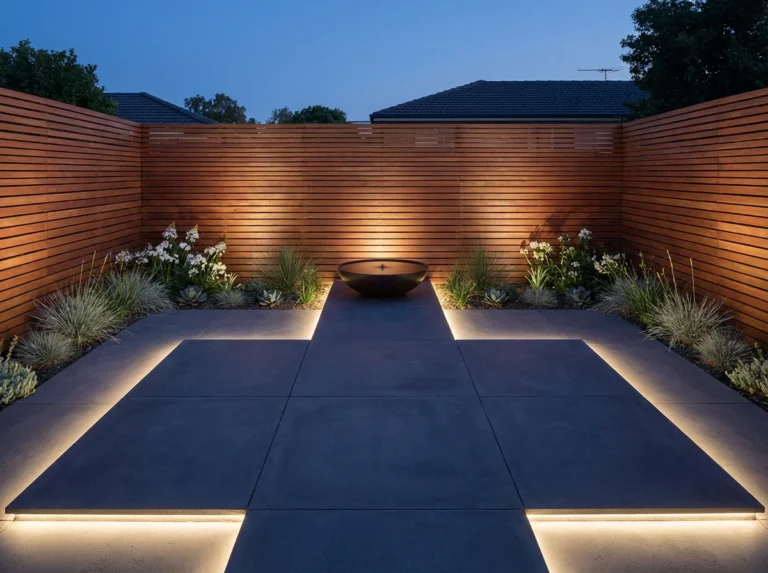
- Lighting: One low-voltage uplight per clump turns plumes into glowing torches at night. Subtle, but wow.
FAQ
Will fountain grass survive winter in my area?
Hardy fountain grass like Pennisetum alopecuroides handles many regions well, especially in zones roughly 5–9. In colder spots, plant in spring so roots establish before freeze. Leave the foliage standing through winter and cut back in late winter for best results.
Should I cut fountain grass back in fall or spring?
Cut back in late winter or very early spring. You keep winter structure, protect the crown, and avoid chopping off fresh shoots. If the clump breaks apart with snow load, you can trim earlier, but spring cutback usually wins.
How far apart do I plant fountain grass in a border?
Use the mature width as your guide. Dwarfs like ‘Little Bunny’ look great at 16–20 inches, mediums at 24–30 inches, and tall forms at 30–36 inches. Tighter spacing fills faster; wider spacing looks cleaner and reduces trimming near paths.
Is fountain grass invasive?
Some warm-climate regions flag Cenchrus setaceus (often sold as crimson fountain grass) as invasive. Check your local regulations before you buy. If you want a safe bet for front yards, pick Pennisetum alopecuroides cultivars and monitor for occasional seedlings.
Can I grow fountain grass in part shade?
It tolerates light shade, but it performs best in full sun. With less sun, it grows looser and produces fewer plumes. If your front yard sits under big trees, choose the sunniest slice for your best show.
Do I need to divide fountain grass?
Yes, but not often. When the center looks tired or the clump outsizes its space, divide in early spring every 3–4 years. You get healthier growth and free plants for other spots—win-win.
Conclusion
Fountain grass makes front yards look refined without constant fuss. Pick the right size, repeat it in simple drifts, and give it sun and drainage. Water the first year, cut back once, and enjoy plumes that deliver curb appeal for months. Low-maintenance borders and beds? You just built them—no drama, all style, FYI your neighbors will definitely ask for the plant list.