Mobile Duck Coop (Duck Tractor) Ideas for Easy Backyard Cleaning
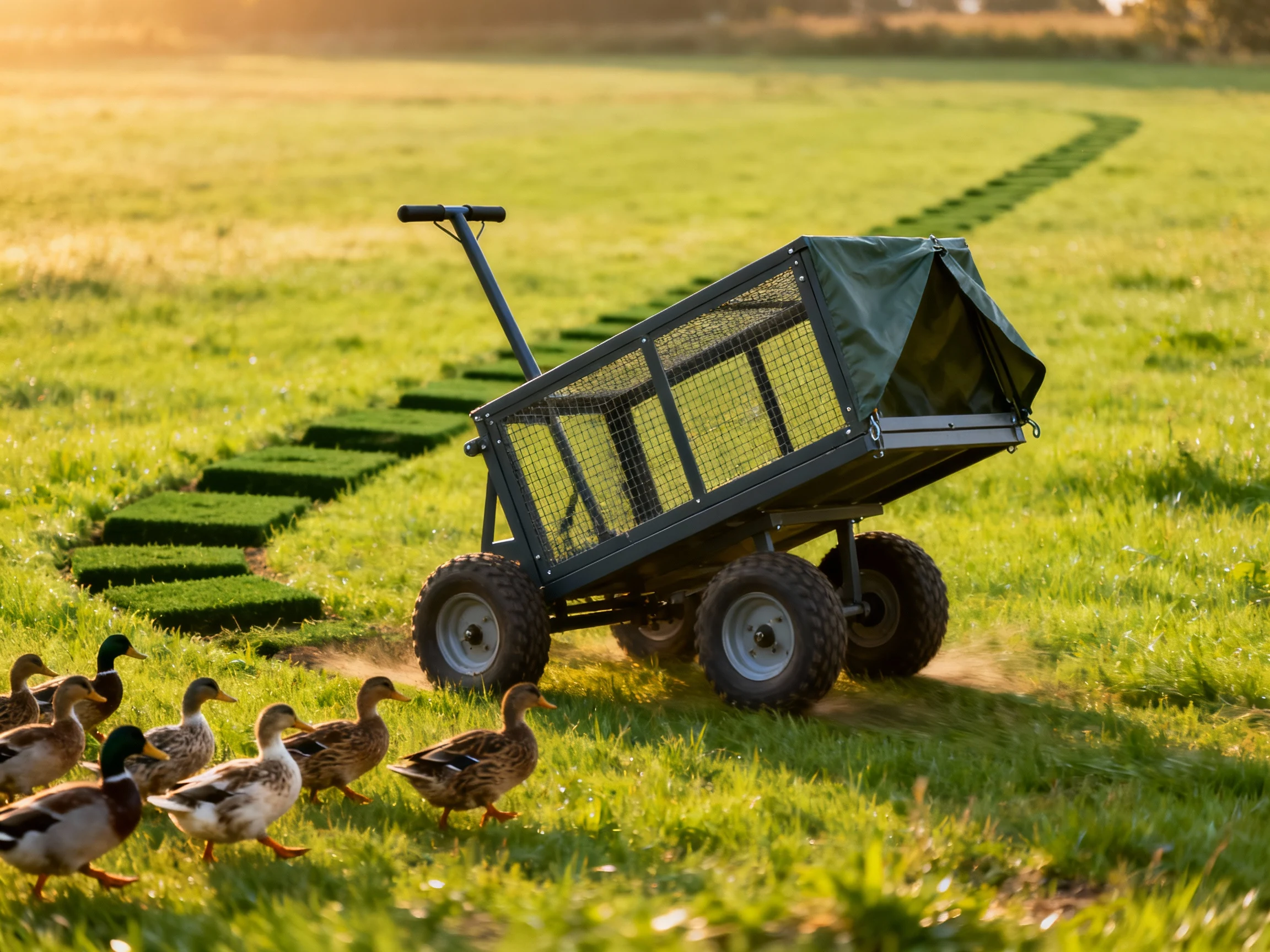
You love your ducks. You don’t love cleaning their coop. A mobile duck coop—aka a duck tractor—fixes that problem fast. You roll the whole setup to fresh grass, the mess stays behind, and your lawn turns greener like it owes you money. Less stink, less scrubbing, more waddling. Sold yet?
Why a Duck Tractor Beats a Static Coop for Clean-Up
Ducks turn a permanent run into a swamp fast. Move the coop daily or every couple of days and you skip that swamp phase entirely. Fresh grass handles their splashes and droppings way better than a compacted dirt pen.
You also break parasite cycles and spread the fertilizer love. Ducks poop nitrogen-rich gold, and a tractor lets you distribute it like a benevolent lawn wizard. Cleaner birds, cleaner yard, healthier grass—triple win.
Ducks forage like champs when you rotate them. They inhale slugs, snails, and beetles that chew your garden. Free pest control that quacks? Yes, please.
Key Design Principles for a Mobile Duck Coop
A duck tractor doesn’t need to look fancy. It just needs to move easily, block predators, and control water chaos. Keep your build simple and tough.
Right Size and Weight
Aim for a footprint that gives each duck enough lounging and foraging space, but still moves without a gym session. Rule of thumb: 8–10 square feet per duck inside the tractor for lounging time, plus plenty of daily rotation.
- Target total weight under 80–120 lb for a mid-size tractor. Lighter means easier moves.
- Keep height under 4 feet if you want less wind drag and easier mobility.
- Build low and long so ducks move comfortably without jumpy ramps.
Predator-Proofing That Actually Works
Raccoons, foxes, dogs, and hawks run the nightly heist crew. You need to block them like you mean it.
- Hardware cloth (1/2 inch) for all openings. Skip chicken wire. It only annoys raccoons, it doesn’t stop them.
- Screw down panels and secure seams with washers. Think “no gaps, no flex.”
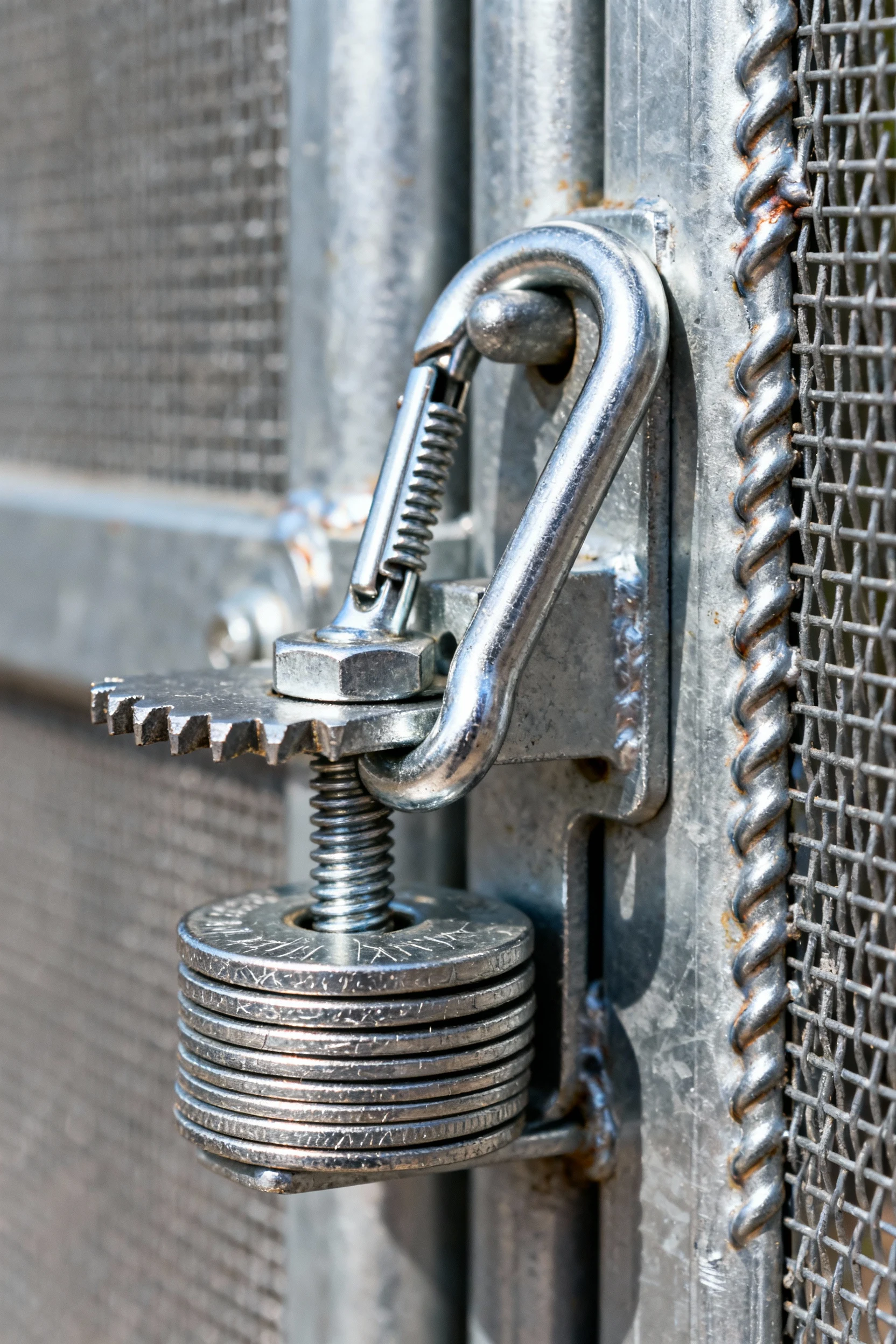
- Use solid latches with carabiners or spring locks. Raccoons open simple clips like it’s nothing.
- Embed an apron: a 6–12 inch outward skirt of hardware cloth discourages digging when you park overnight.

Wheels and Handles That Don’t Fight You
If moving the tractor feels like a CrossFit WOD, you won’t move it. Then everything gets gross again. Let’s avoid that.
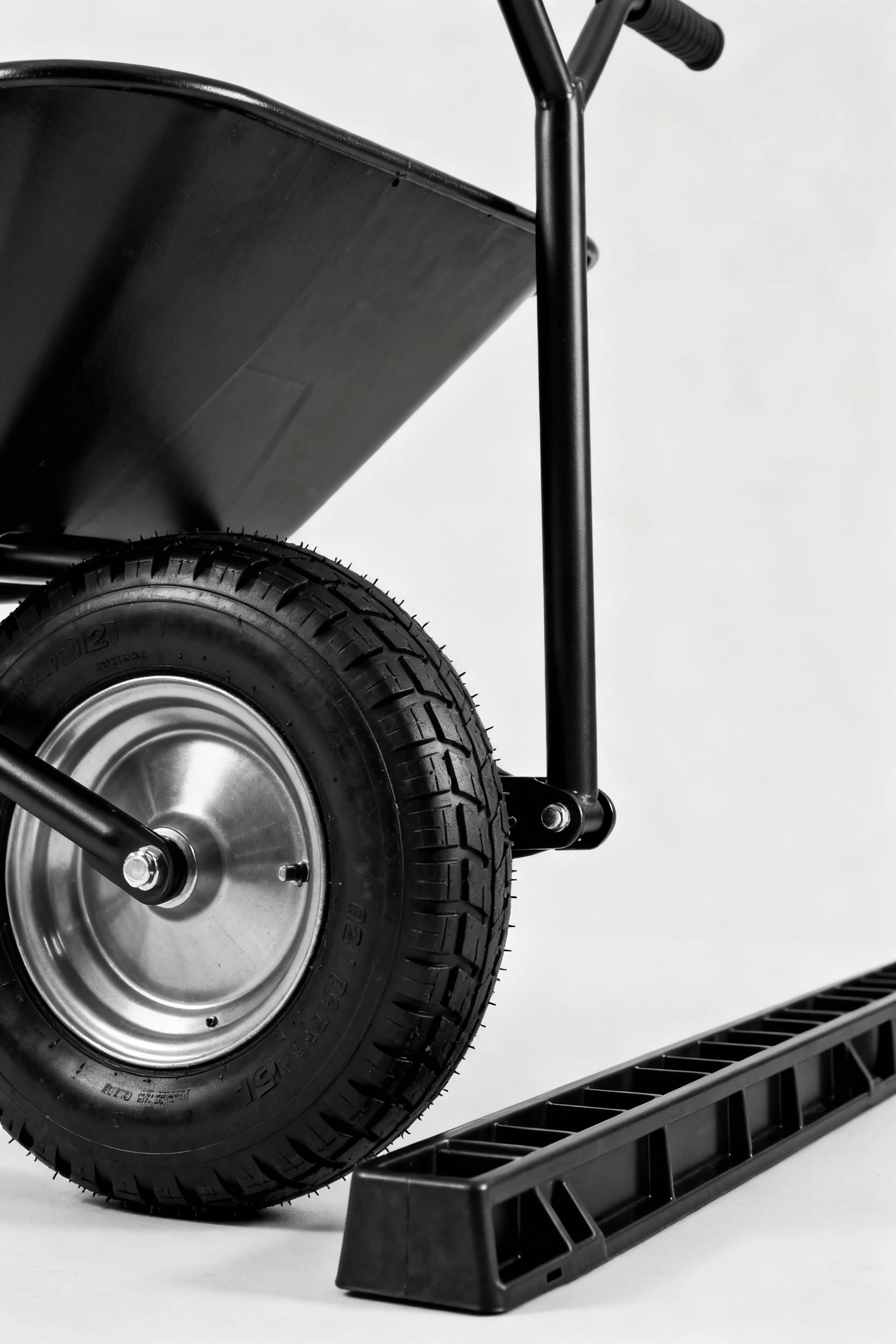
- Two fixed wheels + one lift handle give you a sturdy wheelbarrow vibe.
- Use 10–12 inch pneumatic wheels to roll over bumps and roots.
- Balance the weight over the axle so you lift the light end. Your back will send thank-you notes.
- Add skid rails (UHMW plastic or old snowboards, IMO) to help it slide on grass.
Flooring and Mess Management
Ducks splash. Ducks slop. Ducks joyfully redecorate with water.
- Open bottom lets droppings hit the grass and disappear into the ecosystem. That saves you hours.
- Inside the sheltered area, use a waterproof, hose-friendly floor like vinyl over plywood.
- Skip roosts. Ducks don’t use them. Low, dry bedding beats high perches every time.
- Install a removable “splash tray” under the waterer to catch the worst spray.
6 Clever Duck Tractor Layout Ideas (From Simple to Fancy)
You don’t need to reinvent the wheel. You just need a design that fits your yard, your budget, and your ducks’ drama.
-
A-Frame Hoop Tractor (Cattle Panel + Tarp)
Bend a cattle panel into an arch, screw it to a wood base, wrap with hardware cloth, and cover a third with a tarp for shelter. It moves light and handles wind surprisingly well.
Pros: Cheap, fast, tough. Cons: Curved sides reduce headroom. -
Low-Profile Rectangle With Dolly Wheels
Build a 3×8 or 4×10 rectangle from 2x2s, skin with hardware cloth, add a small roofed corner hut. Mount 10–12 inch wheels on one end and a lift handle on the other.
Pros: Easy to build, easy to move. Cons: Corners need extra bracing. -
Modular Pen + Detachable Shelter
Use a light run that moves daily and a small shelter box you can detach for cleaning. Connect with quick-release latches.
Pros: Super easy deep clean. Cons: Two pieces to move, requires a system. -
Geodesic Dome-Style Tractor
PVC or conduit struts form a dome, covered with hardware cloth and a tarp slice. It looks sci-fi and handles strong winds if you stake the corners.
Pros: Strong shape, great airflow. Cons: Tricky cuts, weird angles. -
Pallet-Based Budget Tractor
Upcycle two pallets as sidewalls on a 2×4 base, hardware cloth for the bottom sides, and a corrugated roof over the sleeping corner. Wheels bolt onto a 2×4 axle.
Pros: Dirt cheap. Cons: Heavy; choose dry, clean pallets only. -
Garden-Row Runner With Integrated Shade
A long, narrow run (2–3 feet wide) that straddles garden rows. Shade cloth protects plants and ducks while they hunt pests and fertilize.
Pros: Precision grazing. Cons: Narrow turns limit maneuvering.
Easy-Clean Features You’ll Thank Yourself For
Small upgrades save you from weekend scrub-fests. Build these in from day one.
- Big doors you can actually fit a rake through. Hinged tops turn cleaning into a two-minute job.
- Quick-latch panels on corners so you can pop off a wall and blast it with a hose.
- Removable bedding tray under the sheltered area. Pull, dump, done.
- Hardware cloth floor under bedding area with a solid mat on top. Lift the mat to dry it or replace when it gets funky.
- UV-stable roofing like polycarbonate or good tarp. Cheap tarps shred fast; spend a bit more and relax.
Water Management That Actually Manages Water
You’ll never outsmart duck water completely, but you can guide it.
- Use a gravity waterer with a nipple cup or a shallow rubber pan that you empty daily.
- Place water on a drain mat—a plastic grid over gravel inside a framed tray—so splashes drain under the tractor.
- Drain to the splash side of the tractor and move that side more often. That keeps bedding dry.
- Keep the pool outside the tractor for supervised splash parties. FYI, kiddie pools and ducks mix a little too well.
Smart Hardware, Easy Life
Better hardware cuts maintenance in half.
- Through-bolts with lock nuts over wood screws on high-stress points like handles and wheel brackets.
- Stainless hardware near water zones to stop rust creep.
- Continuous piano hinges on doors so ducks don’t pop them off accidentally.
- Rounded edges with sanded corners so you stop snagging tarps and clothes.
Moving Day: How to Rotate Without Chaos
You can move a duck tractor with one hand if you set it up right. Ducks will follow snacks. You just need a routine.
- Pick the time. Move early morning or late afternoon when ducks chill out. Midday heat makes everyone cranky.
- Prep the path. Check for holes, sprinkler heads, and dog toys. Avoid soggy spots that rut.
- Bait the crowd. Toss a little feed or peas in the direction of travel. Ducks chase peas like it’s Black Friday.
- Lift the light end. Use the handle and tilt until the wheels bite. Move slow, steady, and watch duck feet.
- Advance one length. Overlap fresh grass by one full tractor length to avoid bare patches.
- Reset water and shade. Place water on the new splash corner. Re-clip any aprons or stakes.
Move frequency depends on duck density and grass health. Daily moves rock for smell control and lawn recovery. Every other day works when grass grows fast and your duck numbers stay modest.
Seasonal Tweaks: Heat, Cold, Mud, and Predators
Weather throws curveballs. You can still keep everything tidy and safe with a few tweaks.
- Summer: Add shade cloth on the sunny side and boost airflow with bigger vents. Freeze water jugs for bonus chill time on scorchers.
- Rainy seasons: Park on high spots and toss down a strip of rubber stall mat for the water zone. You’ll control mud quickly.
- Winter: Block prevailing winds with a tarp panel and extra bedding in the shelter. Keep ventilation open high to dump moisture.
- Snow: Brush off roof buildup daily. A-frame hoops shed snow well; flat roofs buckle if you ignore them.
- Predator spikes: During baby season for coyotes and foxes, lock down aprons and set motion lights. Predators test everything harder then.
Pro tip: Ducks handle cold better than heat, but wet + wind chills them fast. Keep them dry and out of the draft while you still vent moisture up high.
Realistic Costs and Time: What to Expect
You can build a solid duck tractor on a budget. Or you can go deluxe and never think about upgrades again. Both routes clean up your yard.
- Shoestring build ($100–$200): Reclaimed lumber, pallet base, used wheels, tarp roof, and hardware cloth everywhere that counts.
- Mid-range build ($250–$500): New lumber, 1/2 inch hardware cloth, quality wheels, polycarbonate roof panel, stainless hardware where needed.
- Premium build ($600–$900): Aluminum frame or cedar, full polycarbonate cover over shelter, big pneumatic tires, removable panels, and top-tier latches.
Expect a weekend for a simple build and two weekends for a deluxe one. Tools help a lot: a circular saw, driver, metal snips, and a staple gun. Buy wheels and hardware cloth first because those set your design dimensions.
Factor in ongoing costs. Tarps and tires wear out. Bedding goes in the sheltered zone, and you’ll replace it weekly or faster in wet weather. IMO, spending a little more upfront on wheels and latches pays back every move.
Duck Tractor Setup: The Daily Routine That Keeps It Clean
A tiny routine saves you from big messes. You’ll run through this in minutes once you get the hang of it.
- Morning: Move the tractor, top water, toss fresh greens or peas, check latches.
- Afternoon: Quick splash tray dump if it looks swampy, refill the water pan, wiggle wheels to keep axles free of grass wrap.
- Evening: Secure aprons or anchors, count ducks like a weirdo (we all do it), and close the shelter door if predators get spicy in your area.
You’ll notice the smell drop within days of rotating. Your grass will love you too. Darker patches show up where ducks fed it—FYI, those patches prove the system works.
Common Mistakes to Avoid (Learn From My Oops)
I’ve built tractors that dragged like anchors and flapped like kites. Let me save you some headaches.
- Too heavy. If you need two people every move, you’ll stop moving it. Keep it lean.
- Too tall. Wind grabs tall tractors and flips them. Low and steady wins.
- Chicken wire everywhere. That stuff protects nothing. Use hardware cloth where predators test.
- Waterer in the wrong spot. Don’t soak bedding. Keep water over your splash zone and rotate more.
- No handles. You’ll curse every move. Add a proper handle and an axle right away.
Fixes? Swap wheels to larger pneumatic ones, add skid plates, and brace corners with gussets. Little upgrades turn a frustrating tractor into a joy to move.
FAQ
How big should a duck tractor be for 4–6 ducks?
Plan for 40–60 square feet of floor space for 4–6 ducks, plus daily moves. A 4×10 footprint hits the sweet spot for mobility and comfort. If you keep them confined longer during bad weather, bump the space up. More room means less stink and fewer squabbles.
How often should I move the tractor?
Daily moves work best for smell control and lawn recovery. If your grass grows fast and you run fewer ducks, you can stretch to every other day. Watch the ground—if it looks matted or smells “barn-ish,” move sooner. Your nose will tell you before your eyes do.
Do ducks need a roost or nesting boxes inside the tractor?
No roosts. Ducks prefer to sleep on the ground in a dry, draft-free corner. Nesting boxes aren’t mandatory either, but a low, cozy box or a simple hay-filled corner encourages clean eggs. Keep that area dry and out of the splash zone.
Can I repurpose a chicken tractor for ducks?
Yes, with tweaks. Lower the perches (or remove them), expand ventilation, and design a water “splash corner” that drains well. Ducks create more wet mess than chickens, so plan for better drainage and stronger wheels. IMO, a dedicated water tray becomes essential.
What mesh size and materials keep predators out?
Use 1/2 inch hardware cloth for all windows and lower walls. Secure every seam with screws and washers. Add a 6–12 inch ground apron to stop digging. If you’ve got serious predators, add a night lock on the shelter door and consider a motion light or hot wire around the yard perimeter.
Conclusion
A good duck tractor turns cleanup into a quick walk and push, not a weekend chore. You rotate birds to fresh grass, spread fertilizer, and dodge that swampy coop vibe entirely. Build it light, make it tough, and design the water zone like you mean it. Your ducks stay happy, your yard stays clean, and you get your time back—no hazmat suit required.