15 Genius Duck Coop Ideas for Small Backyards (DIY-Friendly)
Your ducks deserve a cozy HQ, even if your backyard barely fits a lawn chair and an inflatable kiddie pool. The secret? Smart design beats square footage every time. I rounded up 15 DIY-friendly coop ideas that squeeze serious function into small spaces—without turning your yard into a muddy mess. Ready to make your flock happy and your neighbors unbothered?
The Small-Backyard Duck Reality Check
Ducks don’t need a giant barn, but they do need a few non-negotiables. They sleep on the floor, they splash like toddlers, and they attract predators who love an easy meal. So you’ll plan for space, water management, and security first—then get cute with the design.
Bottom line:
- Space: Plan about 4–6 sq ft per duck in the coop and 10–15 sq ft per duck in the run. More space equals fewer messes.
- Ventilation: High vents stop moisture without chilling ducks. Stale air = gross bedding.
- Water: Ducks need a daily splash tub, but you control where the splash happens.
- Predator-proofing: Raccoons, foxes, rats, dogs—assume they all want in. Build like they’re watching.
Space Math for 2–4 Ducks
Keep numbers realistic in a small yard. Two to four ducks fit most setups nicely. A 4×3 or 4×4 coop with a 4×8 run gives you a sweet balance of comfort and footprint. You can go vertical with a raised coop to win back ground space.
The Splash Factor

Ducks don’t roost, so they sit low and wet things up. Plan a designated splash zone with drainage, stone, or a shower pan. Put the water away from bedding and doors, because soggy straw smells like regret.
15 DIY-Friendly Duck Coop Ideas That Actually Fit
You don’t need a contractor. You need a weekend, a drill, and a sense of humor when a board doesn’t line up. Pick your favorite concept and adapt the dimensions to your flock.
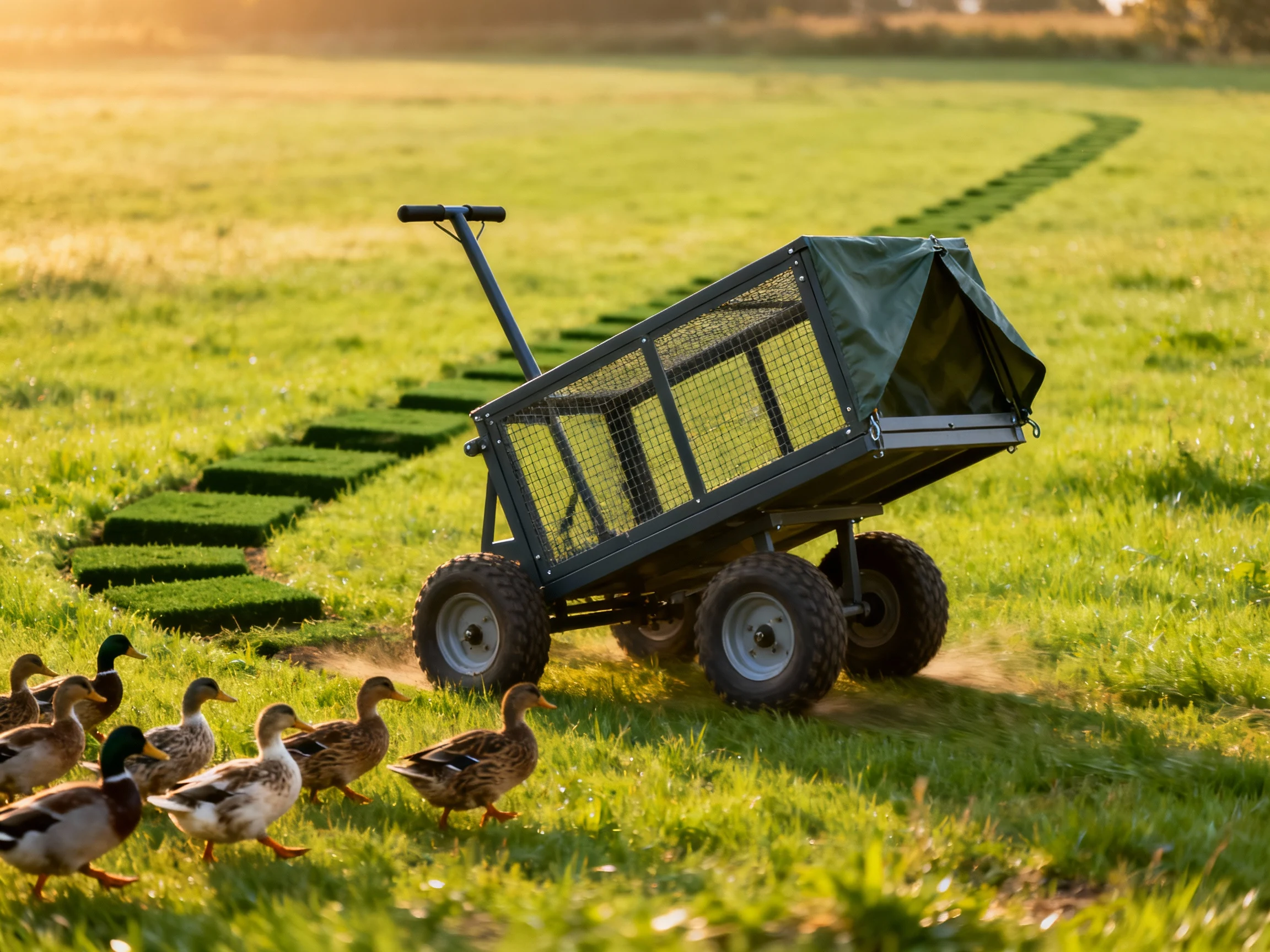
- The Narrow A-Frame Tractor – Build an A-frame with a small enclosed sleeping loft and a wire run below. Add wheels on one end and lift handles on the other. You move it daily to fresh grass and your lawn thanks you.
- The Raised “Carport” Coop – Set the enclosed house 2–3 feet above ground on sturdy posts. The run lives underneath, shaded and dry. You stack function vertically and keep predators guessing.
- The Corner Wedge Build – Tuck a triangular coop into an unused fence corner. Use hardware cloth on two sides and a solid back to block wind. A sloped roof funnels rain right into a barrel.
- The Pallet Palace (Classy Version) – Use heat-treated pallets for the frame, then skin with siding or fence boards. Paint it cute and you’ll forget it started life holding fertilizer. Tip: line the floor with vinyl sheet for quick cleanouts.
- The Converted Doghouse Duo – Pair a large insulated doghouse for sleeping with a secure run. Cut a duck-sized door, add vents up top, and boom—instant coop. It’s perfect for renters or anyone who wants a fast setup.
- The Storage-Shed Hack – Partition a small resin or wood shed: half for ducks, half for gear. Add hardware cloth windows, a duck door, and a solid floor. You hide the coop in plain sight and store feed right next door.
- The Under-Deck Hideout – If you have a raised deck, enclose a section with hardware cloth and add a small house against a wall. The deck roof keeps it dry and out of view. Just make sure you can still crawl in to clean.
- The Modular Cube – Build two or three 2×3 or 3×3 boxes that connect with latches. One box = house, one = run, one = splash zone. You can rearrange like LEGO when you reorganize the yard.
- The Hoop-Frame Mini House – Bend electrical conduit or PVC into hoops over a narrow base and skin with welded wire + tarp or polycarbonate. It’s light, cheap, and surprisingly tough. Add a wooden sleeping pod inside for warmth.
- The Greenhouse-Coop Combo – Attach a small coop to a polycarbonate greenhouse wall. Ducks enjoy winter sun, and the shared wall cuts wind. FYI: add a splash barrier (corrugated plastic) so your seedlings don’t drown.
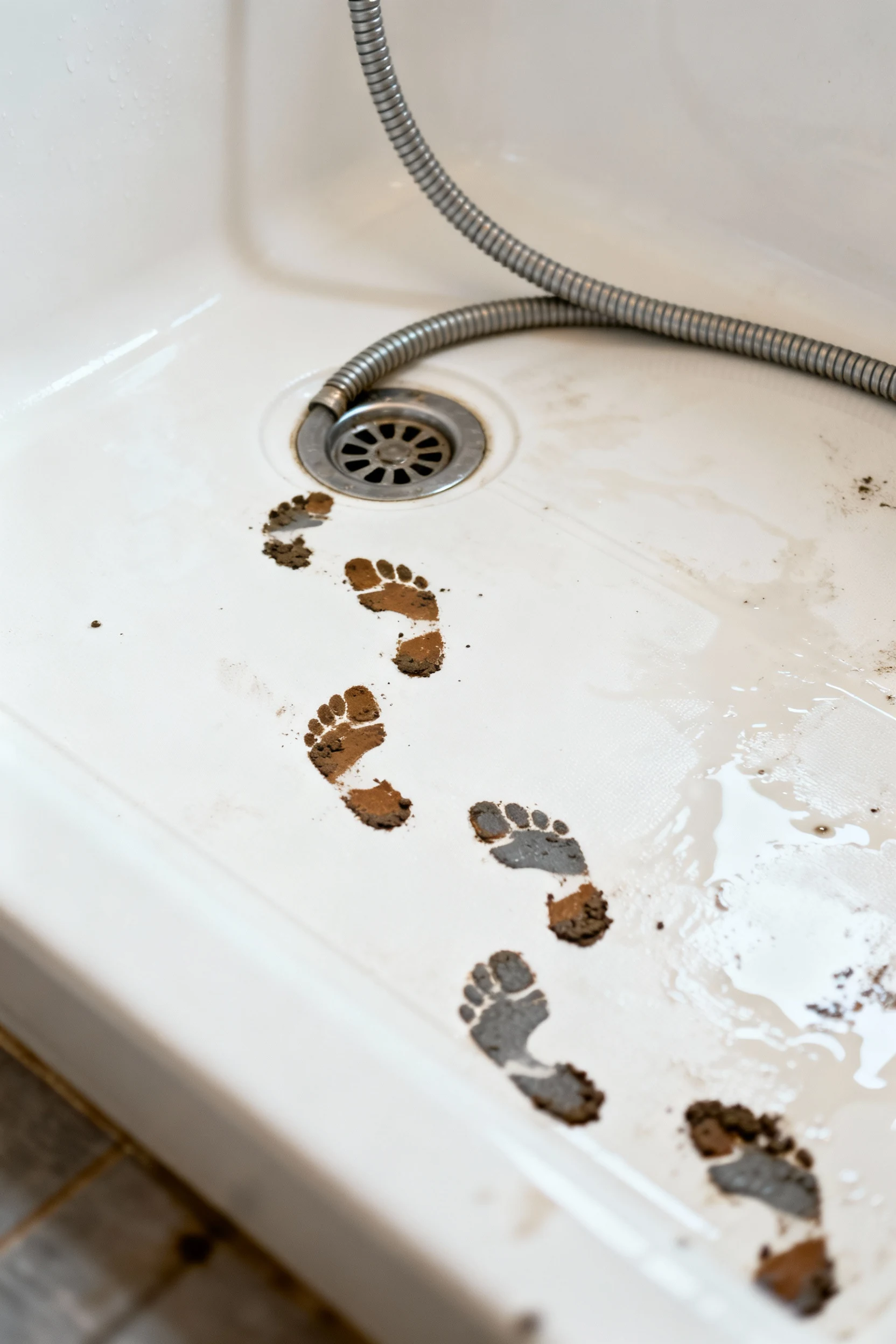
- The Patio Coop with Shower-Pan Floor – Set a prefab shower pan or pond liner as the floor, with a slight slope to a drain. Hose it out in two minutes and call it a day. Apartment courtyards and tiny patios eat this up.
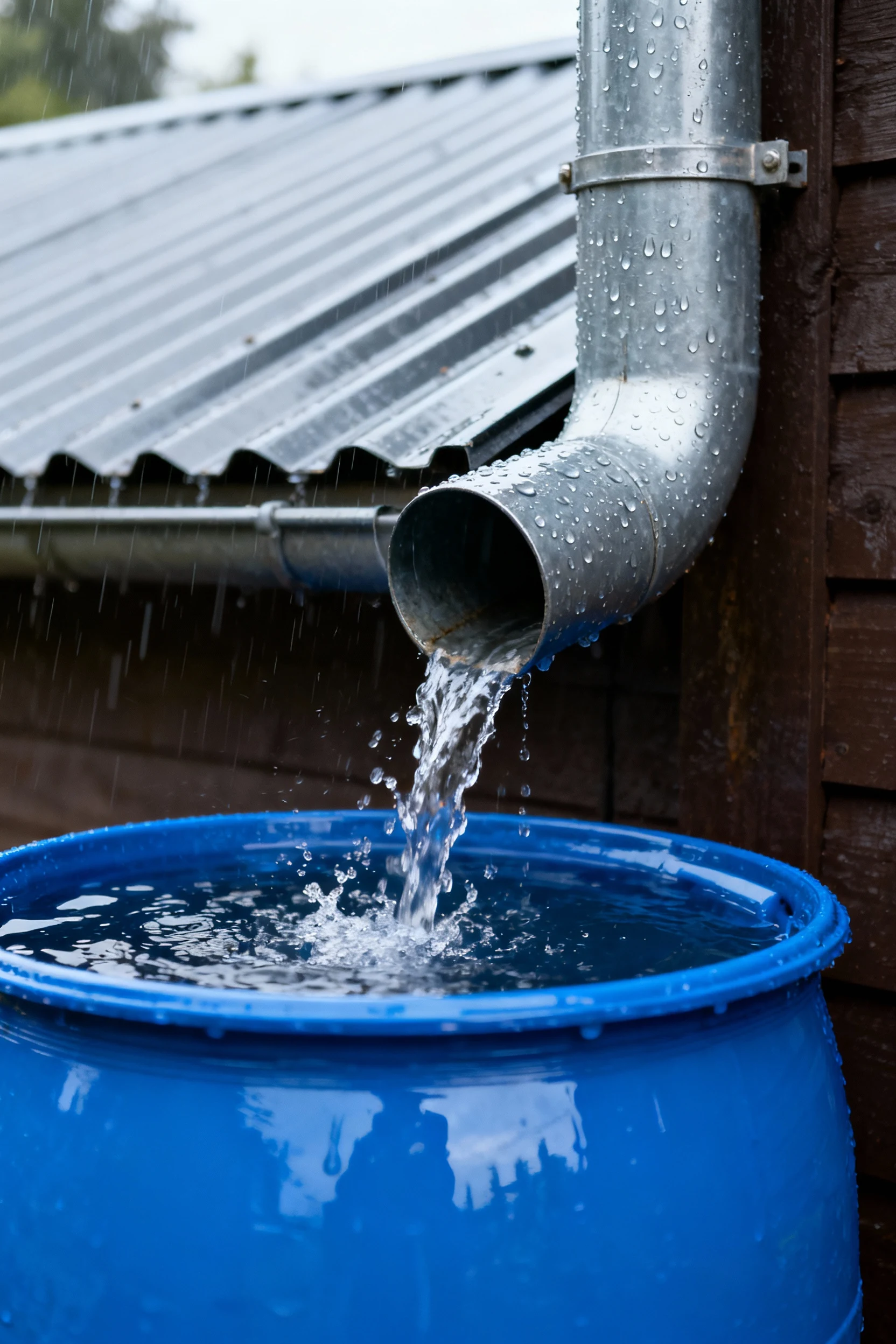
- The Rain-Gutter Roof + Barrel Pond – Build a sloped metal roof with gutters feeding a rain barrel. Use the barrel to refresh the duck tub and water the garden. That’s eco-cred and clean water rotation in one.
- The IKEA Hack House – Reinforce a Besta or Pax cabinet with 2×2 framing, cut vents, and add a duck door. Use it indoors for brooding or as a night shelter in a secured run. You’ll love the hidden storage vibe.
- The Fold-Flat Panel Coop – Make framed panels with plywood and hardware cloth, then bolt them together on-site. You can fold it down for moves or winter storage. Renters swear by this one.
- The Raised Bed + Coop Combo – Build a coop along the back of a long raised garden bed and run a narrow aviary along the side. Apply duck water to the bed (not directly, please), and turn quack splashes into veggie fuel.
Quick Materials for Most Builds
- Framing: 2x2s or 2x3s keep builds light; 2x4s for posts.
- Skin: Exterior plywood, fence boards, or T1-11 siding.
- Security: 1/2-inch hardware cloth (not chicken wire).
- Roof: Corrugated metal or polycarbonate, sloped.
- Floor: Plywood topped with vinyl sheet or a shower pan.
- Fasteners: Exterior screws, heavy-duty staples, and lockable latches.
Smart Layout Moves in Tight Spaces
You don’t need more yard; you need better flow. Think like water and predators think.
- Go vertical: House over run, storage above house, water barrel off the roof.
- Create lanes: Leave a 2–3 ft cleaning path around at least one side.
- Shade the splash zone: Duck tubs under shade reduce algae and stink.
- Noise buffer: Solid back wall toward the neighbor. Less quack echo.
- Line-of-sight: Low, leafy plants in front to keep things cute (and stealthy).
Neighbor Diplomacy 101
Bring over a dozen eggs before you build. Explain your cleaning schedule and that you lock up nightly. When they see a tidy coop and hear mostly happy murmurs, complaints magically vanish.
Build Smarter, Not Harder: Tools, Tips, and Shortcuts
You can DIY these with basic tools. No workshop required.
- Essential tools: Drill/driver, circular saw, staple gun, speed square, tin snips, and a measuring tape that doesn’t lie.
- Fast build tips: Use pocket holes for clean frames, pre-prime panels, and pre-drill hinge and latch holes.
- Weatherproofing: Exterior primer + paint, seal all plywood edges, run roof overhangs 4–6 inches.
- Easy doors: Make doors first, then build the openings to fit them perfectly. Trust me on this.
Go-To Dimensions for a Trio
For three ducks, shoot for a 4×3 ft house, 4–5 ft high inside. Pair with a 4×8 ft run. Add a 24×36 inch splash zone right outside the door and your bedding stays dry. It’s compact and comfortable.
Predator-Proofing and Sanitation (No Drama)
Predators test every weakness. You win with smart materials and tight routines.
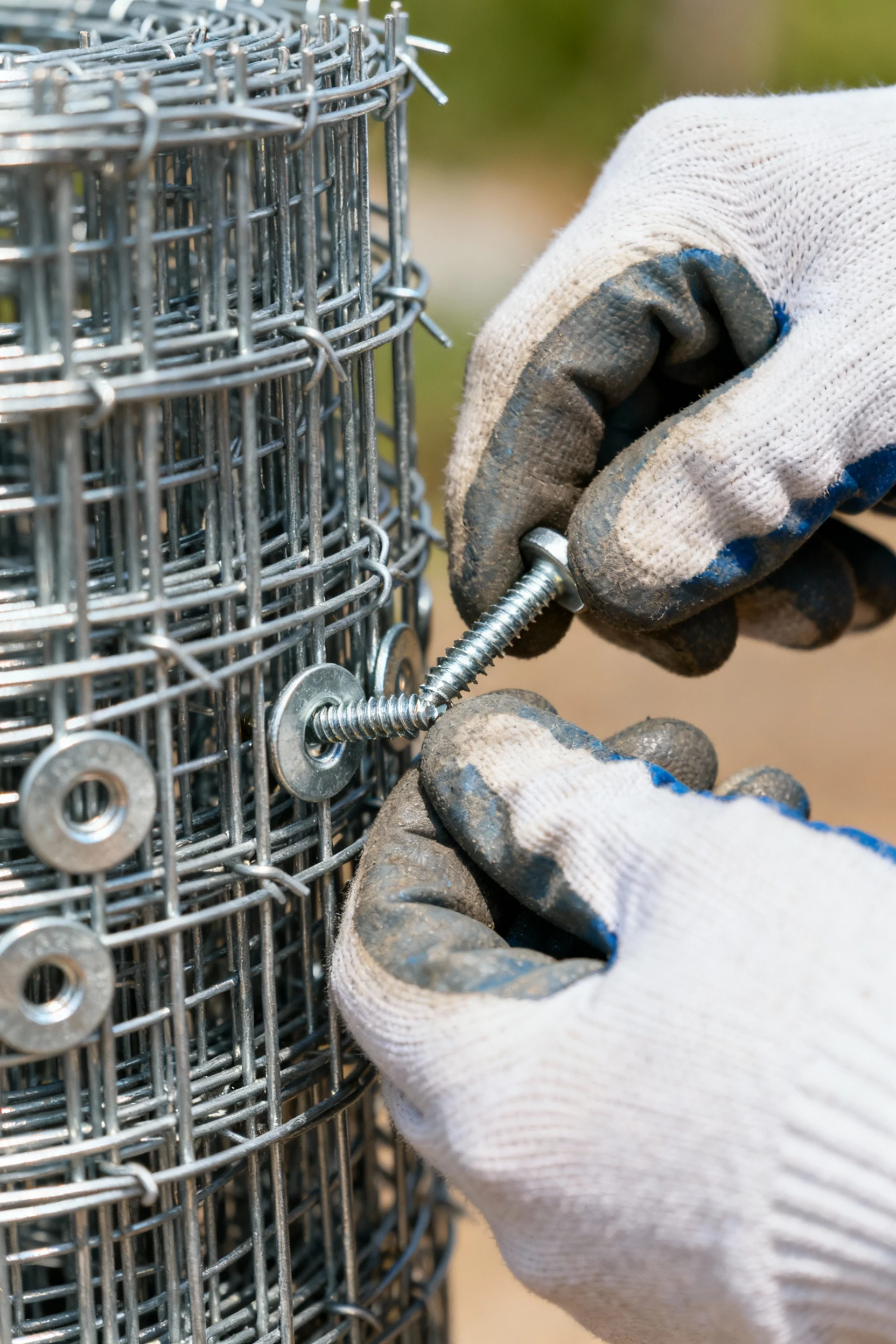
- Hardware cloth everywhere: Cover vents and windows with 1/2-inch cloth. Screw it down with washers, not just staples.
- Dig-proof apron: Lay 12–18 inches of hardware cloth flat around the coop perimeter. Bury it or hide it with mulch.
- Real latches: Use two-step locks (carabiner + barrel latch). Raccoons open simple hooks like a party trick.
- Solid floor: Plywood + vinyl or concrete pavers block rats and simplify cleaning.
- Vents up high: Moisture escapes without drafts on sleeping ducks.
Easy-Clean Floors That Save Your Back
Line floors with one-piece vinyl and run it 2 inches up the walls. Seal edges with silicone. Add a slight slope to a drain or just shop-vac the wet spots. You’ll stop dreading cleaning day.
Night Routine That Works
Pick up feed 1–2 hours before lockup to discourage rodents. Swap splash water before bed. Close doors with a self-check routine: vents open, latch locked, water off. Five minutes, maximum stress reduction.
Water Without a Swamp
Ducks and water belong together, but your lawn disagrees. You can have both.
- One tub policy: Offer one small tub you can dump daily. Rotate spots or use a drain.
- Hardscape splash zone: Pea gravel, pavers, or a shower pan under the tub keeps mud contained.
- Drain smart: Pipe to a mulch basin or garden bed. No straight drains onto neighbors, please.
Three Splash-Zone Strategies
- Shower pan + drain: Best for patios. Hose, swish, done.
- Pea gravel over landscape fabric: Cheap, drains fast. Rake and refresh seasonally.
- French drain trench: Gravel-filled trench under the tub, geotextile wrapped, draining to a shrub bed.
Simple Winter Water Hacks
Use a heated dog bowl on a timer and swap water midday. Break ice from tubs gently and rotate two tubs so one warms in the sun. FYI: skip heat lamps in coops; they start fires. Insulation and wind breaks do the safe heavy lifting.
FAQ
How much space do ducks need in a small backyard?
Aim for 4–6 sq ft per duck in the house and 10–15 sq ft per duck in the run. More room makes life easier, especially for cleaning. Tight on space? Go vertical with a raised coop and tuck the run below to double up your footprint.
Do ducks need a pond, or will a tub do?
A tub absolutely works. They just need to dunk their heads and rinse their eyes. A cement mixing tub or kiddie pool you can dump daily wins every time. Larger ponds look pretty, but small backyards usually regret the mud.
Can I house ducks and chickens together?
Yes, but set smart boundaries. Give ducks a floor-level sleeping area and chickens a roost bar above. Separate water zones so ducks don’t turn the chicken dust bath into soup. IMO, mixed flocks work best with a divided run and shared fence line.
How do I keep the smell under control?
Control moisture and you control odor. Keep the splash zone outside the bedding, add dry carbon (pine shavings, chopped straw), and refresh wet spots fast. Good ventilation up high does more than any fancy freshener.
Which duck breeds suit small backyards?
Look at Khaki Campbell, Welsh Harlequin, Runner, or Call ducks (for very small spaces and experienced keepers). They stay smaller and lay well. Skip jumbo meat breeds in tiny yards unless you love laundry-level cleanup every day.
Can I use a chicken tractor for ducks?
You can, with tweaks. Ducks need a ground-level shelter, bigger doors, and a splash-proof corner. Swap wire floor sections for solid panels where they sleep, and you’ll keep feet safe and bedding dry.
Conclusion
Small yards don’t limit your duck dreams; they sharpen them. Pick one of these compact builds, plan a splash zone, and lock down predator-proofing. Your flock stays comfy, your yard stays tidy, and your weekends don’t vanish into muck duty. Build smart, keep it cute, and, FYI, always measure twice—ducks will judge your carpentry, IMO.