DIY Dog Potty Area: Best Surfaces, Drainage and Odor Control Step-by-Step
Your dog picks the worst spot in the yard, every time? You can fix that with a dedicated potty area that drains fast, stays clean, and doesn’t stink. Build it once, and you stop the 3 a.m. mud-puddle drama forever. Let’s design a DIY dog potty zone that your pup actually uses and you actually like.
Why a dedicated dog potty area saves your sanity
You set one clear potty spot, and your yard stops looking like a polka-dot of burnt grass. Cleanup gets easy, you lock down the smell, and you reduce flies and mess around patios. Plus, you teach your pup a clear routine.
You also protect your landscaping budget. Urine kills grass, stains pavers, and turns mulch funky. A smart setup keeps the rest of the yard looking fresh.
Bottom line: a dedicated potty zone gives you cleaner shoes, a cleaner yard, and zero turf drama.
Pick your surface: turf, gravel, mulch, or pavers
You have options, and they all work. The right choice depends on your dog’s size, your climate, and your maintenance tolerance. Let’s break down the top surfaces.
Artificial turf (pet-specific)
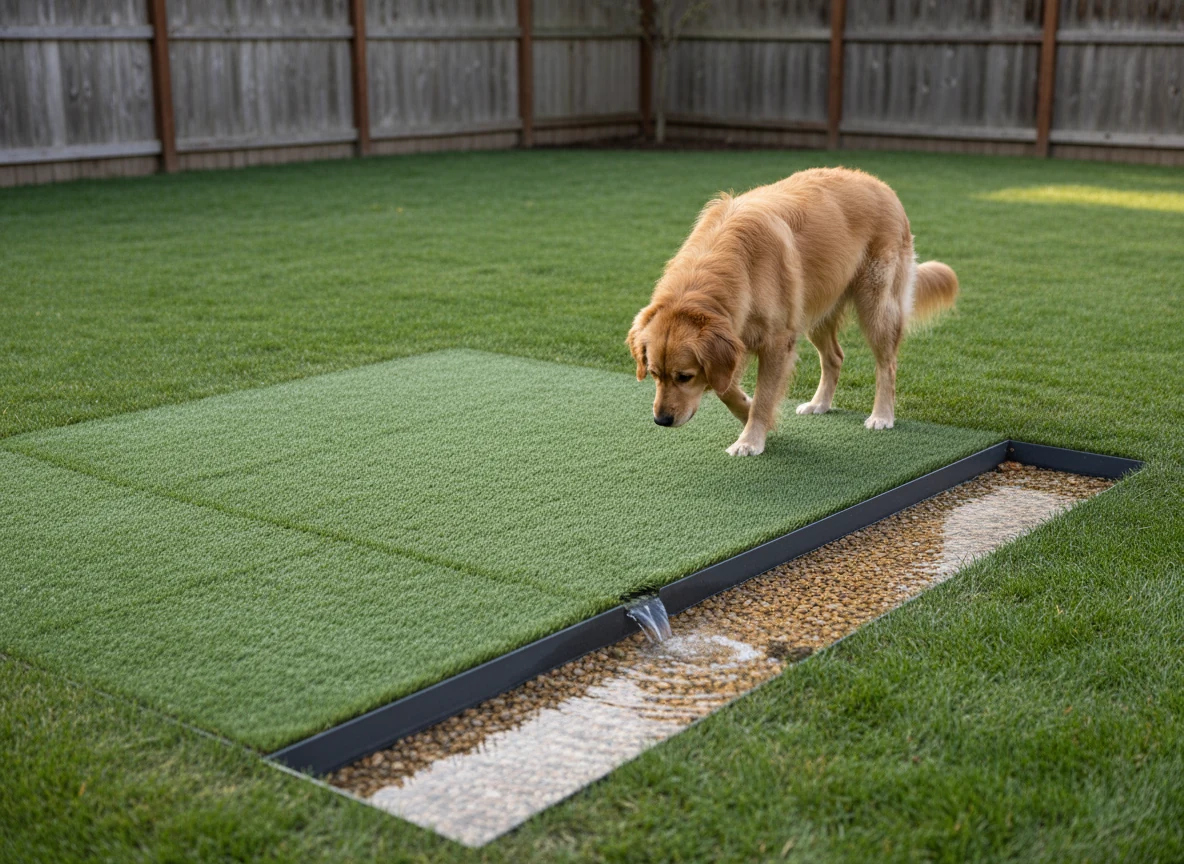
Pet turf looks tidy and feels comfy. Dogs accept it fast, and it drains well when you build a proper base.
- Pros: Clean look, easy hose-down, no mud, year-round use.
- Cons: Higher upfront cost, you must nail drainage and cleaning.
- Best for: Small to medium areas, patios, balconies (with trays), low-mud households.
Pea gravel or 3/8″ crushed stone
Gravel delivers great drainage and simple installs. Dogs usually accept it, but sensitive paws prefer rounded pea gravel over sharp rock.
- Pros: Cheap, fast install, amazing drainage.
- Cons: Some dogs dislike the feel; you need a border to keep pieces contained.
- Best for: Larger yards, multi-dog households, rainy climates.
Pavers with gaps (or permeable pavers)
You create a hard, hose-friendly surface. Permeable pavers let liquid pass through to a drainage layer.
- Pros: Super durable, easy to clean, no tracking.
- Cons: Higher skill to install; urine can still smell without a rinse routine.
- Best for: Heavy use zones, big dogs, low-maintenance goals.
Mulch (cedar or cypress)
Mulch controls mud and absorbs liquid. Cedar brings a natural odor mask. You must replace it regularly.
- Pros: Inexpensive, quick fix, soft on paws.
- Cons: Traps odor over time, blows around, needs frequent refresh.
- Best for: Temporary setups, budget builds, shady areas.
Rubber mats over drain base
Rubber mats create an easy-to-spray surface. You add slope and a drain trench under the mat.
- Pros: Easy scrub, non-slip, quick install.
- Cons: Needs excellent drainage; hot sun can heat the surface.
- Best for: Kennels, covered runs, high-traffic areas.
IMO: pet turf over a gravel base wins for most homeowners—clean look, fast drainage, and simple maintenance.
Drainage 101: keep pee flowing, not pooling
You eliminate odor when you move liquid away fast. Good drainage matters more than the surface. You control drainage with slope, layers, and a place for liquid to go.
Set the slope
Aim for a 2% slope (about 1/4 inch drop per foot) away from high-traffic areas and buildings. Pick a direction and commit. You mark an outlet point so every layer flows toward it.
No slope = puddles = stink. Add slope and you win.
Build the base layers
Use a layered system under turf, gravel, or mats:
- Geotextile fabric (weed barrier that still drains)
- 3-4 inches of compacted crushed stone (a.k.a. road base)
- Optional: 1 inch of angular gravel for extra flow
- Optional: sand bedding when you set pavers
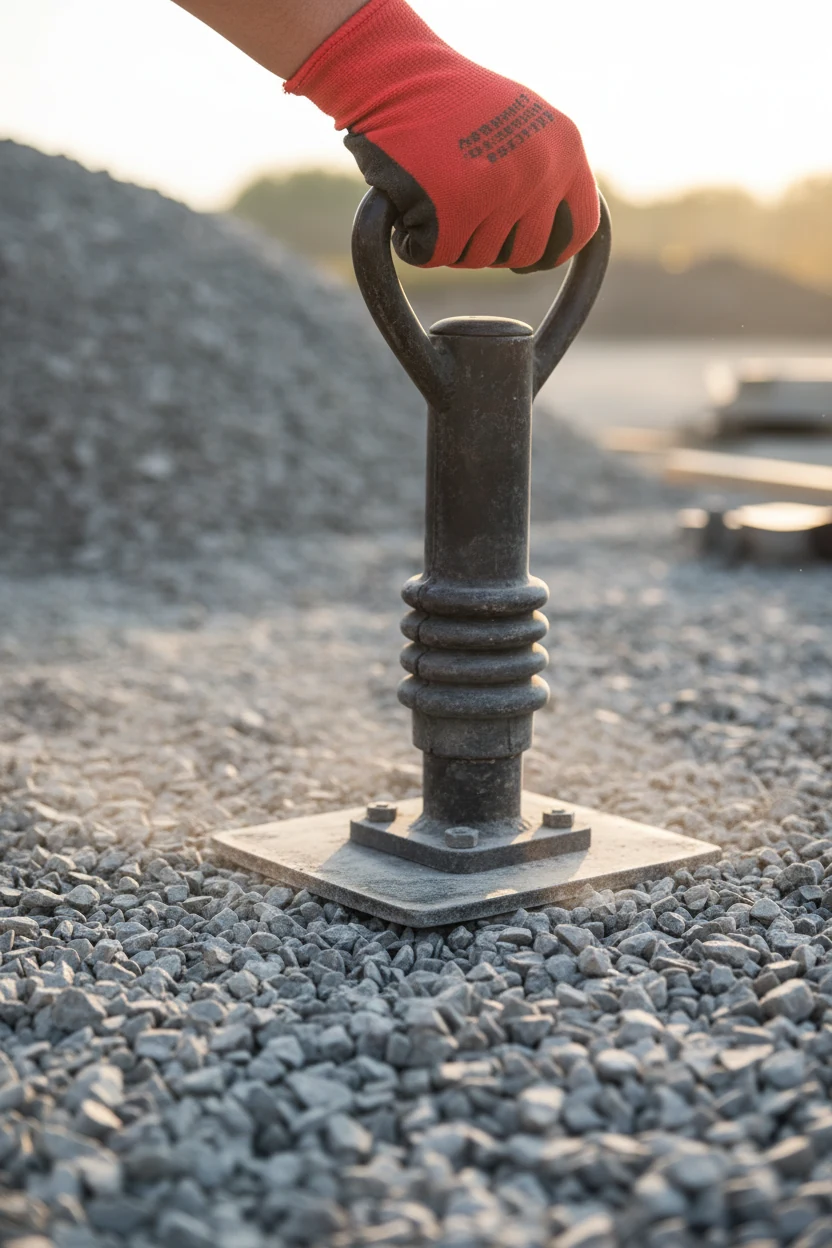
Compact each lift with a hand tamper or plate compactor. Keep the slope consistent all the way through the layers.
Add drains when needed
If your soil drains poorly, add simple helpers:
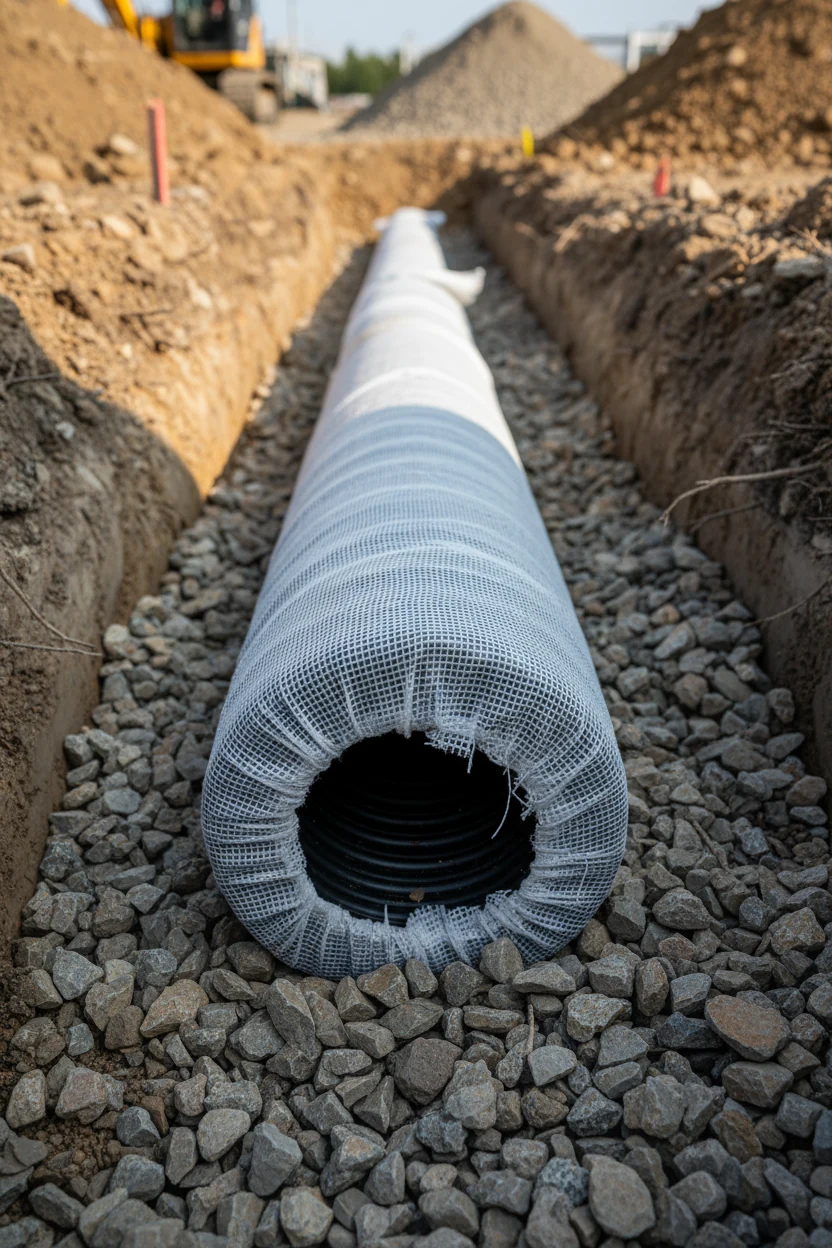
- Perforated pipe (French drain) buried at the low edge, wrapped in fabric
- Dry well or gravel pit to hold and disperse liquid
- Channel drain at the border that ties into existing yard drainage
You route everything away from patios and foundations. FYI: you avoid sending urine into vegetable beds. Your tomatoes will thank you.
Plan for rain and rinse water
Size the area so daily rinses don’t flood. If your climate dumps rain, increase the base depth to 5-6 inches. You also cut a small swale (shallow trench) to carry overflow to a safe spot.
When in doubt, overbuild the base and give liquid an easy exit.
Odor control that actually works
Urine smells when bacteria throw a party. You shut that party down with smart cleaning and the right products. Keep it simple, and don’t skip the routine.
Daily and weekly routine
Do a quick morning rinse and a weekly deep clean:
- Pick up solids immediately. Don’t let “surprises” sit.
- Rinse the surface for 30-60 seconds after use when possible.
- Spray enzyme cleaner 2-3 times per week (more in heat).
Enzyme cleaners break down urine at the source, not just mask the smell.
Deep clean tips
For turf:
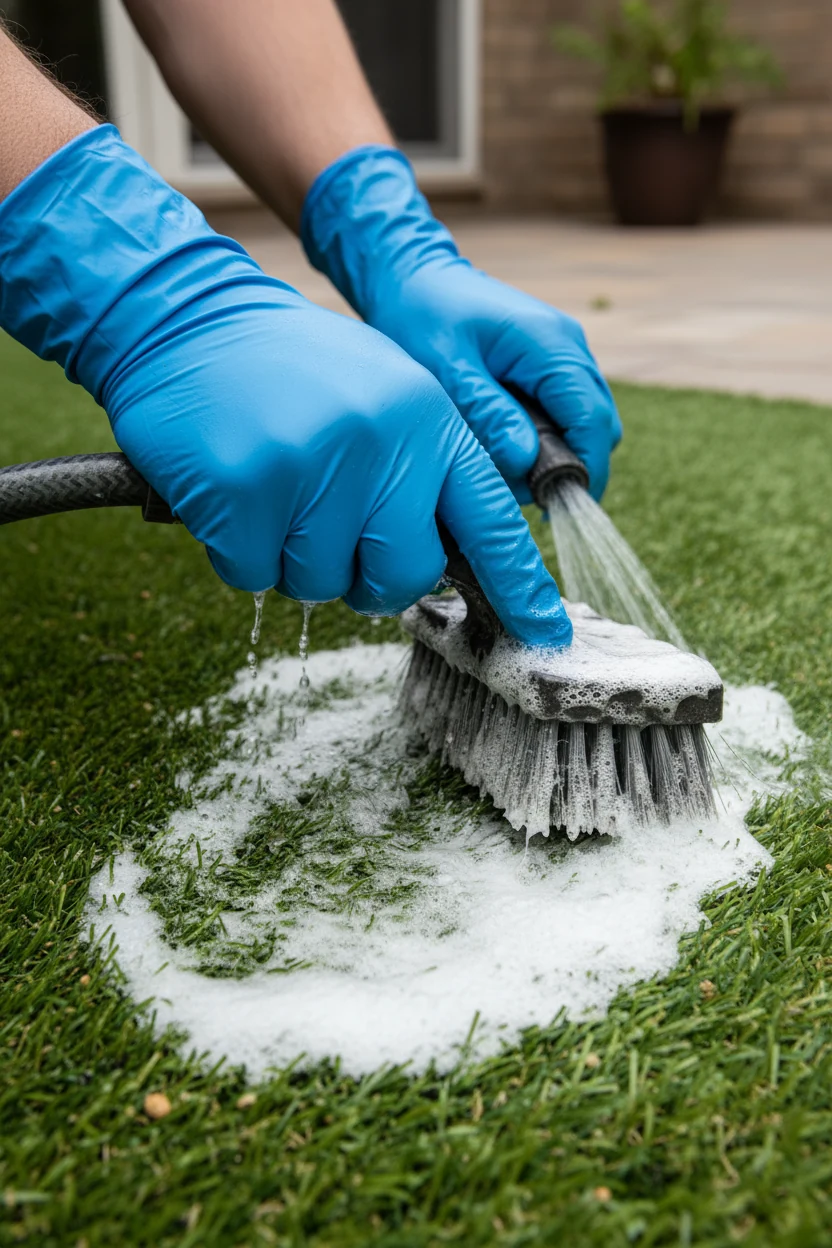
- Use a foaming pet-turf cleaner, then scrub with a soft brush.
- Rinse until water runs clear from the low edge.
- Let the area dry fully once a week to reset bacteria.
For gravel:
- Flood-rinse, then lightly rake to expose trapped spots.
- Sprinkle zeolite granules, wait 10 minutes, then rinse.
For pavers:
- Spray enzyme cleaner, scrub joints, and flush the gaps.
Quick odor fixes
Need instant help before guests arrive?
- Mix 1:1 white vinegar and water, spray lightly, then rinse in 10 minutes.
- Dust baking soda, wait 15 minutes, then hose off.
- Use zeolite (natural ammonia absorber) for stubborn smells.
Don’t use bleach. Bleach reacts with ammonia and kicks out nastier odors.
Step-by-step build: from sketch to sniff test
Let’s build a reliable, low-fuss potty area. You can knock this out over a weekend. Gather your supplies first.
Tools and materials
- Shovel, rake, hand tamper (or plate compactor)
- Landscape edging (plastic, steel, or composite)
- Geotextile fabric (weed barrier, drain-friendly)
- Crushed stone (3-4 inches total), plus optional pea gravel
- Pet-specific artificial turf (if you choose turf)
- Perforated drain pipe and gravel (for French drain)
- Enzyme cleaner, garden hose, soft scrub brush
- Pick the spot. Choose a spot away from doors and play areas, but close enough that late-night runs stay easy.
- Measure the size. For most dogs, plan roughly 4×8 feet minimum. Bigger dogs or multi-dog homes need 6×10 feet or more.
- Mark and clear. Spray-paint the outline, remove grass or mulch, and dig down 4-6 inches.
- Create the slope. Set the low edge and grade the base to about 2% slope toward your drain point.
- Lay geotextile fabric. Cover the excavated area, overlap seams by 6 inches, and pin it in place.
- Add crushed stone. Spread 2 inches, compact, then add another 1-2 inches and compact again. Check the slope after each lift.
- Install edging. Set landscape edging around the perimeter to hold gravel or turf cleanly.
- Add drainage extras (optional). Trench the low edge, lay perforated pipe, wrap with fabric, and bury with gravel.
- Choose your surface. Spread pea gravel, lay pavers, or roll out pet turf over a turf pad (optional) and secure it.
- Seal seams and edges (for turf). Use turf nails along the border, brush fibers upright, and check for trip points.
- Test the flow. Rinse the area and watch the water. Fix any puddles by raking or adding stone where needed.
- Introduce your dog. Walk your pup on leash to the new spot, cue “go potty,” and reward like you just won a raffle.
You lock in success when you build the base right and test drainage before you declare victory.
Training your dog to use it (because buy-in matters)
You created the bathroom. Now you help your dog choose it on purpose. Keep the cues simple and consistent.
- Use a leash at first. Walk straight to the spot, cue “go potty,” and reward on the spot.
- Repeat the routine. Hit the area first thing in the morning, after meals, and before bedtime.
- Block old habits. Temporarily fence off favorite “wrong” corners until the new habit sticks.
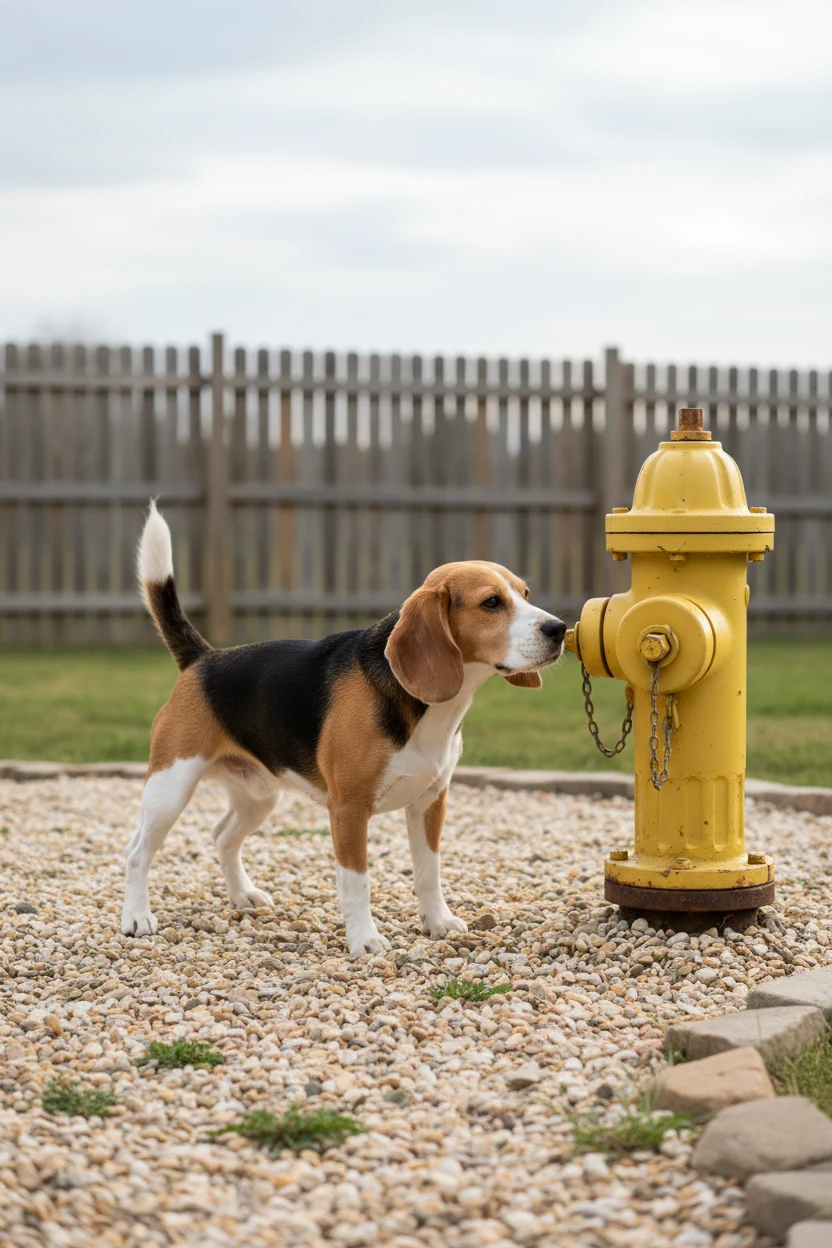
- Bring the target. For male dogs, add a short post or fake hydrant. They love a vertical goal.
- Stay positive. Praise and treats beat scolding every time.
Consistency turns a fancy build into a reliable routine.
Maintenance and troubleshooting
You keep it working with tiny daily habits. Small tweaks stop small smells from turning into big headaches.
- Puddles show up? Add more slope with a light regrade, or swap rounded pea gravel for angular gravel so liquid flows faster.
- Strong urine odor? Increase enzyme spray frequency and add zeolite in hot weeks.
- Weeds sneak in? Lay fresh fabric or hand-pull; avoid harsh herbicides around pets.
- Gravel tracks outside the border? Install taller edging and rake the surface weekly.
- Turf feels sticky? Deep-clean with foaming cleaner and a stiff brush, then let it fully dry.
Small weekly actions beat big quarterly fixes, every time.
FAQ
What size should a dog potty area be?
Match the space to your dog and your schedule. Small breeds usually thrive with a 4×8 foot zone, while large breeds feel better with 6×10 or more. Multi-dog homes should add extra width so everyone gets space and nobody crowds the exit.
Can I build one on a balcony?
Yes, but plan it carefully. Use a raised tray with pet turf, include an absorbent pad or drain hose, and protect the surface under the tray. Check building rules, and never let rinse water drip onto neighbors. FYI: you must clean a balcony setup daily to keep the peace.
How do I stop urine burn on grass?
Direct your dog to the potty area and water the lawn deeply once a week. Offer fresh water so urine stays diluted. You can also add a gravel or mulch buffer around your lawn edges so “oops” moments don’t scorch the grass.
Do vertical targets help with male dogs?
Absolutely. Install a short post, stump, or faux hydrant inside the potty zone. Many male dogs prefer a target, and they aim better when you give them one. It looks funny, but it works.
Will winter freeze ruin my setup?
No, if you build a solid base. Keep the area clear of snow, swap out enzyme cleaner for winter-safe options, and lock in the slope so melt water drains. Turf and gravel both handle freeze-thaw well when you compact the base properly.
How much does this cost?
Prices vary. Gravel builds often land under a few hundred dollars, while pet turf with quality base layers can run higher. You save long-term by protecting the rest of your yard and cutting down on repair costs. IMO, the turf route pays you back in comfort and cleanup speed.
Conclusion
Build a dog potty area with smart drainage, a good surface, and a simple cleaning routine, and you win the yard back. Your dog learns fast when you guide the habit and reward consistently. Keep the base solid, rinse daily, and spend five minutes a week on upkeep. Do that, and the only thing stinking up your backyard will be your neighbor’s grill choices.