Pet-Safe Plants for Dogs: Non-Toxic Flowers, Shrubs and Herbs to Grow
You love your dog. You love your plants. You also love not calling the vet at 2 a.m. because someone snacked on the begonias. Good news: you can grow a gorgeous garden that plays nice with curious snoots. Let’s build a dog-friendly plant list and a backyard plan that keeps tails wagging and flowers thriving.
Quick safety basics for gardening with dogs
You know how your dog thinks mulch equals a buffet? Set some ground rules. Non-toxic does not mean “all-you-can-eat.” Even safe plants can cause mild tummy upset if your pup hoovers them.
Label your plants. If you can’t remember what’s what, snap a photo and keep a notes app list. Cross-check the ASPCA’s toxic and non-toxic plant database before buying. When in doubt, skip it.
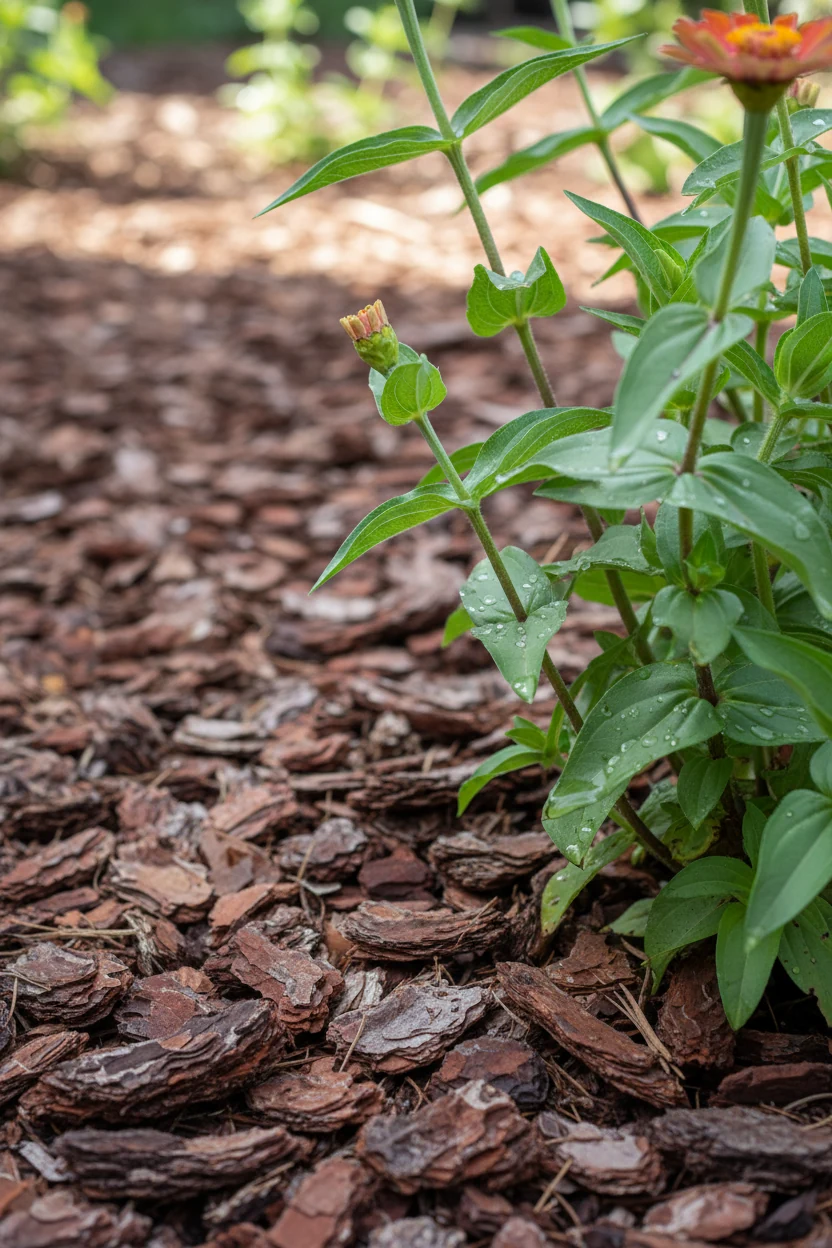
Mind the “extras.” Never use cocoa mulch. It smells like brownies and contains theobromine, which can seriously harm dogs. Choose shredded hardwood, pine bark, or pea gravel instead.
Keep chemicals boring. Use pet-safe fertilizers and pest controls like insecticidal soap and horticultural oil. Store everything (even the safe stuff) out of paw range. And give bored diggers a designated dig pit, or your prized zinnias will… move.
Non-toxic flowers that bring color (and zero drama)
You want bright blooms without the worry. These flowers look stunning and won’t send you into panic mode if your dog grabs a petal during a zoomie.
Sun lovers that go big on color
- Zinnia (Zinnia spp.) — Cheerful, long-blooming, and tough. Great for cutting, too.
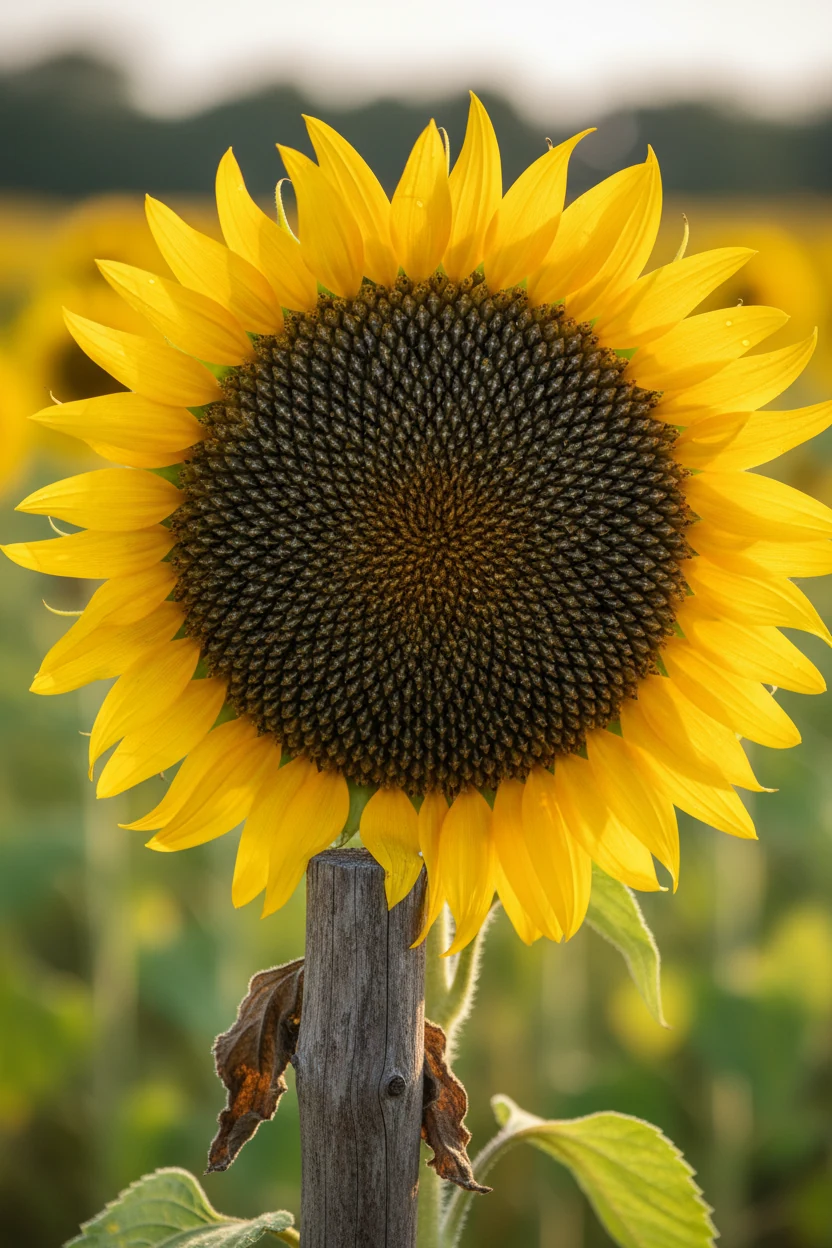
- Sunflower (Helianthus annuus) — Instant happiness. Stake tall varieties and save seed heads for birds.
- Petunia (Petunia spp.) — Classic bedding color. Deadhead for non-stop blooms.
- Snapdragon (Antirrhinum majus) — Bright spikes, especially in spring and fall.
- Calendula (Calendula officinalis) — Pot marigold with edible petals. Hardy and useful.
- Gerbera daisy (Gerbera jamesonii) — Big, bold flowers. Give them well-drained soil.
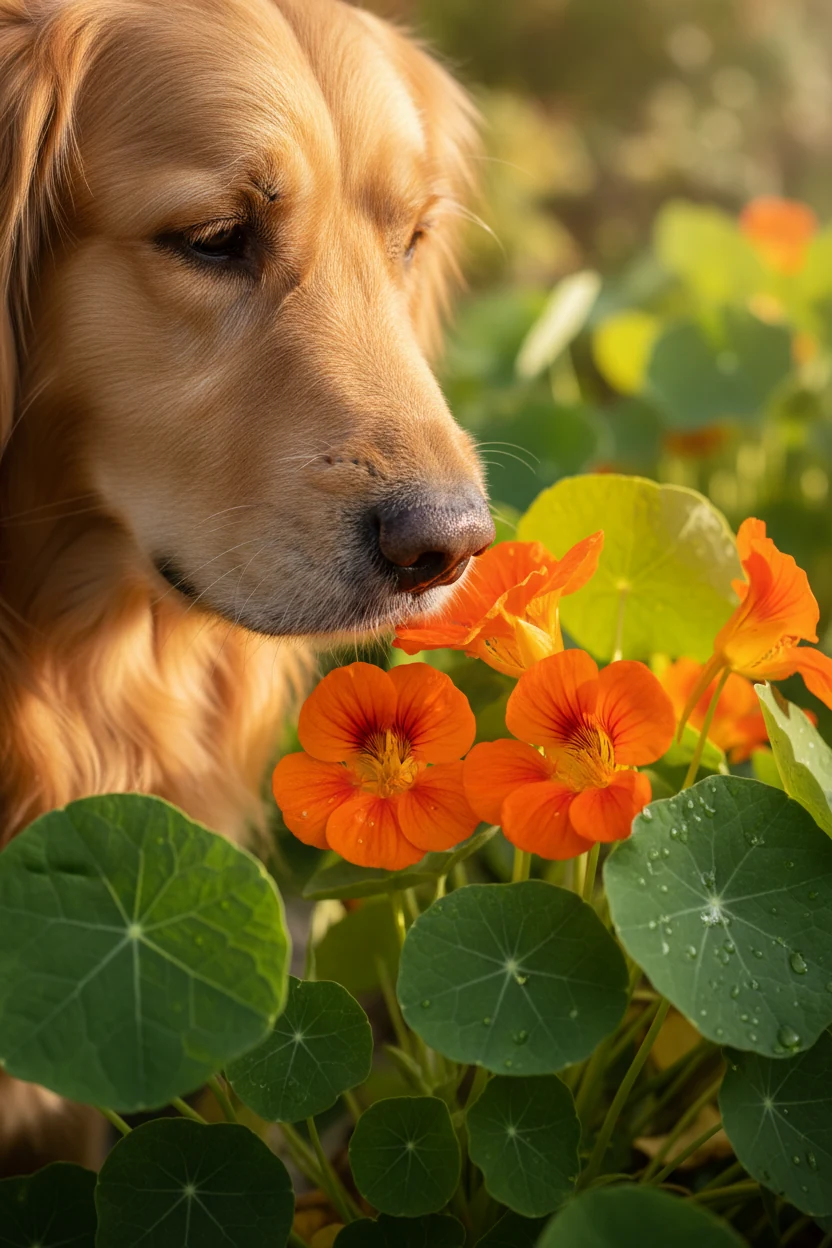
- Nasturtium (Tropaeolum majus) — Vining or compact. Peppery edible flowers and leaves.
- Cosmos (Cosmos bipinnatus) — Airy, effortless, and great for pollinators.
FYI: “Marigold” can mean Tagetes or Calendula. Tagetes (French or African marigolds) are also considered non-toxic but may irritate sensitive pups if munched. Keep a watchful eye.
Shady characters that still shine
- Pansy/Viola (Viola spp.) — Cute faces, cool-season color, edible blooms.
- Impatiens (Impatiens walleriana) — Reliable shade color for borders and baskets.
- African violet (Saintpaulia ionantha) — Great indoors near bright indirect light.
- Fuchsia (Fuchsia spp.) — Dangling flowers that hummingbirds adore.
- Polka dot plant (Hypoestes phyllostachya) — Pink speckles for indoor pots or shaded beds.
- Orchid (Phalaenopsis)
Pro tip: Edible does not equal snack time. Let your dog “help” you harvest nasturtiums or violas, but keep quantities tiny. We love a garnish, not a feast.
Dog-safe shrubs and structure plants
Shrubs add bones to the garden (pun intended). Choose resilient varieties that survive the occasional bumper-dog.
Friendly hedges and foundation plants
- Camellia (Camellia japonica/sasanqua) — Glossy leaves, winter blooms. Protect buds from hard freezes.
- Spirea (Spiraea spp.) — Foamy spring flowers and easy-care growth.
- Lilac (Syringa vulgaris) — Iconic fragrance, classic charm. Full sun for best bloom.
- Forsythia (Forsythia spp.) — Golden spring fireworks that shout “winter is over.”
- Butterfly bush (Buddleja davidii)
- Roses (Rosa spp.) — Non-toxic flowers, but watch those thorns. Consider thorn-light varieties or keep them behind a low fence.
Note: Butterfly bush feeds pollinators but can behave invasively in some regions. Choose sterile cultivars if your area lists it as invasive.
Edible shrubs and small trees dogs can share (in moderation)
- Blueberry (Vaccinium spp.) — Acidic soil lover. Net the bushes if you want any berries left.
- Raspberry/Blackberry (Rubus spp.) — Cane berries spread, so corral them. Offer only a few berries as treats.
- Strawberry (Fragaria × ananassa) — Sweet, easy, and runner-happy groundcover in the right spot.
- Crape myrtle (Lagerstroemia spp.) — Colorful summer blooms and smooth bark.
- Dogwood (Cornus spp.) — Elegant flowers, great understory tree.
- Magnolia (Magnolia spp.) — Glossy leaves, stunning blooms, mild leaf litter… everywhere.
Huge warning: Grapes and raisins are highly toxic to dogs. Do not plant grapevines. Don’t risk it.
Herbs and greens that are safe for snoots and snacking
You get fresh flavor. Your dog gets a safe sniff. Everyone wins.
Culinary herbs you can plant today
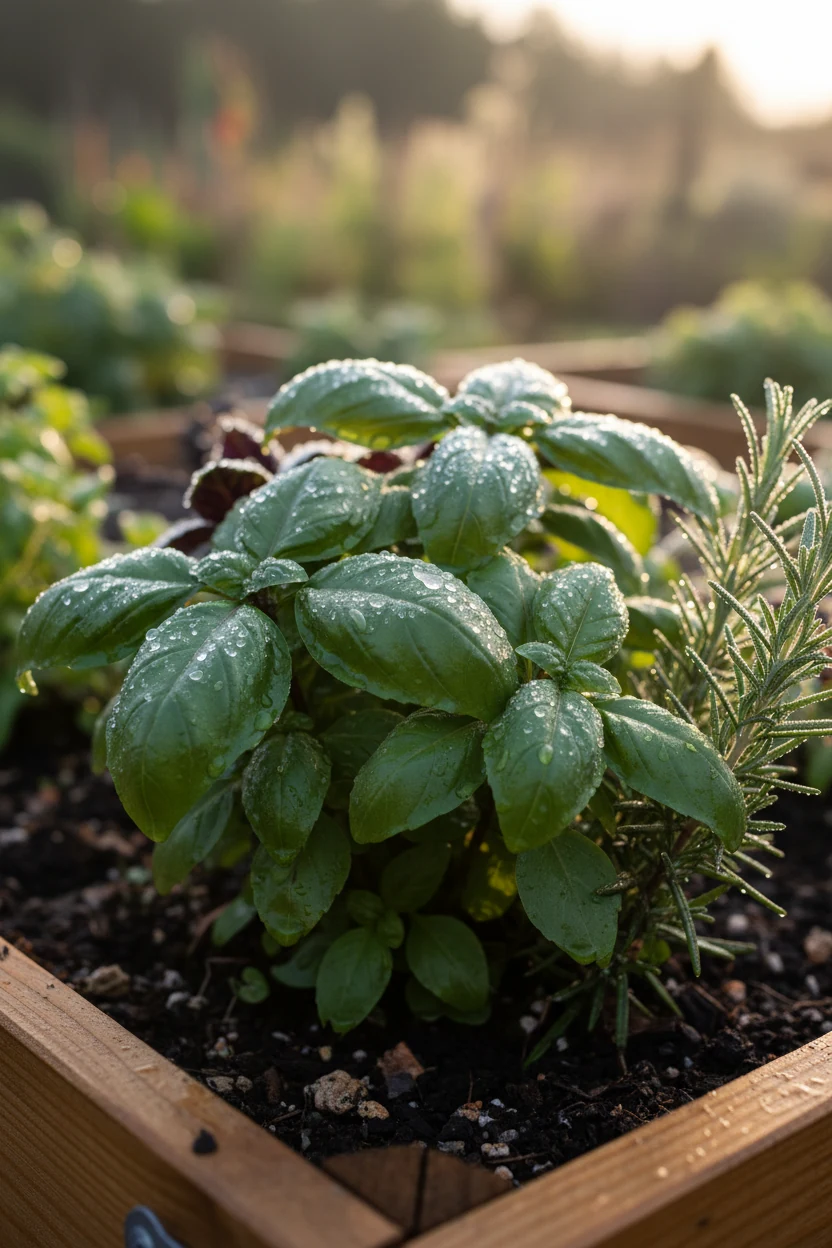
- Basil (Ocimum basilicum) — Loves heat, hates frost. Pinch often for bushy growth.
- Rosemary (Salvia rosmarinus) — Woody, drought-tolerant, and sturdy against tail whacks.
- Thyme (Thymus vulgaris) — Tidy and aromatic. Creeping thyme also makes a great groundcover.
- Sage (Salvia officinalis) — Silvery leaves and hardy flavor. Good in raised beds.
- Dill (Anethum graveolens) — Feathery texture; stake if it flops. Hosts swallowtail caterpillars.
- Fennel (Foeniculum vulgare) — Anise-scented and dramatic. Bronze fennel looks extra fancy.
- Cilantro/Coriander (Coriandrum sativum) — Cool-season; it bolts when hot. Succession plant for a steady supply.
Serving size matters: Let your dog nibble a leaf here or there. Avoid “herb salads.” Too much of anything can upset sensitive stomachs.
Grasses dogs can safely graze
- Wheatgrass (Triticum aestivum) — Easy to grow in trays. Many dogs like a quick nibble.
- Oat grass/“cat grass” (Avena sativa) — Same idea, same setup.
These make a decent “legal” chew option and might reduce random lawn grazing. “Might” being the operative word.
Aromatics to skip around dogs
Because we love your pup’s insides, here’s the no-fly list. Avoid planting or keep strictly out of reach:
- Oregano
- Chives, leeks, onions, garlic
- Lavender
- Lemongrass
- Pennyroyal
And outside the herb bed, steer clear of sago palm, azalea, oleander, yew, foxglove, and hydrangea. Those get “absolutely not” status, IMO.
Indoor-friendly, dog-safe houseplants
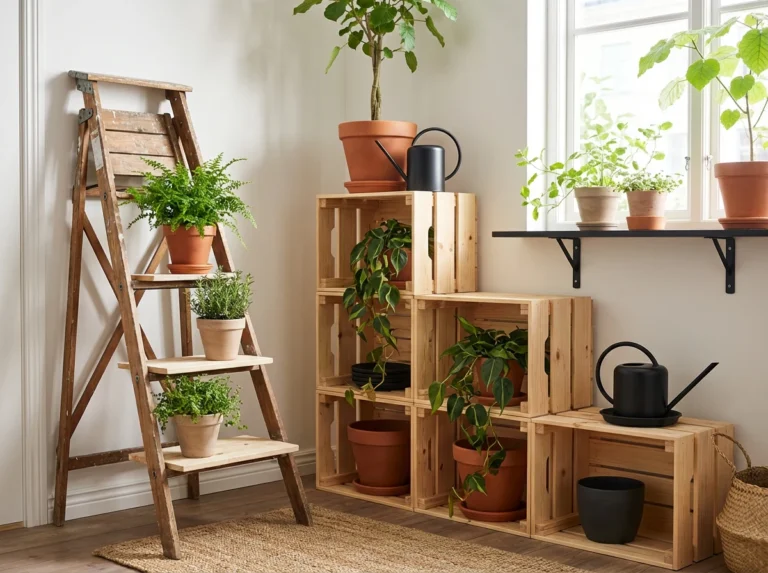
Want greenery inside without babysitting the plant shelf? These classics won’t cause drama if your dog investigates.
- Spider plant (Chlorophytum comosum)
- Boston fern (Nephrolepis exaltata)
- Bird’s nest fern (Asplenium nidus)
- Parlor palm (Chamaedorea elegans)
- Areca palm (Dypsis lutescens)
- Prayer plant (Maranta leuconeura)
- Calathea (Calathea spp.)
- Peperomia (Peperomia spp.)
- Pilea (Pilea peperomioides)
- African violet (Saintpaulia)
Heads up: Cats sometimes get bouncy after nibbling spider plants. Dogs usually just… chew and move on. Still, relocate anything your pet fixates on.
Design tips for a dog-proof, plant-happy yard
You can’t train plants to run away from paws, but you can plan smart.
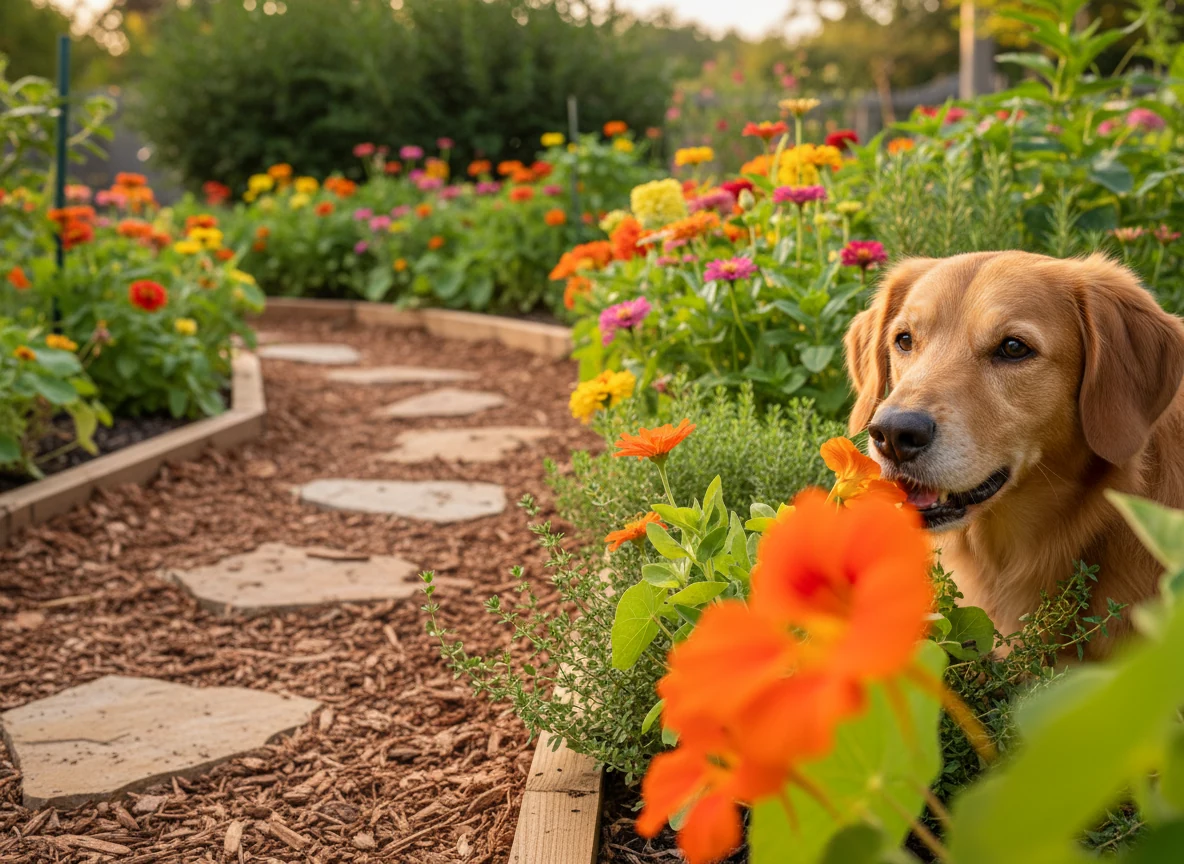
- Create paths and “zoomie lanes.” Dogs follow the same routes. Add mulch or stepping stones where they already run, and plant tougher species outside those lines.
- Use raised beds and borders. A 12–18 inch edge signals “not a playpen.” It works shockingly well.
- Plant in groups, not singles. Clumps survive paw traffic better than lonely stems.
- Designate a dig zone. Fill a sandbox or a corner with soft soil. Hide toys or treats. Praise digging there, redirect elsewhere.
- Choose smarter mulch. No cocoa mulch. Try shredded hardwood, pine straw, or fine gravel. Skip sharp rocks and lava rock.
- Corral containers. Use heavy pots dogs can’t topple. Place fragile planters behind a bench or short fence.
- Hydrate strategically. Provide a water bowl outside. A thirsty dog will sample birdbaths and puddles.
- Mix lawn alternatives. Consider white clover and creeping thyme to patch high-traffic areas. Both handle paw patrols well.
FYI: Some dogs think fertilizer smells like gourmet jerky. Apply pet-safe products, water them in, and block access until the soil dries.
Simple care routines that keep plants safe and thriving
Routine beats repair. A few habits = fewer plant casualties.
- Match plant to place. Sun plants in sun, shade plants in shade. Healthy plants resist stress, and stressed plants look like toys.
- Water deeply, not constantly. Deep soaks train roots to grow down, making plants tougher against trampling.
- Prune temptation. Trim floppy stems at the front of beds. Support tall bloomers with discreet hoops.
- Feed gently. Use slow-release, pet-safe fertilizers. Compost and worm castings make great, low-risk boosters.
- Fight pests safely. Start with a hose blast, then insecticidal soap or horticultural oil. Try food-grade diatomaceous earth around slugs, plus beer traps and copper tape. Avoid metaldehyde slug baits near dogs.
If you treat anything, keep pets away until it dries. Labels aren’t suggestions; they’re instructions your future self will thank you for following.
FAQ
What should I do if my dog eats a plant?
Don’t panic, but act. Remove any remaining plant matter from your dog’s mouth. Check what they ate, how much, and when. Call your vet or a pet poison helpline immediately with the plant name. Even non-toxic plants can cause vomiting or diarrhea if your dog overindulges, so monitor closely.
Are roses safe for dogs?
Yes, the plant itself is non-toxic. The thorns, however, do not care about your feelings (or your vet bill). Plant roses behind a short fence or use thorn-light varieties. Clean up prunings fast so nobody steps on a surprise spine.
Is mulch safe for dogs?
Most bark mulches are fine, but never use cocoa mulch. It contains compounds that can harm dogs and smells dangerously delicious. Skip sharp gravel and lava rock. Go with shredded hardwood, pine bark, or pine straw instead.
Can I grow an herb garden and let my dog graze?
You can grow a dog-friendly herb bed and offer little tastes. Stick to basil, rosemary, thyme, sage, dill, fennel, and cilantro. Avoid oregano, chives, onions, garlic, lemongrass, and pennyroyal. Keep portions tiny. Herbs are seasonings, not salads, IMO.
Which common yard plants should I absolutely avoid with dogs?
Steer clear of sago palm (extremely toxic), azalea/rhododendron, oleander, yew, foxglove, hydrangea, and grapevines. Also be careful with bulb plants like daffodils and tulips, especially the bulbs. If the plant is famous for being poisonous, it earned that reputation.
Do pet-safe plants attract pests more?
Not inherently. Any plant can get aphids, mites, or slugs. Prevent issues with healthy spacing, good airflow, and clean watering habits. If pests show up, use dog-safe methods first: hose sprays, handpicking, insecticidal soap, horticultural oil, and DE. Keep it simple and consistent.
Conclusion
You don’t need a botanical bunker to keep your dog safe. You need smart plant picks, a few design tricks, and common-sense care. Fill your space with non-toxic flowers, sturdy shrubs, and friendly herbs, and skip the known villains. Your dog gets a sniffable garden, you get color and calm, and everyone gets fewer “uh-oh” moments—win-win, IMO.