Dog-Proof Fence and Barrier Ideas to Stop Jumping, Chewing and Digging
Your dog treats your fence like a suggestion, not a boundary. You watch them leap, chew, and dig with Olympic-level dedication. Meanwhile, you just want a yard that actually keeps your furry escape artist inside. Let’s fix that without turning your place into a prison yard.
Know Your Opponent: Jumpers, Chewers, Diggers
Every dog breaks a fence for a reason. Some chase squirrels, some fight boredom, and some just enjoy the thrill of jailbreaks. You win this game when you match the fence to the motive.
The Jumping Mindset
Jumpers climb or launch because they see an exciting world beyond the fence. Visual triggers fuel that urge. Block the view or remove launch points and you cut their momentum fast.
The Chewing Mindset
Chewers work stress, teething, or pure curiosity through their jaws. Wood tastes great to them. You redirect that energy with hard-to-chew materials and smarter enrichment.
The Digging Mindset
Diggers follow scent trails, hunt critters, or hunt freedom. They usually start under gates and corners. You stop them by armoring the base and changing the surface.
Stop Jumping: Height, Leaners, and Top Toppers
Jumping dogs love leverage. Don’t give them any. Raise the height, disrupt their grip, and remove the runway.
Height Actually Matters
- Go 6 feet minimum for medium to large breeds; many owners go 7–8 feet for serious athletes.
- Choose panels with few horizontal rails so your dog can’t ladder-climb.
- Move benches, planters, compost bins, and wood piles away from the fence. Don’t leave launch pads.
Topper Tricks That Work
- Inward leaners: Add a rigid extension at the top that angles inward 45°. Dogs jump up, meet the leaner, and bail on the plan.
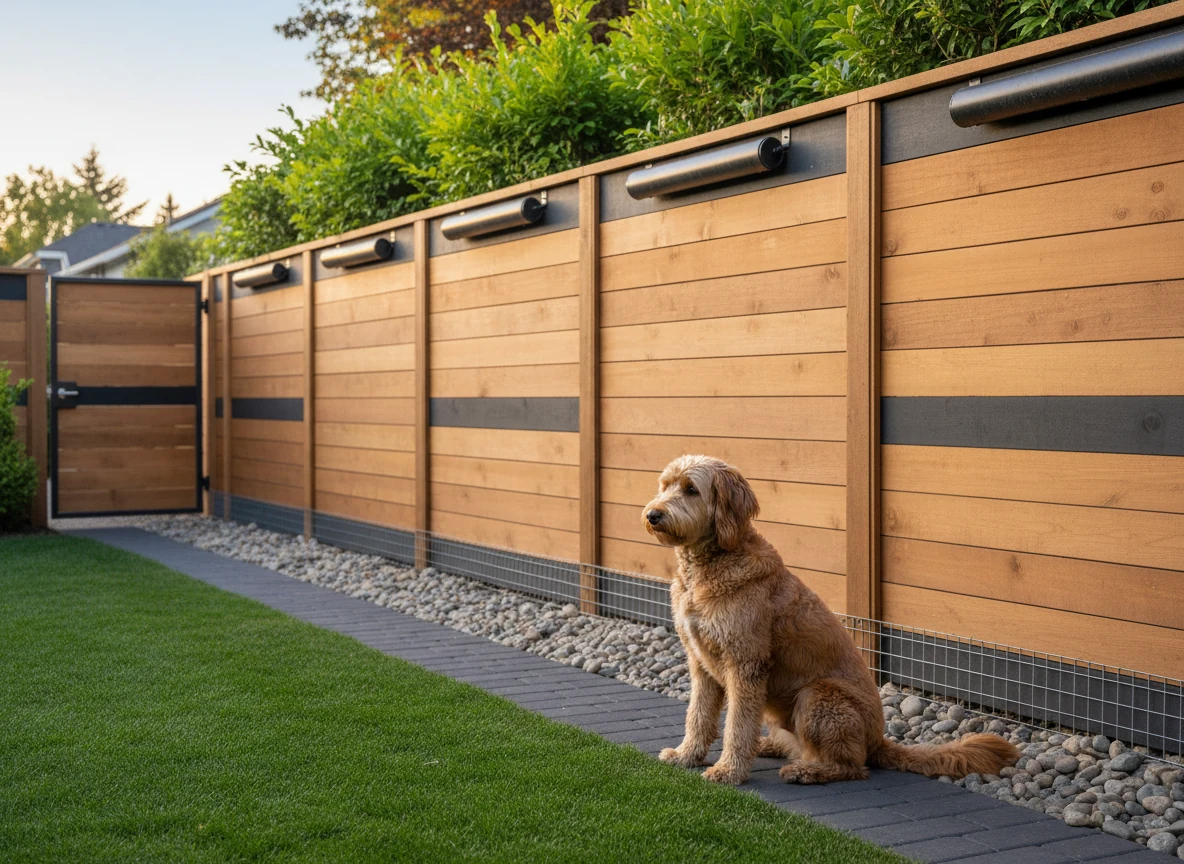
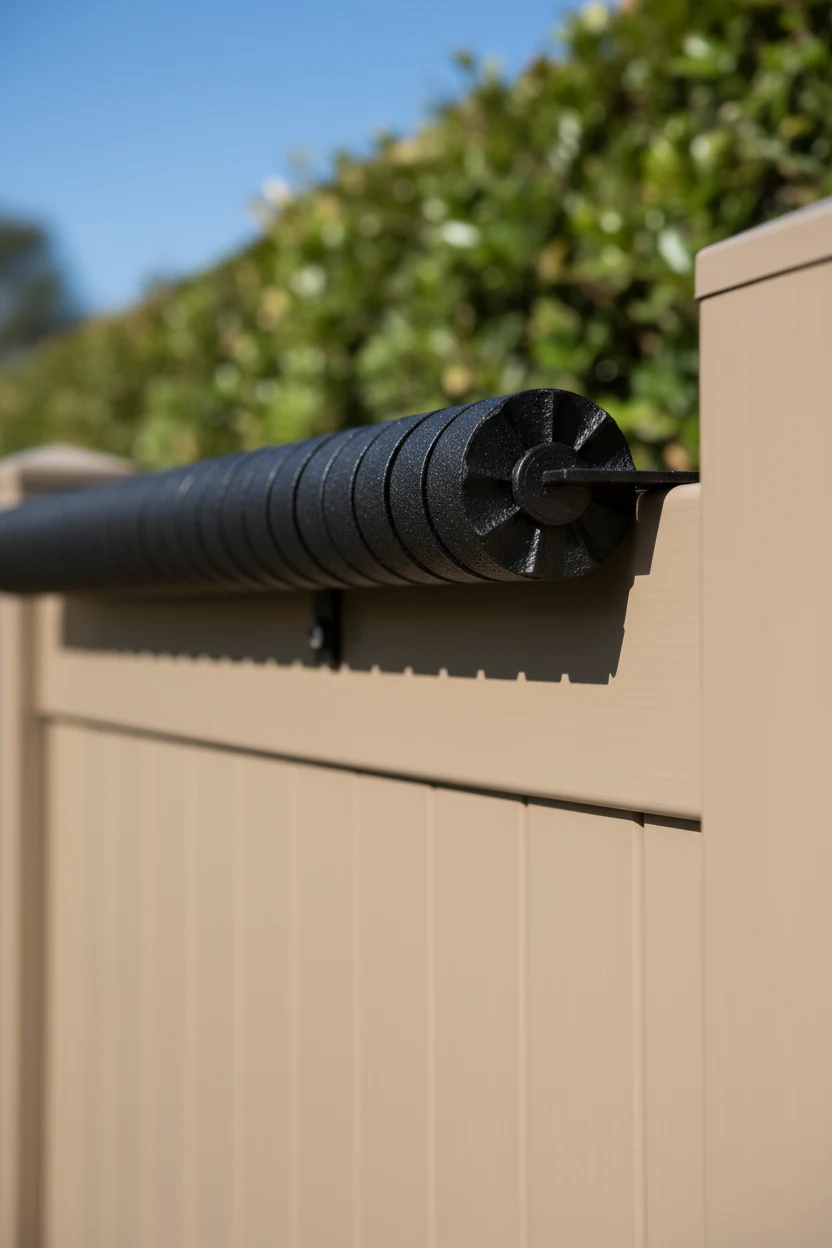
- Rollers: Install free-spinning bars (often called coyote rollers) along the top. Dogs grab the top, the bar spins, and they slide off.
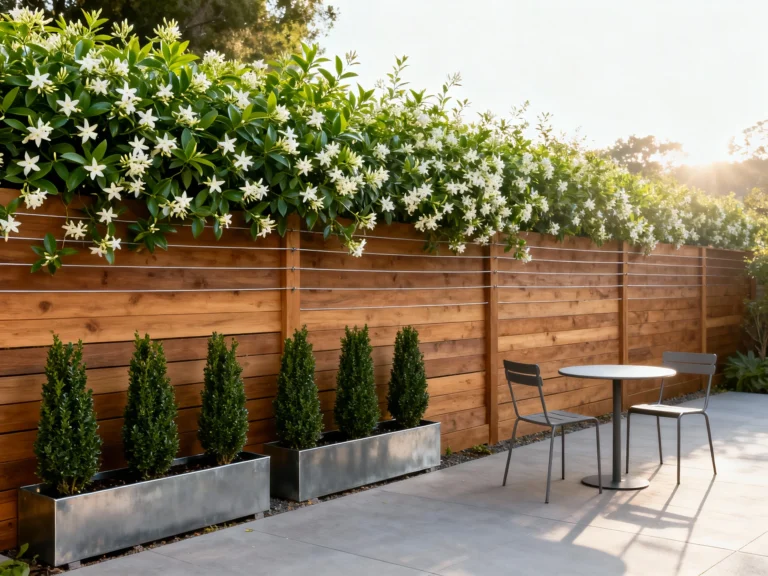
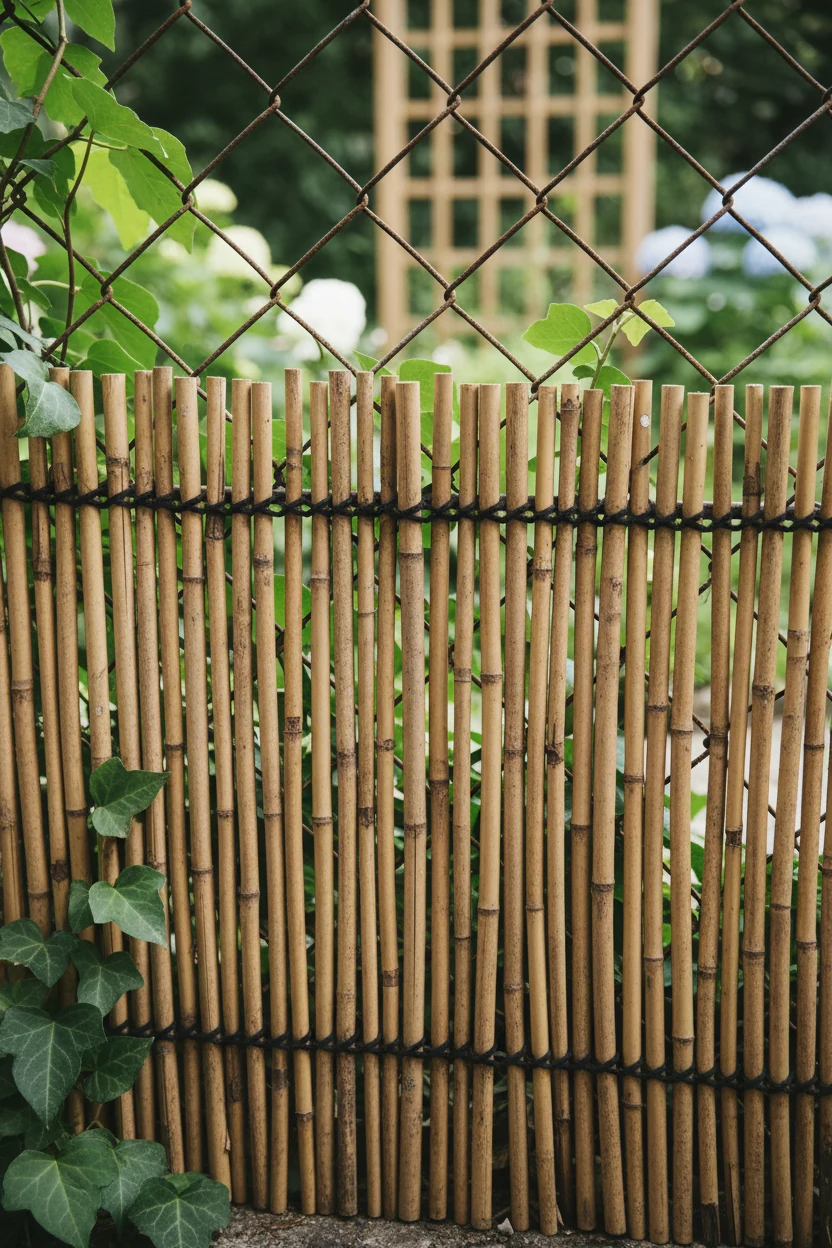
- Privacy panels: Block sightlines with solid boards, vinyl, bamboo, or mesh privacy screen. If your dog doesn’t see the trigger, they chill.
Bonus: Overhead “Soft” Barriers
Some owners add a light grid of tensioned line or net across small runs or kennel areas. Dogs can’t launch through it, and you keep air and light. Use this for narrow side yards and pen zones, not your entire backyard, unless you enjoy stringing yarn like a spider.
Stop Chewing: Materials, Cladding, and Deterrents
Chewing breaks fences fast, especially wood. You can upgrade the bite zone, protect weak spots, and give your dog better “legal chew” options.
Pick Bite-Resistant Materials
- Metal panels or chain link with smaller openings handle teeth better than wood slats.
- Vinyl or composite fencing resists moisture and chewing better than untreated wood.
- Hardware cloth (galvanized) with 14–16 gauge wire works great as a cladding layer on the inside where your dog targets.
Protect the Lower 2 Feet
- Add kick plates or galvanized panels across the bottom inside section. Cover the chew line your dog loves.
- Cap exposed edges with metal U-channel or trim to remove tasty corners.
- Seal wood with pet-safe finishes for durability, then add a mesh liner inside to deter teeth.
Use Smart Deterrents (and Rewards)
- Bitter-tasting sprays can discourage chewing, but they fade. Reapply and pair with training.
- Redirect the urge: Offer durable chew toys and long-lasting chews near the fence zone. Praise the good choice.
- Schedule daily chew time after walks. You control the habit instead of fighting it.
Stop Digging: Base Armor That Dogs Hate
Digging looks unstoppable, but you control the substrate. Reinforce what’s below the fence, and your dog gives up fast.
Install a Dig-Proof Base
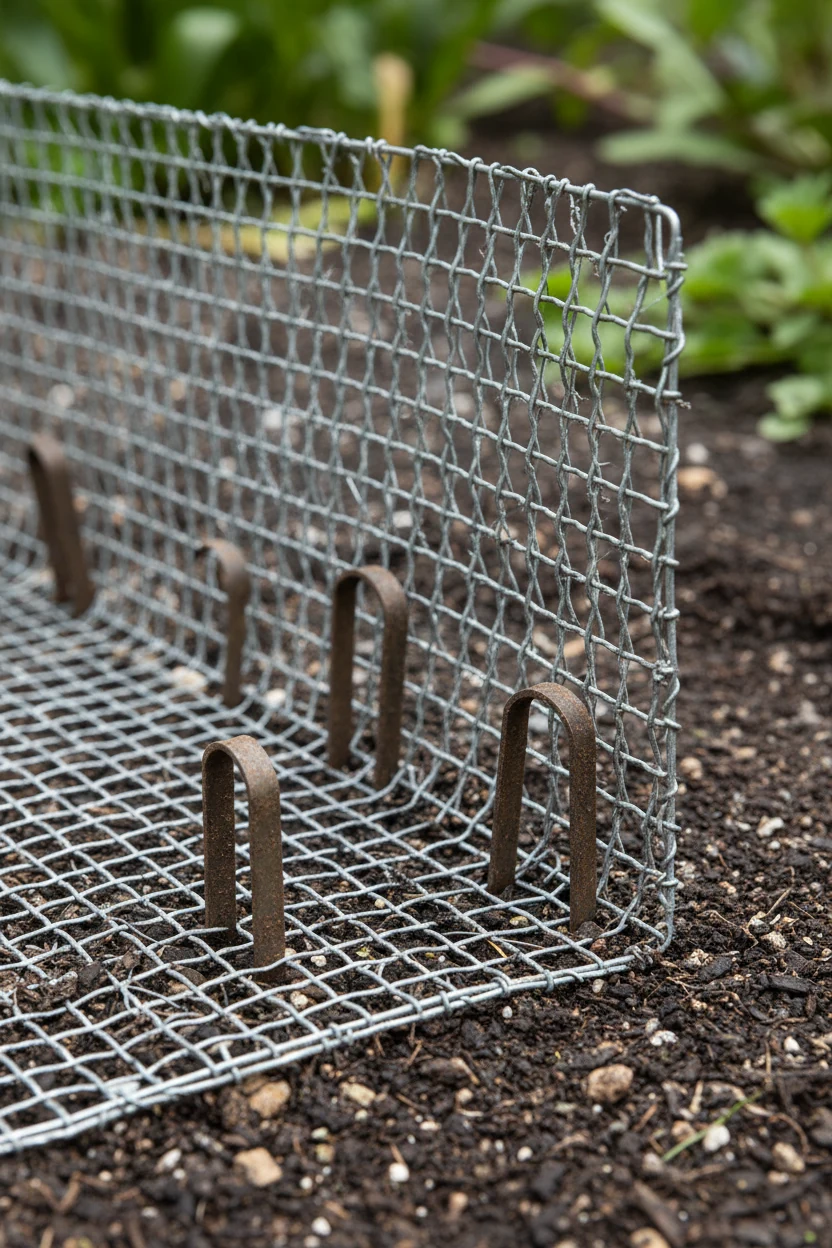
- L-footer (outward): Attach wire mesh to the bottom of the fence, bend it outward 18–24 inches, and pin it with landscape staples. Dogs start digging at the fence line, hit mesh, and quit.
- Buried barrier: Trench 12–24 inches along the fence and set hardware cloth, welded wire, or concrete curb. Backfill tightly.
- Paver strip: Lay a row of heavy pavers or poured curb along the fence inside the yard. Diggers hate rock, and claws slip.
Landscape Hacks That Slow Diggers
- Plant a thorn-free dense shrub line inside the fence. Dogs avoid pushing through brush.
- Spread river rock or pea gravel along the fence. Loose rock collapses when they dig, which frustrates the mission.
- Move attractants: Fill burrows, remove critter hangouts, and store compost securely. Dirt smells like adventure; reduce the temptation.
Gate Security: Close the Obvious Escape Route
Gates fail more often than fence panels. Dogs learn latch tricks, push gaps, and squeeze under thresholds. You fix gates with simple hardware upgrades and smarter layout.
Make Your Gate Boring
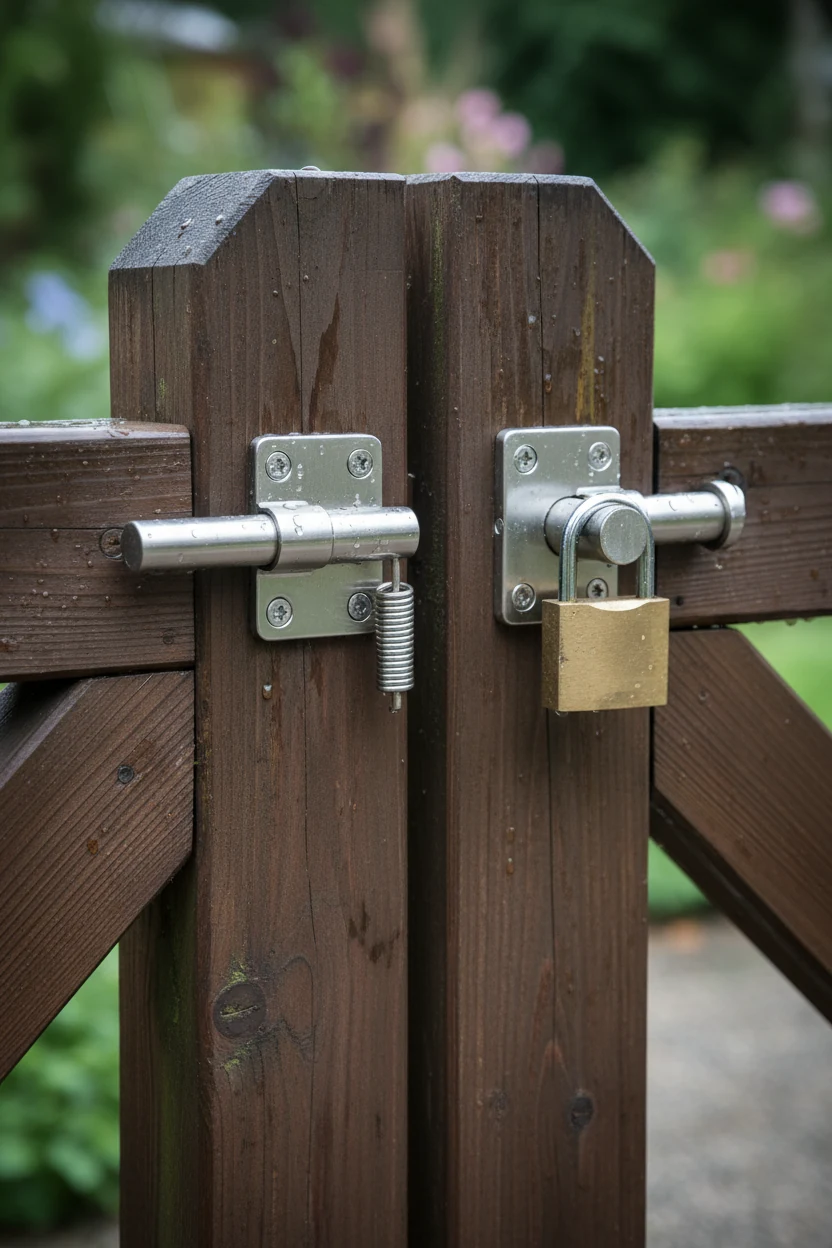
- Self-closing hinges and a lockable latch create a default closed gate.
- Add a drop rod on double gates so you pin one leaf securely.
- Install a kick plate across the bottom inside of the gate to block under-gate gaps.
Build an “Airlock” Entry
- Create a small secondary gate inside your main gate. You walk in, close the first, then open the second.
- Use this on high-drive dogs or multi-dog households. It buys you a second of safety when someone bolts.
- Mount a visual barrier on the gate so your dog doesn’t see fun guests until you control the scene.
Design Details That Save You Headaches
Small tweaks deliver big wins. You stop escape artistry when you fix the little stuff your dog exploits.
Remove Climbing Aids
- Trim trees and branches near the fence.
- Relocate patio furniture or storage bins that create steps.
- Cover inside fence rails with smooth panels so paws slide instead of grip.
Eliminate Wedge Points
- Fill gaps under the fence with boards, pavers, or mesh.
- Shift loose soil away from the fence so the bottom edge sits tight.
- Check corners weekly. Diggers love the cover and leverage there.
Match the Fence to Your Dog
- For athletic breeds, prioritize height and leaners.
- For anxious chewers, invest in metal or composite and enrich their routine.
- For terrier-level diggers, go hard on L-footers and rock borders.
Training and Enrichment: The Real Secret Sauce
Fences do the heavy lifting, but training and routine keep the peace. Your dog respects boundaries when you teach them and tire them out.
Boundary Games
- Walk the fence line on leash. Mark and reward calm behavior near the boundary.
- Practice “leave it” and “back” when they fixate on a spot. Reinforce with high-value treats.
- Run short sessions daily. Consistency wins; heroic weekend marathons don’t.
Burn Energy, Build Calm
- Schedule aerobic exercise before solo backyard time. A tired dog respects fences.
- Add nose work and puzzle feeders to engage their brain. Mental work beats boredom.
- Rotate toys and chews. Novelty keeps them busy where you want them.
Supervise and Gradually Trust
- Use long lines or check cords during the first weeks with a new fence.
- Increase freedom after you see reliable behavior.
- Invite a friend to walk outside the fence and train calm responses. You control the trigger; you control the learning.
DIY vs. Pro: What Makes Sense
You can build most of this yourself with some planning and elbow grease. Pros step in when you need big structural changes or code compliance. Both paths work; pick the one that saves you stress.
DIY Wins
- L-footers with hardware cloth and landscape staples
- Privacy screen installation on existing chain link
- Kick plates and latch upgrades on gates
- Adding rollers or leaners to existing fences
Call a Pro When
- You need a new fence line or a significant height increase.
- Soil shifts or slopes create tough gaps you can’t fix cleanly.
- Local regulations restrict heights or materials. FYI: Many cities cap residential fences at 6–7 feet.
Budget vs. Premium
- Budget: Mesh cladding, gravel borders, bamboo privacy rolls, latch locks, DIY rollers.
- Mid-tier: Vinyl panels, welded wire, composite boards, heavy pavers.
- Premium: Tall steel or composite systems with integrated leaners, custom gates, pro-installed dig barriers.
Smart Add-Ons That Actually Help
These extras won’t turn a bad fence into a miracle, but they stack the odds in your favor. Choose what solves your dog’s specific habits.
- Outdoor cameras: Watch hotspots and catch patterns you can fix.
- Motion-activated lights: Reduce nighttime critter drama that triggers digging and jumping.
- Deterrent strips: Textured panels along jump zones make paws slip. No pain, just annoyance.
- Double interior fence: Run a decorative low barrier 2–3 feet from the main fence to pull your dog away from the boundary.
FAQ
Will an “invisible fence” stop a determined dog?
Invisible fences teach boundaries, but high-drive dogs often blow past the correction when something exciting happens. Many dogs also refuse to re-enter the yard after they cross because the collar zaps them again. Use physical barriers for escape artists and add training on top. IMO, invisible-only setups fit calm dogs, not fence athletes.
How tall should my fence be for large breeds?
Start at 6 feet and consider 7–8 feet plus an inward leaner for jump-happy dogs. Height alone helps, but leaners and rollers stop climbers who use the top rail. Check local codes before you go super tall. FYI: Privacy panels also reduce the urge to challenge the height.
What’s the best way to stop digging under gates?
Install a solid threshold under the gate with pavers or a poured curb, then add a kick plate on the inside. If your dog insists, extend an L-footer mesh outward 18–24 inches right at the gate. Dogs hate hitting a barrier every time they start a tunnel.
Are coyote rollers safe for dogs?
Yes. Rollers simply spin when paws or claws grab the top edge. They don’t hurt your dog; they remove traction so your dog can’t finish the climb. Pair rollers with privacy panels and you shut down both the grip and the visual trigger.
Can I fix chewing without replacing my whole fence?
Absolutely. Line the inside with hardware cloth, add metal trim on edges, and apply pet-safe bitter sprays as a reminder. Then redirect with chew toys and mental work. You build better habits while you protect what you already own.
Do shrubs or landscaping actually help?
Yes. Dense, thorn-free shrubs and river rock borders create friction. Dogs avoid brushing through obstacles and hate digging in loose rock. Combine landscaping with a physical barrier, and you change both the environment and the behavior.
Conclusion
You don’t need a fortress. You just need smart layers that match your dog’s favorite escape tricks. Build height, armor the base, secure the gate, and boost training, and you turn jailbreaks into backyard naps. Stack a few of these moves, and your fence finally wins. IMO, that beats chasing your dog down the block every weekend.