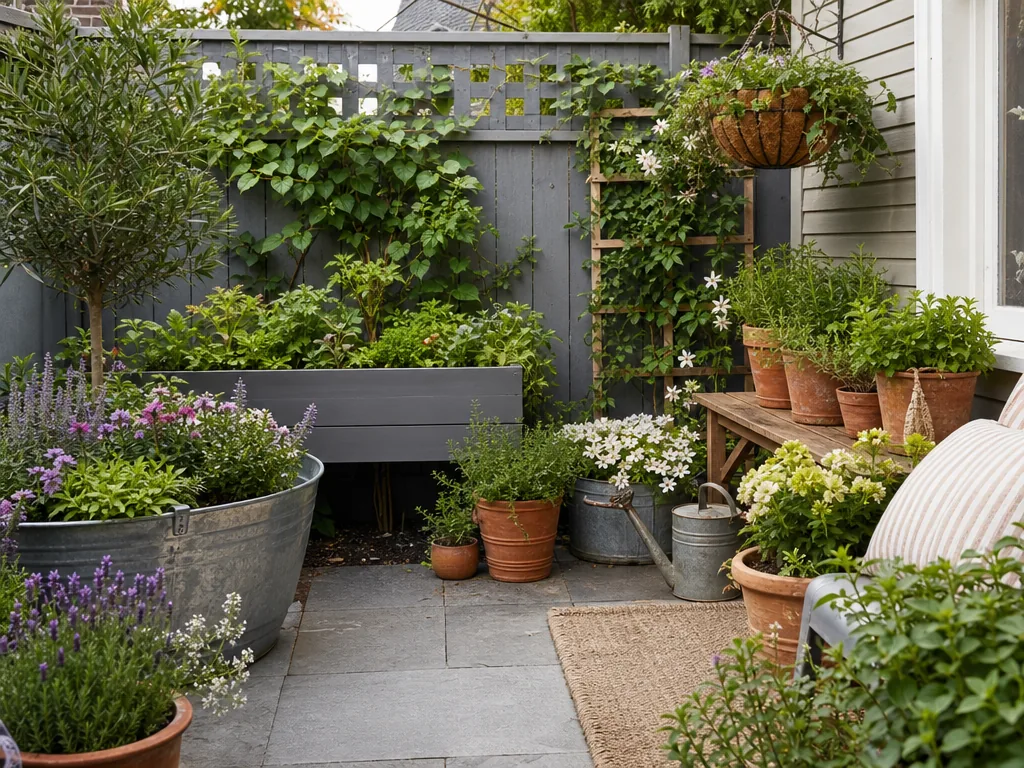
Creative Planter Ideas for Small Gardens and Patios
Planters do more than hold plants. In a small garden or patio, they shape the whole look of the space. The right planter ideas can add color, height, texture, personality, and even a sense of structure where there is no room for large garden beds.
The best creative planters are not just cute in a photo. They also work for real plants. That means drainage, enough soil, safe materials, and a size that matches the plant. Use these creative planter ideas as inspiration for patios, balconies, small gardens, porch steps, and giftable plant projects.
Choose Planters That Look Good and Work for Real Plants
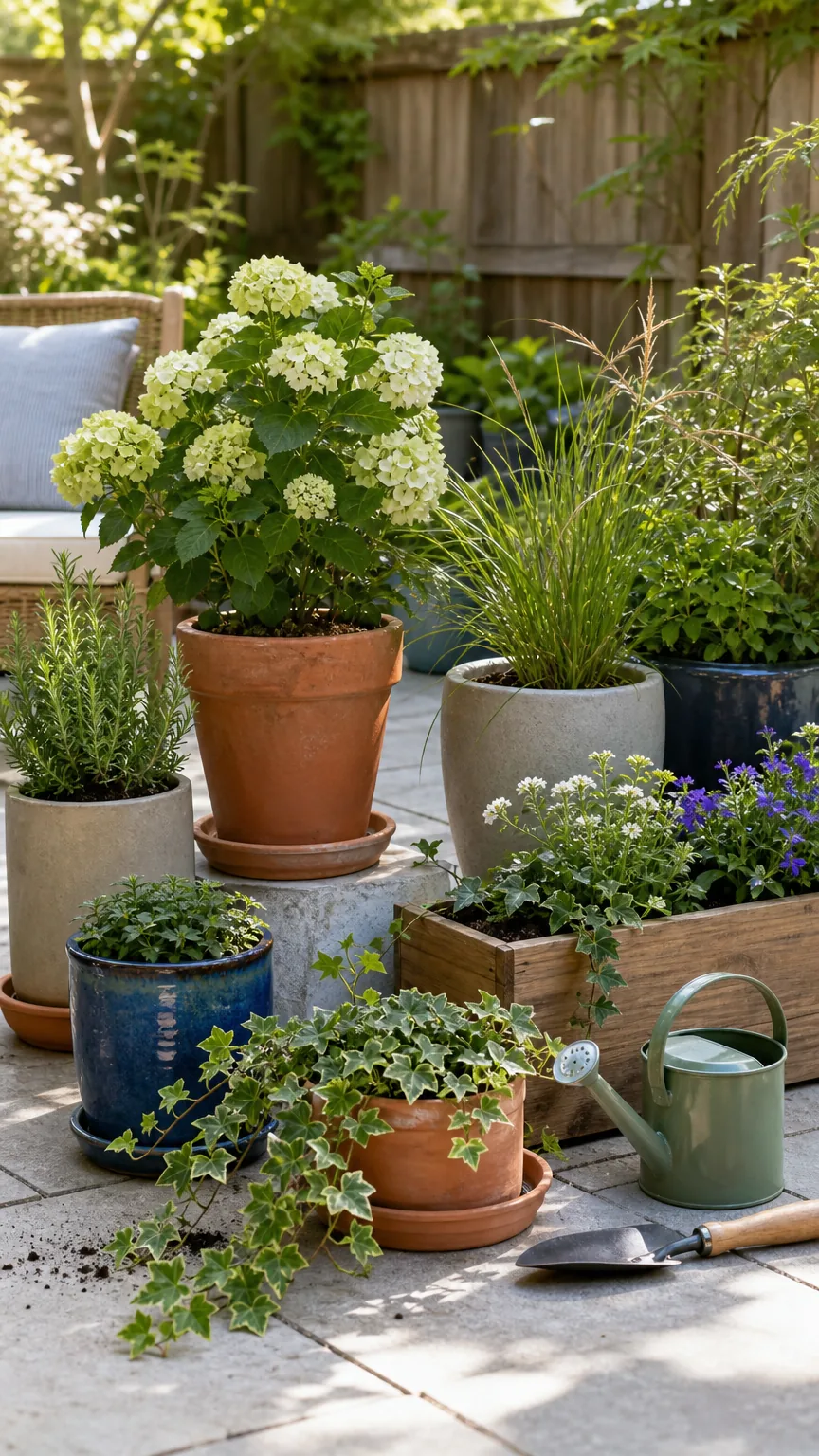
Before choosing a style, think about what the plant needs. A beautiful container will fail if it has no drainage, overheats in full sun, or is too small for the roots. Good planter design starts with the plant first.
Drainage is the most important detail. Most herbs, flowers, vegetables, and succulents do not like sitting in wet soil. If a container has no drainage hole, use it as a decorative outer pot with a nursery pot inside, or reserve it for very careful indoor use. Outdoors, rain can quickly turn a no-drainage container into a problem.
Material also matters. Terracotta breathes well but dries quickly. Ceramic holds moisture longer but can crack in freezing weather. Wood adds warmth but needs drainage and may eventually weather. Metal can look stylish but may heat up in strong sun. Plastic is lightweight and practical, but it looks better when grouped thoughtfully or placed inside a more attractive cover pot.
Paint Clay Pots for an Easy Custom Look
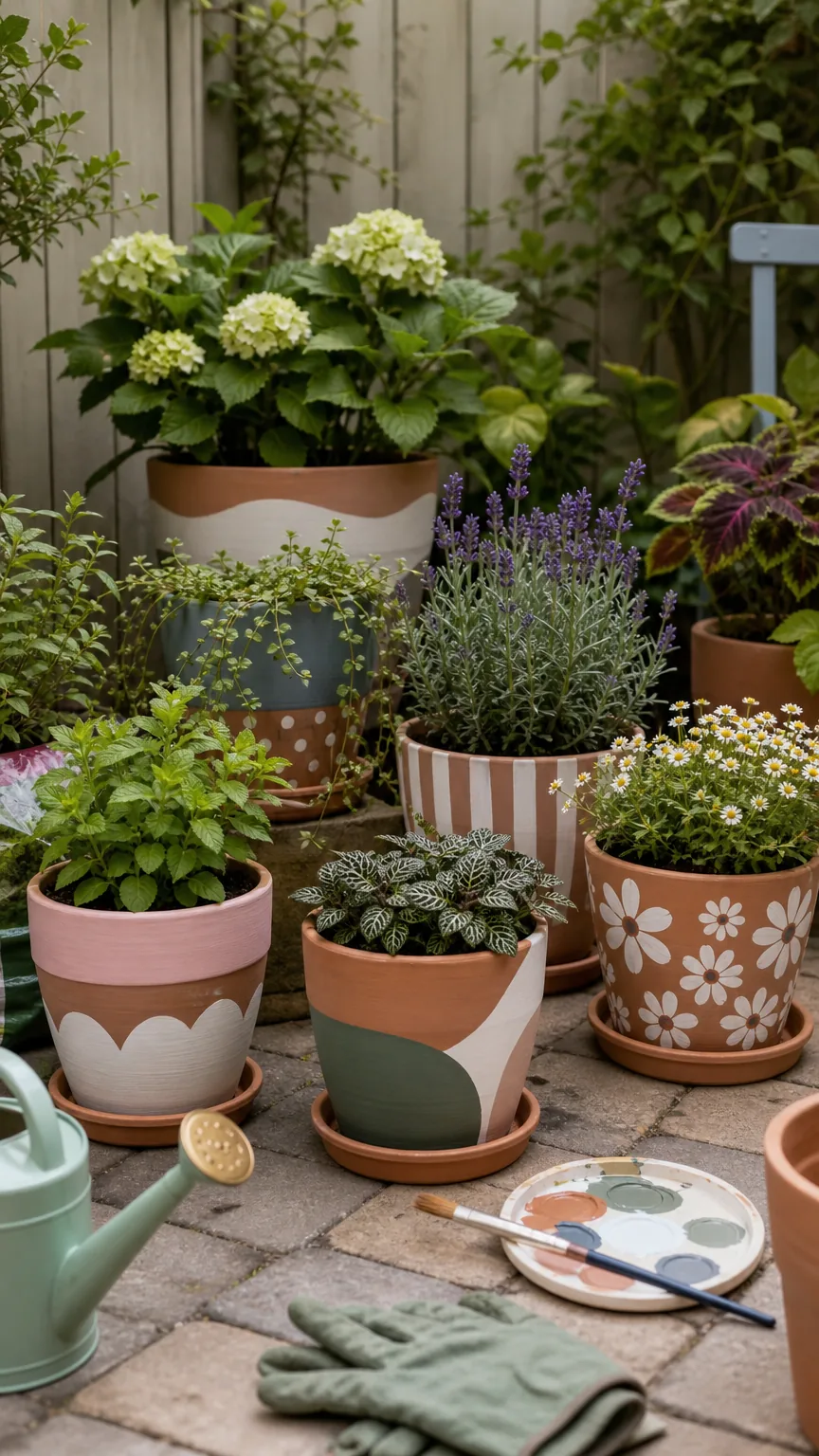
Painted clay pots are one of the easiest creative planter ideas because they are affordable and flexible. A basic terracotta pot can become modern, cottage-style, playful, or elegant with a small amount of paint.
For a clean look, paint the lower half of the pot in a muted color and leave the top terracotta. For a cheerful patio, use stripes, dots, or simple color blocks. For herbs, paint small labels directly on the pot or use a chalkboard-style patch.
Choose outdoor-safe paint and seal the outside if the pots will be exposed to rain. Avoid coating the inside of pots used for edible plants. The goal is to decorate the container without creating problems for the roots.
Painted pots work especially well in sets. Use the same color palette across several sizes, then plant them with different textures: upright rosemary, trailing flowers, compact basil, or small ornamental grasses.
Use Wooden Planters for Warmth and Structure
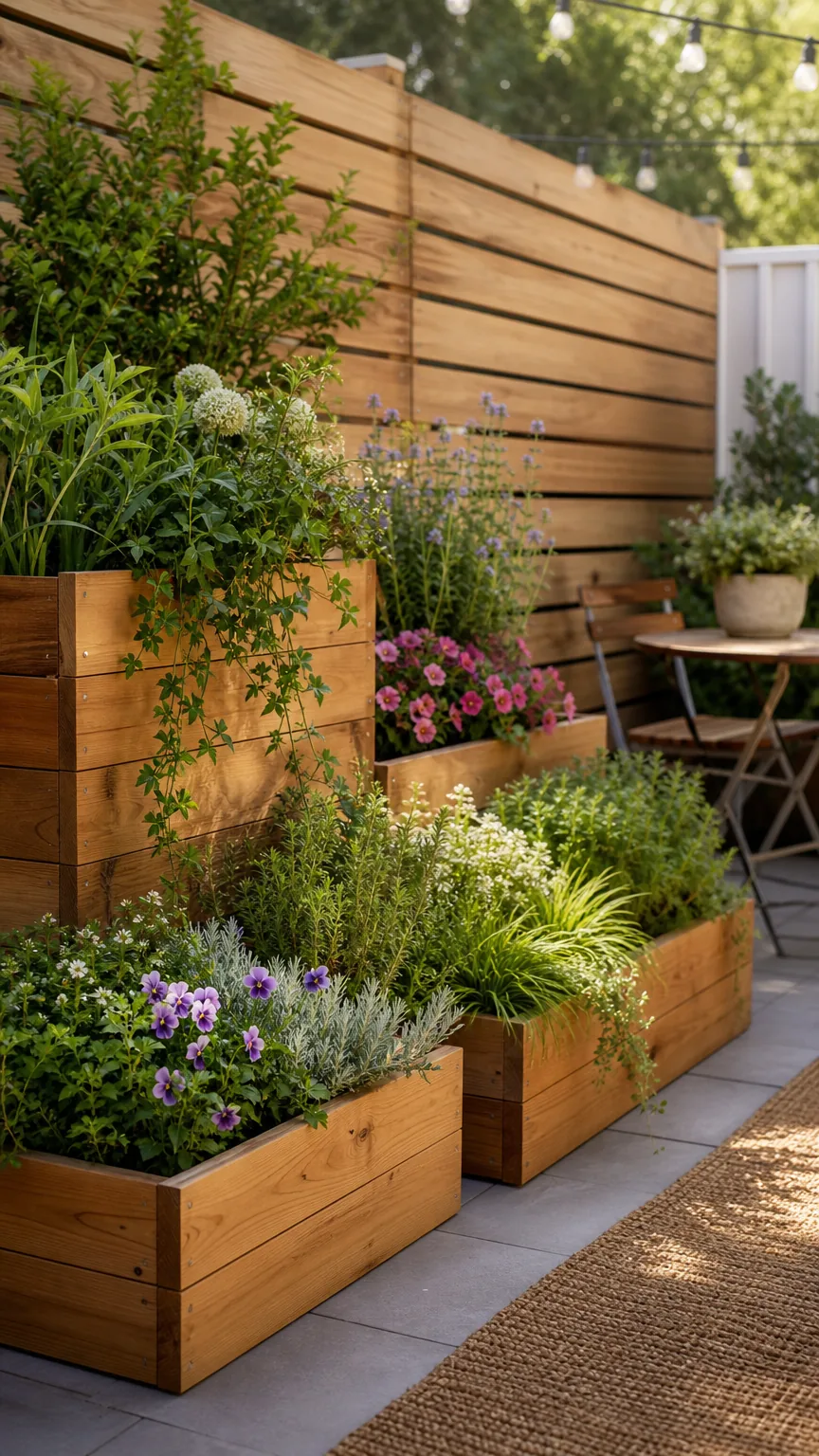
Wooden planters make a small garden or patio feel grounded. They are especially useful when you want structure: a long trough along a wall, a square box beside a chair, or a raised planter near a doorway.
Wood pairs naturally with herbs, flowers, vegetables, and ornamental grasses. A simple cedar or pine box can look good in both rustic and modern spaces. For a more polished patio, use matching wooden planters in a row. For a cottage look, mix wood with terracotta and flowering plants.
Drainage is essential. Add holes, use a liner where appropriate, and lift the planter slightly so water can escape. If the planter will hold edible plants, choose materials and finishes that are safe for gardening.
Wooden planters are also good gift ideas. A small wooden box with herbs, plant markers, and a care card feels thoughtful and useful.
Turn Mugs and Teacups Into Small Succulent Planters
Mugs and teacups are popular for succulent planters because they look charming and giftable. They work best for small succulents that need only modest root space and careful watering.
The challenge is drainage. Most mugs and teacups do not have drainage holes. If you can safely drill a hole, that is best. If not, use a tiny nursery pot inside the mug, or add a very clear warning to water sparingly and tip out any excess water. A layer of pebbles at the bottom does not replace a drainage hole.
Choose small succulents with similar light and water needs. Avoid mixing a thirsty plant with a drought-tolerant succulent in the same tiny container. Place the finished planter in bright light and water only when the soil is dry.
For a gift, add a small tag with the plant name and care instructions. Cute planters are more successful when the recipient knows how to keep the plant alive.
Create Grouped Planter Displays for Patios and Small Gardens
A single creative pot can look nice, but a grouped planter display can transform a small outdoor space. Grouping planters creates a mini garden even when you do not have planting beds.
Use different heights. Place a tall planter in the back, medium pots in the middle, and low or trailing plants in front. Repeat one material or color so the display feels connected. For example, use terracotta pots in three sizes, or mix wooden boxes with black metal stands.
Think about foliage as much as flowers. A container grouping with grasses, herbs, trailing vines, and one flowering plant often looks more sophisticated than a group of only bright blooms. Foliage also keeps the display attractive between flower cycles.
On a small patio, place planter groups along edges instead of in the center. This keeps walking space open while still making the patio feel lush.
Make Giftable Planters That Still Feel Garden-Ready
Giftable planters should be pretty, but they should also be practical. A tiny herb pot, a succulent mug, a small wooden planter, or a painted clay pot can all make thoughtful gifts if they include the right plant and care information.
For gardeners, choose useful plants such as basil, thyme, rosemary, lavender, or compact flowers for pollinators. For plant lovers with limited space, choose succulents, small foliage plants, or windowsill herbs. Add a simple label, ribbon, or kraft paper wrap, but do not cover drainage holes or trap moisture.
A gift planter can also be part of a larger basket. Pair a small plant with seed packets, gloves, plant markers, or a watering can. Keep the theme clear so it feels curated rather than random.
Planter Ideas to Skip or Use Carefully
Some creative planter ideas look good online but do not work well for plants. Avoid containers with no drainage unless you have a clear plan. Be careful with containers that heat up quickly in sun, such as thin metal tins. Skip paints, glues, or finishes that may be unsafe for edible plants.
Also avoid overcomplicated DIY builds if they make watering difficult. A planter that is hard to water or clean will not stay attractive for long. Simple ideas usually last longer: painted clay pots, wooden boxes, grouped containers, and small succulent planters with drainage.
Creative planters should make gardening easier and more beautiful at the same time. When the container supports the plant, fits the space, and adds personality, even a small patio can feel like a designed garden.