Best Soil Mix for Raised Beds: Recipe + Ratios for Big Harvests
You want raised beds that explode with greens, tomatoes, and roots, not soil that sulks and drains like a broken bathtub. The secret sauce starts with your mix, not your seeds or fancy trellises. Nail the ratio and the texture, and your plants throw a party. Miss it, and you babysit grumpy, thirsty, underfed divas all season.
Why the Soil Mix Matters (More Than You Think)
Your raised bed soil sets the vibe for everything: water, nutrients, root growth, and yield. Think of it as your plant’s apartment—too cramped, too wet, too sandy, and the vibes crash. Aim for a mix that holds moisture, breathes well, and feeds steadily.
You control the ingredients, so you control the harvest. That means you select materials that complement each other. Then you lock in ratios that keep the bed balanced and productive through seasons, not just a single crop cycle.
The Big-Harvest Soil Mix: Exact Ratios You Can Trust
You can build a killer mix a few ways. Choose the version that fits your goals, budget, and climate. Both options deliver big yields, but they lean in different directions.
Recipe A: Light, High-Yield “Container-Style” Mix (No Topsoil)
This one shines for veggies that hate compaction—tomatoes, peppers, greens, and carrots.
- 35% high-quality compost (use 2–4 types blended)
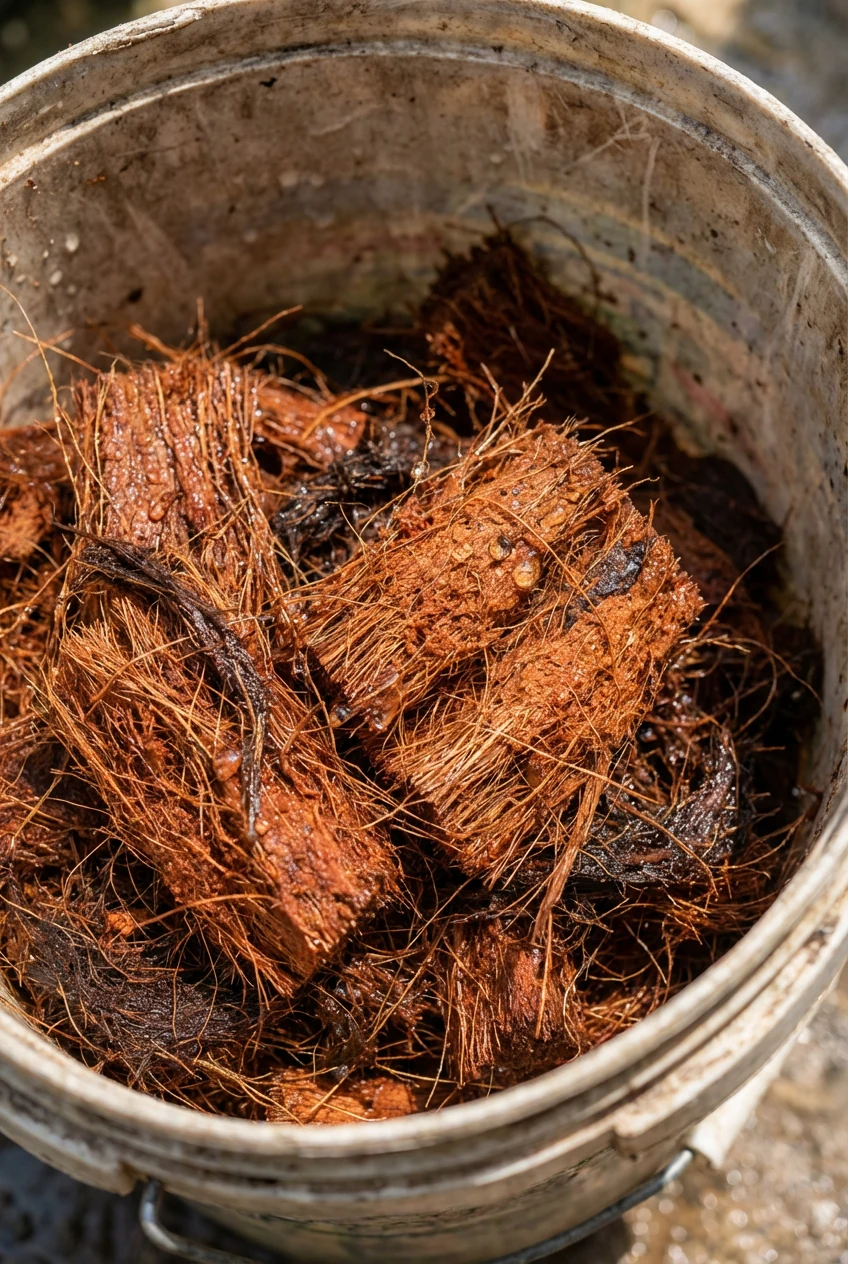
- 35% coco coir or peat moss (coco coir for neutral pH; peat for moisture hold)
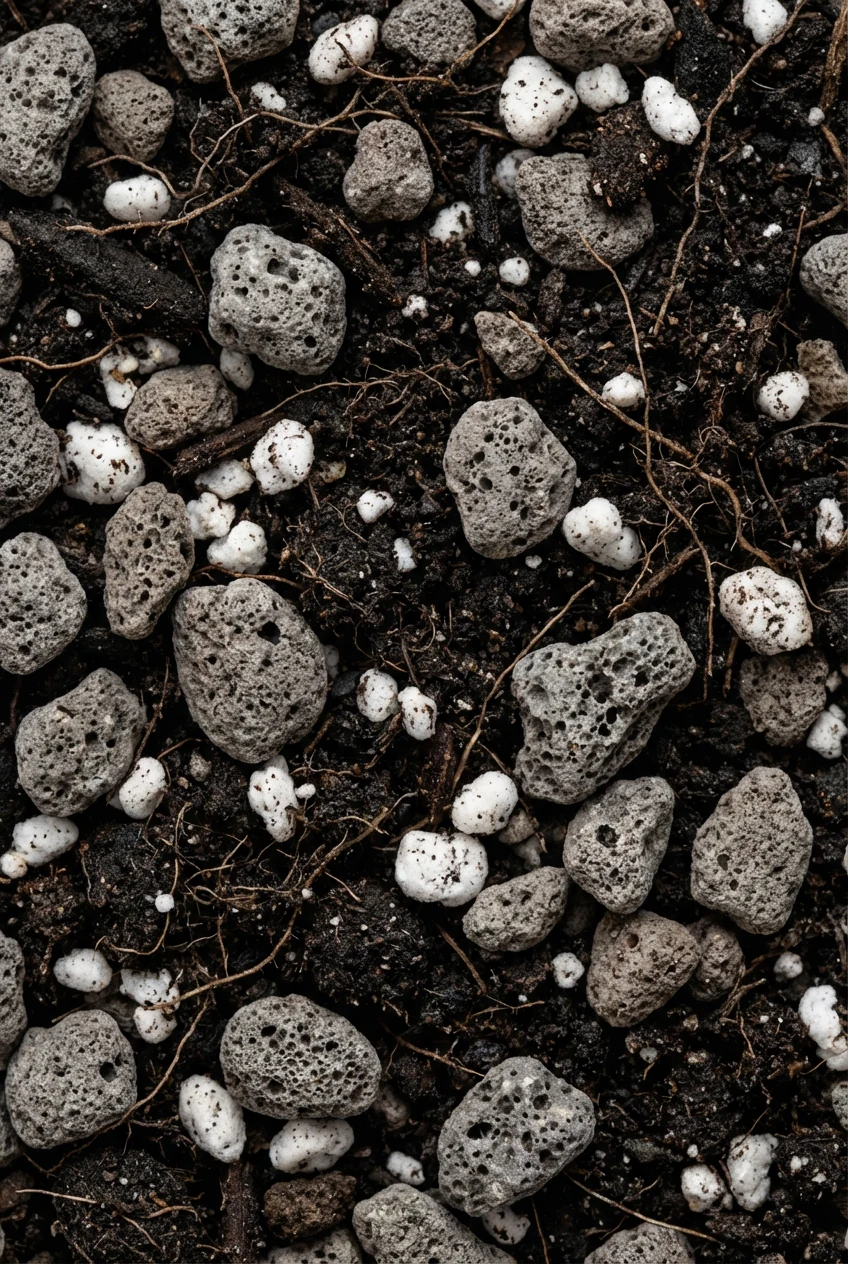
- 20% pumice or perlite (pumice drains slower; perlite drains faster)
- 10% “mineral” fraction (screened sand or small amount of screened topsoil)
You get excellent drainage, steady moisture, and strong root aeration. You also reduce weeds since you skip bulk topsoil. FYI, this mix acts more like container soil, so you feed it consistently.
Recipe B: Mineral-Rich “Garden-Style” Mix (With Topsoil)
Want that classic garden feel with more minerals and structure? Go here.
- 40% screened topsoil (clean, loamy, low in salts)
- 40% high-quality compost (again, blend multiple types)
- 15% coco coir or peat moss
- 5% pumice or perlite
You add more mineral content and buffering, which helps fertility stick around. This mix supports heavy feeders and plants with deeper roots. You still get good drainage, but you enjoy more long-term stability.
Optional Yield Boosters (Mix Into Either Recipe)
Sprinkle in these extras to juice up growth:
- Worm castings: 5–10% of total volume for microbial magic and gentle nitrogen
- Biochar: 5–10% (pre-charge it with compost tea or diluted fish/seaweed fertilizer)
- Rock dust: 2–4 cups per cubic yard for trace minerals
- Slow-release amendments: 1–2 cups per cubic foot combined (kelp meal, alfalfa meal, bone meal)
- Lime or gypsum: as needed for pH or calcium (see pH notes below)
Hot tip: Blend at least two composts—like manure-based compost + leaf mold + vermicompost. Your plants eat a better “diet” when you mix sources.
What Each Ingredient Actually Does
You don’t need a soil science degree. Just know what you add and why you add it.
Compost
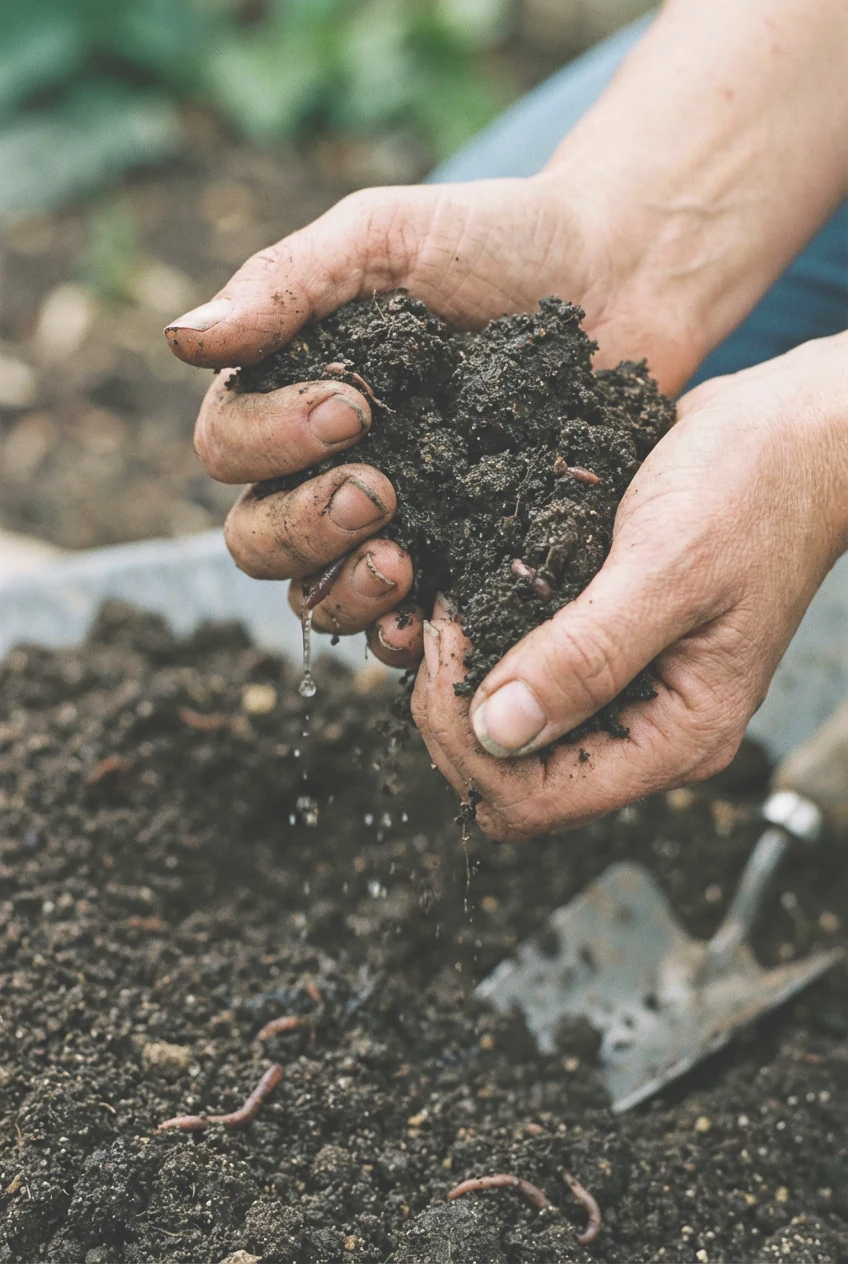
Compost feeds plants and microbes while improving structure. It holds water without getting soggy. Choose fully finished, earthy-smelling compost that doesn’t steam, stink, or clump into slimy blobs.
Blend different composts to avoid nutrient gaps. Leaf mold adds humus, manure-based compost adds nitrogen, mushroom compost adds calcium. Diverse compost = resilient plants.
Coco Coir or Peat Moss
Coco coir holds water well and drains steadily. Coir runs close to neutral pH, but it can bind calcium and magnesium, so you add a little gypsum or dolomite lime. Peat moss holds a ton of water and usually drops pH slightly.
Pick coir for balanced pH and sustainability. Pick peat if you garden in hot, dry conditions and need serious moisture retention.
Pumice or Perlite
These create air space so roots breathe. Pumice adds weight and lasts forever. Perlite keeps things light, but it can float and shift over time.
Choose pumice in windy spots or tall beds for stability. Choose perlite when you want lighter mix and faster drainage.
Screened Topsoil or Sand
Topsoil adds minerals and long-term structure. You filter out rocks and sticks, then you enjoy slower nutrient leaching. Sharp sand (not play sand) nudges drainage while keeping roots anchored.
You skip topsoil if you want ultra-clean, container-style beds. You include a little mineral fraction if you want a more “soil” feel and better buffering.
Boosters & Amendments
Worm castings deliver enzymes and friendly microbes. Biochar stores nutrients and improves aeration. Rock dust adds trace minerals plants need for flavor and health.
Slow-release organic meals feed through the season. Don’t dump huge amounts at once or you’ll cook delicate roots. Start moderate, then adjust after a quick midseason check-in.
Build Your Mix: Step-by-Step
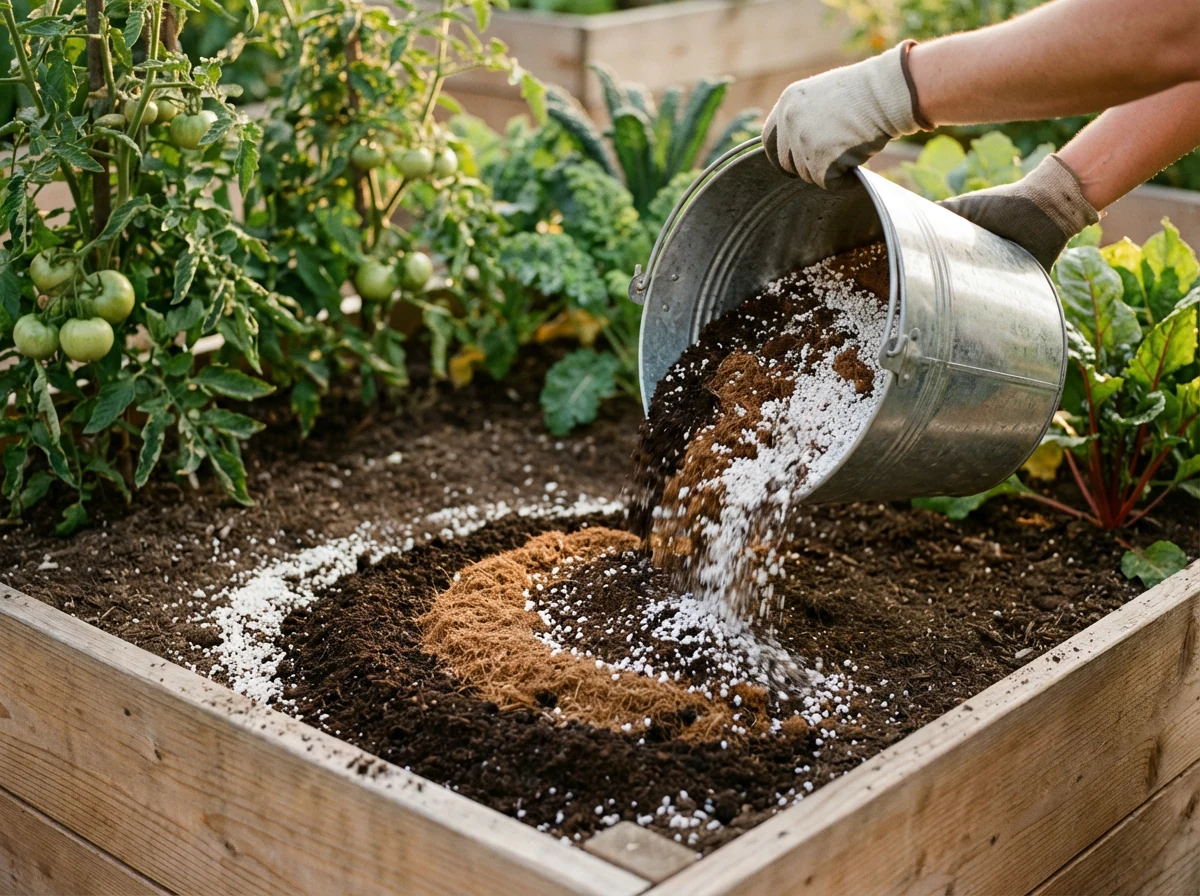
Let’s keep this simple and effective. Grab a tarp or big bin and mix by volume with a bucket.
- Measure by volume. Fill the bucket with each ingredient according to your chosen recipe. Keep ratios clean.
- Pre-moisten coir or peat. Hydrate coir bricks fully. Sprinkle water on peat so it blends smoothly.
- Blend compost types. Mix at least two composts together before you add them to the main blend.
- Add aeration material. Pour in pumice or perlite and stir until you see even distribution.
- Fold in boosters. Add worm castings, biochar, and amendments. Stir again.
- Check moisture. Squeeze a handful. Aim for “wrung-out sponge” moisture.
- Fill the bed. Layer to the top, then water thoroughly to settle. Top off if the level drops.
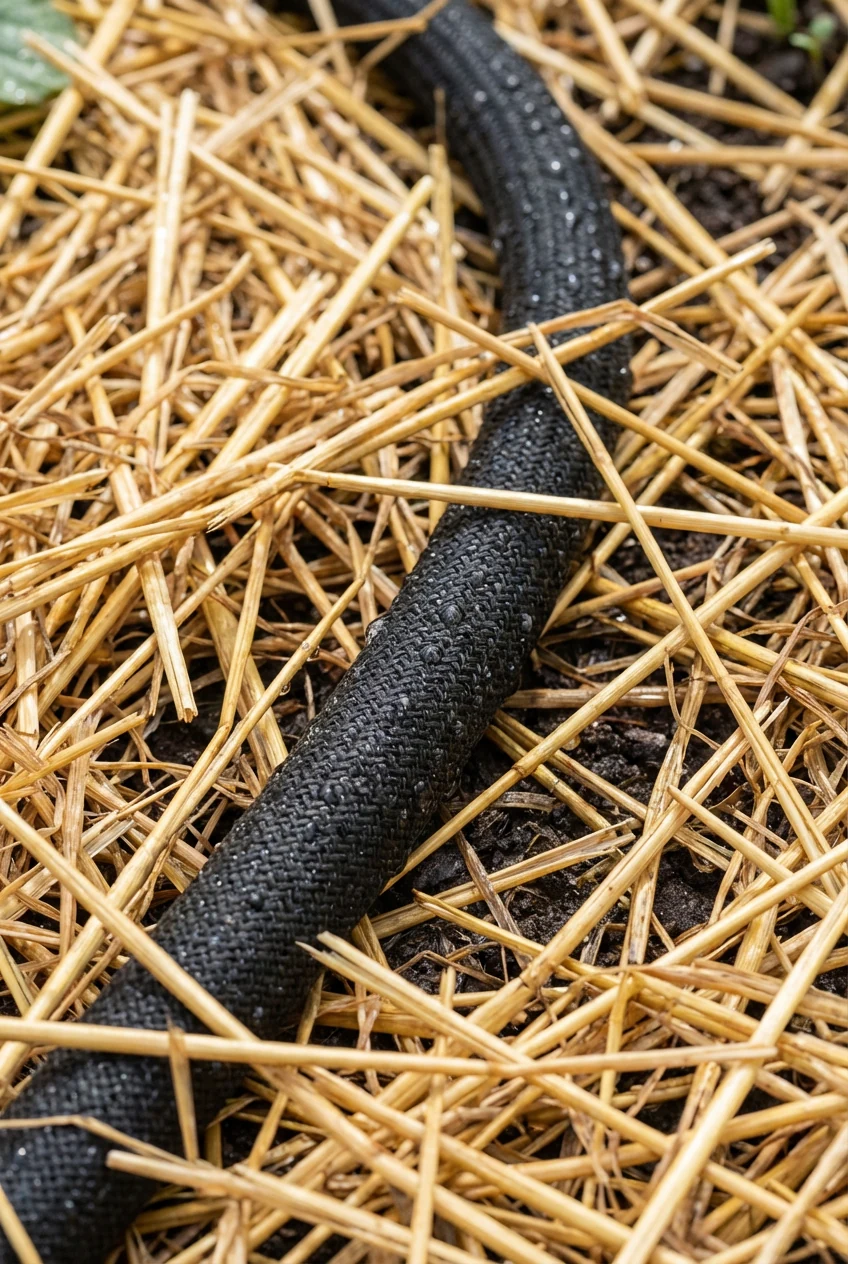
- Mulch. Add 2–3 inches of straw, leaves, or composted wood chips to lock in moisture and protect microbes.
Pro move: Install a simple soaker hose under the mulch. You deliver water right where roots live.
Tweak Your Ratios for Climate and Crops
You don’t garden in a vacuum. Adjust the recipe so your local conditions stop messing with you.
Hot, Dry Climates
Raise coir or peat to 40–45% for more water retention. Push compost to 35–40% so you keep nutrients flowing. Drop aeration to 15–20% so water doesn’t bail too fast.
Mulch heavily and water deeply but less often. Tomatoes and peppers love this setup.
Cool, Wet Climates
Increase aeration to 25–30% so roots don’t drown. Use coir instead of peat to avoid extra acidity. Keep compost at 30–35% and add a little sand for structure if needed.
Build beds at least 12–18 inches high. Water less often and watch rainfall totals.
Root Crops (Carrots, Beets, Potatoes)
Focus on fine texture. Sift compost and avoid big sticks or clumps. Use aeration at 20–25% and keep nitrogen moderate.
Add a little sharp sand (5–10%) for carrots and parsnips if your mix feels heavy. You get straighter, less forked roots.
Heavy Feeders (Tomatoes, Corn, Brassicas)
Bump compost to 40–45% and add slow-release meals (kelp, alfalfa, bone meal). Add a touch of gypsum for calcium—tomatoes appreciate it.
Feed midseason with a gentle top-dress of compost and a fish/seaweed tea. You maintain momentum without burning roots.
pH & Calcium, FYI
Most veggies thrive around pH 6.2–6.8. Peat drifts acidic, so add dolomite lime if you go peat-heavy. Coir often needs calcium and magnesium, so add gypsum or a modest sprinkle of dolomite.
IMO, you test pH once a season and adjust lightly. You avoid drama and keep flavor on point.
Keep Beds Thriving: Maintenance That Actually Works
You built great soil. Now you keep it great with simple habits.
Top Up Each Season
Add 1–2 inches of compost every spring or fall. Rake it smooth, then re-mulch. You feed microbes and plants while you rebuild structure.
If your bed settles a lot the first year, add more mix to the top. Compost and coir break down, so expect some drop.
Mulch Like You Mean It
Mulch blocks weeds, saves water, and keeps soil cool. Use straw, shredded leaves, or composted wood chips. Refresh as it decomposes.
You also protect soil life. Happy microbes make happy plants, and they don’t send you a bill.
Water Smarter
Use drip or soaker hoses so water hits the root zone. Water deeply and infrequently. Adjust for heat waves with a quick morning soak.
If leaves droop midday, that’s normal under hot sun. Check early morning for actual stress signals.
Feed Gently
Top-dress with compost midseason. Brew a light compost tea or fish/seaweed tea when plants start fruiting. Keep the diet steady rather than dumping a buffet all at once.
You avoid salt buildup and weird nutrient swings. Steady wins the harvest.
Test and Tweak
Run a simple soil test every year or two. Adjust pH and micronutrients based on results. If plants look pale or growth stalls, add worm castings or kelp.
You respond fast and keep the bed evolving. That’s how you grow bigger every year.
Common Mix Mistakes (And Easy Fixes)
- Too much compost: The mix holds water and compacts. Add pumice/perlite and coir to rebalance.
- Too much peat/coir: Plants struggle with nutrients. Add compost and a little lime or gypsum.
- No aeration: Roots suffocate. Stir in 15–30% pumice/perlite and loosen the bed.
- Unfinished compost: You get heat, stink, and nitrogen lock-up. Swap for finished compost and wait a week before planting.
- Salty manure or compost: Leaves burn and growth slows. Flush thoroughly and switch sources.
- Skipping mulch: Water evaporates, soil crusts. Mulch fixes that immediately.
FAQ: Raised Bed Soil Mix
Can I use bagged potting mix in my raised beds?
You can in small beds, but you’ll overpay for fluffy filler. Potting mix works for containers because it stays ultra light. Raised beds need balanced minerals and organic matter, not just peat and perlite. Blend your own and save money while you dial in performance.
Do I need topsoil at all?
You don’t need topsoil for a great mix, especially with the container-style recipe. If you want more mineral buffering and long-term stability, you add some screened topsoil. Use clean, loamy topsoil without clay globs or salty residues.
How deep should my raised bed be for this mix?
Shoot for 12–18 inches for most veggies. Go 24 inches if you want deep-rooted crops like tomatoes and parsnips to flex. Taller beds drain faster, so include more coir/compost and mulch heavily.
What’s the best compost to use?
Blend two to four types: leaf mold, manure-based compost, mushroom compost, and vermicompost. Each brings different nutrients and microbes. Avoid compost that smells sour or looks unfinished. Finished compost smells earthy and crumbles cleanly.
Do I need to fertilize if I use a lot of compost?
You still feed gently, especially for heavy feeders. Add slow-release organic amendments during mixing, then top-dress midseason. Compost feeds microbes and balances structure, but big fruit sets and fast growth demand extra nutrients.
Is peat moss bad for the environment?
Peat takes ages to form, so it raises sustainability concerns. Coco coir makes a solid alternative with neutral pH and strong water hold. If you choose peat, use it sparingly and offset with responsible sourcing. Coir keeps things easier and aligns better with long-term soil health.
Conclusion
Your raised bed mix powers the whole garden. You set the stage with the right ratios, then you tweak for climate and crop demands. Add diverse compost, keep aeration solid, and mulch like you care. Do that, and your beds deliver the kind of harvest that makes neighbors suspicious—and a little jealous.