Backyard Herb Garden Ideas: Easy DIY Planters + Companion Planting
You want fresh herbs within arm’s reach, not a grocery store run away. Good news: you can turn a corner of your yard into a fragrant, ridiculously useful herb haven without fancy tools or a landscaping degree. I’ll show you simple DIY planters that actually look good, plus companion planting tricks so your herbs do half the work for you. Ready to grow pesto, mojitos, and bragging rights?
Why Plant a Backyard Herb Garden?
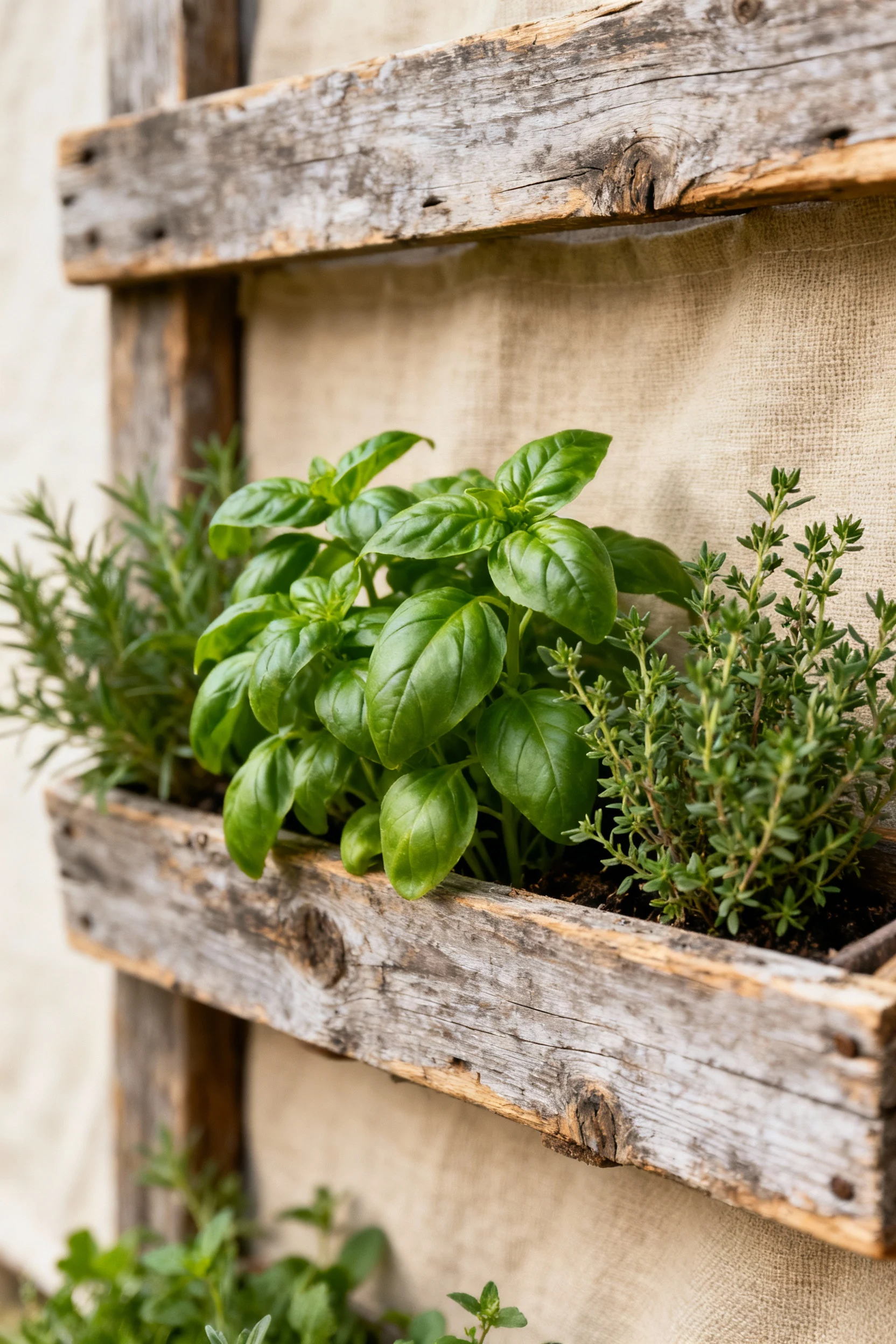
You get flavor on demand. A snip of basil or chives turns basic dinners into “who cooked this?” moments. You also dodge pricey clamshells of wilted herbs that expire the second you blink.
Herbs don’t ask much. Most thrive in sun, tolerate a missed watering or two, and love well-drained soil. Bonus: many repel pests, attract pollinators, and smell so good the neighbors will “just happen” to stop by.
Want low effort, high payoff? Herbs are it. Small space? No problem. Pots, pallets, and hanging baskets keep herbs happy and compact.
Sun, Soil, and Setup: Get the Basics Right
Herbs grow best with plenty of light. Give them 6–8 hours of direct sun and watch them thrive. If your backyard sits behind tall trees, place planters on a bright patio or go vertical to catch more rays.
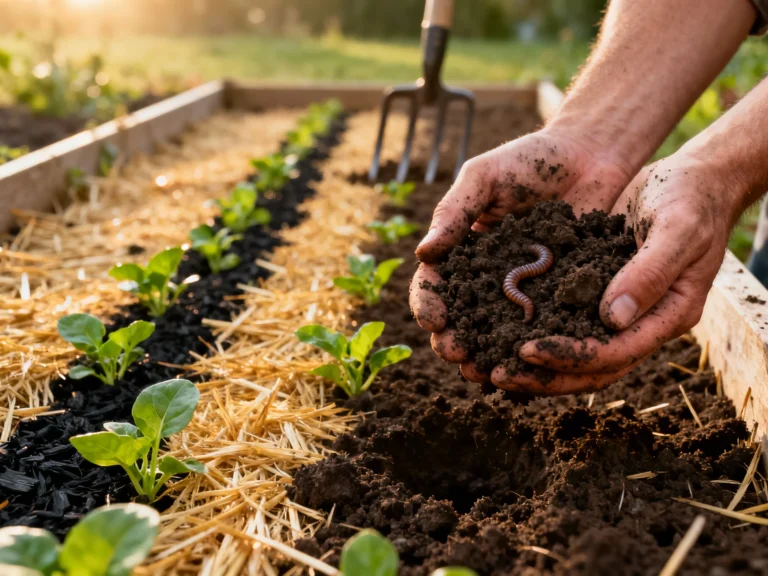
Soil matters more than you think. Use a high-quality potting mix for containers (not heavy garden soil), and mix in compost for slow-release nutrients. Aim for a slightly acidic to neutral pH (around 6.0–7.0) if you want fuss-free growth.
Drainage keeps roots happy. Make sure your planters have holes, and set pots on feet or bricks so water can escape. Herbs hate wet feet almost as much as you hate soggy fries.
Quick Site Checklist
- Sunlight: 6–8 hours minimum
- Airflow: light breeze, not a wind tunnel
- Water source: hose or can within easy reach
- Pets/kids: raise delicate herbs off the ground if they explore
Easy DIY Planter Ideas (That Don’t Look DIY)
Let’s build homes for your herbs. You can do these in an afternoon, no contractor required. I’ll give you options for every space and budget.
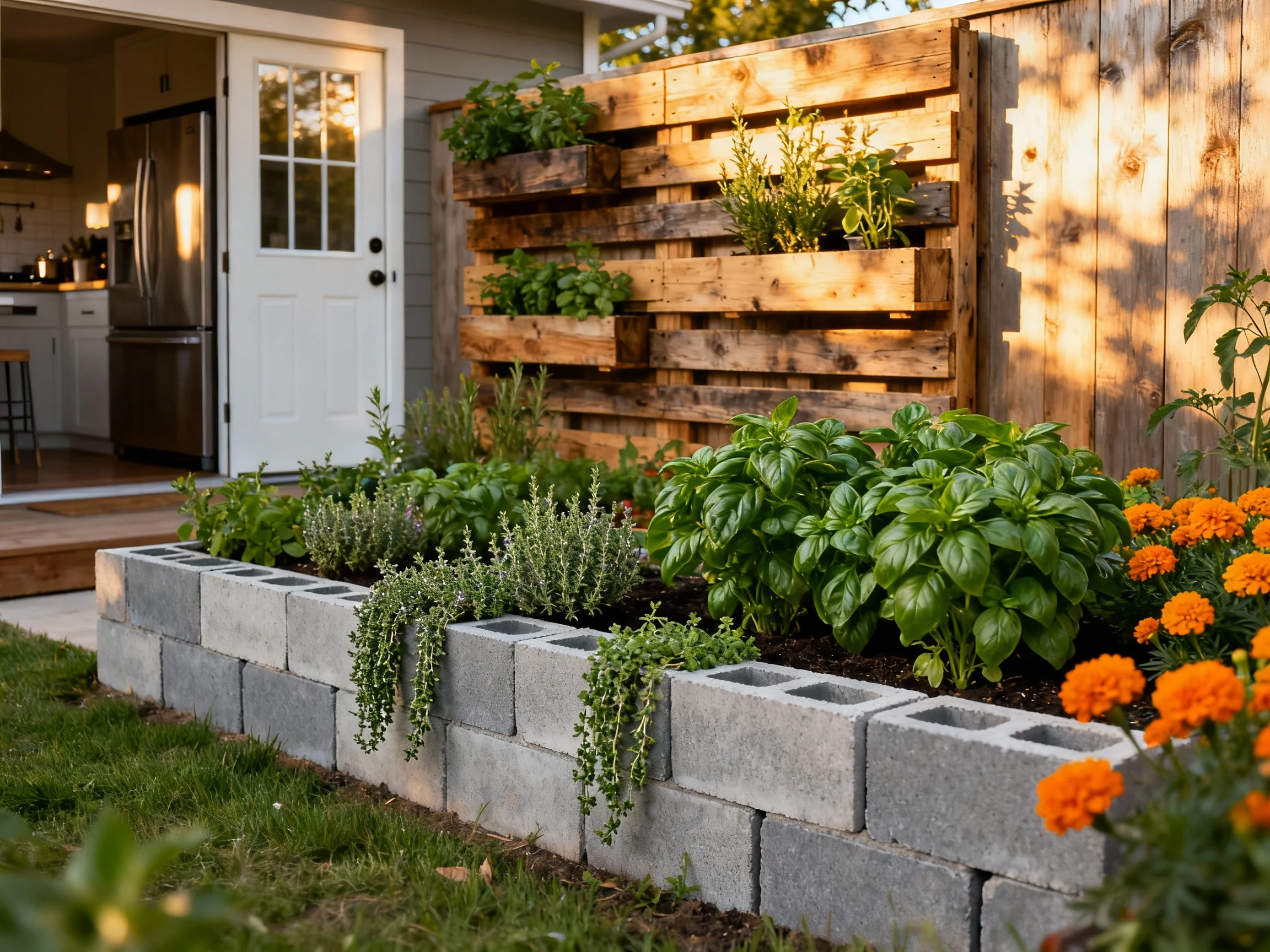
Pallet Herb Wall
Turn a heat-treated pallet into a rustic vertical garden. It saves space, looks cool, and keeps herbs near the kitchen door.
- Materials: Heat-treated pallet (look for “HT” stamp), landscape fabric, staple gun, potting mix, herbs
- Steps:
- Sand rough edges and seal with exterior-safe sealant (optional).
- Staple landscape fabric across the back, sides, and bottom to create pockets.
- Lay pallet flat, fill pockets with potting mix, plant herbs, then stand it upright after 1–2 weeks of rooting.
FYI: Avoid chemically treated pallets. Only use ones marked “HT.” Your basil does not want mystery chemicals.
Cinder Block Modular Bed
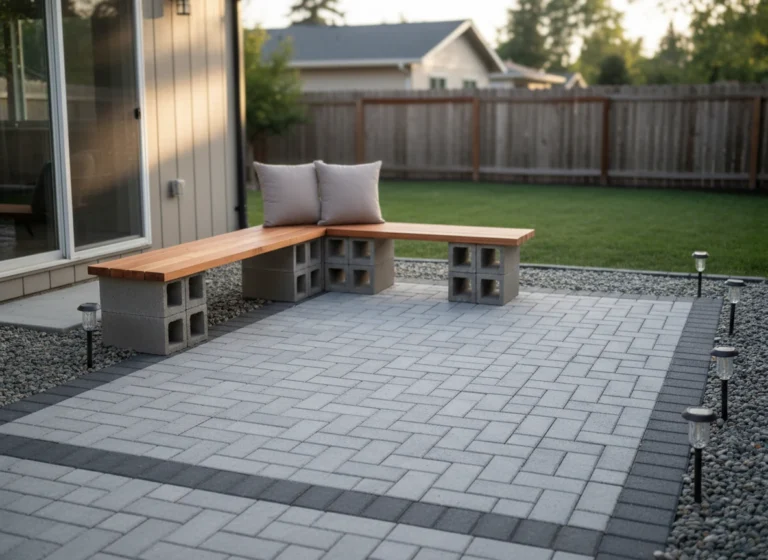
These blocks stack like giant Legos. The hollow cores become perfect individual herb pockets, and the layout adapts to your space.
- Materials: Cinder blocks, landscape fabric/cardboard, potting mix + compost blend
- Steps:
- Outline your bed. Lay cardboard under it to smother weeds.
- Set blocks with holes facing up for plant pockets.
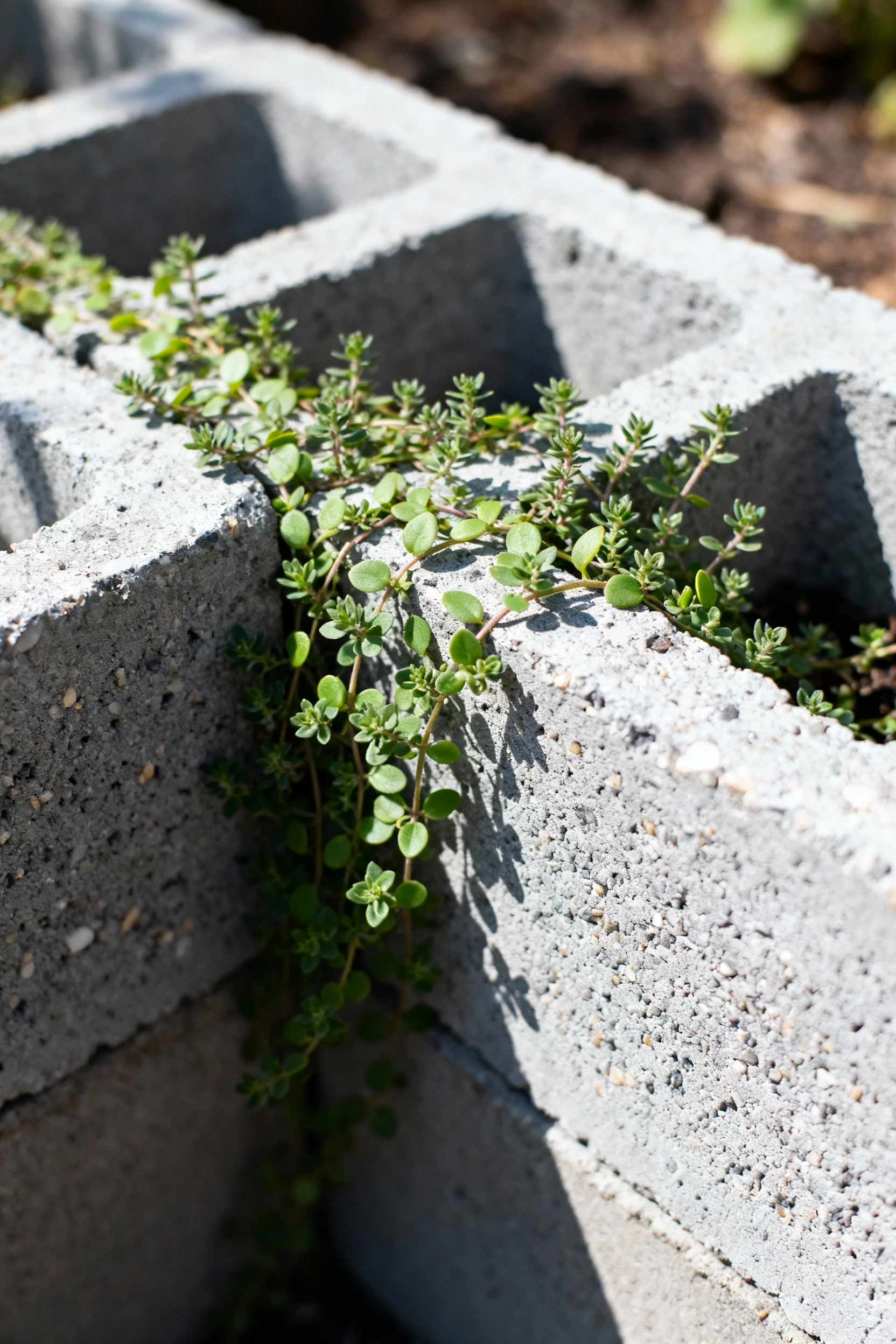
- Fill with mix and plant drought-tolerant herbs (thyme, oregano, sage) around the edges.
Pro tip: Plant creeping thyme in the corner pockets so it cascades. Great texture, zero fuss.
Repurposed Containers
Old colanders, buckets, and enamel pots make charming planters. Just make sure they drain.
- Drill drainage holes if needed.
- Line with a coffee filter to keep soil in.
- Use a lightweight potting mix. Heavy soil compacts and suffocates roots.
Best picks: Chives, parsley, basil, and cilantro grow beautifully in 8–12 inch pots.
Hanging Baskets and Vertical Towers
Short on ground space? Go up. Hanging baskets stay safe from slugs and curious pups.
- Choose 12–14 inch baskets for moisture retention.
- Plant trailing herbs like thyme and oregano on the edges.
- Put a moisture-retaining liner under the coco fiber if you live in a hot climate.
Vertical towers with stackable pots pack a lot of herbs in a tiny footprint. Rotate the tower weekly for even sun.
Simple Raised Bed with a Grid
Build a 3×3 or 4×4 foot box, then tie string into a grid. Boom: instant herb buffet, square-foot style.
- Materials: Untreated cedar boards, deck screws, corner brackets, weed cloth, compost-rich mix
- Plant ideas per square:
- 1 rosemary or sage (big boys)
- 2–3 basil plants
- 4–6 cilantro or parsley
- 6–8 chives or green onions
IMO: A small raised bed beats a dozen tiny pots for watering efficiency and overall vibe.
Smart Companion Planting for Herbs
Companion planting pairs herbs with neighbors that boost growth or keep pests away. It’s like choosing roommates who share snacks and clean the kitchen.
Some combos attract beneficial insects. Others mask scents that confuse pests. A few just taste great together and look gorgeous side by side.
Herb-to-Veggie All-Stars
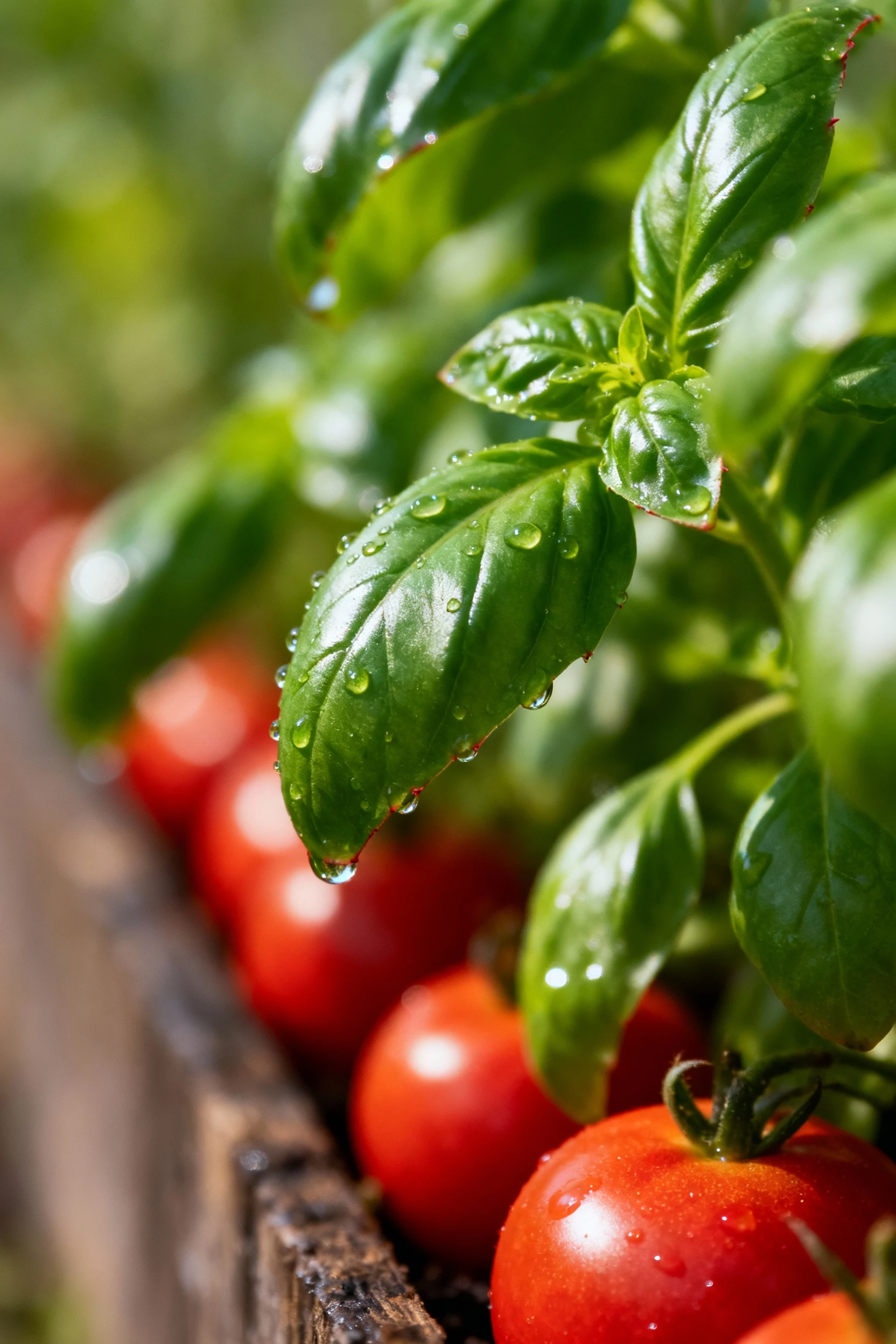
- Basil + Tomatoes: Enhances flavor, repels hornworms. Plant basil along tomato borders.
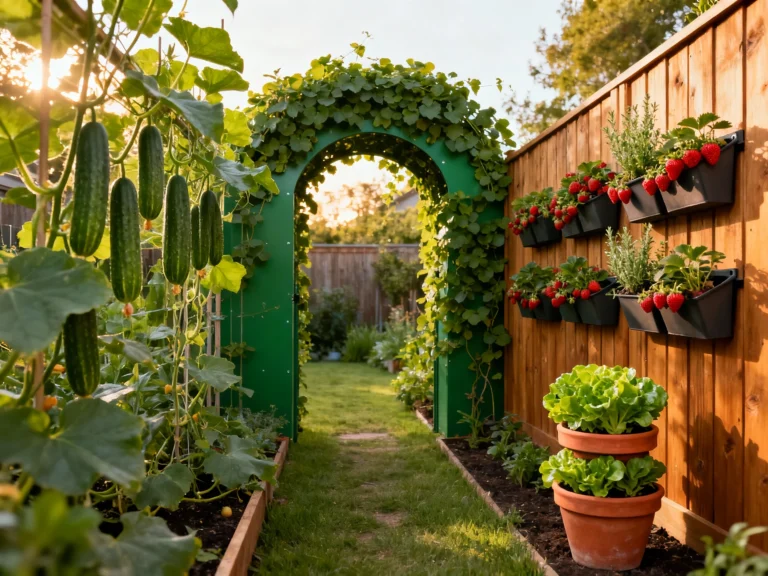
- Dill + Cucumbers: Attracts predators of aphids. Let one dill flower for beneficial insects.
- Sage/Thyme + Brassicas (kale, cabbage, broccoli): Deter cabbage moths with aromatic oils.
- Chives + Carrots/Strawberries: Help repel aphids and improve yield.
- Oregano + Peppers: Forms a low, fragrant groundcover that confuses pests.
- Marigold + Anything: Root exudates help thwart nematodes; flowers lure pollinators.
- Nasturtium + Squash/Brassicas: Acts as a trap crop for aphids; plus edible flowers.
Herb-to-Herb Dream Teams
- Mediterranean crew: Rosemary, thyme, oregano, sage. All love sun and drier soil.
- Soft-leaf crew: Basil, parsley, cilantro. Prefer richer, moister soil.
- Tea corner: Mint (contained), lemon balm, chamomile.
Group by water needs. Keep thirsty herbs together, drought lovers together. Your watering can will thank you.
What Not to Pair
- Mint in the ground: It spreads like rumors. Keep it in a pot, even inside a bed.
- Fennel with anything: It releases compounds that stunt neighbors. Give fennel its own pot in solitary confinement.
- Rosemary and basil: Different water needs. Rosemary sulks if you overwater; basil sulks if you don’t.
- Dill with carrots (kinda): Dill can inhibit carrots when mature. Plant apart or succession sow carefully.
Pollinator-Friendly Combos
- Let thyme, oregano, and chives flower to feed bees.
- Mix borage near tomatoes and squash for pollinator magnetism.
- Add calendula for pest control and cheerful color.
Designing a Layout You’ll Love
Form meets function here. You’ll cook more with herbs you see and can snip easily, so place them where you walk daily.
Choose a theme if that helps you start. Or mix and match and call it “eclectic” like every trendy restaurant.
Fun Themed Beds
- Pizza Garden: Basil, oregano, thyme, garlic chives. Add cherry tomatoes nearby.
- Cocktail Corner: Mint (in a pot!), lemon balm, basil, lavender, and a compact rosemary.
- Tea & Calm: Chamomile, lemon balm, mint, and lavender.
- Mediterranean Patch: Rosemary centerpiece, ringed with thyme, sage, and oregano.
Small Spaces, Big Flavor
- Use a tiered stand with sun-lovers on top, moisture lovers below.
- Hang window boxes outside the kitchen with parsley, basil, and chives.
- Place rolling planters on casters so you can chase sunlight.
Family-Friendly Touches
- Label with painted rocks or wooden tags.
- Create a “snack zone” with mint, chives, and strawberries.
- Add a stepping-stone path so little feet avoid the basil jungle.
Low-Maintenance Care: Watering, Feeding, Pruning
Water deeply, not constantly. Soak, then let the top inch dry, especially for Mediterranean herbs. Basil and cilantro prefer more consistent moisture, but don’t keep them soggy.
Feed lightly. Herbs taste best when slightly lean. Mix compost into soil at planting, then add a diluted organic fertilizer every 3–4 weeks during peak growth if leaves look pale.
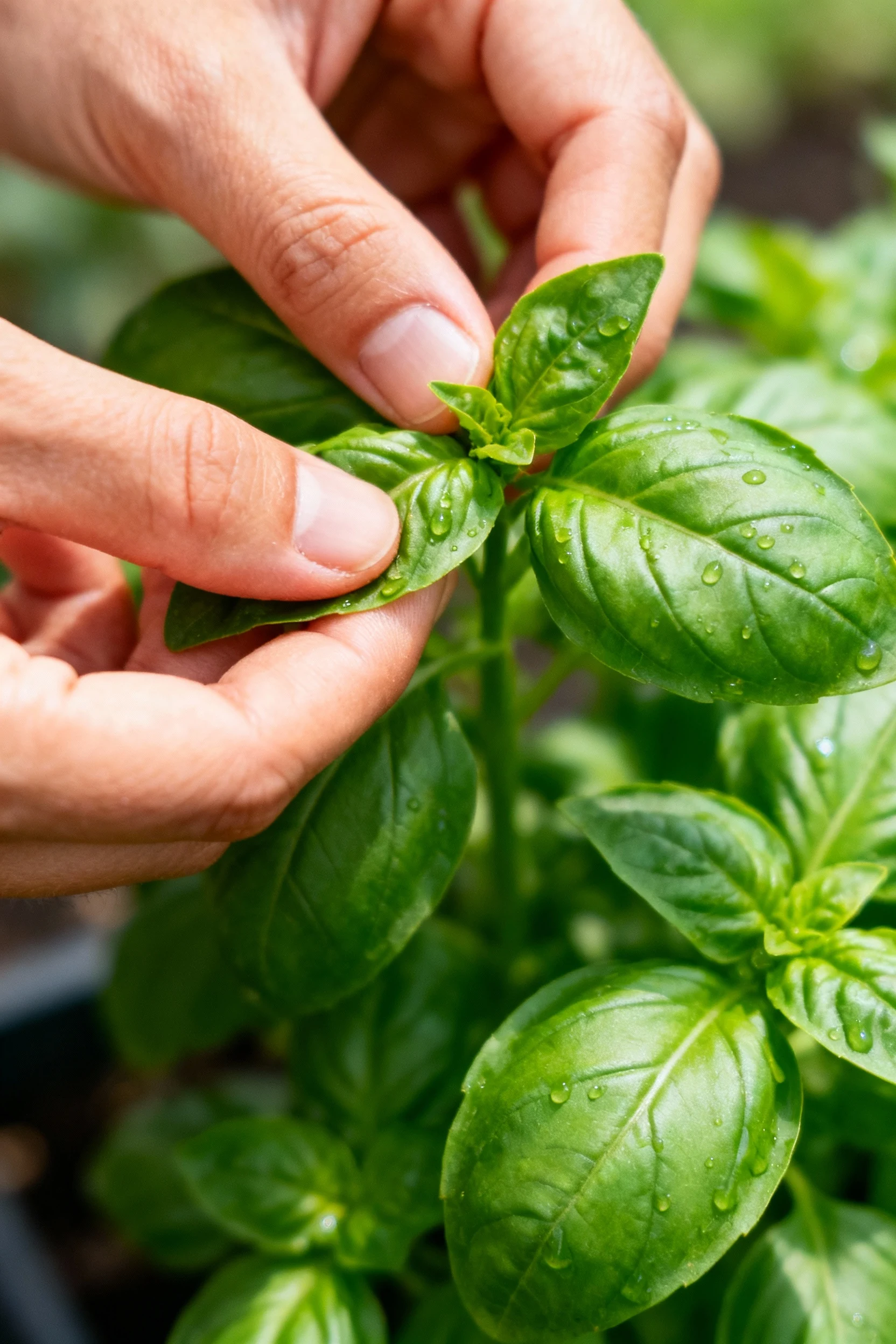
Prune early and often. Pinch basil tips when it’s 6–8 inches tall to encourage bushy growth. Snip rosemary and thyme sparingly to shape and stimulate new shoots.
Harvesting Rules You’ll Actually Remember
- Never take more than one-third of a plant at a time.
- Harvest in the morning for peak oils and flavor.
- Pinch off basil flowers unless you want it to slow leaf production.
- Let some herbs (dill, cilantro) bolt on purpose for seeds and pollinators.
Overwintering and Annual vs. Perennial
Some herbs return each year. Perennials: rosemary (in warm zones), thyme, oregano, sage, chives, mint, lemon balm. Annuals/biennials: basil, cilantro, dill, parsley (year 1 leaves, year 2 flowers).
If winters get frosty, move pots of rosemary and thyme near a sunny wall or indoors. Mulch outdoor perennials with straw or leaves to protect roots. You can succession sow cilantro and dill every few weeks for steady harvests.
Troubleshooting Pests and Problems
Stuff happens. Leaves yellow, bugs show up, and cilantro decides to bolt the week you plan tacos. Breathe. Most fixes are simple.
Common Pests and Easy Fixes
- Aphids: Blast with water, then spray with insecticidal soap. Plant nasturtiums as a trap crop.
- Whiteflies: Yellow sticky traps, and encourage ladybugs with flowering herbs.
- Slugs/Snails: Copper tape on pots, beer traps, and morning handpicking.
- Caterpillars: Handpick or use Bt sparingly. Invite birds with a birdbath nearby.
Leaf Issues
- Yellowing leaves: Usually overwatering or poor drainage. Check holes and lighten soil with perlite.
- Leggy growth: Not enough sun or infrequent pruning. Move to brighter spot and pinch more often.
- Brown tips: Underwatering or wind scorch. Water deeply and create a wind break.
Cilantro and Heat, The Eternal Drama
Cilantro bolts when hot and dry. Plant it spring and fall, offer afternoon shade in summer, and succession sow every 2–3 weeks. When it flowers, let it set seed and harvest coriander—two herbs for the price of one.
FAQ: Quick Answers
How many hours of sun do herbs need?
Most culinary herbs love 6–8 hours of direct sun. Basil, rosemary, thyme, sage, and oregano all thrive with plenty of light. If you only get 4–5 hours, choose partial-sun champs like parsley, mint (in a pot), and chives, and keep expectations realistic.
Which herbs grow best in containers?
Basil, parsley, chives, thyme, oregano, mint, cilantro, and dill do great in pots. Use at least 8–12 inch containers and a well-draining potting mix. Put mint in its own container unless you like chaos.
Can I grow herbs from grocery store cuttings?
Yes, with a few caveats. Woody herbs like rosemary, thyme, and oregano root nicely from fresh sprigs; strip lower leaves and root in water or damp mix. Basil roots quickly in water too. Grocery store potted herbs often come overcrowded—split them into 2–3 plants and repot for better survival.
How close should I plant herbs together?
Give small herbs (basil, cilantro, parsley) about 8–12 inches. Medium shrubs like sage and oregano need 12–18 inches. Rosemary can reach 2–3 feet, so plan for growth. Airflow prevents disease, so resist the urge to cram every inch on day one.
Do I need fertilizer for herbs?
Light feeding works best. Mix compost into soil at planting and use a diluted organic fertilizer every few weeks during peak growth if needed. Overfeeding produces lush but bland leaves. IMO, a little lean stress makes herbs taste amazing.
Is tap water okay for herbs?
Usually yes. If your tap water runs very hard or chlorinated, fill a watering can and let it sit overnight to off-gas chlorine. Mulch with shredded leaves or fine bark to retain moisture and protect soil life.
Putting It All Together: A Sample Weekend Plan
Want a plug-and-play start? Try this. It fits a small patio or a sunny strip by the fence.
- Saturday morning: Set up a 3×3 foot raised bed or two 12–14 inch pots and a hanging basket. Fill with potting mix + compost.
- Saturday midday: Plant a Mediterranean corner (rosemary center, thyme and oregano along edges) and a soft-leaf zone (basil, parsley, cilantro) with an empty square for dill.
- Saturday afternoon: Hang a basket with trailing thyme and oregano, and tuck a nasturtium seedling nearby.
- Sunday morning: Add labels, a light mulch, and set a weekly reminder to pinch basil. Water deeply, then chill. You’re officially a herb person.
FYI: Keep a small pair of scissors or pruners near the door. If it’s easy to snip, you’ll actually use your herbs.
Conclusion: Your Backyard, Now with Extra Flavor
You don’t need acres or fancy gear to grow an herb garden that fuels your cooking and your mood. Start with good sun, decent soil, and a planter you like looking at. Pair herbs smartly, prune often, and let a few flowers feed the bees.
In a few weeks you’ll grab handfuls of basil for pasta, sprigs of rosemary for potatoes, and mint for that 5 p.m. situation. Honestly, the hardest part? Choosing what to plant next. Enjoy the green glow-up, and save me a seat on the patio, yeah?