25 Small Backyard Garden Ideas on a Budget (Low Maintenance + Pretty)
Small backyard? Tiny budget? Big dreams? You can absolutely turn that patch of grass (or sad dirt) into a gorgeous, low-maintenance retreat without draining your wallet. I’ll show you how to squeeze style, function, and plenty of plants into a compact space, and I’ll keep the upkeep simple so you keep your weekends.
Start tiny: plan smart and set your vibe
You nail small gardens with clarity, not complicated plans. Pick one vibe, set a color palette, and anchor the whole thing with a single focal point. You create flow with short paths and defined zones, not with sprawling stuff. Ready for quick wins?
- Sketch a mini site plan. Grab a tape measure and map your yard on paper. Mark doors, hose bibs, sunny spots, and shade zones. You avoid “oops” moments and place features where they actually make sense.
- Choose one style to unify everything. Go modern minimal, cottage cozy, or Mediterranean chill. You keep materials consistent, and your garden reads as intentional, not random.
- Set a simple color palette. Pick two neutrals for hardscape and one accent for pots or cushions. Then echo that accent with flowers. You create harmony without overthinking.
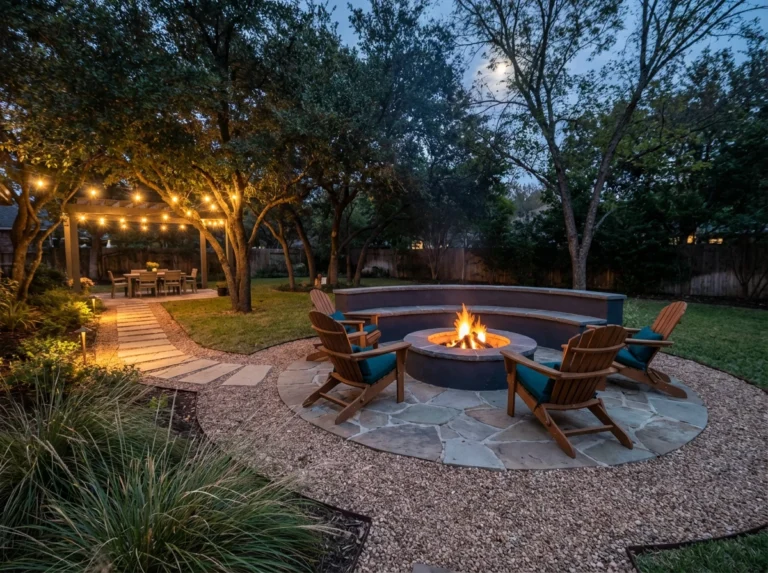
- Pick one focal point. Choose a slim fire bowl, bold planter, or compact bistro set. Build a sightline to it from your door. You guide the eye and make the space feel larger.
Quick measuring and flow tips
– Use 24–30 inches for walkways so you move comfortably.
– Keep seating near the kitchen door for easy snacks and coffee runs.
– Place taller elements at the back or corners to pull the view outward.
Hardscape on a dime: paths, edges, and zones
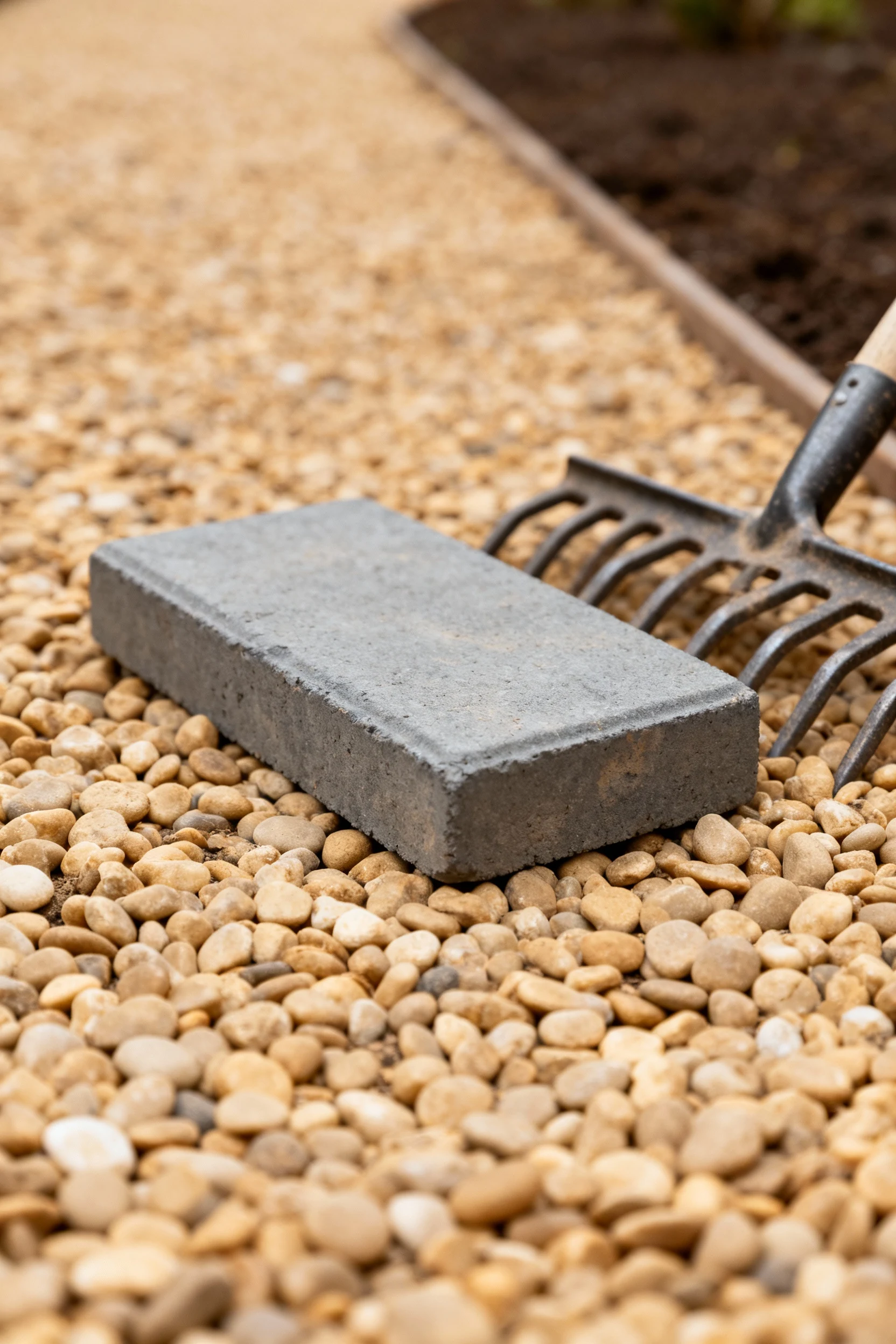
Hardscape sets structure and cuts maintenance. You can score major impact with gravel, reclaimed brick, and smart edging. Keep lines simple and materials affordable. You’ll thank yourself every time you skip mowing and weeding.
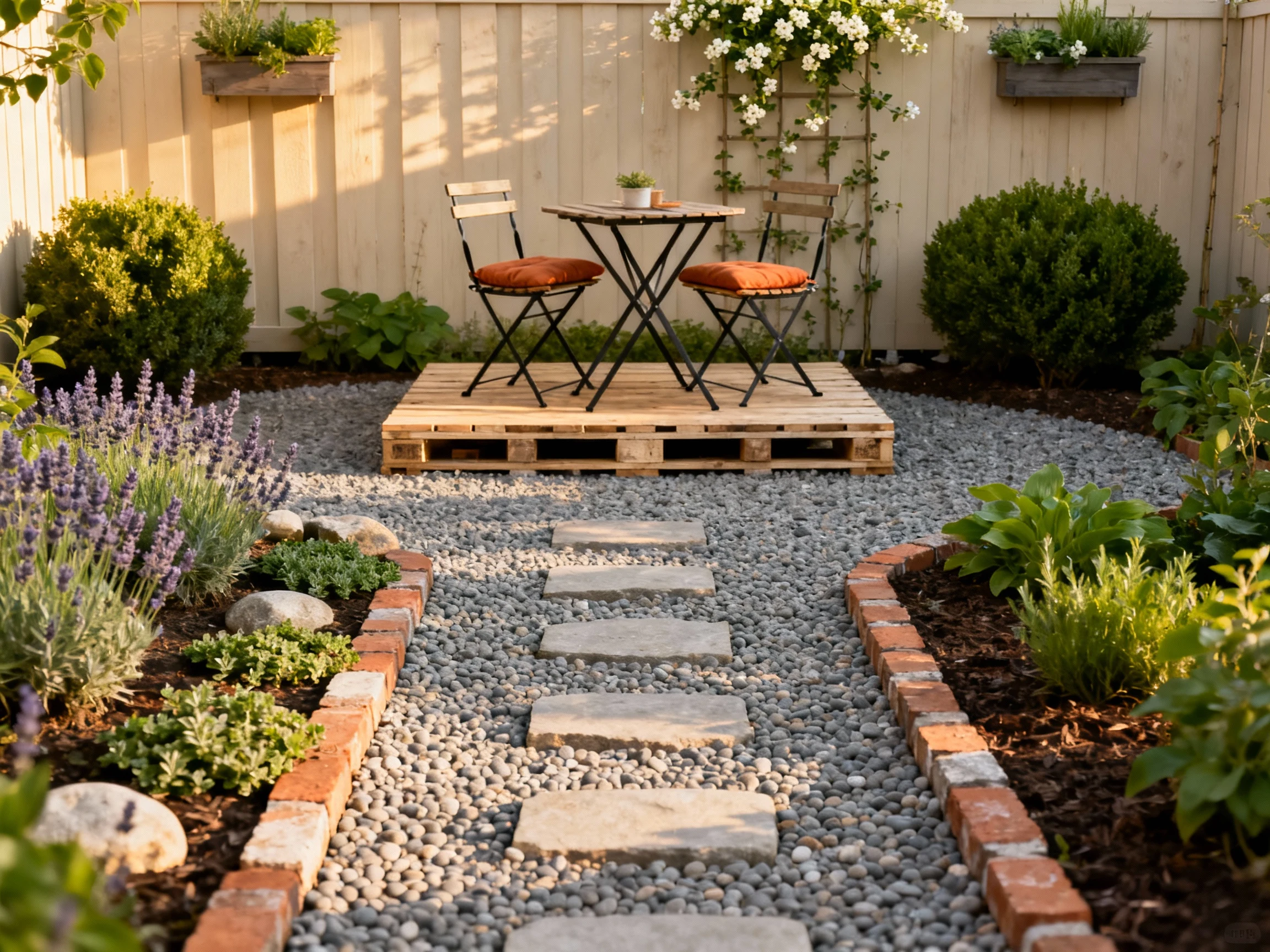
- Lay a compact gravel path. Use landscape fabric, then add 2–3 inches of pea gravel. You get drainage, texture, and a low-cost walkway. Rake it twice a year and call it good.
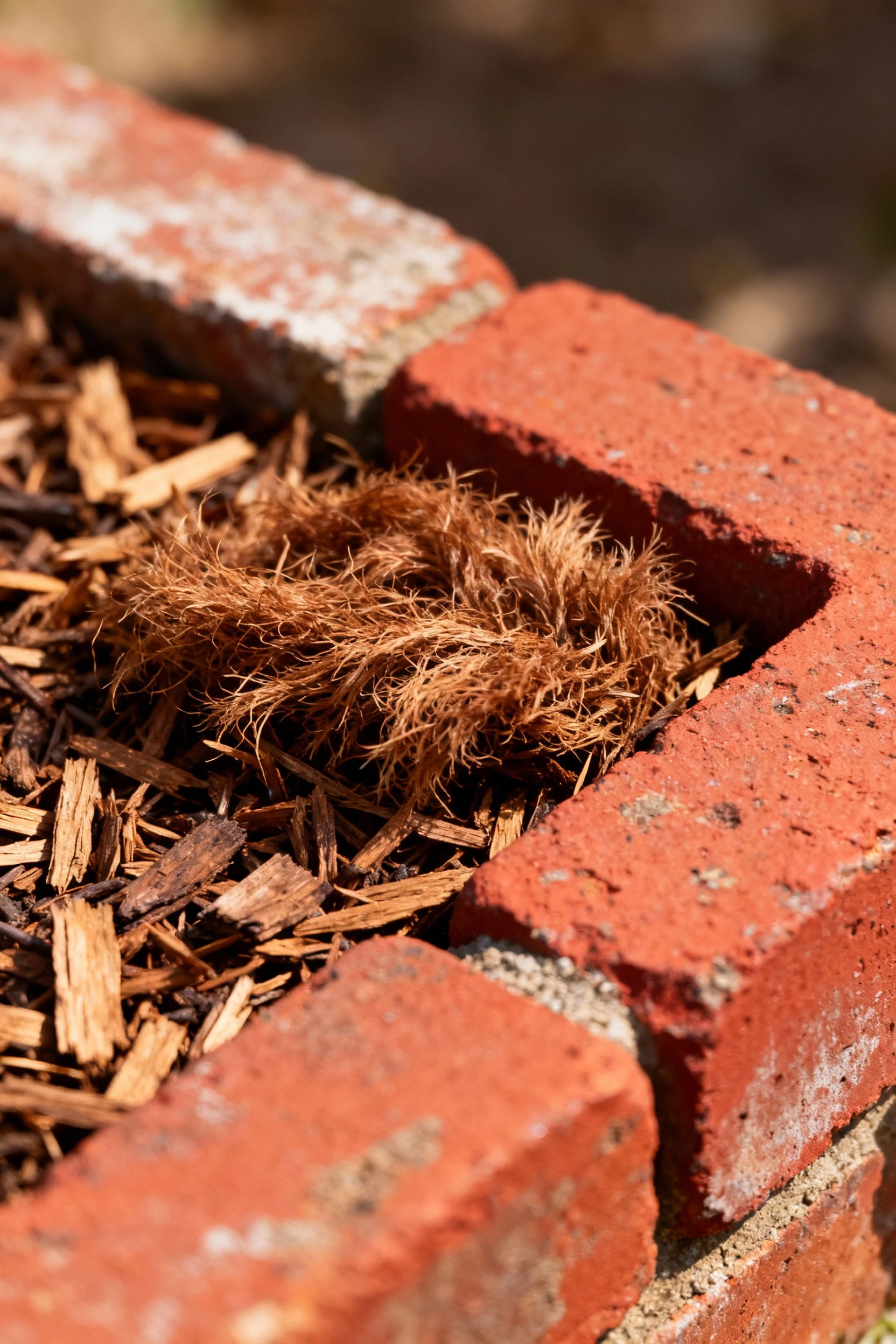
- Edge beds with reclaimed brick. Hit the salvage yard and line borders tight. Bricks hold mulch, define shapes, and add old-world charm without fancy prices.
- Create zones with stepping stones. Drop large pavers over gravel or mulch to link areas. You guide feet and save plants from trampling. Keep gaps tight for a smoother stride.
- Build a tiny deck with pallet wood. Sand boards, seal them, and frame a 6×6 platform. You get instant seating space without pouring concrete. Keep it level and ventilated.
- Mulch like you mean it. Spread 2–3 inches of shredded bark around plants. Mulch locks moisture, suppresses weeds, and protects soil. Replace a light layer once a year.
Gravel vs. mulch: quick breakdown
– Gravel suits paths, patios, and areas near doors. It drains well and keeps mud away.
– Mulch suits planting beds. It cools roots and feeds soil as it breaks down.
– Mix them thoughtfully and you get texture changes that define zones.
Go vertical: walls, fences, and sky-space
Small yards need height. You stack plants up walls, hang stuff off fences, and draw the eye skyward. Vertical moves add privacy, soften hard edges, and pack in greenery without stealing floor space.
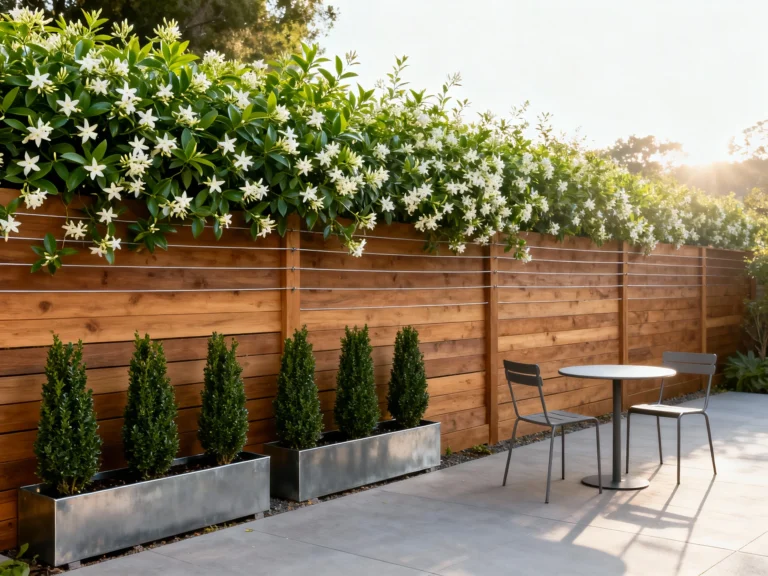
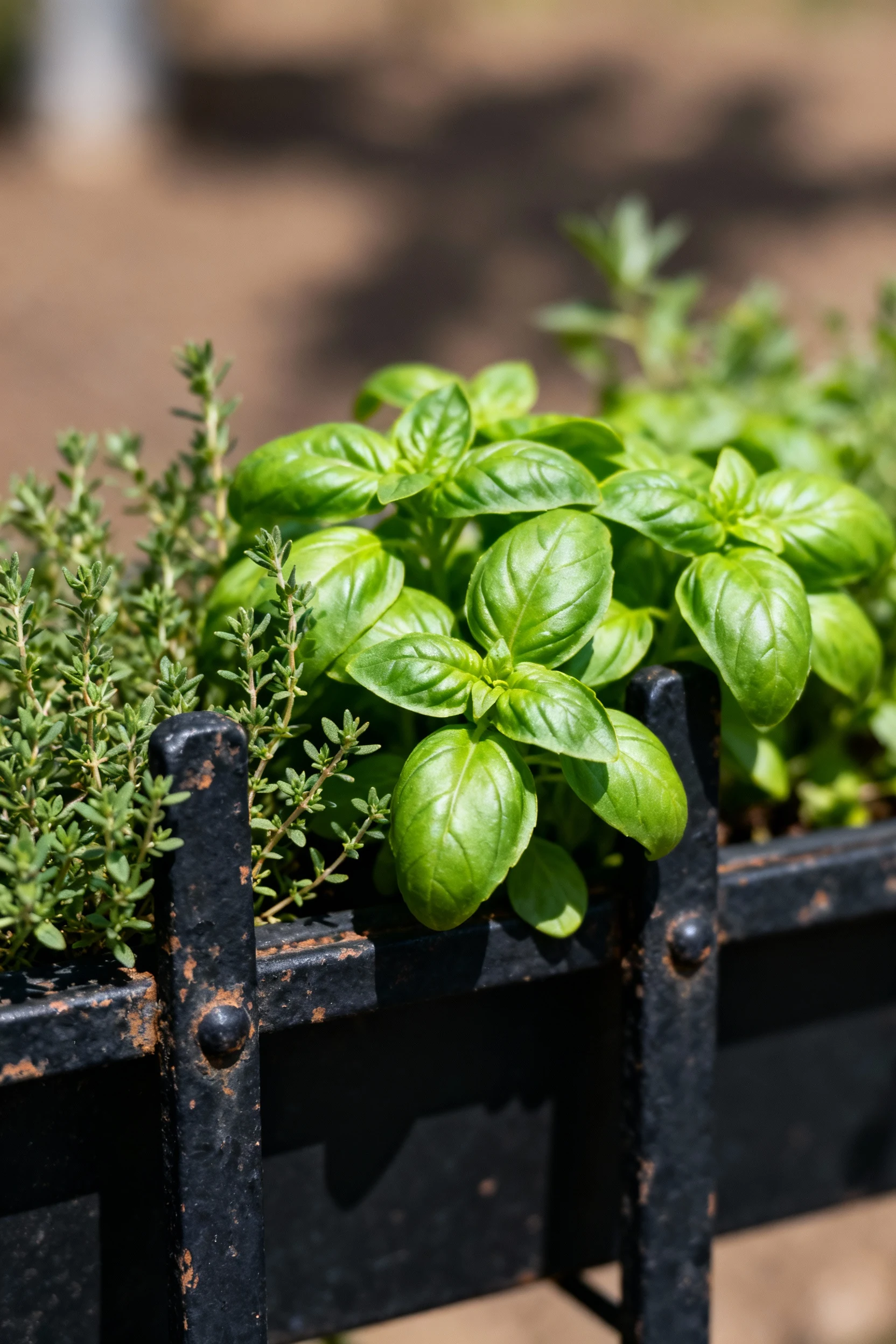
- Hang fence planters. Use modular pockets or long metal troughs. Fill with herbs, trailing flowers, or succulents. You turn a blank fence into a living wall.
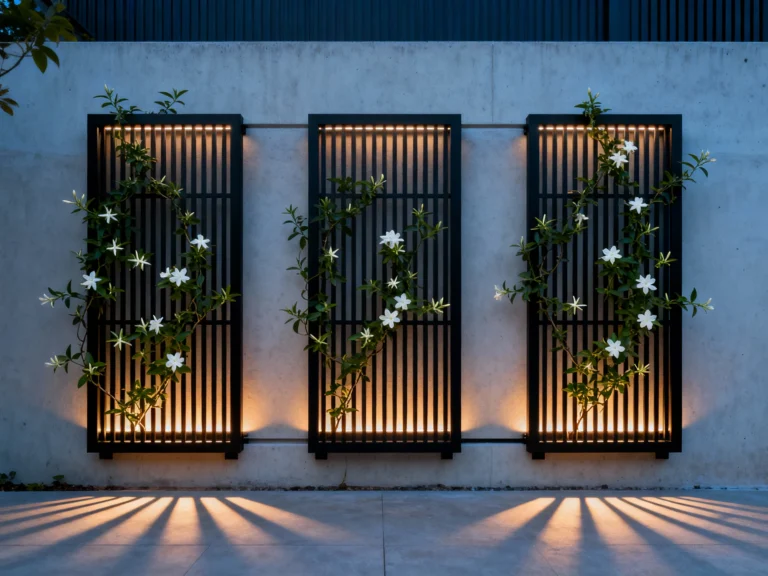
- Trellis a climber. Mount a slim trellis and train jasmine, clematis, or star jasmine. Fragrance + flowers = win. You get shade and a soft, leafy screen.
- Stack tiered shelves. Pop a narrow baker’s rack or ladder shelf on the patio. Line it with pots, tools, and décor. You get an instant vertical garden for cheap.
- Grow up with obelisks in pots. Slot a metal obelisk into a container and plant sugar snap peas or black-eyed Susan vines. You gain height and drama without digging.
Anchor safely
– Screw trellises into studs or posts, not just panels.
– Use proper wall anchors for masonry.
– Place heavier planters on lower shelves and secure racks so gusty winds don’t yank your hard work into a stress spiral.
Plant low-maintenance stunners: color without babysitting
You want pretty, not needy. Drought-tolerant perennials, compact shrubs, and native plants carry the show with light care. Layer groundcovers to block weeds and add bulbs for dependable pops of color.
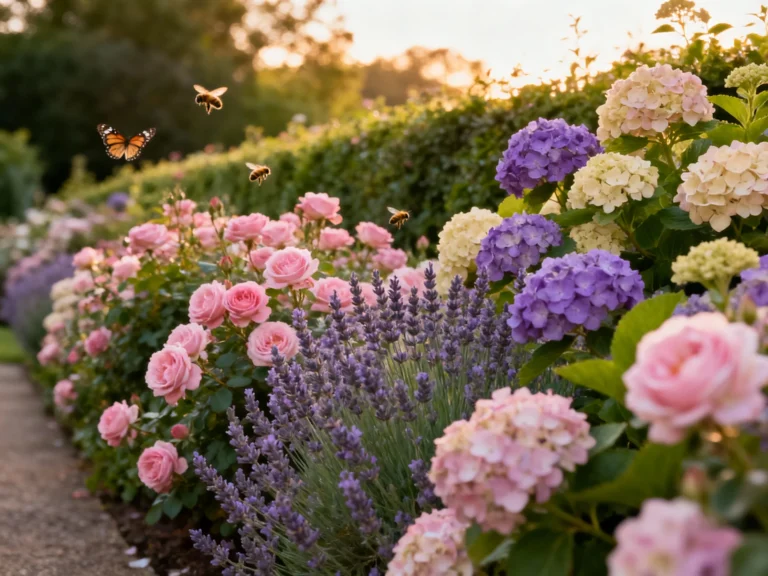
- Plant drought-tolerant perennials. Try lavender, sedum, yarrow, and catmint. They shrug off heat, invite pollinators, and bloom for ages.
- Use compact shrubs for structure. Choose dwarf boxwood, dwarf spirea, inkberry holly ‘Compacta’, or small conifers like ‘Little Gem’. You anchor edges and corners with zero fuss.
- Lean into natives. Pick regionally adapted plants from your local nursery. Natives handle your weather, feed wildlife, and lighten your watering routine.
- Swap lawn for groundcovers. Use creeping thyme, mazus, or dwarf mondo grass in sunny or partial-shade spots. You ditch mowing and gain a soft carpet.
- Drop in bulbs for repeat color. Plant daffodils, crocus, tulips, and alliums in fall. They return every spring and surprise you with almost no work.
- Invite self-seeding annuals. Grow cosmos, calendula, or nasturtiums. They reseed, fill gaps, and keep beds fresh without constant planting.
Water-wise picks (FYI: they save money)
– Sunny and dry: lavender, rosemary, salvia, coreopsis.
– Shade and chill: hellebores, epimedium, ferns, heuchera.
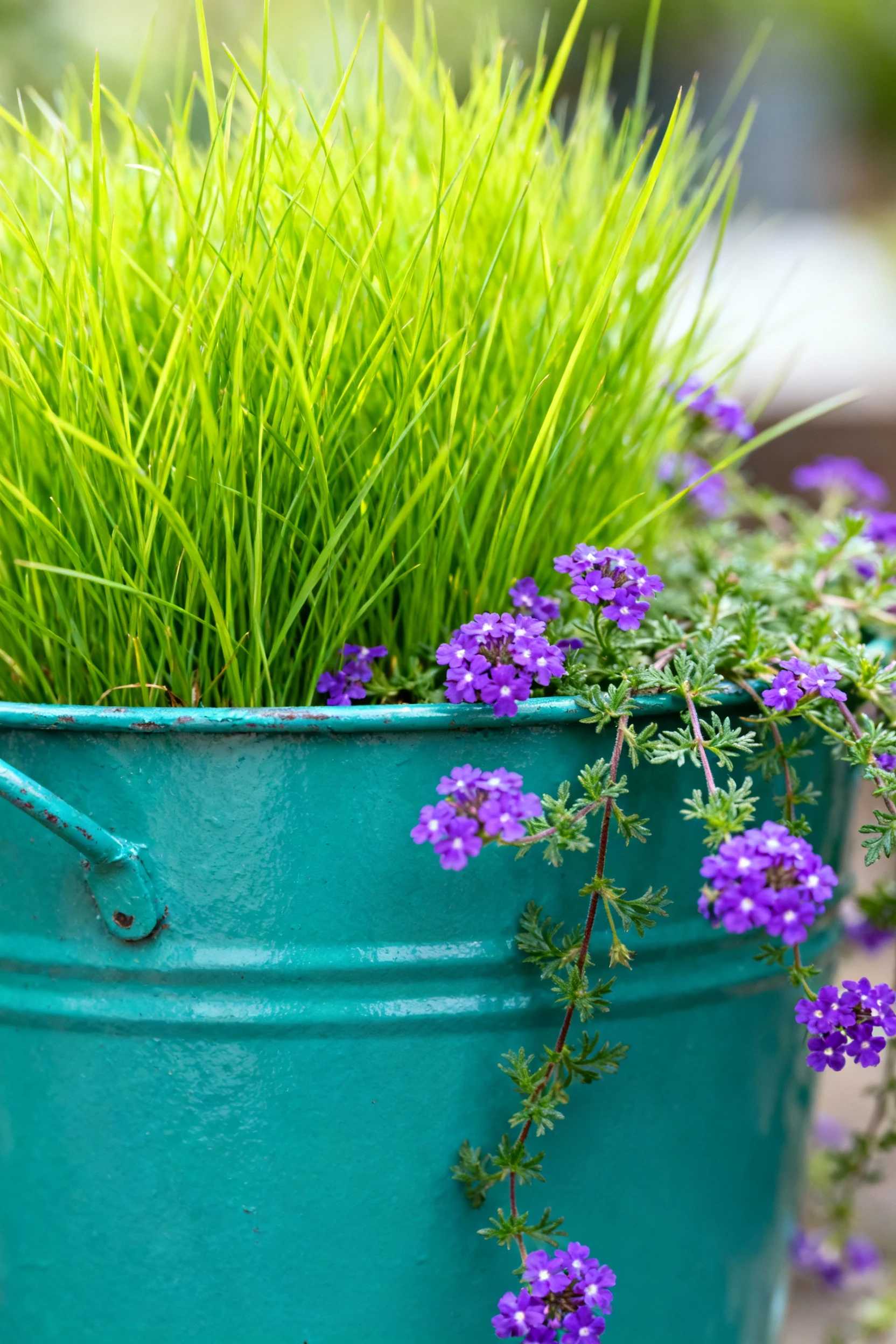
– Containers: succulents, dwarf grasses, trailing verbena.
Quick soil hack
– Mix compost into planting holes for better roots.
– Top with mulch immediately to lock moisture.
– Add slow-release organic fertilizer once in spring, and you’re done.
Make it useful: seating, storage, and a mini food garden
Function matters in small spaces. You create hangout zones, stash tools neatly, and grow snacks in tight spots. Everything earns its square foot, and nothing hogs attention.
- Install a foldable bistro set. A small table and two chairs anchor your patio. Fold them away when you need floor space. Add cushions in your accent color.
- Build a bench with hidden storage. Frame a simple box, top it with a hinged lid, and stash soil bags and gloves inside. You save space and keep clutter out of sight.
- Add a raised bed kit. Slot together a 3×3 or 4×4 bed. Grow salad greens, radishes, and bush beans. You get tidy lines and easy reach.
- Use fabric grow bags. Pop tomatoes, peppers, and potatoes into breathable bags. They drain well, move easily, and cost less than fancy containers.
- Hang a wall herb garden. Mount planter rails near the kitchen door. Grow basil, chives, mint (contained!), and thyme. You snip fresh flavor without trekking.
Micro-veg list (fast, tasty, compact)
– Cut-and-come-again lettuce mixes
– Green onions and chives
– Bush cucumbers ‘Spacemaster’
– Patio tomatoes ‘Tiny Tim’
– Dwarf peppers ‘Lunchbox’
– Snap peas on a mini trellis
Shade vs. sun seating
– Morning sun + afternoon shade suits coffee corners.
– Full sun suits evening hangouts if you use an umbrella or shade sail.
– Place chairs where breezes move; skip the wind tunnel at the yard’s pinch point.
Dress it up: DIY decor that looks chic, not cheap
You don’t need pricey pieces to nail style. Upcycle, paint, and repeat patterns. Keep décor simple, then echo shapes and colors for cohesion. The garden turns into a mood, not a yard full of “stuff.”
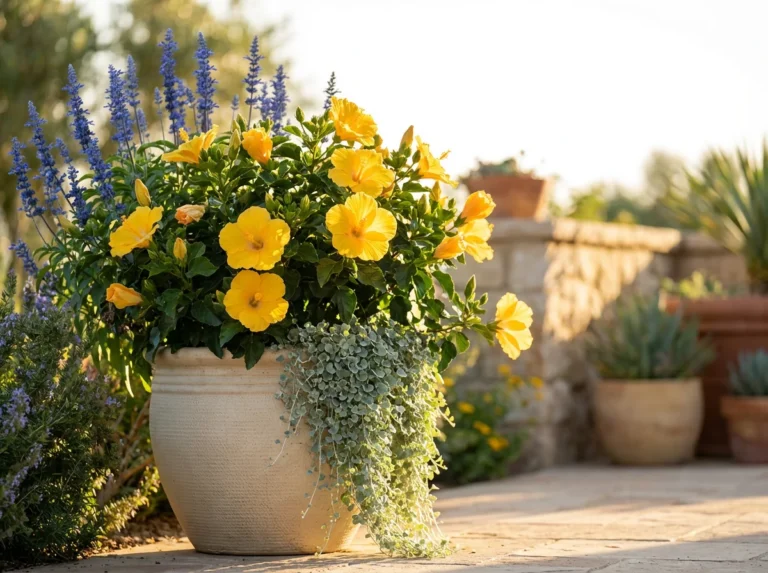
- Upcycle standout planters. Paint thrifted buckets, wine crates, or metal tubs in your accent color. Drill drainage holes, add a false bottom of gravel, and plant a thriller-filler-spiller combo. You score designer vibes for pocket change.
Paint that lasts outdoors
– Clean and sand surfaces before painting.
– Use exterior-grade primer and paint.
– Seal wood with marine varnish if you face heavy sun and rain.
Keep it easy: water, feed, and seasonal routines
You simplify maintenance with smart systems. Drip lines, soaker hoses, and mulch do most of the work. You batch tasks by season and keep tools close so you never dread garden day.
Water smarter. Snake a simple soaker hose through beds and hook it to a timer. Water early morning for fewer fungi and stronger roots. In containers, group pots by thirst and share trays to catch runoff.
Feed lightly. Use a slow-release organic fertilizer once in spring for perennials and shrubs. Top-dress raised beds with compost before you plant. Container plants appreciate a monthly seaweed or fish emulsion splash.
Prune and tidy. Snip dead blooms to stretch flower shows. Trim shrubs lightly in late winter or after blooming, depending on the species. Keep a hand rake and snips in your bench storage so you tackle mini jobs in minutes.
Seasonal checklist (IMO: keep this simple)
– Spring: edge beds, refresh mulch, plant bulbs and annuals.
– Summer: water early, pull weeds weekly, stake tall bloomers.
– Fall: add compost, plant fall bulbs, tuck in cool-season greens.
– Winter: clean tools, plan next year, sip tea and brag about your garden.
FAQ: small backyard garden ideas on a budget
How do I design a small garden without clutter?
Pick one style, one focal point, and a tight color palette. Define zones with paths and edges so every feature lives in a clear spot. Repeat materials and plant shapes to create rhythm. You simplify choices and reduce visual noise.
What’s the cheapest way to add a patio?
Use compacted gravel with stepping stones or large pavers. Lay landscape fabric under the gravel to block weeds, then add 2–3 inches of pea gravel. Set pavers level and tamp them in. You get a fast patio without pouring concrete.
Which plants thrive with low maintenance?
Choose drought-tolerant perennials like lavender, catmint, and yarrow. Add compact shrubs such as dwarf boxwood or spirea for structure. Fold in native plants that match your local climate. Mulch and water deeply, then enjoy the easy life.
How can I make my fence look pretty on a budget?
Hang modular planters, add a trellis with a scented climber, and paint the fence in a calming neutral. Attach a narrow shelf for lanterns or small pots. Echo your accent color on a few containers to tie the whole look together.
Do raised beds really help in small yards?
Yes. Raised beds define growing space, control soil quality, and keep things tidy. You plant intensively and harvest more from a small footprint. Use a 3×3 or 4×4 bed so you reach the center without stepping in the soil.
How do I keep costs low while still getting a polished look?
Stick to a consistent material palette, buy secondhand, and tackle simple DIYs like edging and planters. Use mulch generously to hide bare soil and stretch the budget. Invest in a few standout pieces (a bistro set or a large planter), then support them with affordable accents.
Conclusion
You don’t need a sprawling yard or a fat budget to build a beautiful, low-maintenance garden. You need a clear plan, a few clever materials, and plants that pull their weight. Start small, layer in height, and let repetition carry the style. Then sit down, sip something cold, and enjoy your new favorite room… outdoors.