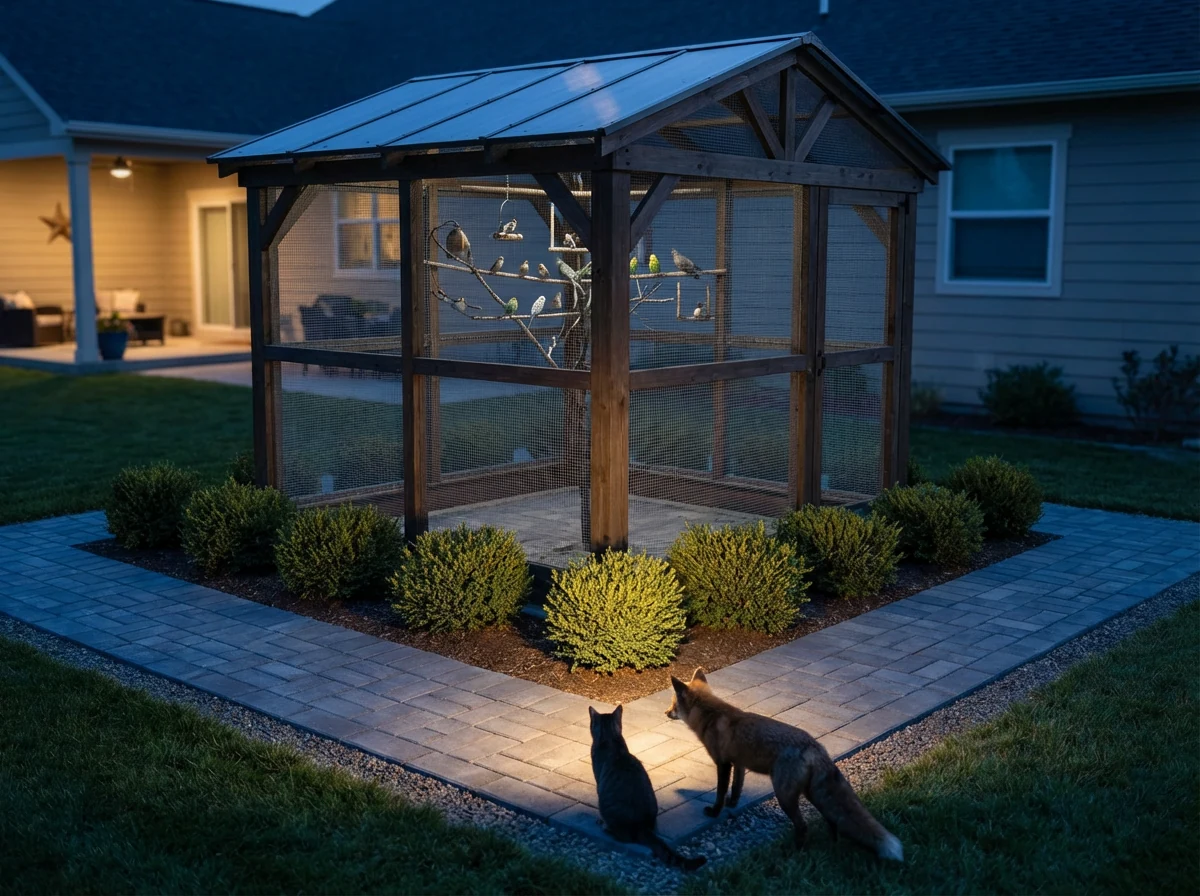
Predator-Proof Outdoor Aviary: How to Secure Against Cats & Foxes
You love your birds, and the neighborhood wildlife loves them too—just for different reasons. Cats stalk, foxes probe, and both treat flimsy aviaries like snack bars. Let’s lock down your setup so curious whiskers and sly snouts bounce off it like a bad idea. We’ll cover what to build, where to put it, and how to keep every feather safe without turning your yard into Fort Knox.
Know Your Opponents: Cats vs. Foxes
Cats climb, squeeze, and swat. Foxes dig, pry, and test every weak spot. You cover both, and you protect everything you love.
Cats scale fences and trees with gymnastic levels of drama. They squeeze through gaps as tight as 2 inches and swipe at birds through flimsy wire. Foxes don’t climb well, but they dig like tiny excavators and push doors that don’t latch right.
Bottom line: block holes smaller than 1/2 inch, deny climbing routes, and stop digging around the perimeter. You build for both, and you sleep better.
Pick the Spot: Location Makes or Breaks Security
Place the aviary away from fences, trees, and sheds. Why give cats a launch pad? Keep at least 6–8 feet of clear space around the aviary, and remove low limbs or shelves that invite climbing.
Drainage matters. Foxes love soft soil because it digs easy. Aim for firm ground and pitch the slab or floor so rain doesn’t pool along the edges. Wet footing turns dirt to butter, and predators chew through butter.
Think visibility. Set up line-of-sight from your house or patio. You spot problems fast and intervene before anything escalates. FYI: motion lights near the aviary help too, especially when foxes sneak at dusk.
Build the Cage Right: Mesh, Frame, and Roof
Your frame holds everything, so build it sturdy. Use pressure-treated lumber or galvanized steel tubing. Brace corners, anchor posts deep, and bolt connections tight. Wobbly frame equals free lessons in failure.
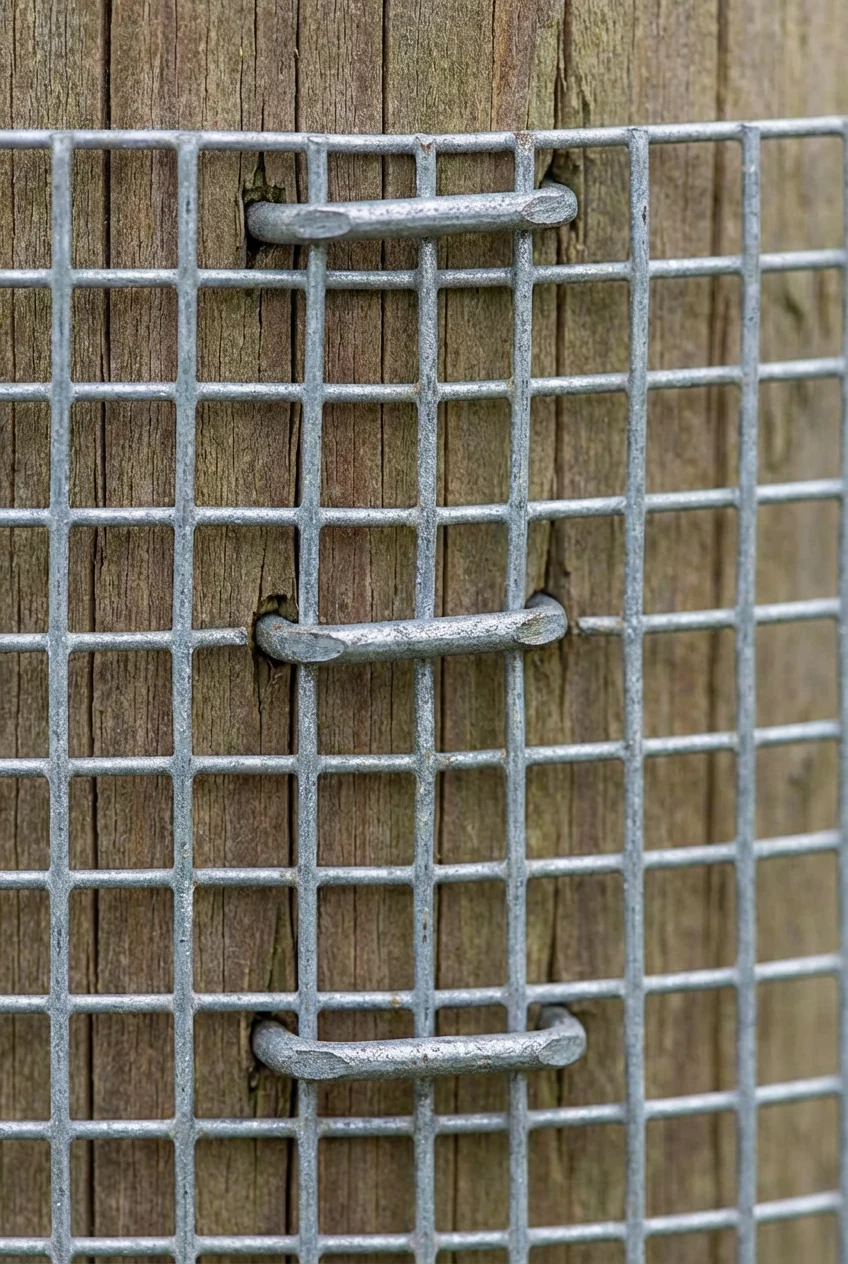
For walls, choose galvanized hardware cloth with 1/2-inch mesh and 16–19 gauge wire. Chicken wire only stops chickens. Cats can shred it, and foxes can tear it open. Keep the mesh tight with fencing staples or washers and screws every 4–6 inches along the frame.
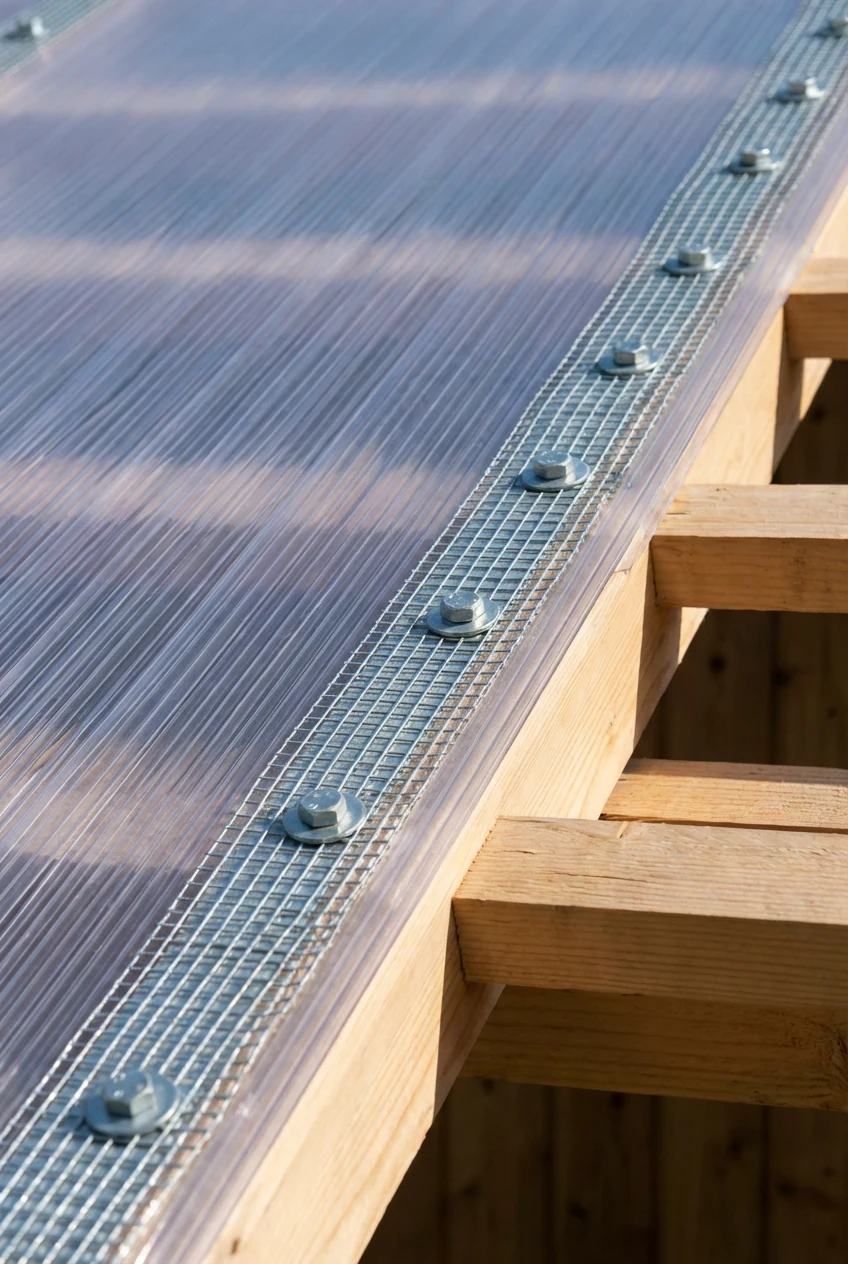
Add a solid roof. Give birds shade, block rain, and deny cats a grip. Polycarbonate panels or corrugated metal work great. Pitch the roof to shed water and attach the mesh to the roof panels so nothing gapes.
Double-layer High-Risk Zones
Line lower walls and corners with a second layer of hardware cloth. Cats swipe feet through small gaps, so double-layering creates a “no-touch” zone. You stop paws from reaching in, and your birds stop freaking out every evening.
Mesh Orientation and Tension
Run hardware cloth vertically along tall sections and pull it tight before you staple. Overlap seams by 2 inches and secure them with a strip of wood or steel bar. Weak seams invite pressure tests—foxes love those.
Stop the Diggers: Floors, Aprons, and Skirts
Foxes dig under fences like it’s their favorite hobby. You block the underground route, and you win half the battle.
Install a dig-proof floor or perimeter apron. Choose your style and execute cleanly:
- Concrete slab: Pour a 3–4 inch slab inside the footprint. It blocks digging completely and keeps cleaning easy. You add sand or pea gravel on top for comfort.
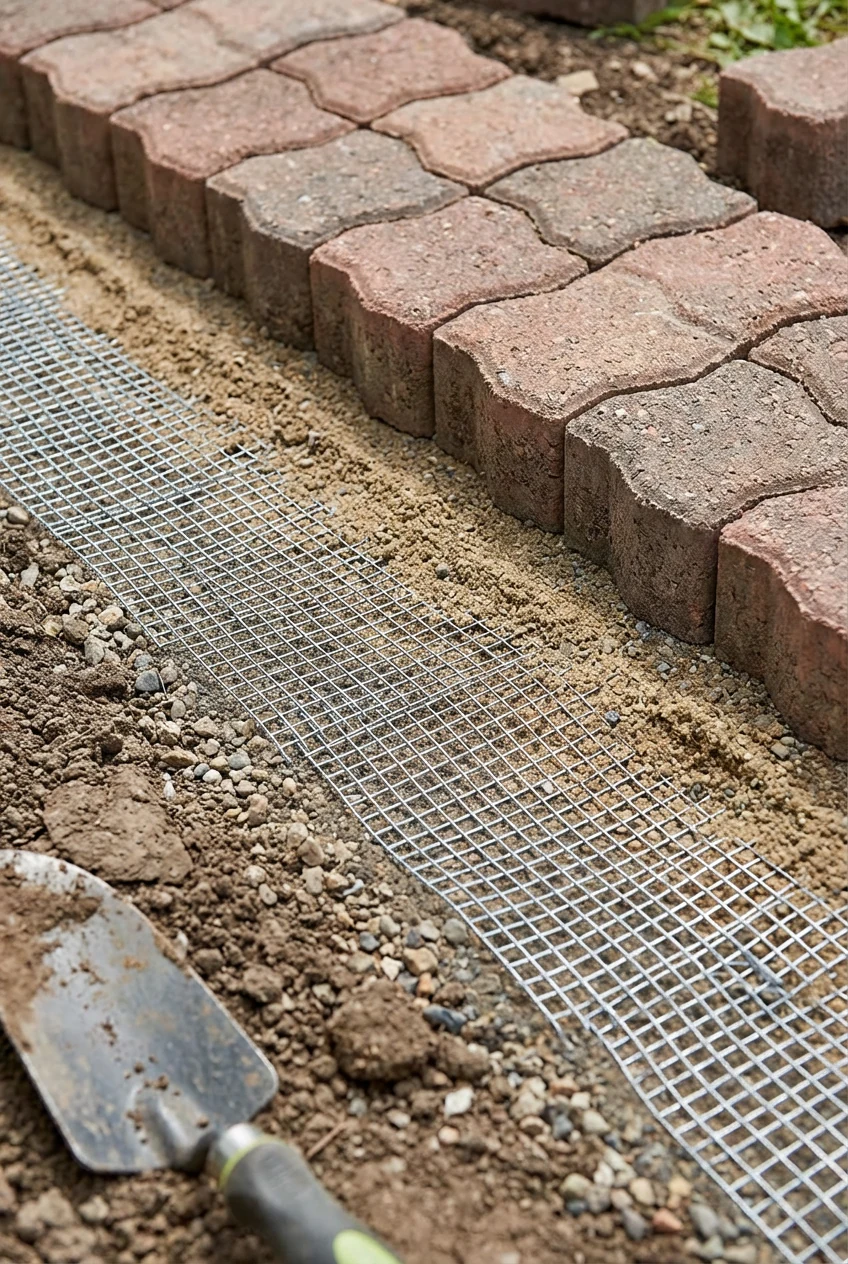
- Buried hardware cloth apron: Extend 16–19 gauge 1/2-inch hardware cloth 24 inches out from the walls. Lay it flat, then bury it 2–3 inches deep. Foxes dig at the base, hit wire, and bail.
- Vertical trench skirt: Dig a 12–18 inch trench around the aviary, drop the hardware cloth straight down, and backfill. This method works when you can’t extend outward.
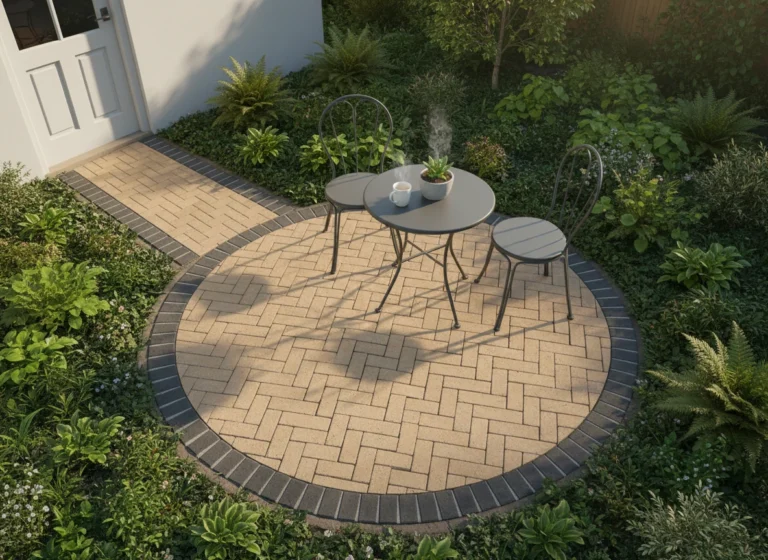
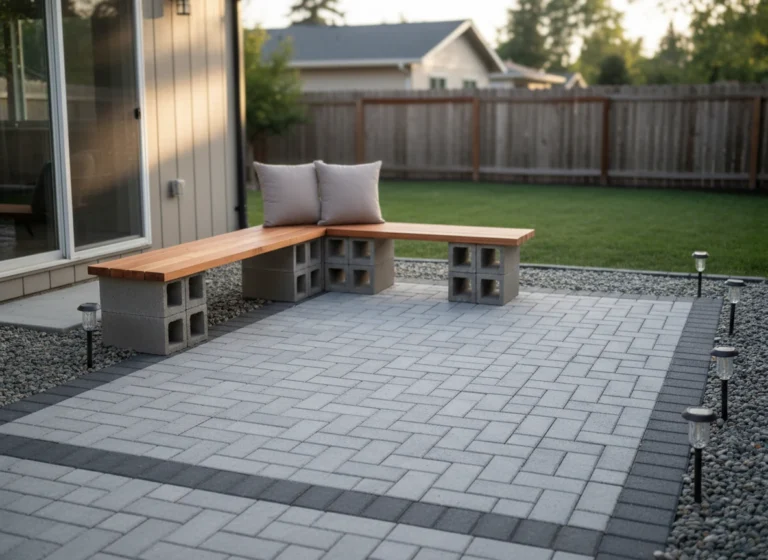
- Paver perimeter: Lay heavy pavers over a 24-inch apron. Pavers hold the wire down and block exploratory digs. It also looks tidy, which IMO matters.
Inside Edge Management
Birds love to dust-bathe near edges, which pulls dirt away and exposes the base. Build an inner border with 8–10 inch boards or low raised planters. You keep soil stable and discourage fox excavation.
Doors, Latches, and Entry Tricks
Predators don’t read “Keep Out” signs. They test doors and paw at latches until they win. You build smarter doors.
Add a double-door vestibule. Enter through an outer door, close it, then open the inner door. Birds can’t bolt in panic, and predators can’t rush through if you drop something. Keep both doors self-closing with spring hinges.
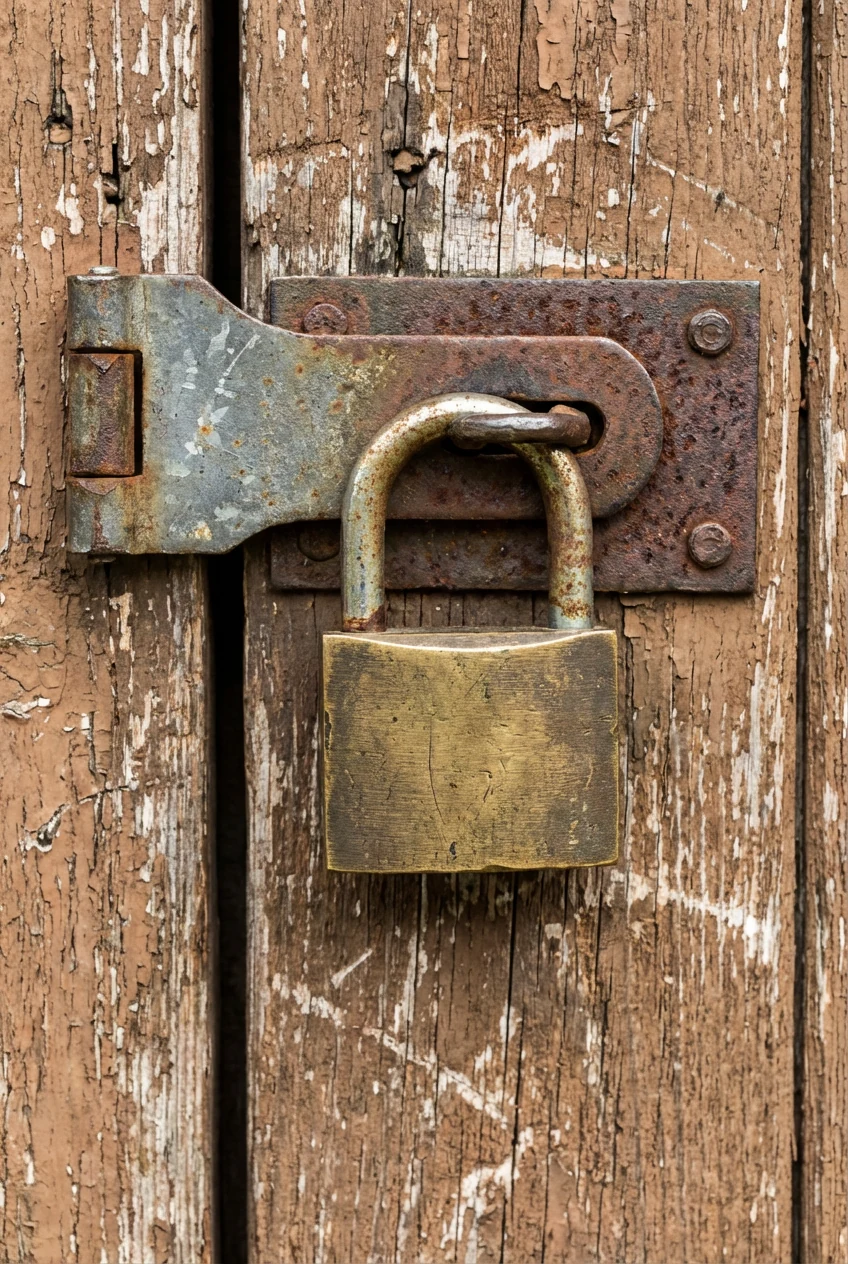
Choose strong latches. Use two-step latches like hasp-and-padlock or keyed lever locks. Cats can flip simple slide bolts, and foxes can nose open loose latches. Mount latches high and protected, and add a guard plate so paws can’t reach through.
Keep thresholds flush. Foxes pry at gaps under doors. Install a sweep at the bottom or add an aluminum angle piece across the threshold. It blocks light leaks and stops noses.
Hinge and Frame Reinforcements
Secure hinges with through-bolts and large washers. Predators push, yank, and wiggle doors until screws loosen. Through-bolts hold, and you avoid “surprise access” during a storm.
Interior Layout: Make Your Birds Less Tempting Targets
You don’t need paranoid birds. You need smart layout. Place perches and nest boxes away from the walls by 18–24 inches so paws can’t reach anyone. Birds relax, and they ignore shadowy figures outside.
Create varied heights. Short birds sit lower, flighty birds perch higher, and nobody crowds along the mesh. Spread feed and water stations toward the center. Cats love food smells; you don’t marinade your walls.
Add screens along high-traffic sides. Use reed fencing or polycarbonate panels to block sightlines. Predators rely on visual triggers, so you remove the show and they move on.
Night Mode
Install a secure night roost or interior sleep box with its own mini door. Lock it at dusk and unlock it at dawn. Foxes hunt at night, cats wander always, and you add a second layer of protection when birds feel sleepy.
Extra Deterrents: Landscaping and Tech
Deterrents don’t replace strong construction, but they help. Motion lights startle foxes. Motion sprinklers make cats question life choices. Mount devices along approach paths, not at random.
Plant thorny or dense shrubs around the perimeter. Choose barberry, holly, or rose varieties that discourage loitering. Keep foliage trimmed low near the base so you spot tunnels or paw prints.
Clean up attractants. Cover compost, secure trash, and store feed in metal bins inside. Strong smells invite visitors. You control odors, and you control traffic.
Consider a perimeter hot wire with low-voltage energizers designed for small animals. Run a single strand 6–8 inches off the ground outside the aviary fence. Check local codes before you install. You prioritize safety and avoid surprises.
Cameras and Logs
Install a simple Wi‑Fi camera with motion alerts. You catch patterns and fix weak spots quickly. Keep a quick log of sightings: time, direction, and what they tried. Patterns reveal solutions.
Maintenance: Fix the Little Stuff Before It Becomes Big Stuff
Walk the perimeter weekly. Check for loose staples, rust spots, gnawed corners, and shifted soil. Tighten hardware, replace worn parts, and rake dirt back against the base.
Wash mesh gently with a hose every month. Dirt hides trouble. You spot frayed wire or early rust before failure. Keep tools handy: driver, screws, staples, pliers, and extra hardware cloth.
Seasonal checks matter. Before heavy rain, inspect aprons. Before windstorms, secure roof panels. After snow, clear loads and inspect supports. You stay proactive and avoid dramatic field repairs in pajamas.
Emergency Playbook
Prep a kit with extra latches, zip ties, landscape staples, and a small roll of hardware cloth. When something fails, you patch fast and schedule a full fix later. Fast action saves birds; planned action keeps it permanent.
Cost-Savvy Upgrades That Actually Work
Skip gimmicks. Focus on materials and design that block real behavior. You spend once and reap peace for years.
Prioritize upgrades in this order:
- 1/2-inch, 16–19 gauge hardware cloth on all sides
- Perimeter dig apron: 24 inches wide
- Double-door vestibule with self-closing hinges
- Solid roof with secure mesh seams
- Two-step latches and lock guards
If budget feels tight, install the apron and upgrade latches first. These two stop most real-world attacks. Mesh upgrades come next, then roof improvements. IMO, you win big with that order.
FAQ
What mesh size and gauge actually stops cats and foxes?
Use 1/2-inch mesh with 16–19 gauge wire for walls and doors. Go tighter (1/4 inch) around lower 24 inches if you see aggressive swatting. Avoid chicken wire entirely. It sags, stretches, and fails under pressure.
How deep should I bury the dig barrier?
Bury a vertical skirt 12–18 inches deep or install a 24-inch horizontal apron 2–3 inches below the surface. Foxes start digging at the fence line, hit wire, and stop. Extend apron corners generously—foxes love corners.
Do I need a concrete floor, or can I keep soil?
You can keep soil if you install a strong apron or skirt and reinforce high-traffic edges. Concrete floors offer the best dig-proof base and easier cleaning. Add sand or pea gravel on top for comfort if you choose concrete.
Will a solid roof help, or should I only use mesh?
Use a solid roof. You deny cats a grip, protect birds from rain, and reduce stress. Combine solid panels with mesh sides for airflow. Seal seams tightly so nothing pries through.
Can I deter predators without making the aviary ugly?
Yes. Hide aprons under mulch or pavers, use neat polycarbonate panels, and add shrubs that discourage prowling. Keep the lines clean and the hardware consistent. Smart design looks good and works great.
Are motion lights and sprinklers enough on their own?
No. They help, but they don’t fix weak construction. Build the aviary strong first, then add tech. You layer defenses, and you block real threats from multiple angles.
Conclusion
Cats and foxes don’t quit, so you outsmart them with tough materials, clean design, and smart maintenance. You block climbs, digs, and prying paws, and you keep your birds calm and happy. Build the defenses once, tweak as you learn, and enjoy your flock without late-night drama. And if a whiskered visitor shows up again? You’ll watch them fail like it’s your new favorite show.