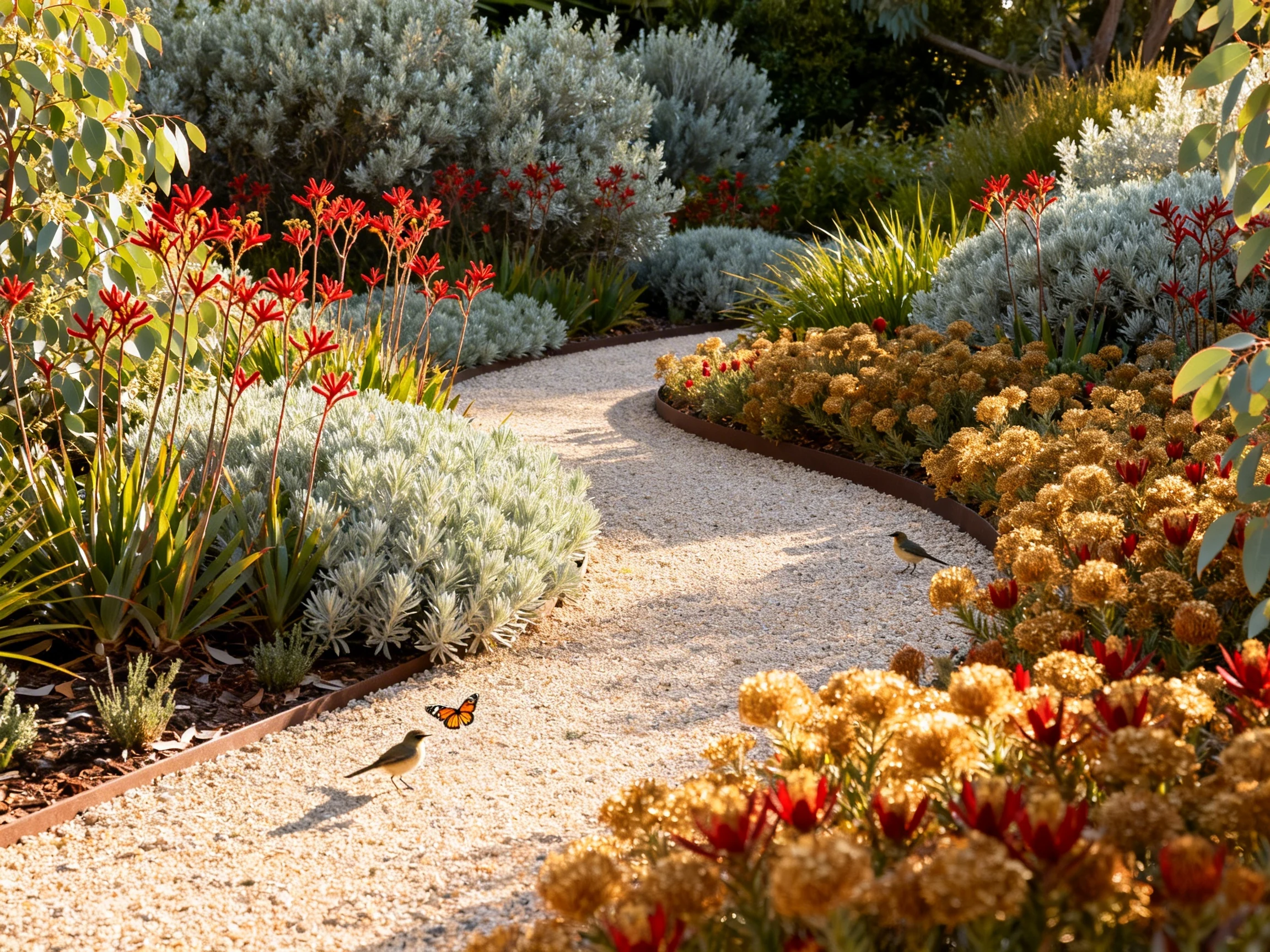
australian native garden design
You want an Australian native garden because you’re sick of thirsty lawns and dramatic exotic plants that wilt the moment you blink, right? Good news: natives can look wildly stylish, not just “bush block chic.” You can build a garden that hums with birds, butterflies, and that smug feeling you get when your water bill stays chill. Let’s design something that works with your climate instead of fighting it like a bad reality TV relationship.
Why Australian natives make garden design ridiculously practical
Australian plants evolved to handle our “surprise” heatwaves, weird rainfall, and soils that love to humble you. That means you can create a garden that looks good without constant pampering. You still need to water at first, but you won’t spend every weekend dragging a hose around like it’s your full-time job.
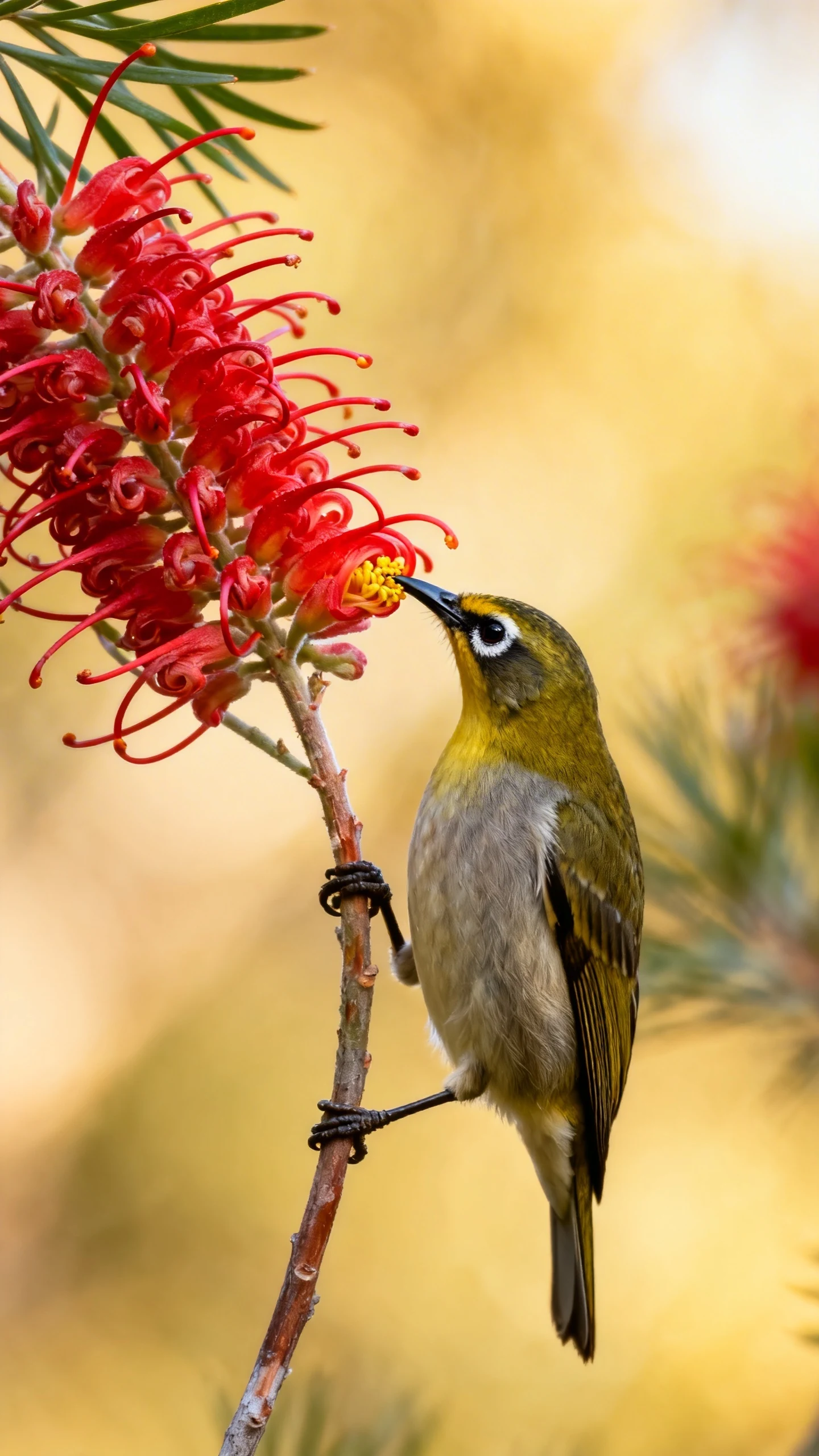
Native garden design also gives you instant ecosystem cred. You’ll see more honeyeaters, wrens, butterflies, and lizards turning up like you opened a tiny backyard nightclub. And honestly, watching a mob of birds hit your grevilleas beats staring at a struggling rose any day.
Here’s the big win: natives reward smart planning. Pick the right plant for the right spot, and your garden runs on easy mode. Ignore that rule, and the garden will roast you for it.
Low water doesn’t mean low effort
FYI, “drought-tolerant” doesn’t mean “never needs water ever again.” It means the plant can cope once it establishes, especially with good mulch and sensible placement. During the first year, you must water deeply and regularly so roots push down.
After that? You can ease off and let the plants do their thing. You’ll still water during brutal stretches, because you’re not a monster. But you won’t need a daily ritual of begging plants to survive.
Start with your site: sun, soil, wind, and the ‘why is it always dry here’ factor
Before you buy plants, you need a quick reality check. How many hours of sun does your space get? Where does water pool, and where does it vanish instantly? What wind corridor turns your patio into an outdoor hairdryer?
Grab a coffee and observe for a week. You don’t need spreadsheets, just notice patterns. Smart native garden design starts with accepting what your site already does well.
Most Australian soils lean sandy, clayey, or “mystery rubble with builders’ leftovers.” Don’t panic. You can still succeed if you choose plants that match your conditions instead of trying to rewrite geology.
Soil prep without the back-breaking drama
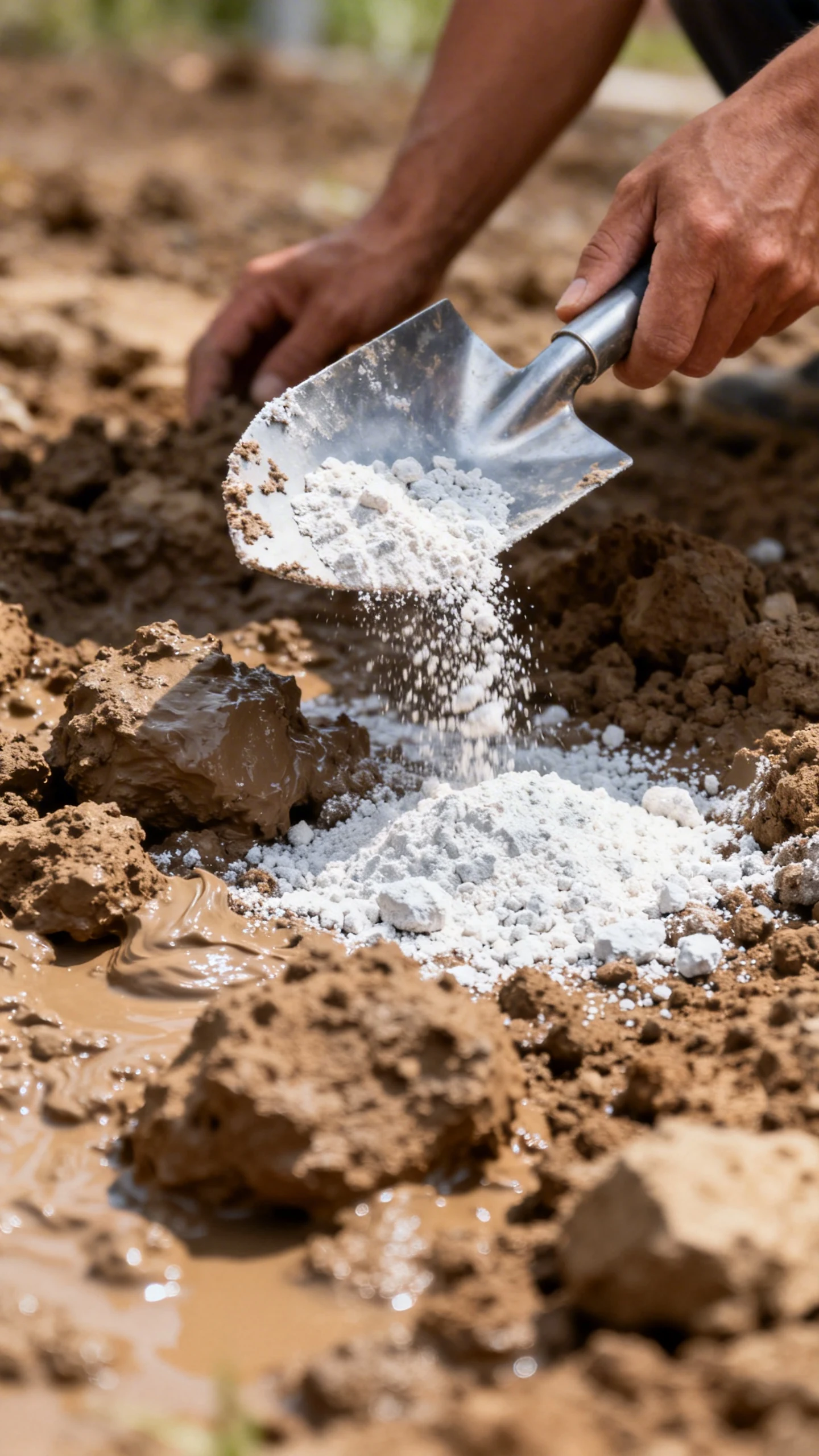
If you’ve got clay, you want to improve drainage and stop waterlogging. Mix in gypsum, add organic matter on top, and use mulch like your garden depends on it, because it does. If you’ve got sand, you need to hold moisture and nutrients, so compost and chunky mulch become your best mates.
Skip over-fertilising, especially with high-phosphorus products. Many natives hate that and will quietly fail out of spite. Use a low-phosphorus native fertiliser when you need one, and don’t treat it like protein powder.
Pick a style: native garden design can look sleek, wild, or coastal-cool

People hear “native garden” and imagine a scruffy patch of shrubs. That’s a choice, not a requirement. You can design natives to look clean and modern with repetition, strong shapes, and simple plant palettes.
Do you want a structured look with clipped forms and bold grasses? Or a looser, wildlife-friendly vibe that feels like a mini nature reserve? Either works, but you need to commit, because mixing every style at once looks like you lost a bet at a plant nursery.
IMO, the best native gardens feel intentional. They might look relaxed, but they still follow a plan.
Three easy design directions to steal
If you feel stuck, pick one of these and run with it. You can tweak later once you see what you love.
- Coastal vibe: silver foliage, grasses, banksias, and plants that handle salt and wind.
- Bushland feel: layered shrubs, small trees, leaf litter, and meandering paths.
- Modern native: repeated clumps of grasses, bold strappy leaves, simple hardscape, and tidy edges.
Whichever vibe you choose, keep your plant list tight. Repetition makes a garden feel designed, not accidental. Also, it makes shopping easier, which matters when you hit the nursery and suddenly want everything.
Layer like a pro: canopy, mid-storey, groundcovers, and the ‘please stop weeds’ strategy
Native garden design shines when you build layers. Think tall structure, mid-level filler, and a dense ground layer that covers soil. Layering creates habitat and cuts down weeds, and yes, weeds absolutely try to move in the second you look away.
Start with a few key “backbone” plants. Small trees or large shrubs anchor the space and give shade and shelter. Then add mid-storey flowering shrubs for colour and wildlife, and finish with groundcovers to knit everything together.
Want instant results? You can plant densely, but don’t cram plants that grow huge into tiny spaces. Check mature sizes and trust them, because plants don’t care about your hopes and dreams.
Go-to native plant types that play nicely in designs
You don’t need an encyclopaedia of species to get this right. Focus on plant roles and choose varieties suited to your region and conditions.
- Structural plants: banksias, callistemons, melaleucas, and small eucalypts for height and form.
- Flowering magnets: grevilleas, correas, westringia, and tea-trees for nectar and colour.
- Texture makers: lomandra, dianella, and kangaroo paw for movement and strong shapes.
- Groundcovers: native violets, creeping boab? not really, but you get the idea, plus myoporum and dichondra-style natives where suitable.
Choose plants that bloom at different times. That gives you year-round interest and keeps wildlife dropping by. It also stops your garden from looking amazing for one month and boring for the other eleven.
Hardscape and layout: paths, rocks, and the art of not overcomplicating it
Plants matter, but layout makes the garden feel usable. You need paths that guide people, spaces to sit, and edges that keep things from turning into a chaotic jungle. Even a tiny courtyard feels bigger when you create clear zones.
Use natural materials that suit the native vibe. Think gravel paths, stepping stones, timber sleepers, and boulders that look like they belong. And yes, rocks count as design, not laziness, as long as you place them with intention.
Make your watering plan match your layout. Group plants with similar water needs together, because mixing thirsty plants with tough-as-nails natives becomes a constant compromise. Your garden should not require daily negotiation.
Mulch and edging: boring details that make everything better
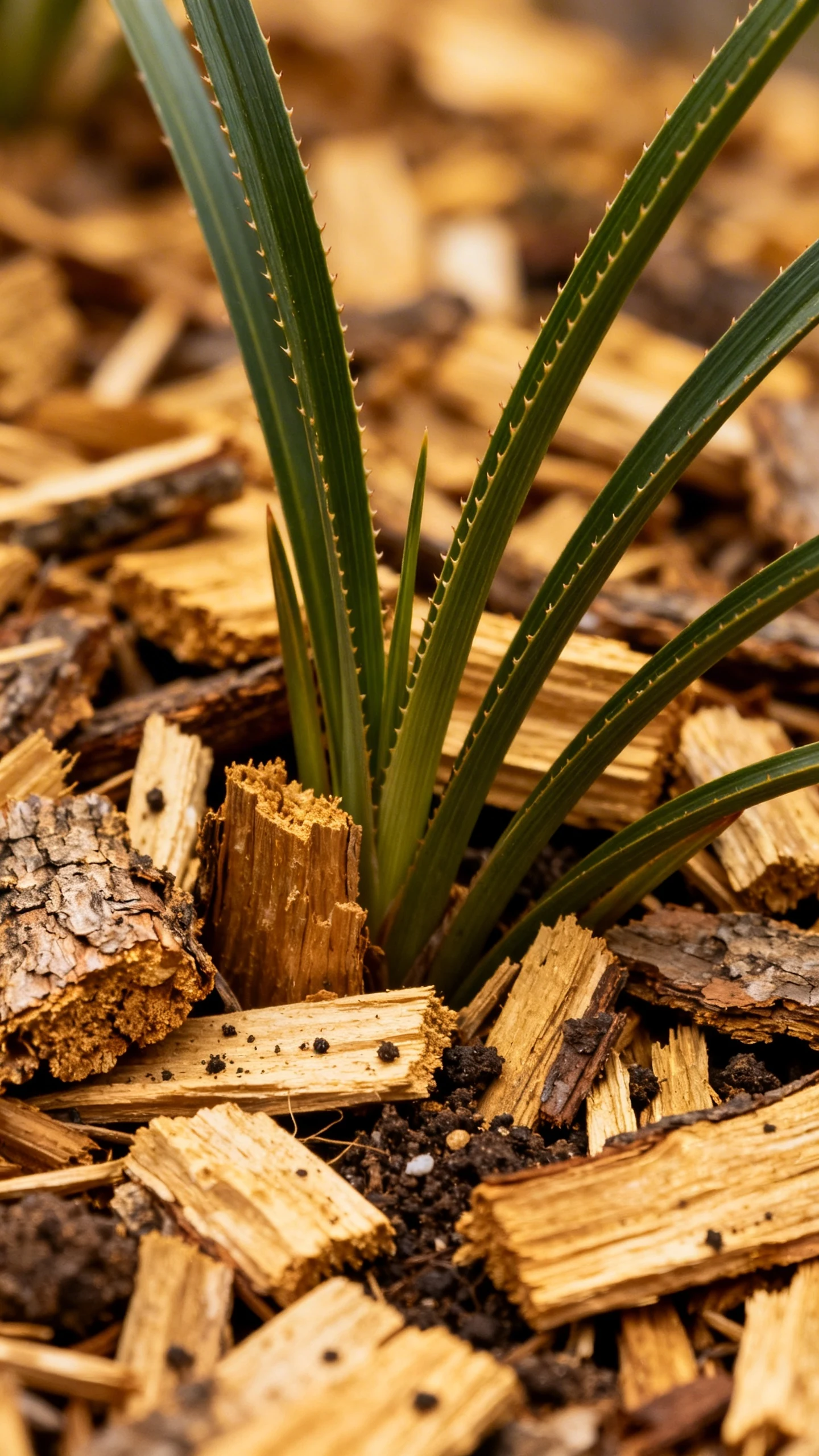
Mulch changes everything. It keeps roots cooler, holds moisture, and stops weeds from throwing a party. Use chunky organic mulch and top it up as it breaks down.
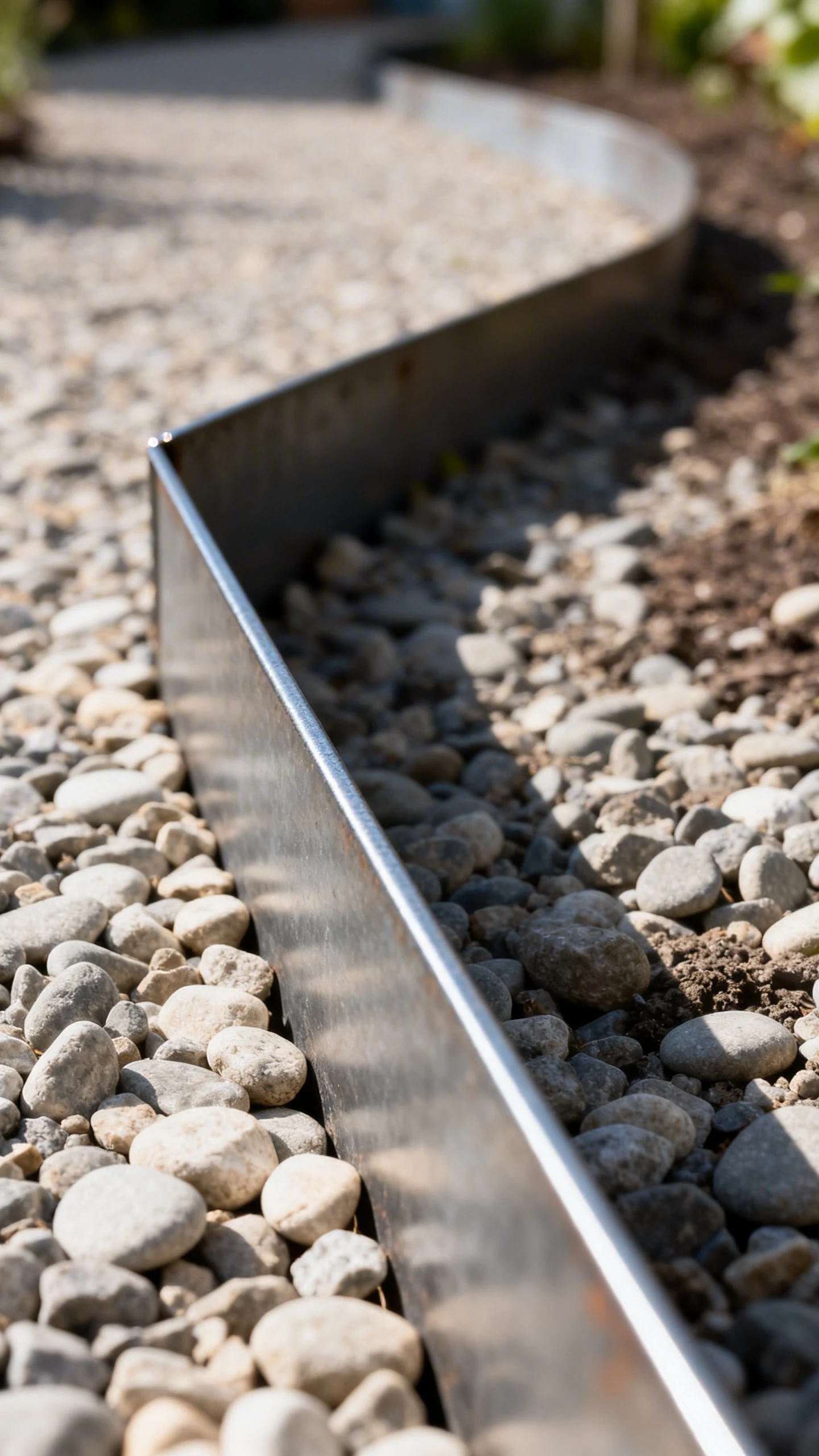
Add clean edging so the garden reads as “designed.” Steel edging, brick, timber, or stone all work. The edge draws a line between wild and intentional, and that line does a lot of heavy lifting.
Maintenance without the meltdown: pruning, watering, and keeping it looking sharp
Natives don’t demand much, but they do appreciate the right kind of attention. Prune after flowering to encourage dense growth and more blooms. Don’t hack everything at once like you’re in a rage-cleaning spiral.
Water deeply and less often once plants establish. Shallow daily watering trains roots to stay near the surface, which makes plants weaker in heat. Deep watering encourages resilience, which you want, because summer loves chaos.
Feed lightly if growth slows, and always pick products designed for natives when needed. Most of the time, mulch and healthy soil do the job. Also, accept that gardens look different across seasons, and that’s part of the charm.
Wildlife-friendly design without turning your yard into a jungle
If you want birds, you need more than flowers. You need shelter, layered planting, and some “safe mess,” like leaf litter in tucked-away spots. Keep the front areas tidy and let the back corners get a little wilder.
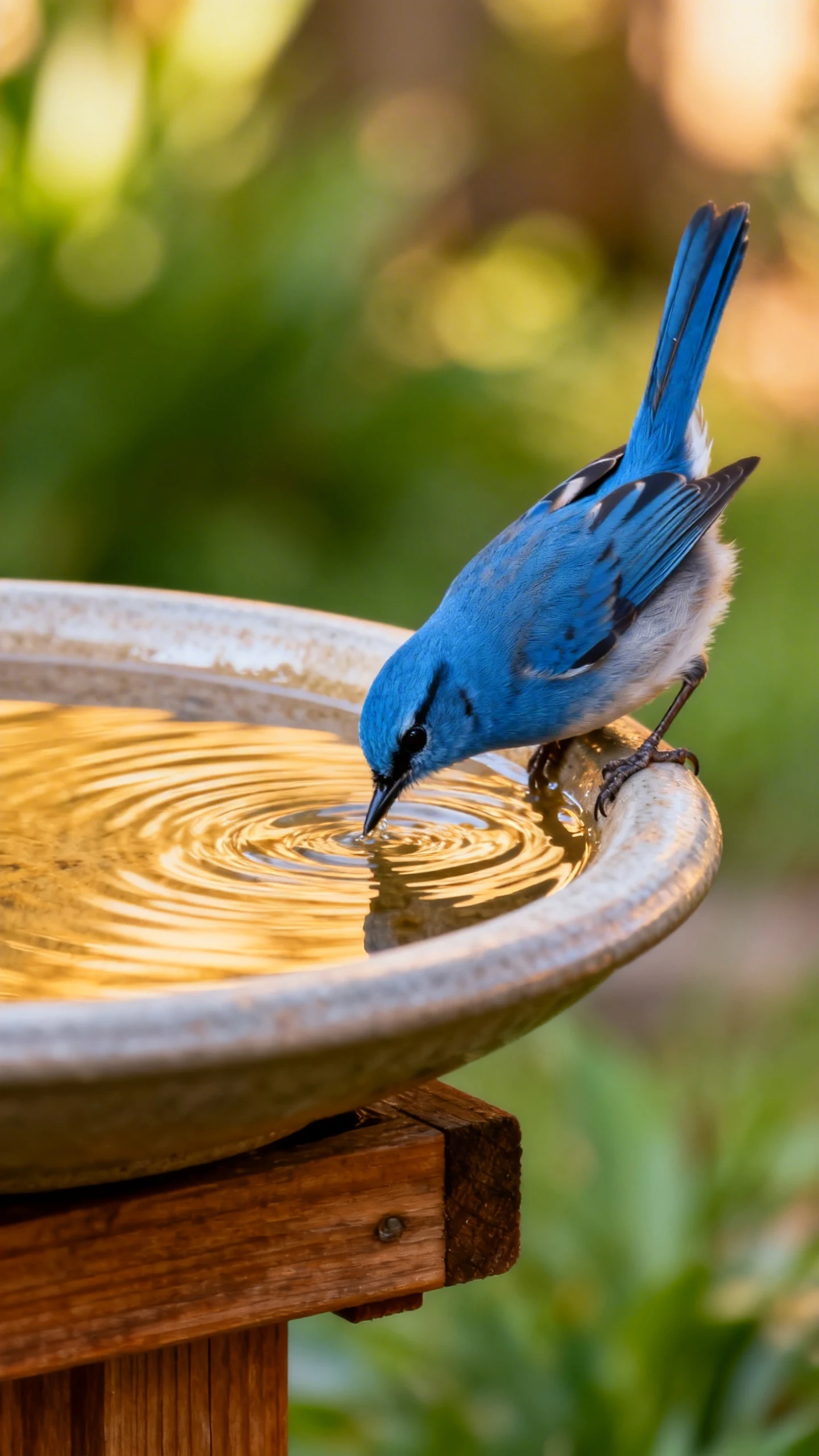
Add a shallow water source, like a dish on a stand, and keep it clean. Birds will use it fast, especially in heat. You’ll feel weirdly proud the first time a blue wren stops by, like you personally invited it.
FAQ
Do native gardens look messy compared to traditional gardens?
Only if you design them with zero structure. Use repetition, clear edges, and defined paths, and natives look crisp and intentional. You can absolutely build a native garden that feels as polished as any “classic” garden.
What are the easiest native plants for beginners?
Start with tough, forgiving options like westringia, lomandra, dianella, and many callistemons. They handle pruning, cope with varied soils, and give reliable shape. Then add a few feature plants like banksias or grevilleas once you understand your site.
How do I stop weeds in a native garden?
Plant densely, mulch deeply, and keep soil covered with groundcovers. Weeds love bare soil, so don’t give them free real estate. You also need to stay consistent early on, because weeds always test boundaries.
Can I mix natives with non-native plants?
Yes, and it can look great if you keep the style cohesive. Just group plants with similar water needs together so you don’t sabotage the natives. If you want a clean look, use a few non-natives as accents rather than tossing in everything you like.
Do I need irrigation for an Australian native garden?
Irrigation helps a lot during establishment, especially in the first summer. After that, many native gardens thrive with minimal supplemental watering, depending on your climate and soil. If you install irrigation, use zones so you can water smarter, not harder.
How long until a native garden looks “finished”?
You’ll see a big jump in the first 6 to 12 months, and it usually hits its stride around year two. Natives often start a bit slow, then suddenly take off when roots settle in. Patience pays off, even if patience feels fake sometimes.
Conclusion: design for your place, then let the natives do their thing
Australian native garden design works best when you stop fighting your conditions and start collaborating with them. Choose a style, build layers, use mulch like it’s a secret weapon, and keep the layout simple and purposeful. You’ll get a garden that looks great, supports wildlife, and doesn’t demand constant attention.
And if someone says native gardens look scruffy, you can politely ignore them while your yard buzzes with life. Or you can smirk and say, “It’s called habitat, actually.”