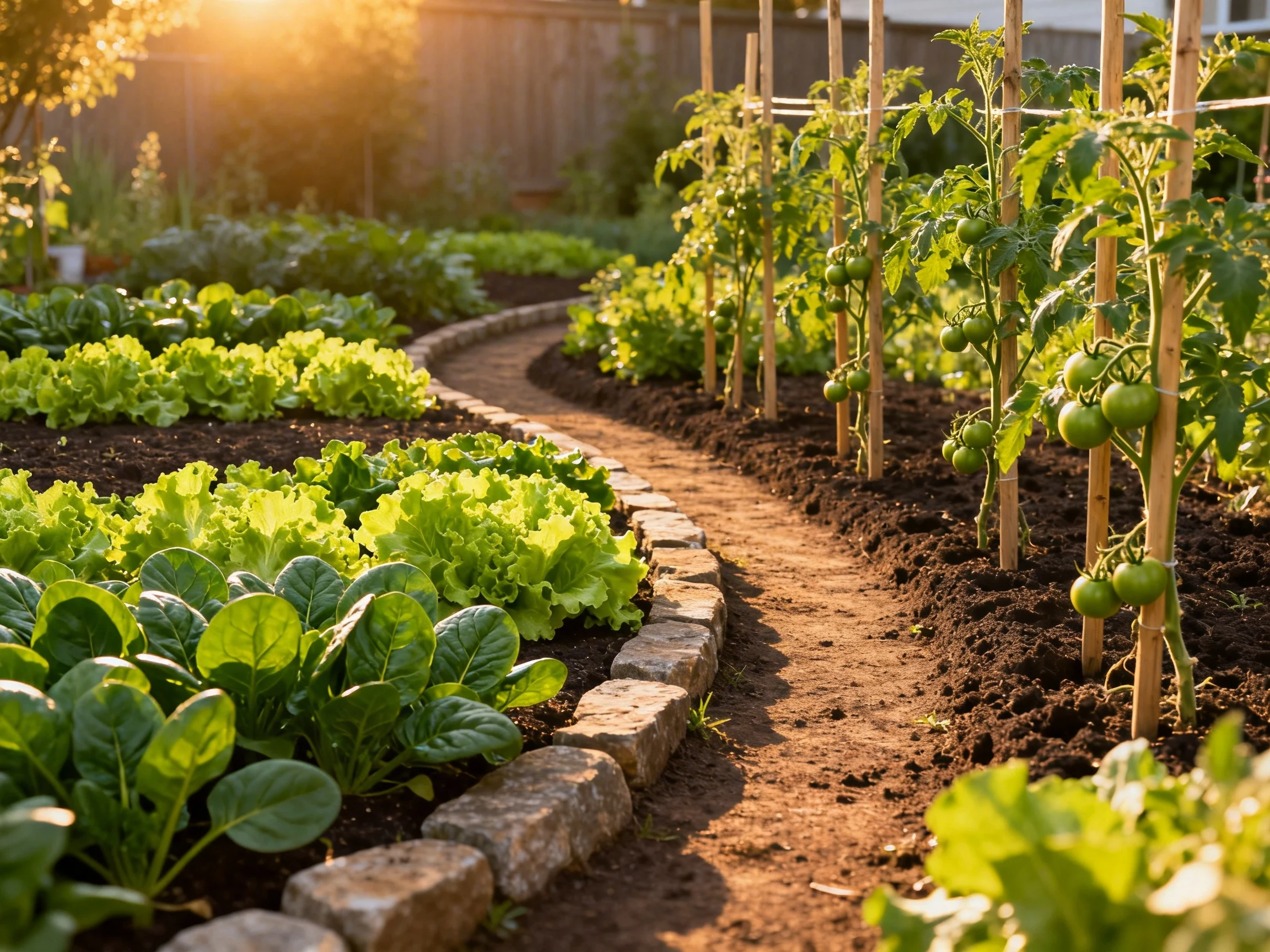
An in ground vegetable garden can look wildly productive or like a chaotic salad crime scene. The difference usually comes down to design, not luck. If you plan the layout before you start digging, you save yourself a ton of work later and end up with a garden that actually grows food instead of just testing your patience.
Start with the yard you actually have
Before you dream up neat rows of tomatoes and perfect heads of lettuce, look at your space honestly. Where does the sun hit for at least six to eight hours? Where does water collect after rain, and where does the soil dry out so fast it seems rude?
Good in ground vegetable garden design starts with observation. You do not need a giant backyard or some farmhouse fantasy setup. You need a spot with solid sunlight, decent drainage, and access to water unless you enjoy hauling hoses around like a punishment routine.
Walk the area at different times of day for a few days. Morning sun works well, and full afternoon sun helps fruiting crops like peppers and tomatoes. If a fence, tree, or shed throws heavy shade over half the garden by noon, that matters a lot more than your Pinterest board.
Check the soil before you commit
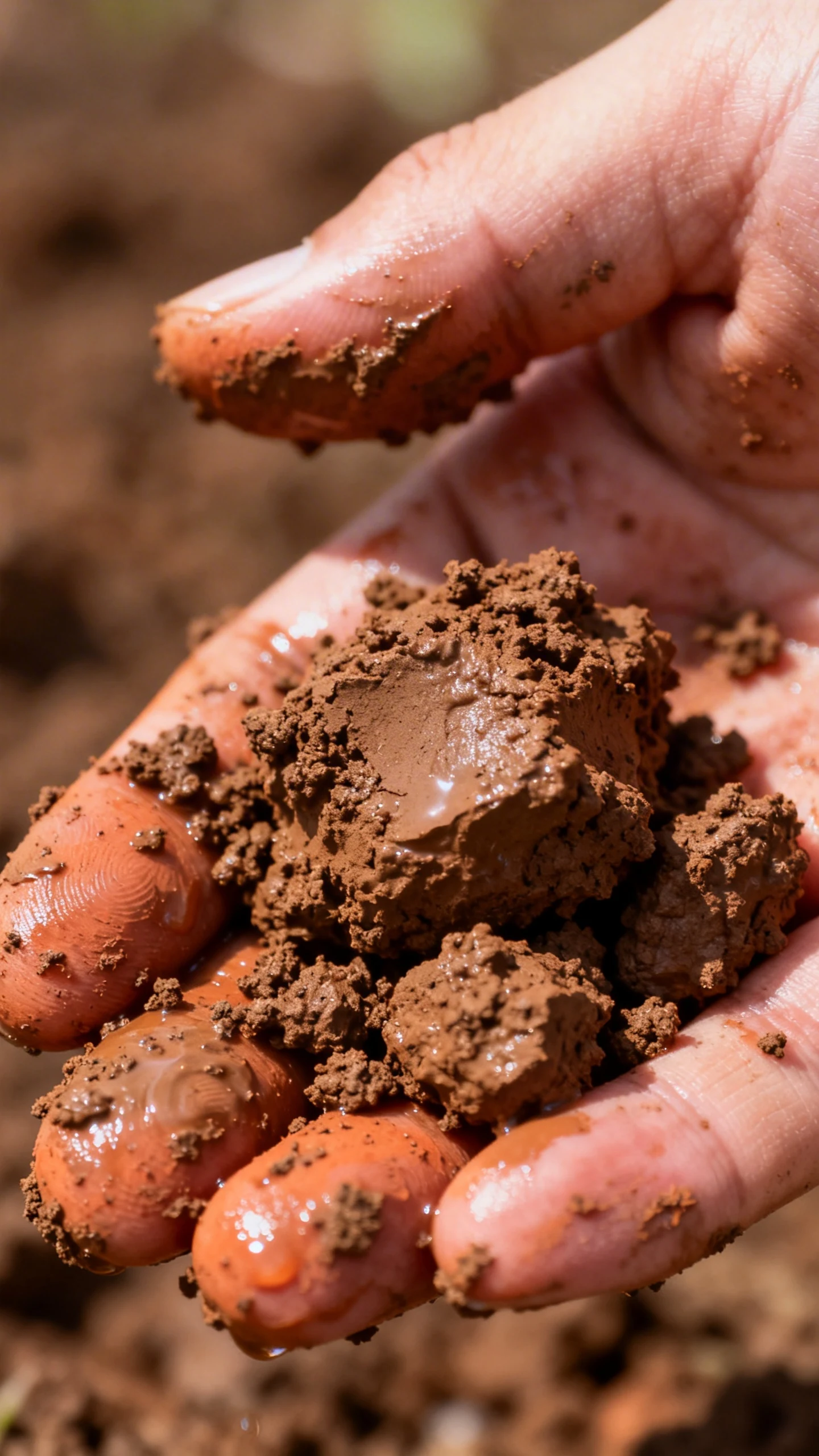
In ground gardening means you work with the soil that already exists, for better or worse. Grab a handful when it feels slightly damp. If it clumps like modeling clay and stays there, you probably have heavy clay soil. If it slips through your fingers like beach sand, you have the opposite problem.
Both extremes can work, but they need different fixes. Clay soil benefits from compost and patience. Sandy soil needs compost too, because apparently compost solves almost everything in gardening, which feels suspiciously convenient but also true.
If you want a shortcut, get a basic soil test. It tells you pH and nutrient levels, and that gives you real information instead of letting you guess based on vibes. FYI, vegetables usually like slightly acidic to neutral soil, around 6.0 to 7.0.
Pick a layout that matches how you garden
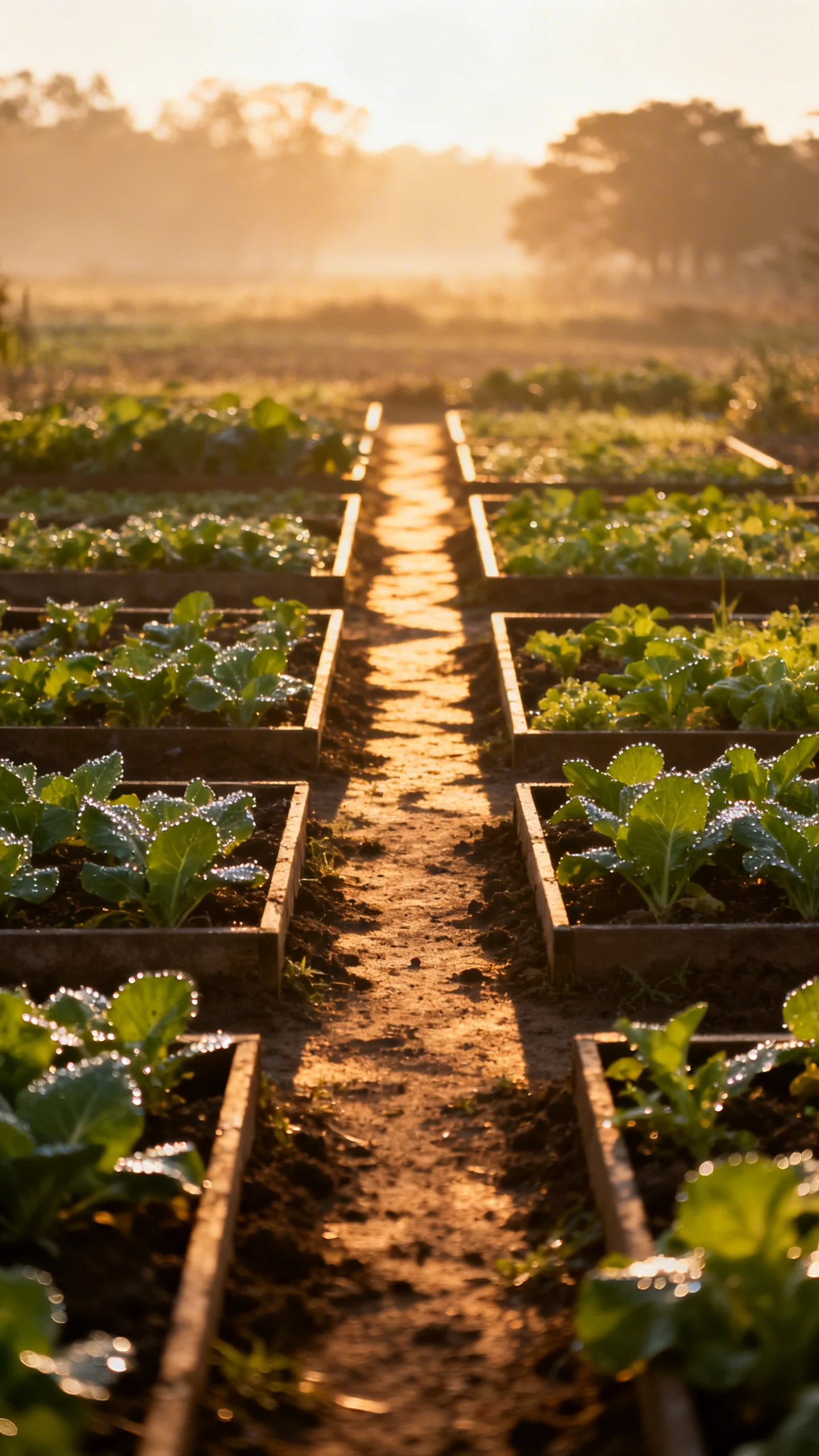
Some people love tidy rows. Some people want blocks of crops packed together. Some people swear they will keep perfect paths and spacing and then plant one extra zucchini and lose control by July. No judgment. Choose a layout you can actually maintain.
Rows work well in larger spaces and make it easy to weed, water, and rotate crops. They also give your garden that classic, old school look. If you have a long rectangular patch, rows may feel natural and efficient.
Block planting works better in smaller areas. Instead of long single lines, you group crops in wider sections. That reduces wasted space, shades out some weeds, and makes the garden look fuller. IMO, this approach often looks better in suburban backyards where you want productivity without the “mini farm exploded here” effect.
Do not forget the paths
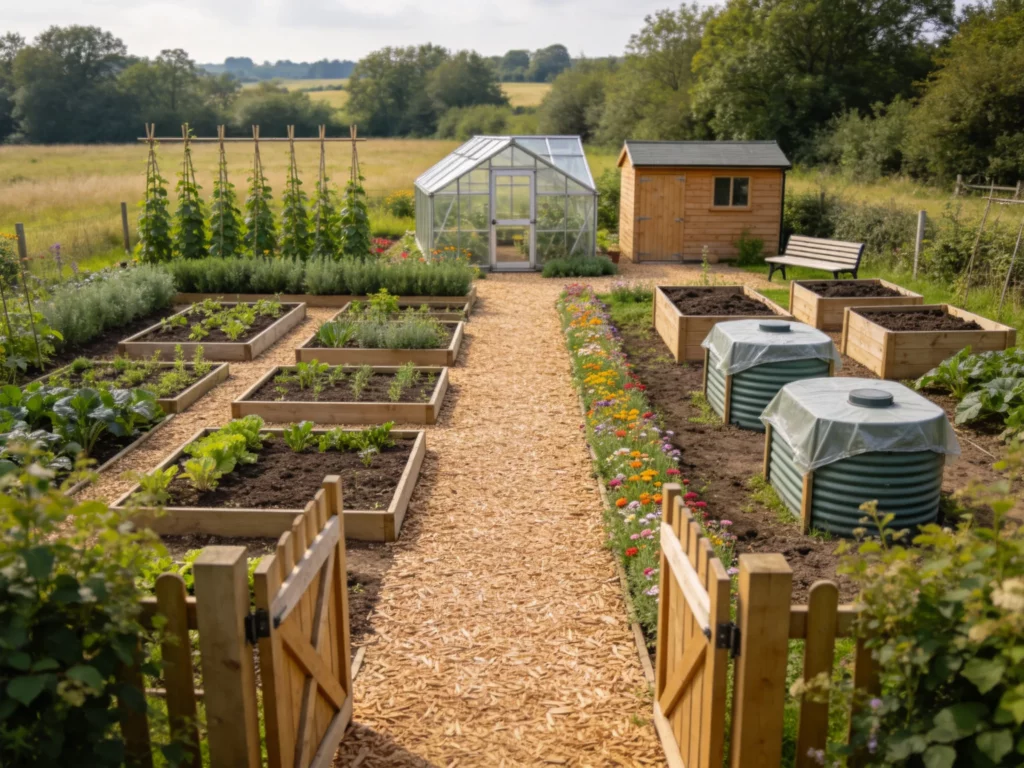
Every great garden design includes paths wide enough for actual human feet. This sounds obvious until you squeeze every crop together and realize you have to step on the soil to harvest beans. Compacted soil hurts roots, and muddy footprints all over your carrots do not count as mulch.
Keep main paths around 18 to 24 inches wide if possible. Smaller access paths can stay narrower, but make sure you can still kneel, carry a watering can, or drag a bucket through without inventing new curse words.
Design around access, not just planting space. You should reach every bed or row without acrobatics. If you need a yoga pose to pick cucumbers, the layout needs help.
Group plants by size, season, and attitude
Vegetables do not all behave the same way. Some stay polite and compact. Others sprawl, climb, or throw giant leaves over everyone else like they own the place. A smart in ground vegetable garden design accounts for plant size before the garden turns into a wrestling match.
Put taller crops on the north side if you live in the Northern Hemisphere. That way they will not shade shorter crops. Corn, trellised beans, tomatoes, and sunflowers can all cast enough shade to mess up your lettuce if you place them badly.
Keep sprawling crops at the edges. Squash, pumpkins, melons, and cucumbers need room and rarely apologize for taking it. If you tuck them in the middle, they will crawl across paths and smother nearby plants like leafy little villains.
Think in cool season and warm season waves
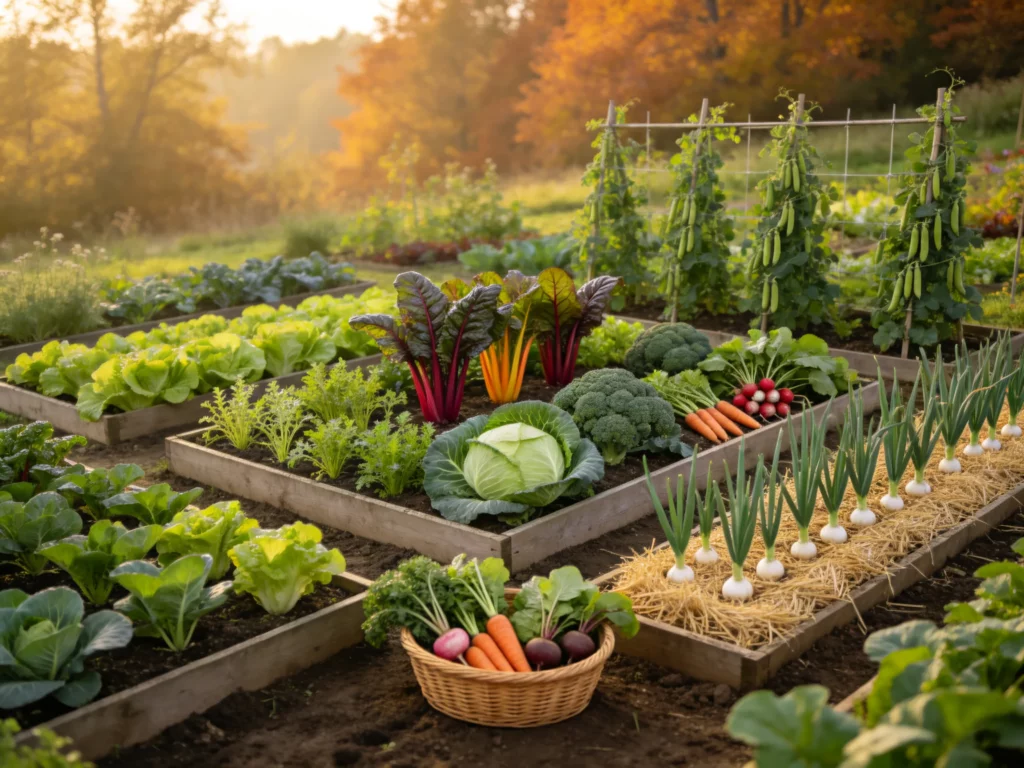
One of the easiest design mistakes involves planting everything at once with zero plan for timing. Cool season crops like spinach, peas, radishes, and lettuce thrive early and often fade in heat. Warm season crops like tomatoes, peppers, beans, and squash want warmth and stable temperatures.
Design the garden with succession in mind. You can use one area for spring lettuce, then swap in bush beans or basil after harvest. This keeps the garden productive for longer and makes the layout feel intentional rather than random.
If you want the space to look good through the whole season, stagger harvest windows. Mix quick growers with long season crops. Otherwise you get one dramatic burst of food and then a lot of suspiciously empty dirt.
Use simple design tricks that make the garden look better
Productive matters, but let’s be honest, most people also want the garden to look nice. An in ground vegetable garden does not need to resemble a commercial field. With a few design choices, it can feel organized, welcoming, and kind of impressive without becoming fussy.
Repeating shapes helps a lot. Use matching row widths, clear borders, or evenly spaced plant blocks. Repetition makes the garden feel planned, even when you quietly shoved in extra kale at the last minute.
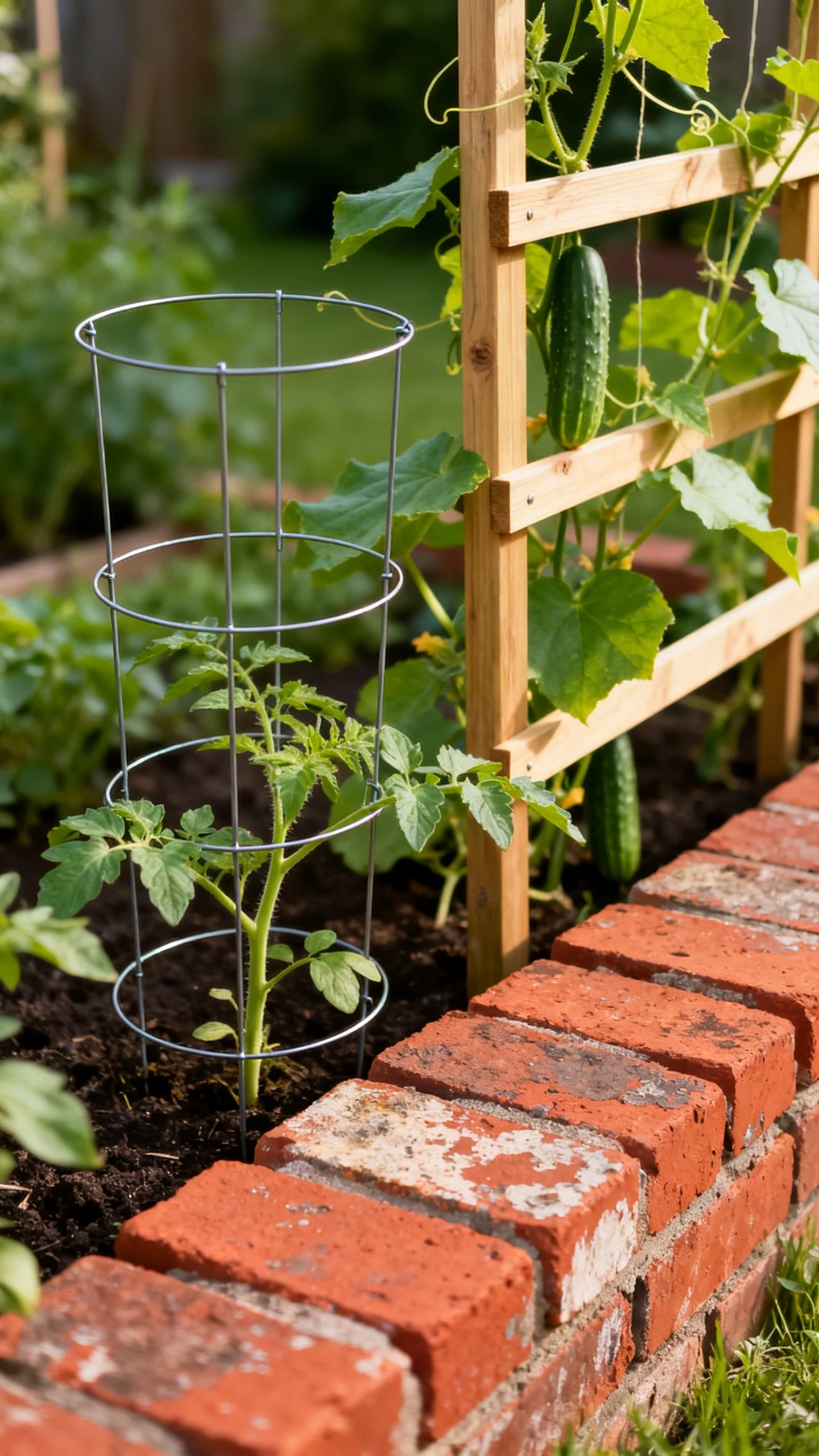
Edges matter too. A crisp border around the garden instantly improves the look. You can use stone, brick, logs, metal edging, or simply a clean spade-cut edge. That border tells the eye, “Yes, this was on purpose,” which works wonders.
Add vertical interest
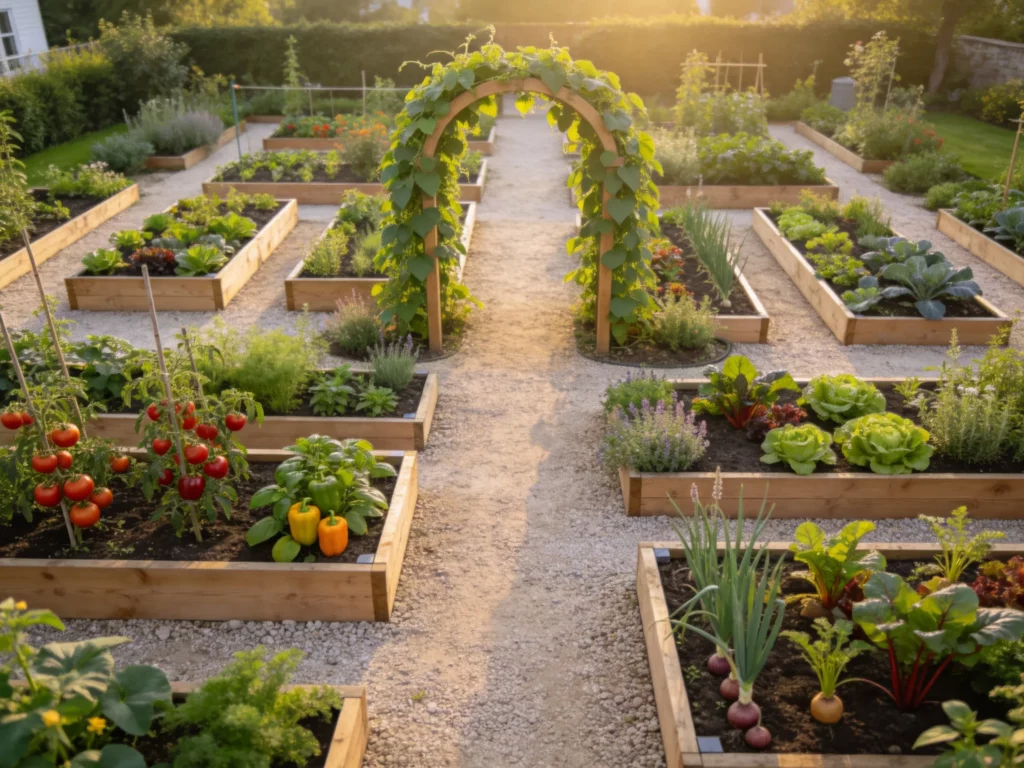
Trellises, arches, and cages do more than save space. They also give the garden height and structure. A few vertical elements break up a flat patch of dirt and make the whole design feel more dynamic.
Trellis peas, pole beans, cucumbers, and even some small melons if the support stays sturdy. Vertical growing also improves air flow, which helps reduce disease and makes harvest easier. Plus, vegetables hanging neatly in the air look way more glamorous than they probably deserve.
Mix beauty with usefulness
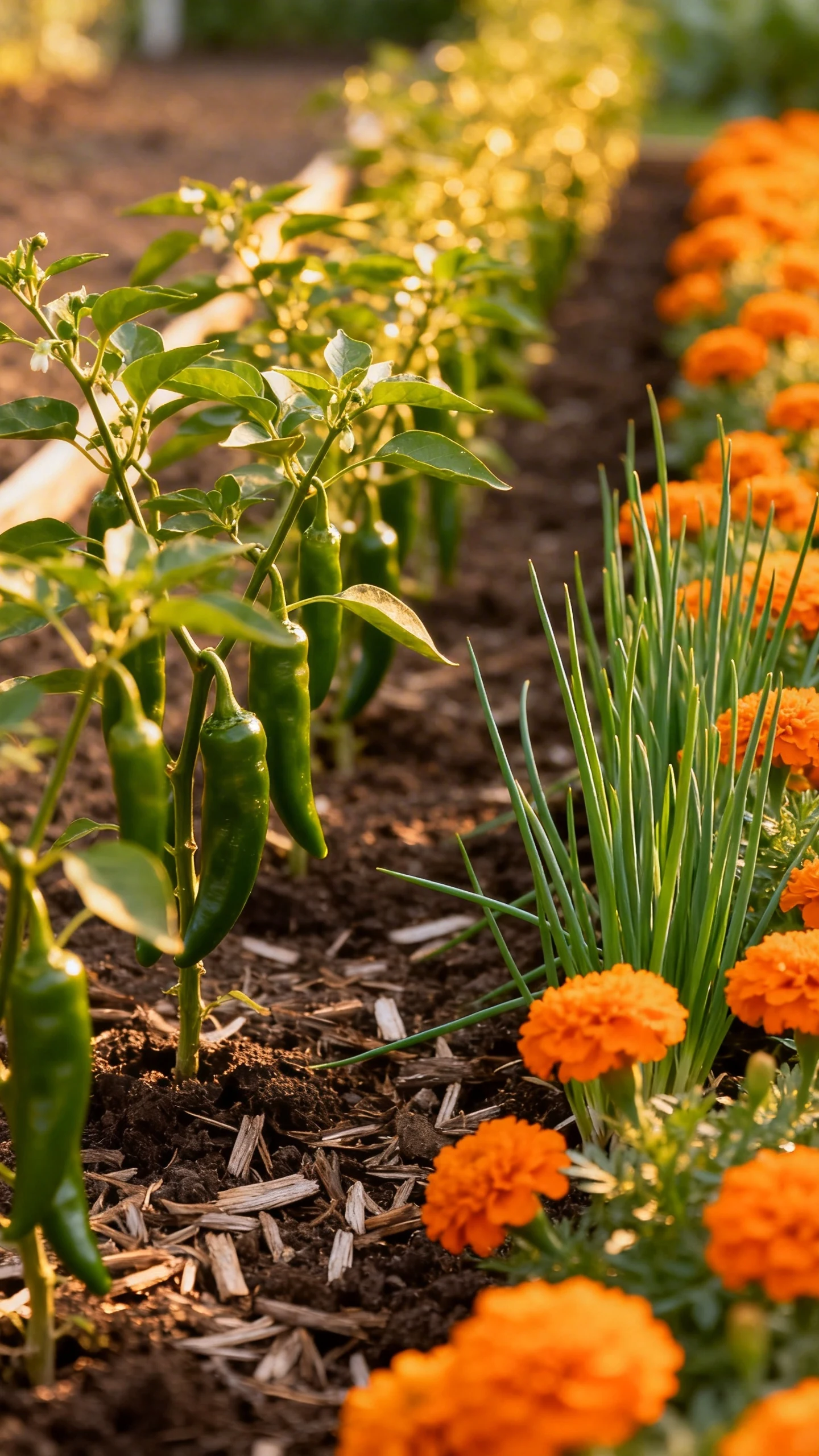
You do not need a strict line between ornamental and edible plants. Marigolds, nasturtiums, calendula, and zinnias fit beautifully into vegetable gardens. They attract pollinators, add color, and soften the practical look of rows and cages.
Herbs work nicely as borders or filler plants too. Basil, parsley, dill, thyme, and chives earn their spot because they look good and head straight to the kitchen. That feels like a very fair arrangement.
Make maintenance part of the design
The best garden design looks good in June and still functions in August when everything grows fast and you feel slightly betrayed by the weeds. If you ignore maintenance during planning, the garden will eventually remind you. Loudly.
Put your most frequently harvested crops near the easiest access point. Lettuce, herbs, cherry tomatoes, and peppers deserve a convenient spot. If you cook often, you will appreciate grabbing basil without hiking through wet squash leaves first thing in the morning.
Keep water in mind from day one. A long hose can reach a lot, sure, but a thoughtful setup saves time every week. Drip irrigation or soaker hoses work especially well for in ground gardens because they direct water to roots and keep foliage drier.
Mulch like you mean it
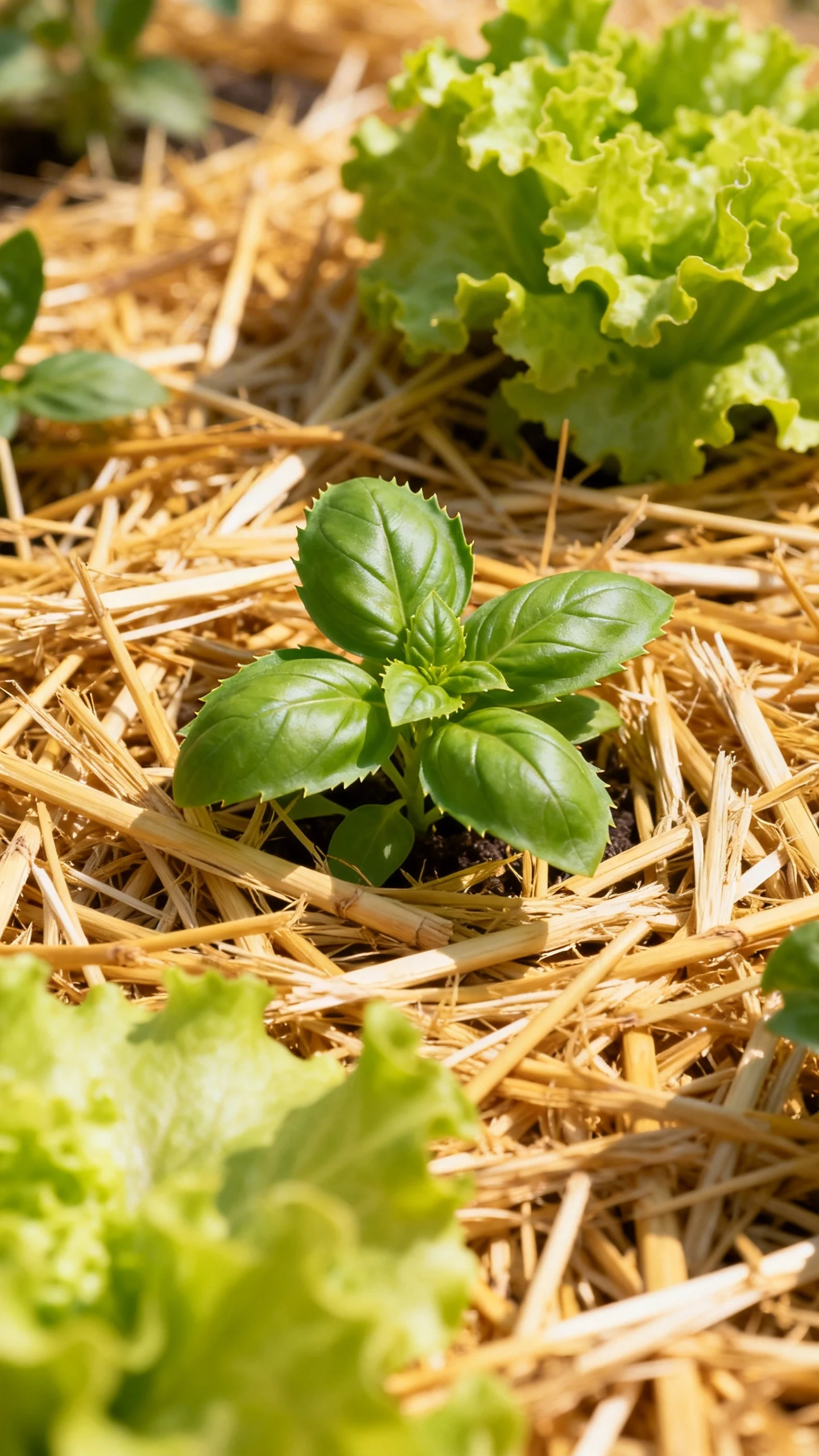
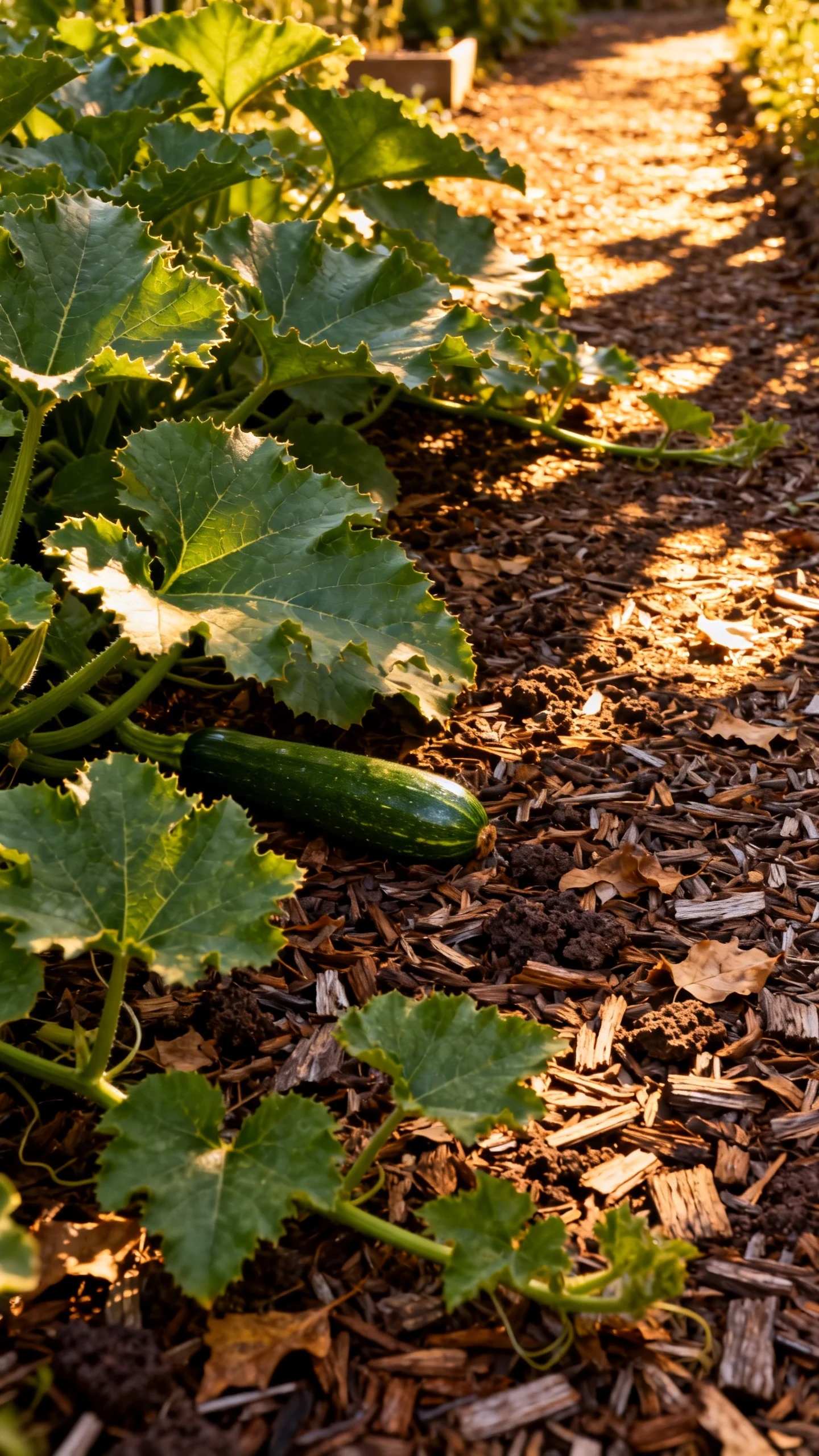
Mulch may not sound exciting, but it absolutely belongs in the design conversation. Straw, shredded leaves, or untreated grass clippings help hold moisture, reduce weeds, and keep soil temperatures steadier. That means less maintenance and happier plants.
A mulched garden also looks more finished. Bare soil can seem messy fast, especially after watering or rain. A consistent mulch layer pulls everything together and gives the whole space a cleaner, calmer appearance.
Just keep mulch slightly back from plant stems. You want moisture retention, not stem rot. Plants enjoy support, not suffocation.
Plan for crop rotation without making it complicated
Crop rotation sounds intimidating until you realize it mostly means “do not plant the same family in the same exact place every year.” That matters in an in ground garden because soil-borne pests and diseases build up over time. Tomatoes love consistency, but unfortunately their problems do too.
Split your garden into simple zones. You might reserve one area for tomatoes, peppers, and eggplant, another for beans and peas, another for brassicas like cabbage and broccoli, and another for roots and greens. Next year, shift them over.
You do not need a giant chart worthy of a conspiracy documentary. A basic sketch or phone note works fine. The point involves making rotation easy enough that you will actually do it.
This planning also helps with soil amendments. Heavy feeders like tomatoes and corn can go where you added extra compost. Lighter feeders can follow later. Smart design saves effort, and honestly, gardening gives us enough surprises already.
FAQ
What is the best size for an in ground vegetable garden for beginners?
Start smaller than you think you need. A plot around 8 by 10 feet gives you enough space to grow a decent mix without creating a maintenance monster. A manageable garden beats an oversized weedy mess every time.
How far apart should rows be in an in ground vegetable garden?
That depends on the crop, but many row gardens work well with 18 to 36 inches between rows. Give sprawling or heavily harvested crops more room. You want enough space to walk, weed, and harvest without crushing plants or your own mood.
Should I plant vegetables in rows or raised mounds?
Use rows for most crops if your soil drains well and the site stays fairly level. Use raised mounds or hills for crops like squash, melons, or cucumbers if you want warmer soil and better drainage around the roots. Both methods work, so choose the one that fits your soil and layout.
How do I keep an in ground vegetable garden from looking messy?
Use defined edges, clear paths, mulch, and consistent spacing. Add a few flowers or herbs for color and structure. Mess usually comes from weak layout choices, not from the fact that vegetables grow a little wild.
Can I design an in ground vegetable garden in a shady yard?
Yes, but you need to be realistic. Leafy greens, herbs, and some root crops can handle partial shade, while tomatoes, peppers, and squash usually want more sun. If the space gets less than six hours of sun, focus on crops that tolerate it instead of trying to force sun lovers into a gloomy corner.
What vegetables should I place together in the design?
Group plants with similar needs. Keep moisture lovers together, place tall crops where they will not shade shorter ones, and cluster frequently harvested plants near the path. Companion planting can help, but simple organization usually matters more than chasing every garden myth floating around online.
Conclusion
A good in ground vegetable garden design makes growing food easier, prettier, and way less chaotic. Start with sunlight, soil, access, and realistic spacing, then build a layout around how plants actually grow. Do that, and your garden will reward you with more harvests, fewer headaches, and only the normal amount of zucchini-related drama.