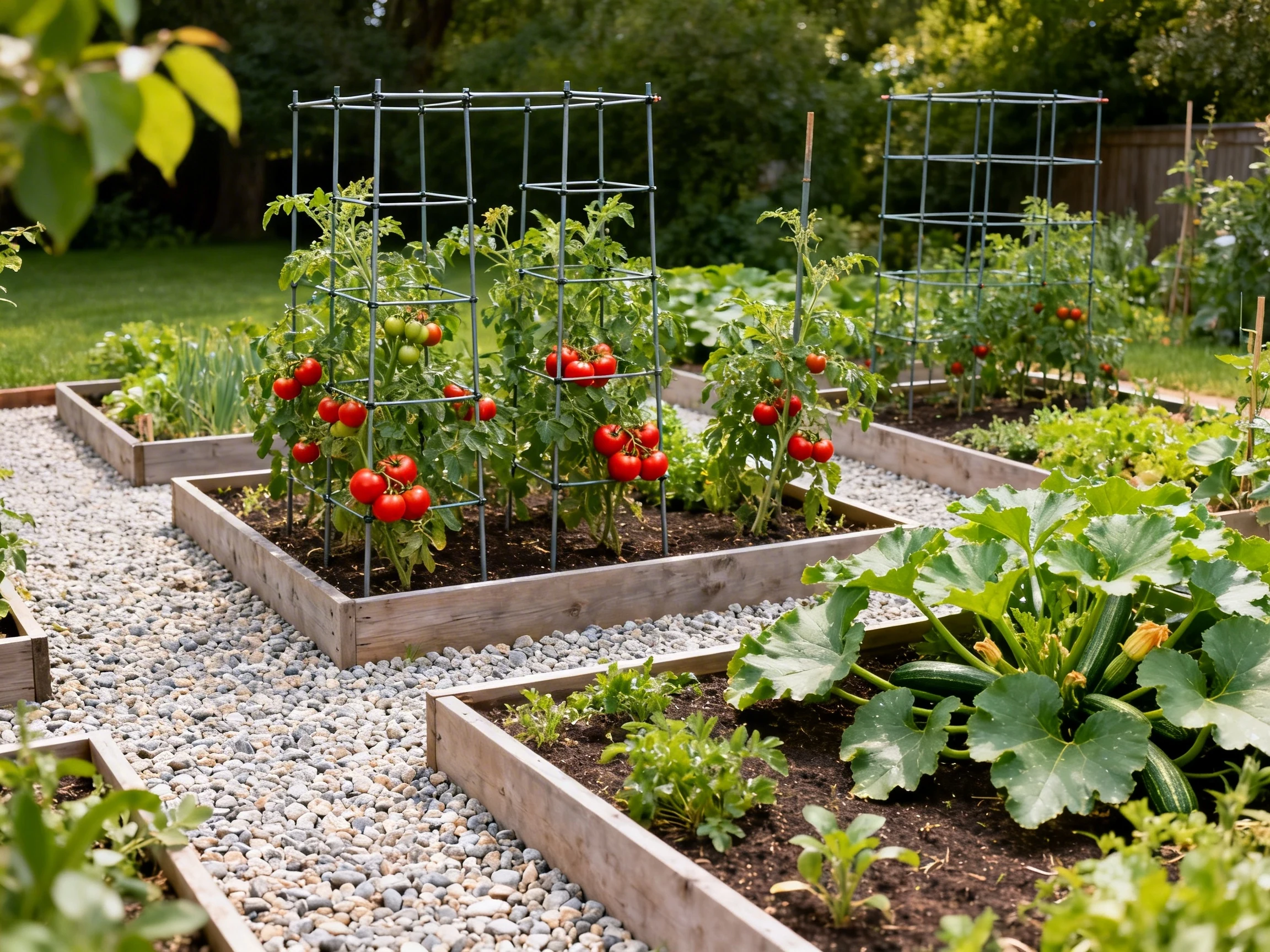
A good vegetable garden layout saves time, boosts harvests, and keeps you from doing that classic gardener shuffle where you stand outside holding a tomato cage and muttering, “Wait… where does this go?” Design matters more than people think. You do not need a giant yard or a landscape degree, either. You just need a smart plan, a little common sense, and enough space to let your zucchini misbehave somewhere away from everything else.
Start with the space you actually have
Before you dream up a magazine-worthy kitchen garden, step outside and look at your real space. Not your fantasy farmhouse. Not your neighbor’s suspiciously perfect raised beds. Your actual yard, patio, side strip, or sunny corner.
Sunlight comes first. Most vegetables want at least six to eight hours of direct sun. Tomatoes, peppers, cucumbers, and squash act dramatic when they do not get enough light, and honestly, they have a point.
Watch your space for a day if you can. Notice where shade falls in the morning, afternoon, and evening. Trees, fences, sheds, and even your house can turn a promising garden patch into a lettuce-only zone.
Measure before you plant anything
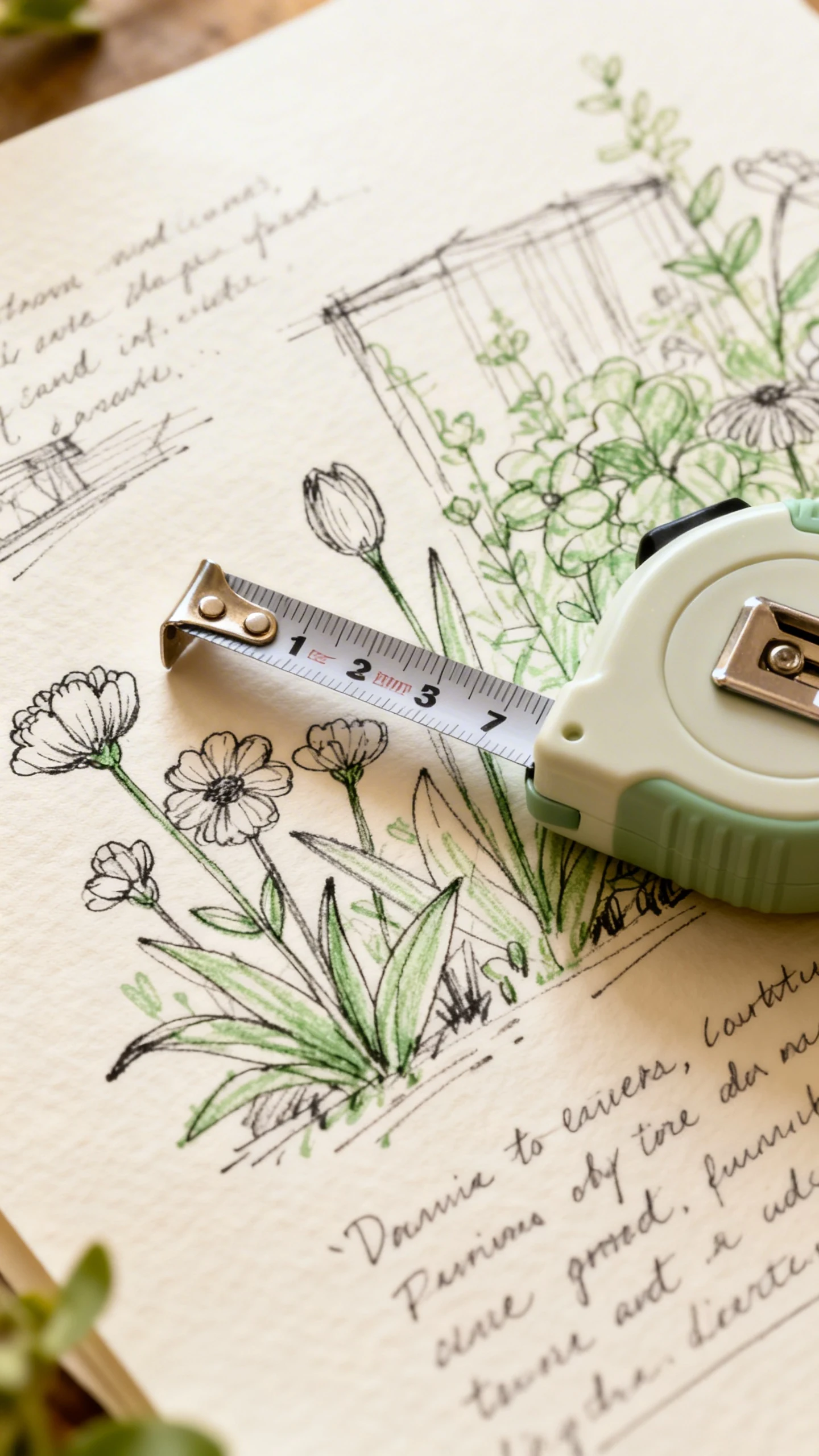
Grab a tape measure and sketch the area. Nothing fancy. A rough drawing on scrap paper works just fine, FYI.
Mark the width, length, and any annoying obstacles like air conditioning units, hose spigots, or that one weird stump you keep pretending you will remove. When you know the exact size, you can plan beds, paths, and planting zones without cramming everything together like a garden-themed game of Tetris.
Think about water and convenience
If your garden sits far from a water source, you will feel that mistake in July. Every. Single. Day. Place your layout where you can reach it easily with a hose, watering can, or drip system.
Also ask yourself one simple question: will you walk past this garden often? If yes, you will notice weeds sooner, harvest on time, and actually enjoy it. If the garden hides behind the garage in a forgotten patch of grass, it may become a wilderness documentary by midsummer.
Pick a layout style that matches your life
Not every vegetable garden needs long country rows. Sometimes rows work great. Sometimes they waste space and invite weeds to throw a party between them.
The best layout style depends on your space, budget, and how much effort you want to give. IMO, people overcomplicate this part. Choose the setup you can maintain without becoming resentful by August.
Raised beds
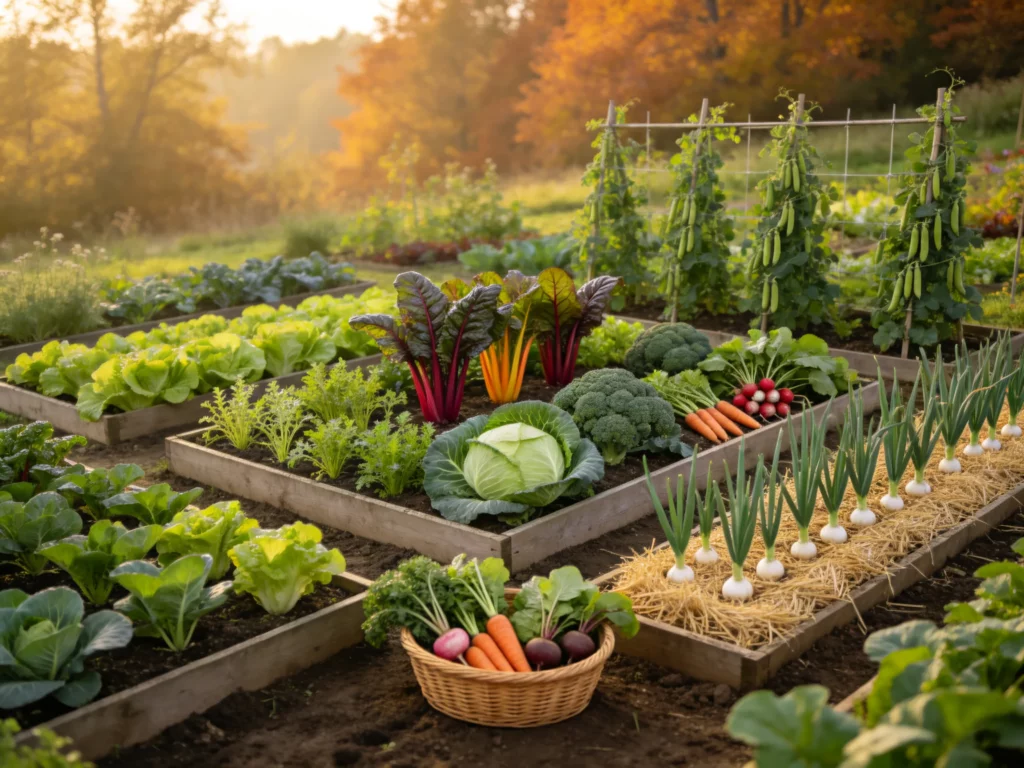
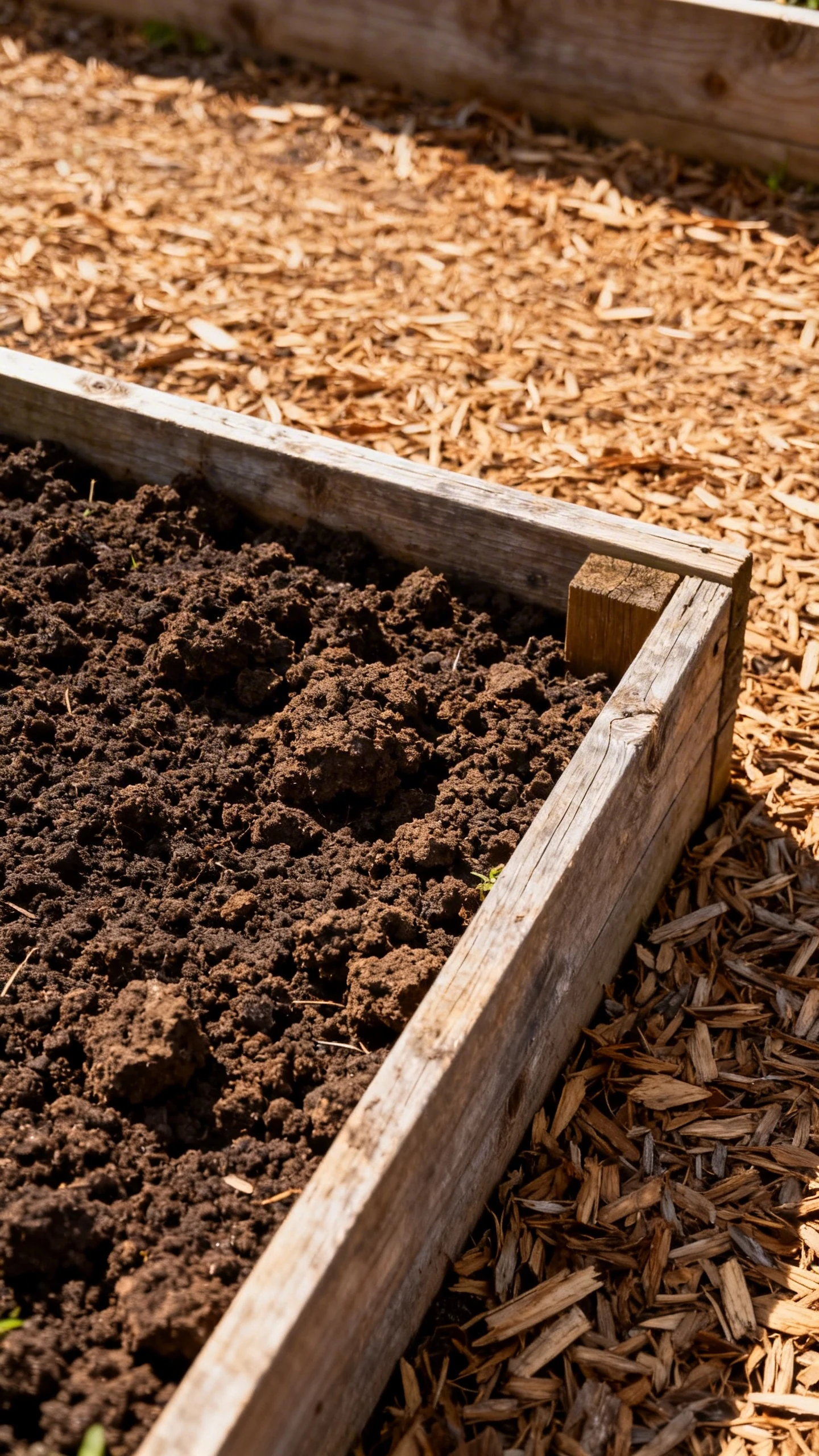
Raised beds look tidy, warm up quickly, and make soil control way easier. They also help you avoid compacting the growing area because you do not walk on the beds. That alone makes them a favorite for a lot of gardeners.
Keep beds narrow enough to reach the center from both sides. Around 3 to 4 feet wide works well for most people. If you need to step into the bed to weed, the bed probably got too wide.
In-ground beds
In-ground gardens cost less and work beautifully if your soil drains well and you have room to spread out. They feel more flexible than raised beds, especially if you want large plantings of corn, potatoes, or pumpkins.
The downside? Weeds love open soil, and poor ground can slow you down. Still, if you improve the soil and keep the paths defined, in-ground beds can produce a ton of food.
Containers and small-space layouts
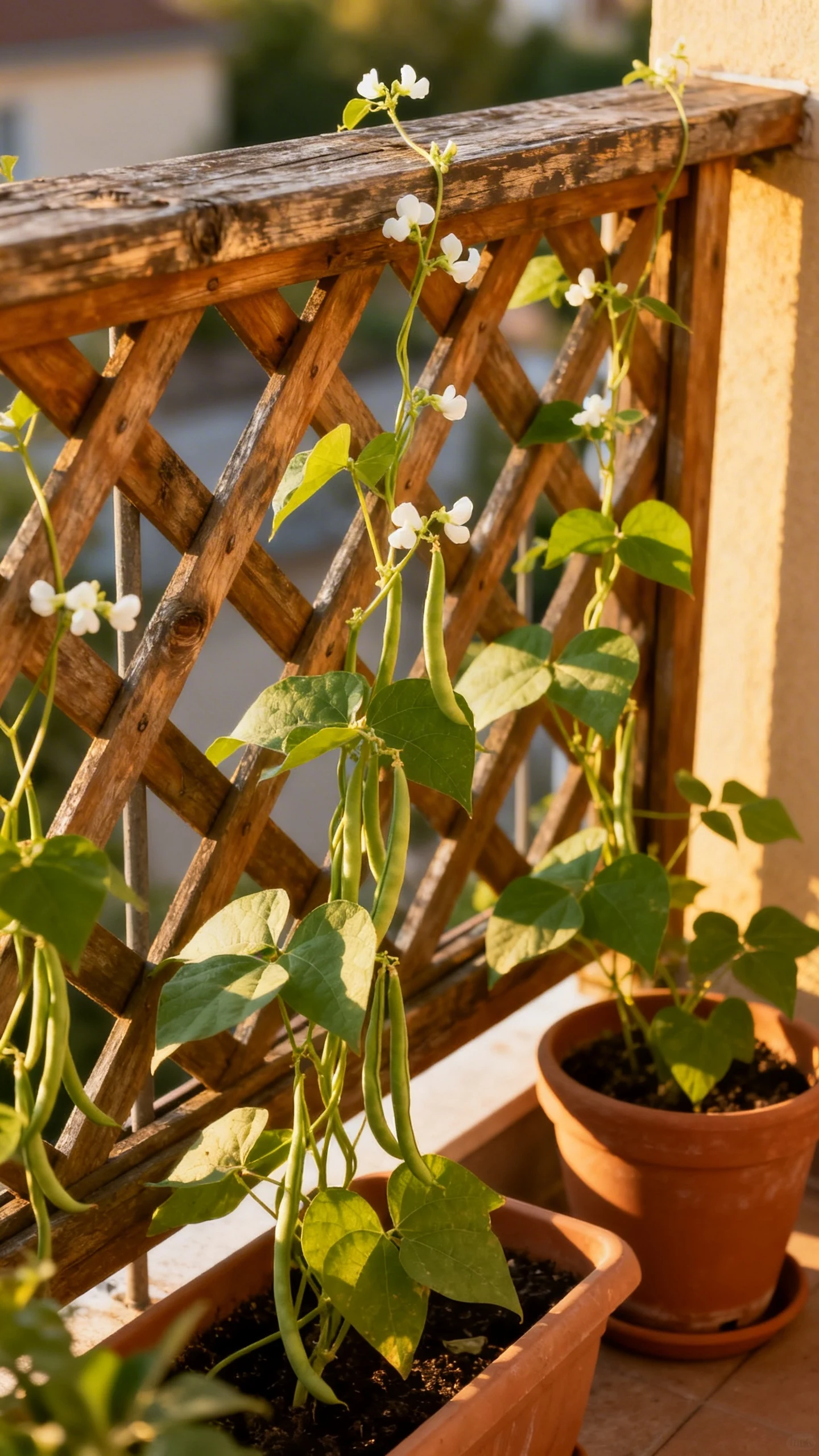
No yard? No problem. Containers work for herbs, lettuce, peppers, tomatoes, beans, and even compact cucumbers if you add support.
Use your vertical space here. Trellises, shelves, rail planters, and hanging baskets can turn a balcony into a tiny food factory. Small spaces demand smart layout choices, but they do not stop you from growing plenty.
Arrange plants by height, spread, and attitude
This part changes everything. A garden layout should not only fit plants on paper. It should also account for how those plants behave once they start growing like they own the place.
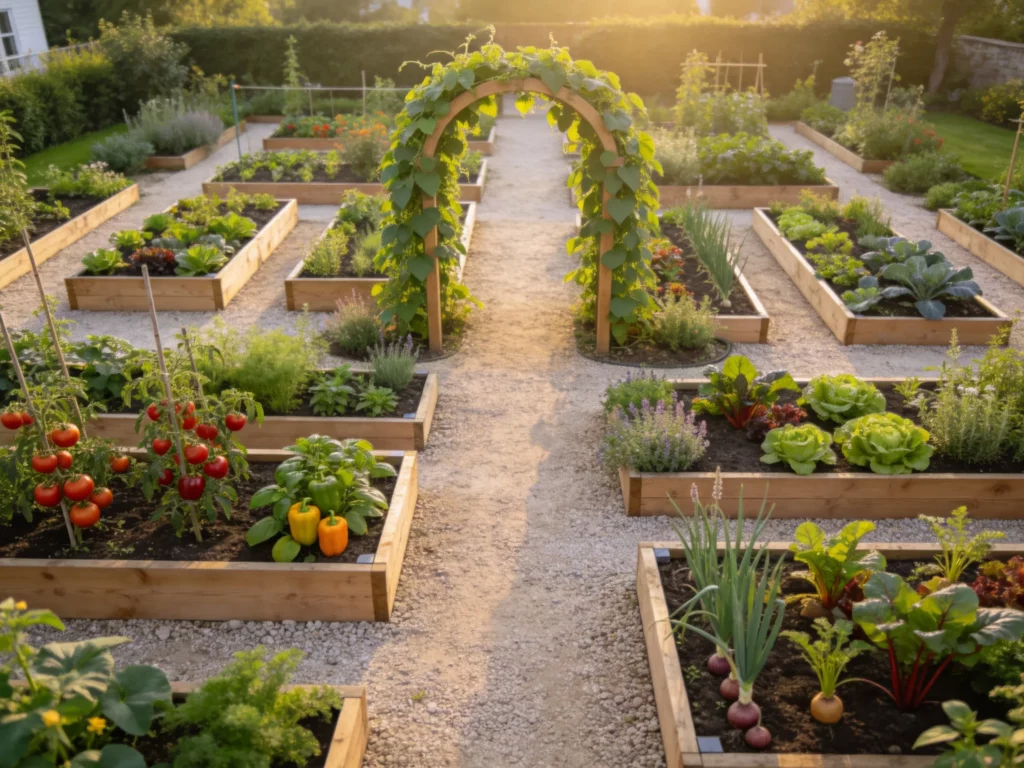
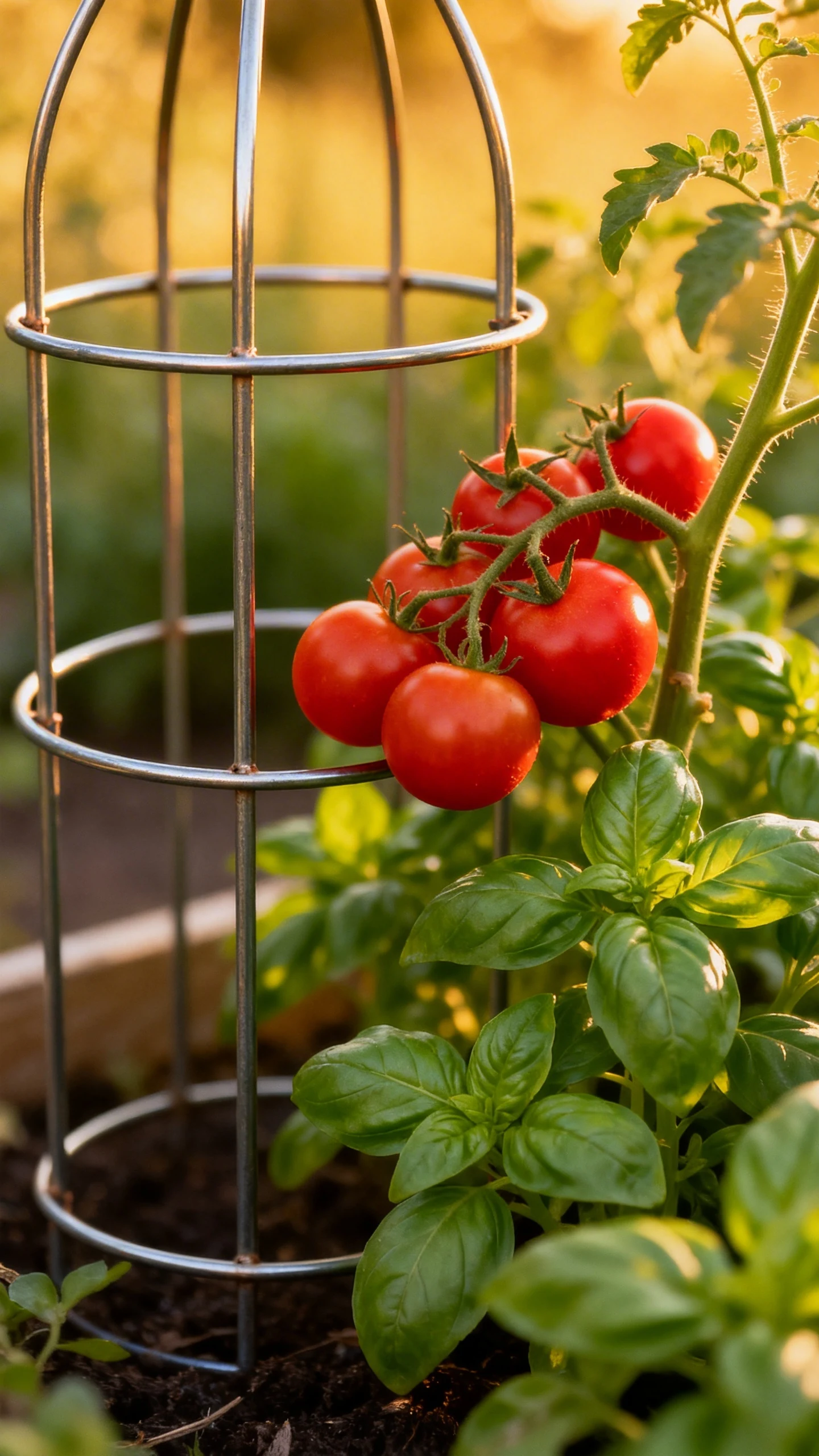
Tall crops belong on the north or west side in most layouts so they do not shade shorter plants. Corn, trellised beans, tomatoes, and sunflowers can block light fast. Put them in the wrong spot, and your peppers and carrots will spend the season sulking.
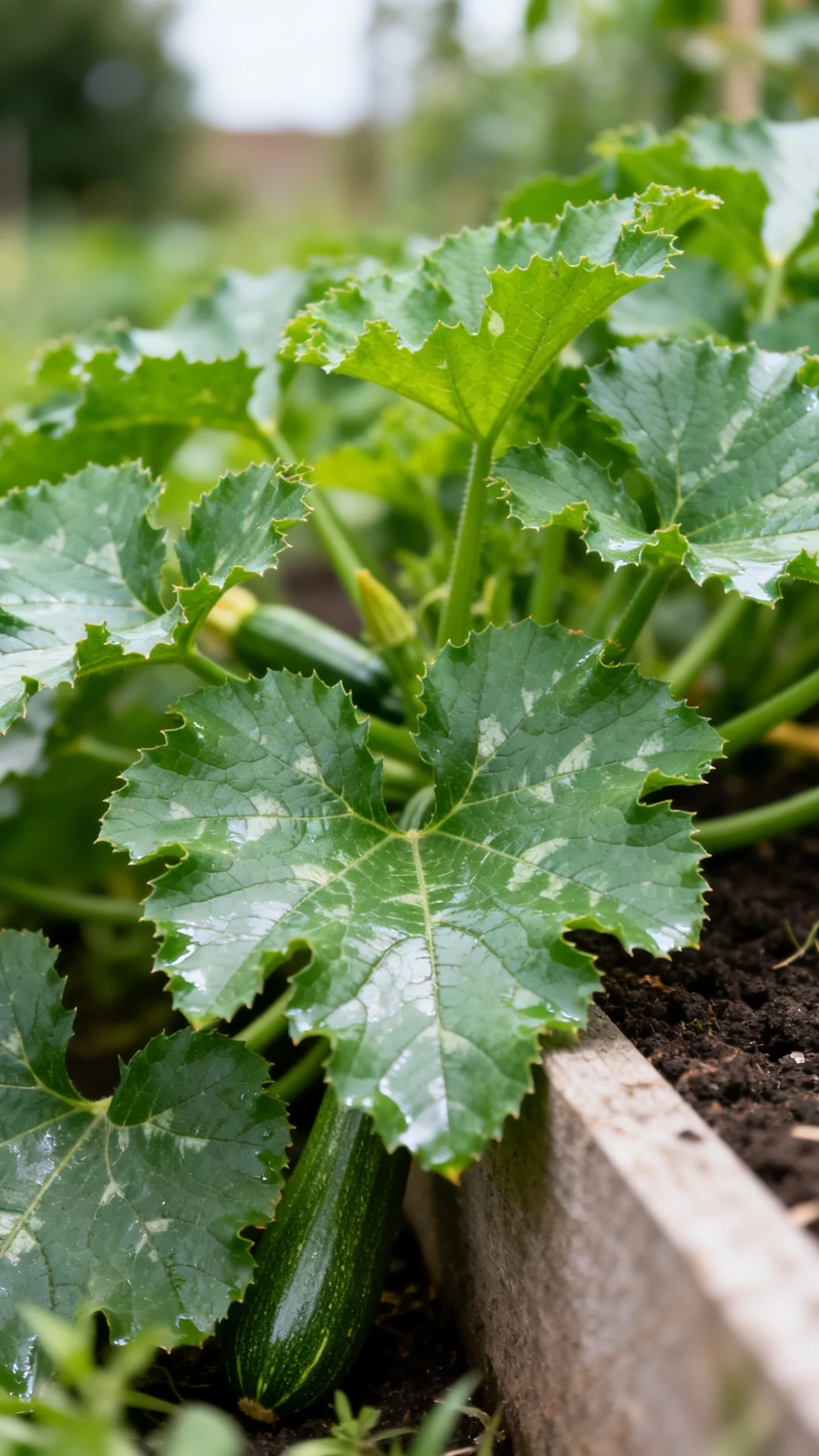
Give wide plants the room they need. Zucchini, squash, melons, and pumpkins sprawl with zero respect for boundaries. If you squeeze them beside smaller crops, they will crawl over everything like leafy little invaders.
Group plants with similar needs
Vegetables grow better when you group them by water use, feeding needs, and harvest timing. Leafy greens like steady moisture and quick picking. Root crops want loose soil and fewer interruptions. Tomatoes and peppers like regular care, warm conditions, and strong support.
When similar plants stay together, watering and feeding gets easier. You also avoid weird combinations that force you to overwater one crop while underwatering another. Your plants cannot text complaints, but if they could, they absolutely would.
Use succession planting in your layout
A smart layout includes what happens after the first harvest. Radishes, spinach, lettuce, and peas often finish early. That means you can replant those spots with beans, basil, cucumbers, or another round of greens.
Leave room in your plan for these swaps. Do not fill every inch with long-season crops right away unless you enjoy limiting your own harvest for no reason. Succession planting keeps beds productive and makes your garden feel way more efficient.
Make paths and access part of the design
People focus on plants and forget they need to move through the garden without snapping stems or twisting ankles. Paths matter. A lot.
Every bed needs easy access for watering, harvesting, pruning, and weeding. If you cannot reach a plant without performing a half yoga pose over a pepper cage, the layout needs work.
Keep main paths wide enough for a wheelbarrow if you use one. Secondary paths can stay narrower, but they still need enough room for comfortable walking. Muddy, cramped pathways turn garden chores into a mini obstacle course, and nobody asked for that.
Common spacing ideas that work
- Raised bed width: 3 to 4 feet
- Main path width: 30 to 36 inches
- Smaller walking paths: 18 to 24 inches
- Tomato spacing: usually 18 to 24 inches, depending on variety
- Zucchini spacing: often 2 to 3 feet per plant
Always check seed packets or plant tags for exact spacing. Plant breeders know their varieties better than random internet bravado. Crowding plants may look efficient in spring, but by midsummer it can feel like you built a jungle with poor airflow and excellent mildew opportunities.
Use companion planting without getting weird about it
Companion planting can help your layout if you treat it like a practical tool instead of garden mythology. Some combinations genuinely make sense. Others sound like they came from a wizard forum.
Basil near tomatoes works well because both enjoy similar conditions and stay easy to manage together. Carrots with onions can make solid neighbors, and marigolds add color while drawing beneficial insects. Nice, simple, useful.
At the same time, do not expect one marigold to solve every pest issue in a 200 square foot plot. Keep your expectations realistic. Companion planting supports a good layout, but it does not replace spacing, crop rotation, watering, or basic observation.
Try crop rotation from the beginning
If you can, rotate plant families each year. Do not grow tomatoes, peppers, eggplants, and potatoes in the same bed year after year. They share pests and diseases, and they deplete soil in similar ways.
Even a small garden can rotate crops with a simple plan. Keep notes. Next season, shift nightshades to a new bed, move legumes elsewhere, and follow heavy feeders with lighter feeders. Future you will feel extremely smug about this.
Build a layout that fits your routine, not your fantasy self
This might be the most important tip of all. A beautiful garden design means nothing if it demands more time than you can give. You need a layout that works on your busiest week, not just on your most motivated Saturday in April.
If you love cooking, place herbs close to the kitchen door. If you travel a lot, keep the layout simple and install drip irrigation. If you hate bending, use raised beds or taller containers. Design for your habits, your energy, and your attention span.
The easiest garden to maintain usually wins. A smaller, well-planned layout often produces more than a sprawling setup you cannot keep up with. Start manageable. You can always expand once you learn what grows well and what drives you slightly insane.
A simple beginner-friendly layout example
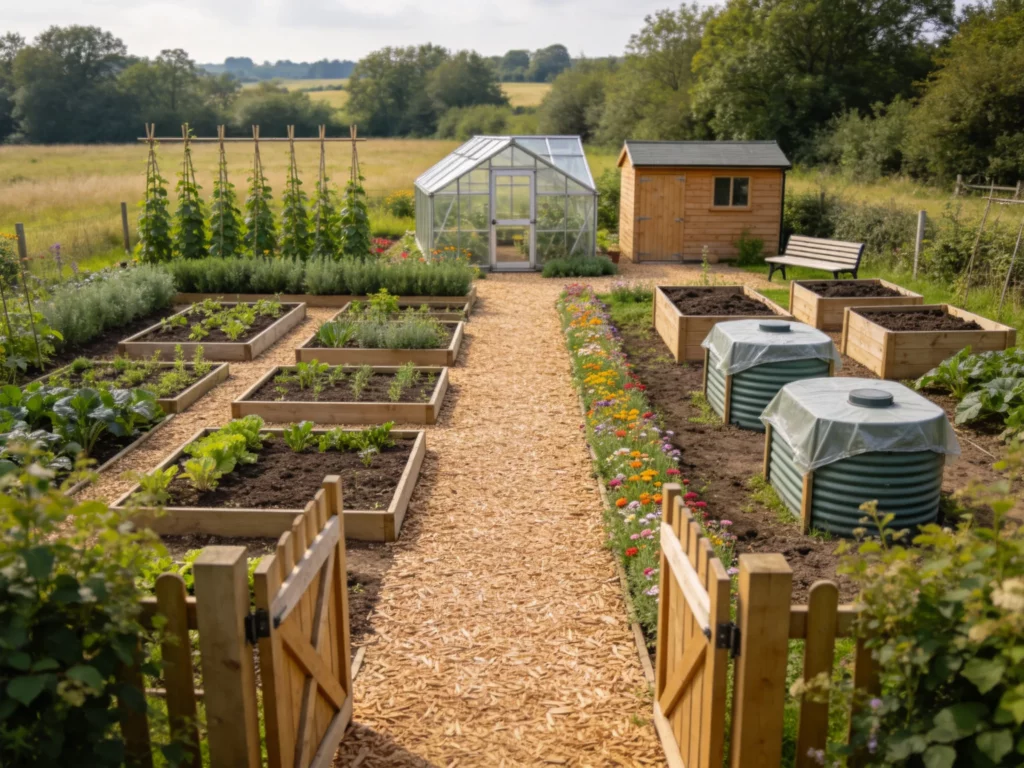
If you want an easy starting point, try four raised beds with clear paths between them. Put tall crops like tomatoes and pole beans in the back or north side. Use one bed for salad crops, one for roots, one for summer vegetables, and one for herbs plus flowers.
Add a trellis on one side, mulch the paths, and keep a compost bin nearby. That setup stays organized, gives you room to rotate crops, and keeps the whole garden from turning into chaos by June. Clean, productive, and no unnecessary drama.
FAQ
What is the best layout for a beginner vegetable garden?
A simple raised bed layout works great for beginners. Start with two to four beds, keep them narrow enough to reach across, and leave clear paths between them. That setup stays easy to manage and helps you learn faster without feeling overwhelmed.
How much space do I need for a vegetable garden?
You can grow a useful vegetable garden in a very small area. Even a few containers or a 4 by 8 foot bed can produce herbs, greens, tomatoes, and peppers. Start with the space you can manage well, then expand later if you want more.
Should I plant vegetables in rows or blocks?
Blocks usually use space more efficiently than traditional rows, especially in raised beds. They reduce wasted path space and can help shade out weeds. Rows still work well for large in-ground gardens, though, especially if you need room for tools or want a more classic layout.
How do I keep tall plants from shading everything else?
Place tall crops on the north or west side of the garden in most situations. Use trellises for climbing plants and keep shorter crops like lettuce, carrots, and herbs in the sunnier front areas. This one layout move can save a lot of frustration.
Can I mix flowers into a vegetable garden layout?
Absolutely. Flowers like marigolds, nasturtiums, calendula, and zinnias can attract pollinators and beneficial insects while making the garden look less like a produce spreadsheet. Tuck them along bed edges or in corners where they do not crowd food crops.
What should I avoid in a vegetable garden design?
Avoid making beds too wide, placing the garden in heavy shade, and crowding plants too closely. Also avoid ignoring path space and water access. Those mistakes seem small at first, but they become very annoying once the season gets going.
Conclusion
A smart vegetable garden design layout does not need to look fancy. It just needs to make sense for your space, your plants, and your real life. Give your vegetables sunlight, room, water, and access, and they will reward you with a lot more than random chaos and one lonely cucumber.
Keep it simple, stay flexible, and pay attention to what works. Every season teaches you something new. And honestly, that is half the fun.