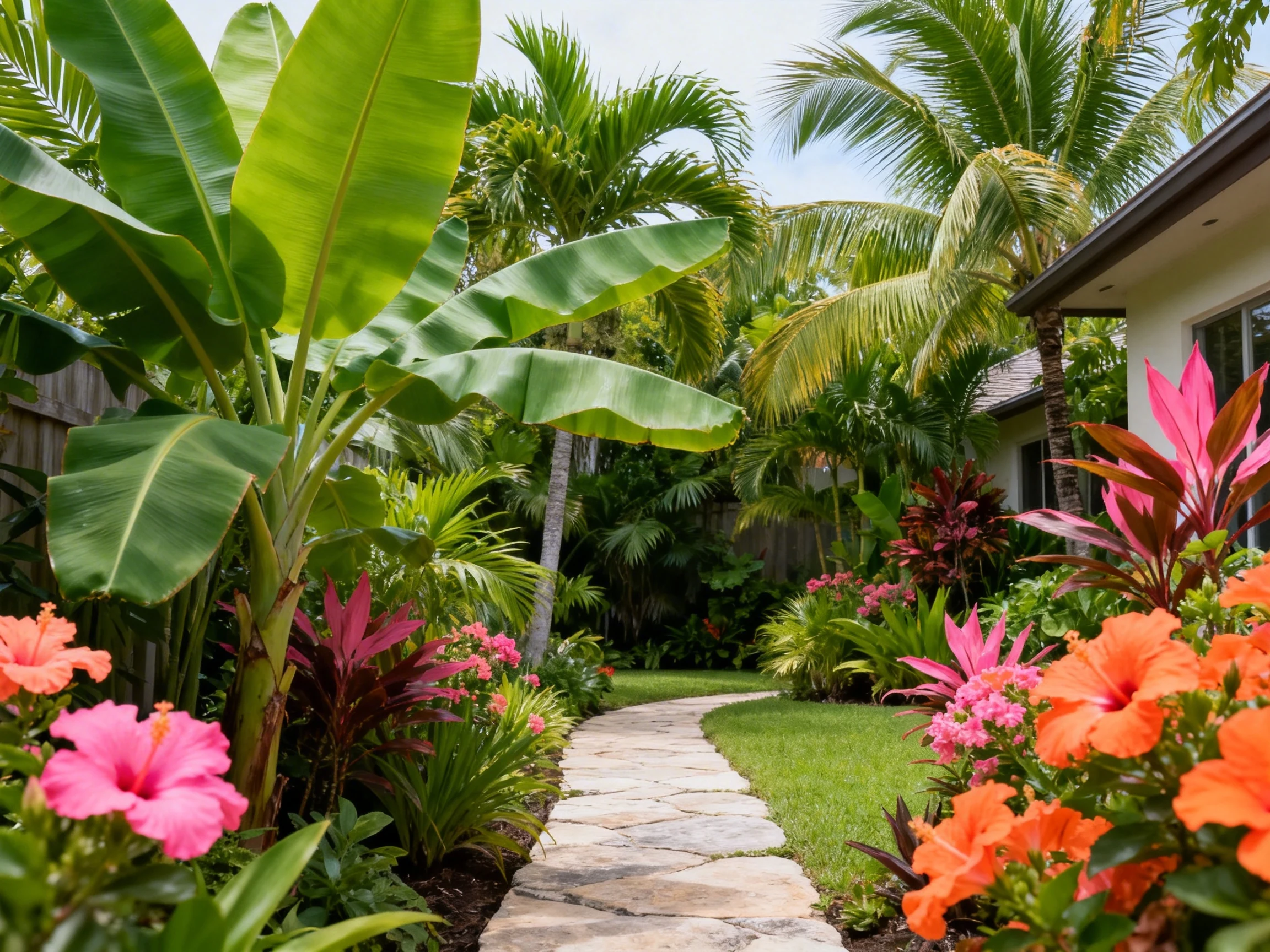
Tropical garden design goes big, bold, and gloriously extra. It leans into huge leaves, lush layers, splashy color, and that slightly wild look that makes a backyard feel like a vacation. If you want a space that whispers “resort” instead of “I trimmed the hedge again,” you’re in the right place. Let’s talk about how to build that jungle vibe without turning your yard into a sweaty plant emergency.
What makes a garden feel tropical?
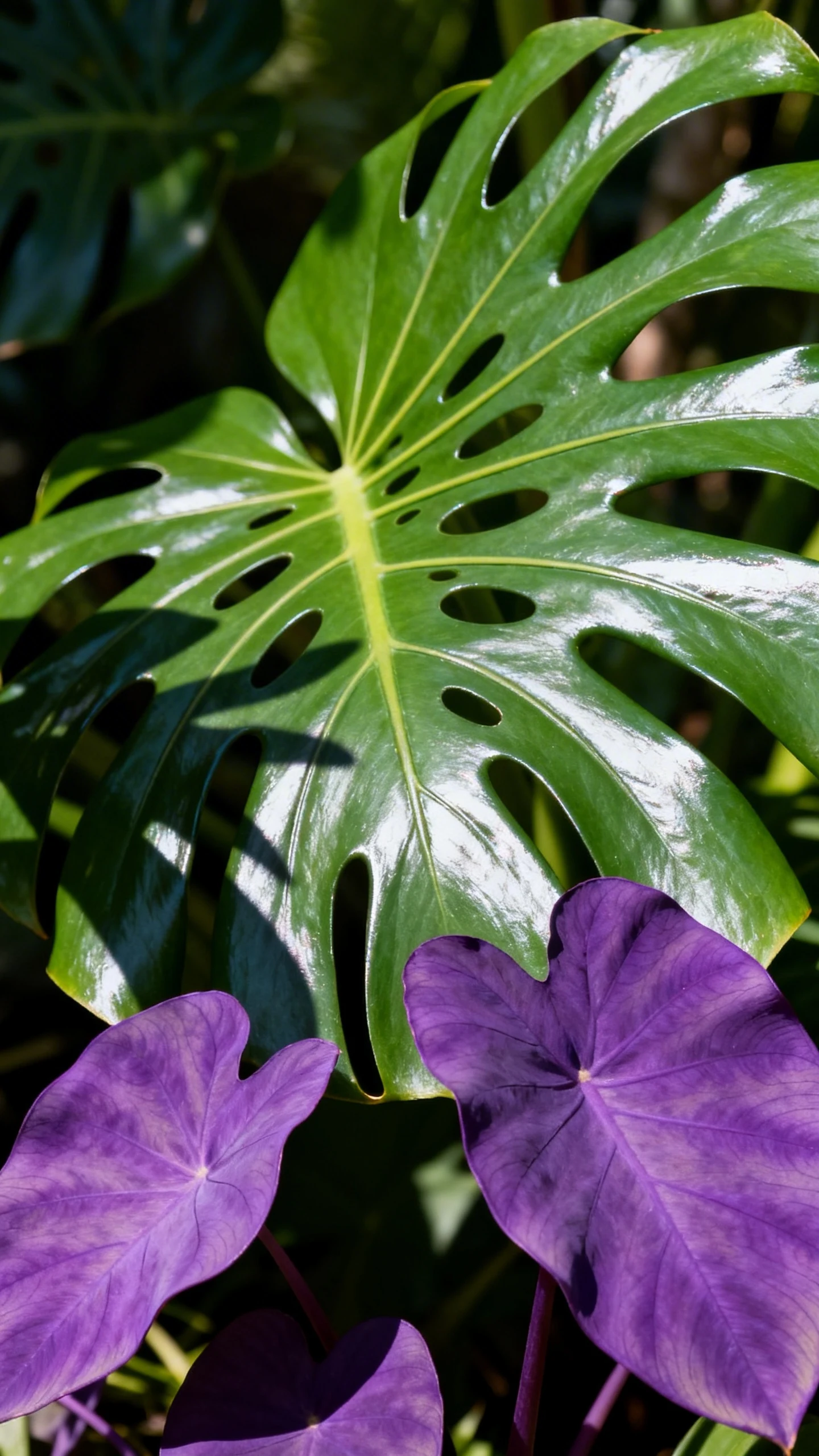
A tropical garden doesn’t depend on one specific plant list. It depends on mood. You want dense greenery, dramatic foliage, rich texture, and a layout that feels immersive instead of stiff and formal.
Think less about perfect symmetry and more about abundance. Tropical spaces usually look layered and relaxed, like nature got a little excited and nobody stopped it. That’s the charm, honestly.
Large leaves do a lot of the heavy lifting here. Banana plants, elephant ears, cannas, gingers, philodendrons, and palms instantly push a space toward that lush, humid look, even if your climate feels more “confused suburb” than rainforest.
It’s not just about plants
Hardscaping matters too. Warm wood, natural stone, dark mulch, woven textures, and water features all help sell the look. A tropical garden should feel like you could kick off your shoes, grab a cold drink, and pretend you answer emails from a beach bar.
Color also plays a role. Deep green should dominate, but splashes of hot pink, orange, red, and yellow bring the whole thing to life. IMO, tropical design looks best when green leads and bright colors act like backup dancers, not the main act.
Start with layers, not random plant shopping
If you do one thing right, make it layering. Tropical gardens feel rich because they stack plants at different heights and textures. You don’t want a row of lonely specimens spaced like they’re waiting for a bus.
Start with a canopy or backdrop. That could mean palms, tall bamboo, bananas, or large shrubs that create height and privacy. Then add medium plants with bold leaves, and finally tuck in lower growers to soften edges and fill gaps.
Layering creates depth, and depth creates that “wow, this place feels huge” effect. Even a small yard can look lush when plants overlap and mingle a bit. Controlled chaos beats empty space every time.
A simple layering formula
If you like a little structure before things get wild, use this rough formula:
- Back layer: tall screening plants like palms, bamboo, or large shrubs
- Middle layer: bold foliage plants like canna, ginger, bird of paradise, or elephant ear
- Front layer: groundcovers, ferns, low coleus, caladiums, and trailing plants
Repeat a few plant varieties instead of buying one of everything. Repetition makes the design look intentional. Otherwise, the garden starts giving “garden center clearance cart,” and nobody wants that.
Choose plants for the look and your climate
This part matters more than people want to admit. A tropical style garden can thrive in many climates, but a true tropical plant may not survive your winters. FYI, dead banana plants don’t look exotic. They look like regret.
So work with your conditions, not against them. If you live in a warm, frost free climate, your options open wide. If you deal with cold winters, focus on plants that mimic tropical texture during the growing season or use containers you can move indoors.
Great tropical style plants for warm climates
- Palms
- Bird of paradise
- Heliconia
- Ginger
- Croton
- Monstera
- Hibiscus
- Cordyline
Great tropical look plants for cooler climates
- Hardy banana
- Canna lily
- Elephant ear varieties
- Fatsia
- Hosta for bold leaves
- Fern collections
- Caladium as a seasonal accent
- Phormium for spiky contrast
Texture matters as much as species. Mix giant paddle shaped leaves with feathery fronds and upright spiky forms. That contrast gives tropical gardens their energy.
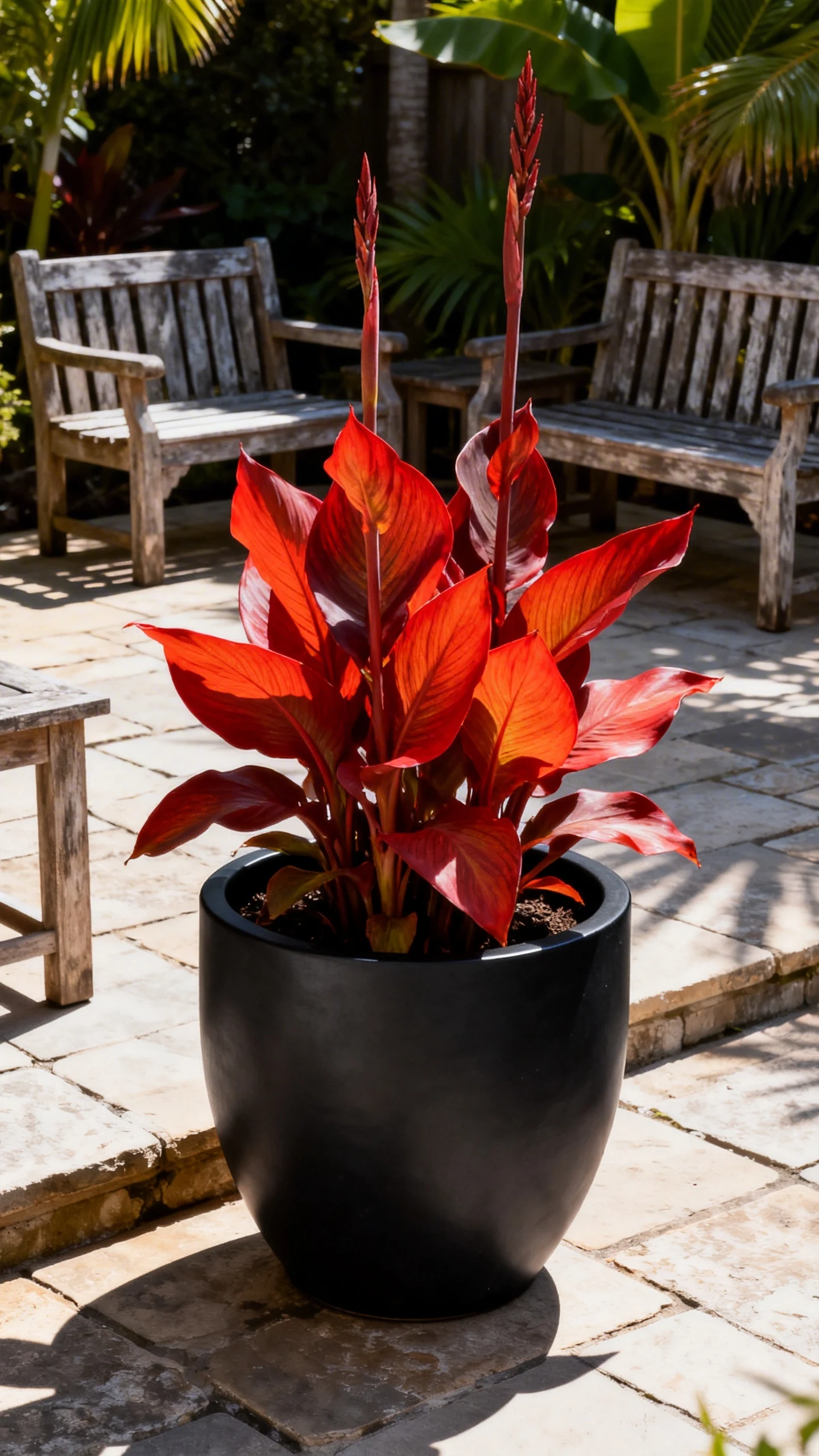
Also, don’t ignore containers. Pots let you cheat a little, and I fully support tasteful cheating in garden design. Use oversized containers for statement plants near patios, paths, and entrances to make the whole space feel more deliberate.
Use color like a grown up with a fun side
Tropical gardens can handle color, but they still need restraint. The easiest route involves a sea of green with strategic shots of bold blooms or variegated foliage. You want “lush paradise,” not “theme park smoothie stand.”
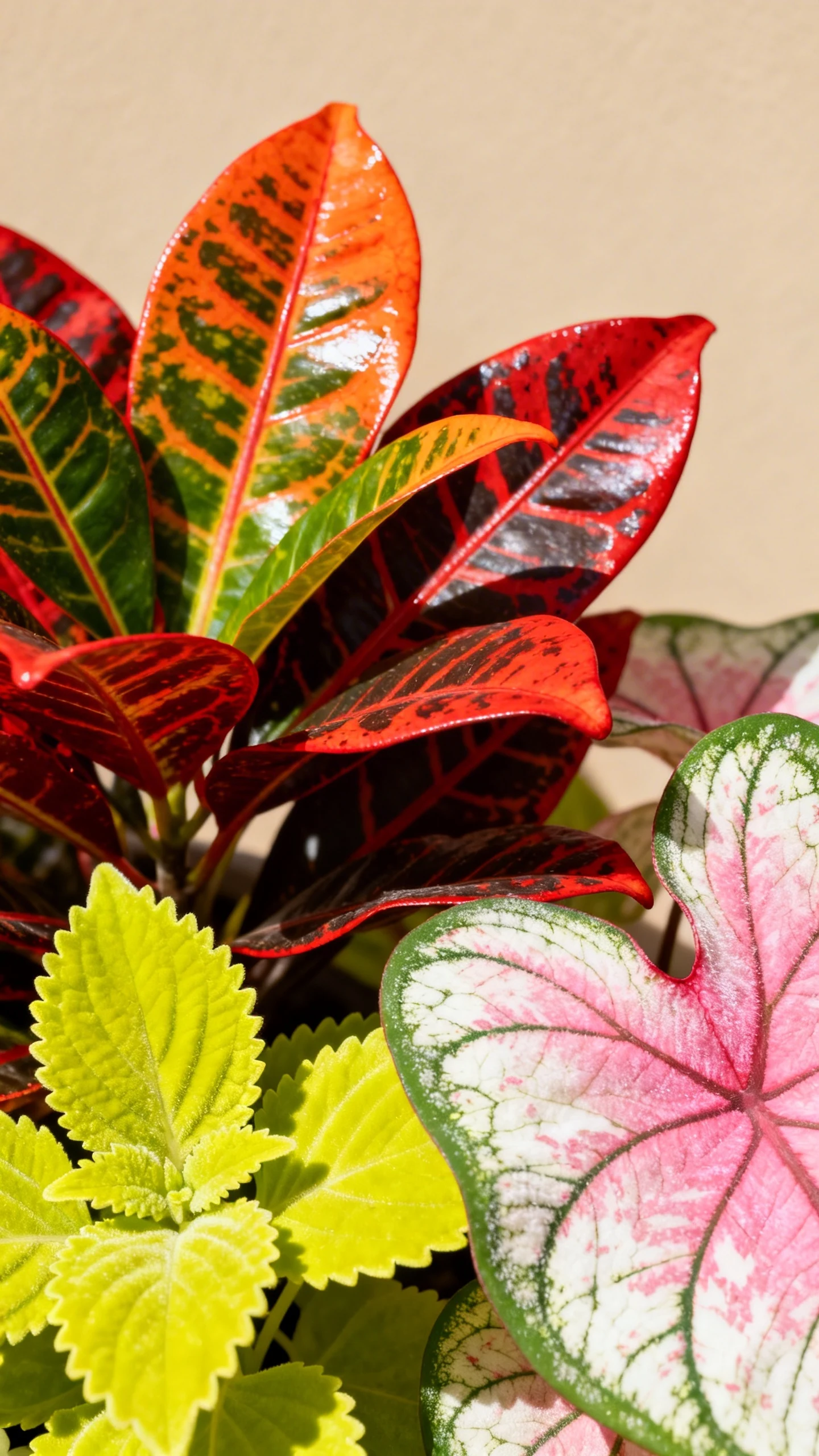
Red, orange, coral, magenta, and yellow all work beautifully here. Plants like hibiscus, mandevilla, croton, coleus, bromeliads, and orchids bring those saturated tones without much effort. Just don’t throw every color into one bed and hope for magic.
Pick a simple palette and repeat it. Maybe you pair deep green with hot pink and orange. Maybe you go calmer with green, white, and touches of burgundy. Repeating color creates rhythm, and rhythm keeps things from looking chaotic.
Foliage can carry the whole show
Flowers get attention, sure, but tropical gardens often shine through leaves. Variegated gingers, purple elephant ears, lime coleus, and striped grasses can do more for the space than a short lived bloom burst. Leaves stay on the clock longer.
If you want a polished result, treat bright flowers like jewelry. A little sparkle goes a long way. Too much, and the outfit starts arguing with itself.
Create the atmosphere with paths, water, and places to sit
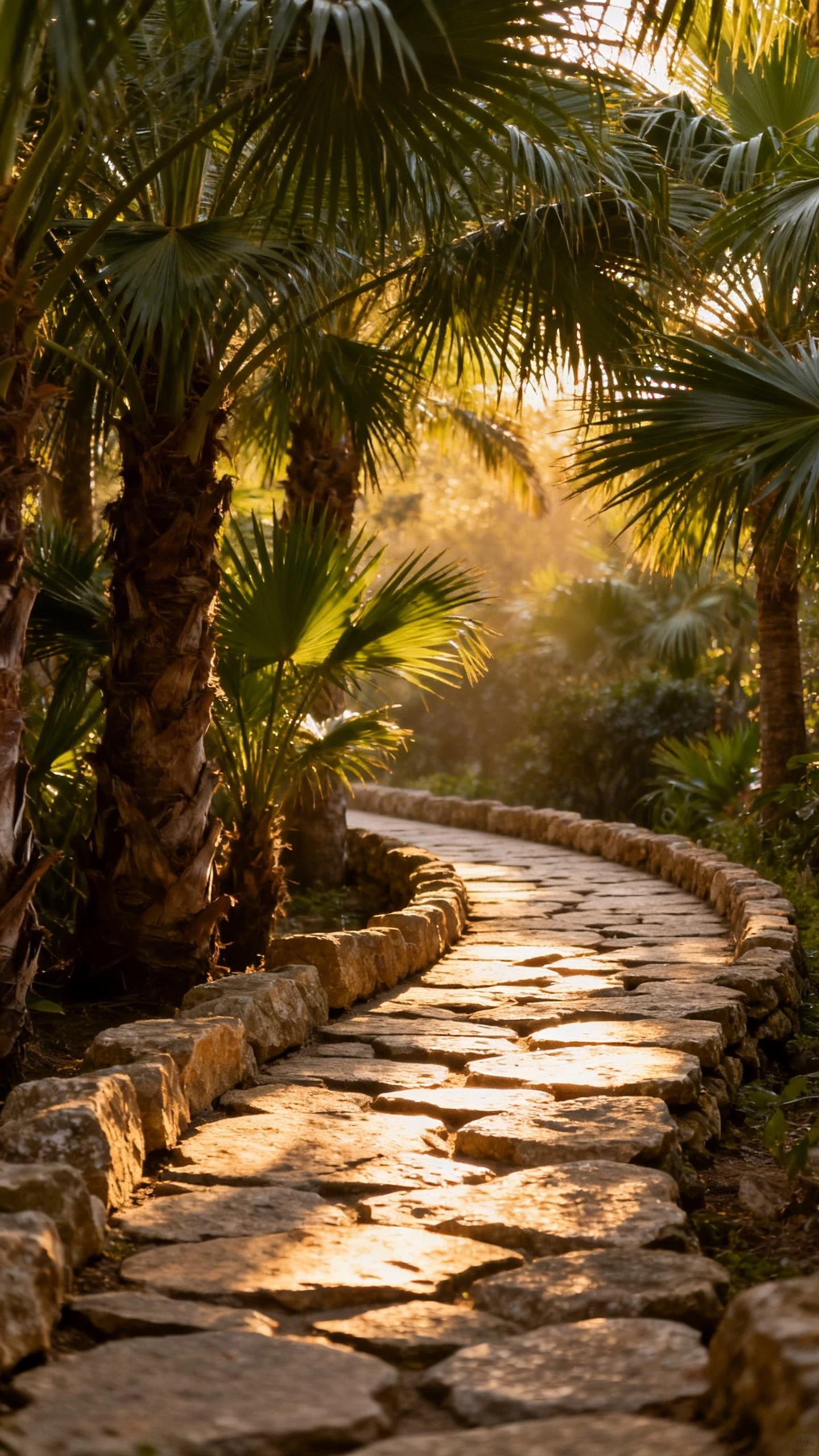
A tropical garden should feel immersive, not like a bunch of plants scattered around a lawn. Paths pull you through the space and invite exploration. Curved routes usually work best because they feel softer and a little mysterious.
Use gravel, stepping stones, timber, or natural stone to keep things grounded. Hard lines can work, but tropical design usually prefers gentler shapes. Let the path disappear behind planting whenever possible. People love a garden that teases them a bit.
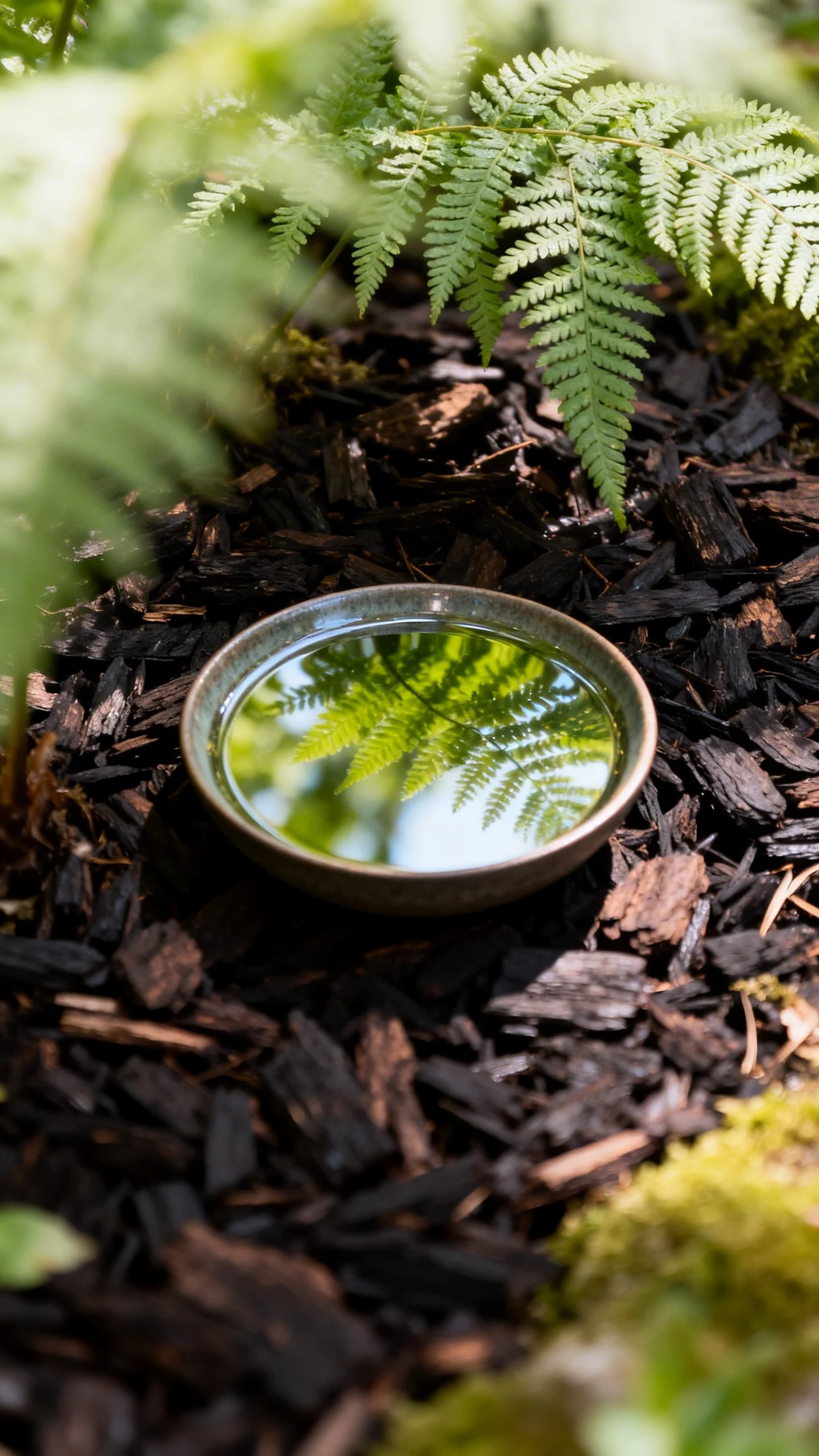
Water features instantly boost the tropical vibe. A small fountain, reflecting bowl, pond, or even a simple wall spout adds sound and movement. That gentle splash covers street noise and makes the whole space feel cooler, even if the weather refuses to cooperate.
Don’t forget seating
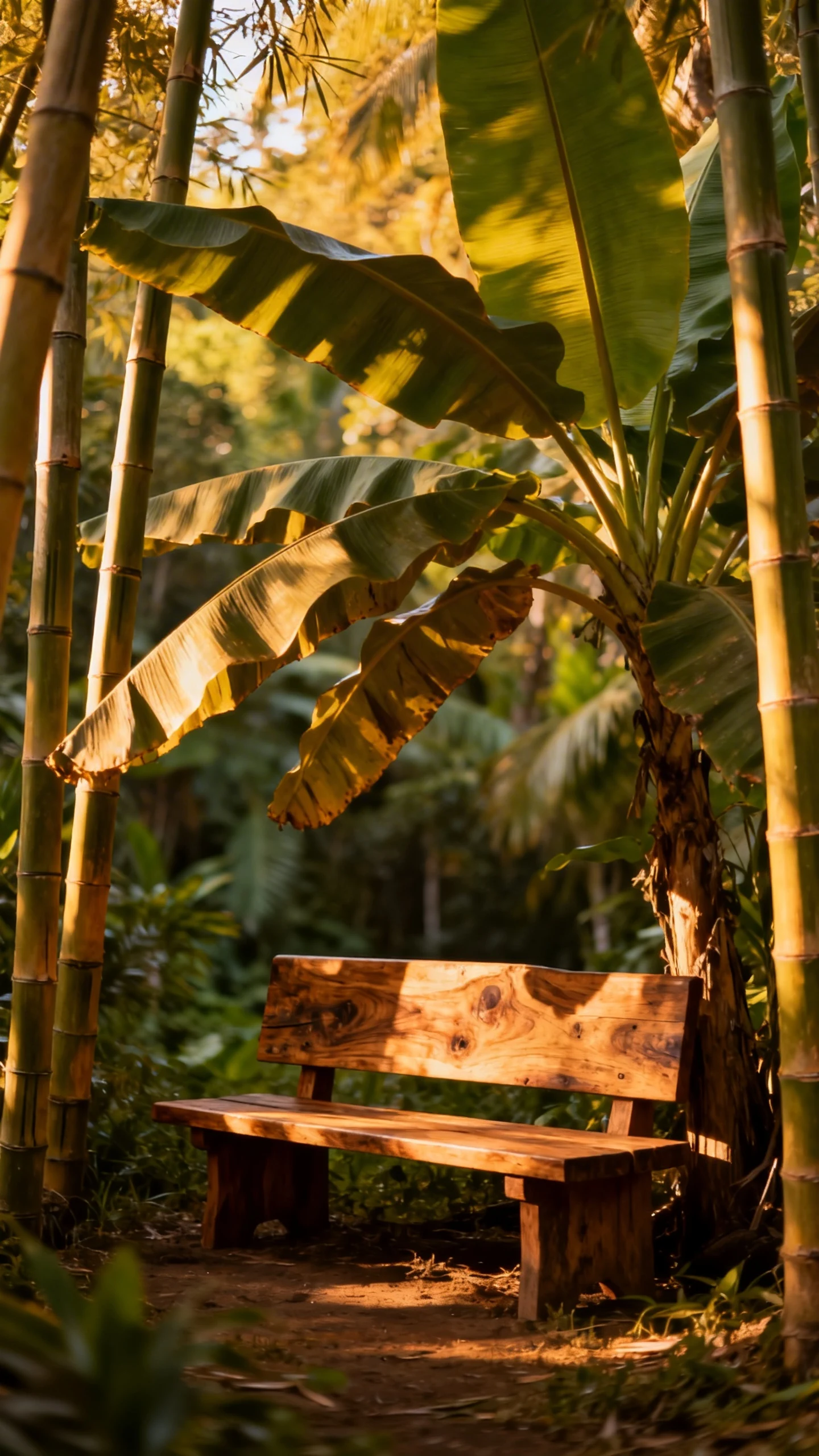
You need a place to actually enjoy all this lush drama. Add a bench tucked into planting, a small deck with loungers, or a bistro set under a palm. Tropical gardens should invite lingering, not just impress from the kitchen window.
Materials matter here too. Rattan style furniture, teak, black metal, and cushions in earthy or leafy tones fit beautifully. Throw in outdoor lanterns or string lights, and suddenly your yard starts acting expensive.
Maintenance: lush, not lawless
Let’s be honest. Tropical style gardens look easy only when somebody stays on top of them. Fast growing plants, big leaves, and dense planting need regular care. Not constant panic, but definitely attention.
Water plays a huge role. Tropical plants usually like consistent moisture, rich soil, and humidity. Add compost, mulch generously, and water deeply instead of doing that half hearted sprinkle that helps exactly nobody.
Feeding matters too. Big foliage needs fuel, so use a balanced fertilizer during the growing season. If your plants look tired and sulky, they probably want food, better drainage, or a stronger pep talk.
Keep it tidy enough
Remove torn leaves, trim spent flowers, and cut back anything blocking paths. Tropical design can look loose, but it still needs editing. There’s a fine line between lush and “did anyone survive back there?”
Pests also love juicy tropical growth, because of course they do. Check for aphids, spider mites, scale, and slugs before they throw a house party. A quick weekly look saves a lot of drama later.
Small space? You can still get the jungle look
You do not need a giant backyard to pull this off. Small courtyards, patios, balconies, and side yards can all rock tropical design. In fact, enclosed spaces often feel more immersive because the planting surrounds you faster.
Go vertical when square footage runs low. Use trellises, wall planters, tall pots, and climbing plants to build height. Then pack in fewer varieties, but use stronger leaf shapes so every plant earns its keep.
Oversized containers help small spaces feel intentional. One big pot with a dramatic canna or palm usually looks better than six tiny containers trying their best. Tiny pots tend to make a space feel busy, and not in a chic way.
Mirrors, dark fences, and layered planting can also make a small garden feel deeper. Add a compact water feature and a chair, and suddenly your little corner feels like a boutique hotel courtyard. Not bad for a few square feet.
FAQ
Do tropical gardens only work in hot climates?
Nope. You can create a tropical look in many regions by choosing bold leaf plants that suit your climate. Use seasonal exotics, hardy alternatives, and containers you can move when temperatures drop.
What is the easiest way to make a garden look tropical fast?
Start with large leaf plants, dense layering, and dark mulch. Add one or two statement pots, a curved path if you have room, and a simple water feature. Those moves change the mood quickly without a full yard overhaul.
Do tropical gardens need a lot of maintenance?
They need moderate maintenance, especially during peak growth. Expect watering, feeding, trimming, and occasional pest checks. The good news? A little regular care beats one giant weekend of chaos control.
Which colors work best in tropical garden design?
Deep green should dominate, with accents of red, orange, yellow, pink, white, or burgundy. IMO, the best schemes use only two or three accent colors and repeat them throughout the space. That keeps the design bold but not messy.
Can I design a tropical garden with mostly foliage and few flowers?
Absolutely. Many of the best tropical gardens rely more on leaf shape, size, and color than blooms. Mix glossy, feathery, striped, and oversized foliage for a rich look that lasts longer than many flowering cycles.
What kind of furniture fits a tropical garden?
Choose natural or relaxed materials like teak, rattan style pieces, bamboo looks, or simple black metal. Keep cushions and accessories in earthy tones, leafy greens, or a few bright tropical shades. Comfort matters, because nobody dreams of paradise and imagines a terrible chair.
Conclusion
Tropical garden design thrives on bold foliage, layered planting, rich texture, and a relaxed sense of abundance. You don’t need a rainforest climate or a resort budget to create the effect. You just need smart plant choices, a little atmosphere, and the confidence to go bigger than you usually would.
So yes, plant the giant leaves. Add the winding path. Put a chair where you can admire your work and pretend you’re on holiday for ten minutes before real life barges in. That, honestly, counts as good garden design.