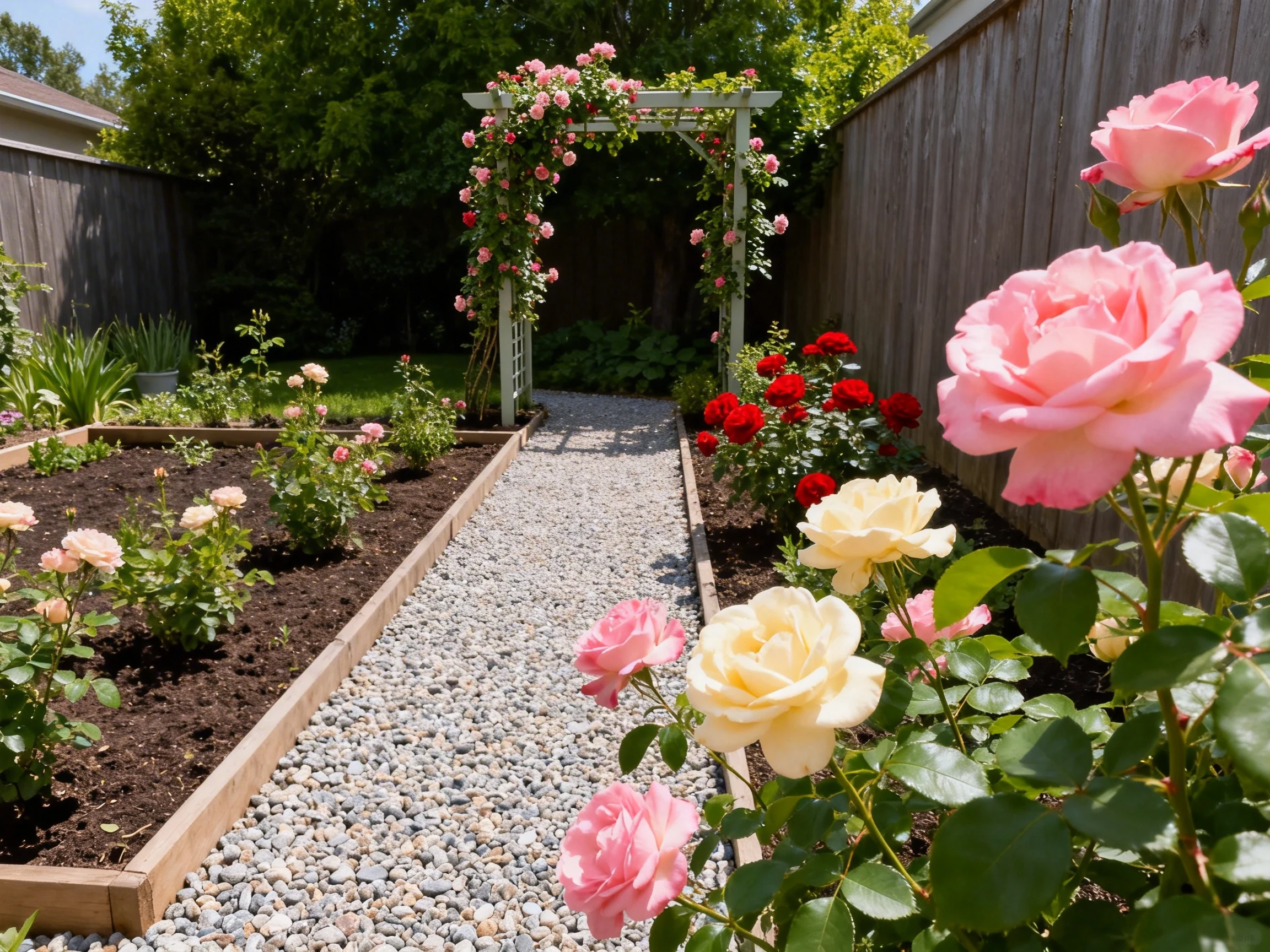
A small rose garden can look ridiculously charming when you plan it well. You do not need a sprawling estate, a stone fountain, and a gardener named Philip to make roses shine. You just need a smart layout, the right varieties, and a little restraint, which honestly causes more trouble than the roses. Small spaces reward good choices fast, and roses love a bit of thoughtful attention.
Start with the space you actually have
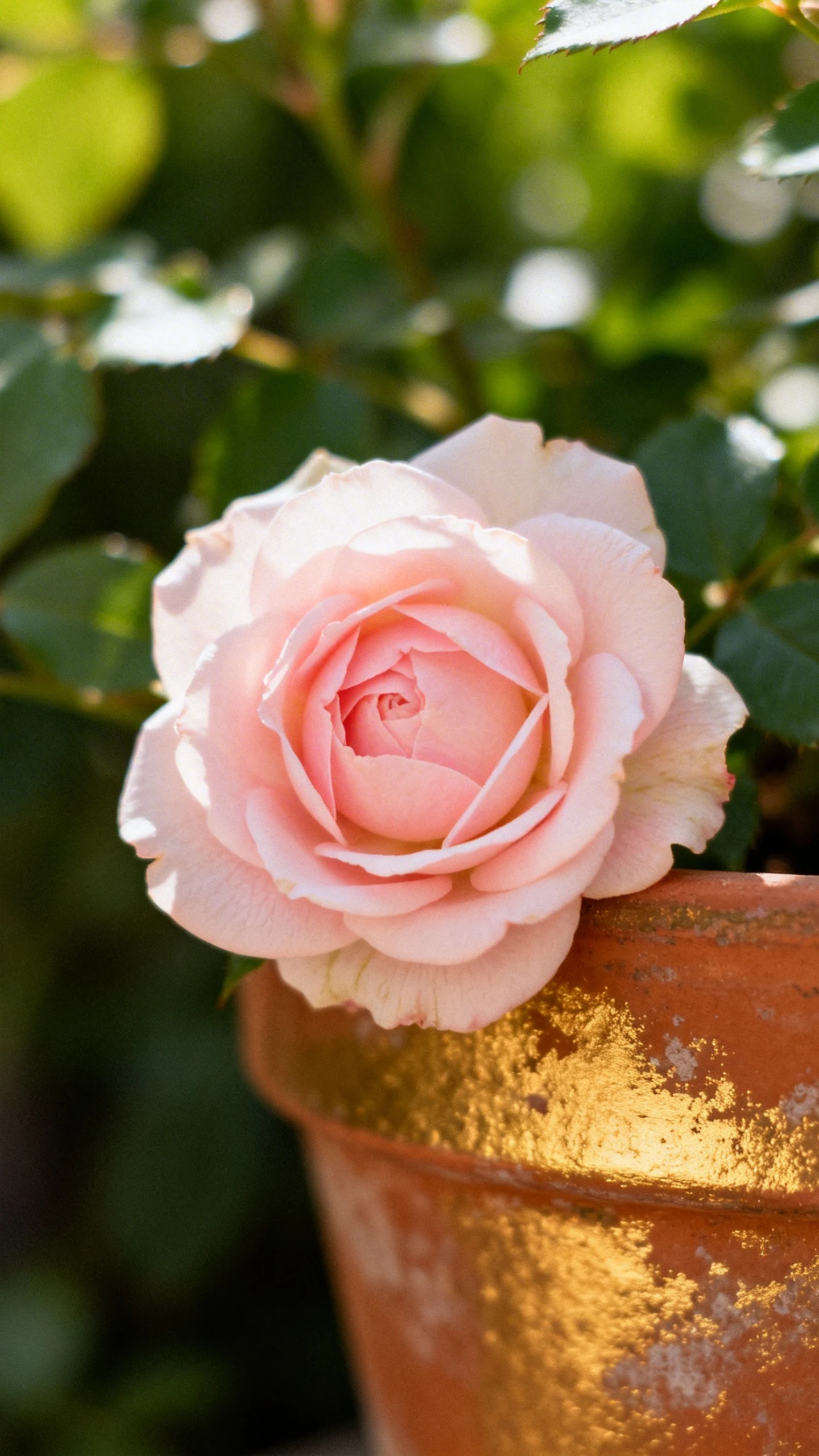
Before you buy a single rose, stand in your yard, patio, or side garden and look at it like a designer. Where does the sun hit for at least six hours? Where does water collect after rain? Where do your eyes go first when you step outside?
Small rose garden design works best when you stop fighting the space. A narrow strip beside a fence wants a linear planting plan. A square courtyard wants a centered focal point. A tiny front bed wants a clean, uncluttered look, not seventeen plants battling for attention like reality show contestants.
Measure everything. Yes, everything. People skip this part and then act shocked when a “compact” rose swallows the walkway by July.
Think in shapes, not just plants
IMO, this part changes everything. When you design a small rose garden, you do not just place roses randomly and hope for cottage magic. You build around shapes: circles, rectangles, arcs, and repeating lines.
A curved bed softens a stiff yard and makes a tiny space feel more relaxed. A rectangular bed looks crisp and formal, especially near a path or patio. Repeating the same shape in paving, containers, or edging gives the whole garden a polished look without much effort.
Create one clear focal point
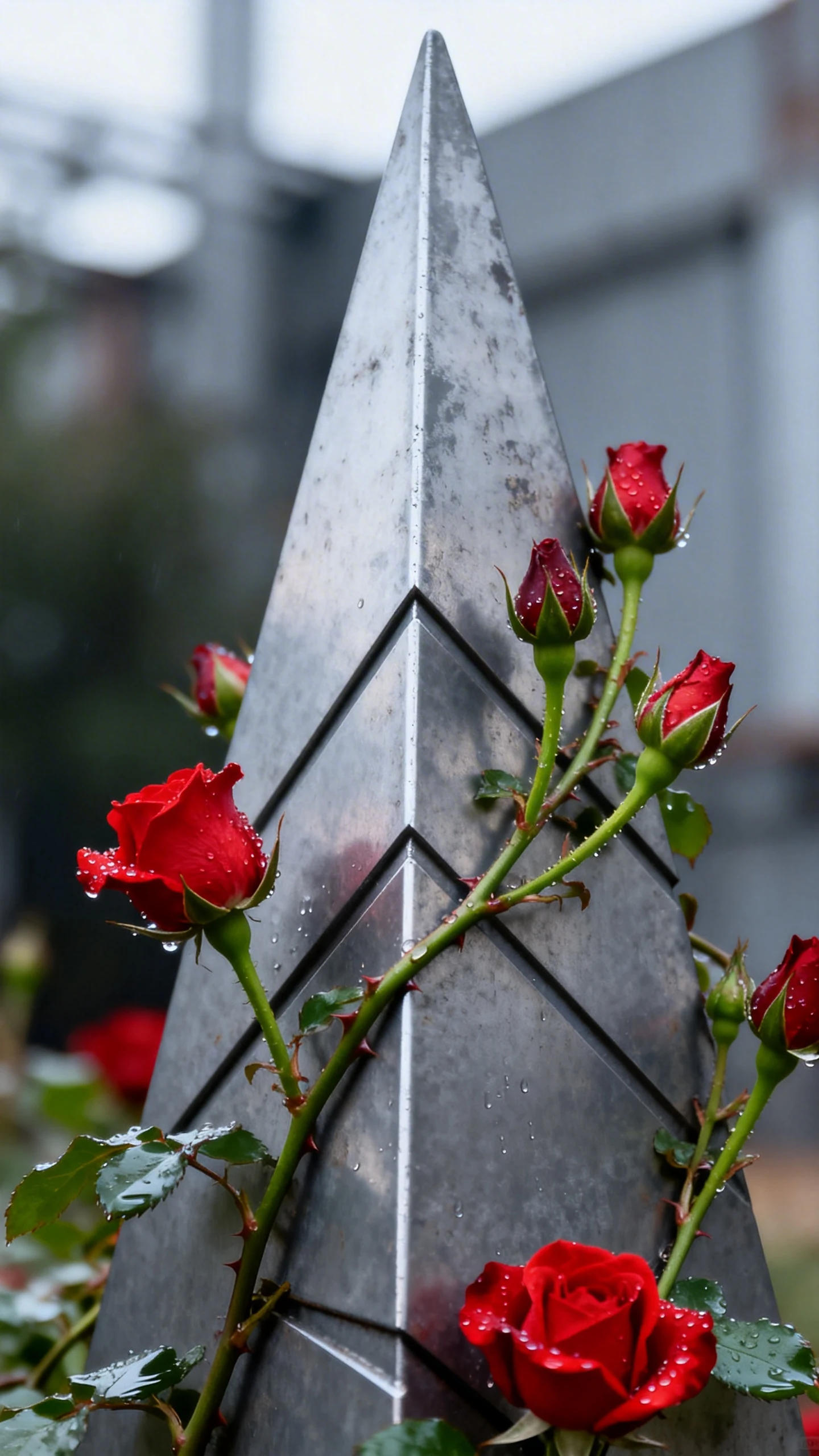
Small gardens need a star. Pick one thing that grabs attention right away, then let everything else support it. That focal point might be a gorgeous shrub rose, a climbing rose on an obelisk, or a neat group of matching pots.
One focal point beats five competing “special” features every single time. Too many eye-catchers make a small garden feel messy. You want charming, not chaotic.
Choose roses that behave in small spaces
Not every rose belongs in a small garden. Some grow huge, flop around, or demand constant babysitting. You want varieties that stay tidy, bloom well, and resist disease, because black spot has zero respect for your design plan.
Look for compact shrub roses, patio roses, miniature roses, and small floribundas. These types usually fit better in tight spaces and offer plenty of flowers without eating the whole bed. Healthy foliage matters just as much as bloom color, especially in a small area where every plant stays on display.
Best rose types for a compact layout
- Patio roses for containers, edging, and tiny courtyards
- Compact shrub roses for structure and repeat blooming
- Floribundas for clusters of color without giant size
- Miniature roses for small pots and close-up viewing
- Climbing roses for vertical impact on trellises and arches
If you want my honest opinion, choose fewer varieties and repeat them. Repetition makes a garden look intentional and calm. A jumble of random rose colors can work, sure, but it can also look like the clearance rack exploded.
Pick a color scheme and stick to it
Color can make a tiny rose garden feel elegant or overwhelming fast. Soft pink, white, and lavender create a romantic look that feels airy. Red, orange, and hot pink bring energy, but they can crowd a small space visually if you use all of them at once.
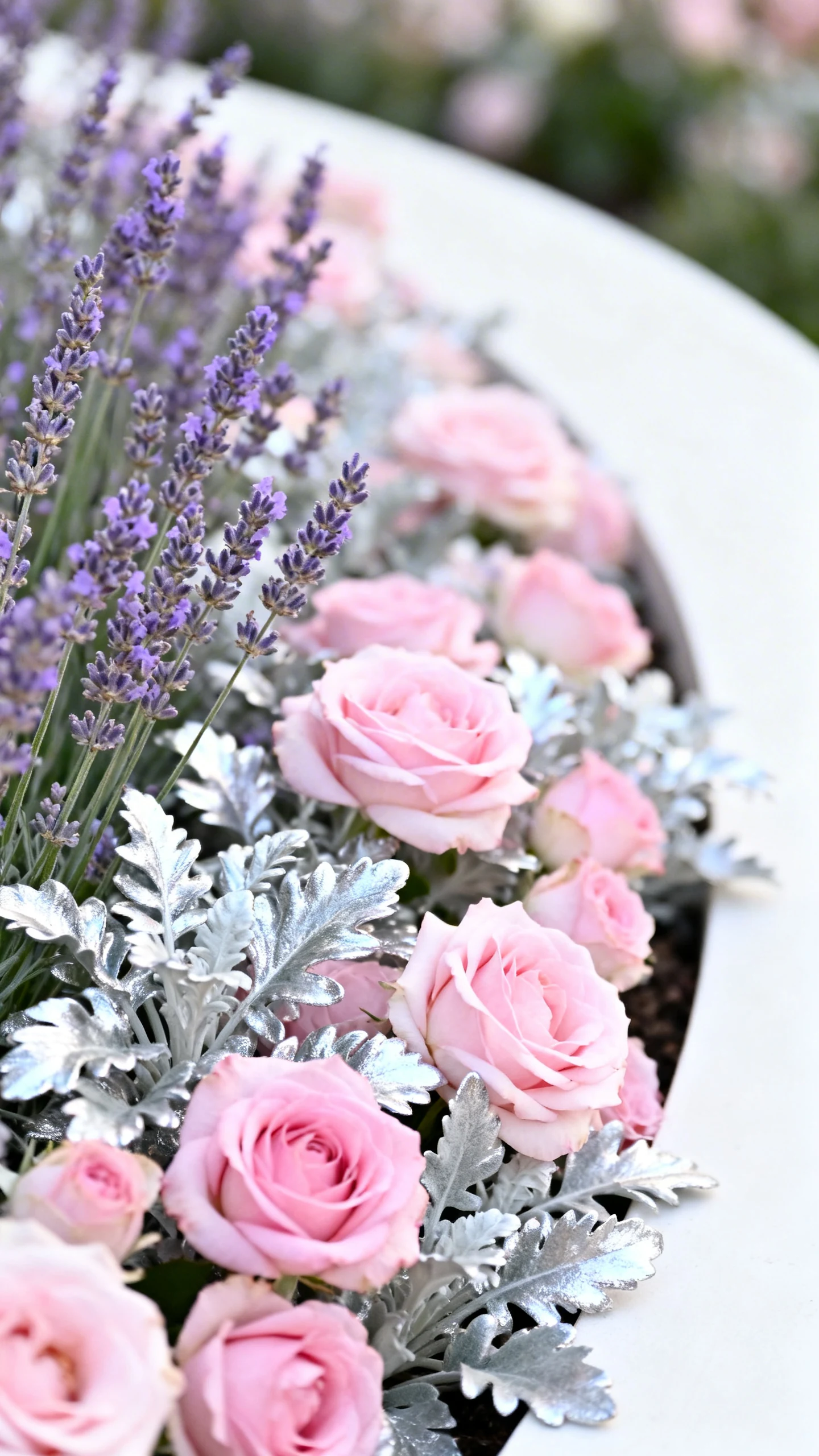
Two or three main colors usually look better than six. White roses brighten shady corners and glow at dusk. Pink roses pair beautifully with silver foliage and soft blues. Deep crimson roses look dramatic, especially against pale walls or gray stone.
Use layout tricks that make the garden feel bigger
Want a small rose garden to look more spacious? You need visual tricks. Designers use these all the time, and no, it is not cheating. It is just smart.
First, leave breathing room between plants. Crowding makes a small garden feel smaller and causes airflow problems too. Roses need room, and your design needs negative space so the eye can rest.
Go vertical whenever possible
Vertical elements save small gardens. A climbing rose on a trellis, obelisk, fence, or arch draws the eye upward and adds drama without using much floor space. Suddenly the garden feels layered and taller, which helps a lot in tiny yards.
Vertical design adds height, structure, and bloom power in one move. A single climber can frame an entry, soften a wall, or make a plain corner look intentional. Pretty efficient, right?
Layer heights the right way
Put taller roses or supports toward the back of a border and shorter roses near the front. In island beds, place taller plants in the center and lower growers around them. This basic layering keeps the view open and prevents that “everything looks crammed together” problem.
You can also use a few companion plants between roses to soften edges. Lavender, catmint, salvia, lady’s mantle, and dwarf boxwood all work nicely. FYI, companions should support the roses, not start their own dramatic subplot.
Paths and edging matter more than people think
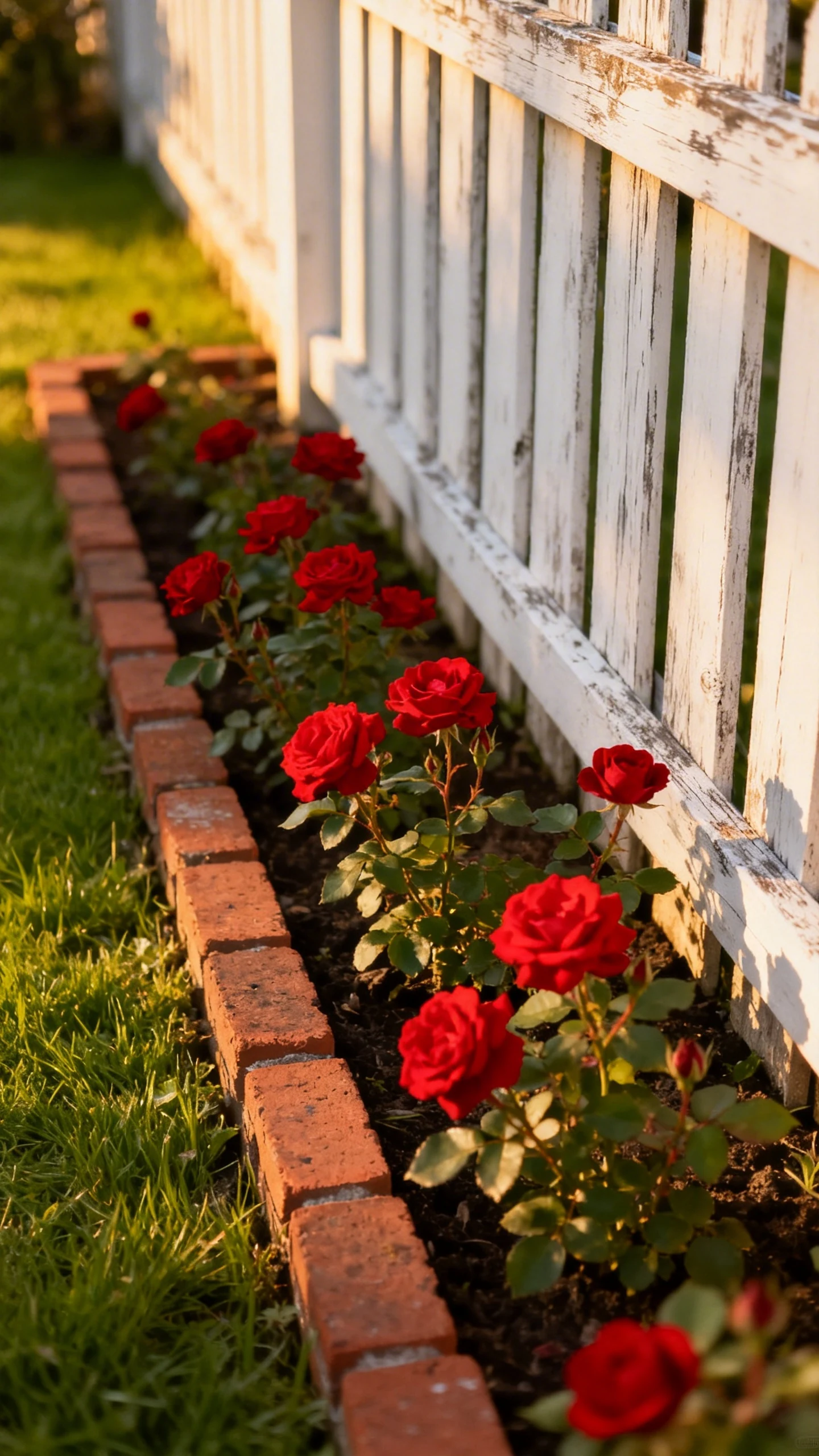
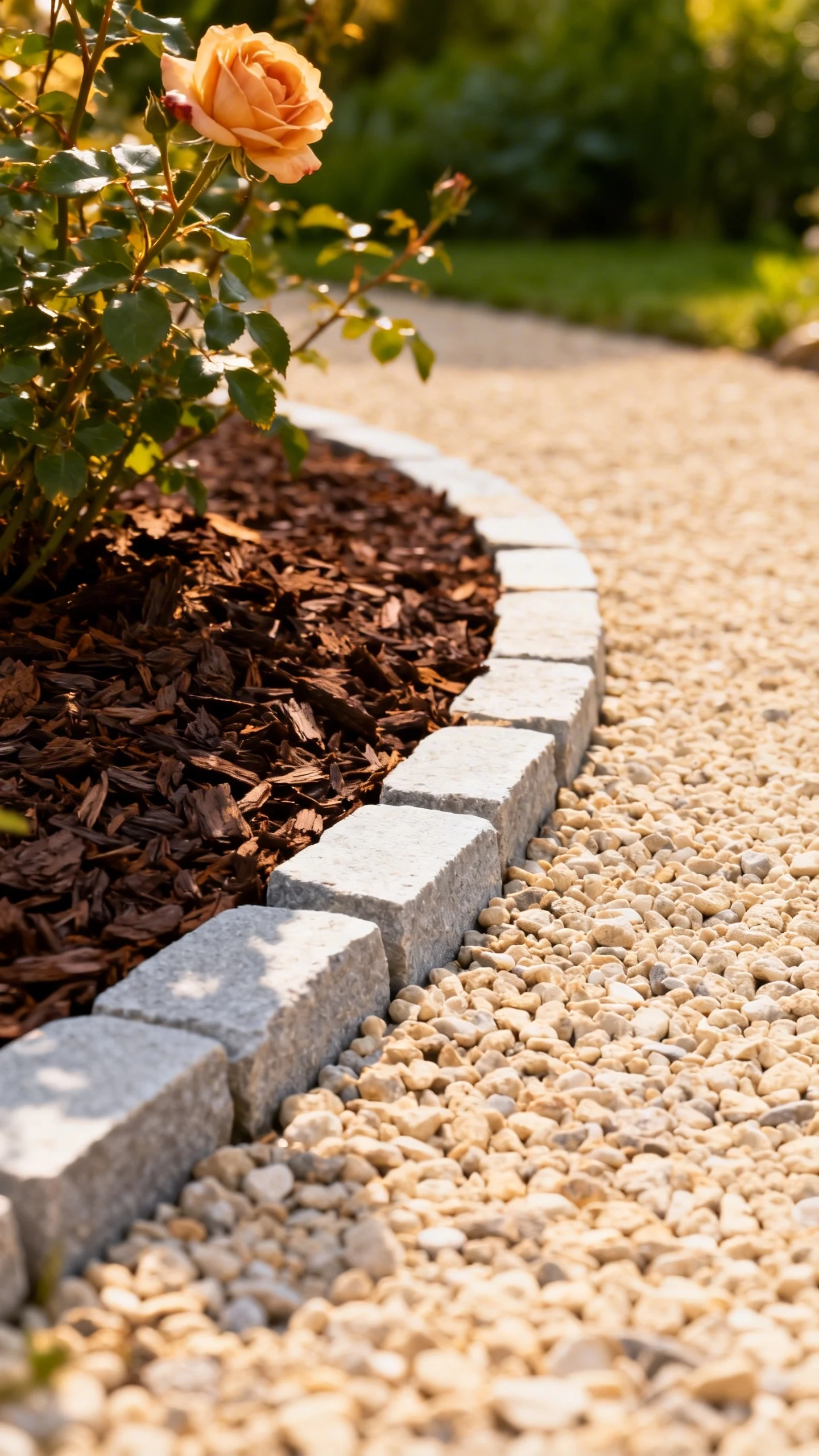
A crisp edge instantly makes a rose garden look designed. Brick, stone, steel, or even a simple spade-cut edge gives the bed definition. Clean lines help small spaces feel organized and intentional.
If you have room for a path, even a narrow one, use it. A path invites you into the space and makes the garden feel larger because it creates movement. Gravel, stepping stones, or brick all work, as long as they match the mood of your house and garden.
Containers can save the whole design
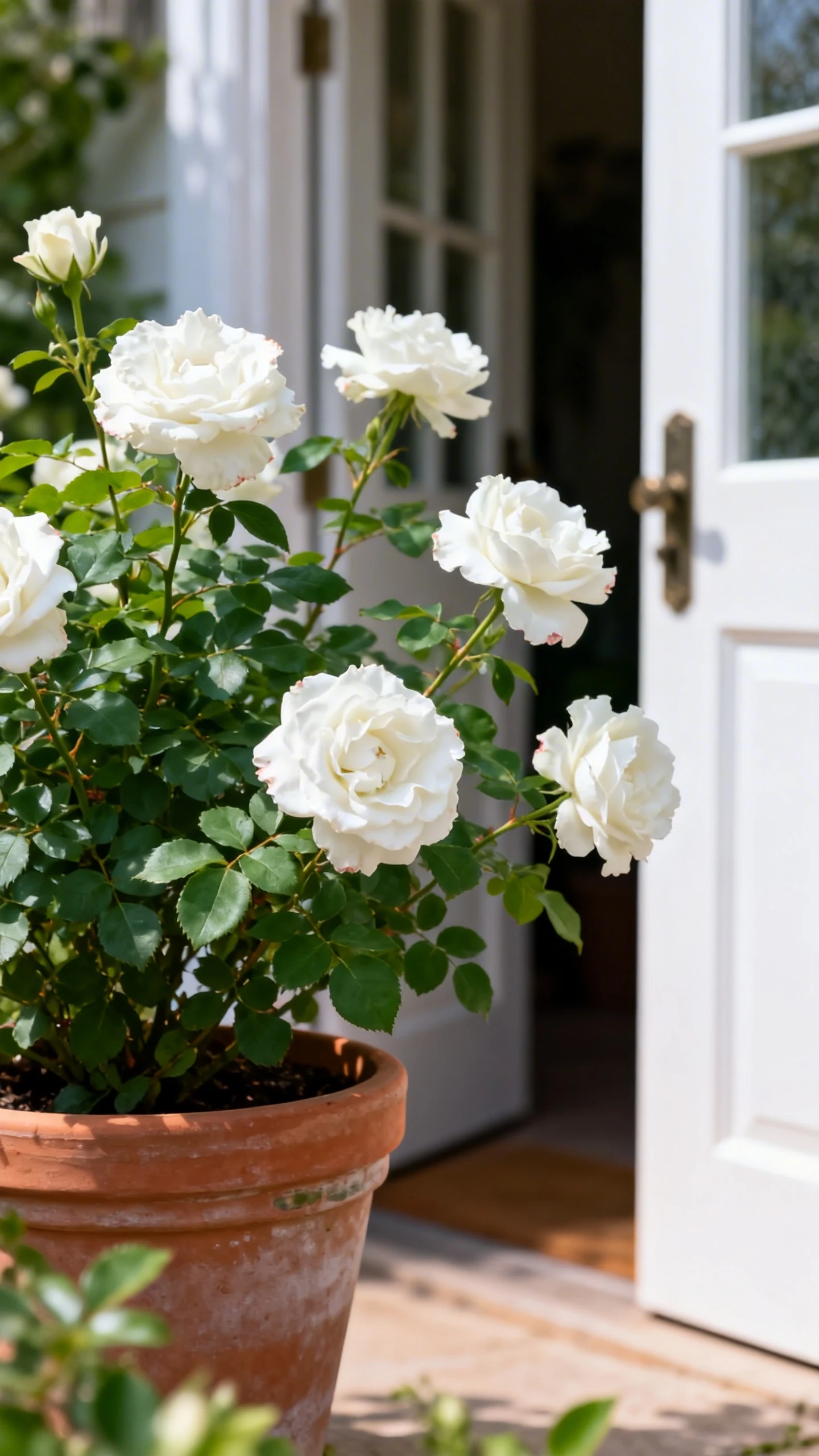
Small rose garden design does not need to happen only in the ground. Containers open up all kinds of options, especially for patios, balconies, and awkward corners. They also let you control soil, move plants around, and experiment without committing to a full bed.
Containers work best when you treat them as part of the design, not afterthoughts. Use matching pots for a formal look or similar tones for a relaxed one. Keep the scale right too. Tiny pots with thirsty roses equal disappointment by lunchtime in summer.
How to arrange potted roses
Group containers in odd numbers for a more natural look. Place the tallest pot at the back or center, then stagger shorter ones around it. Vary height, but keep the color palette cohesive so the setup looks curated rather than random.
You can flank a doorway with matching rose containers for instant symmetry. You can line a patio edge with compact floribundas. You can even tuck one perfect pot beside a bench and call it a day. No shame in that.
What to plant with container roses
Roses in pots look better with a little company. Try trailing plants like calibrachoa or creeping Jenny for softness. Add upright fillers such as salvia or small grasses if you want contrast.
Just do not overstuff the pot. Roses still need airflow and root room. A container should look lush, not like it lost a fight with the garden center.
Make maintenance part of the design
The prettiest small rose garden still fails if you cannot care for it easily. Design should help maintenance, not make it miserable. If you need acrobatics to prune one rose, the layout needs work.
Leave enough space to water, deadhead, prune, and clean up around each plant. This sounds obvious, yet people keep planting roses twelve inches apart and then wonder why everything turns into a thorny traffic jam. Give yourself access from the start.
Mulch, water, and feed without overcomplicating it
Mulch keeps roots cool, reduces weeds, and makes beds look tidy. Use a clean organic mulch and keep it away from the base of the plant. A mulched bed instantly looks more finished, which matters a lot in a small design.
Water deeply instead of constantly sprinkling the surface. Feed roses during the growing season with a balanced rose fertilizer or compost, depending on your style. You do not need a twenty-step regimen unless you secretly enjoy turning gardening into a chemistry lab.
Plan for all-season appeal
Roses bloom beautifully, but they do not carry the whole garden every single week. Add evergreen structure, neat edging, or companion plants with long seasons of interest. That way your small rose garden still looks good when the roses take a breather.
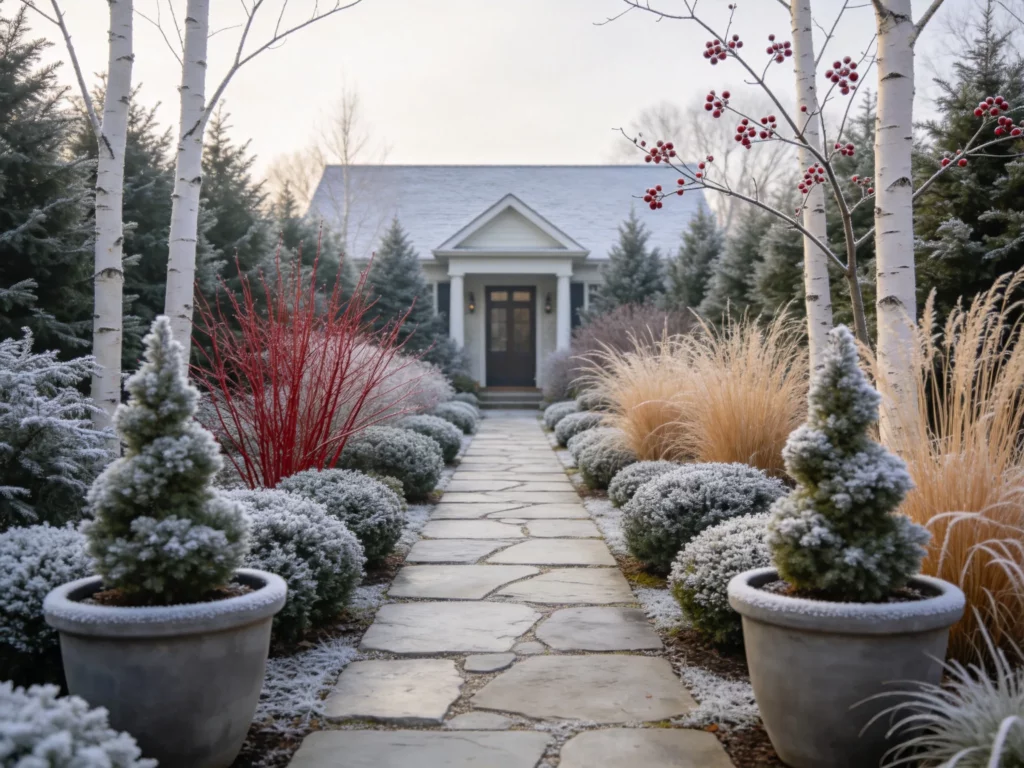
Think about winter too. An obelisk, tidy hedge, decorative pot, or attractive path keeps the space interesting even when flowers disappear. Good design does not vanish in November.
Small rose garden ideas that actually work
If you feel stuck, use a simple design concept and build from there. You do not need to invent a new garden style from scratch. A few classic layouts work incredibly well in small spaces.
The doorway rose moment
Place matching containers or compact shrub roses on either side of an entrance. This look feels polished and welcoming right away. It also gives your home instant personality without taking over the yard.
The fence-line feature bed
Plant a narrow border along a fence with one climbing rose, two or three compact shrubs, and a low edging plant. This setup uses vertical space brilliantly and creates a lush look in a very small footprint. Add a bench if you want the full “I casually sip tea here” vibe.
The courtyard cluster
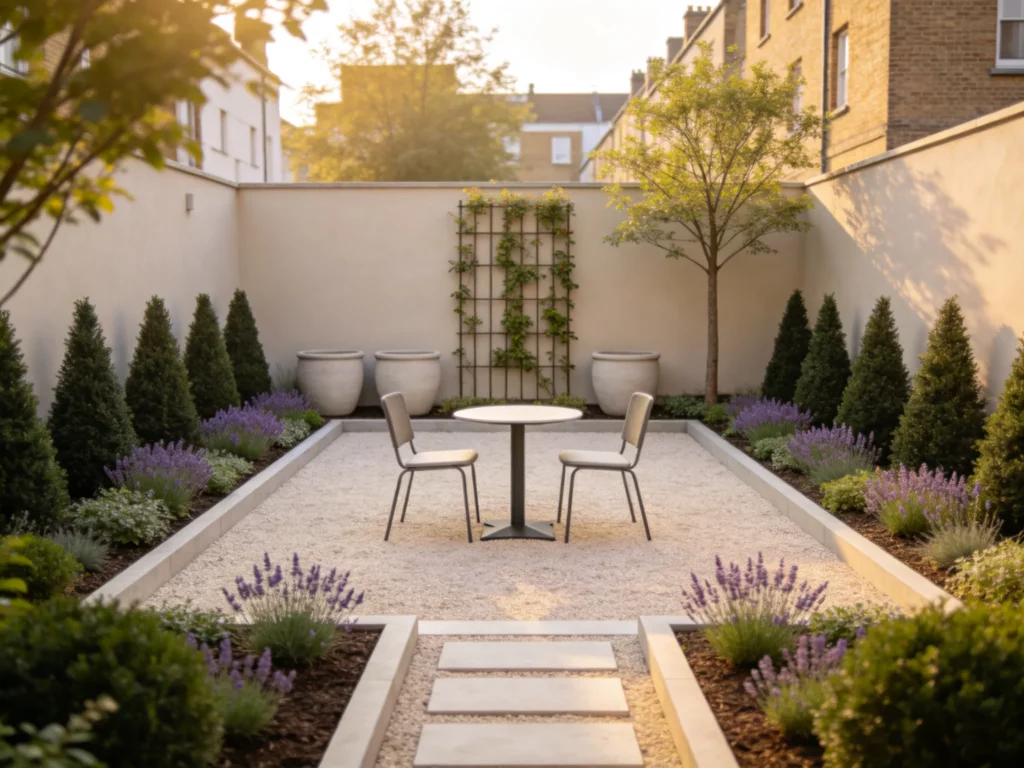
Use three to five large containers in a tight grouping with one dominant color palette. Add gravel or stone around them for a clean, elegant finish. This works especially well in modern spaces where a full flower bed might feel too loose.
The mini cottage corner
Mix soft pink or white roses with lavender, catmint, and salvia in a small curved bed. Keep the palette restrained so it feels dreamy rather than crowded. FYI, this style looks effortless, but it only works when you edit ruthlessly.
FAQ
How many roses should I plant in a small garden?
Usually fewer than you think. Start with three to five well-chosen roses in a compact bed, or even one standout rose in a container arrangement. Spacing plants correctly almost always looks better than cramming in extras.
Do roses need full sun in a small garden?
Yes, most roses want at least six hours of direct sun for strong blooming and healthy growth. Morning sun helps a lot because it dries dew quickly and reduces disease pressure. If your space gets less light, choose the sunniest spot and keep expectations realistic.
Can I grow roses only in containers?
Absolutely. Many patio, miniature, and compact shrub roses do very well in containers with good drainage and regular watering. Use a large enough pot, quality potting mix, and a consistent feeding routine so the plants stay vigorous.
What companion plants look best with roses in small spaces?
Lavender, catmint, salvia, lady’s mantle, nepeta, and small ornamental grasses all pair beautifully with roses. They soften the look and add texture without stealing the show. Choose companions that stay tidy and do not smother the rose.
How do I keep a small rose garden from looking cluttered?
Limit your color palette, repeat plant varieties, and leave open space between key elements. Use one focal point and a clear layout instead of squeezing in every plant you like. Editing feels brutal at first, but your garden will thank you.
Are climbing roses a good idea for tiny yards?
Yes, if you support them properly and choose a variety that fits the scale of your space. Climbers add height and romance without consuming precious ground area. They work especially well on fences, arches, trellises, and obelisks.
Conclusion
A beautiful small rose garden comes down to smart choices, not square footage. Pick roses that fit, use structure and repetition, and give the space room to breathe. Keep the design simple, keep the maintenance realistic, and let a few excellent plants do the heavy lifting. Small can look spectacular, and honestly, it often looks better because every detail counts.