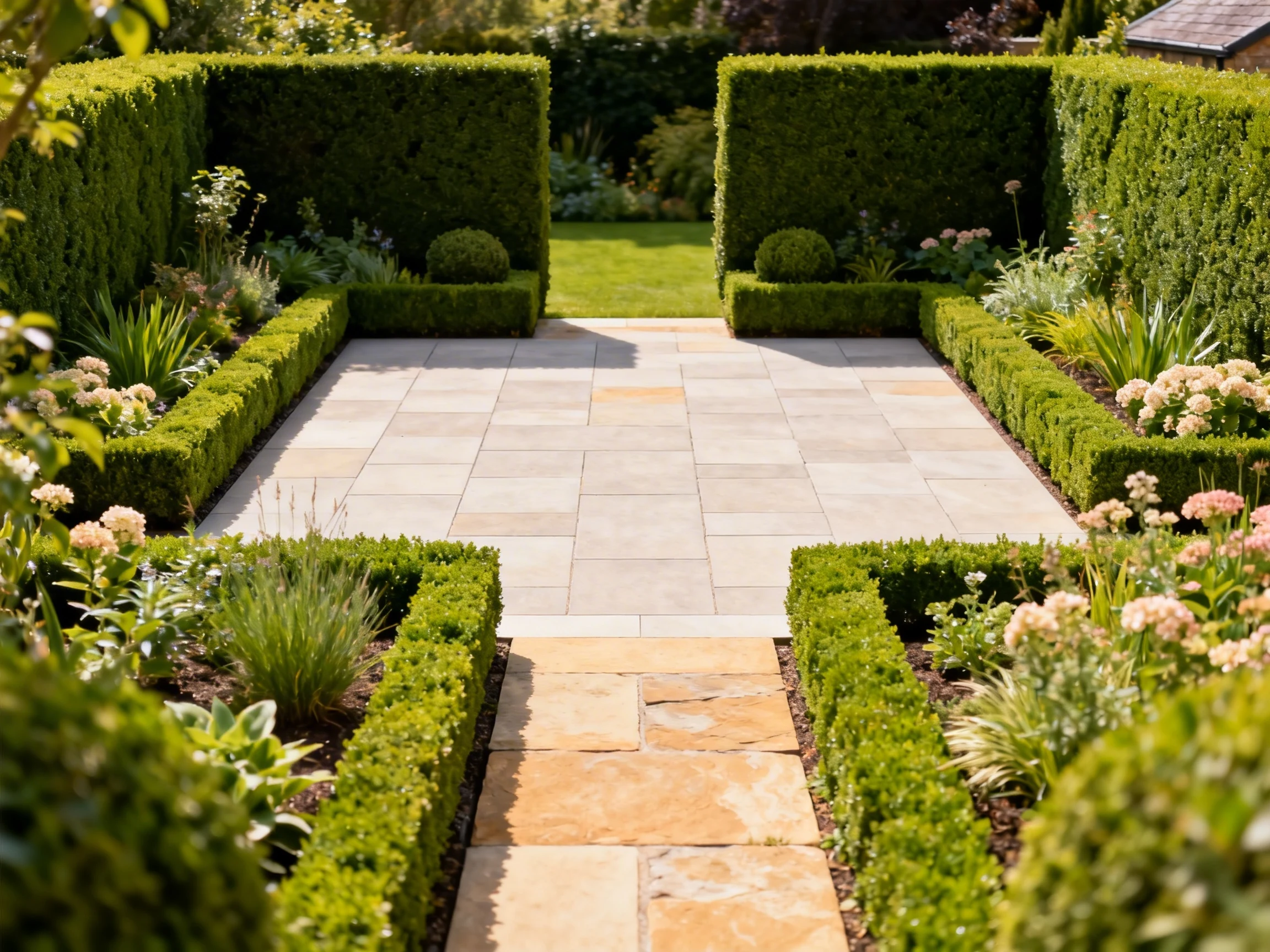
A small square garden can look ridiculously good when you stop fighting the shape and start using it. That neat little box gives you structure for free, which means less guesswork and fewer “why does this corner feel weird?” moments. If your outdoor space feels tiny, awkward, or one bad plant choice away from chaos, don’t worry. A square layout actually makes design easier, not harder.
Why a square garden gives you a head start
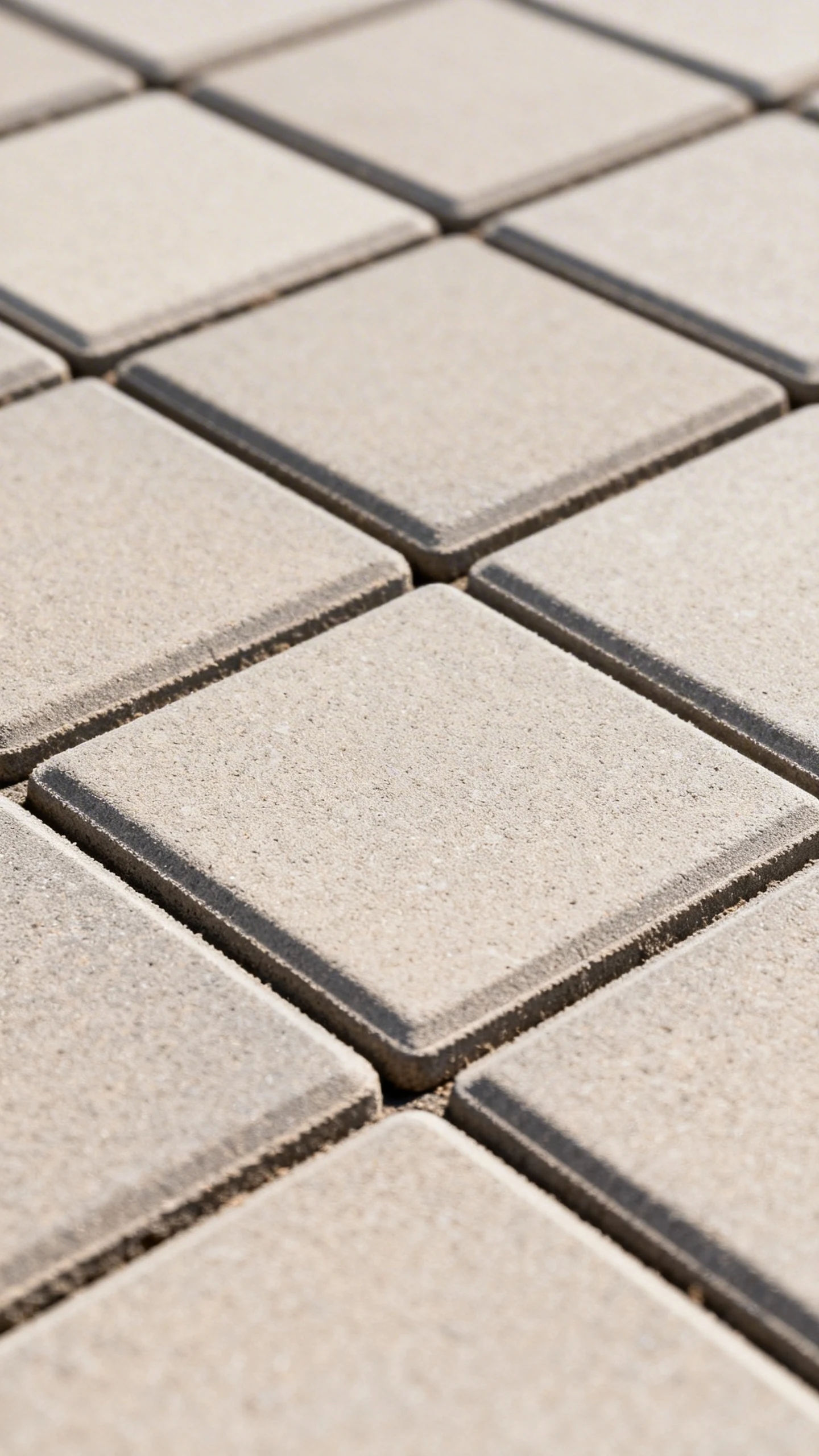
Square gardens come with built in order. You already have balance, clean lines, and a footprint that plays nicely with paths, beds, seating, and lawn. That matters because good design usually starts with strong shape, and your garden already showed up with one.
IMO, the biggest win comes from how easy it feels to divide the space. You can split a square into quarters, frame the center, or create a border around the edge without making the layout feel messy. Even if the garden measures only a few meters across, you can make it look intentional instead of squeezed.
The trick is simple: use the square as your guide, not your limitation. Work with symmetry when you want calm, and break it slightly when you want more personality. A little tension keeps things interesting. Too much, and your garden starts acting like a room where all the furniture got pushed around during an argument.
Start with the layout before you buy a single plant
Yes, the flowers look exciting. Yes, that glossy photo of a dreamy patio garden makes you want to impulse buy six lavender plants and a random olive tree. But layout comes first. Always.
Think about how you want to use the garden. Do you want a spot for coffee, a patch for kids, a mini veg zone, or just something nice to stare at while pretending you enjoy weeding? Your answer decides the plan.
Pick one clear focal point
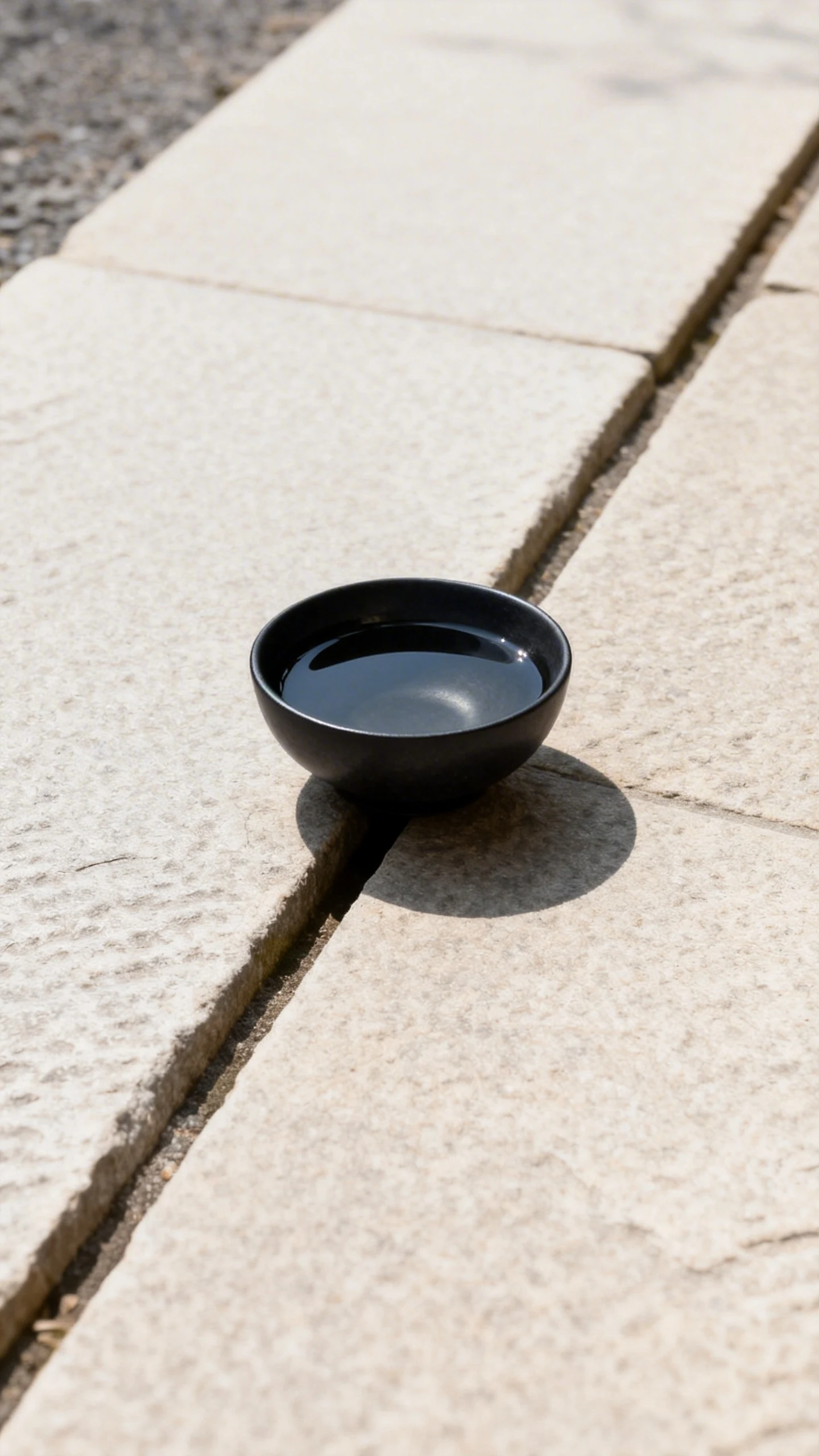
Every good small square garden needs something that anchors the view. That could be a bistro table, a water bowl, a sculptural shrub, a fire pit, or even a single statement planter. One focal point beats five competing “look at me” features every time.
In a square space, the center often works beautifully, but not always. You can place the focal point slightly off center if you want the design to feel more relaxed. That small shift adds movement and stops the space from looking too formal.
Decide how people move through the space
Even a tiny garden needs flow. If you have to sidestep around pots like you’re in a low budget obstacle course, the design needs work. Create one obvious route from the door or gate to the main destination.
A straight path suits modern square gardens. A diagonal path makes the garden feel larger because it stretches the eye across the whole footprint. FYI, diagonals work especially well in very small squares because they break up the boxy feel without creating visual clutter.
Use simple geometry to make the garden feel bigger
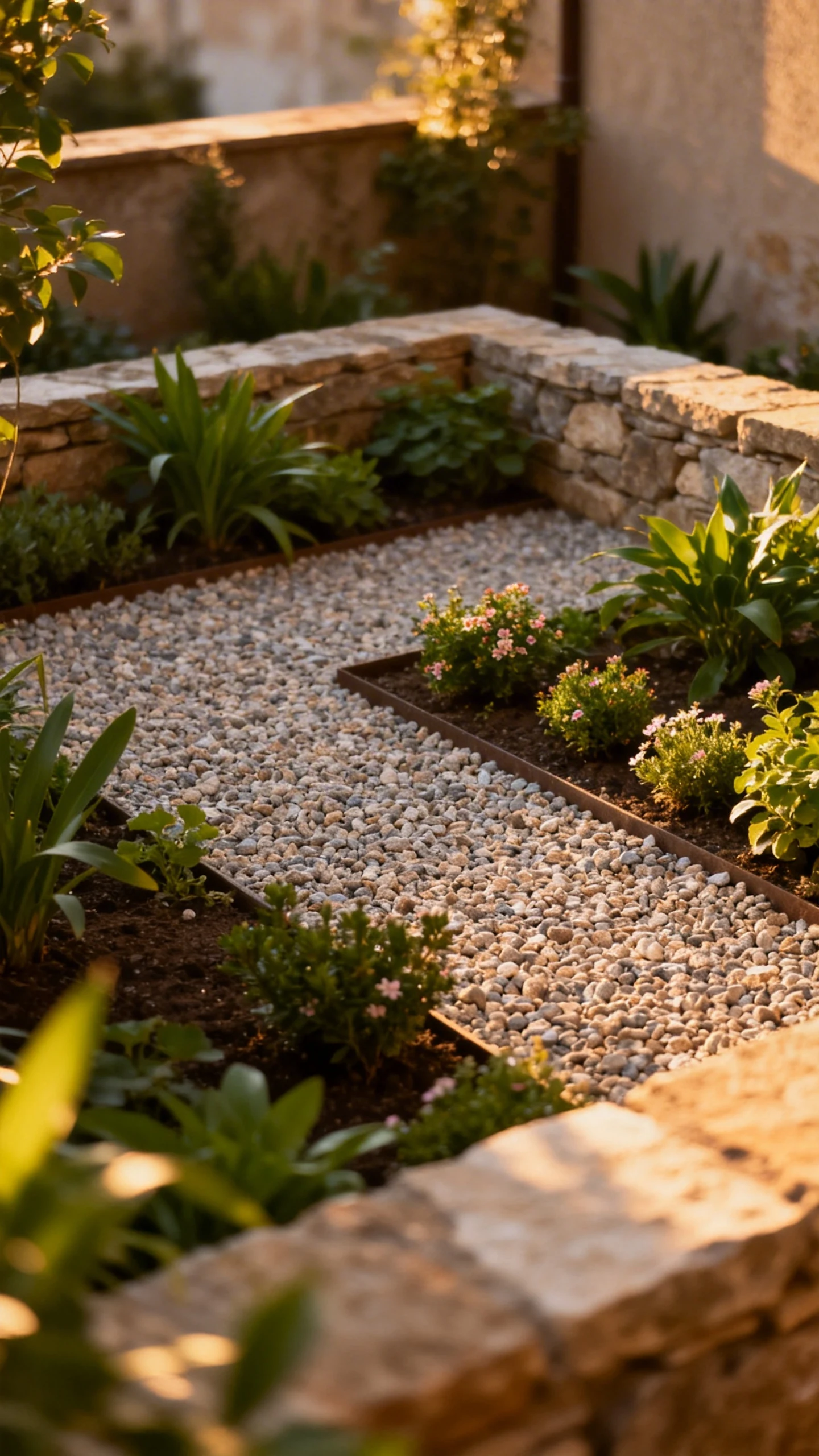
Small spaces benefit from clarity. When the layout feels easy to read, the whole garden feels calmer and larger. Confused lines and fussy shapes usually shrink the space fast.
Strong geometry does the heavy lifting. Think square paving slabs, rectangular planters, crisp edging, and planting beds that follow clear lines. This does not mean boring. It means you give the eye a break so the plants and textures can shine.
Try the four quadrant layout
This classic layout works so well in square gardens that it almost feels unfair. Divide the garden into four equal sections with crossing paths, then add a feature in the center. It looks polished, balanced, and surprisingly flexible.
Each quadrant can hold something different. Maybe one section gets herbs, one gets flowers, one gets evergreen structure, and one becomes seating or gravel. You get variety without losing order, which is pretty much the dream.
Frame the edges and free up the middle
If you want the space to feel open, keep the center simple and push the planting toward the boundaries. A narrow border around the edge creates softness without chopping up the floor area. You end up with a cleaner middle zone for furniture, lawn, or a single statement feature.
This approach works brilliantly in tiny back gardens and courtyards. It also makes maintenance easier because you can access plants from fewer directions. Less awkward reaching, fewer muttered complaints.
Choose planting that matches the scale
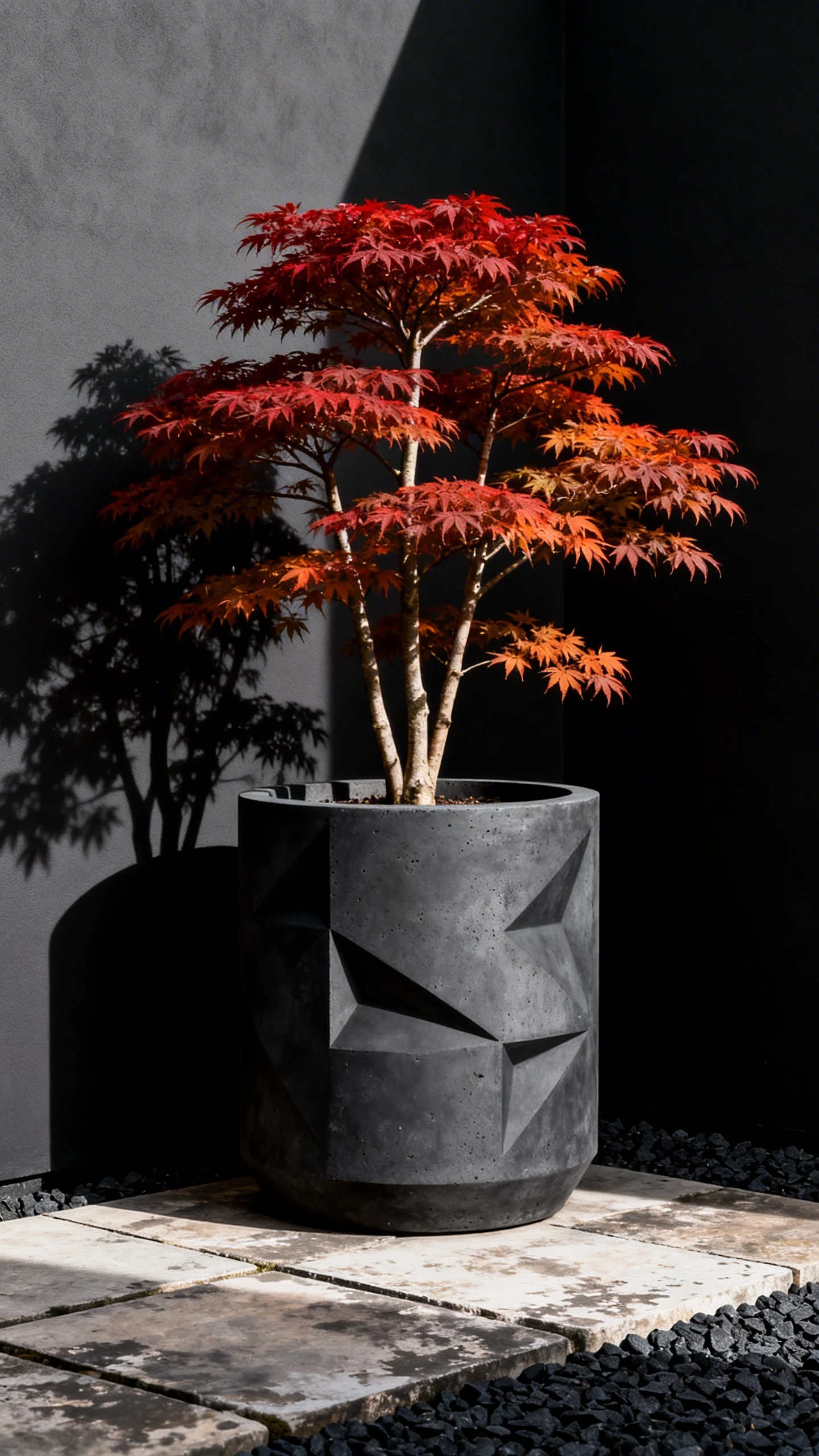
Plant choice can make or break a small square garden. Tiny plants can look scattered and underwhelming, while oversized plants can swallow the whole space by August. You want a mix that feels full but controlled.
Think in layers: one or two structural plants, a supporting cast of mid height fillers, then lower edging or ground cover. That creates depth without turning the garden into a jungle with commitment issues. Repeating the same few plants often looks better than collecting one of everything.
Go big, but only in the right places
People often assume small gardens need small plants only. Not true. A single bold plant, like a multi stem acer, a clipped box ball, or tall ornamental grass, can give the space presence and confidence.
The key sits in restraint. One dramatic plant says “curated.” Seven dramatic plants say “garden center clearance section.” Use statement plants like punctuation, not wallpaper.
Use limited color for a calmer look
A tight color palette helps a small square garden feel cohesive. Greens, whites, purples, and soft blues usually create a relaxed mood. Hot colors can work too, but they demand more discipline.
If you love bright blooms, contain them to one area or one season. That keeps the design from feeling noisy. And yes, gardens can absolutely feel noisy, even though they technically do not shout. Usually.
Hard landscaping matters more than people expect
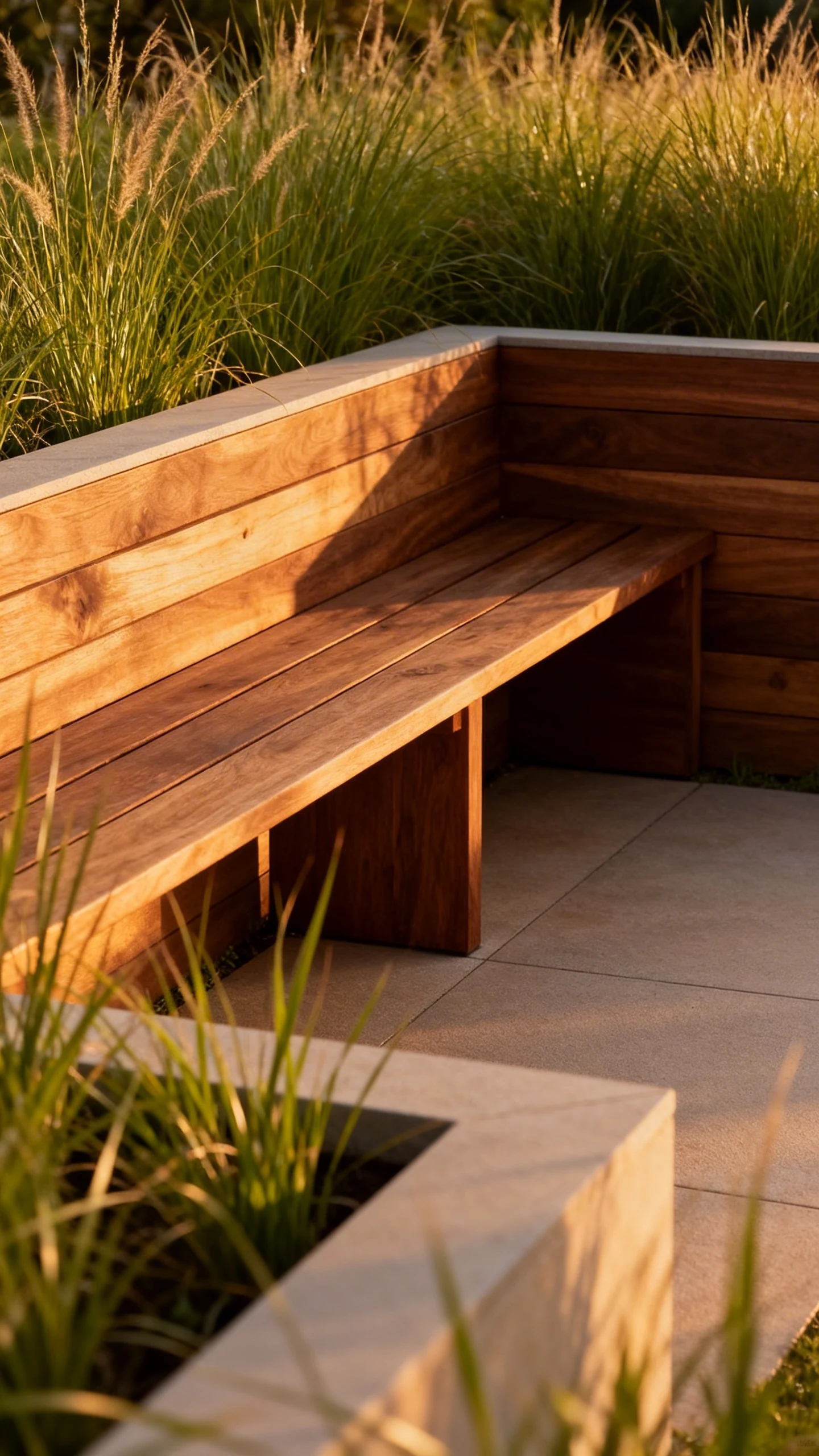
Plants grab the attention, but paving, walls, edging, and containers shape the garden all year. In a small square space, hard landscaping creates the backbone. If that backbone looks clunky, no amount of pretty planting saves it.
Pick materials that suit the house and keep the palette tight. Too many finishes make the space feel chopped up. One paving material, one border material, and one container style often work best.
Patios and seating zones
A square garden loves a square or rectangular patio. Shocking, I know. Matching the geometry creates harmony and makes the space feel intentional.
If the garden feels too rigid, soften the edges with planting or a curved chair shape. Built in benches can save space, especially along one side. They also reduce the need for extra furniture, which helps if your garden already feels one barbecue away from overcrowding.
Raised beds, planters, and low walls
Raised beds add structure fast. They define zones, improve drainage, and give the garden a more designed look. In a square layout, they work best when they echo the main lines of the space.
Low walls or rendered planters can double as seating edges. That kind of multitasking matters in small gardens. Every element should earn its place, because space does not hand out freebies.
Design ideas for different small square garden styles
The nice thing about a square garden is how adaptable it feels. You can go sleek and modern, soft and cottagey, or somewhere in the middle without battling the shape. The layout stays simple while the style changes around it.
Modern and minimal
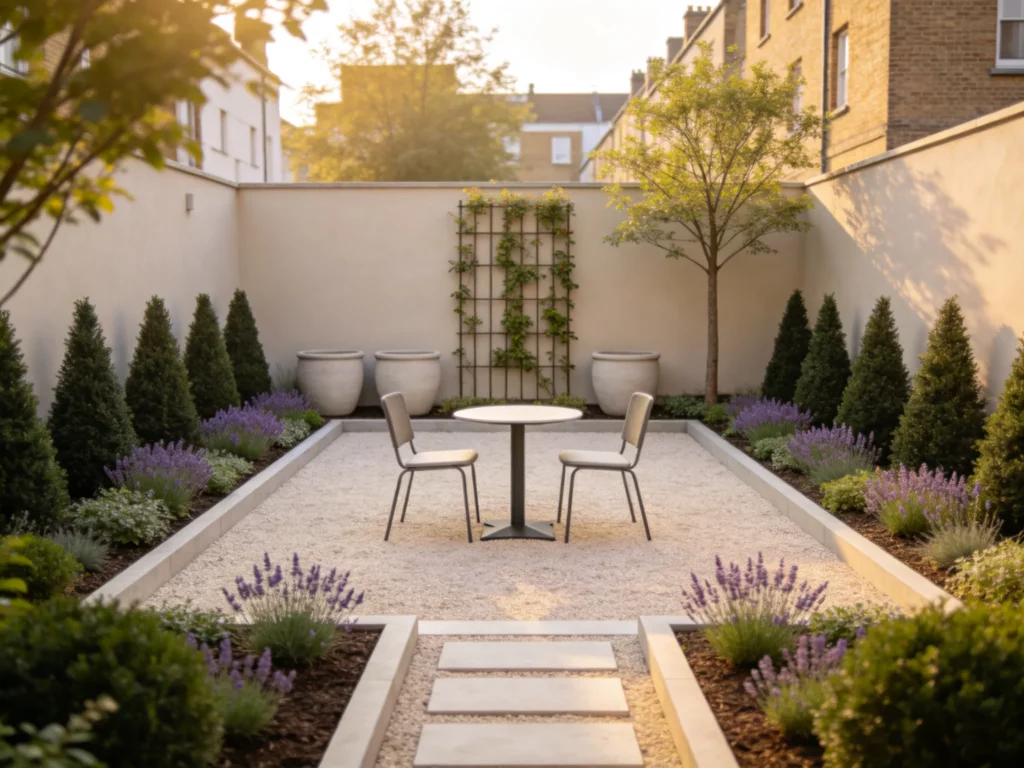
Use large format paving, clipped evergreens, repeated grasses, and a restrained palette. Keep lines clean and leave some breathing room. Negative space counts as design, even if it looks suspiciously like “not much stuff.”
Add a black planter, a slim bench, or subtle lighting if you want a polished finish. Water features also work well here, especially simple bowls or narrow rills. Nothing too fussy. Modern gardens hate fuss.
Relaxed cottage look
Yes, a square garden can still feel loose and romantic. Start with a clear structure, then soften it using abundant planting. Let flowers spill a bit over paths and edges, but keep the bones visible underneath.
Roses, salvia, nepeta, foxgloves, and hardy geraniums all play nicely in this style. Add a gravel path or painted bench if you want extra charm. Just do not let “charming” drift into “I cannot find the path anymore.”
Edible and beautiful
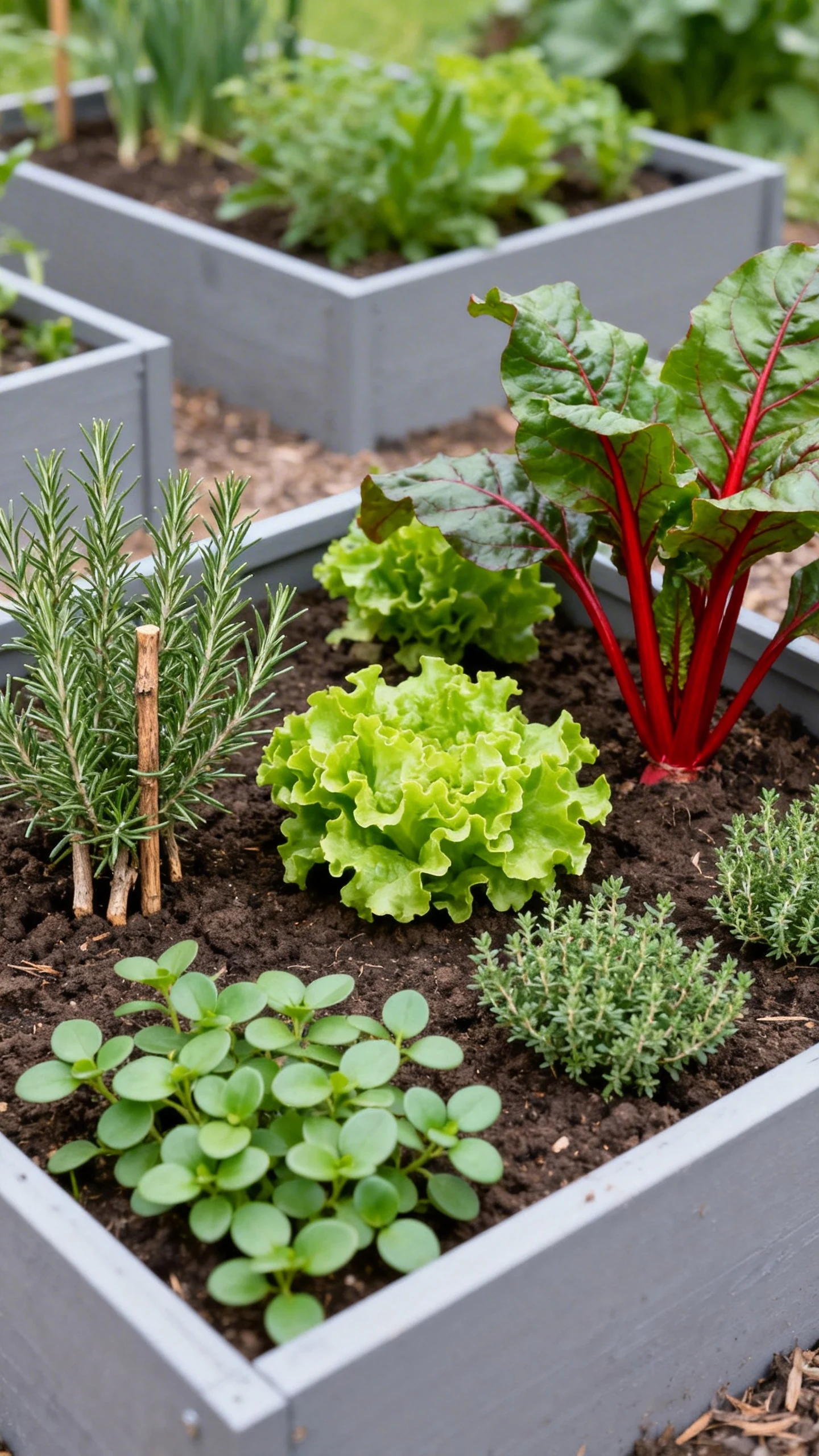
A small square garden can easily mix herbs, veg, and ornamentals. The geometry actually helps here because productive gardens look best with order. Raised beds in a grid look tidy and make crop rotation far less annoying.
Tuck in rosemary, thyme, chard, lettuce, strawberries, and dwarf fruit where you can reach them easily. Pair edible plants with flowers like calendula or nasturtium for color and pollinator appeal. FYI, edible gardens look far more stylish when you repeat shapes and container styles.
Common mistakes that make a square garden feel smaller
Most small square garden problems come from overfilling the space. Too many features, too many plant types, too many materials, too many tiny pots. The result feels busy, and busy rarely looks bigger.
- Using lots of small containers instead of a few larger ones
- Breaking the space into too many zones with fussy edges or level changes
- Ignoring vertical space on walls, fences, or trellises
- Choosing furniture that looks oversized for the footprint
- Planting without a plan and hoping for the best
If you want a small square garden to shine, simplify. Then simplify again. You do not need more elements. You need the right ones in the right places.
FAQ
What is the best layout for a small square garden?
The best layout depends on how you use the space, but simple geometric plans usually win. A central feature with surrounding planting, a four quadrant layout, or edge planting with an open middle all work well. Clear structure makes a small garden feel larger and more usable.
How do I make a square garden look bigger?
Use strong lines, limit materials, and avoid clutter. A diagonal path, repeated planting, and fewer larger features can stretch the eye and create a sense of space. Mirrors, vertical planting, and lighter colors can help too, but do not overdo the tricks or the garden starts looking like it has trust issues.
Should I use symmetry in a square garden?
Symmetry works beautifully in square gardens because the shape naturally supports it. It creates calm and order fast. But you do not need perfect symmetry everywhere, and a slightly off center focal point can feel more relaxed and modern.
What plants work best in a small square garden?
Choose plants with long season value and strong form. Evergreens, ornamental grasses, compact shrubs, climbers, and reliable perennials all work well. Aim for a mix of structure, texture, and repeated color rather than a huge collection of random favorites.
Can I fit a seating area into a small square garden?
Absolutely. In many cases, a small square garden suits a seating area better than an awkward narrow plot. Use built in benches, a compact bistro set, or a single defined patio zone so the furniture feels integrated rather than crammed in as an afterthought.
Is lawn a good idea in a small square garden?
Sometimes, yes. A small square of lawn can look fresh and simple, especially if you keep the surrounding layout crisp. But if you want less maintenance or more usable space, gravel, paving, or dense planting can do the job just as well.
Conclusion
Small square garden design gets easier the moment you embrace the shape instead of apologizing for it. Keep the layout clear, choose fewer better elements, and let structure lead the way. Add planting with confidence, not panic, and your little square can look smart, spacious, and genuinely inviting. Not bad for a humble box of dirt.