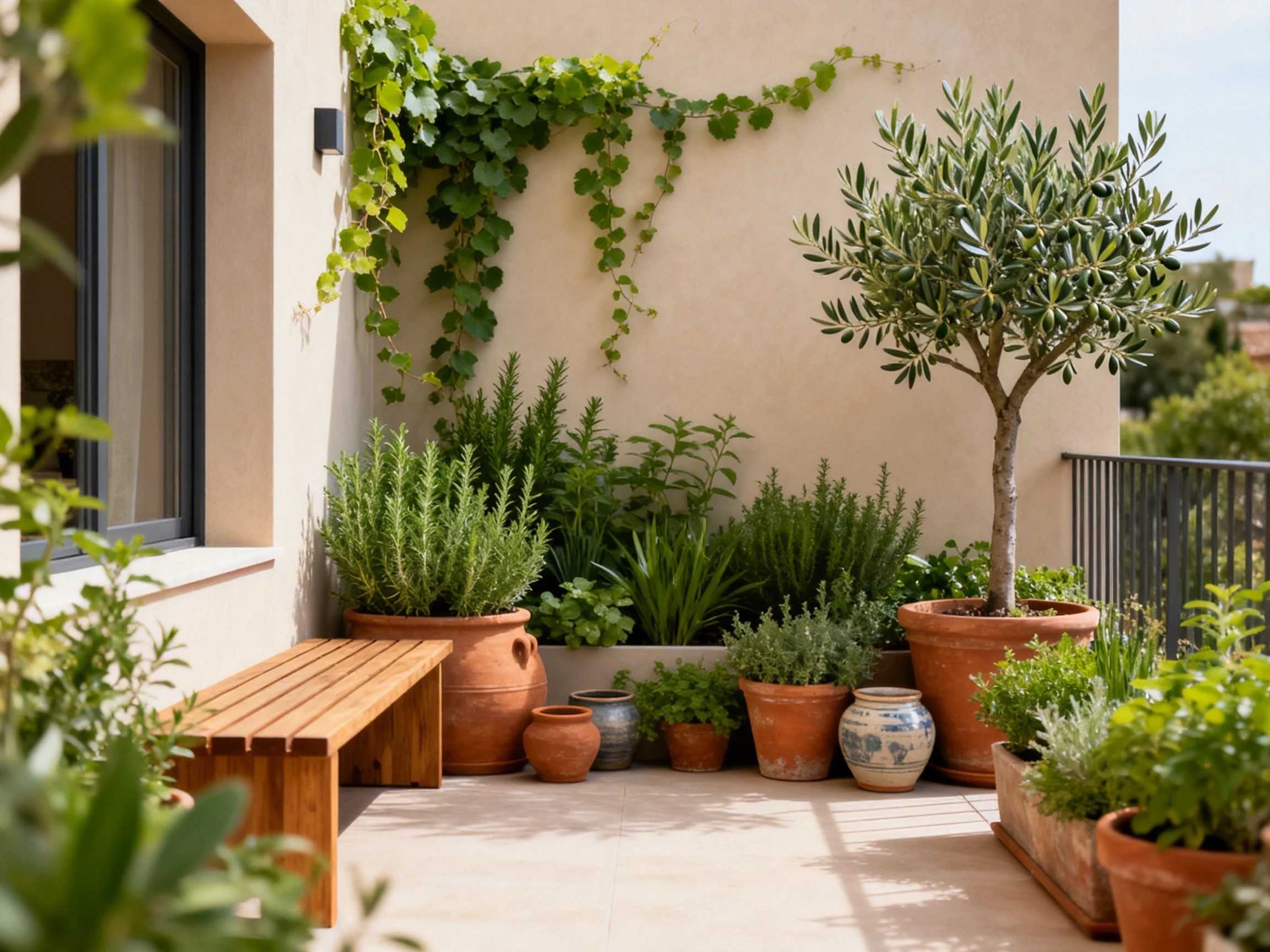
Small terrace garden design can turn a plain outdoor box into your favorite spot at home. You do not need a huge budget, a landscape degree, or some magical “green thumb” that other people brag about online. You just need a smart plan, a few good plants, and the willingness to move a pot three times before it finally looks right. That last part? Completely normal.
Start with the terrace you actually have
Before you buy plants, furniture, lanterns, and a tiny olive tree you absolutely do not have room for, stop and look at your terrace. Really look at it. Size, light, wind, privacy, and weight limits shape every design choice you make.
Small terraces demand honesty. If your space gets blazing sun for six hours, shade-loving ferns will not suddenly become cooperative because you “believe in them.” If your terrace sits on a windy upper floor, flimsy decor and delicate stems will suffer. Nature loves to humble us.
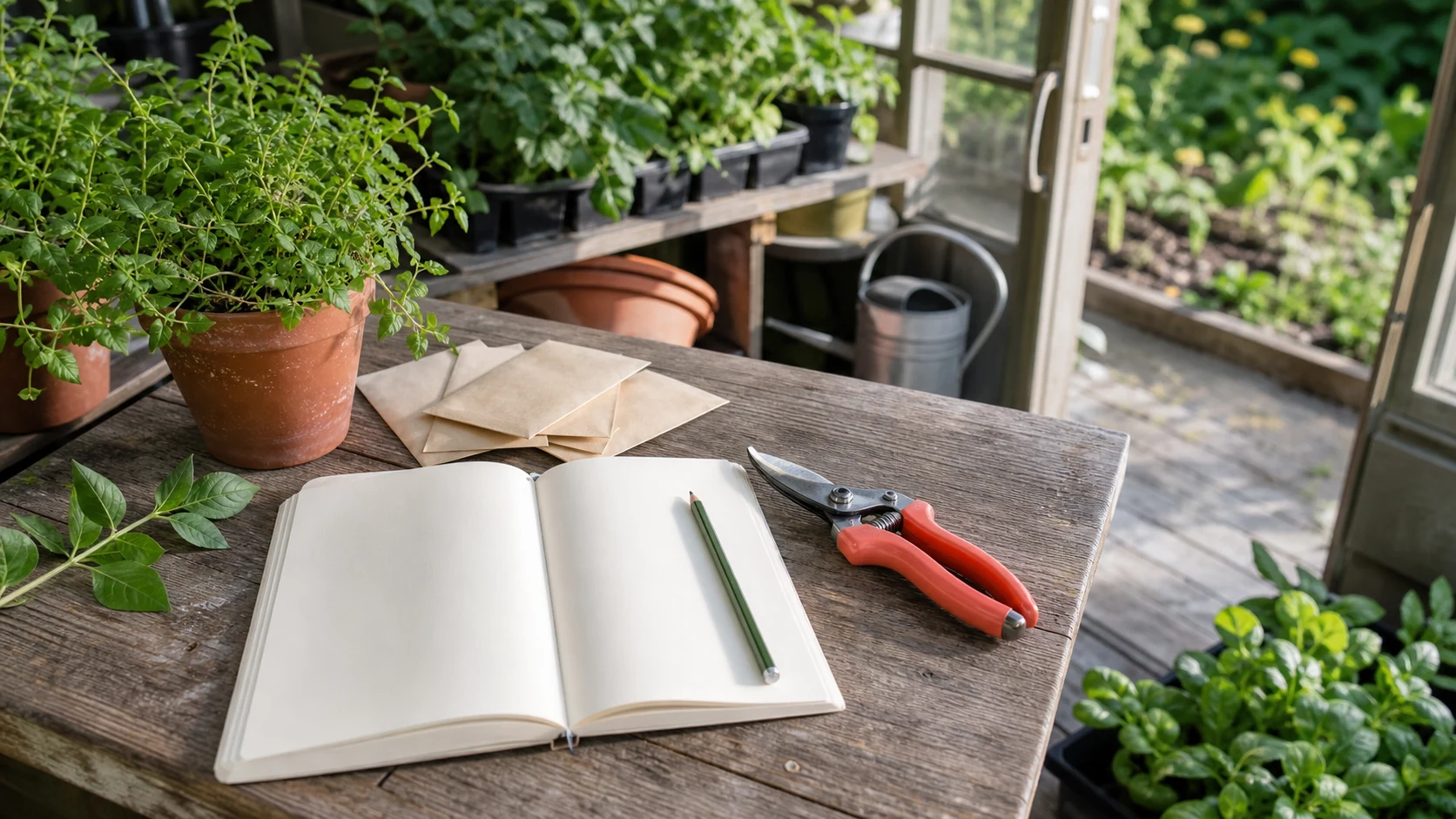
Grab a notebook and track the light for one day. Notice where the sun lands in the morning, afternoon, and evening. Check where rain collects, where neighbors can see in, and where you naturally want to sit with coffee or scroll on your phone pretending to “check one thing.”
Measure first, shop second
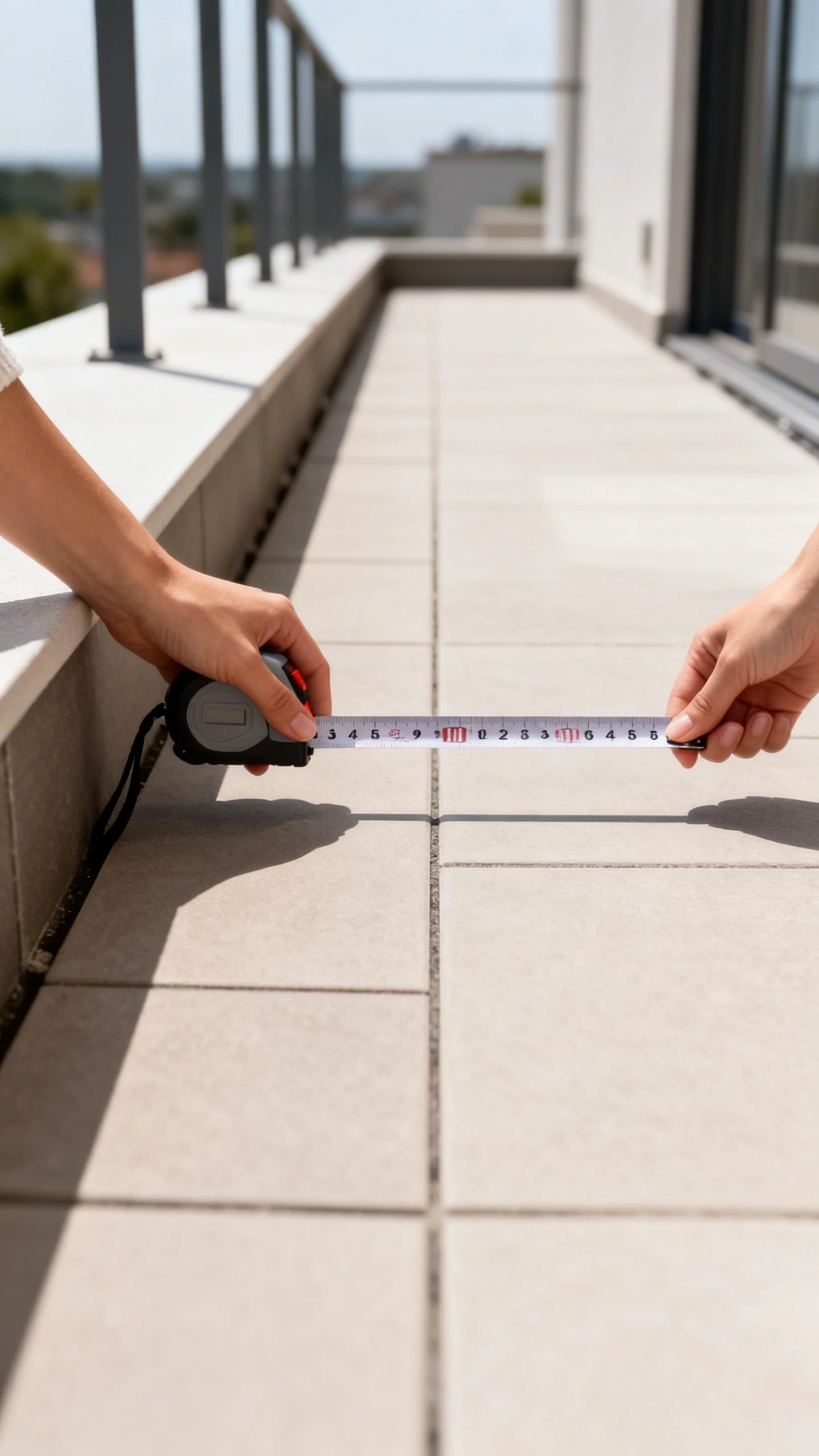
This sounds boring, but it saves you from buying containers that swallow the whole terrace. Measure the length and width of the floor, then note door swing, railing height, and any awkward corners. Every inch matters in a small terrace garden design, especially when one oversized planter can make the whole space feel cramped.
Think vertically too. Walls, railings, and corners offer design potential without eating up precious floor area. IMO, vertical space feels like free real estate.
Create a layout that feels open, not crowded
The biggest mistake in small terrace garden design? Trying to cram in everything. A bench, dining set, six giant pots, a water feature, string lights, herb boxes, and a fire bowl might sound dreamy. In reality, it can look like a garden center exploded.
Pick one main purpose for the space. Do you want a morning coffee corner, a mini edible garden, a lounge zone, or a pretty green backdrop for relaxing? One clear function makes the design feel intentional instead of chaotic.
Then build around that purpose. Leave enough room to walk comfortably. Keep sightlines open. Use fewer, better pieces rather than many tiny ones fighting for attention like toddlers after too much sugar.
Zoning a tiny space without making it weird
You can divide a terrace visually even when it barely fits two chairs. Use a slim outdoor rug for a seating area, place taller plants along one edge for privacy, and group herbs or smaller pots in a separate cluster. These little shifts help the terrace feel organized.
Try to keep bulky items against walls or corners. Put your tallest plants at the back or edges, medium ones around them, and lower planters near the front. Layering gives depth and makes the space look fuller without blocking movement.
Choose plants that match your lifestyle
Let’s be honest: the best terrace plants are not always the prettiest ones in the store. They are the ones that suit your conditions and your habits. If you forget to water for a day or three, choose plants that can handle a little neglect without writing you a breakup letter.
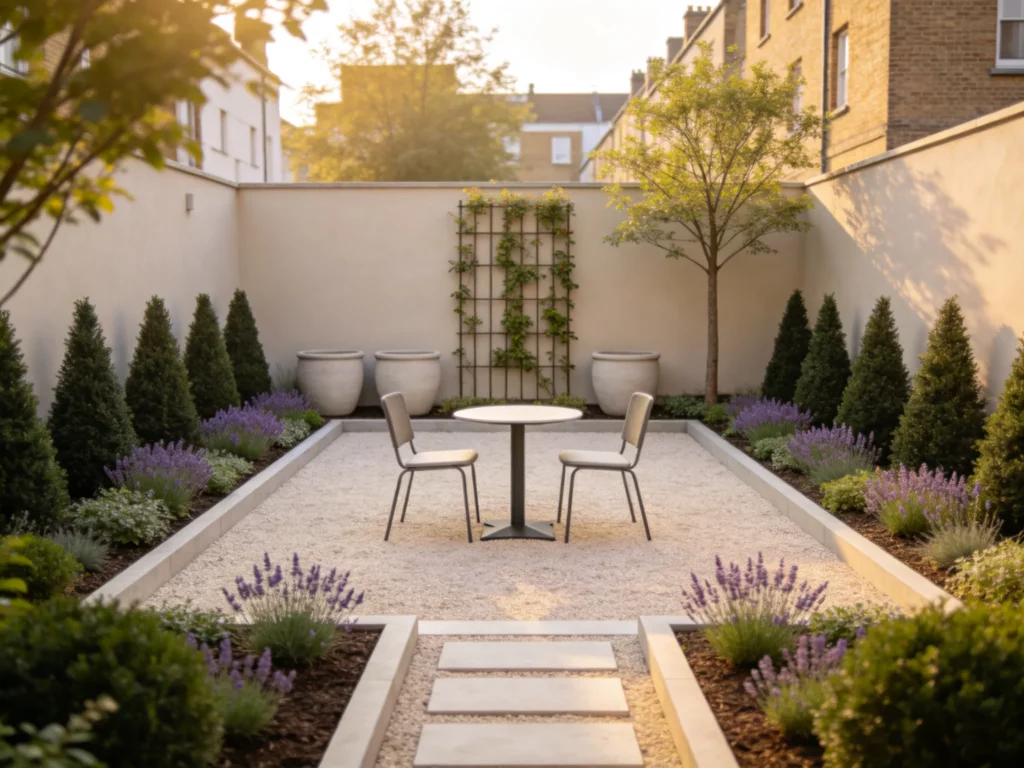
For sunny terraces, lavender, rosemary, geraniums, salvia, succulents, and dwarf grasses often perform well. For shadier spots, try hostas, ferns, heuchera, ivy, and begonias. Always match plants to sun exposure first; everything gets easier after that.
Mix plant types for a more interesting look. Combine structural plants, flowering plants, trailing plants, and edible herbs. That blend keeps the terrace garden lively instead of flat and predictable.
Best plant roles to include
Think in roles instead of random purchases. You want a few “anchor” plants that add height and shape, some fillers for lushness, and spillers that soften edges. Garden people love this formula because it works, and frankly, because we enjoy naming things dramatically.
- Anchors: dwarf bamboo, small evergreens, ornamental grasses, compact shrubs
- Fillers: coleus, petunias, heuchera, marigolds, small ferns
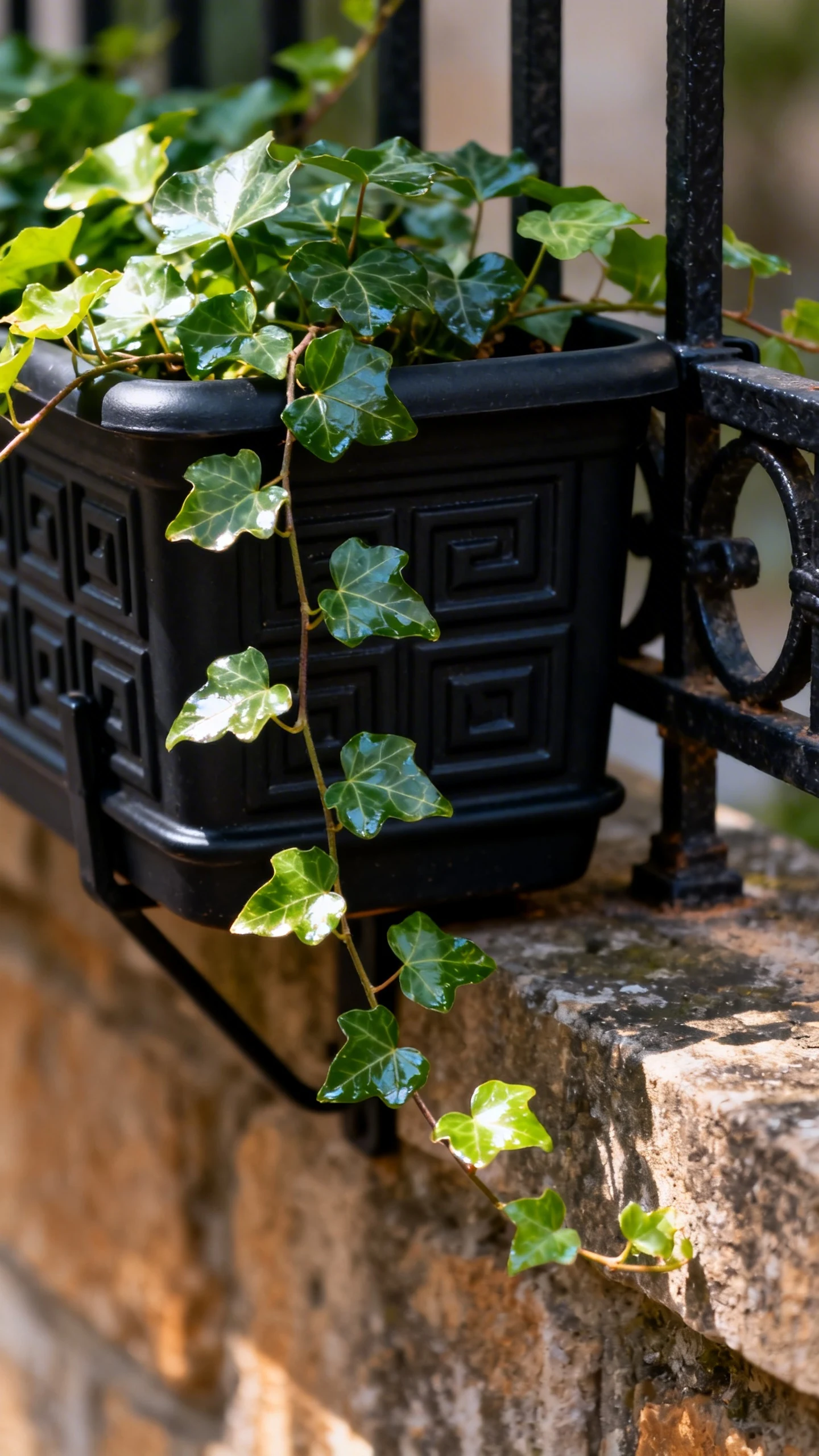
- Spillers: ivy, trailing rosemary, bacopa, string of pearls, creeping Jenny
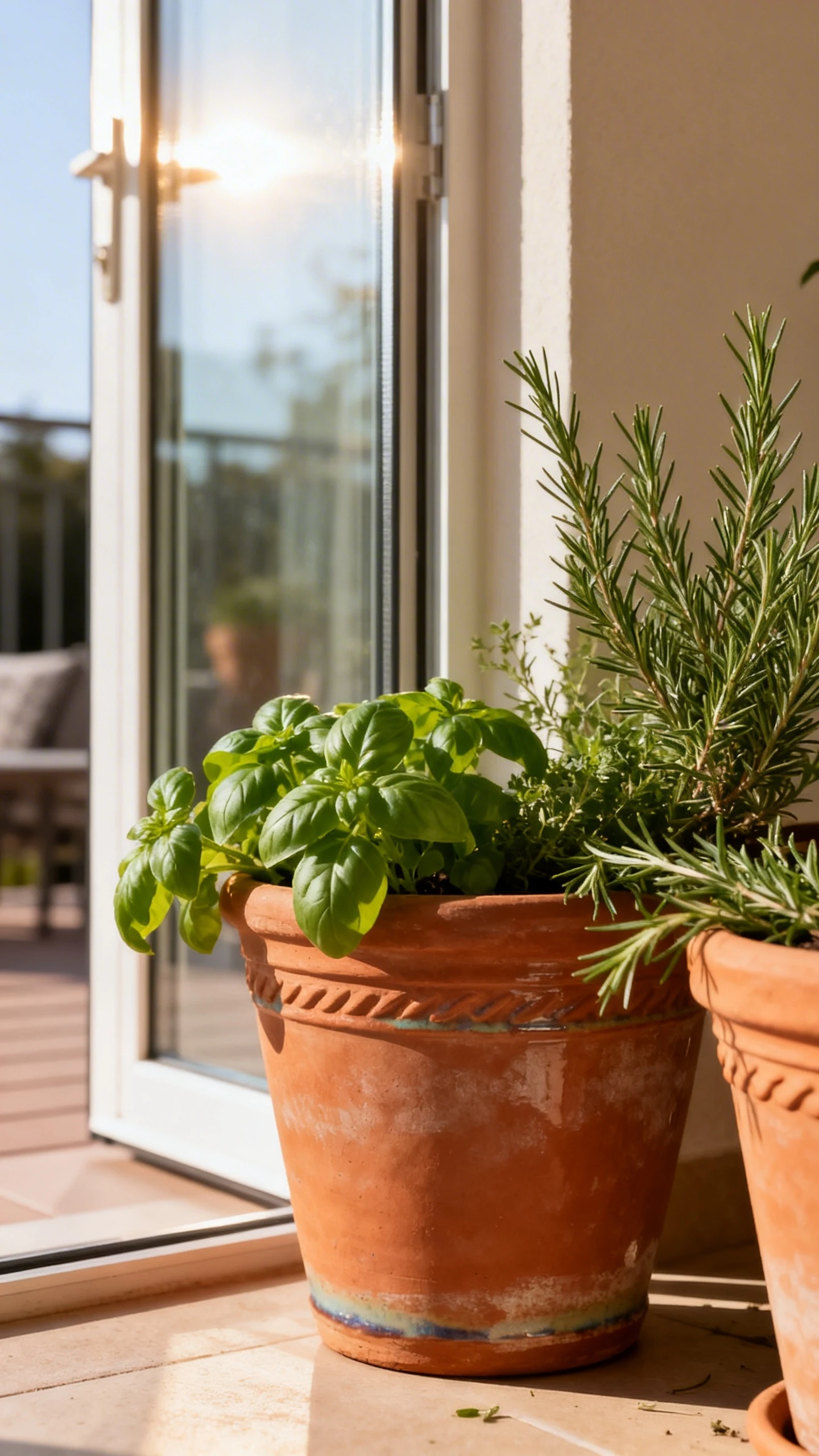
If you love cooking, add herbs near the door. Basil, mint, parsley, thyme, and chives thrive in containers and make you feel absurdly accomplished. Snipping your own herbs from the terrace? Elite behavior.
Low-maintenance wins every time
A small terrace should feel relaxing, not like a part-time job. Choose plants with similar care needs so watering and feeding stay simple. Consistency beats complexity when you want a garden that still looks good after a busy week.
Self-watering planters can help if you travel or forget routines. So can a basic drip irrigation setup. FYI, convenience does not make you lazy; it makes you smart.
Use containers and furniture that earn their spot
On a small terrace, every object should work hard. That includes planters, seating, tables, storage, and decor. If something looks cute but steals too much space, thank it for its service and move on.
Choose containers in a limited palette so the terrace feels cohesive. You do not need matching everything, but sticking to two or three materials or colors creates a cleaner look. Terracotta, black metal, wood, and neutral ceramic usually play nicely together.
Vary container sizes for interest, but avoid lots of tiny pots scattered everywhere. That cluttered look happens fast. A few larger planters often feel calmer and more stylish than fifteen little ones lined up like they are waiting for inspection.
Smart furniture for tiny terraces
Foldable chairs, stackable stools, wall-mounted tables, and benches with storage work beautifully in compact spaces. Look for slim silhouettes rather than chunky outdoor sets that dominate the terrace. Furniture should support the garden, not wrestle with it.
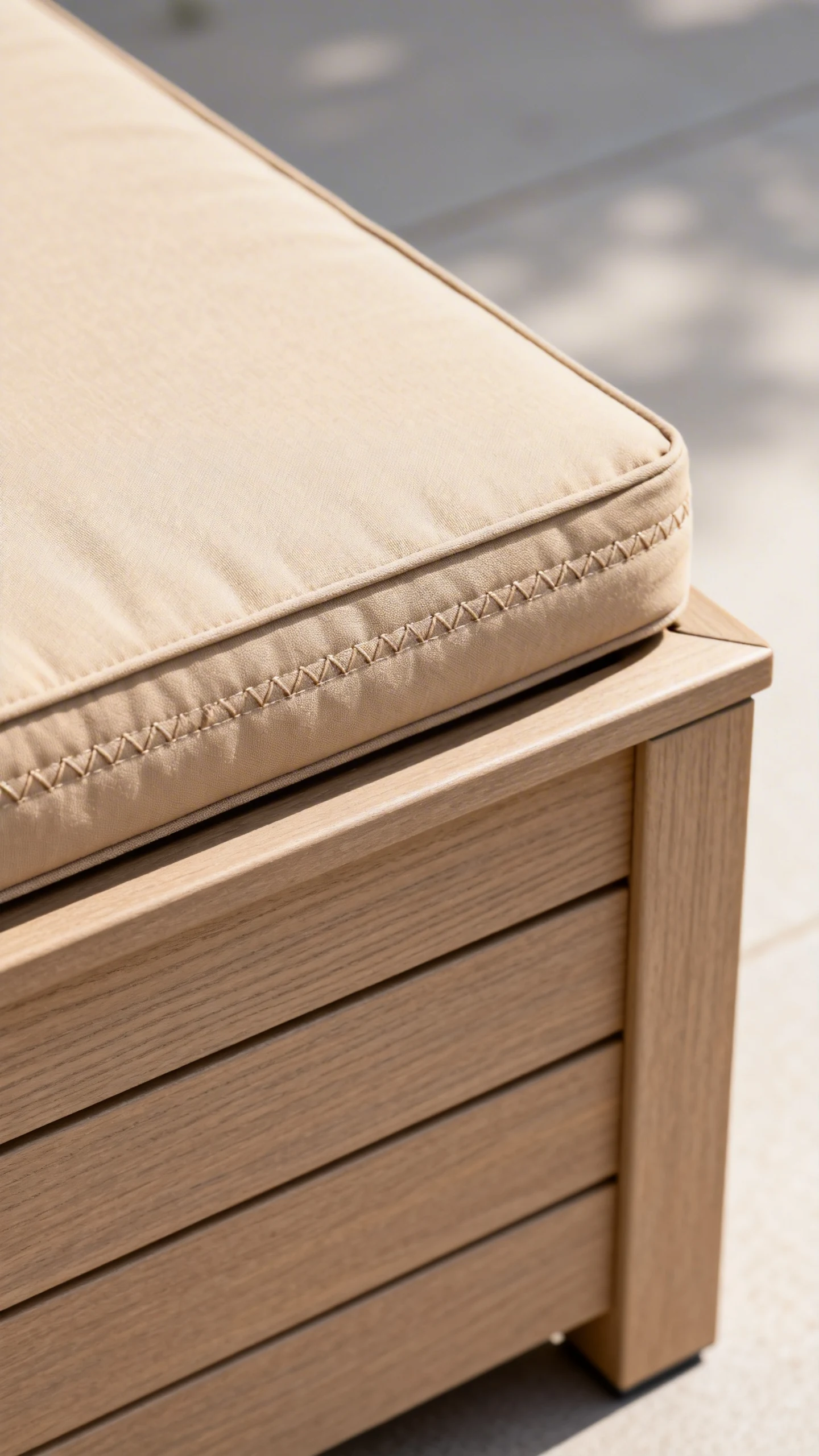
If you only have room for one seating piece, make it comfortable. Add cushions, but use weather-friendly fabrics so you do not end up rescuing soggy pillows every time clouds appear. Nobody needs that drama.
Add privacy, shade, and atmosphere without overdoing it
A terrace garden should feel a little sheltered. Privacy matters, especially if your neighbors seem deeply invested in your snack choices and weekend laundry. The trick involves creating enclosure without making the space feel boxed in.
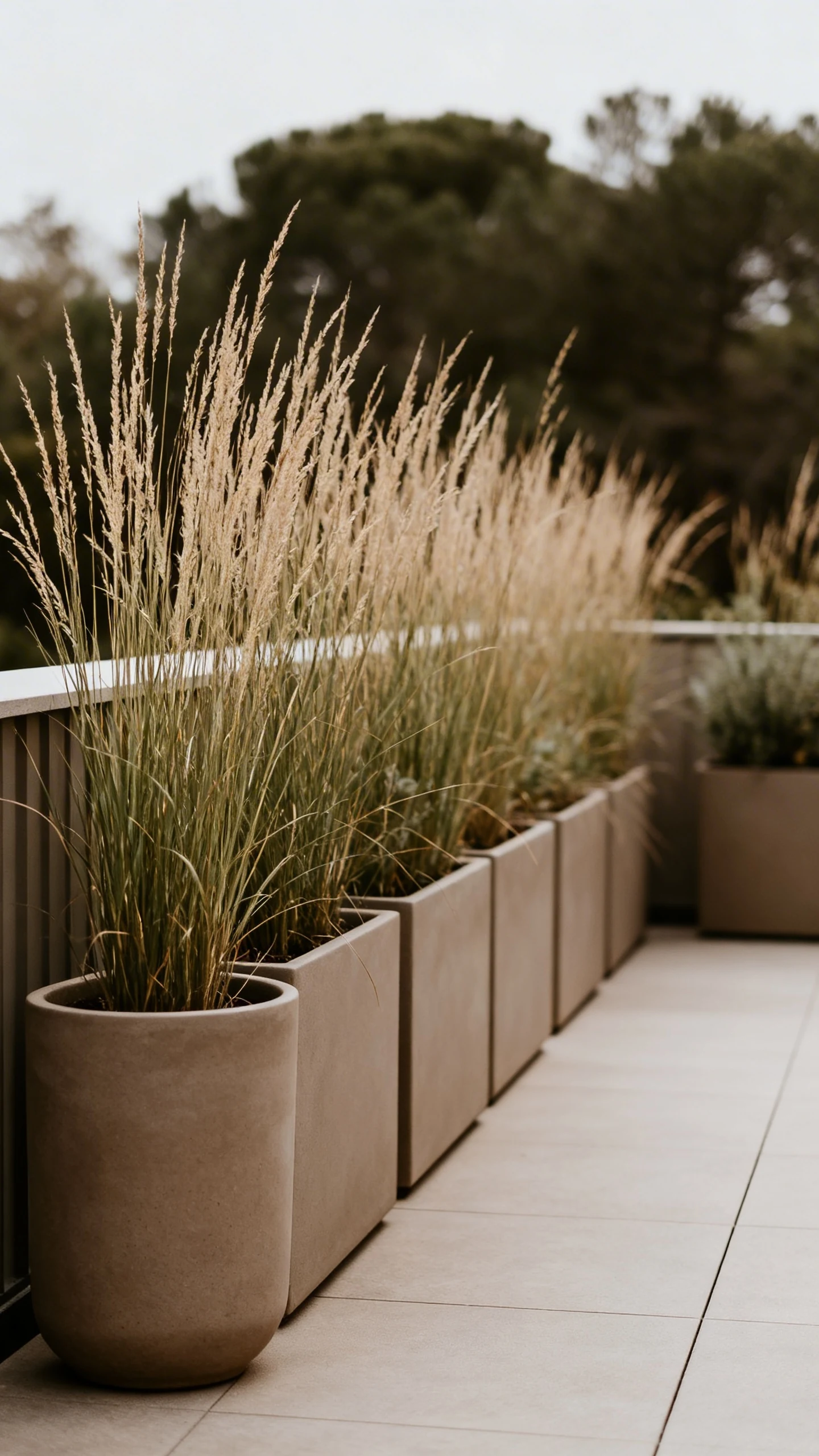
Use tall planters with grasses, bamboo, or narrow shrubs along railings. Add a trellis with climbers if you want a softer look. Outdoor screens also help, and they can double as a backdrop for hanging planters or lights.
Shade matters too. A small umbrella, shade sail, or retractable awning can make the terrace usable during hot afternoons. Comfort keeps the space functional, and function keeps it from becoming a decorative storage area for dead plants and regret.
Lighting changes everything
Good lighting turns a basic terrace into an inviting evening retreat. String lights work well, but use them with restraint. You want cozy, not “backyard wedding from 2014.”
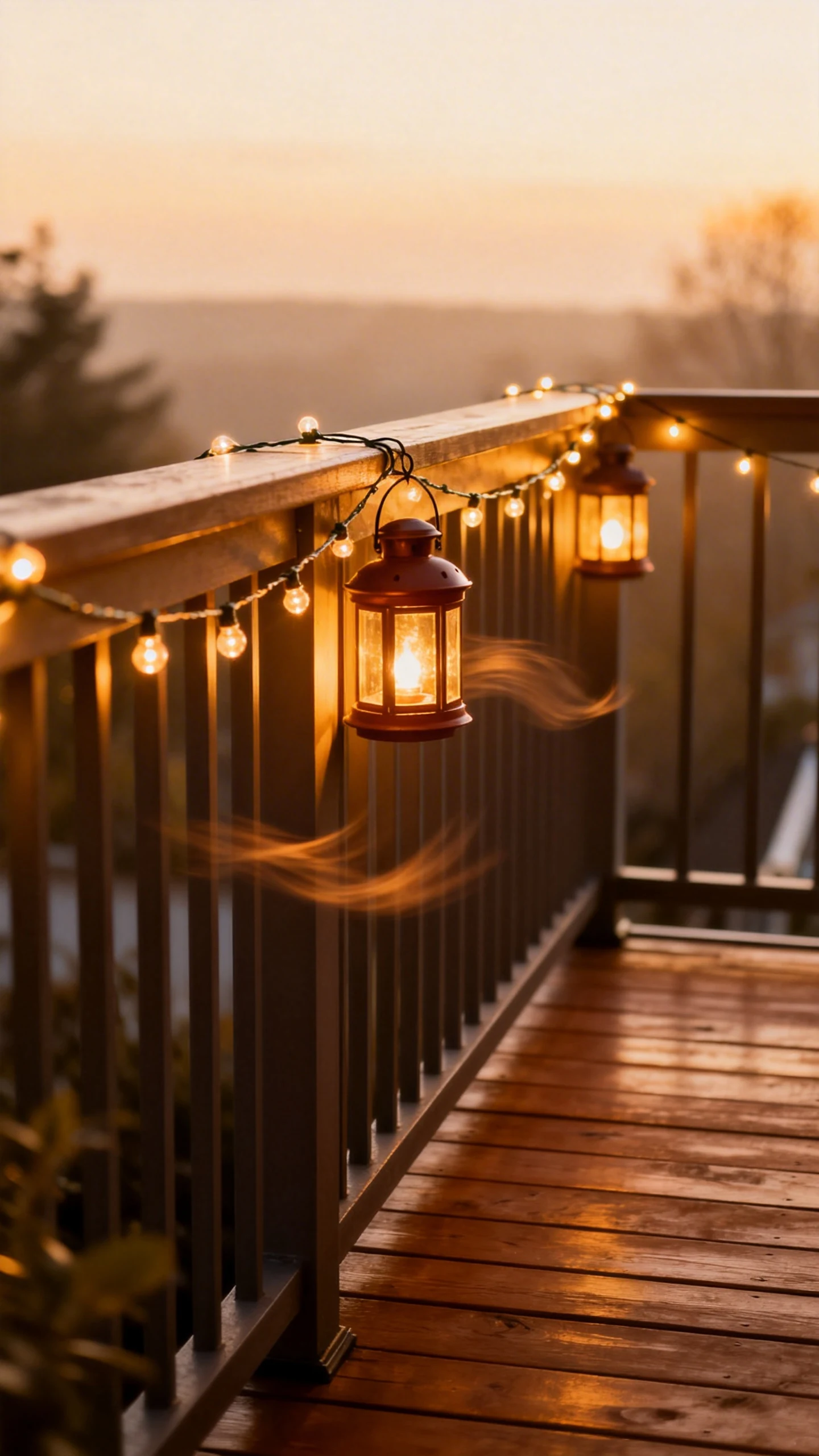
Try layering light sources. Combine a lantern or two, a warm wall light, and maybe a few solar stakes tucked into planters. Soft lighting highlights the plants and makes the terrace feel finished.
Make a small terrace look bigger than it is
Yes, design tricks help. No, they do not create actual square footage. But they can make your terrace feel more open, balanced, and stylish, which counts for a lot.
Stick with a simple color palette. Lighter tones on walls, floors, or large furniture pieces can visually expand the space. Green plants naturally add richness, so you do not need ten extra accent colors shouting for attention.
Use mirrors carefully if the terrace layout allows it. A mirror on a sheltered wall can bounce light and create a sense of depth. Just avoid placing one where it reflects harsh sun directly onto plants or seating, unless you enjoy accidental sauna conditions.
Raise some plants off the floor with shelves or stands. Hang a few from railings or walls. Vertical layering draws the eye upward and frees up foot traffic. That shift alone can make a cramped terrace feel surprisingly airy.
Keep styling intentional
Decor should support the garden, not bury it. Pick a few accessories you actually love: maybe one rug, a couple of lanterns, and a cushion color that ties everything together. More stuff does not equal more style.
Edit often. If the terrace starts feeling busy, remove one or two items and see what happens. IMO, good small-space design usually comes down to restraint. Annoying advice, yes. Also true.
Keep the garden thriving through the seasons
A great terrace garden does not peak for two weeks and then collapse into crispy sadness. Plan for year-round interest where possible. Use evergreen structure, seasonal flowers, and containers you can refresh easily.
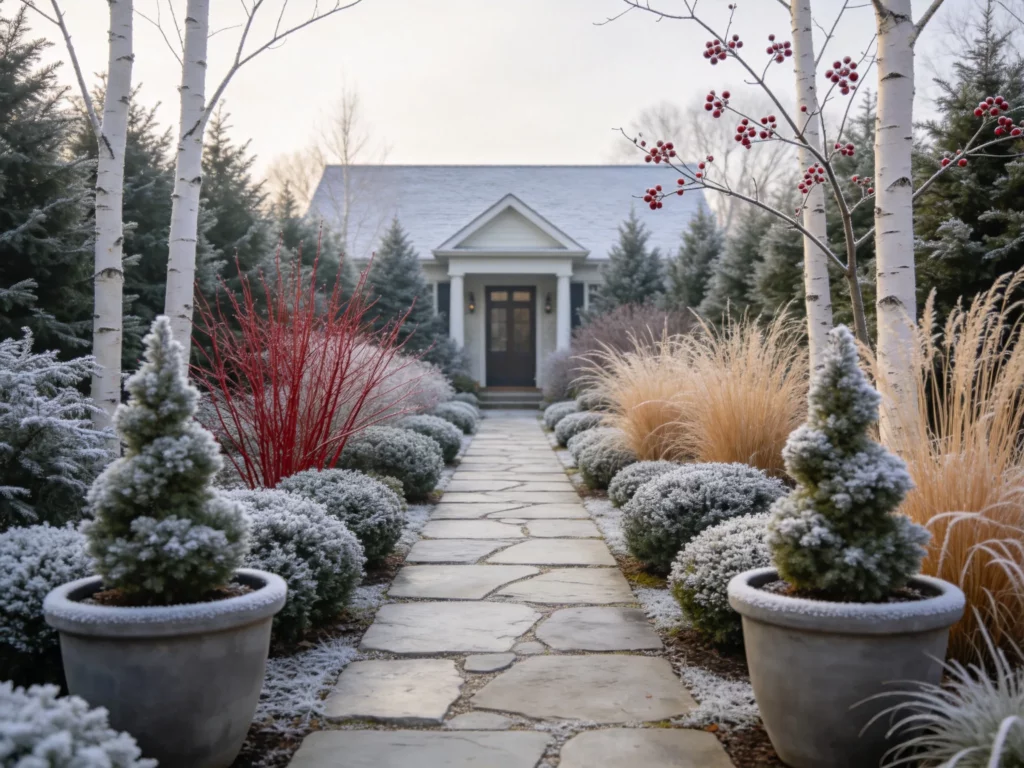
In spring and summer, flowering annuals and herbs bring energy. In autumn, ornamental grasses, asters, and small evergreens keep the terrace looking alive. In winter, sturdy pots, evergreen shapes, and subtle lighting still create a nice view, even if you only admire it from indoors with a blanket.
Maintenance stays simple when you build it into the design. Group plants with similar water needs. Keep a small watering can, pruners, and fertilizer tucked into hidden storage. Easy access makes regular care far more likely.
Deadhead flowers, trim leggy growth, and replace struggling plants without guilt. Not every plant will thrive in every terrace setup. Some of them simply lack the vision.
FAQ
What are the best plants for a small terrace garden?
The best plants depend on your light and wind conditions. For sunny terraces, herbs, lavender, succulents, and geraniums usually do well. For shade, try ferns, hostas, ivy, and begonias. Choose plants for the site first and the look second.
How do I make my small terrace garden feel private?
Use tall planters, narrow shrubs, grasses, trellises, or decorative screens to block unwanted views. Position them along the terrace edge where privacy matters most. Layering plants at different heights creates a softer, more natural barrier than one harsh screen.
Can I grow vegetables in a small terrace garden?
Absolutely. Herbs, salad greens, tomatoes, peppers, radishes, and strawberries can all grow well in containers if they get enough sun. Start with a few crops you actually like to eat, because growing eggplant for your “garden aesthetic” only goes so far.
What furniture works best on a small terrace?
Choose compact, foldable, or multi-use furniture. Benches with storage, small bistro sets, and wall-mounted tables save space while keeping the terrace practical. Avoid oversized furniture, even if it looked charming in a showroom the size of an aircraft hangar.
How often should I water plants on a terrace?
It depends on the weather, container size, plant type, and sun exposure. In hot weather, some containers need water daily, while others last longer. Check the soil with your finger instead of guessing. Terrace gardens dry out faster than in-ground beds, especially on windy sites.
How do I decorate a small terrace without cluttering it?
Use a limited color palette, a few larger planters, and only a handful of accessories. Focus on items that add comfort or function, like lighting, cushions, or a rug. FYI, empty space helps the design breathe, so you do not need to fill every corner just because it exists.
Conclusion
Small terrace garden design works best when you keep it simple, useful, and a little personal. Pay attention to light, choose plants that fit your actual life, and let every pot and chair earn its place. A tiny terrace can feel lush, stylish, and seriously inviting without turning into a cluttered jungle cosplay. Start small, tweak as you go, and enjoy the process.