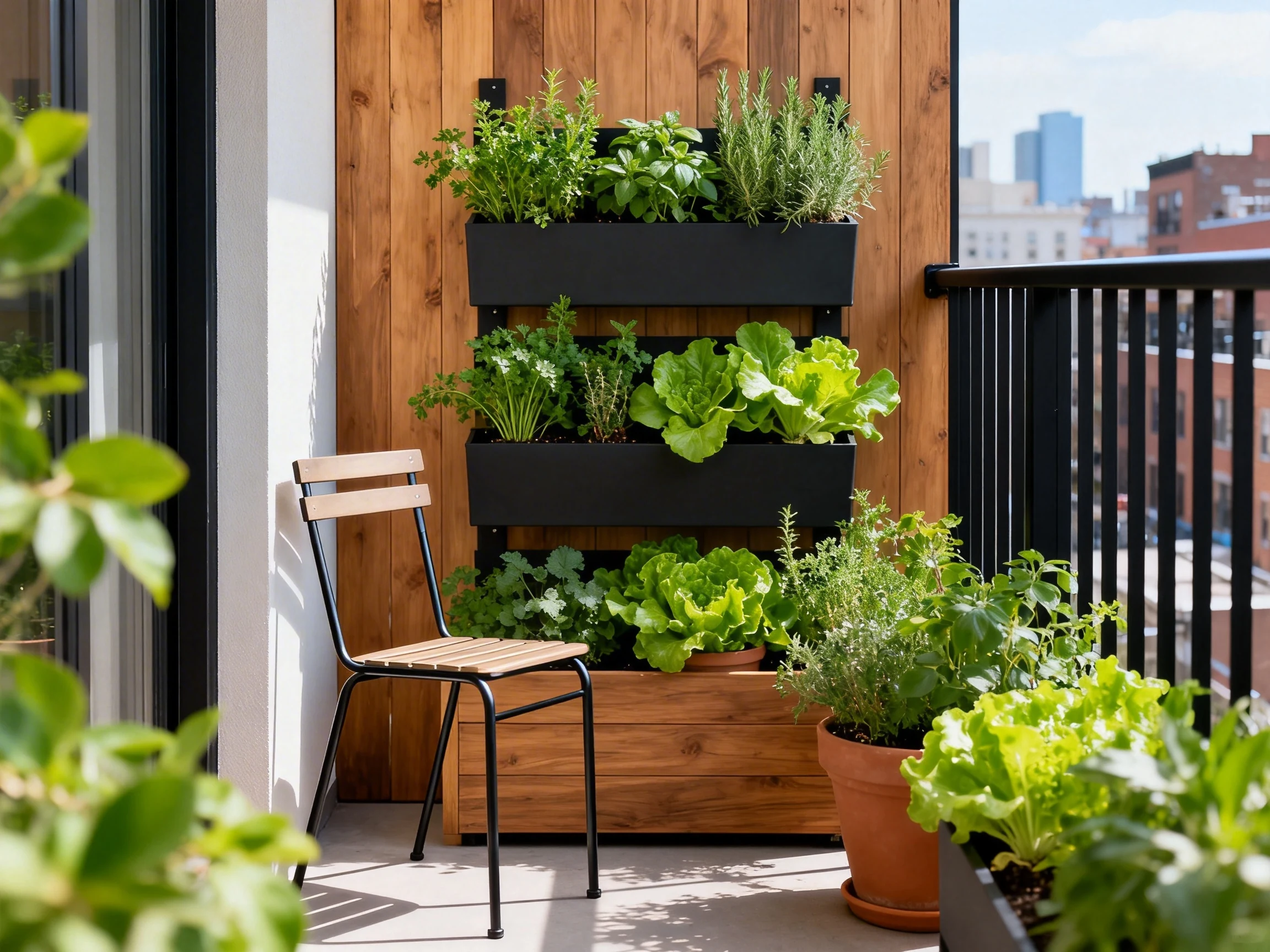
Small urban gardens ask you to think smart, not big. You might have a balcony, a tiny patio, a skinny side yard, or that one sunny windowsill you guard like treasure. The good news? You do not need a sprawling backyard to grow something gorgeous, useful, and a little brag-worthy. You just need a plan that fits your space instead of fighting it.
Start with the space you actually have
The biggest mistake in small urban garden design starts right here: people design for their dream space, not their real one. They buy six tomato plants for a balcony the size of a yoga mat, then act shocked when everything turns into a leafy traffic jam. IMO, the best small gardens work because they respect limits from the start.
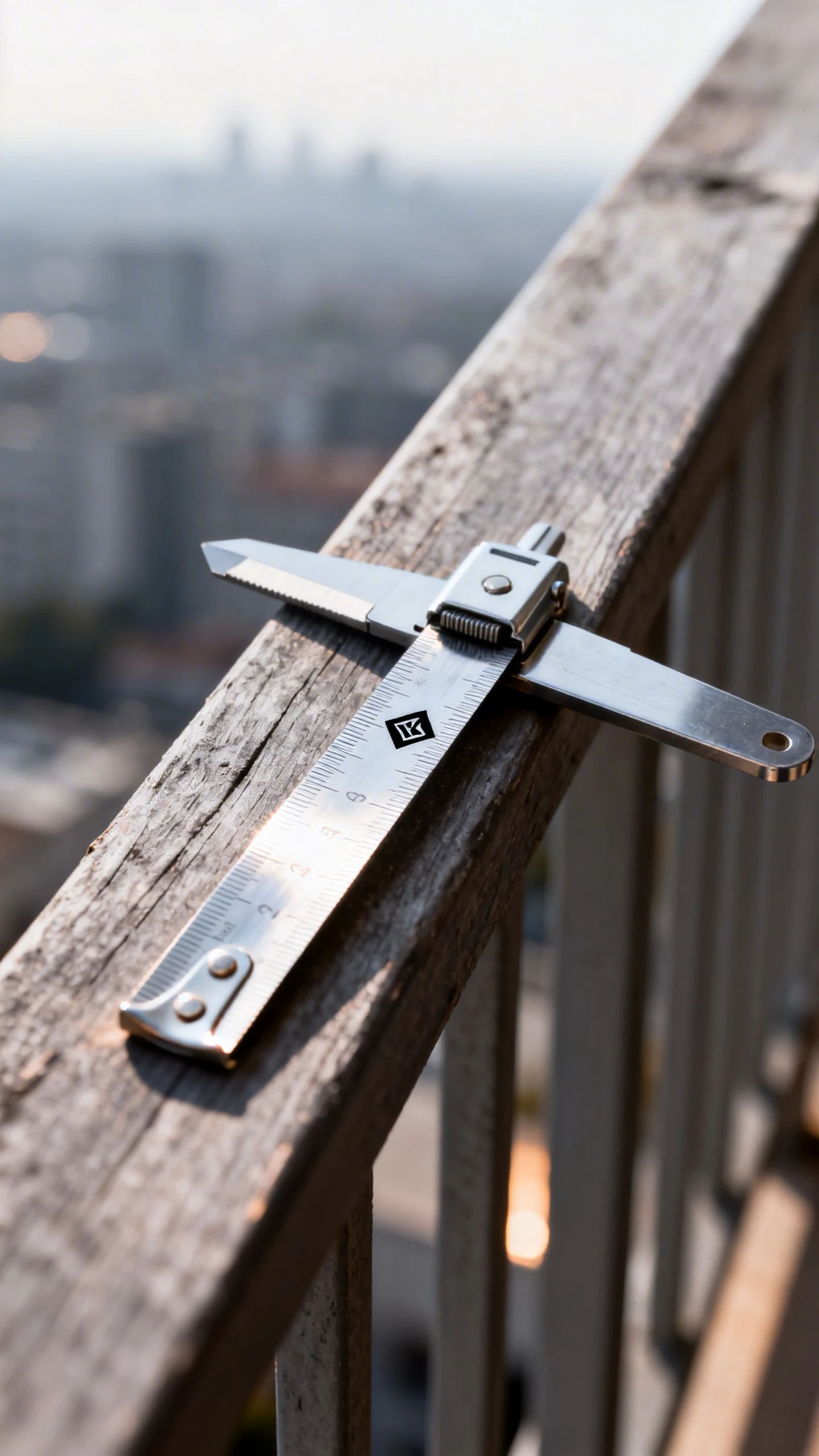
Grab a tape measure and check your space. Measure width, depth, railing height, wall space, and any weird corners. Notice how the sun moves too, because light matters more than almost anything else.
Pay attention to sunlight and shade
A spot that feels bright all day might still offer only a few hours of direct sun. Herbs like basil and veggies like peppers want strong light, while ferns and some leafy greens can handle less. If your balcony gets blazing afternoon heat, that changes your plant list too.
Watch the space for a full day if you can. Yes, it sounds nerdy, but it saves money and heartbreak. A sad sun-loving plant stuck in full shade will look like it has given up on life, and honestly, who can blame it?
Notice the less glamorous stuff
Wind, privacy, drainage, and weight limits all affect your design. High-rise balconies often deal with intense wind that dries soil fast and knocks over lightweight pots. Some buildings also limit how much weight a balcony can hold, so container choice is not just a style decision.
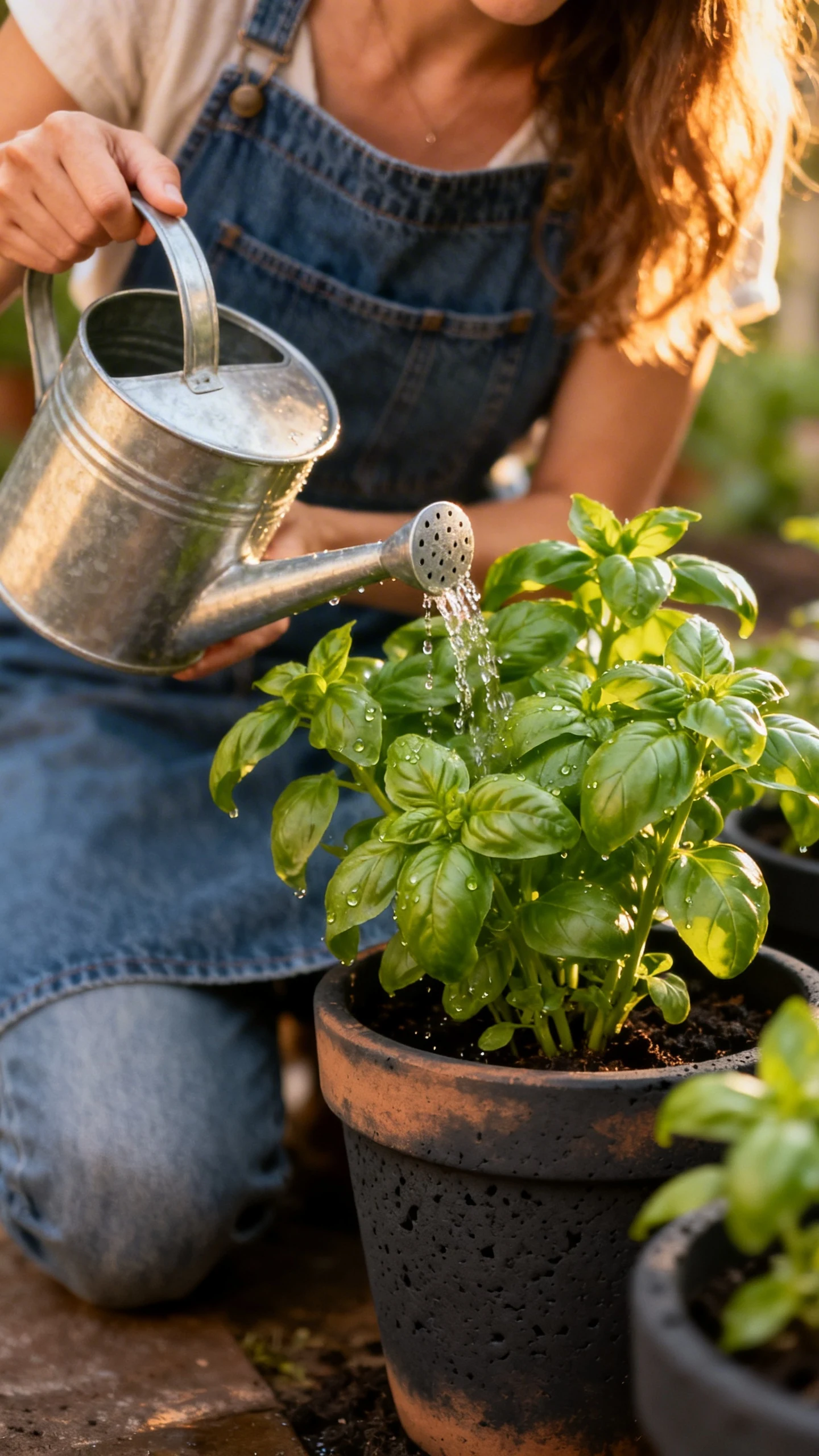
Water access matters too. If you need to carry a watering can through your apartment every day, you will care a lot about efficiency very quickly. Design always looks more charming before you haul gallons of water past your couch.
Choose a clear purpose before you buy anything
Do you want a calm little outdoor retreat? A mini kitchen garden? A pollinator-friendly jungle? A place to drink coffee next to one heroic lavender plant? All of those work, but you need one main goal or the space starts doing too many jobs badly.
Small spaces reward focus. If you want to grow food, prioritize edible plants and easy access. If you want a cozy escape, spend more room on seating, scent, and texture. If you want both, split the space into tiny zones and stay ruthless about what earns a spot.
Pick a style that matches your life
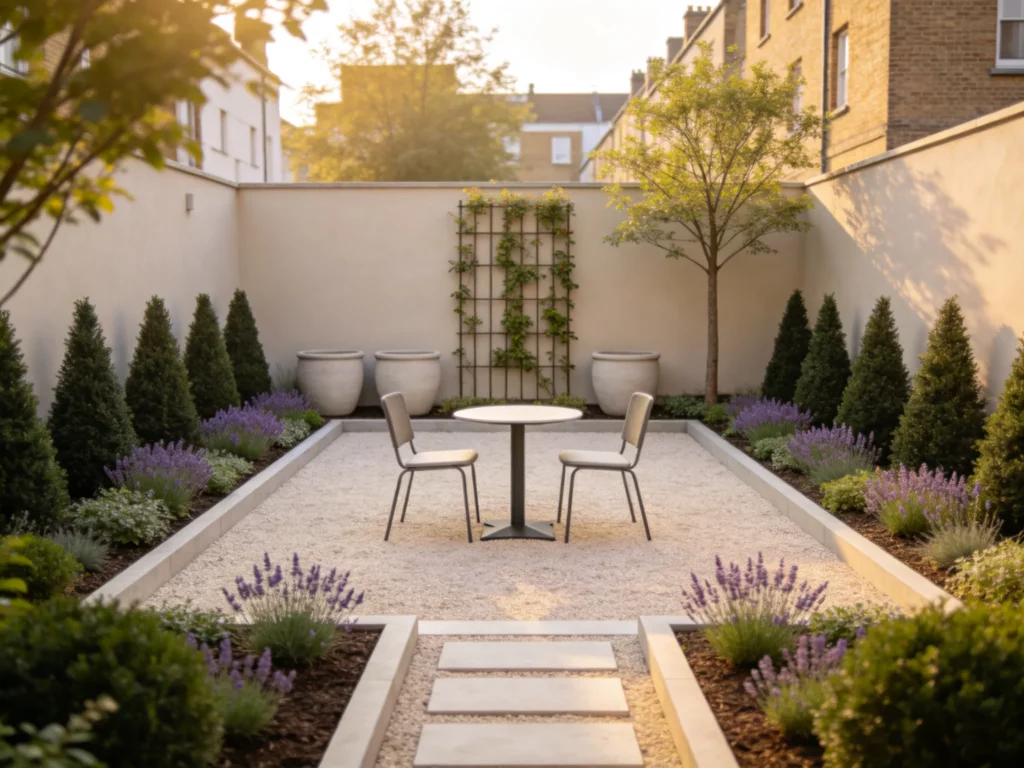
Clean and modern works well in urban spaces because it keeps things visually calm. Think simple containers, repeating plant shapes, and a limited color palette. Cottage style can look amazing too, but it needs editing in a small area or it starts looking like the plants staged a rebellion.
Low-maintenance design counts as a style too, FYI. If your schedule already looks chaotic, choose plants and layouts that forgive missed waterings and random life events. A garden should feel fun, not like another app sending you alerts.
Use vertical space like it owes you money
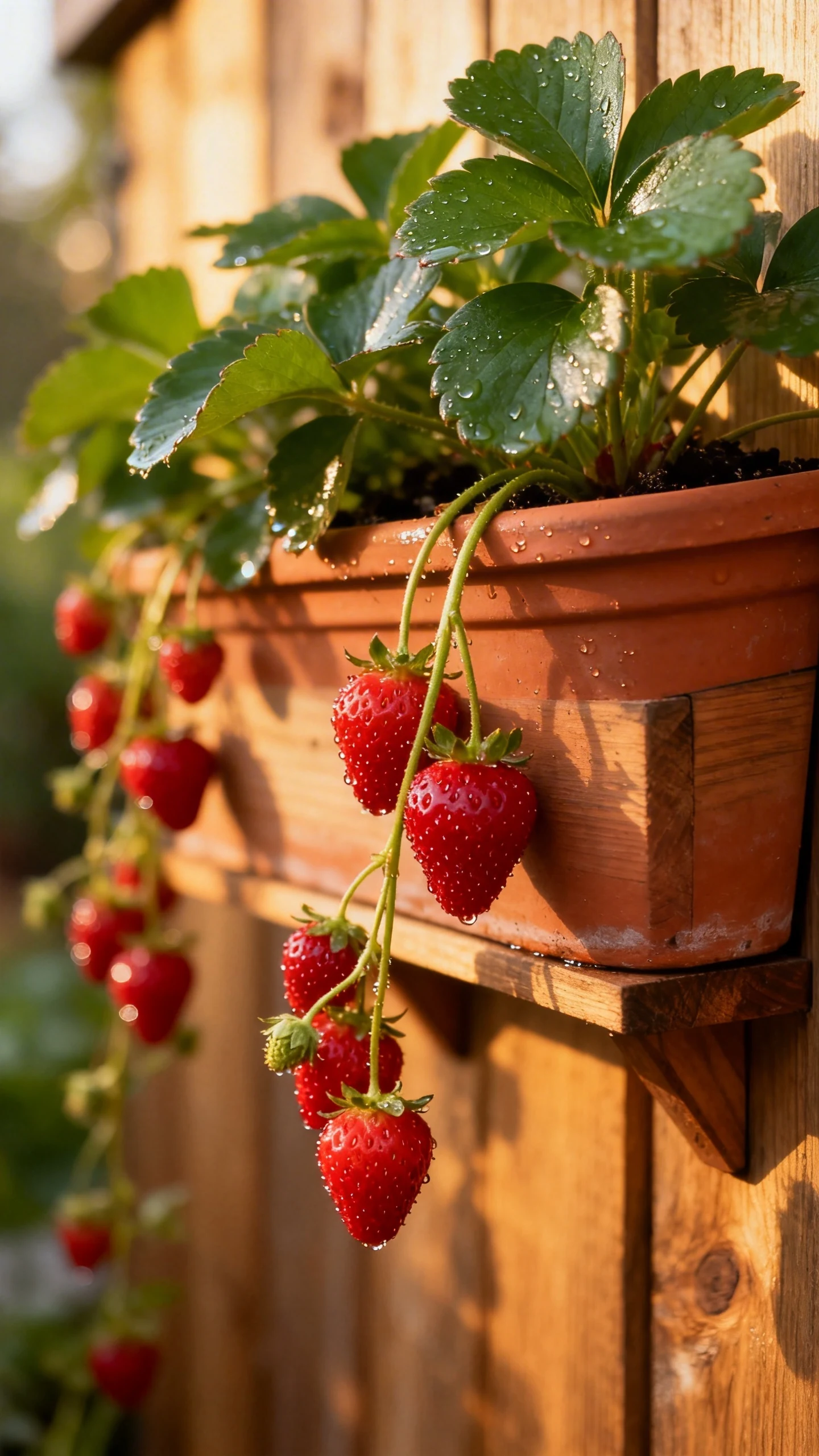
When floor space disappears, go up. Walls, railings, shelves, hanging planters, and trellises turn a cramped footprint into a layered garden. Vertical design gives you more planting room without eating your walking space, which feels like a magic trick but with less glitter.
A vertical setup also makes the garden feel bigger because your eye moves through different heights. That layered look adds depth, softness, and interest. One flat row of pots works, sure, but stacked levels bring the whole thing to life.
Best vertical ideas for tiny spaces
- Wall-mounted planters for herbs, strawberries, or trailing plants
- Trellises for jasmine, clematis, peas, or compact climbing beans
- Tiered shelves that hold several pots without blocking light
- Railing planters for flowers or salad greens
- Hanging baskets for spillover plants that soften hard edges
Just avoid stuffing every surface with containers. Vertical design should still leave breathing room. You want lush, not “I accidentally built a garden storage closet.”
Pick plants that behave well in small spaces
Plant choice makes or breaks small urban garden design. In a compact area, every plant needs to earn its keep through beauty, function, or both. Skip anything huge, aggressive, or dramatic in the annoying sense.
Look for dwarf varieties, compact growers, and multi-purpose plants. A small olive tree can give structure, thyme smells great and cooks well, and trailing nasturtiums add color while also landing on your plate. That is the kind of overachiever we respect.
Great plant categories for urban gardens
Herbs rank near the top because they stay useful, fragrant, and manageable. Basil, mint, parsley, chives, rosemary, and thyme all work well in containers, though mint absolutely needs its own pot unless you enjoy chaos.
Compact vegetables also shine in urban spaces. Try lettuce, radishes, chilies, bush tomatoes, dwarf beans, and spinach. They give you quick wins, and quick wins keep people gardening.
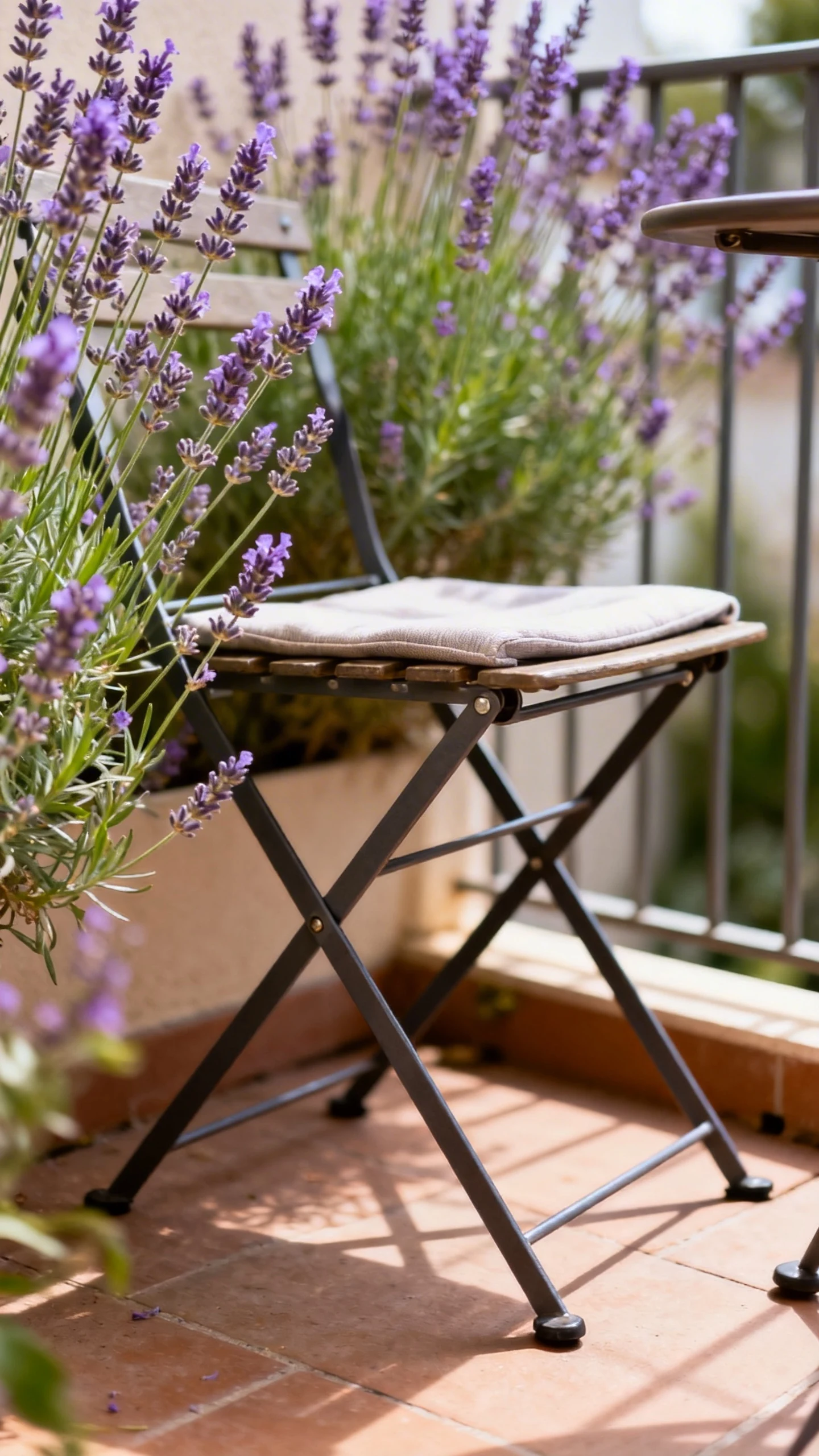
Small ornamentals bring structure and year-round interest. Think dwarf grasses, lavender, heuchera, boxwood alternatives, and compact evergreen shrubs. Mix these with flowering annuals for color and you get a garden that looks intentional instead of random.
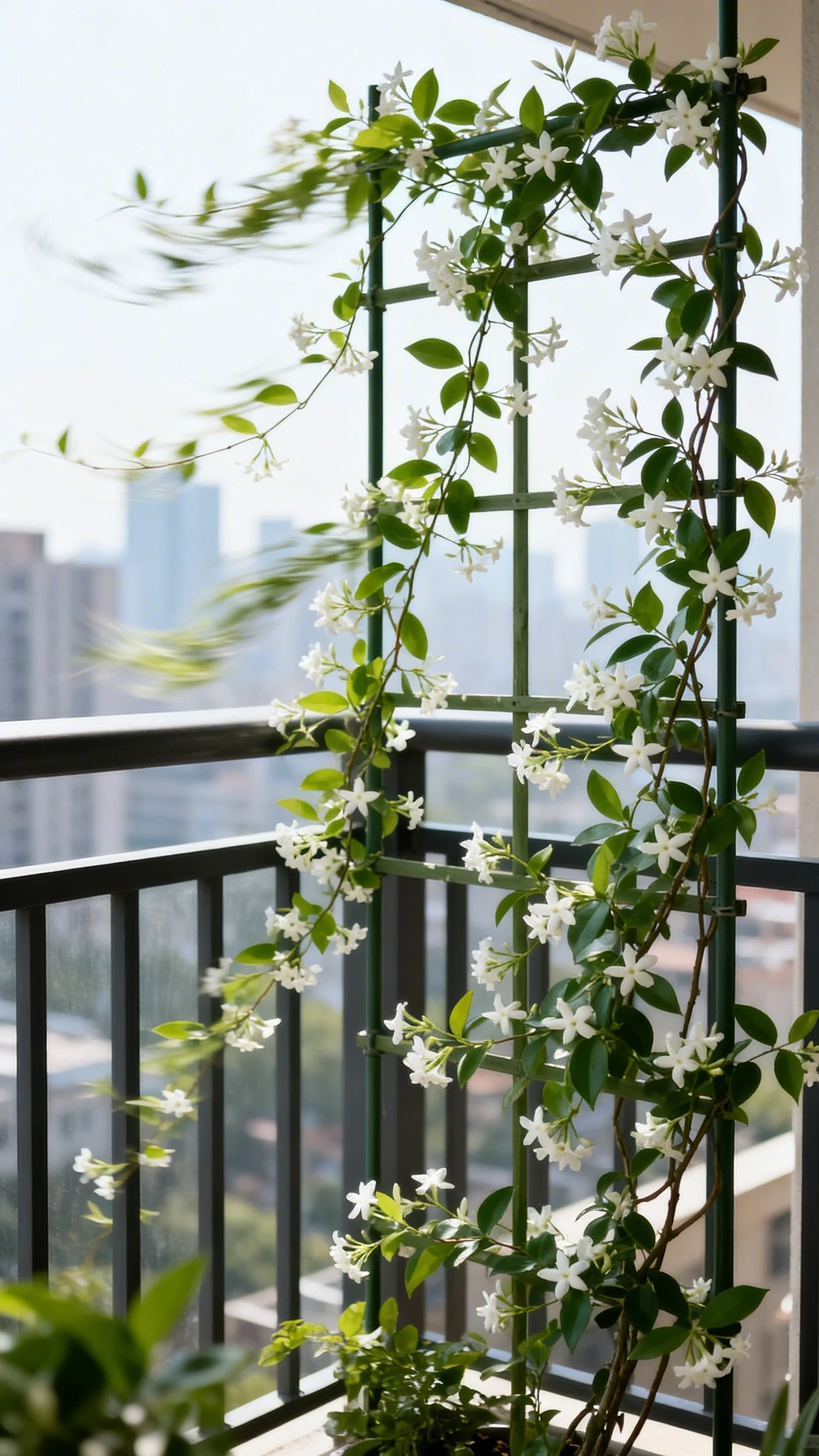
Climbers and trailers help soften walls and edges. Ivy can get bossy, so choose carefully, but star jasmine, stringy succulents, petunias, and creeping thyme can all add movement. In a hard urban setting, that softness goes a long way.
Design for containers, not against them
Containers basically run the show in most urban gardens. They shape the style, control plant size, and decide how often you water. So yes, that random pile of mismatched bargain pots matters more than you think.
Choose containers that fit your design and your patience level. Larger pots hold moisture longer and support healthier roots, so they usually beat tiny pots in both looks and performance. Tiny pots seem cute until July arrives and everything needs water every six minutes.
How to make containers look cohesive
Stick with two or three materials or colors. Terracotta feels warm and relaxed, black or charcoal looks modern, and glazed ceramics can add personality without turning the whole space into visual static. Repeating shapes creates rhythm, which sounds fancy but really just means the garden feels pulled together.
Think about height too. Use plant stands, grouped pots, and a few larger anchor containers to build layers. If everything sits at the exact same level, the space can look flat and a little sleepy.
Do not forget drainage and soil
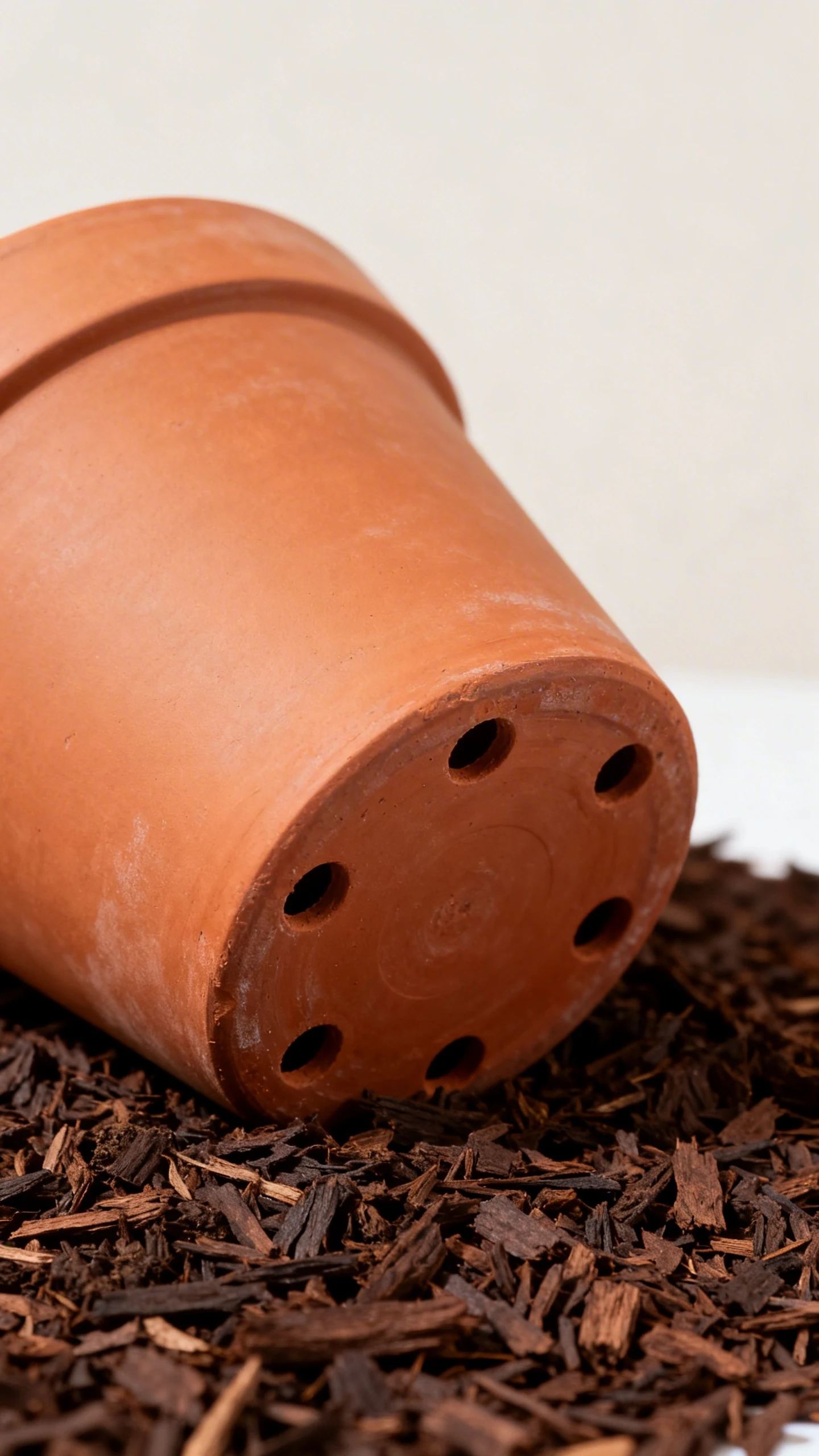
Every container needs drainage holes. No holes means soggy roots, and soggy roots end badly. Use a quality potting mix, not random dirt from the ground, because container plants need light, airy soil that drains well.
Mulch the top of bigger pots if you can. It helps hold moisture, keeps roots cooler, and makes the surface look finished. Small details like that quietly improve the whole garden.
Create comfort so the garden feels like a room
A beautiful small urban garden should feel usable, not just photogenic. Add one chair, a foldable table, a bench with storage, or even a floor cushion if that suits the vibe. Once you can sit there comfortably, the garden starts acting like an extra room instead of a plant display.
Use lighting to stretch the mood into the evening. Solar lanterns, string lights, and small LED fixtures make a huge difference. Good lighting adds warmth, depth, and instant atmosphere, and it does more heavy lifting than people expect.
Privacy matters more than you think
Urban gardens often come with close neighbors, shared views, and the occasional awkward eye contact. Trellises, tall grasses, bamboo screens, or slim shrubs can create privacy without making the area feel boxed in. You do not need a fortress, just enough separation to relax.
Sound helps too. Wind chimes, rustling plants, or a small tabletop fountain can soften city noise. Will they erase traffic completely? Of course not. But they can make the space feel calmer, and that counts.
Keep maintenance realistic
The prettiest design in the world means nothing if you hate taking care of it. Small gardens need less work than large ones, but they still need regular watering, trimming, feeding, and occasional rethinking. The trick is building a setup you can actually maintain without muttering under your breath every weekend.
Group plants with similar water needs together. Install a simple drip system if possible, especially on hot balconies. Smart maintenance choices save time and keep plants healthier, which means fewer dramatic collapses in late summer.
Leave a little open space too. Every inch does not need a pot. Empty space makes the garden easier to clean, easier to move through, and much nicer to look at.
FAQ
What is the best layout for a small urban garden?
The best layout depends on how you want to use the space, but most small gardens work best with zones. Keep taller plants or vertical features along walls or edges, place medium pots in corners, and leave the center open for movement or seating. That layout keeps the space functional and prevents the “plant obstacle course” effect.
How do I make a tiny balcony garden look bigger?
Use vertical planting, repeat container styles, and limit visual clutter. A simple palette and layered heights help the eye travel upward and outward. Mirrors can work too, though you want to place them carefully unless you enjoy blinding yourself at noon.
Which plants grow well in a small city garden?
Compact herbs, leafy greens, dwarf tomatoes, chilies, lavender, heuchera, dwarf grasses, and climbing jasmine all work well. Focus on plants that stay manageable and suit your sunlight conditions. The right plant in the right place always beats a trendy plant that hates your balcony.
How can I create privacy in an urban garden?
Try trellises, screens, railing planters, or tall narrow plants like ornamental grasses. Layering helps a lot because it blocks views without feeling too heavy. If you mix privacy elements with greenery, the space feels softer and more intentional.
How do I keep container plants alive in hot weather?
Choose larger pots, use quality potting mix, and water deeply instead of splashing the surface. Mulch helps hold moisture, and grouping containers together can reduce drying. If your space gets brutal afternoon sun, add shade cloth or move sensitive plants where they catch a break.
Can I grow food in a very small urban garden?
Absolutely. Herbs, salad greens, radishes, compact tomatoes, and peppers all do well in containers and small spaces. If space feels extra tight, start with herbs and leafy greens because they offer quick harvests and do not demand much room.
Conclusion
Small urban garden design works best when it stays honest, focused, and a little strategic. Use the space you have, choose plants that fit, and build in comfort so you actually want to spend time there. You do not need a giant yard to create something lush and personal. You just need a smart plan, a few good pots, and the confidence to ignore anyone who says a tiny garden cannot do much.