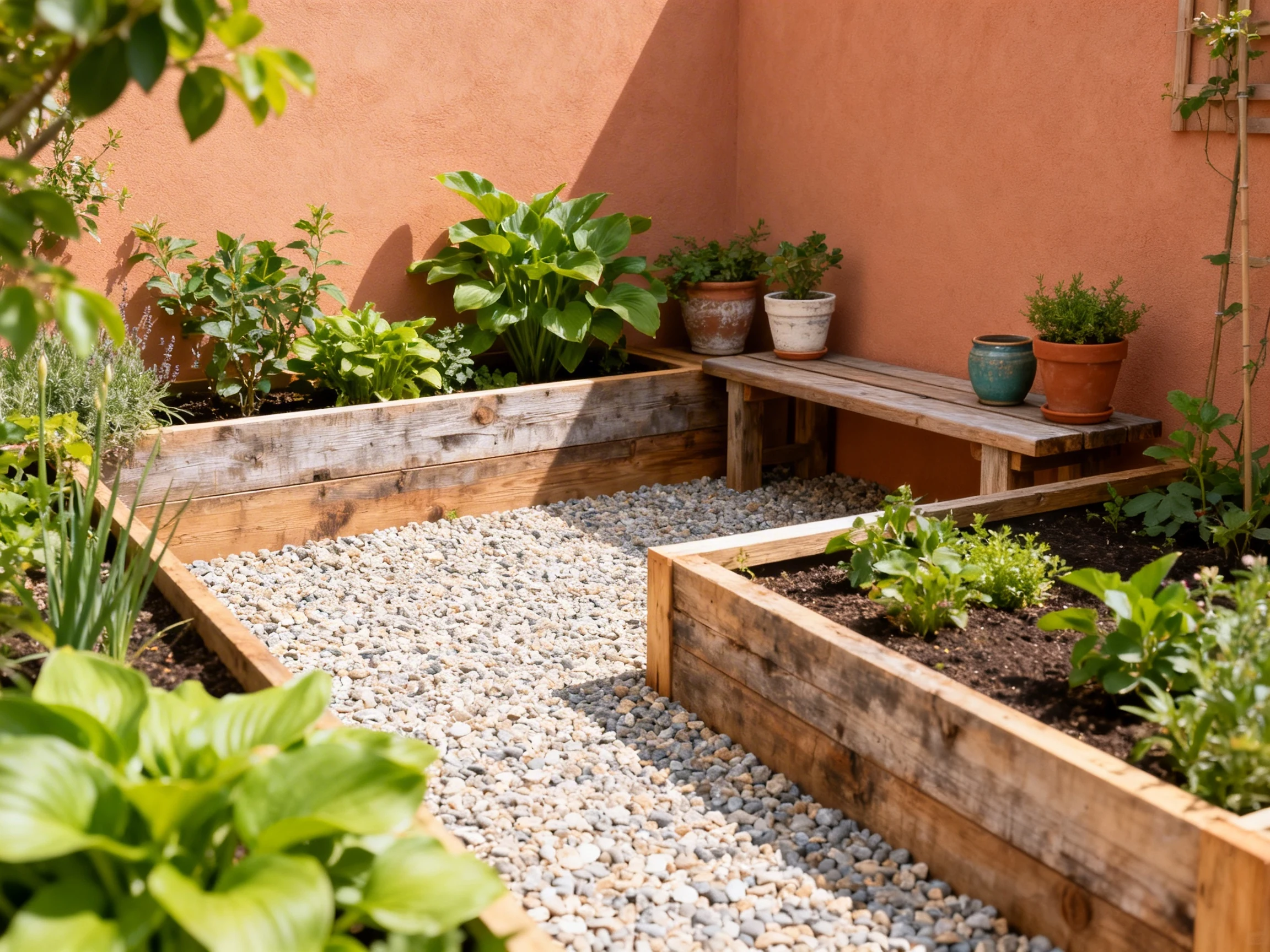
Small gardens can look amazing without draining your wallet. You do not need a landscape designer, a luxury patio set, or a mysterious talent for keeping every plant alive. You just need a smart plan, a few budget-friendly tricks, and the confidence to ignore overpriced garden trends that look cute for five minutes on social media.
Start with a plan before you buy anything
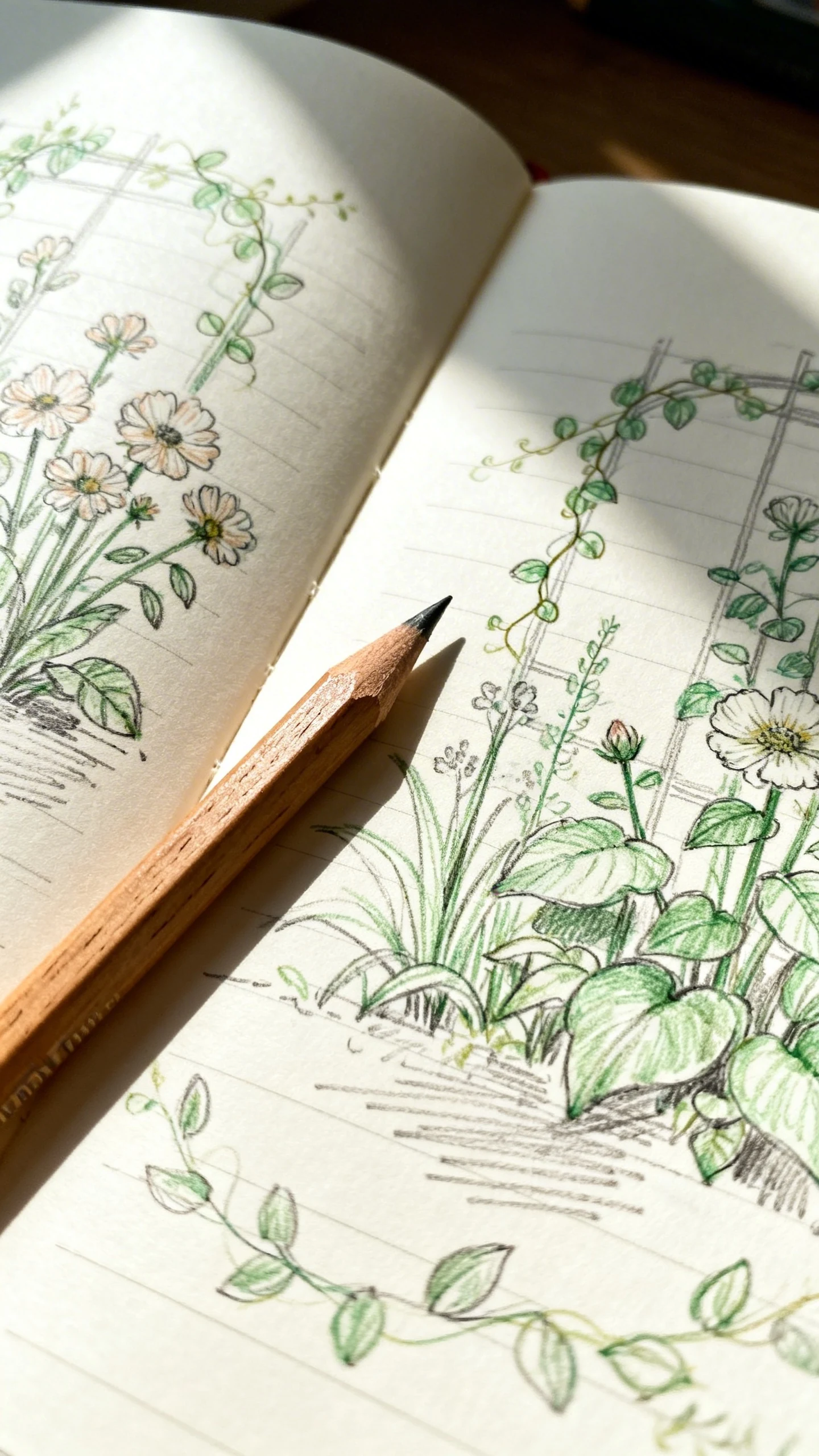
If you want your small garden to feel bigger, prettier, and more useful, start with the layout. I know, planning sounds less fun than impulse-buying six herb pots and a string of solar lights. But a simple plan saves money fast, and that matters when you work with a budget.
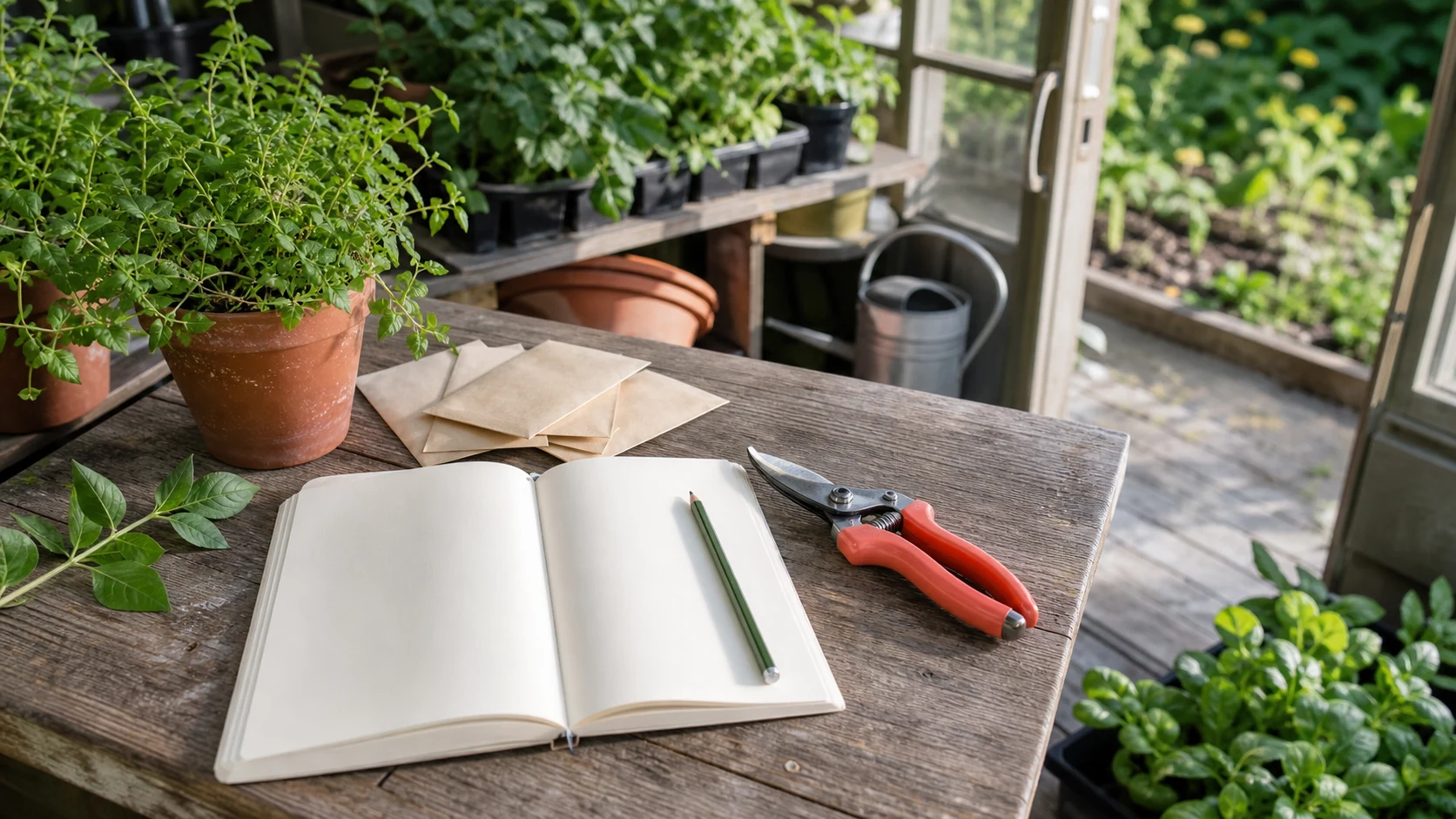
Grab a notebook and sketch your space. Mark where the sun hits, where the shade hangs out, and where water collects after rain. Those little details help you choose the right plants and avoid wasting money on things that sulk, flop, or die immediately.
Then decide what you actually want from the garden. Do you want a place to sit with coffee? A mini veggie patch? A kid-friendly zone? You probably cannot cram everything into a tiny outdoor space, so pick two priorities and make them work hard.
Use zones to make a tiny space feel bigger
One of my favorite cheap tricks involves dividing a small garden into clear zones. You can create a seating corner, a planting area, and maybe a narrow path or focal point. Zoning gives a garden structure, and structure makes even the smallest plot feel intentional.
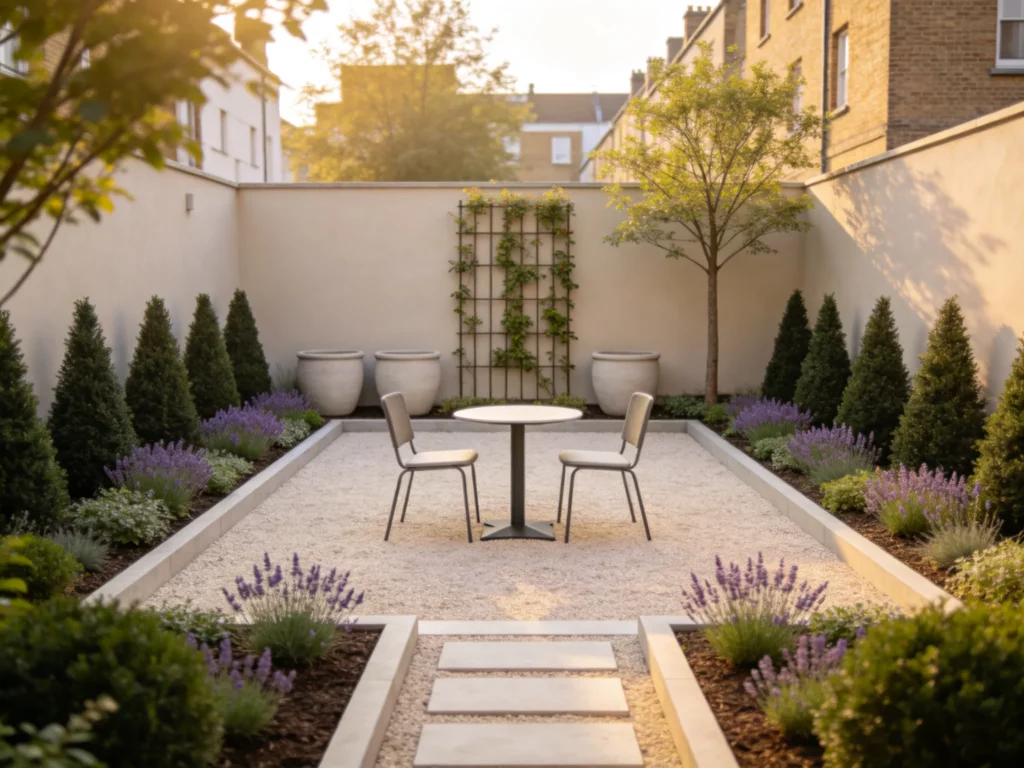
You do not need expensive materials for this. Use gravel for one section, pots for another, and a small bench to define the seating spot. Your garden starts looking designed instead of random, which honestly does half the job.
Choose budget materials that still look stylish
You can spend a fortune on paving, edging, screens, and furniture. Or you can get a similar vibe for way less if you stay a little flexible. IMO, this is where most budget garden wins happen.
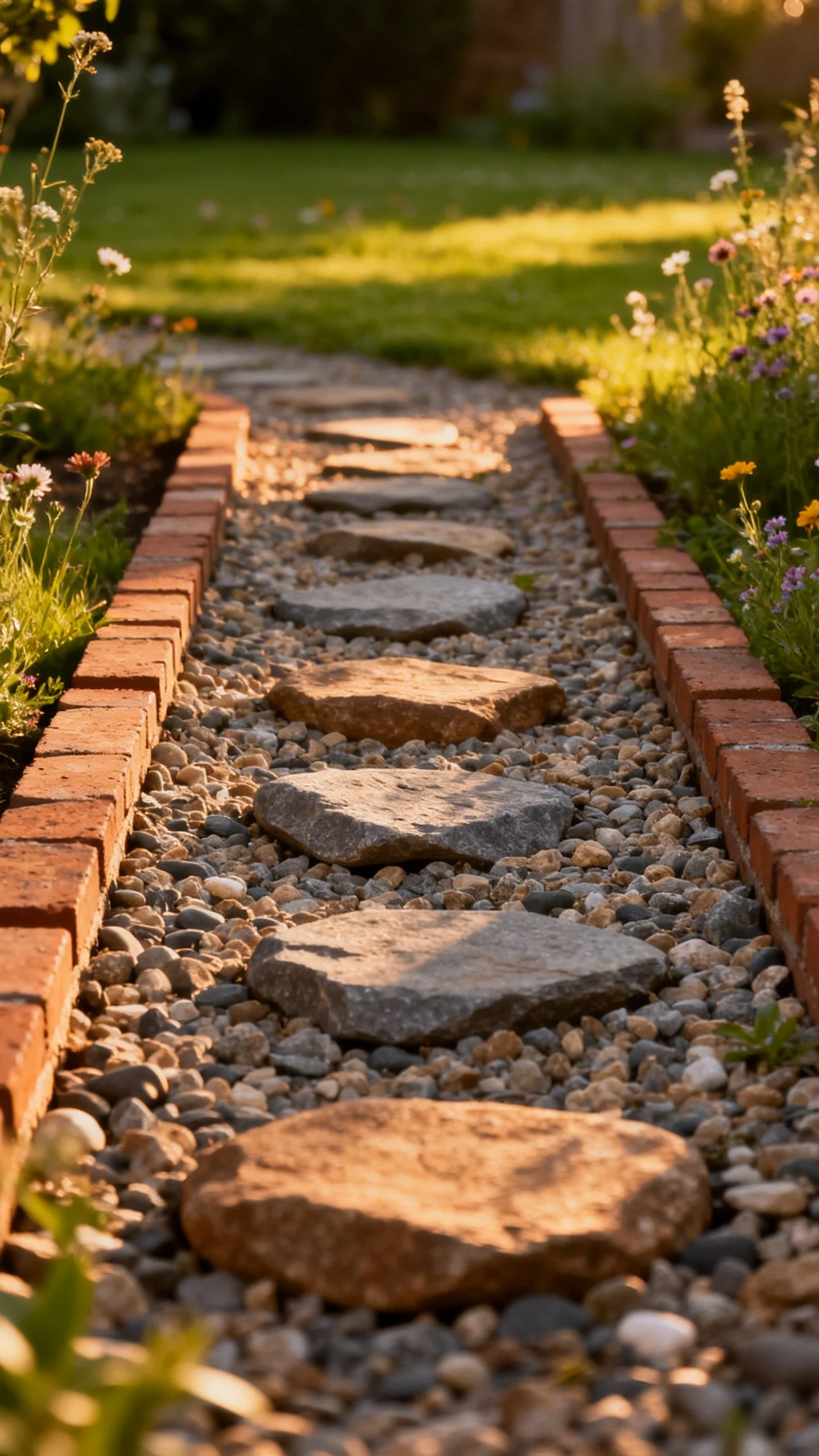
Gravel ranks as one of the cheapest and easiest ground covers. It works for paths, seating areas, and awkward corners. It also drains well and gives the space a neat, modern look without the price tag of full paving.
Wood chips or bark make another low-cost option, especially around planting beds. They tidy up the space, help hold moisture in the soil, and make you look like you know exactly what you are doing. Love that for us.
Cheap hardscaping ideas that do not look cheap
If full patio paving sits way outside your budget, try stepping stones with gravel between them. That combo looks charming and costs much less than covering the whole area with stone. You can even reuse old bricks for edging or build a path with reclaimed slabs.
Pallet wood can work for vertical planters, screens, and simple seating. Just check that the wood stays safe for outdoor use and does not come coated in anything sketchy. A quick sand and a coat of exterior paint can turn “free from a neighbor” into “cute garden feature.”
For borders, think beyond fancy stone. Use recycled bricks, logs, or even leftover roof tiles. Reclaimed materials stretch your budget and add character at the same time.
Pick plants that give you more for less
Plants can eat your budget alive if you buy everything full-size and in bloom. Tiny plants often cost much less, and many catch up surprisingly fast with a little patience. FYI, patience in gardening does pay off, even if it feels rude sometimes.
Perennials give strong value because they return year after year. Look for reliable options that suit your climate and your light levels. Once they settle in, they fill space beautifully and reduce the need for constant replanting.
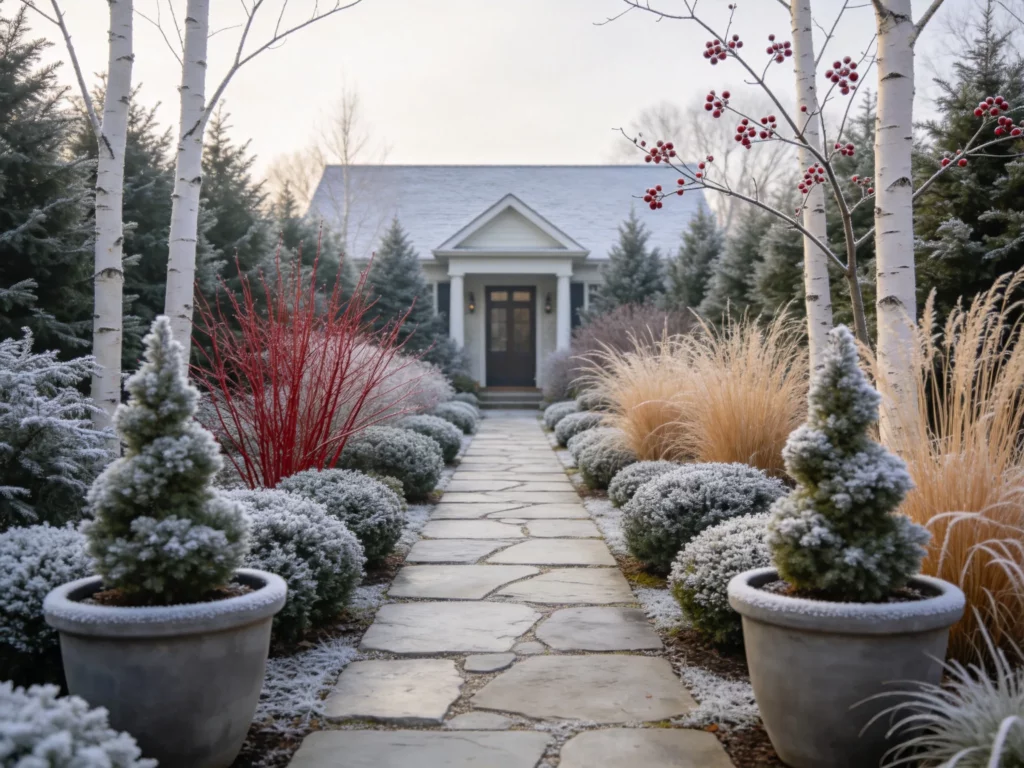
Mix those with a few evergreen shrubs for structure. That way, the garden still looks good in colder months instead of turning into a sad patch of empty soil and regret.
Best plant strategies for a small budget garden
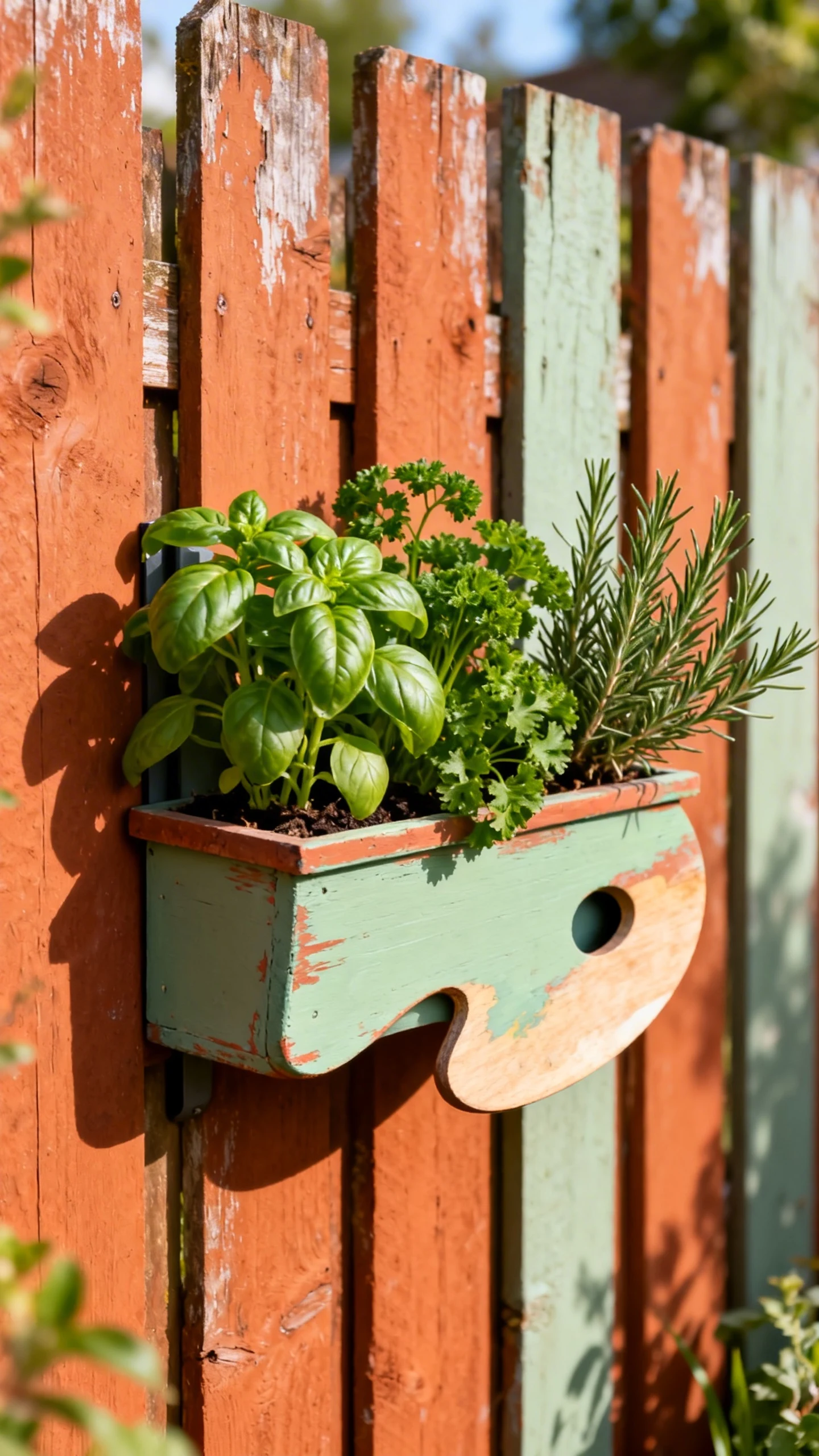
Go for plants that multitask. Herbs smell good, look good, and end up in dinner. Climbing plants cover fences and walls without taking up much floor space. Ground covers fill awkward gaps and cut down on weeding, which feels like a financial and emotional win.
Buy in the off-season if you can. Garden centers often discount plants at the end of summer or in early autumn. The selection might look a little tired, but plenty of plants bounce back once you get them settled.
You can also swap cuttings or divided plants with friends and neighbors. Garden people love giving away plants. Sometimes they seem almost too eager, like they have a hosta problem and need help.
Go vertical and steal every inch of space
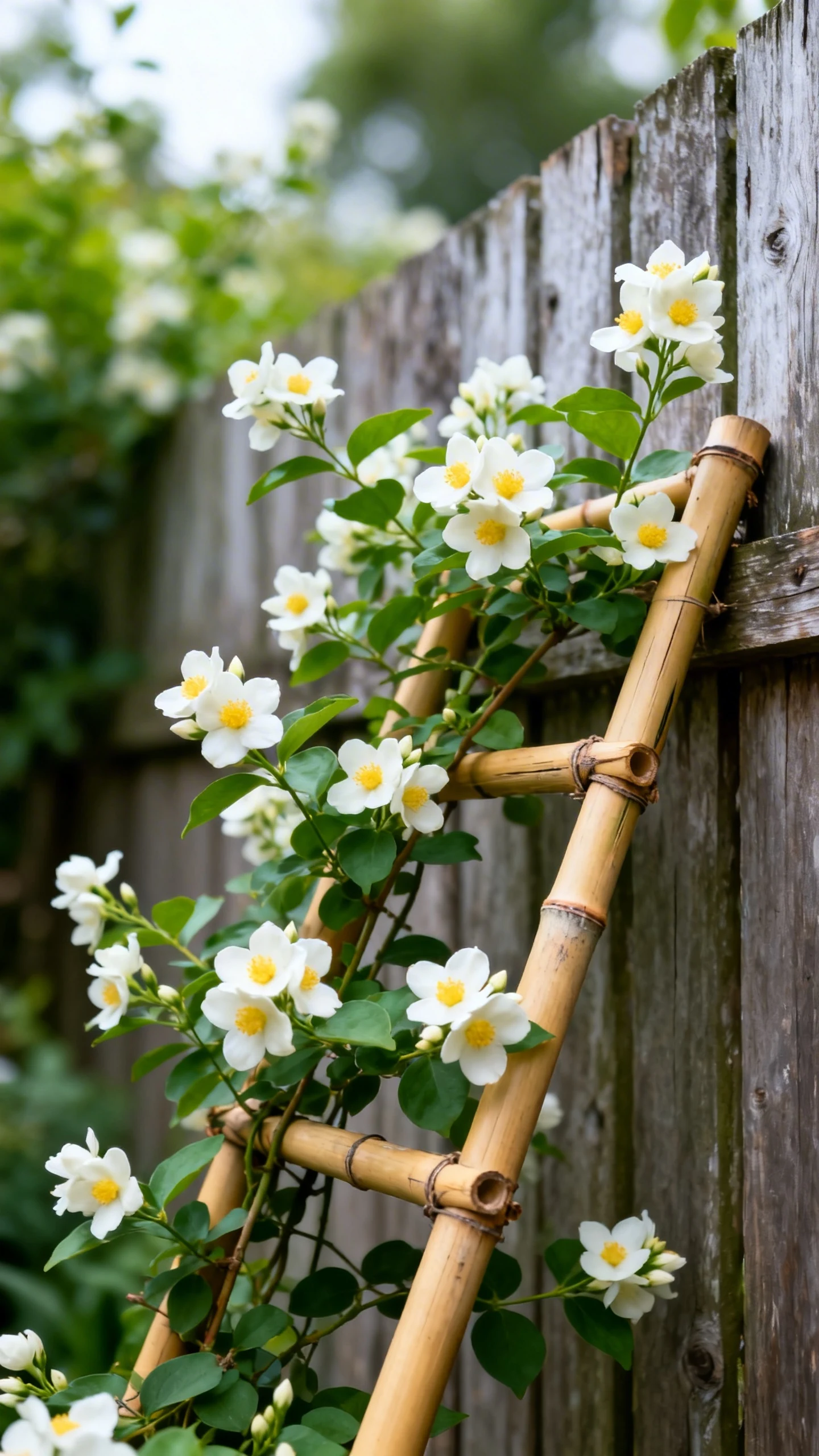
In a small garden, the ground fills up fast. So look up. Vertical gardening adds greenery without crowding the floor, and it can make the whole space feel lush and layered.
Hang pots on fences, add wall planters, or use trellises for climbers like jasmine, clematis, or even beans if you want something edible. A plain fence suddenly turns into a feature instead of just the thing that keeps your neighbor’s trampoline in their yard.
Tall, narrow shelving works well too. You can stack herbs, trailing plants, and small flowering pots on different levels. That gives your garden more depth, and depth makes a compact space feel much more interesting.
Easy DIY vertical ideas
Try attaching simple hooks to a fence and hanging lightweight containers. Use an old ladder as a plant stand. Repurpose a shoe organizer for herbs if you feel crafty and slightly chaotic.
You can also build a basic trellis with bamboo canes and garden twine. It costs very little, takes almost no time, and supports climbing plants beautifully. Sometimes the cheap fix really is the smart fix.
Make one focal point do the heavy lifting
A small garden does not need ten decorative features fighting for attention. It needs one strong focal point and a few supporting details. A clear focal point makes a budget garden feel polished because it gives the eye somewhere to land.
This focal point could be a painted bench, a statement pot, a mini water feature, or a small tree in a nice container. It does not need to cost much. It just needs to stand out a little and make the space feel finished.
Color helps a lot here. Paint a fence panel in a deep green, charcoal, or soft blue to create contrast behind plants. Or paint old pots in matching shades so the whole space looks pulled together instead of pieced together from random weekend purchases.
Lighting changes everything
Cheap solar lights can work wonders when you place them well. Line a path, wrap fairy lights around a trellis, or tuck a few lights near your focal point. Suddenly the garden feels cozy and inviting, and you barely spent anything.
Just do not go overboard. A small garden should not resemble an airport runway. A few warm lights usually beat a full glow-up that blinds everyone at sunset.
Use containers and furniture that earn their keep
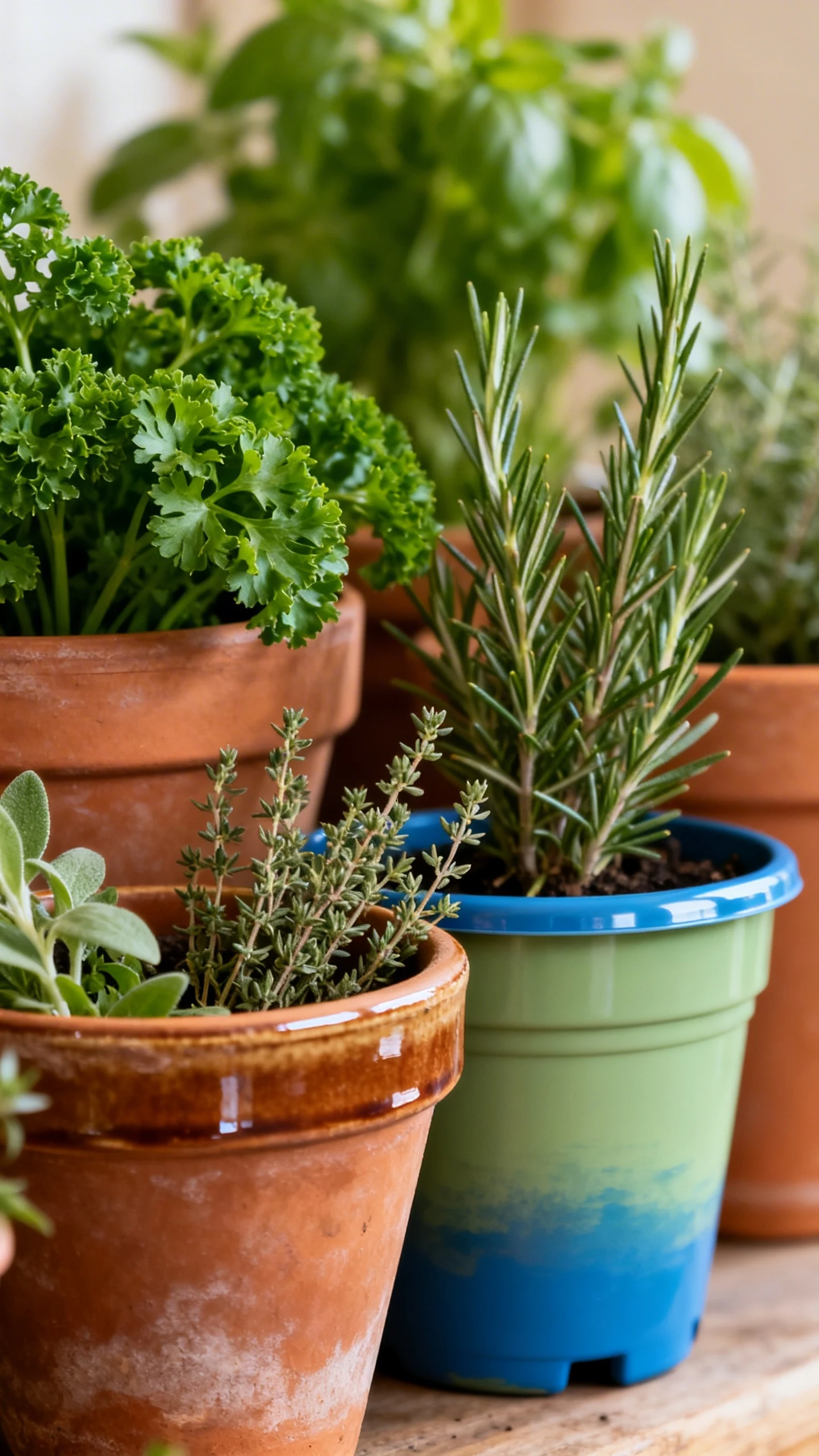
When space and money both feel tight, every item should do something useful. Multi-purpose pieces make small garden design much easier. That applies to pots, storage, seating, and even tables.
Use containers instead of building lots of permanent beds if you want flexibility. Pots let you move plants around, refresh the layout, and deal with sun and shade shifts more easily. You can also find affordable containers at discount stores, thrift shops, or local marketplaces.
Look for benches with storage inside. Try foldable chairs and a compact bistro table if you want a seating area that does not dominate the whole garden. Small spaces need breathing room, not giant furniture that acts like it pays rent.
Budget container ideas worth trying
Terracotta looks lovely, but it can add up fast. Mix in cheaper plastic pots and paint them for a more consistent look. Grouping containers in odd numbers usually looks more natural, so try sets of three or five.
You can also reuse buckets, crates, and old tubs if you add drainage holes. Not everything needs to come from the garden center. Some of the best small garden ideas start with, “Wait, could I plant something in that?”
Keep maintenance simple so the garden stays nice
A budget garden stops being a bargain if it turns into a maintenance monster. If you hate constant pruning, watering, and fussing, design for low effort from the start. That is not lazy. That is strategic.
Choose easy-care plants, add mulch to cut down on weeds, and keep lawn areas tiny or skip them altogether. Lawns can look nice, sure, but they also demand mowing, feeding, edging, and general babysitting. In a small budget garden, gravel or planting beds often make more sense.
Install a basic water butt if you can. It saves water, helps your budget over time, and gives you a handy supply for containers in dry weather. Small, practical moves like this keep the space thriving without a lot of extra cost.
FAQ
What is the cheapest way to landscape a small garden?
The cheapest route usually includes gravel, mulch, reclaimed materials, and low-cost plants. Start with a simple layout, reuse what you already have, and focus on a few key upgrades instead of trying to do everything at once. A phased approach saves money and keeps the project manageable.
How do I make a small garden look expensive on a budget?
Keep the design simple and cohesive. Use a limited color palette, repeat the same materials, and create one focal point that draws attention. Clean lines, tidy edges, and matching pots can make a huge difference without costing much.
Are raised beds expensive for small gardens?
They can get expensive if you buy ready-made kits. If you build them with reclaimed wood, bricks, or sleepers, you can cut costs a lot. Containers or in-ground planting often cost even less, so choose raised beds only if they really suit your space and needs.
What plants work best in a small budget garden?
Go for perennials, herbs, climbers, and compact shrubs. These plants give strong value because they last, fill space well, and often need less replacing. Pick varieties that match your local conditions so you do not waste money on plants that struggle.
Can I design a small garden myself?
Absolutely. You do not need a professional for a small space if you take time to plan. Measure the area, decide your priorities, choose a style you like, and build it step by step. Honestly, doing it yourself often leads to a more personal and practical result anyway.
How can I make a tiny garden feel bigger?
Use vertical planting, define clear zones, and avoid clutter. Stick with smaller furniture, repeat colors and materials, and leave a little open space so the garden can breathe. Mirrors can help too, but only if they do not reflect your recycling bins. Nobody needs that illusion.
Conclusion
Small garden design on a budget comes down to smart choices, not big spending. Plan the layout, use affordable materials, pick hardworking plants, and let one or two features shine. With a little creativity and a bit of restraint, you can build a garden that feels stylish, useful, and very much not like a sad leftover corner of the yard.