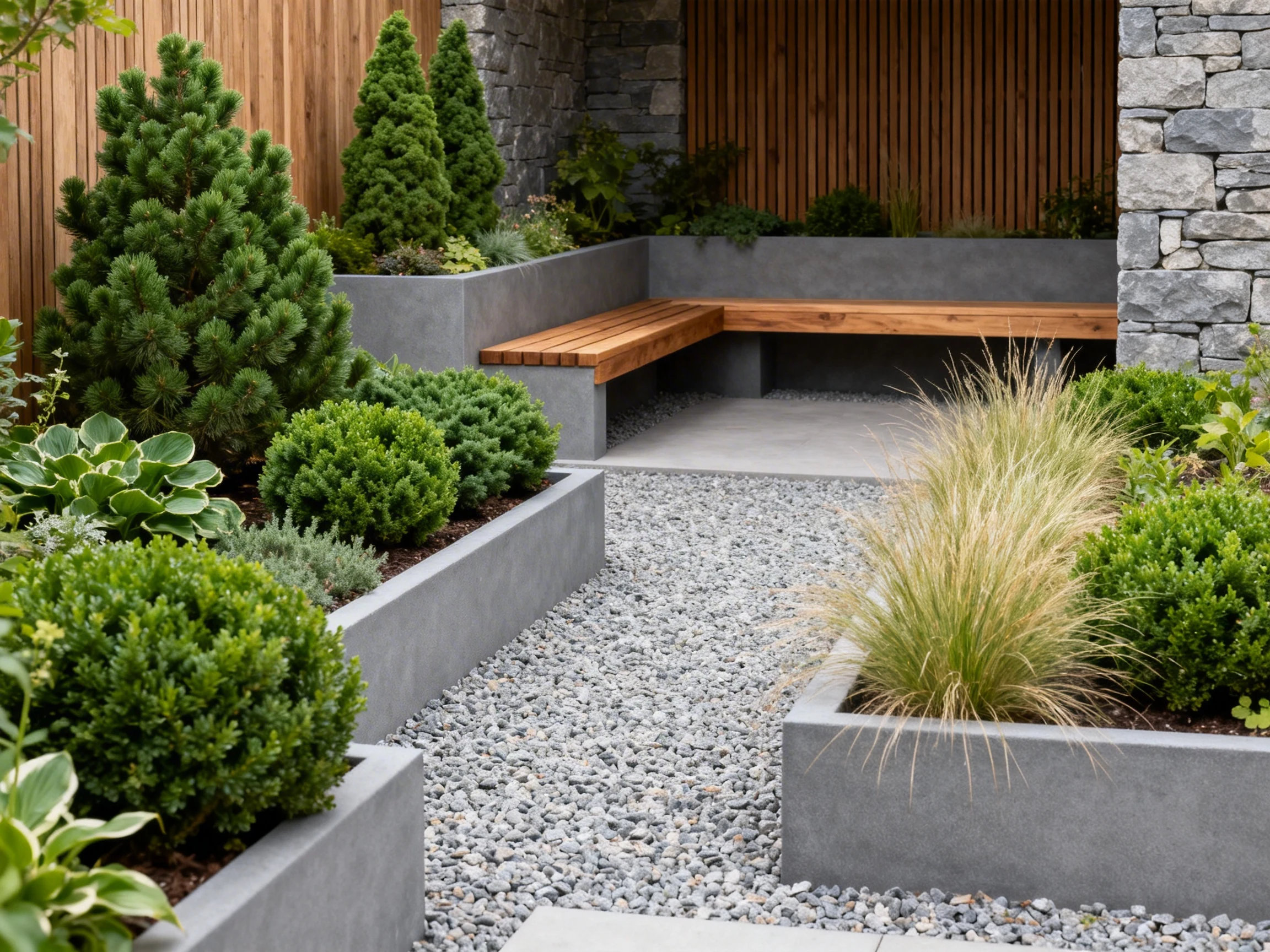
Small gardens can look amazing without turning into a part-time job. You do not need a full shed of tools, a color-coded pruning calendar, or the patience of a saint. If you want a space that looks tidy, feels relaxing, and does not demand constant fussing, you can absolutely make that happen.
Start with the lazy-smart mindset
Low maintenance design starts before you plant a single thing. Most garden headaches come from cramming in too much stuff, choosing needy plants, or creating awkward little corners that collect weeds like they signed a lease. If you want easy care, keep the plan simple and intentional.
Ask yourself one question right away: How do I actually want to use this space? Sit with coffee? Grow a few herbs? Hide from your neighbors behind a stylish screen of greenery? Once you know the job your garden needs to do, the design gets much easier.
The biggest mistake in small garden design low maintenance projects involves treating every inch like it must contain something “interesting.” It does not. Empty space looks calm, clean, and modern. IMO, a little breathing room makes a small garden feel bigger than any clever trick ever will.
Keep the layout easy to clean
Choose a layout you can sweep, hose down, and tidy in minutes. Straightforward paths, wide planting beds, and clearly defined zones save you time every single week. Fancy curves can look lovely, sure, but they also invite extra edging work, and nobody wakes up excited to edge a border.
If you use containers, group them together instead of scattering them around like decorative confetti. That makes watering easier and keeps the space from looking busy. Plus, one messy pot stands out less when it hangs out with friends.
Cut the lawn drama
If you want low maintenance, reduce or remove the lawn. I said it. Tiny lawns often create the most annoying chores because they still need mowing, edging, feeding, and patching, yet they barely give you enough space to lie down without touching a border.
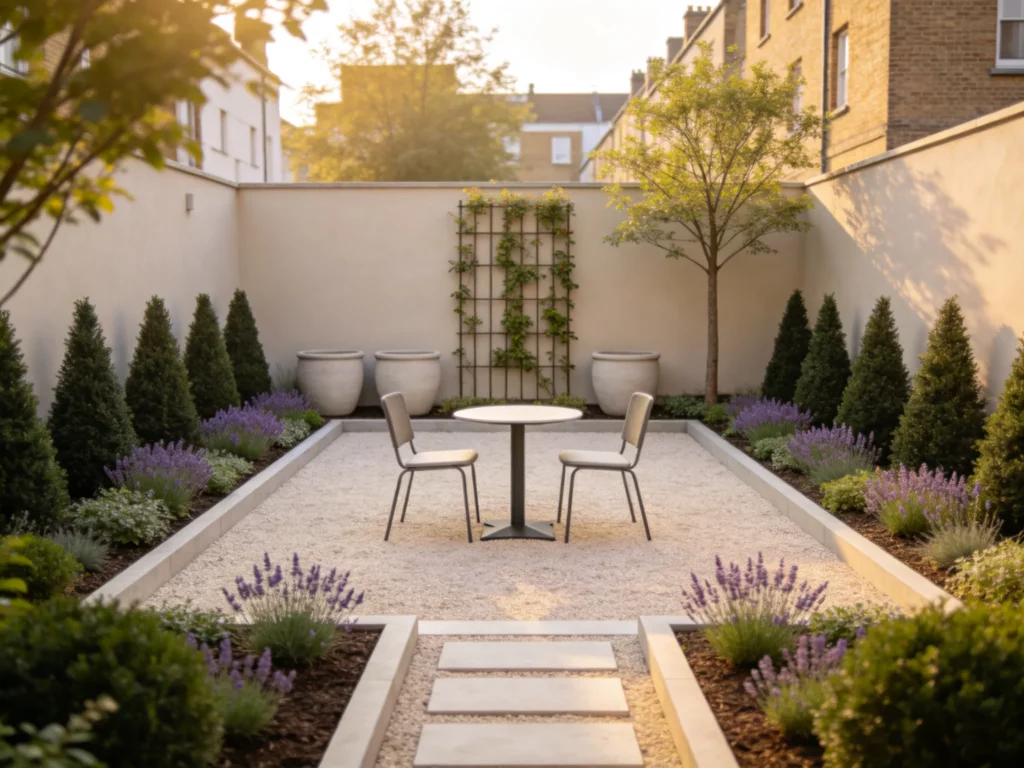
Swap grass for gravel, paving, decking, or large planted areas. These surfaces create structure fast and need far less attention than turf. They also make a small space feel more designed and less like an accidental patch of leftover yard.
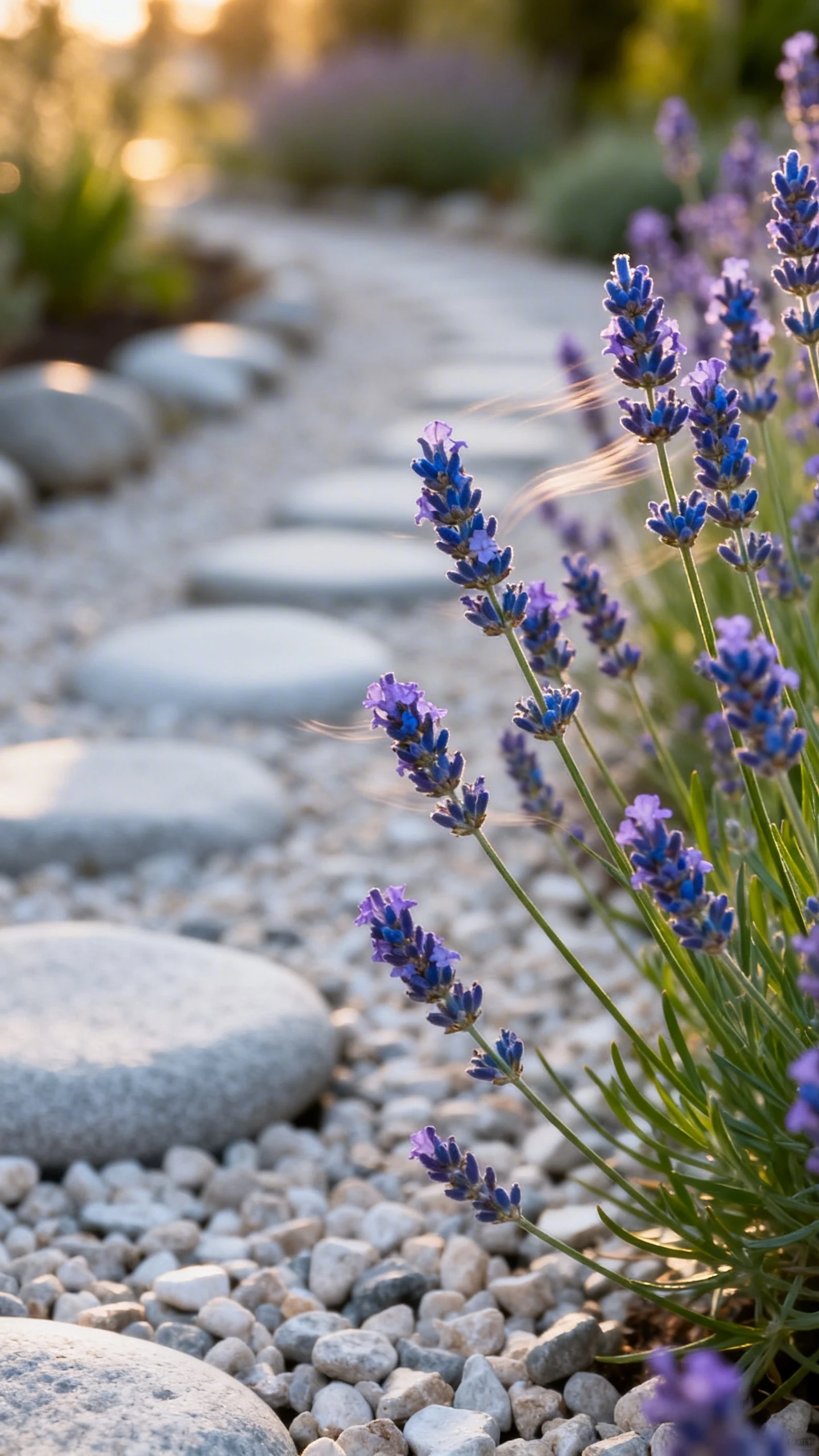
Permeable gravel works especially well in compact spaces. It drains well, discourages weeds if you prep the base properly, and gives the garden a crisp look. Choose a gravel color that works with your house and fences, because random orange stones next to cool gray paving can look a bit chaotic, FYI.
Best hard landscaping choices for easy upkeep
- Porcelain paving: sleek, durable, and easy to clean
- Composite decking: less upkeep than wood and no yearly sulking over staining
- Gravel: affordable, practical, and great for drainage
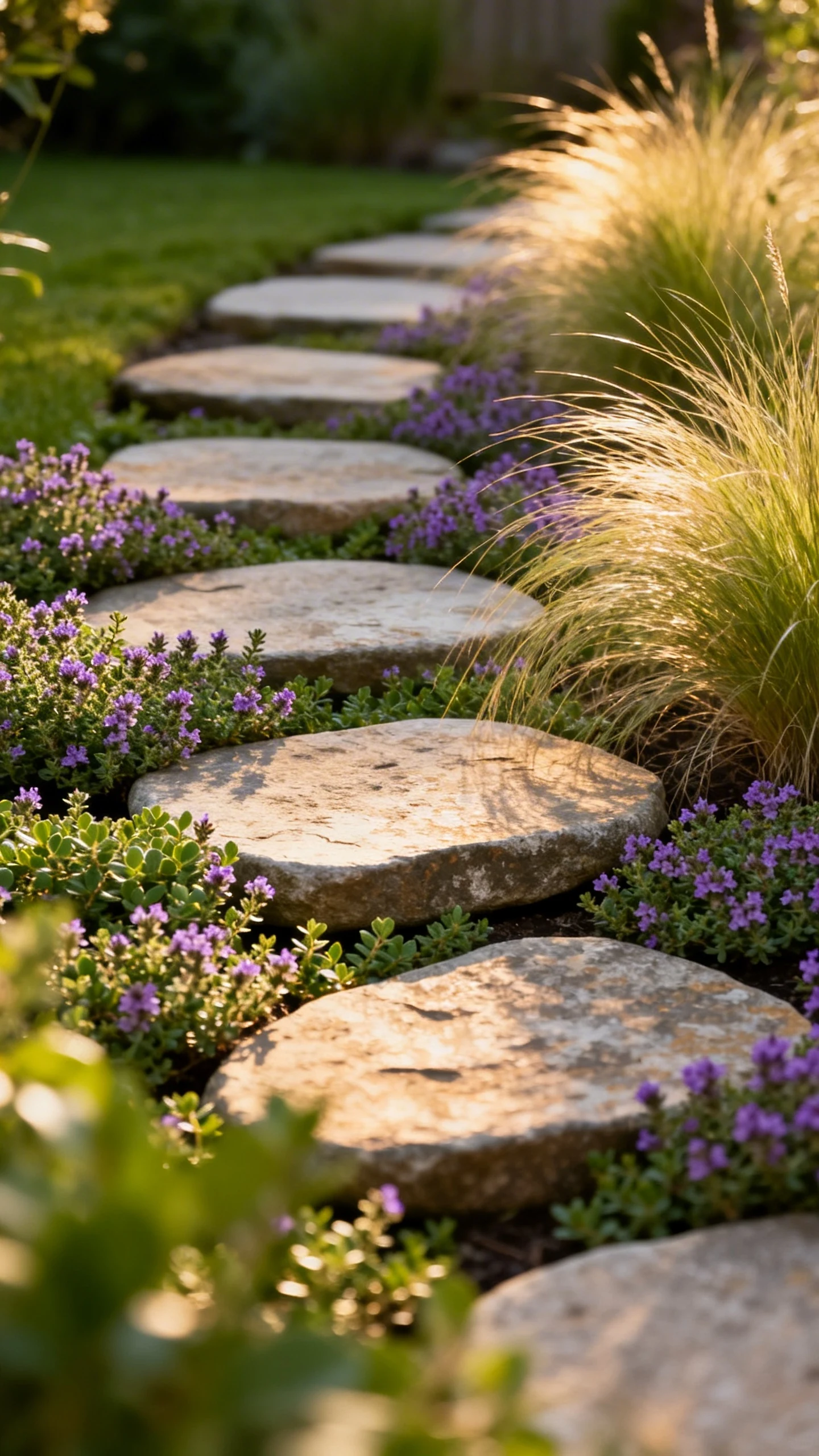
- Stepping stones with ground cover: softer look, less mowing
- Raised beds: clearer structure and easier access
Try to limit yourself to two or three main materials. Too many finishes can make a small garden feel cluttered. A tighter palette keeps everything calm and polished without trying too hard.
Choose plants that can handle a little neglect
This part matters a lot. The secret to a low maintenance garden does not sit in some magic tool or miracle feed. It sits in choosing plants that suit your climate, soil, and light levels so they can mostly get on with life by themselves.
That means no forcing shade lovers into a blazing hot corner and then acting shocked when they collapse dramatically in July. Work with your garden, not against it. Plants love that. Your weekends will too.
Look for tough perennials, evergreen shrubs, ornamental grasses, and ground covers. These create year-round structure, suppress weeds, and need less constant replacing than high-maintenance bedding plants. Bedding displays can look gorgeous, yes, but they also demand regular deadheading and seasonal swaps, and honestly, who has the energy every few months?
Reliable low maintenance plant ideas
- Lavender: fragrant, drought tolerant, and great for sunny spots
- Heuchera: colorful foliage with very little drama
- Box alternatives like Ilex crenata: neat structure without endless clipping
- Salvia: long flowering and pollinator friendly
- Festuca or Stipa grasses: texture without fuss
- Skimmia: evergreen, tidy, and happy in shade
- Geranium Rozanne: generous flowering and easy care
If you want the garden to stay neat, repeat the same few plants instead of collecting one of everything. Repetition looks intentional and sophisticated. Random plant shopping feels fun in the moment, but it can leave your garden looking like a garden center clearance rack.
Use ground cover and mulch like a professional shortcut
Weeds love bare soil. Leave gaps in your beds, and they will arrive like uninvited party guests with way too much confidence. Fill spaces with spreading plants and top the soil with mulch to cut down your weeding time.
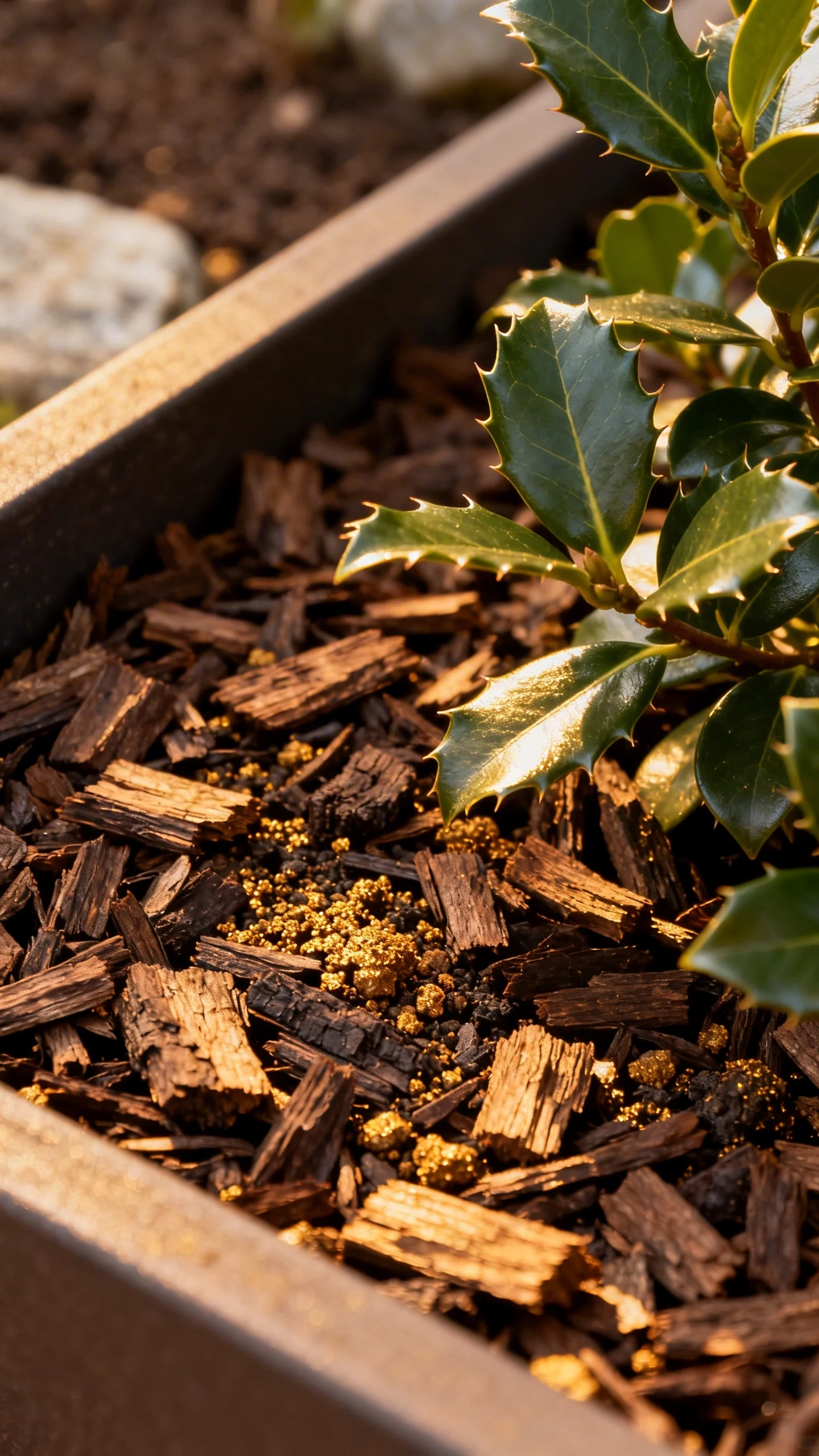
Mulch helps lock in moisture, reduce weed growth, and tidy up the whole garden instantly. Bark chips, composted bark, gravel mulch, and decorative stone all work depending on the look you want. Organic mulch also improves soil over time, which gives your plants an extra boost without much effort from you.
Ground cover plants do a lot of the same work while adding softness and color. Creeping thyme, ajuga, pachysandra, and vinca can all cover soil quickly in the right conditions. Check their growth habit first, though. “Fast spreading” can sound great until one plant starts behaving like it owns the place.
Mulching tips that actually help
- Weed the bed before you mulch. Yes, you really do need to do this first.
- Water the soil if it feels dry.
- Apply a generous layer around plants, but keep it away from stems.
- Top up once or twice a year as needed.
That small bit of effort pays off big time. A freshly mulched garden looks sharper in about ten minutes. It gives very strong “I definitely have my life together” energy.
Make watering almost effortless
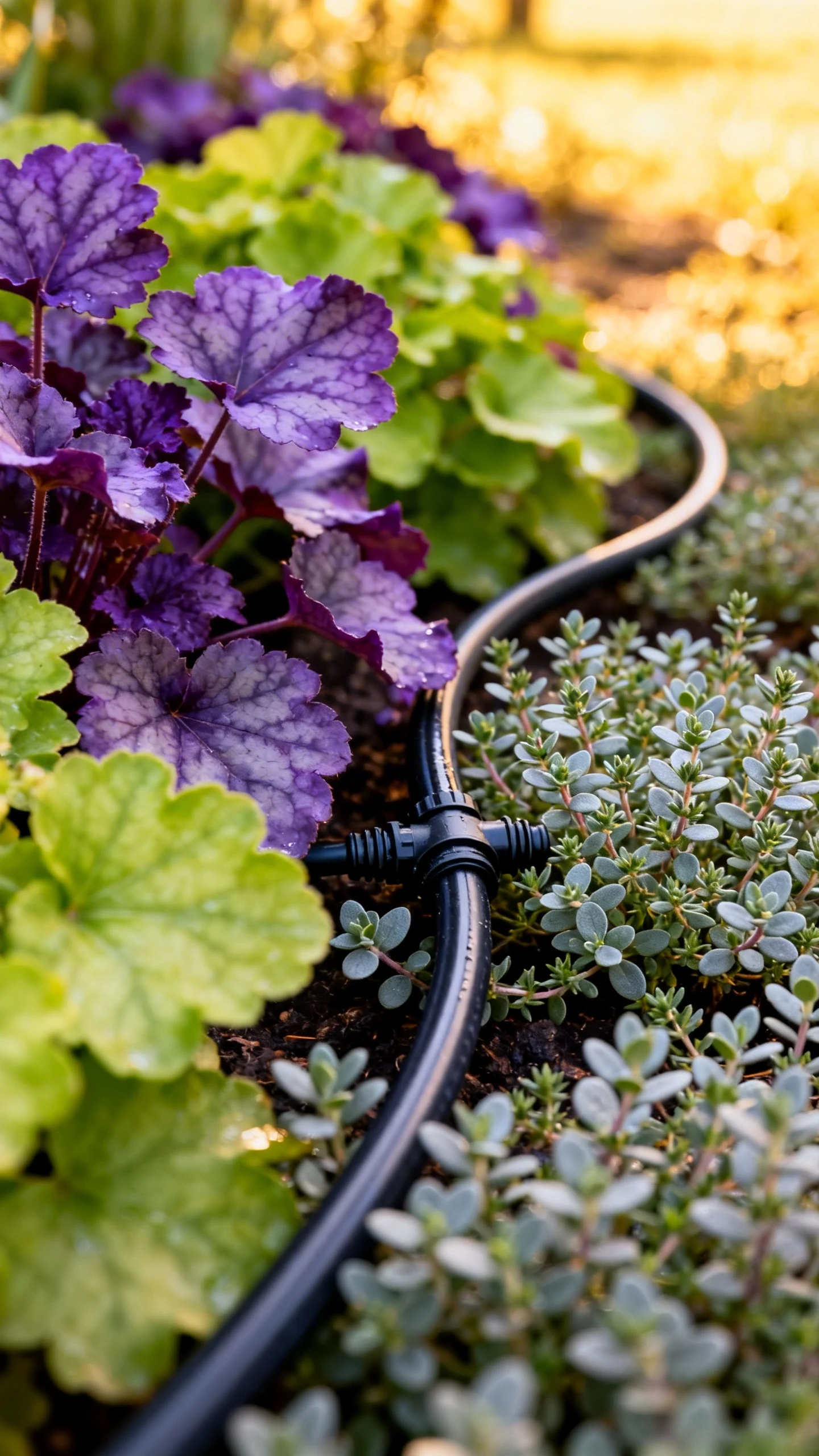
Dragging a hose around a tiny garden should not feel like a fitness challenge. If you want truly low maintenance, set up watering systems that save time and reduce waste. Your future self will thank you during the first hot week of summer.
Drip irrigation and soaker hoses work brilliantly in small spaces. They deliver water right to the roots, which helps plants stay healthy and cuts down on evaporation. You can even connect them to a timer and barely think about it again.
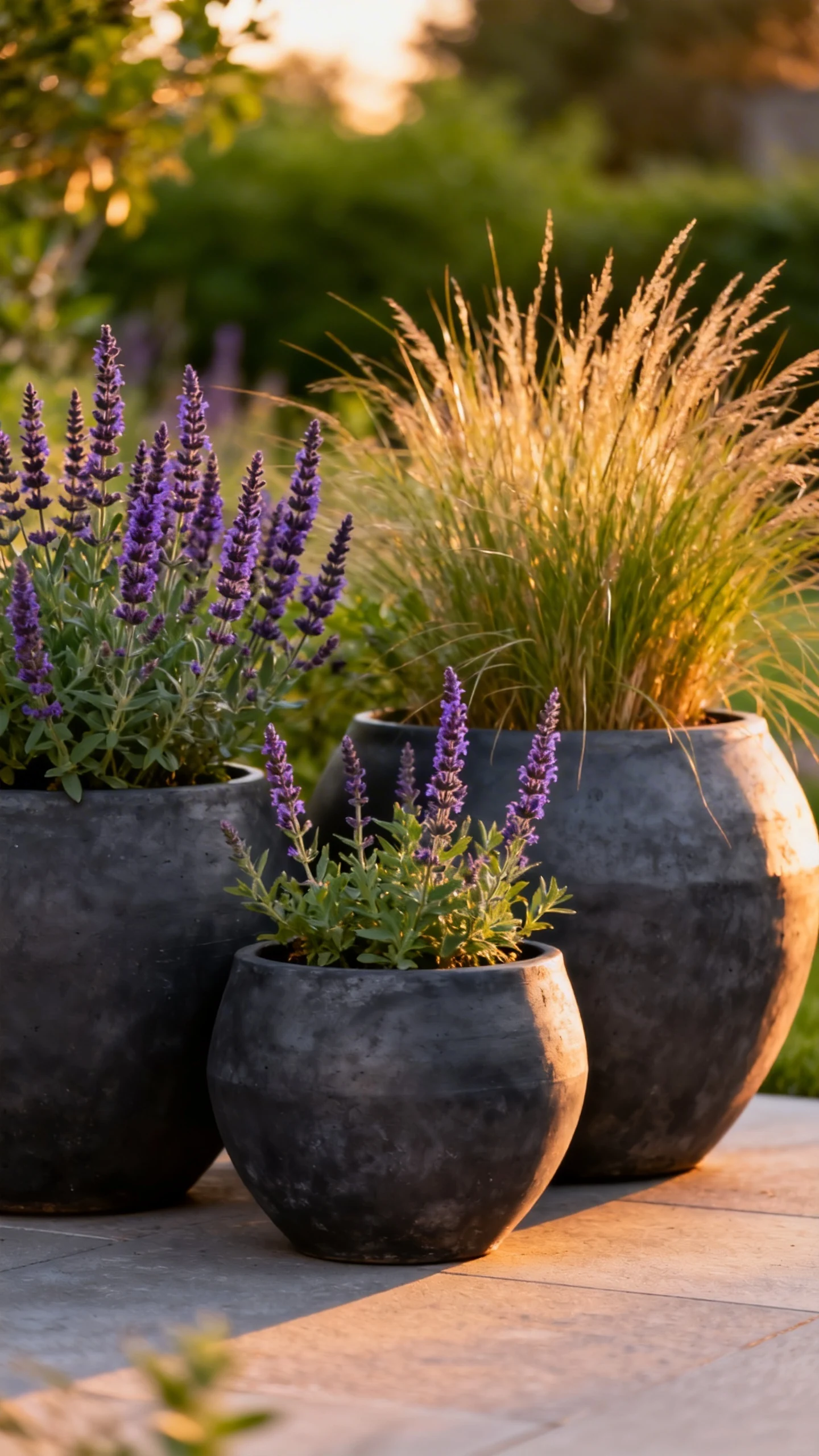
Containers need extra attention because they dry out faster than beds. If you love the look of pots, choose fewer, larger containers instead of lots of tiny ones. Bigger pots hold moisture longer, and they save you from watering five times a day when the weather gets spicy.
Design choices that reduce watering
- Group plants with similar water needs together
- Choose drought-tolerant plants for sunny spots
- Use mulch to slow evaporation
- Add shade with screens or pergolas where needed
- Limit the number of thirsty annuals
You can also install a water butt if you want a budget-friendly, eco-minded option. Rainwater works beautifully for many plants. Plus, collecting it makes you feel weirdly competent.
Focus on structure so the garden always looks good
A low maintenance garden still needs personality. The trick involves building in strong structure so the space looks attractive even when nothing flowers. That means evergreen planting, clean edges, simple furniture, and one or two standout features.
Think about what catches your eye first when you look outside. A bench? A raised planter? A painted fence? In a small garden, every feature matters more, so choose fewer things and make them count.
Vertical design helps a lot here. Trellises, slim wall planters, and climbing plants add interest without eating floor space. They also pull the eye upward, which makes the garden feel larger and more layered.
Easy features that add style without adding chores
- Built-in seating: practical and space-saving
- Evergreen hedging or screening: year-round privacy
- A single specimen plant: a focal point without clutter
- Outdoor lighting: instant atmosphere with almost no upkeep
- Decorative pots: flexible style that you can update easily
Do not overload the space with ornaments. One sculptural pot looks chic. Seven tiny garden gnomes start a different conversation entirely.
FAQ
What is the easiest layout for a small low maintenance garden?
A simple layout with one seating area, a few generous planting beds, and clear paths usually works best. Straight lines and defined edges make cleaning easier and keep the garden looking organized. You want a layout that you can understand at a glance, not a maze that needs a map.
What plants need the least care in a small garden?
Evergreen shrubs, ornamental grasses, hardy perennials, and drought-tolerant plants usually need the least attention. Good options include lavender, salvia, skimmia, heuchera, and hardy geraniums. Always match plants to your local conditions first, because even “easy” plants get grumpy in the wrong spot.
Is gravel better than grass for a low maintenance garden?
For many small gardens, yes. Gravel needs much less routine care than grass and works especially well in sunny, free-draining spaces. You still need to remove the odd weed and rake it occasionally, but that beats mowing a tiny lawn forever, at least in my book.
How do I make my small garden look nice all year?
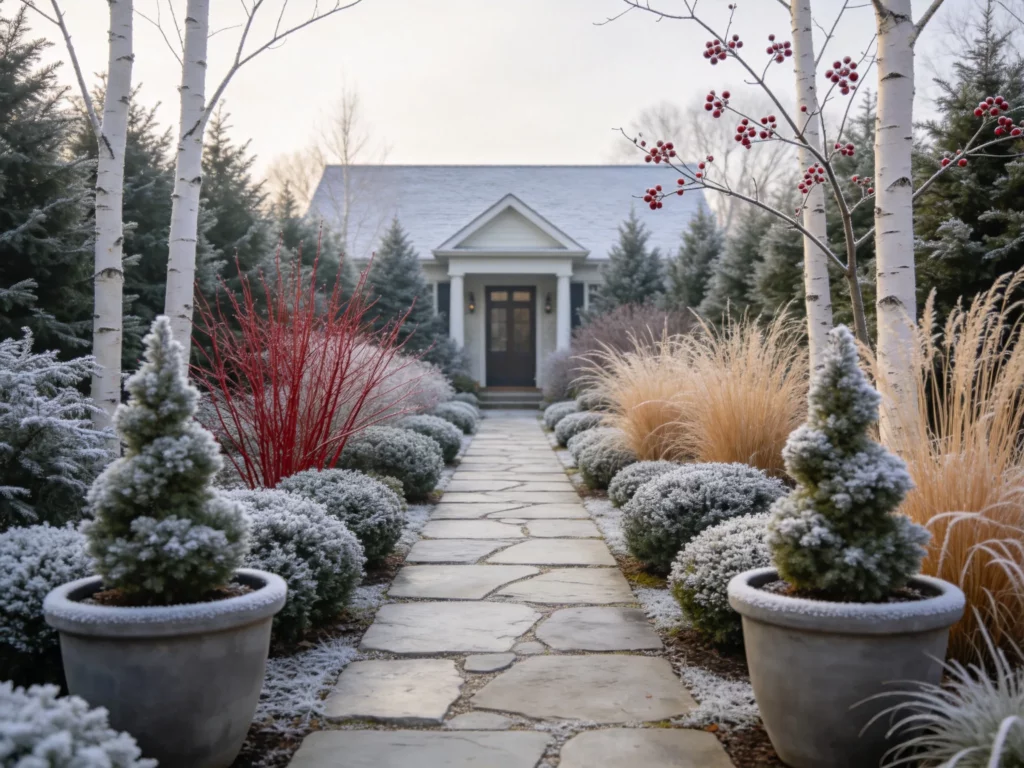
Use evergreen plants, repeat a small number of reliable varieties, and add structure with hard landscaping and vertical elements. A garden with strong bones still looks good in winter, even when flowers disappear. Lighting helps too, especially when the days get shorter and the garden needs a little extra glow.
Can I have pots and still keep the garden low maintenance?
Absolutely, but choose them carefully. Use fewer pots, go bigger, and plant them with hardy, long-lasting combinations instead of high-maintenance seasonal displays. Large pots dry out more slowly and need less constant watering, which makes life much easier.
How much planting should a small low maintenance garden have?
Enough to soften the space and add interest, but not so much that every weekend turns into pruning hour. Aim for a balanced mix of hard surfaces and planted areas. Too little planting feels stark, while too much can look crowded and create extra work fast.
Conclusion
Small garden design low maintenance style comes down to smart choices, not boring ones. Keep the layout simple, cut down on lawn, pick reliable plants, and let structure do a lot of the visual heavy lifting. You will end up with a space that looks good, feels calm, and does not demand your attention every five minutes, which honestly sounds like the dream.